How a popular sweetener could be damaging your brain’s defences – new study

Source: The Conversation – UK – By Havovi Chichger, Professor, Biomedical Science, Anglia Ruskin University

Found in everything from protein bars to energy drinks, erythritol has long been considered a safe alternative to sugar. But new research suggests this widely used sweetener may be quietly undermining one of the body’s most crucial protective barriers – with potentially serious consequences for heart health and stroke risk.

A new study from the University of Colorado suggests erythritol may damage cells in the blood-brain barrier, the brain’s security system that keeps out harmful substances while letting in nutrients. The findings add troubling new detail to previous observational studies that have linked erythritol consumption to increased rates of heart attack and stroke.

In the new study, researchers exposed blood-brain barrier cells to levels of erythritol typically found after drinking a soft drink sweetened with the compound. They saw a chain reaction of cell damage that could make the brain more vulnerable to blood clots – a leading cause of stroke.


Get your news from actual experts, straight to your inbox. Sign up to our daily newsletter to receive all The Conversation UK’s latest coverage of news and research, from politics and business to the arts and sciences.


Erythritol triggered what scientists call oxidative stress, flooding cells with harmful, highly reactive molecules known as free radicals, while simultaneously reducing the body’s natural antioxidant defences. This double assault damaged the cells’ ability to function properly, and in some cases killed them outright.

But perhaps more concerning was erythritol’s effect on the blood vessels’ ability to regulate blood flow. Healthy blood vessels act like traffic controllers, widening when organs need more blood – during exercise, for instance – and tightening when less is required. They achieve this delicate balance through two key molecules: nitric oxide, which relaxes blood vessels, and endothelin-1, which constricts them.

The study found that erythritol disrupted this critical system, reducing nitric oxide production while ramping up endothelin-1. The result would be blood vessels that remain dangerously constricted, potentially starving the brain of oxygen and nutrients. This imbalance is a known warning sign of ischaemic stroke – the type caused by blood clots blocking vessels in the brain.

Even more alarming, erythritol appeared to sabotage the body’s natural defence against blood clots. Normally, when clots form in blood vessels, cells release a “clot buster” called tissue plasminogen activator that dissolves the blockage before it can cause a stroke. But the sweetener blocked this protective mechanism, potentially leaving clots free to wreak havoc.

The laboratory findings align with troubling evidence from human studies. Several large-scale observational studies have found that people who regularly consume erythritol face significantly higher risks of cardiovascular disease, including heart attacks and strokes. One major study tracking thousands of participants found that those with the highest blood levels of erythritol were roughly twice as likely to experience a major cardiac event.

However, the research does have limitations. The experiments were conducted on isolated cells in laboratory dishes rather than complete blood vessels, which means the cells may not behave exactly as they would in the human body. Scientists acknowledge that more sophisticated testing – using advanced “blood vessel on a chip” systems that better mimic real physiology – will be needed to confirm these effects.

The findings are particularly significant because erythritol occupies a unique position in the sweetener landscape. Unlike artificial sweeteners such as aspartame or sucralose, erythritol is technically a sugar alcohol – a naturally occurring compound that the body produces in small amounts. This classification helped it avoid inclusion in recent World Health Organization guidelines that discouraged the use of artificial sweeteners for weight control.

Erythritol has also gained popularity among food manufacturers because it behaves more like sugar than other alternatives. While sucralose is 320 times sweeter than sugar, erythritol provides only about 80% of sugar’s sweetness, making it easier to use in recipes without creating an overpowering taste. It’s now found in thousands of products, especially in many “sugar-free” and “keto-friendly” foods.

A man reaching for a protein bar in a shop.
Erythritol can be found in many keto-friendly products, such a protein bars.
Stockah/Shutterstock.com

Trade-off

Regulatory agencies, including the European Food Standards Agency and the US Food and Drug Administration, have approved erythritol as safe for consumption. But the new research adds to a growing body of evidence suggesting that even “natural” sugar alternatives may carry unexpected health risks.

For consumers, the findings raise difficult questions about the trade-offs involved in sugar substitution. Sweeteners like erythritol can be valuable tools for weight management and diabetes prevention, helping people reduce calories and control blood sugar spikes. But if regular consumption potentially weakens the brain’s protective barriers and increases cardiovascular risk, the benefits may come at a significant cost.

The research underscores a broader challenge in nutritional science: understanding the long-term effects of relatively new food additives that have become ubiquitous in the modern diet. While erythritol may help people avoid the immediate harms of excess sugar consumption, its effect on the blood-brain barrier suggests that frequent use could be quietly compromising brain protection over time.

As scientists continue to investigate these concerning links, consumers may want to reconsider their relationship with this seemingly innocent sweetener – and perhaps question whether any sugar substitute additive is truly without risk.

The Conversation

Havovi Chichger does not work for, consult, own shares in or receive funding from any company or organisation that would benefit from this article, and has disclosed no relevant affiliations beyond their academic appointment.

ref. How a popular sweetener could be damaging your brain’s defences – new study – https://theconversation.com/how-a-popular-sweetener-could-be-damaging-your-brains-defences-new-study-261500

The hidden history behind every rose blooming this summer

Source: The Conversation – UK – By Alexander Bowles, Glasstone Research Fellow, Plant Science, University of Oxford

ilovephoto_KA/Shutterstock

As roses fill gardens and hedgerows this season, there is a story, millions of years in the making, unfolding beneath their petals.

Analysis of rose genomes and floral structure is revealing how the stunning diversity we admire is rooted in the genes of these plants, offering new insight into how the beauty in our world is built at the molecular level.

Modern roses are a riot of colour. Some roses are showy and fragrant while others are modest and understated. Jude the Obscure is coloured in peach, Kew Gardens a soft white and Catherine’s Rose a coral pink.


Many people think of plants as nice-looking greens. Essential for clean air, yes, but simple organisms. A step change in research is shaking up the way scientists think about plants: they are far more complex and more like us than you might imagine. This blossoming field of science is too delightful to do it justice in one or two stories.

This story is part of a series, Plant Curious, exploring scientific studies that challenge the way you view plantlife.


All modern roses, in one way or another, stem from a pool of ancient ancestors. The genus Rosa first appeared over 30 million years ago, while the more recent ancestral species that gave rise to today’s roses emerged around 6 million years ago. Diversifying over this time, all modern roses have come into being from these plants.

An April 2025 study by Chinese researchers suggests that the first Rosa flowers 30 million years ago were probably yellow. The researchers studied key traits of modern roses, like petal colour and the number of petals, and mapped them onto an evolutionary tree of roses. Tracing these traits through time allowed them to see how roses have changed over millions of years. For example, the next colours to appear in rose petals were pinks and reds. They also found the ancestor of modern roses alive 6 million years ago was probably pink.

The 2025 study’s evolutionary reconstruction of key rose traits suggests the first roses were simple in form, bearing a single layer of petals. Jude the Obscure and Catherine’s Rose are both double-flowered roses, meaning their blooms have extra petals. These extra petals originated through natural mutations, which were later selected for during rose breeding.

Scent is one of the main appeals of roses in our gardens. Jude the Obscure has a strong fruity fragrance, while Catherine’s Rose is said to have a subtle hint of mango. Yet, some roses are completely scentless.

Floral fragrances come from plant compounds. For instance, roses that emit a lemony aroma owe it to the compound citronellol. Scientists aren’t sure why some Rosa species produce these compounds, but they probably help attract specific pollinators or serve as part of the plant’s defence system.

A 2024 study found that fragrant roses have more genes involved in the production of scent compounds compared to their less fragrant cousins. These fragrant plants produce compounds in high abundance, their complex aromas attracting pollinators and our senses alike. This suggests that, over time, scent production became an advantageous strategy for some roses, because it costs energy to produce these genes.

After their origin over 30 million years ago, roses gradually evolved a remarkable range of forms, colours and fragrances. Today, there are more than 300 accepted species in the genus Rosa. Fossil evidence and genetic studies suggest that the ancestors of roses first evolved in central Asia, probably in modern-day China and the Himalayan foothills. Their natural diversity helped roses adapt to temperate climates, spreading throughout Asia. From there, they gradually expanded westward, reaching Europe around 15 to 25 million years ago.

In only the last couple of centuries, roses have undergone a second wave of diversification, this time driven by human hands. Modern rose breeders selected between eight and 20 wild rose species — particularly from Asia, such as Rosa chinensis and Rosa multiflora, as well as European species Rosa gallica and Rosa canina — to create all modern cultivated varieties. This process enhanced traits that appeal to our senses and produced flowers with more petals, deeper and more vibrant colours and stronger, more complex scents.

The origin of rose breeding: Rosa multiflora, Rosa canina and Rosa gallica
Wikimedia

For example, genes involved in petal development have been selected to produce fuller, double-flowered blooms. Other genes associated with pigment production have been targeted to enhance deeper and more vibrant colours. Likewise, genes involved in the synthesis of scent compounds, such as one known as NUDX1, have been favoured to intensify rose fragrance.

Other characteristics flower breeders targeted include recurrent flowering, disease resistance and reduced prickle formation. Many wild rose species originally had far more prickles than modern garden varieties. Outside of our gardens, this may leave them more vulnerable to grazing animals.

This botanical experiment, guided by human hands, has shaped the stunning diversity we cherish today. This cultivation is what sets roses apart from their close relatives. Rubus, a closely related genus including blackberries and raspberries, has more than 800 species. There are over 300 Rosa species but it is estimated there are over 35,000 varieties of modern rose.

Rose breeding is still evolving, with future varieties promising new petal shapes, enhanced pest resistance and greater resilience to climate extremes.

Beauties such as Jude the Obscure, Kew Gardens and Catherine’s Rose are the result of centuries of careful cultivation and scientific understanding. So, the next time you walk through a rose garden, take a moment to appreciate the deep history behind each bloom.

The Conversation

Alexander Bowles receives funding as a Glasstone Fellow at the University of Oxford.

ref. The hidden history behind every rose blooming this summer – https://theconversation.com/the-hidden-history-behind-every-rose-blooming-this-summer-259719

I watched a simulated oil spill in the Indian Ocean – here’s how island and coastal countries worked together to avoid disaster

Source: The Conversation – UK – By Kate Sullivan de Estrada, Associate Professor in the International Relations of South Asia, University of Oxford

Preparing to react to a maritime ’emergency’. Romuald Robert, CC BY

The coils of black hose, drum skimmers designed to collect oil from the ocean’s surface, and orangey-red containment booms all looked out of place on the white sand of Mombasa’s touristy Nyali beach. But on July 9, dozens of emergency responders in red and orange hi-vis gear took over a portion of this beach. They were braving the wind and choppy Indian Ocean waves as they mock up the onshore response to a simulated oil spill at sea.

I research how countries in the western Indian Ocean cooperate to make the seas around them safer, and I was there to observe a field training exercise that brought together around 200 participants from ten coastal and island states for one week in east Africa’s largest port city. Codenamed MASEPOLREX25, it put two types of emergency response to the test.

The first was Kenya’s national-level response to marine oil pollution, guided by its national contingency plan. The second was a regional-level response that can bring in outside help from other nations. The organiser of the exercise, the Indian Ocean Commission (IOC) – an intergovernmental group of Western Indian Ocean islands headquartered in Mauritius – wanted the countries of the region to rehearse a joint response to marine pollution.

People dressed in orange suits prepare for the emergency exercise.
Preparations begin on Kenya’s Nyali beach for the emergency exercise.
Romuald Robert., CC BY

The exercise put two IOC-designed regional centres through their paces. Think of them like a pair of regional helpdesks for ocean security, each with a distinct purpose.

How does it unfold?

The exercise began the day before with a briefing on the marine pollution scenario. The Kenyan authorities had received a distress call from the fictional captains of two damaged vessels.

An oil tanker with a deadweight tonnage of 50,000 had collided with a feeder ship in Tanzanian waters, just south of Kenya’s maritime zone. The captain of the tanker suspected that 3,000-to-4,000 metric tonnes of intermediate fuel oil (persistent, thick oil that won’t evaporate by itself) had spilled into the ocean.

Such an incident is plausible. A 2023 IOC-commissioned internal study pinpointed the Kenya-Tanzania border as a hotspot for marine pollution risk. Two major ports sit in close proximity in a busy maritime transit corridor.

Clustered around an incident board, Kenya’s incident management team mounted their national response. Nuru Mohammed, liaison officer for the Kenya Maritime Authority, explained that the assessment of the size of the spill and expectations of its behaviour had already led the team to anticipate the need for regional support. At this time of year, the sea current would carry the slick northward into Kenyan waters.

At the back of everyone’s minds was the 2020 Wakashio incident, in which a bulk carrier owned by a Japanese shipping company but flagged to Panama ran aground to the southeast of Mauritius. An estimated 800-to-1,000 tonnes of fuel oil spilled into the sea, affecting 30km of Mauritian coastline. The cost to marine life, food security and human health were compounded by economic and connectivity challenges posed by the COVID pandemic.

Preparations for the exercise continue on the beach near Mombassa.
Responders prepare oil-spill equipment on the beach near Mombasa.
Romuald Robert, CC BY-SA

For the exercise, aerial surveillance of the mock spill triggered the first attempt at containment. A live video feed of the offshore national response showed rice husks, a substitute for the oil, afloat on the waves. Two vessels sprayed simulated oil-spill dispersants in challenging winds.

In real life, as in this exercise, oil properties determine how the spill will behave. IOC consultant Peter Taylor warned that churning waves could mix with the oil forming emulsions that were viscous and not dispersible.

We turned our attention to the chat feed on SeaVision, an information-sharing platform. A notification popped up. The Regional Maritime Information Fusion Centre (RMIFC) in Madagascar had shared mapped and timestamped projections of the drift of the oil slick for the following 72 hours. The centre’s director, Alex Ralaiarivony, later explained how it could provide other technical support such as satellite imagery, and could calculate the proportions of oil that were likely to become submerged, evaporate, remain adrift and reach the shoreline.

By July 9, the fictional oil spill had reached the coast. The team on Nyali beach hurried to deploy an oil containment boom, a floating barrier that can shield sensitive areas such as shorelines.

Back at headquarters, SeaVision was busy with messages. The other centre, the Regional Coordination of Operations Centre (RCOC) in Seychelles, was urgently requesting more shoreline equipment to help with oil spills, such as booms, from regional partners. Mauritius and Madagascar both made offers to help that Kenya accepted, and the RCOC coordinated a Dornier aircraft from Seychelles for collection and delivery.

How does the emergency response work?

The two centres help countries in the Western Indian Ocean secure their maritime zones against threats such as piracy, illegal, unreported and unregulated fishing, the trafficking of illicit goods – and marine pollution incidents.

In Madagascar, the RMIFC gathers and analyses maritime data from multiple sources to detect potential threats at sea. This enables early warning of threats like oil spills, as well as suspicious ships or boats engaged in illicit maritime activities.

The RCOC in Seychelles responds to these threats. It draws on a shared pool of aircraft and ships belonging to its members, using these to coordinate joint responses – whether through sea patrols, boarding and inspecting ships, or laying the legal groundwork to prosecute offenders.

The two regional centres serve seven states: IOC island members Comoros, Madagascar, Mauritius, Seychelles and France — through its island territory of La Réunion — as well as East African coastal states Kenya and Djibouti.

On July 10, the exercise ended with an evaluation. One takeaway was that the two regional centres could have been used even more – for instance, to coordinate technical assistance from different partners. But a key purpose of the exercise was to help participating countries understand what the centres offer, and get them used to a regional-level response.

Coastal and island states thousands of kilometres apart are being brought closer by maritime threats in their shared ocean. And the two centres are building their operational capacity to support the whole region, while also creating trust among countries. This matters in a geopolitical context of strategic competition in the Indian Ocean, where islands and East African coastal states sometimes want to put their own needs first.

At the end of the exercise, IOC officer-in-charge Raj Mohabeer reminded participants that the island and coastal states of the Western Indian Ocean have vast maritime zones and face multiple seaborne security threats to their economies, ecologies and livelihoods. “No developing country can deal with a significant marine pollution event alone.”

The Conversation

Kate Sullivan de Estrada receives funding from Research England’s Policy Support Fund allocation to the University of
Oxford via the Public Policy Challenge Fund. Her project under the Fund is titled “Balancing ‘Sovereignty Trade-offs’ in Small-State Maritime Security Co-operation: The Case of the Indian Ocean Commission.”

ref. I watched a simulated oil spill in the Indian Ocean – here’s how island and coastal countries worked together to avoid disaster – https://theconversation.com/i-watched-a-simulated-oil-spill-in-the-indian-ocean-heres-how-island-and-coastal-countries-worked-together-to-avoid-disaster-260895
BBC Verify largely factchecks international stories – what about UK politics?

Source: The Conversation – UK – By Stephen Cushion, Professor, Cardiff School of Journalism, Media and Culture, Cardiff University

In a world of fake news and disinformation, factchecking claims and the veracity of images has become an important part of impartial journalism. People invest their trust in information sources they believe are accurate.

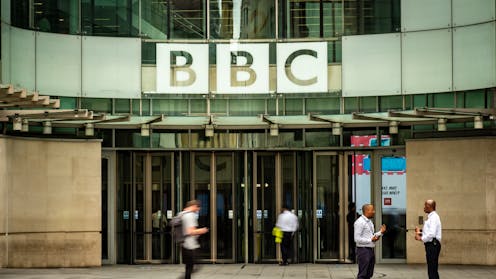
With this in mind, the BBC launched its Verify service in May 2023. Its more than 60 journalists routinely factcheck, verify videos, counter disinformation, analyse data and explain complex stories.

Then in June 2025, the BBC launched Verify Live, a blog that tells audiences in real time what claims they are investigating and how they are being checked.

At the Cardiff School of Journalism, Media and Culture at Cardiff University we have been monitoring BBC Verify since its launch. And we have systematically tracked the first month of BBC Verify Live from June 3-27 this year, examining all 244 blog posts as well as the hundreds of claims and sources that featured.

We’ve found that the service places a heavy emphasis on foreign affairs. We argue that it could (and should) be used more to factcheck UK politics, enhancing the quality of the BBC’s impartiality journalism and serving the public service broadcaster’s domestic audiences.


Get your news from actual experts, straight to your inbox. Sign up to our daily newsletter to receive all The Conversation UK’s latest coverage of news and research, from politics and business to the arts and sciences.


Our analysis found international stories made up 71% of all BBC Verify Live coverage. The coverage largely focused on verifying international conflicts and humanitarian crises, from the Middle East and Ukraine to the recent plane crash in India.

This might reflect the large number of major international stories that occurred over the first month of BBC Verify Live’s launch. But the emphasis on foreign news was also evident in our analysis of the main BBC Verify service over the last 18 months. We monitored how much the factchecking service appeared on the BBC’s News at Ten, and found it was used more often in coverage of foreign affairs.

One exception was during the 2024 general election campaign, when BBC Verify was used to challenge politicians’ claims, and scrutinise policies around migration and the economy. BBC Verify has also covered recent major political developments, like the budget and announcements of flagship government policy.

The emphasis on covering international conflicts is consistent with its editorial mission to “analyse satellite imagery, investigate AI-generated content, factcheck claims and verify videos when news breaks”. BBC Verify regularly uses satellite mapping and geolocation data, which most newsrooms do not have at their disposal, to factcheck images and social media posts.

However, the resources and expertise Verify has could also be used to more regularly factcheck false or misleading claims in domestic political issues. This could be important to building audience trust at a time when the BBC’s impartiality is regularly questioned, while helping people better understand political debates in the UK.

Our past research with media users suggests they want journalists to be bolder and more transparent when assessing the credibility of politicians’ competing claims. BBC Verify is a logical tool to do this.

Two years after it launched, Verify is considered one of the most trusted factchecking sources in the UK by the University of Oxford’s Reuters Institute for the Study of Journalism and the most used by media regulator Ofcom.

BBC Verify has proved it can effectively use its resources and expertise to unpack and challenge domestic political claims – covering the spending review and party manifestos ahead of the 2024 general election. We have previously analysed how BBC Verify robustly challenged a misleading Conservative party claim about a future Labour government raising taxes during the election campaign.

Interrogating real-time claims

BBC Verify Live takes a variety of approaches to its analysis of real-time claims. We assessed all claims appearing in blogs throughout most of June 2025 and discovered that 22% were challenged to some extent (found to be inaccurate), while 23% were upheld (considered accurate) and 13% partially upheld.

Meanwhile, 10% were still being verified at the time the blog was posted (but may have been upheld or challenged in subsequent coverage), and 12% had additional context added to them. One fifth of all claims were not subject to any clear judgement about their accuracy.

BBC Verify Live most often used the UK or official foreign governments, and their militaries or agencies, as the main corroborating sources to factcheck claims, or the focus of the claim being investigated in some stories. These made up well over three quarters of sources in factchecking coverage. There was, comparatively, limited use of think tanks, policy institutes, nongovernmental organisations, experts, academics or eyewitnesses.

Just over one in ten claims had additional context added to them (as opposed to verifying or challenging a claim). This was most often the case in blogs about domestic affairs and rival political claims.

Given the recent cuts to the BBC’s World Service, Verify’s international news agenda will bolster the public service broadcaster’s worldwide profile and credibility. Yet, for BBC Verify to enhance impartiality and trust with domestic audiences, we would argue it should play a more prominent role in routine political reporting, not just during elections or high-profile stories.

The Conversation

Stephen Cushion has received funding from the BBC Trust, Ofcom, AHRC, BA and ESRC.

Nathan Ritchie does not work for, consult, own shares in or receive funding from any company or organisation that would benefit from this article, and has disclosed no relevant affiliations beyond their academic appointment.

ref. BBC Verify largely factchecks international stories – what about UK politics? – https://theconversation.com/bbc-verify-largely-factchecks-international-stories-what-about-uk-politics-260615

A potted history of fermented foods – from pickles to kimchi

Source: The Conversation – UK – By Serin Quinn, PhD Candidate, Department of History, University of Warwick

Are you a pro at pickling? How about baking sourdough bread or brewing your own kombucha? If the answer is yes, you’ve probably picked up on one of the recent trends promoting fermented foods, which promise to boost your gut health and save both you and the planet from the scourge of food waste.

For the uninitiated, fermented foods include anything that uses bacteria to break down organic matter into a new product. Look around an ordinary kitchen and you’ll almost certainly find something fermented: yoghurt (milk), beer and wine (grain/fruit) or vinegar (alcohol). Not all of these will give you the promised health boost, however, which comes from “live” ferments containing probiotic microbes, usually lactic acid bacteria. In alcohol and vinegar the fermenting bacteria die during the process.

The health benefits of fermented foods are widely promoted. Some advocates, like epidemiologist Tim Spector, suggest the gut microbiome is the key to our health, while others are more cautious: in essence, although kefir is certainly good for your gut, it isn’t a cure-all. Still, the research is ongoing and diversifying: one study has even suggested that probiotics could fight the less pleasant recent phenomenon of microplastics in our stomachs.

The future of fermented foods is definitely something to keep an eye on, but equally interesting is their long past and the different fermented food fashions we see over time.


Looking for something good? Cut through the noise with a carefully curated selection of the latest releases, live events and exhibitions, straight to your inbox every fortnight, on Fridays. Sign up here.


People have been fermenting food since before the written word. Thanks to archaeological discoveries, we know that 13,000 years ago ancient Natufian culture in the Levant was fermenting grain into beer and that around the globe in Jiahu, Northern China, 9,000 years ago, a mixture of rice, honey and fruit was fermented to make early “wines”.

In fact, most cultures have at some point in their history fermented plants into alcohol, from agave pulque in Mesoamerica to gum-tree way-a-linah in Australia.

A mosaic of a bottle
Mosaic depicting a garum jug with a titulus reading ‘from the workshop of the garum importer Aulus Umbricius Scaurus’.
Claus Ableiter, CC BY-SA

As to preserving food, archaeologists have found that nearly 10,000 years ago fish was fermented by the Mesolithic inhabitants of Sweden. Today nam pla (fish sauce made from fermented anchovies) is very popular, but fermented fish sauces were a major commodity in the ancient world, including the garum of the Romans. This was made from the blood and guts of mackerel, salt-fermented for two months. Although it might not sound very appealing, garum was an expensive condiment for the Roman nobility and was shipped all the way from Spain to Britain.

Garum eventually lost its popularity in Europe during the Middle Ages, but fermented fish made a comeback in the 18th century. In Asia fish sauces had continued strong, and colonialism brought the south Asian fish sauce kê-chiap to Europe, alongside soy sauce (fermented soybeans). Salt-fermenting oysters and anchovies in this style became popular in England and North America, and people eventually branched out to preserving tomatoes – giving us modern ketchup.

Cabbage cultures

No discussion of fermentation would be complete without pickled vegetables. Today, the most talked-about fermented vegetable is the cabbage, in the form of kimchi and sauerkraut, thanks to its strong probiotic and vitamin C content.

The historical origins of these dishes are unclear. Online articles might tell you that pickled cabbage was first eaten by the builders of the Great Wall of China 2,000 years ago and brought to Europe in Genghis Khan’s saddlebags. These kinds of apocryphal stories should be taken with more than a grain of salt.

Illustration of workers picking grapes
An illustration of the cultivation of grapes and winemaking in Ming dynasty China (1368–1644).
Wellcome Collection

So should the apparent connection to Roman author Pliny the Elder, who made no mention of “salt cabbage” anywhere in his works. While the Greeks and Romans loved cabbage and considered it a cure for many illnesses, they almost always boiled it, which would kill the lactobacillus.

Still, as Jan Davison, author of Pickles: A Global History, writes, literary evidence suggests that salt pickling in general does have a long precedence. Pickled gourds were eaten in Zhou dynasty China around 3,000 years ago.

It’s hard to say when sauerkraut became a common dish, but the term was in use by the 16th century and was associated with Germany by the 17th. As to Korean kimchi, research suggests this style of preservation was practised by the 13th century, only using turnips rather than cabbage.

The popularity of radish and cabbage kimchi only came about in the 16th century, alongside the use of chilli peppers. Now an iconic aspect of this bright-red dish, peppers were not part of “Old World” diets before the Columbian exchange.

History reveals our long relationship with fermented food. Our pickling ancestors were more interested in food preservation than in their bacterial microbiome – a very modern concept. Looking to past practices might even help us innovate fermentation technologies, as recent research from the Vrije Universiteit Brussels shows. I’m not sure about bringing back fermented fish guts, but more pickled turnips doesn’t sound half bad.


This article features references to books that have been included for editorial reasons, and may contain links to bookshop.org. If you click on one of the links and go on to buy something from bookshop.org The Conversation UK may earn a commission.

The Conversation

Serin Quinn does not work for, consult, own shares in or receive funding from any company or organisation that would benefit from this article, and has disclosed no relevant affiliations beyond their academic appointment.

ref. A potted history of fermented foods – from pickles to kimchi – https://theconversation.com/a-potted-history-of-fermented-foods-from-pickles-to-kimchi-260132

Israel is exploiting the vacuum left by southern Syria’s sectarian clashes and a weak state

Source: The Conversation – UK – By Rob Geist Pinfold, Lecturer in International Security, King’s College London

Several days of bitter sectarian fighting in the south of Syria has brought the fledgling government in Damascus dangerously close to direct conflict with Israel, after Israeli warplanes launched strikes against government buildings in the Syrian capital, Damascus, on July 16.

The United Nations and a number of countries condemned the attacks, which the UN secretary general, Antonio Guterres, said were “escalatory airstrikes”. Yet Israeli defence minister, Israel Katz, triumphantly used the social media site X to post a video of a Syrian news anchor diving for cover during the strikes.

Efforts to agree a ceasefire in the region have faltered and fighting between Druze and Bedouin militias in the southern Syrian province of Sweida is understood to have resumed. The BBC has reported that at least 600 people have been killed in the fighting so far.

The violence was seemingly sparked by a petty crime. On July 11, a Bedouin gang allegedly kidnapped and robbed a Druze merchant and the road between Sweida and Damascus. This prompted a series of tit-for-tat sectarian kidnappings and killings.


Get your news from actual experts, straight to your inbox. Sign up to our daily newsletter to receive all The Conversation UK’s latest coverage of news and research, from politics and business to the arts and sciences.


On July 14, Syrian security forces entered the province to restore order, only to be ambushed by Druze fighters. Reports of these fighters executing government forces caused outrage throughout the country. Syria’s government then sent more troops, including tanks and heavy weapons.

But as these reinforcements arrived, they were met by a new challenge: more deadly and prolific Israeli airstrikes against government forces.

Weak central government

This cycle of violence exemplifies the underlying cause of the recent conflict. Syria’s interim central government lacks the credibility and capacity to exert its authority throughout the country.

This is particularly true in Sweida, which has been de facto autonomous for many years. The overstretched Assad regime largely withdrew from the province, during the decade of civil war. When his regime fell, many of the local militias which had served as Sweida’s de facto rulers were reluctant to surrender their weapons.

The recent violence exemplifies why this is a problem. Absent a strong local state, Druze militias took it upon themselves to exact justice, allegedly leading them to attack innocent Bedouins. This led the Bedouins to mobilise in self-defence. There are reports of violence and summary executions on both sides and also by government troops.

Syria’s Druze have good reason not to trust the new regime in Damascus, given the latter’s jihadist roots and history of anti-Druze violence during the civil war. The Sweida Military Council (SMC), a Druze militia led by the Venezualan-born cleric, Hikmet al-Hiji, were hostile to the new government almost from the outset. Other Druze militias in Sweida and elsewhere, however, were in tentative negotiations with Damascus to integrate into government control.

That would be a welcome and necessary step for creating trust in Syria’s new administration and increasing its capacity and capability to rule throughout the country.

But this process has now been derailed. Damascus’s mass mobilisation of troops, tanks and heavy weapons was condemned by all Sweida’s Druze factions, including those formerly close to the government. Some of these groups even fought the advancing security forces.

After government troops withdrew as part of the most recent ceasefire agreement, the province has quickly returned to the same chaotic militia rule that first caused the violence. Bedouin militias have already rejected the ceasefire and resumed hostilities against their Druze rivals.

Israel’s position

The recent violence has not only exacerbated sectarian tensions throughout Syria, it has also disrupted the tentative Israel-Syria peace process. Just one week ago, observers speculated that Israel and Syria might normalise relations. That now looks increasingly unlikely.

When the Assad regime fell in December 2024, Israel occupied swaths of Syrian territory and launched an unprecedented number of strikes throughout the country. Under heavy US pressure, though, Israel moderated its policies. It even began direct negotiations with Syria’s new government.

But as the conflict in southern Syria escalated, Jerusalem warned Damascus that a mass deployment of the state’s security forces within the province would cross a red line, because it would bring Syrian troops close to Israel’s borders. It would also endanger Syria’s Druze, a community that Israel’s government have sworn to protect.

But the fledgling Syrian government has said it aims to be an inclusive, centrally run – rather than a federal – state, so it has to bring Druze and other minorities, such as Syria’s Kurds, into the fold and put an end to the sectarian clashes.

By subsequently escalating its attacks, killing more members of the state security forces than since the Assad regime fell and humiliating the government by destroying its institutions in Damascus, Israel got the result it wanted.

It did so, according to Benjamin Netanyahu, through “forceful actions”. The Israel prime minister told journalists on July 17 that: “We have established a clear policy: the demilitarization of the area south of Damascus and the protection of our brothers, the Druze.”

Israel was faced with a choice: continue imposing its will on Syria militarily, or cooperate with the country’s new government. It has apparently chosen the former.

The fact is that in Sweida, and elsewhere in the fractured country, Syria remains a state with too many guns, gangs, militias and powerful external interests vying for control. Its heterogeneous population increasingly distrust one another and rely on their own ethno-religious groups to fulfil the responsibilities that a weak and distrusted central government cannot.

That distrust continues to flare into open violence in southern Syria. And it appears there is little the fragile central government can do about it.

The Conversation

Rob Geist Pinfold does not work for, consult, own shares in or receive funding from any company or organisation that would benefit from this article, and has disclosed no relevant affiliations beyond their academic appointment.

ref. Israel is exploiting the vacuum left by southern Syria’s sectarian clashes and a weak state – https://theconversation.com/israel-is-exploiting-the-vacuum-left-by-southern-syrias-sectarian-clashes-and-a-weak-state-261482

The US Environmental Protection Agency’s retreat from science endangers the health of people and the planet

Source: The Conversation – UK – By Scott Glaberman, Associate Professor of Comparative Toxicology, University of Birmingham

Andromeda stock/Shutterstock

Pollution causes more illness and early death than any other environmental threat, accounting for one in six deaths worldwide. For decades, the US Environmental Protection Agency’s (EPA) Office of Research and Development (ORD) has driven many of the biggest advances for safeguarding human health and ecosystems from chemicals.

But this year, the Trump administration began dismantling the office by terminating programmes, cutting staff, closing laboratories and moving remaining scientists into regulatory offices. Legal challenges temporarily blocked mass government layoffs.

But that changed when a recent Supreme Court ruling gave the Trump administration the green light to proceed with widespread redundancies and the total elimination of ORD.


Get your news from actual experts, straight to your inbox. Sign up to our daily newsletter to receive all The Conversation UK’s latest coverage of news and research, from politics and business to the arts and sciences.


Now, in so doing, the US is not just gutting its own scientific foundation. It’s also putting decades of global progress in chemical safety, pollution control and public health at risk.

ORD is the EPA’s independent science arm, conducting research that supports clean air, water and land. From detecting pollutants and assessing health risks to guiding environmental cleanup, it ensures EPA decisions are grounded in credible, evidence-based research. ORD develops this science under intense scientific, policy, political and legal scrutiny, which means it produces the best available science that is credible and robust.

ORD doesn’t just study pollution, it uncovers threats before they become crises. Take North Carolina’s Cape Fear River, which supplies drinking water to an estimated 2 million people.

While most scientists focused on known pollutants, ORD used advanced screening tools to detect GenX, a little-known synthetic “forever chemical”. Despite evidence that GenX was contaminating the river basin since the 1980s, not much was known about its potential to harm living systems.

waterfront by cape fear river, sunny blue skies
Forever chemicals were found to be polluting North Carolina’s Cape Fear River in the US.
Kosoff/Shutterstock, CC BY-NC-ND

ORD rapidly filled this void, linking GenX to decreased birth weight and increased mortality in newborn rats, prompting swift regulatory action against the manufacturer to ensure cleaner, safer water for local communities. No other government agency in the world delivers this kind of rapid, science-led response.

It’s not just the strength of ORD’s science that sets it apart, but also its visionary thinking. Among ORD’s most influential ideas is a model that maps out how a chemical is causing harm.

This works like a chain of building blocks, linking tiny effects (like a chemical disrupting a hormone) to much bigger problems, such as cancer or even extinction. Each step shows how one change leads to another until it reaches something we truly care about. This approach helps scientists detect danger early, before it leads to irreversible damage.

Then there’s the EPA’s groundbreaking work in computational toxicology. Nearly two decades ago, leading scientists warned that chemical safety testing relied too heavily on outdated methods and animal experiments.

In response, ORD built ToxCast, a system that uses tiny cells and computer models to screen thousands of chemicals for effects like endocrine disruption or cell damage. It’s faster, cheaper and more humane, and helps scientists predict which substances may pose serious risks.

These scientific breakthroughs don’t come from policy offices. They require researchers with the independence to explore and innovate.

Beyond the US

Europe has bold goals to phase out animal testing. Much of the science driving this shift comes from ORD.

Tools like Ecotox (the world’s largest chemical toxicity database) and the CompTox dashboard (a platform that links predictive models and non-animal test data for over a million substances) are widely used across the EU and UK. Without ORD, these vital resources, hosted by EPA, could disappear, stalling global progress toward safer, more ethical chemical testing.

EPA also collaborates closely with European partners. It maintains formal agreements and joint programmes with the European Chemicals Agency and the UK’s Department for Environment, Food and Rural Affairs. Areas of focus include air quality, computational toxicology and chemical risk assessment.

ORD is a leading scientific institution with global reach. Its tools and ideas have shaped how governments detect hazardous chemicals, understand their effects, and protect people and the planet. From toxicity databases to modern, non-animal testing methods, ORD underpins how we respond to pollution. Eliminating it would create a dangerous void, just as chemical and climate threats are accelerating.

Don’t have time to read about climate change as much as you’d like?

Get a weekly roundup in your inbox instead. Every Wednesday, The Conversation’s environment editor writes Imagine, a short email that goes a little deeper into just one climate issue. Join the 45,000+ readers who’ve subscribed so far.


The Conversation

Scott Glaberman previously worked at the US EPA.

North Carolina State University receives funding from the California Air Resources Board for a research project for which Dr. Frey is a co-principal investigator. H. Christopher Frey served from 2022 to 2024 as Assistant Administrator for the Office of Research and Development, and as Science Advisor, at the U.S. Environmental Protection Agency.

Tamara Tal previously worked at the US EPA in the Office of Research and Development.

ref. The US Environmental Protection Agency’s retreat from science endangers the health of people and the planet – https://theconversation.com/the-us-environmental-protection-agencys-retreat-from-science-endangers-the-health-of-people-and-the-planet-260956

Cognitive warfare: why wars without bombs or bullets are a legal blind spot

Source: The Conversation – UK – By David Gisselsson Nord, Professor, Division of Clinical Genetics, Faculty of Medicine, Lund University

Master1305/Shutterstock

Imagine waking up to the news that a deadly new strain of flu has emerged in your city. Health officials are downplaying it, but social media is flooded with contradictory claims from “medical experts” debating its origin and severity.

Hospitals are filled with patients showing flu-like symptoms, preventing other patients from accessing care and ultimately leading to deaths. It gradually emerges that a foreign adversary orchestrated this panic by planting false information – such as the strain having a very high death rate. Yet despite the casualties, no rules define this as an act of war.

This is cognitive warfare, or cog war for short, where the cognitive domain is used on battlefields or in hostile attacks below the threshold of war.


Get your news from actual experts, straight to your inbox. Sign up to our daily newsletter to receive all The Conversation UK’s latest coverage of news and research, from politics and business to the arts and sciences.


A classical example of cog war is a concept called “reflexive control” – an art refined by Russia over many decades. It involves shaping an adversary’s perceptions to your own benefit without them understanding that they have been manipulated.

In the context of the Ukraine conflict, this has included narratives about historical claims to Ukrainian land and portraying the west as morally corrupt.

Cog war serves to gain advantage over an adversary by targeting attitudes and behaviour at the individual, group or population level. It is designed to modify perceptions of reality, making “human cognition shaping” into a critical realm of warfare. It is therefore a weapon in a geopolitical battle that plays out by interactions across human minds rather than across physical realms.

Because cog war can be waged without the physical damage regulated by the current laws of war, it exists in a legal vacuum. But that doesn’t mean it cannot ultimately incite violence based on false information or cause injury and death by secondary effects.

Battle of minds, bodily damage

The notion that war is essentially a mental contest, where cognitive manipulation is central, harks back to the strategist Sun Tzu (fifth century BC), author of The Art of War. Today, the online domain is the main arena for such operations.

The digital revolution has allowed ever-more tailored content to play into biases mapped through our digital footprint, which is called “microtargeting”. Machine intelligence can even feed us targeted content without ever taking a picture or recording a video. All it takes is a well-designed AI prompt, supporting bad actors’ pre-defined narrative and goals, while covertly misleading the audience.

Such disinformation campaigns increasingly reach into the physical domain of the human body. In the war in Ukraine, we see continued cog war narratives. These include allegations that the Ukrainian authorities were concealing or purposefully inciting cholera outbreaks. Allegations of US-supported bioweapons labs also formed part of false-flag justifications for Russia’s full-scale invasion.

During COVID, false information led to deaths when people refused protective measures or used harmful remedies to treat it. Some narratives during the pandemic were driven as part of a geopolitical battle. While the US engaged in covert information operations, Russian and Chinese state-linked actors coordinated campaigns that used AI-generated social media personas and microtargeting to shape opinions at the level of communities and individuals.

Fake image of Donald Trump being arrested.
wikipedia

The capability of microtargeting may evolve rapidly as methods for brain-machine coupling become more proficient at collecting data on cognition patterns. Ways of providing a better interface between machines and the human brain range from advanced electrodes that you can put on your scalp to virtual reality goggles with sensory stimulation for a more immersive experience.

Darpa’s Next-Generation Nonsurgical Neurotechnology (N3) program illustrates how these devices may become capable of reading from and writing to multiple points in the brain at once. However, these tools might also be hacked or fed poisoned data as a part of future information manipulation or psychological disruption strategies. Directly linking the brain to the digital world in this way will erode the line between the information domain and the human body in a way never done before.

Legal gap

Traditional laws of war assume physical force such as bombs and bullets as the primary concern, leaving cognitive warfare in a legal grey zone. Is psychological manipulation an “armed attack” that justifies self-defence under the UN charter? Currently, no clear answer exists. A state actor could potentially use health disinformation to create mass casualties in another country without formally starting a war.

Similar gaps exist in situations where war, as we traditionally see it, is actually ongoing. Here, cog war can blur the line between permitted military deception (ruses of war) and prohibited perfidy.

Imagine a humanitarian vaccination programme secretly collecting DNA, while covertly used by military forces to map clan-based insurgent networks. This exploitation of medical trust would constitute perfidy under humanitarian law – but only if we start recognising such manipulative tactics as part of warfare.

Developing regulations

So, what can be done to protect us in this new reality? First, we need to rethink what “threats” mean in modern conflict. The UN charter already outlaws “threats to use force” against other nations, but this makes us stuck in a mindset of physical threats.

When a foreign power floods your media with false health alerts designed to create panic, isn’t that threatening your country just as effectively as a military blockade?

While this issue was recognised as early as 2017, by the groups of experts who drafted the Tallinn Manual on cyberwarfare (Rule 70), our legal frameworks haven’t caught up.

Second, we must acknowledge that psychological harm is real harm. When we think about war injuries, we picture physical wounds. But post-traumatic stress disorder has long been recognised as a legitimate war injury – so why not the mental health effects of targeted cognitive operations?

Finally, traditional laws of war might not be enough – we should look to human rights frameworks for solutions. These already include protections for freedom of thought, freedom of opinion and prohibitions against war propaganda that could shield civilians from cognitive attacks. States have obligations to uphold these rights both within their territory and abroad.

The use of increasingly sophisticated tactics and technologies to manipulate cognition and emotion poses one of the most insidious threats to human autonomy in our time. Only by adapting our legal frameworks to this challenge can we foster societal resilience and equip future generations to confront the crises and conflicts of tomorrow.

The Conversation

David Gisselsson Nord receives funding from the Swedish Research Council, the Swedish Cancer Society and the Swedish Childhood Cancer Foundation. He has also received a travel grant from the US Department of Defence.

Alberto Rinaldi has received funding from the The Raoul Wallenberg Visiting Chair in Human Rights and Humanitarian Law and the Swedish Research Council.

ref. Cognitive warfare: why wars without bombs or bullets are a legal blind spot – https://theconversation.com/cognitive-warfare-why-wars-without-bombs-or-bullets-are-a-legal-blind-spot-260607

Decoding hints that Xi Jinping may be under pressure to relinquish some of his power

Source: The Conversation – UK – By Chee Meng Tan, Assistant Professor of Business Economics, University of Nottingham

Political and economic pressures might force Chinese president and overall leader Xi Jinping to delegate some of his powers to his deputies in a highly significant move. This has prompted some observers and media outlets to speculate that Xi’s grip on power may be waning.

A major part of why this is happening is likely to stem from Xi’s difficulties in dealing with China’s economic woes, which began from a real estate crisis in 2021. For years, the Chinese Communist Party (CCP) has relied on providing economic prosperity to legitimise its rule over the country.

But the continuously lacklustre performance of the Chinese economy over the past four years coupled with Trump’s trade war with Beijing is making recovery a difficult task. And this is likely to be a factor that undermines Xi’s rule.


Get your news from actual experts, straight to your inbox. Sign up to our daily newsletter to receive all The Conversation UK’s latest coverage of news and research, from politics and business to the arts and sciences.


These rumours about Xi started just after the latest meeting, on June 30, of the politburo (the principal policy making body of the party), which brings China’s top leaders together to make major decisions.

For people who don’t follow Chinese politics, the idea of Xi delegating some authority might seem nothing special. However, in understanding China, it’s important to understand that Xi has massive power, and it seems the politburo is signalling there are some changes on the horizon.

What are the clues?

Symbolism and indirect language play an important role in how the communist party communicates with Chinese people. The way it is done comes through slogans or key phrases, which are collectively known as “tifa (提法)”’.

This method of information is important since it shapes political language and debate, and influences how a Chinese, and international, audience understands what’s going on. At first glance, the politburo’s call for enhancing “policy coordination” and the “review process” of major tasks may appear to indicate that the central government is seeking to ensure local officials follow through with Beijing’s agenda.

But there is probably more to the politburo’s statement than meets the eye. The statement said that specialised bodies that exist within the party’s central committee, which includes the powerful commissions that Xi’s loyalists now hold, should focus on “guidance and coordination over major initiatives” and to “avoid taking over others’ functions or overstepping boundaries”“.

For experienced China watchers there are hints here that this powerful decision-making body is making a veiled threat against Xi for holding on to too much power. But the opaque nature of China’s elite decision-making process, where a great deal of backroom politics occurs behind closed doors, means that decoding its messages isn’t always easy.

China’s president Xi Jinping on a public outing, after several weeks when he was not seen in public.

Because of all of this, there is increasing speculation that a power struggle is in progress. This isn’t entirely surprising given Xi’s purge of many senior party officials through anti-corruption campaigns and dominance over the highest levels of government is likely to have earned him many enemies over the years.

Another sign that all isn’t going well with Xi’s regime is the removal of some his allies from key positions within the government. Xi began his anti-corruption campaign in 2012 when he became China’s leader. On paper, while officially framed as a drive to clean up corruption, evidence suggests that the campaign may have been used to remove Xi’s political rivals.

The problem for Xi is that the campaign is being used against his loyalists as well. In October 2023, defence minister Li Shangfu, who was considered a Xi ally, was sacked due to what was later confirmed in 2024 to be from due to corruption charges. But the dismissals of Xi loyalists continued.

Admiral Miao Hua, who was in charge of ideological control and personnel appointment within the armed forces and Xi’s associate since his days as a party official in Fujian province, was suspended from office in November 2024. And in June 2025, he was removed after being investigated for corruption .

The previous month, General He Weidong, who was vice-chairman of the powerful Central Military Commission, was arrested also for alleged corruption. Are the purges a consequence of Xi ceding ground to political rivals? This is a possibility.

But even if it weren’t and the purges are part of a concerted effort to stamp out corruption, Xi’s campaign will not only cast aspersions on his ability to appoint the right people into government, but also create a climate of fear among allies and potentially create further enemies. Either scenario puts Xi on the spot. But since Xi became China’s head of state in 2013, he and his loyalists have taken over leadership of many key national commissions, making him the most powerful Chinese leader since the time of Chairman Mao.

These commissions include the Central Financial Commission, which regulates China’s financial markets, the Central Science and Technology Commission, which aims to accelerate China’s technological progress, and the Central Cyberspace Affairs Commission, which regulates China’s digital content.

Who is on the up?

But it looks like Xi is about to delegate some of his power, and there are some other decisions that may indicate a shift. For the first time since coming into power in 2012, Xi skipped the annual summit organised by the Brics group (named after Brazil, Russia, India, China and South Africa). Instead, from July 5 to 7 this year, Chinese premier Li Qiang, led a delegation to Rio de Janeiro.

This isn’t the first time that Li has represented Xi in high-profile conferences abroad. In September 2023, Li attended the G20 summit in New Delhi, India, and has taken part in Asean summits.

But the Brics appearance alongside with Li’s increasingly prominent role in economic policy making may suggest that his influence is on the rise, while Xi’s is declining. Watch this space.

The Conversation

Chee Meng Tan does not work for, consult, own shares in or receive funding from any company or organisation that would benefit from this article, and has disclosed no relevant affiliations beyond their academic appointment.

ref. Decoding hints that Xi Jinping may be under pressure to relinquish some of his power – https://theconversation.com/decoding-hints-that-xi-jinping-may-be-under-pressure-to-relinquish-some-of-his-power-228240

Exercise could ease symptoms for people with chronic lymphocytic leukaemia (CLL) – new study

Source: The Conversation – UK – By David Bartlett, Senior Lecturer of Exercise Immunology, Faculty of Health and Medical Sciences, School of Biosciences, University of Surrey

Ground Picture/Shutterstock

Chronic lymphocytic leukaemia (CLL) is the most common adult blood cancer in the western world, and it predominantly affects older adults. Most people are diagnosed after the age of 70, but increasing numbers of younger people, some under 60, are also being affected.

CLL starts when a type of immune cell called a B cell – normally responsible for producing antibodies – becomes cancerous. This not only stops it from working properly, but also weakens the rest of the immune system.

For many people, CLL begins as a slow-moving, low-grade disease that doesn’t need immediate treatment. These patients are placed on “active monitoring,” where they’re regularly checked for signs of progression. Others, especially those with more aggressive forms of the disease, will need immediate and targeted treatment to destroy the cancer cells.

But regardless of the stage, CLL involves a prolonged and often unpredictable course. It’s associated with a higher risk of infections, secondary cancers and a heavy symptom burden that can affect quality of life for years.


Get your news from actual experts, straight to your inbox. Sign up to our daily newsletter to receive all The Conversation UK’s latest coverage of news and research, from politics and business to the arts and sciences.


People on active monitoring often find themselves in a kind of medical limbo: well enough not to need treatment, but not well enough to feel secure. Fatigue, anxiety, social isolation and fear of infection are common. For those receiving treatment, side effects including nausea, bleeding, diarrhoea and extreme tiredness can make everyday life even more challenging.

Because CLL weakens the body’s ability to fight infection, many people begin avoiding places where germs might spread: busy shops, family gatherings, even the gym. But while this instinct is understandable, it can come at a cost. Over time, isolation and inactivity can chip away at physical fitness, reduce resilience and make it harder to recover from illness or cope with stress.

The role of exercise

Exercise is good for everyone but for people living with CLL, it can be life-changing. Our research shows that physical activity is strongly linked to fewer symptoms and a better quality of life. Fatigue, the most common and often most debilitating symptom, was significantly lower in people who stayed active. Many also reported reduced pain and a greater sense of physical wellbeing.

Cancer-related fatigue isn’t just feeling a bit tired. It’s a deep, persistent exhaustion that doesn’t improve with sleep or rest. The exact biological reasons behind it aren’t fully understood, but one thing is clear: regular movement helps. People who are more active tend to feel better – and live better.

The good news is that even gentle activity can make a difference. Low-intensity activities are safe for almost everyone and come with meaningful health benefits. Walking, yoga, swimming – anything that gets you moving – can help ease symptoms. In fact, research shows that just 12 weeks of regular exercise can reduce fatigue and improve day-to-day wellbeing.

People with additional health concerns, such as heart disease, diabetes or bone conditions, should take extra care. It’s always a good idea to speak to a doctor or physiotherapist before starting a new routine. The PAR-Q+ (physical activity readiness questionnaire) is a helpful tool to assess whether it’s safe to begin exercising.

Once cleared, the goal is to work up to the recommended activity levels: 150–300 minutes of moderate activity a week (like brisk walking or cycling) or 75–150 minutes of vigorous activity (like jogging or swimming), along with two sessions of muscle-strengthening activities per week. Start slowly and build gradually.

Because people with CLL are immunocompromised, it’s important to reduce infection risks while staying active. That might mean exercising outdoors, avoiding crowds, wearing a mask, or choosing quieter times at the gym. But, as long as precautions are taken, the benefits of movement far outweigh the risks.

Benefits of keeping active

In one of our pilot studies, people with CLL who had not yet started treatment showed smaller increases in tumour cell counts after 12 weeks of exercise. Their immune systems also appeared more robust, with stronger responses to abnormal cells. This research is still in its early stages, but it’s encouraging to see that exercise doesn’t appear to accelerate disease progression – and might even help to slow it.

The biggest improvements were seen in people who started off with the worst symptoms or poorest physical condition. In other words, those with the most to gain, gained the most. Older adults, in particular, seemed to benefit from even modest activity.

People receiving treatment were generally less active and reported lower quality of life than those who weren’t but their symptom levels were similar. That suggests physical activity might offer especially meaningful benefits for people going through treatment.

Exercise is already a well-established part of care for people with solid tumours such as breast or bowel cancer.

What’s different about CLL is that many people don’t receive treatment for years – yet still experience symptoms and lower quality of life. Our study shows that physical activity matters just as much for this group. Whether someone is on active monitoring or undergoing treatment, staying active can help ease symptoms, boost energy and improve daily life.

It’s a powerful reminder that even small steps can make a big difference and that living well with CLL isn’t just about waiting for treatment. It’s about reclaiming strength, mobility and agency, one movement at a time.

The Conversation

David Bartlett receives funding from the American Society of Hematology

ref. Exercise could ease symptoms for people with chronic lymphocytic leukaemia (CLL) – new study – https://theconversation.com/exercise-could-ease-symptoms-for-people-with-chronic-lymphocytic-leukaemia-cll-new-study-261221