Ozzy Osbourne’s spirit of defiance changed music forever

Source: The Conversation – UK – By Douglas Schulz, Lecturer in Sociology and Criminology, University of Bradford

Ozzy Osbourne’s death is not just the passing of another rock star. It marks the end of an era – the fading of a figure who helped shape an entire music genre and subculture.

Both as a member of Black Sabbath and as a solo artist, Osbourne’s legacy lies not only in music history but how we understand performance, rebellion, and the expressive power of sound itself.

Despite a long battle with Parkinson’s disease and several health setbacks over the years, the news of his death was a shock to the whole metal community. Just weeks before his death on July 22, Osbourne delivered his final performance with Black Sabbath in the place it all began – Villa Park in Birmingham.

In the hours following the announcement of his death, countless bands and musicians flooded their social media channels to pay their respects.

Osbourne’s life was a testament to reinvention, grit, and the power of artistic authenticity – going from a working-class kid in Aston to the biggest name in heavy metal, writing the soundtrack to so many people’s lives. His distinctive voice, theatrical presence, and sheer will and determination shaped heavy metal music – inspiring generations of musicians and fans.


Looking for something good? Cut through the noise with a carefully curated selection of the latest releases, live events and exhibitions, straight to your inbox every fortnight, on Fridays. Sign up here.


When Black Sabbath emerged in the early 1970s, they played a role in making rock music more menacing, grittier and heavier. The Birmingham band didn’t just turn up the amplifiers and played louder guitars – they introduced a new aesthetic. They were known for their doomy riffs and lyrics about war, madness and the occult. Osbourne, with his uncanny voice and stage presence, was at the front and centre.

This sound was destined to become the blueprint for heavy metal. But Osbourne’s contribution went beyond his voice. He gave the genre its face, theatricality – and above all, its spirit of defiance.

Whether he was biting off the head of a bat on stage, stumbling through reality television with absurd but relatable quotes, or delivering genre-defining performances, Osbourne embodied contradictions. He was a mix of menace and mischief, tragedy and comedy, myth and man.

Heavy metal music has existed in tension with mainstream culture ever since its emergence in the UK in the late 1960s. It has been regarded as too aggressive, too loud, too weird. But Osbourne’s presence forced metal into the public discourse – whether through moral panics in the 1970s and ’80s, or through his television appearances in the 2000s. The Osbournes, a reality show following the family which aired on MTV, was a huge hit in the US and around the world, making Ozzy famous to a whole new audience.

Throughout his long career, Osbourne helped shift heavy metal from the margins into the mainstream, without ever diluting its transgressive edge.

A symbol of inspiration

Osbourne’s stage persona carved out space for other artists to follow. His willingness to be ridiculous, to speak openly about his addictions, health struggles and family dysfunction made him oddly relatable. It is that relatability that allowed Osbourne to be metal’s court jester and elder statesman in one.

Over time, bands like Slipknot, Ghost, Sleep Token, as well as more introspective bands like Deftones or Gojira, owe much to the groundwork Osbourne and Black Sabbath laid: a template for authenticity, theatricality, and emotional openness wrapped in spectacle and distortion. They helped define the core rhythms, riffs, themes and aesthetics that generations of metal bands followed.

But Osbourne’s cultural influence cannot be measured only in record sales (although those were plenty), Grammy wins, or his induction into the US Rock and Roll Hall of Fame. His influence lies in how his image, sound and attitude reshaped music scenes across continents.

In countries where metal is censored or underground, Osbourne was a symbol of resistance. In places where metal was accepted, he was the genre’s most unpredictable ambassador.

The Prince of Darkness, as he was known, may have left the stage but his legacy will live on. His music is still looped on Tiktok videos, and memes still make rounds on social media.

Young metal-heads will continue to emulate his style and irreverence. As long as people pick up guitars and look for a way to scream back at the world, Ozzy will be there – in spirit, in sound, and in spectacle.

The Conversation

Douglas Schulz does not work for, consult, own shares in or receive funding from any company or organisation that would benefit from this article, and has disclosed no relevant affiliations beyond their academic appointment.

– ref. Ozzy Osbourne’s spirit of defiance changed music forever – https://theconversation.com/ozzy-osbournes-spirit-of-defiance-changed-music-forever-261775

Calling university postgrad and undergrad students – apply to showcase your big ideas in Dubai

Source: The Conversation – UK – By Matt Warren, Managing Director, Universal Impact, The Conversation

Share your thoughts. Shutterstock

We believe in the power of research to change the world for the better. But we also understand that research needs to be shared – effectively and accessibly – if it is to have its greatest impact.

As the Conversation UK’s specialist communications subsidiary, Universal Impact’s mission is to enable researchers to communicate their work, in a targeted way, to a wide range of different audiences. Which is why we’re currently working with Prototypes for Humanity. This Dubai-based academic forum and event promotes innovative scientific solutions and enables international research collaboration.

In April, we blogged about how the forum was seeking applicants for its Professors’ Programme. But applications to join this year’s Prototypes for Humanity annual gathering are now open to current university students on any undergraduate or postgraduate course – as well as graduates who completed their qualifications within the past two years.

The key is that your work potentially offers a tangible solution to a real world problem.

That’s you? Apply now…

Participation is free and successful applicants will showcase their innovative solutions at the Jumeirah Emirates Towers, Dubai, from November 17 to 20, 2025. Flight and accommodation costs are covered by the organiser.

There is also a US$100,000 prize fund to help the best projects roll out in the real world – and the opportunity to connect with a wide range of potential partners, funders and collaborators.

The evaluation criteria are threefold, stating that the successful applicants will be able to show:

Positive impact on people, communities or the planet: Whether addressing social issues, environmental concerns, or community development, demonstrating the project’s potential positive impact will be a crucial factor.

Rigour of academic research: We are seeking projects that demonstrate a deep understanding of the challenges addressed, and the students’ ability to propose meaningful and innovative solutions through structured research.

Application of technology: Innovative and effective use of technology (High-tech or Low-tech) is key, whether incorporating cutting-edge advancements or utilising simple yet efficient solutions.

More than 2,700 entries landed in The Prototypes for Humanity programme’s inbox last year. And researchers from 800 universities, many members of The Conversation’s international network, applied.


Read more:
Prototypes for Humanity showcases solutions-based projects from universities around the world – in Dubai


More than 100 projects were chosen to present at that event – and a similar number will be selected for this November’s showcase. The Conversation UK’s editor, Stephen Khan was at the 2024 event and blogged afterwards:

For The Conversation, it was an introduction to some projects that I expect you’ll hear and read more about in our content in the months to come.

While we rightly assess and explain events as they happen, delivering information about new research, and particularly innovative solutions that are born in the labs, studios and seminars of our partner universities is also a central element of our mission as we strive to be the comprehensive conveyor of academic knowledge.

Indeed, two researchers who presented their work – on sustainable batteries – at the 2024 event recently featured on The Conversation Weekly’s award-winning podcast. We expect many more to write about their work for The Conversation down the line.


Read more:
What will batteries of the future be made of? Four scientists discuss the options – podcast


You can submit research projects as an individual or group, or ask your professor to submit on your behalf. You can find the application link here and more information on the programme here. The deadline is July 31, 2025.

Good luck.


Universal Impact is a commercial subsidiary of The Conversation UK, offering specialist training, mentoring and research communication services and donating profits back to our parent charity. If you’re a researcher or research institution and you’re interested in working together, please get in touch – or subscribe to our weekly newsletter to find out more.

The Conversation

– ref. Calling university postgrad and undergrad students – apply to showcase your big ideas in Dubai – https://theconversation.com/calling-university-postgrad-and-undergrad-students-apply-to-showcase-your-big-ideas-in-dubai-261706

Popular Tunisian island’s cultural heritage at risk due to tourism, neglect and climate change

Source: The Conversation – UK – By Majdi Faleh, Academic Fellow & Lecturer in Architecture and Cultural Heritage, Nottingham Trent University

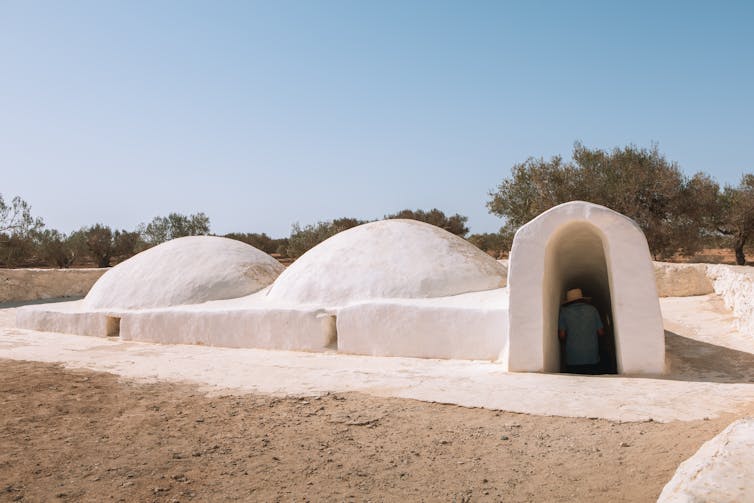
The Sidi Yati mosque in Djerba, which dates back to the 10th century, has been damaged by coastal erosion. Mehdi Elouati, CC BY-NC-ND

Nestled in the southern Mediterranean, off the south-east coast of Tunisia, lies the island of Djerba. With a rich cultural and religious history, it has been a crossroad of many civilisations, including the Phoenicians, Romans, Byzantines and Arabs, and is home to many unique architectural sites. These include the Sedouikech underground mosque, St Joseph’s Church and the El Ghriba Synagogue.

But, for many years, Djerba’s cultural heritage has been in danger. This is due to a combination of over-tourism, environmental change and human neglect.

An underground mosque on the island of Djerba.
Mariana Delca / Shutterstock

By the 1990s to early 2000s, when Djerba was at the height of its popularity, the island was attracting between 1 million and 1.5 million visitors each year. It is one of Tunisia’s most popular tourist areas, with more hotels than any other destination in the country.

Tourism has resulted in excessive tourist traffic in Djerba, particularly during the summer. It has also contributed to other problems such as water stress and waste generation. According to figures from 2020, hotels alone generate between 35% and 40% of all the waste on the island.

But the development of tourism has, above all, altered Djerba’s cultural landscape. In some areas of the island, Djerba’s traditional housing – houmas, menzels and houchs – have given way to more modern tourist infrastructure.

This has accelerated since Tunisia’s 2011 revolution, when long-time dictator Zine El Abidine Ben Ali was ousted. Weak institutional oversight has led to vandalism, illegal construction on archaeological sites and unauthorised demolitions.

The development of tourism on Djerba has also eroded traditional ways of life. The island has experienced significant changes due to tourism, with the development of roads, ferries, an airport and the internet leading to a decline in traditional activity. Livelihoods like agriculture, fishing and artisanal crafts have declined and are often now showcased only in tourist areas.

A man wearing traditional dress walks down a street in Djerba.
Life on Djerba has changed since it was opened up for tourism.
BTWImages / Shutterstock

Climate change has worsened Djerba’s problems. Rainfall patterns have changed across the island over recent decades, with models suggesting that annual precipitation rates could drop 20% by the end of the century. More frequent and prolonged droughts are expected.

At the same time, rising sea levels and increasingly common storm surges are affecting the island. Research from 2022 found that 14% of Djerba’s beaches are now highly vulnerable to submersion and coastal erosion.

Several historical monuments on Djerba have already experienced periodic flooding and saltwater intrusion. The ruins of Sidi Garous and the shrine of Sidi Bakour are now entirely underwater and have been replaced by memorials.

Other archaeological sites located near the coast like Haribus, Meninx, Ghizene and Edzira, some of which date back to the Roman era (eighth century BC to fifth century AD), are now partially or fully submerged. Studies by Tunisia’s National Institute of Heritage suggest that many of these sites have been lost permanently to the encroaching sea.

World heritage site

Significant portions of Djerba’s cultural heritage have already been erased by sea-level rise and coastal erosion. Future losses could be even more severe. The island’s cultural heritage will only grow more precarious without meaningful preservation and climate adaptation efforts.

However, many of Djerba’s monuments, historical buildings and traditional dwellings have suffered from years of neglect. A chronic lack of local and international funding, as well as weak institutional frameworks for heritage management, mean some of the island’s historic structures have been abandoned. Many other buildings have deteriorated due to a lack of protective measures and maintenance.

Community organisations such as the Association for the Safeguarding of the Island of Djerba have tried to step in to fill the void left by weak institutional frameworks. Their work ranges from delivering public awareness campaigns to local young people to efforts like re-purposing ancient rainwater tanks to manage periods of drought.

But these grassroots efforts alone are not enough to stop Djerba’s cultural heritage from deteriorating at its current pace.

The ruins of a Housh on Djerba.
The ruins of a Housh, a traditional dwelling, on the island of Djerba.
Ahmed Bedoui, CC BY-NC-ND

In September 2023, the UN Educational, Scientific and Cultural Organization (Unesco) announced that it was adding Djerba to its list of world heritage sites. Tunisia’s culture ministry welcomed the decision. It followed years of efforts by local groups and government officials to add Djerba to the list.

Djerba’s inclusion offers hope for the long-term preservation of the island’s heritage. A world heritage site designation increases global recognition and enables improved access to sources of funding.

And since Djerba’s classification, there has been some progress. The culture ministry has established a task force to monitor the construction of buildings and other infrastructure, collect data on designated protected areas, and prepare projects to preserve heritage sites.

But Djerba’s cultural heritage remains in danger. Improved preservation of these sites will require continuous funding and stringent regulation of tourism and construction activities.

The Conversation

The authors do not work for, consult, own shares in or receive funding from any company or organisation that would benefit from this article, and have disclosed no relevant affiliations beyond their academic appointment.

– ref. Popular Tunisian island’s cultural heritage at risk due to tourism, neglect and climate change – https://theconversation.com/popular-tunisian-islands-cultural-heritage-at-risk-due-to-tourism-neglect-and-climate-change-223612

Farewell to summer? ‘Haze’ and ‘trash’ among Earth’s new seasons as climate change and pollution play havoc

Source: The Conversation – UK – By Felicia Liu, Lecturer (Assistant Professor) in Sustainability, University of York

Throughout history, people have viewed seasons as relatively stable, recurrent blocks of time that neatly align farming, cultural celebrations and routines with nature’s cycles. But the seasons as we know them are changing. Human activity is rapidly transforming the Earth, and once reliable seasonal patterns are becoming unfamiliar.

In our recent study, we argue that new seasons are surfacing. These emergent seasons are entirely novel and anthropogenic (in other words, made by humans).

Examples include “haze seasons” in the northern and equatorial nations of south-east Asia, when the sky is filled with smoke for several weeks. This is caused by widespread burning of vegetation to clear forests and make way for agriculture during particularly dry times of year.

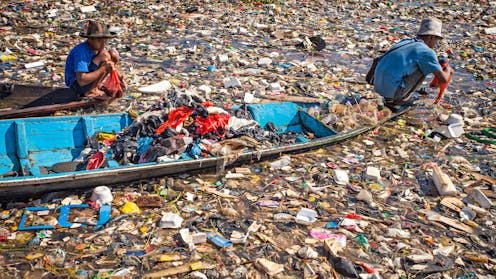
Or there is the annual “trash season”, during which tidal patterns bring plastic to the shores of Bali, Indonesia, between November and March.


Get your news from actual experts, straight to your inbox. Sign up to our daily newsletter to receive all The Conversation UK’s latest coverage of news and research, from politics and business to the arts and sciences.


At the same time, some seasons are disappearing altogether, with profound consequences for ecosystems and cultures. These extinct seasons can encompass drastically altered or terminated migratory animal behaviour, such as the decline of seabird breeding seasons in northern England.

Climate change is also calling time on traditional winter sport seasons by making snow scarcer in alpine regions.

Nature’s new rhythms

Perhaps more common are “syncopated seasons”. The changes are akin to new emphases on beats or off-beats in familiar music that capture the listener’s attention.

Syncopated seasons include hotter summers and milder winters in temperate climates, with increasingly frequent and severe extreme weather that exposes more people and ecosystems to stress.

The timings of key seasonal events, like when leaves fall or certain migratory species arrive, are becoming more unpredictable. We coined the term “arrhythmic seasons”, a concept borrowed from cardiology, to refer to abnormal rhythms which include earlier springs or breeding seasons, longer summers or growing seasons, and shorter winters or hibernating seasons.

Changing seasonal patterns throw the interdependent life cycles of plants and animals out of sync with each other, and disrupt the communities that are economically, socially and culturally dependent on them.

In northern Thailand, human activity has reshaped nature’s rhythms and affected the supply of water and food in turn. Communities along the Mekong river’s tributaries have relied on the seasonal flow of rivers to fish and farm for generations.

At first, upstream dams disrupted these cycles by blocking fish migration and preventing the accumulation of sediment that farms need for soil. More recently, climate change has shifted rainfall patterns and made dry seasons longer and rainy seasons shorter but more intense, bringing fires and further uncertainty to farmers.

Let’s rethink time

How we react to changing seasonal patterns can either worsen or improve environmental conditions. In south-east Asia, public awareness of the “haze season” has led to better forecasting, the installation of air filters in homes and the establishment of public health initiatives.

These efforts help communities adapt. But if society only uses adaptive fixes like these, it can make the haze worse over time by failing to tackle its root causes. By recognising this new season, societies might normalise the recurrence of haze and isolate anyone who demands the government and businesses deal with deforestation and burning.

Powerful institutions like these shape narratives about seasonal crises to minimise their responsibility and shift blame elsewhere. Understanding these dynamics is crucial to fostering accountability and ensuring fair responses.

The shifting seasons require us to rethink our relationship with time and the environment. Today, most of us think about time in terms of days, hours and minutes, which is a globalised standard used everywhere from smartphones to train timetables. But this way of keeping time forgets older and more local ways of understanding time – those that are shaped by natural rhythms, such as the arrival of the rainy season, or solar and lunar cycles, rooted in the lives and cultures of different communities.

Diverse perspectives, especially those from Indigenous knowledge systems, can enhance our ability to respond to environmental changes. Integrating alternative time-keeping methods into mainstream practices could foster fairer and more effective solutions to environmental problems.

Seasons are more than just divisions of time – they connect us with nature. Finding synchrony with changing seasonal rhythms is essential for building a sustainable future.


Don’t have time to read about climate change as much as you’d like?

Get a weekly roundup in your inbox instead. Every Wednesday, The Conversation’s environment editor writes Imagine, a short email that goes a little deeper into just one climate issue. Join the 45,000+ readers who’ve subscribed so far.


The Conversation

The authors do not work for, consult, own shares in or receive funding from any company or organisation that would benefit from this article, and have disclosed no relevant affiliations beyond their academic appointment.

– ref. Farewell to summer? ‘Haze’ and ‘trash’ among Earth’s new seasons as climate change and pollution play havoc – https://theconversation.com/farewell-to-summer-haze-and-trash-among-earths-new-seasons-as-climate-change-and-pollution-play-havoc-260765

As Sri Lanka’s economy pivots from tourism, it’s well placed to benefit from global trade and geopolitical jostling – new research

Source: The Conversation – UK – By Hemamali Tennakoon, Senior Lecturer in Strategy and Management, Brunel University of London

Dmytro Buianskyi/Shutterstock

With its natural beauty, wildlife and culture, Sri Lanka is known as the “pearl of the Indian Ocean”, and attracts millions of tourists every year.

But my research suggests that the country might not be so reliant on tourism in the future, as it looks to become a major player in global maritime trade. The island’s numerous harbours and enviable location along international sea routes have led to major investment from China and the US, as they seek to extend their strategic influence in the region.

That investment is being welcomed after years of economic and political turmoil in Sri Lanka.

The Easter bombings of 2019 targeted Catholic churches and hotels, killing 269 people and devastating tourism. The same year, significant tax cuts slashed government revenue before COVID did serious damage to the economy.

In 2021, a ban on chemical fertilisers led to nationwide agricultural failure, while excessive borrowing and money printing triggered soaring inflation, which peaked at 70% in August 2022. The country ended up failing to pay its foreign debts.

Following huge protests in 2022 and the resignation of the president, Sri Lanka began a major political and economic shift. It secured a bailout from the International Monetary Fund and implemented reforms aimed at stabilising the economy.

So far, some of the effects have been positive. Inflation has eased, investor confidence has improved and more tea, clothing and rubber products are being exported up.

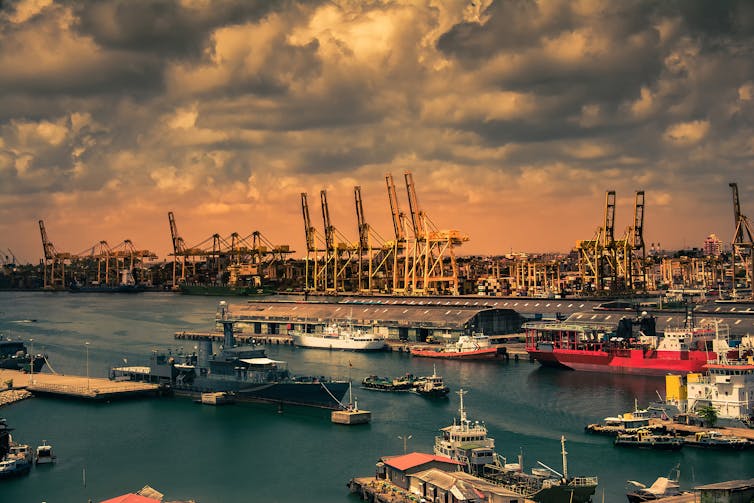
Key to this has been improved logistics and port infrastructure. Business at the port of Colombo, the country’s largest, is booming, aided in part by global shipping disruptions, including the Red Sea crisis, which rerouted vessels through the Indian Ocean.

But international maritime ambitions can be a complex affair, and Sri Lanka needs to be wary of becoming just a well-positioned commodity for the world’s economic superpowers.

China for example, has secured a controversial 99-year lease of Hambantota port. India, wary of Chinese encroachment, has ramped up its own investments, including the development of a container terminal in Colombo.

In 2023, the US announced a US$500 million (£372 million) plan to develop a deep-water shipping container terminal at the port of Colombo. And the potential US tariffs of 30% on imports from Sri Lanka have been interpreted by some as a pressure tactic to get greater access to its waters.

Balancing these interests is a delicate act. While foreign investment is crucial for infrastructure development, Sri Lanka needs to protect its sovereignty and ensure that port operations serve national, not just international, interests.

My research suggests that one way of building a resilient and diverse Sri Lankan economy would be to focus on its surrounding waters. Sri Lanka’s vast “exclusive economic zone”, an area of sea where it controls marine resources, holds massive untapped potential.

Blue economy

This potential lies in traditional sectors like fisheries and tourism, but also emerging industries such as marine biotechnology.

This growing field offers opportunities in things like bioengineering and marine-based pharmaceuticals. With other countries rapidly advancing in these sectors, Sri Lanka is well-positioned to follow suit and become a regional leader in the blue economy (economic activities associated with the sustainable use of ocean resources).

Port and harbour scene.
Business is booming in the port of Colombo.
shutterlk/Shutterstock

But there is still a complex web of geopolitical interests and economic pressures to navigate, as well as environmental challenges.

At the moment for example, the Sri Lankan government is making plans for the deep natural port at Trincomalee to become a major marine repair and refuelling centre between Dubai and Singapore. Other proposed projects include offshore wind farms and oil rig facilities.

The country also needs to compete with the likes of Malaysia, which is investing heavily in AI-driven port operations. To stay competitive, Sri Lanka must modernise infrastructure and streamline processes.

And despite the progress, challenges persist. Poverty in Sri Lanka has doubled since 2021, while youth unemployment remains high.

Sri Lanka faces rising maritime threats like piracy and illegal fishing, requiring stronger maritime surveillance. Simultaneously, port expansion risks damaging marine ecosystems. Green technologies and stricter environmental regulations are essential for long-term security and sustainability.

Sri Lanka’s strategic location and maritime heritage offer a foundation for economic renewal. With wise governance, sustainability, and balanced geopolitics, its ports could once again become vital gateways to regional prosperity and global trade.

The Conversation

Hemamali Tennakoon does not work for, consult, own shares in or receive funding from any company or organisation that would benefit from this article, and has disclosed no relevant affiliations beyond their academic appointment.

– ref. As Sri Lanka’s economy pivots from tourism, it’s well placed to benefit from global trade and geopolitical jostling – new research – https://theconversation.com/as-sri-lankas-economy-pivots-from-tourism-its-well-placed-to-benefit-from-global-trade-and-geopolitical-jostling-new-research-261231

A global treaty to limit plastic pollution is within reach – will countries seize the moment?

Source: The Conversation – UK – By Winnie Courtene-Jones, Lecturer in Marine Pollution, Bangor University

Bandung, Indonesia. Sony Herdiana/Shutterstock

Representatives from 175 countries will gather in Geneva, Switzerland, in August for the final round of negotiations on a legally binding UN treaty to end plastic pollution. Non-governmental organisations, academics and industry lobbyists will also be in the room. They will all be hoping to influence what could be the world’s first truly global agreement on plastics.

The summit, known as “INC-5.2”, follows a failed attempt to reach agreement in Busan, South Korea, late last year. That meeting ended without resolving important issues, despite hopes that it would conclude the treaty process. Now, it’s crunch time in Geneva.

Either countries bridge their political divides, or risk the whole process falling apart.

I’ve been researching the effects of plastic for more than a decade and have been involved in the UN treaty process since 2022. I’ve attended several of the negotiations and will be in Geneva next month. The science is clear: we need ambitious action which tackles every stage of the plastics lifecycle, from production through to disposal. But the question is, will countries deliver?


Get your news from actual experts, straight to your inbox. Sign up to our daily newsletter to receive all The Conversation UK’s latest coverage of news and research, from politics and business to the arts and sciences.


In 2022, the UN Environment Assembly agreed to develop a legally binding treaty to end plastic pollution. Since then, progress has been slow. Negotiations have repeatedly stalled over issues such as whether the treaty should limit plastic production or regulate chemicals, how to define terms, and how to fund implementation.

Industry lobbying has also played a powerful role throughout. At the last round of talks, lobbyists for the petrochemical and plastics industries made up the single largest delegation. They outnumbered representatives from the EU, all of Latin America, the Pacific islands, independent scientists and Indigenous communities. This imbalance threatens to weaken the science-based action that is urgently needed.

Although countries failed to reach agreement in Busan, a foundation was laid. They agreed to continue negotiations using the “chair’s text”, which is a draft treaty with multiple options still on the table. That document forms the starting point in Geneva. But it remains uncertain whether enough common ground can be found to finalise the text.

What’s at stake?

This treaty is a once-in-a-generation chance to tackle one of the world’s most urgent environmental crises. More than 450 million tonnes of plastic are produced every year. That figure is expected to double by 2045 if current trends continue.

Only around 9% of plastic is ever recycled. The rest is landfilled, incinerated or ends up polluting the environment.

An estimated 139 million tonnes of plastics pollute marine and fresh water. But that could be significantly higher when considering leakages of plastics to land, and from microplastics, which are plastics smaller than 5mm in diameter.

Plastic is found in the deepest oceans, the remotest mountains and inside the human body. While scientists are only beginning to understand the long-term implications for human health, biodiversity and climate, studies show harmful effects of plastics and their chemicals on animals and ecosystems.

Plastic pollution doesn’t respect national borders. It moves through rivers, oceans and air, and gets carried across continents. Global supply chains and waste exports have made this a problem no country can solve alone. That’s why a global treaty is essential.

Crossroads

Despite this growing urgency, a disparity in positions has hindered progress and continues to divide delegations.

Some, such as members of the High Ambition Coalition, a group of countries committed to progressive climate action, want strong rules to cap plastic production, phase out toxic chemicals and hold polluters accountable. Others, often with prominent petrochemical industries, argue for a weaker, voluntary approach focused mainly on recycling and waste management.


Read more:
A global plastic treaty will only work if it caps production, modelling shows


If these divisions aren’t resolved, there’s a real risk the treaty will end up being too watered down to make a difference. A patchy, fragmented agreement would fail to curb rising plastic production and could undermine the integrity of global action.

Between December’s meeting in Busan and next month’s talks, countries have been holding smaller meetings to try to find compromise. That momentum must now be carried into the final negotiations.

Important articles in the draft treaty, including those on chemicals and products, plastic production and finance, remain contested. Whether those provisions are strengthened or diluted will shape the treaty’s effects for decades to come.

Flexibility will be needed. But leadership is also crucial. Countries that support an ambitious outcome must stand firm and bring others with them.

As we approach what may be the final negotiating round, we’re at a critical crossroads. The world has the chance to take meaningful action on plastic pollution. Let’s not waste it.


Don’t have time to read about climate change as much as you’d like?

Get a weekly roundup in your inbox instead. Every Wednesday, The Conversation’s environment editor writes Imagine, a short email that goes a little deeper into just one climate issue. Join the 45,000+ readers who’ve subscribed so far.


The Conversation

Winnie Courtene-Jones is an unpaid member and working-group lead of the Scientists’ Coalition for an Effective Treaty; an International network of independent scientific and technical experts contributing robust scientific evidence to the Treaty process.

– ref. A global treaty to limit plastic pollution is within reach – will countries seize the moment? – https://theconversation.com/a-global-treaty-to-limit-plastic-pollution-is-within-reach-will-countries-seize-the-moment-261331

From ‘MMS’ to ‘aerobic oxygen’, why drinking bleach has become a dangerous wellness trend

Source: The Conversation – UK – By Adam Taylor, Professor of Anatomy, Lancaster University

Grossinger/Shutterstock

If something online promises to cure everything, it’s probably too good to be true. One of the most dangerous examples? Chlorine dioxide is often marketed under names like “Miracle Mineral Solution (MMS)” or “aerobic oxygen”, buzzwords that hint at health and vitality.

But in reality, these products can make you violently ill within hours – and in some cases, they can be fatal.

Despite what the name suggests, MMS is not just bleach. Bleach contains sodium hypochlorite, whereas MMS contains sodium chlorite – a different but equally toxic chemical.

When ingested, sodium chlorite can cause methemoglobinemia, a condition where red blood cells lose their ability to carry oxygen. It can also trigger haemolysis (the rupture of red blood cells), followed by kidney failure and death.


Get your news from actual experts, straight to your inbox. Sign up to our daily newsletter to receive all The Conversation UK’s latest coverage of news and research, from politics and business to the arts and sciences.


When sodium chlorite mixes with acid (such as stomach acid), it converts into chlorine dioxide, a bleaching agent. This compound has strong antimicrobial properties: it can kill bacteria, fungi and even viruses like SARS-CoV-2. For that reason, it’s commonly used in sanitising dental equipment and hospital tools like endoscopes. Its effectiveness at killing over 400 bacterial species makes it useful in cleaning – but not in humans.

While the mouth and oesophagus are lined with multiple cell layers, offering some protection, the stomach and intestines are far more vulnerable. These organs have a single-cell lining to absorb nutrients efficiently – but this also means they’re highly sensitive to damage.

That’s why ingesting chlorine dioxide often leads to nausea, vomiting, abdominal pain, and diarrhoea. In extreme cases, the chemical can burn through the gut lining, leading to bowel perforation – a medical emergency with a high risk of death.

Using MMS as an enema is equally dangerous. Chlorine dioxide can trigger an overproduction of reactive oxygen species – unstable molecules that damage cells and contribute to chronic gut conditions. This cellular stress may explain both the immediate symptoms and the long-term injuries seen in reported cases.

It doesn’t make a good mouthwash, either

Some sellers claim MMS can be used safely in the mouth because it’s found in dental cleaners. But clinical trials show it’s no more effective than other mouthwashes, and its oxidising power doesn’t distinguish between harmful microbes and healthy cells.

Yes, it may temporarily reduce bad breath, but it also disrupts protein synthesis, damages cell membranes, and harms the gut microbiome – the collection of helpful bacteria we rely on for digestion and immune health.

Chlorine dioxide doesn’t just attack the gut. It also affects the cardiovascular system. Documented risks include low blood pressure, fainting, and cardiac damage – including stroke and shock.

In some cases, it causes a dangerous blood disorder called disseminated intravascular coagulation (DIC). This condition causes abnormal clotting, followed by severe bleeding and potential organ failure, stroke and death.

Chlorine dioxide is also a respiratory irritant. Inhalation can inflame the nose, throat and lungs, and in severe cases, cause respiratory distress – particularly with repeated exposure in workplaces.

Studies of factory workers show that even low doses can lead to nasal inflammation, coughing and breathing difficulties. And some patients who drank chlorine dioxide to “treat” COVID-19 ended up with severe chemical lung injuries.

Risks to the brain, hormones and skin

Animal studies suggest chlorine dioxide can harm the nervous system, causing developmental delays, reduced movement, and slower brain growth. It also appears to affect the thyroid, potentially causing hormonal disruptions and delayed puberty.

It doesn’t stop there. Some people who consume chlorine dioxide also develop cerebral salt wasting syndrome, a condition where the kidneys lose too much sodium, leading to excessive urination, dehydration and dangerously low blood volume.

Skin contact isn’t safe either. Chlorine dioxide can irritate the skin, and lab studies show it can kill skin cells at high concentrations. People who’ve used it to treat fungal infections have ended up with chemical dermatitis instead.

Chlorine dioxide can be useful for disinfecting hospital tools, dental equipment and water supplies. But that doesn’t mean it belongs in your body. Many of its supposed “benefits” come from lab studies or animal research – not from safe, approved human trials.

There’s no evidence that drinking it cures any disease. There’s overwhelming evidence that it can harm or kill you.

So, if you’re tempted by a product that promises miracles with science-y language and zero regulation, take a step back. The risks are very real – and very dangerous.

The Conversation

Adam Taylor does not work for, consult, own shares in or receive funding from any company or organisation that would benefit from this article, and has disclosed no relevant affiliations beyond their academic appointment.

– ref. From ‘MMS’ to ‘aerobic oxygen’, why drinking bleach has become a dangerous wellness trend – https://theconversation.com/from-mms-to-aerobic-oxygen-why-drinking-bleach-has-become-a-dangerous-wellness-trend-260761

No wonder England’s water needs cleaning up – most sewage discharges aren’t even classified as pollution incidents

Source: The Conversation – UK – By Alex Ford, Professor of Biology, University of Portsmouth

oneSHUTTER oneMEMORY/Shutterstock

England’s privatised water industry may one day be considered a textbook case study of failed corporate responsibility, regulation and governance. The Cunliffe review, the recent report into England’s privatised water industry, concluded that the financial regulator, OfWat, needs to be disbanded and a new water regulator will be introduced.

For that to work effectively, better pollution monitoring and more clearly defined pollution incident criteria are essential. While politicians and water companies have claimed to be reducing pollution incidences, they might not strictly be tackling sources of pollution, so communications must be carefully scrutinised for disinformation.

The UK’s environment minister Steve Reed MP has described the water industry as “broken”. The public have rising water bills. Water companies owe over £60 billion in debts and have left the country with uncertain water security in the face of climate change.

The Environment Agency (EA) in England recently announced that serious pollution incidents in 2024 rose by 60% to 75 from 47 in the previous year. The EA classifies pollution incidents using a four-point scale called the common incident classification scheme. Trained EA officers consider the evidence reported via their incident hotline to assess its credibility and severity.


Get your news from actual experts, straight to your inbox. Sign up to our daily newsletter to receive all The Conversation UK’s latest coverage of news and research, from politics and business to the arts and sciences.


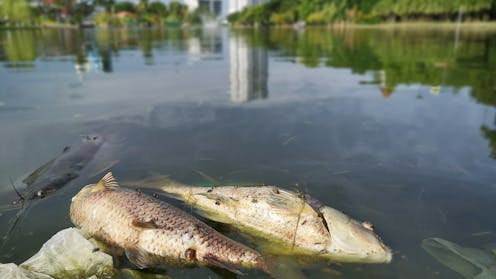
Category 1 is for major incidents, 2 for significant, 3 for minor incidents and 4 for no impact. Category 1 and 2 typically involve visible signs of dead fish floating. For salmon, if more than 10 adult or 100 young fish are dead, this is category 1. With fewer than ten adult and 100 young fish dead, it’s category 2.

No dead fish, no serious problem? The EA can also record damage on protected habitats as “pollution incidents” but these are harder to substantiate without investigative research that takes time and money.

Last year, more than 450,000 sewage discharges were recorded by event duration monitors. These are devices fitted to the end of overflow pipes that indicate when and for how long they have been discharging.

These discharges represent 3.6 million hours of untreated sewage going into our rivers and coasts. These contain chemical contaminants including pharmaceuticals, detergents and human pathogens. Only 75 incidents were recorded as serious or significant in 2024. Another 2,726 were classed as minor.

So lots of sewage discharges are not being classified as pollution incidents, despite containing pollutants. The EA advises its investigating officers to “record substantiated incidents that result in no environmental impact, or where the impact cannot be confirmed, as a category 4”.

The EA has been criticised for turning up late to 74% of category 1 and 2 pollution incidents and for being pressured to ignore low-level pollution – all claims that they have denied. However, they admit they are constrained by finances. Any new regulator must be adequately resourced and independent.

pollution from pipe out into environment
Pollution isn’t always classified as an official pollution incident.
YueStock/Shutterstock

In their recent report into pollution incidences, the EA states that they respond to all category 1 and 2 (serious and significant) water industry incidents and will be increasing their attendance at category 3 (minor) incidents. They highlight that more inspections will identify more issues. This shows some acceptance that the more incidents they attend, the more would be substantiated or recorded appropriately.

Most sewage discharges would not have been reported to, or recorded by, the EA as pollution incidents because they were permitted discharges from combined stormwater overflows. Water companies are allowed to discharge untreated wastewater under exceptional rainfall or snowfall conditions to prevent sewage backing up through the pipes.

Extra water flow in rivers from rainfall is meant to dilute chemical contaminants in wastewater. However, some discharges can last days or weeks. The EA is currently investigating whether water companies have been breaching their permits and discharging untreated wastewater when there is low or even no rainfall.

What counts as pollution?

The UN classifies pollution as “presence of substances and energy (for example, light and heat) in environmental media (air, water, land) whose nature, location, or quantity produces undesirable environmental effects”. This definition differs markedly from the EA’s working definition of pollution incidents.

Many sewage discharges containing low concentrations of pollutants won’t kill fish but might still be harmful to fish larvae or small insects, for example.

However, the broad picture from EA data is that invertebrate communities at least are in a better state than they were three decades ago before wastewater treatment plants were upgraded following the EU’s Urban Wastewater Directive.

Some pollutants bioaccumulate through the food chain, so they become concentrated in top predators such as orcas. Some chemicals mimic reproductive hormones even in low concentrations and can feminise fish, for example. High levels of nutrients from agriculture and sewage in rivers can cause fungal diseases in seagrass meadows.

Other families of chemicals build up in wildlife and people, such as persistent “forever chemicals”, much of which comes from wastewater discharges. Continued discharges of antibiotics into waterways might not be classified as pollution incidents but still pose a substantial risk to human and ecosystem health through bacteria developing antibiotic resistance.

The government has just committed to cut sewage pollution by 50% by December 2029 based on 2024 data. But it’s not yet clear whether these involve cutting the frequency of discharges, the duration or both.

This data could also be manipulated so that a large number of small discharges can be consolidated into one official discharge event. Currently, the volume of discharges from stormwater overflows isn’t known. Without this vital data we can’t ascertain the risk posed by their contaminants.


Don’t have time to read about climate change as much as you’d like?

Get a weekly roundup in your inbox instead. Every Wednesday, The Conversation’s environment editor writes Imagine, a short email that goes a little deeper into just one climate issue. Join the 45,000+ readers who’ve subscribed so far.


The Conversation

Alex Ford receives funding from the Natural Environment Research Council (NERC), EU, charities and industry including water companies.

– ref. No wonder England’s water needs cleaning up – most sewage discharges aren’t even classified as pollution incidents – https://theconversation.com/no-wonder-englands-water-needs-cleaning-up-most-sewage-discharges-arent-even-classified-as-pollution-incidents-261502

What was the Battle of Orgreave, and why has the government launched an inquiry into it?

Source: The Conversation – UK – By Steven Daniels, Lecturer in Politics, Edge Hill University

The UK’s home secretary, Yvette Cooper, has announced a full inquiry into the Battle of Orgreave, a large, violent clash between the National Union of Mineworkers and South Yorkshire police that took place over 40 years ago.

The clash was a flashpoint of the 1984-85 miners’ strike, in which mining communities fought to protect jobs and industry from closure. It descended into a violent confrontation between miners and police, with injuries and accusations of misconduct on both sides.

The announcement of an inquiry has been a long time coming for miners’ groups. Comparisons have been made to the Hillsborough tragedy and inquiry – another incident involving accusations of mistreatment by South Yorkshire Police.


Get your news from actual experts, straight to your inbox. Sign up to our daily newsletter to receive all The Conversation UK’s latest coverage of news and research, from politics and business to the arts and sciences.


The Battle of Orgreave took place on June 18 1984, outside Orgreave coking plant in Rotherham. The miners’ strike had been raging since March 1984, with both sides looking for opportunities to turn the tide in their favour.

Before ascending to the presidency of the National Union of Mineworkers (NUM) in 1982, British trade unionist Arthur Scargill had gained notoriety during the 1972 miners’ strike. He developed the “flying pickets” tactic. This approach saw large numbers of strikers from around the country descend on an industrially sensitive target, to pressure it into closing. These tactics successfully closed Saltley Gate gasworks in Birmingham, forcing the taxpayer-owned National Coal Board and Edward Heath’s government to concede the 1972 strike to the NUM.

In 1984, realising that British Steel’s furnaces would be vulnerable without coking coal, Scargill planned to repeat the 1972 victory at Orgreave.

On June 18, around 8,000 miners began assembling as early as 4am. They were met by 6,000 police in full riot gear. As lorries began arriving to collect coking coal, the conflict began around 8am. This unfolded in waves: mounted police would cavalry charge miners, splitting their lines, with “snatch squads” then swarming miners who had failed to retreat in time, arresting them.

This continued until the afternoon, when miners retreated into Orgreave village. Police continued trying to disperse miners, even cavalry-charging the village.

Miners’ groups allege that the police charged their lines despite their picket being peaceful in nature, and there was no trigger for violence. They claim only once police started charging did they retaliate in defence, throwing rocks and other missiles. Controversially, footage of these incidents was allegedly shown in reverse order by the BBC, painting the strikers as the aggressors.

Orgreave is considered a turning point, both in the strike, and in policing of protest. With the “flying pickets” strategy in tatters, the NUM struggled to maintain pressure and lost momentum as the months dragged on. The strike ended in March 1985 with a full, unconditional return to work.

The aftermath

Ninety-five miners were arrested that day, with 55 subsequently charged with riot. This was a serious charge, carrying the maximum penalty of life imprisonment. Many more reported injuries and accused South Yorkshire Police of being unnecessarily violent and heavy handed.

One of the most famous images from the day shows Lesley Boulton, a woman there to document the strike with her camera, with a mounted policeman swinging his truncheon at her head. This photo sums up the brutality of the day. Accusations also emerged of police removing their collar numbers, so as not to be identified.

Sensationally, the 1985 trial for riot collapsed after evidence from South Yorkshire Police was found to be unreliable. It was later revealed through archival material that officers were given direction or guidance in their statements.

It was also revealed that Margaret Thatcher herself attended a drinks reception for police chiefs involved in the strike, thanking them personally for “all they did and their forces did to maintain public order”. Even though the 55 miners were cleared of the charges, many were financially ruined, and unable to return to the coal industry.

Thirty-nine of those involved subsequently took legal action against South Yorkshire Police for unlawful arrest and malicious prosecution, settling for a payment of £425,000 and no admission of liability. Not a single police officer was prosecuted or punished for their role in Orgreave.


Read more:
New files add weight to calls for Battle of Orgreave inquiry


Calls for inquiry

Calls for an inquiry into the Battle of Orgreave, as well as the general standard of policing during the strike, have been ongoing for decades. As early as January 1985 (with the strike ongoing), the then home secretary, Leon Brittan, was resistant to any public inquiry into the conduct of police officers during the strike, fearing it would descend into a “witch-hunt”. John Major’s government similarly resisted such calls in 1991, believing them unnecessary.

In 2015, the Independent Police Complaints Commission declined to mount a formal investigation, despite finding evidence to suggest officers had indeed assaulted miners at Orgreave and other forms of misconduct. The commission argued that too much time had passed for the investigation to have any meaning.

Theresa May’s government rejected calls for an inquiry in 2016. The then home secretary Amber Rudd claimed an inquiry was not in the public interest, arguing policing standards had changed substantially since the 1980s and that the event had simply occurred too long ago. Rudd also said that many involved in the strike would have died, and most officers involved would no longer be employed by South Yorkshire Police.

The volunteer-run Orgreave Truth and Justice Campaign has long campaigned for a public inquiry, arguing that Orgreave was a serious miscarriage of justice that needs to be adequately addressed. They believe that a full inquiry will provide accountability and clarity regarding the role of the police and the state in such a tumultuous time period.

The Hillsborough inquiry shows what successful (and persistent) community action can achieve. Accusations made against South Yorkshire Police then were eventually proven correct. While there has yet to be any significantly successful legal action taken against officers involved in Hillsborough, the inquiry itself brought closure (and, crucially, the truth) to families involved. Mining communities will be hoping for similar closure with the Orgreave inquiry.

The Conversation

Steven Daniels consulted the Orgreave Truth and Justice Campaign on archival findings from his wider research in 2017.

– ref. What was the Battle of Orgreave, and why has the government launched an inquiry into it? – https://theconversation.com/what-was-the-battle-of-orgreave-and-why-has-the-government-launched-an-inquiry-into-it-261596

Is today’s political climate making dating harder for young people?

Source: The Conversation – UK – By Katherine Twamley, Professor of Sociology, UCL

Drazen Zigic/Shutterstock

The last year has highlighted a political divide between young men and women. Data from elections in several countries shows that women aged 18-29 are becoming significantly more liberal, while young men are leaning more conservative. And a recent 30-country study found generation Z more divided than other generations on key questions around gender equality.

At the same time, there is growing evidence that this cohort is turning away from traditional dating and long-term romantic relationships. According to the National Survey of Family Growth, in the US between 2022 and 2023, 24% of men and 13% of women aged 22-34 reported no sexual activity in the past year.

This is a significant increase on previous years. And American teens are less likely to have romantic relationships than teenagers of previous generations.

In the UK, surveys over the past decades reveal a trend in reduced sexual activity, in terms of both frequency and number of partners, among young people. Dating apps are also losing their lustre, with the top platforms seeing significant user declines among heterosexual gen Z users in the last year.

Is the gendered political divide making dating harder? As sociologists of intimacy, our work has shown how relationships are affected by larger social, economic and political trends.

Our research on enduring gender inequality has shown that it can affect the perceived quality of intimate relationships and relationship stability. For example, heterosexual relationships are often underpinned by unequal divisions of emotional and domestic labour, even among partners with similar incomes.


Dating today can feel like a mix of endless swipes, red flags and shifting expectations. From decoding mixed signals to balancing independence with intimacy, relationships in your 20s and 30s come with unique challenges. Love IRL is the latest series from Quarter Life that explores it all.

These research-backed articles break down the complexities of modern love to help you build meaningful connections, no matter your relationship status.


Some commentators and researchers have identified a trend of “heteropessimism” — a disillusionment with heterosexual relationships, often marked by irony, detachment or frustration. Anecdotally, women have widely expressed weariness with the gender inequality that can emerge in relationships with men.

But heteropessimism has been identified among men too, and research has found that women are, on average, happier being single than men.

Take domestic labour. Despite progress towards gender equality in many areas, data shows that women in mixed sex relationships still shoulder the majority of housework and care. In the UK, women carry out an average of 60% more unpaid work than men. This gap persists even among couples who both work full-time.


Read more:
What is ‘heteropessimism’, and why do men and women suffer from it?


In Korea, persistent gender inequality is thought to be behind the 4B movement. Young Korean women, fed up with sexist stereotypes which tie women to traditional roles, have declared their rejection of marriage, childbirth, dating and sex with men.

Beyond Korea, young women have declared themselves “boy sober”. Harassment, abuse and “toxic behaviour” on dating apps has reportedly driven young women away from wanting to date at all.

Others have embraced voluntary celibacy. One reason is that, for some women, the erosion of reproductive rights, such as the overturning of Roe v Wade in the US, sharpens the political stakes of intimacy. Political disagreements that may once have been surmountable in a relationship are now deeply personal, affecting womens’ bodily autonomy and experiences of misogyny.

Of course, gender inequality does not just negatively affect women. In education, evidence suggests boys are falling behind girls at every level in the UK, though recent research shows this has reversed in maths and science. Men report feeling locked out of opportunities to care for their children through old-fashioned parental leave norms, which offer minimal opportunities for fathers to spend time with their children.

Some influencers capitalise on real and perceived losses for men, pushing regressive and sexist views of women and relationships into the social media feeds of millions of boys and young men.

Given all of the above, it is not entirely surprising that young men are more likely than young women to report that feminism has done more harm than good.

Anxiety and uncertainty

But there are wider political and economic issues that affect both young men and women, and how (or whether) they date each other. Gen Z are coming of age in a time of economic depression. Research shows that those experiencing financial stress have difficulties in establishing and maintaining intimate relationships.

This may partly be because early stages of romance are strongly associated with consumerism – dinner out, gifts and so on. But there is also a lack of mental space for dating when people are under pressure to make ends meet. Insecure finances also affect young people’s ability to afford their own homes and have access to private spaces with a partner.

There are, additionally, growing rates of mental ill health reported by young people worldwide. Anxieties abound around the pandemic, economic recession, the climate and international conflict.

These anxieties play out in the dating scene, with some feeling that entering into a romantic relationship is another risk to be avoided. Research with UK-based heterosexual dating app users aged 18-25 found that they often saw dating as a psychological stand-off – where expressing care too soon could result in humiliation or rejection.

Cartoonish illustration of a man holding a mobile phone, which shows a woman running away through an open door
Be vulnerable and risk rejection, or jump ship?
Dedraw Studio/Shutterstock

The result was that neither young men nor women felt safe expressing genuine interest. This left people stuck in the much-lamented “talking stage”, where relationships fail to progress.

As sociologist Lisa Wade and others have shown, even when casual sex is part of the picture, emotional attachment is often actively resisted. The proliferation of “hook-up culture” – characterised by casual sexual encounters that prioritise physical pleasure over emotional intimacy – may partly be a response to a cultural discomfort with vulnerability.

Gen Z’s turn away from dating doesn’t necessarily reflect a lack of desire for connection, but perhaps a heightened sense of vulnerability related to larger trends in mental ill-health and social, economic and political insecurity.

It may not be that young people are rejecting relationships. Rather, they may be struggling to find emotionally safe (and affordable) spaces where intimacy can develop.

The Conversation

The authors do not work for, consult, own shares in or receive funding from any company or organisation that would benefit from this article, and have disclosed no relevant affiliations beyond their academic appointment.

– ref. Is today’s political climate making dating harder for young people? – https://theconversation.com/is-todays-political-climate-making-dating-harder-for-young-people-257844