Are you ageing well? Take the five-part quiz that could help change your future

Source: The Conversation – UK – By Jitka Vseteckova, Senior Lecturer Health and Social Care, The Open University

Sabrina Bracher/Shutterstock

Most of us want to enjoy later life feeling strong, connected, and mentally sharp. But how often do we stop to think about whether the things we’re doing right now are helping us get there?

A new quiz – which we have developed as part of the Take Five to Age Well project, a free, expert-led, month-long challenge from The Open University and Age UK – makes it easier, and more empowering, to ask that question, reflect and take action.

Healthy ageing doesn’t depend on just one thing. Research shows that our long-term wellbeing is shaped by a mix of physical, mental and social factors. That’s why experts, including us, have identified five key areas – known as the Five Pillars for Ageing Well – that form a strong foundation for staying well and thriving in later life:


Read more:
You can’t reverse the ageing process but these 5 things can help you live longer


1. Are you eating well?

Are you getting enough fruit and vegetables, limiting ultra-processed foods and meeting your body’s changing nutritional needs? Diets like the Mediterranean plan are linked with a lower risk of dementia and other chronic conditions.

Malnutrition is a serious concern in older age, especially when it comes to maintaining strong muscles and bones.

2. Are you staying hydrated?

Are you drinking enough water to support both your brain and body? Dehydration can creep up easily and affect cognitive function, mood and energy.

Cutting down on sugary drinks can help you to maintain a healthy weight and staying within recommended alcohol limits can also help lower your risk of conditions like dementia. Hydration really matters.

For people with life-limiting illnesses or conditions such as advanced dementia, where appetite and oral intake may be severely reduced, sugary drinks may be one of the few sources of calories they can tolerate. In these cases, hydration and comfort take priority over strict nutritional guidelines, and personalised care plans should always guide decisions.

3. Are you being physically active?

Are you moving regularly? Enough to raise your heart rate? Are you breaking up long periods of sitting with movement?


Read more:
Sitting is bad for your health and exercise doesn’t seem to offset the harmful effects


A sedentary lifestyle is linked to a wide range of health risks. Simple habits like walking more can boost physical fitness, sharpen the mind and help prevent osteoporosis, especially when paired with good nutrition.

4. Are you connecting socially?

Are you keeping in touch with others, spending time in your community and enjoying meaningful connection? Loneliness increases the risk of depression and cognitive decline.

Building strong social ties earlier in life can help protect wellbeing over the long term.

5. Are you challenging your brain?

Are you keeping your mind active by learning, reading, playing an instrument, or trying something new? Research shows that learning about your interests, activities like crossword puzzles or new physical activities can keep the brain healthy and potentially delay dementia. There’s no magic fix, but even small actions can have lasting benefits.

Why it matters

We developed the Take Five to Age Well quiz to help people reflect on how they’re doing across these five areas – and where there might be room to grow. The follow-up resources are based on real-life experiences of ageing from diverse communities and offer small, achievable steps you can start today.

Unlike many online quizzes, this one doesn’t just score you – it supports you. After signing up to the month-long challenge and taking the quiz, the Take Five to Age Well participants receive tips, encouragement and expert-led advice supporting participants’ current habits and needs.

We’ve also partnered with BridgitCare – organisation that works with Councils, the NHS and Carer Charities across the UK, to help identify carers and scale the support provided with the use of technology – to create Age Well, a free, web-based tool offering personalised daily actions. Whether you want to add more greens to your plate, look for expert tips, and easy ways to stay in control of your health, hobbies, and wellbeing or swap ten minutes of scrolling for a short walk, every step counts.


Read more:
Forming new habits can take longer than you think. Here are 8 tips to help you stick with them


Age Well can also connect you to local groups and services to help turn good intentions into lasting routines.

Healthy ageing isn’t just about avoiding illness – it’s about learning how to age well, maintaining independence, confidence and quality of life. And with an ageing population, learning that supports all taking proactive steps to protect our mental and physical health is more important than ever.

The best part? Many of the most effective actions are small and realistic. You don’t have to run marathons or give up everything you enjoy. Take Five to Age Well meets you where you are – and helps you build a future where you feel stronger, more connected and better supported.

No matter your age, it’s never too early – or too late – to start your journey to ageing well.

The Conversation

Jitka Vseteckova is a Trustee with carers Buckinghamshire & Carers MK.

Lis Boulton Health & Care Policy Manager, in the Charity Influencing Division at Age UK. Lis is also Chair of the National Falls Prevention Coordination Group, and also Chair of Age UK Calderdale & Kirklees, her local Age UK in West Yorkshire.

ref. Are you ageing well? Take the five-part quiz that could help change your future – https://theconversation.com/are-you-ageing-well-take-the-five-part-quiz-that-could-help-change-your-future-256381

Why it’s not a problem that dinosaurs are sold for millions of dollars – art historian

Source: The Conversation – UK – By Mark Westgarth, Professor, History of the Art Market, University of Leeds

Sotheby’s publicity photograph for the _Ceratosaurus_ fossil. Sotheby’s, CC BY-SA

A juvenile dinosaur fossil, Ceratosaurus nasicornis, has sold at Sotheby’s New York for US$30.5 million (£22.7 million). It is part of a recent resurgence of art-market interest in fossils and natural history – palaeontology and geology especially. Indeed, this latest dinosaur sale was part of an auction specifically dedicated to natural history.

Led by iconic Tyrannosaurus Rex fossils, the prices for such specimens have reached eyewatering levels in recent years. “Stan”, currently the most expensive T-Rex, sold for US$31.8 million at Christie’s New York in 2020. Then a stegosaurus called “Apex” sold for US$44.6 million in New York in 2024.

The US$30.5 million sale of the juvenile Ceratosaurus, a much smaller species, raises the market bar significantly. Even a T-Rex fossil foot at the latest Sotheby’s auction far exceeded its published estimate of US$250,000-US$300,000, selling for US$1.8 million. When you reflect that a full T-Rex fossil by the name of “Sue” sold for US$8.4 million in 1997 – US$17 million in today’s money – it looks cheap by comparison.

Sotheby’s marketing of the Ceratosaurus highlights how the art market builds narratives around these objects of science. Publicity photographs emphasise the dinosaur’s sculptural qualities, along with descriptions like “mounted in an action pose … with jaws open”. This mirrors the presentation in taxidermy mounts, another market that is drawing in more collectors at present.

Photographs in the auction publicity have an almost filmic quality. They tie the fossil to its discovery process, with the image at the top of this article including an SUV in the distance that is kitted out for fossil hunting.

The extensive catalogue description builds on this, appropriating the language of science with a forensic account of how the fossil was discovered and pieced together, supporting the key art market criteria of authenticity.

It highlights the commodity status of the fossil as a spectacle, aimed at new, younger super-rich collectors who are seeking out statement pieces. These allow them to demonstrate what the French sociologist Pierre Bourdieu termed increasing levels of distinction – in other words, cultural choices as markers of status and power.

Auctions and ethics

Some palaeontologists express concerns about the idea of moving dinosaur remains “into the same realms as fine art”. Much opposition comes from the Society of Vertebrate Palaeontology (SVP), a leading body on fossil research based in Utah, which is influential far beyond the US.

Stuart Sumida, the president of the society, complained after the Ceratosaurus auction that such transactions can mean removing specimens “from the public trust and the scientific community for profit”. As his predecessor David Polly lamented in 2018, it can “create a perception that [fossils] have a commercial value”.

The premise here is that the market is somehow dislocated from palaeontology, but the truth is that scientific research is never conducted in a commercial vacuum. It benefits from private funding and publishes in journals whose access is restricted for commercial gain. Replicas of dinosaur specimens are commercially licensed by museums, while moving fossils or replicas between institutions involves huge costs, covering everything from transport to insurance.

Equally, the relationship between palaeontology and the market is more symbiotic than it might appear. The market for dinosaur fossils traces back to the late 18th century, with early operators including the fossil collector Mary Anning (1799-1847). Her discovery of dinosaur fossils on the English south coast in Dorset led to her establishing a successful shop called Annings Fossil Depot in the mid-1820s.

Now recognised as one of the leading palaeontologists of the 19th century, the market for fossils that she helped to create increased the visibility and public interest in dinosaurs. This in turn acted as a catalyst for increased research activity in this area.

More recently, the appetite for dinosaurs is reflected in multiple consumer spheres, from Jurassic Park to Barney & Friends. Every new product boosts public awareness of dinosaurs and no doubt ignites further research activity.

Display of Barney dinosaur toys
Do palaeontologists need Barney more than they think?
Paul M Walsh

Each dinosaur auction that hits the headlines contributes to this effect. Privately owned fossils are also, in my experience, more likely to be exhibited in venues beyond natural history museums, such as major art fairs and even contemporary art museums. This too increases their visibility, which probably helps expand the range and scope of research interest.

Now, you might argue that public interest is strong enough to drive research without the need for any benefits from auctions. Maybe the benefits are also outweighed by the palaeontologists’ concerns about specimens being lost to science when they fall into private hands.

Then again, the SVP’s ethical guidelines contribute to such marginalisation. These insist that palaeontologists should “only conduct research on fossils held in collections with a permanent commitment to curation and accessibility” – in other words, museums. Loosen this restriction and the objection diminishes.

When bodies like the SVP call for a total separation between art and science, between research and the art market, maybe they’re the ones that are the dinosaura for taking such a simplistic approach. The reality of auctioning these discoveries is a lot more complicated than some would have you believe.

The Conversation

Mark Westgarth receives funding from Arts & Humanities Research Council.

ref. Why it’s not a problem that dinosaurs are sold for millions of dollars – art historian – https://theconversation.com/why-its-not-a-problem-that-dinosaurs-are-sold-for-millions-of-dollars-art-historian-261542

From painkillers to antibiotics: five medicines that could harm your hearing

Source: The Conversation – UK – By Dipa Kamdar, Senior Lecturer in Pharmacy Practice, Kingston University

DC Studio/Shutterstock

When we think about the side effects of medicines, we might think of nausea, fatigue or dizziness. But there’s another, lesser-known risk that can have lasting – and sometimes permanent – consequences: hearing loss. A wide range of prescription and over-the-counter drugs are known to be ototoxic, meaning they can damage the inner ear and affect hearing or balance.

Ototoxicity refers to drug or chemical-related damage to the cochlea, which affects hearing, and the vestibular system, which controls balance. Symptoms can include tinnitus (ringing in the ears), hearing loss (often starting with high-frequency sounds), dizziness or balance problems or a sensation of fullness in the ears.

These effects can be temporary or permanent, depending on the drug involved, the dose and duration and a person’s susceptibility.

The inner ear is highly sensitive, and most experts believe ototoxic drugs cause damage by harming the tiny hair cells in the cochlea or disrupting the fluid balance in the inner ear. Once these hair cells are damaged, they don’t regenerate – making hearing loss irreversible in many cases.

Around 200 medicines are known to have ototoxic effects. Here are some of the most commonly used drugs to watch out for:

1. Antibiotics

Aminoglycoside antibiotics like gentamicin, tobramycin and streptomycin are typically prescribed for serious infections such as sepsis, meningitis, or tuberculosis – conditions where prompt, aggressive treatment can be lifesaving. In these cases, the benefits often outweigh the potential risk of hearing loss.

These drugs, usually given intravenously, are among the most well-documented ototoxic medications. They can cause irreversible hearing loss, particularly when used in high doses or over extended periods. Some people may also be genetically more vulnerable to these effects.

These drugs linger in the inner ear for weeks or even months, meaning damage can continue after treatment has ended.

Other antibiotics to be aware of include macrolides (such as erythromycin and azithromycin) and vancomycin, which have also been linked to hearing problems, particularly in older adults or people with kidney issues.

2. Heart medicines

Loop diuretics like furosemide and bumetanide are commonly used to manage heart failure or high blood pressure. When given in high doses or intravenously, they can cause temporary hearing loss by disrupting the fluid and electrolyte balance in the inner ear. Around 3% of users may experience ototoxicity.

Some blood pressure medications have also been linked to tinnitus.


Read more:
That annoying ringing, buzzing and hissing in the ear – a hearing specialist offers tips to turn down the tinnitus


These include ACE inhibitorsdrugs like ramipril that help relax blood vessels by blocking a hormone called angiotensin, making it easier for the heart to pump blood – and calcium-channel blockers like amlodipine, which reduce blood pressure by preventing calcium from entering the cells of the heart and blood vessel walls. While these associations have been observed, more research is needed to fully understand the extent of their effect on hearing.

3. Chemotherapy

Certain chemotherapy drugs, especially those containing platinum – like cisplatin and carboplatin – are known to be highly ototoxic. Cisplatin, often used to treat testicular, ovarian, breast, head and neck cancers, carries a significant risk of permanent hearing loss. That risk increases when radiation is also directed near the head or neck.

Up to 60% of patients treated with cisplatin experience some degree of hearing loss. Researchers are exploring ways to reduce risk by adjusting dosage or frequency without compromising the drug’s effectiveness.


Read more:
Chemotherapy can be a challenging treatment – here’s how to deal with some of the side-effects


4. Painkillers

High doses of common pain relievers, including aspirin, NSAIDs – non-steroidal anti-inflammatory drugs such as ibuprofen and naproxen, commonly used to relieve pain, inflammation and fever – and even paracetamol, have been linked to tinnitus and hearing loss.

A large study found that women under 60 who regularly took moderate-dose aspirin (325 mg or more, six to seven times per week) had a 16% higher risk of developing tinnitus. This link was not seen with low-dose aspirin (100 mg or less). Frequent use of NSAIDs as well as paracetamol was also associated with a nearly 20% increased risk of tinnitus, particularly in women who used these medications often.

Another study linked long-term use of these painkillers to a higher risk of hearing loss, especially in men under 60. In most cases, tinnitus and hearing changes resolve once the medication is stopped – but these side effects typically occur after prolonged, high-dose use.

5. Antimalarial drugs

Drugs like chloroquine and quinine – used to treat malaria and leg cramps – can cause reversible hearing loss and tinnitus. One study found that 25–33% of people with hearing loss had previously taken one of these drugs.

Hydroxychloroquine, used to treat lupus and rheumatoid arthritis, has a similar chemical structure and poses a similar risk. While some people recover after stopping the drug, others may experience permanent damage, particularly after long-term or high-dose use.

People with pre-existing hearing loss, kidney disease, or genetic susceptibility face higher risks – as do those taking multiple ototoxic drugs at once. Children and older adults may also be more vulnerable.

If you’re prescribed one of these medications for a serious condition like cancer, sepsis or tuberculosis, the benefits usually outweigh the risks. But it’s still wise to be informed. Ask your doctor or pharmacist if your medicine carries a risk to hearing or balance. If you experience ringing in your ears, dizziness, or muffled hearing, report it promptly.

The Conversation

Dipa Kamdar does not work for, consult, own shares in or receive funding from any company or organisation that would benefit from this article, and has disclosed no relevant affiliations beyond their academic appointment.

ref. From painkillers to antibiotics: five medicines that could harm your hearing – https://theconversation.com/from-painkillers-to-antibiotics-five-medicines-that-could-harm-your-hearing-260671

Three reasons buffets can be a recipe for a health disaster – and how to keep diners safe

Source: The Conversation – UK – By Kimon-Andreas Karatzas, Associate Professor of Food Microbiology, Department of Food and Nutritional Sciences, University of Reading

Perfect Wave/Shutterstock

You pile your plate high at the buffet, savouring the freedom to try a little bit of everything. But while your tastebuds might be celebrating, your gut could be at risk.

From shared serving spoons to lukewarm lasagne, buffets can be a breeding ground for bacteria – and a hotbed for food poisoning. In the UK alone, millions of cases go unreported each year. So what makes buffets so risky, and what can be done to stay safe?

Food poisoning is a serious issue in the UK and around the world. While most cases are mild and don’t require treatment, some can lead to hospitalisation or even death. Official figures suggest approximately 2.4 million people in the UK fall ill each year due to food-borne illness – mostly caused by viruses, bacteria or toxins in contaminated food. But because many people recover at home without reporting their symptoms, the real figure is likely much higher.

The Food Standards Agency (FSA) estimates that there are closer to 18 million cases of food poisoning in the UK each year. That’s almost one in four people. And buffets – particularly all-you-can-eat venues – are a common setting for outbreaks.

So, what is it about buffets that makes them such a hotspot for illness? Here are the key reasons these self-serve spreads carry higher risks:

1. Cross-Contamination

One of the biggest concerns at buffets is cross-contamination, when harmful bacteria, viruses or allergens are transferred from one food to another. This can happen in any kitchen, but buffets are particularly vulnerable.

Why? Because dozens of dishes are often displayed close together, customers serve themselves (sometimes without washing their hands), utensils are shared between people and dishes and food are exposed to the air for extended periods.

If just one dish becomes contaminated – say, with under-cooked meat juices or bacteria from unwashed hands – they can spread to other foods, affecting many people. Sneezes over platters and untrained customers handling food directly all increase the risk.

Even something as simple as using the same spoon for multiple dishes can be enough to transfer bacteria. With many hands touching the same utensils and food being moved or mixed between containers, even a well-run buffet can become a hazard zone as it is difficult to monitor and control that all customers abide to food safety rules.

2. Allergens

For people with food allergies, buffets can be particularly dangerous. Cross-contamination means that allergen-free foods can become unsafe through even minimal contact with allergenic ingredients.

For example, a spoon used in a nut-containing salad and then placed into a nut-free one can be enough to trigger a reaction. To reduce this risk, check that buffet venues clearly label all dishes with allergen information, use separate serving utensils for different foods, keep allergen-free dishes physically separate from others and train staff on allergen safety and cross-contamination risks.

Despite best intentions, busy buffet settings don’t always allow for these precautions to be enforced perfectly, putting allergic diners at greater risk.

3. Temperature trouble

One of the main food safety challenges at buffets is temperature control. Harmful bacteria multiply rapidly in what experts call the “danger zone”: the temperature range between 8°C and 63°C. If food sits within this range for too long, it becomes an ideal breeding ground for microbes.

Several types of bacteria are commonly responsible for food-borne illness in buffet settings.

Salmonella is often found in under-cooked poultry, eggs, and dairy products. It can cause diarrhoea, fever, and abdominal cramps, and it spreads easily if hot food is not kept at a safe temperature.

E. coli, typically linked to under-cooked beef and raw vegetables, can cause severe gastrointestinal illness and, in some cases, lead to kidney failure.

Listeria monocytogenes can grow in chilled foods like soft cheeses, pâté, and pre-packed sandwiches. It poses serious risks to pregnant women, older adults, and those with weakened immune systems.

Clostridium perfringens thrives in food that has been left warm for too long – especially items like stews, casseroles and roasts. It can cause sudden stomach cramps and diarrhoea.

Norovirus, also called the winter vomiting bug, is a stomach bug that causes vomiting and diarrhoea. Infected customers can pass this virus on the food with direct contact and cause disease to others that will consume it.

Staphylococcus aureus is a bacterium commonly found on the skin of humans and when it grows on food produces toxins that can cause nausea, vomiting, stomach cramps and diarrhoea. This bacterium can easily end up on the food through contact with utensils or customers and grow if the temperature of food is not within the correct range.

Maintaining safe food temperatures is essential to prevent these pathogens from multiplying. According to food safety guidelines, hot food should be kept above 63°C, and cold food below 8°C. However, in many buffet settings, food is left sitting out for extended periods – sometimes in ambient room temperatures, and sometimes without adequate heating or refrigeration equipment. This allows bacteria to flourish.

To minimise risk, hot food should not be left out for more than two hours, and cold food should be consumed within four. After these limits, leftover items should be discarded and not mixed with fresh batches. Reusing food that’s been sitting out not only compromises freshness but also risks spreading bacteria from old to new dishes.

Unfortunately, in busy all-you-can-eat environments, it’s common for staff to top up half-empty trays instead of replacing them. While this may reduce food waste, it increases the likelihood of contamination, especially during high-traffic service times. Without strict hygiene protocols in place, even small lapses in temperature control can lead to widespread illness.

Staying safe

Buffets don’t have to be a recipe for disaster – but safety depends on both the venue’s hygiene practices and diners’ own behaviour. Here’s what to look for:

  • dishes should be steaming hot or chilled, not lukewarm

  • clean utensils should be available for each item

  • clear allergen labels should be visible

  • staff should be monitoring and maintaining food stations

  • diners should wash their hands before serving themselves.

If in doubt, it’s safer to skip questionable dishes, especially those that look like they’ve been sitting out too long, are unlabelled, or have been clearly mixed with other items.

Buffets can be a delicious way to explore new flavours and enjoy variety. But without proper precautions, they can also pose serious food safety risks. Whether you’re tucking into a carvery, grazing a hotel breakfast, or piling your plate at an all-you-can-eat spread, it’s worth keeping an eye on hygiene – and knowing when to walk away from the buffet table.

The Conversation

Kimon-Andreas Karatzas receives funding from the EU, BBSRC, EPSRC and private companies (Future Biogas, Natureseal and AB Mauri)

ref. Three reasons buffets can be a recipe for a health disaster – and how to keep diners safe – https://theconversation.com/three-reasons-buffets-can-be-a-recipe-for-a-health-disaster-and-how-to-keep-diners-safe-260754

Is a ‘nanny state’ a price worth paying to keep the NHS free? The evidence shows it could work

Source: The Conversation – UK – By Renaud Foucart, Senior Lecturer in Economics, Lancaster University Management School, Lancaster University

Nanny says no. SOK Studio/Shutterstock

The UK government’s new ten-year-plan to transform the NHS includes a focus on preventing ill health rather than treating illness. But to what extent should people depend on the state to help them make healthy decisions?

Some think any kind of nudge in that direction is symptomatic of a “nanny state” overstepping its boundaries. Others might argue that nanny knows best, or that governments should do whatever works best both economically and to keep people healthy.

Either way, if a country like the UK wants to keep providing free (or at least tax-payer funded) and universal healthcare, rather than charging every patient for their specific needs, its choices are limited.

Take obesity for example, which is estimated to cost the NHS around £12.6 billion a year – more than 5% of its total budget.

In 2022, 28.7% of adults in the UK had obesity, compared to 10.9% in France, 14.3% in Denmark and 22% in Belgium. (In the US, it was 42.8%.)

Government analysis claims that if everyone who is overweight reduced their calorie intake by just 216 calories a day – roughly equivalent to a single 500ml bottle of fizzy drink – obesity would be halved, and so would the associated costs. It also estimates that cutting the calorie count of a daily diet by just 50 calories would lift 340,000 children and 2 million adults out of obesity.

But how should it persuade people to cut those calories? Happy to ignore accusations of being a nanny state, the UK government is now working with food retailers and manufacturers to encourage people to make healthier choices.

Under the plan, products will be made with less sugar and fat. And the data that supermarkets own about your shopping habits (through online shopping and loyalty cards) will be used to nudge you towards more fruits and vegetables and fewer bags of crisps. Businesses that fail to induce changes in customer consumption will face financial penalties.

And perhaps this is more effective than personal responsibility. Recent alternative policies which relied on individual action like following diets using the NHS weight loss app have not worked.

The UK has also invested hundred of millions of pounds trying to encourage people to burn calories by walking and cycling more. But the country remains reluctant to reduce its car-dependence, with its cities poorly served by public transport. Walking and cycling are just not that popular.

So perhaps state intervention is the only policy British people are willing to accept. Understandably, they want the freedom to make their own choices when it comes to exercise, eating and drinking, but they also want to keep the NHS free. Only 7% would support charging people for their use of healthcare.

Fat tax

Another option is to tax the consumption of fat and sugar to pay for the cost it imposes on others. In 2016, the UK was among the first countries to introduce a tax on sugary drinks. Since then, the total amount of sugar in British soft drinks has decreased by 46%, because changing the recipes means the producers pay less tax.

Research shows that the tax also deters younger people from buying too much sugar. However, it does little to reduce consumption among those who have the most sugar-intensive diets, just like alcohol taxes do nothing to convince the most addicted alcoholics to drink less.

There is also a valid argument that taxing sugar and fat is unfair. Unhealthy food is a much larger proportion of the budget of poorer households than it is for wealthier one, making it a regressive tax.

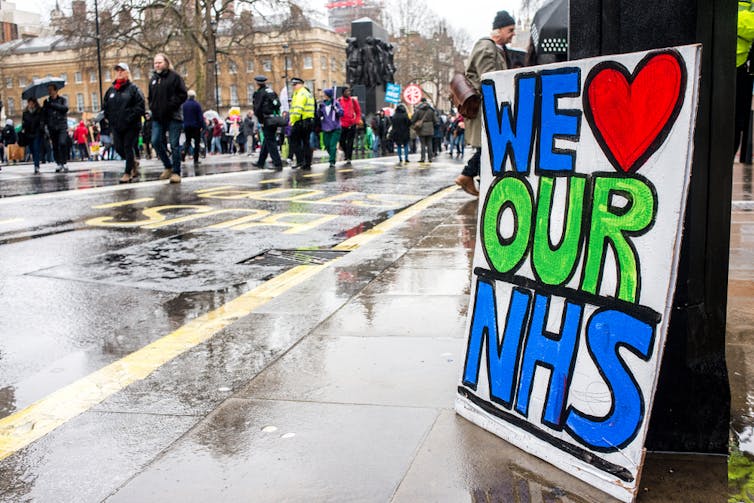
Placard on street expressing love for the NHS.
Love for the NHS.
John Gomez/Shutterstock

Yet policies nudging people towards healthy choices often have a good track record. A study of food labelling policies which placed warning labels on high sugar and high calorie foods in Chile showed that people bought less of them.

To stay below the threshold, firms then changed their recipes, just like with the tax. In that case, the warnings led to people consuming 11.5% less sugar and 2.8% less fat.

While paternalistic interventions can be annoying or upsetting, pretending obesity is purely an individual choice is misleading. Obesity starts in childhood, and can destroy future choices. Children with obesity are more likely to be bullied, and don’t do as well at school.

The state regularly bans harmful products without controversy. Even if you wanted to, you could not insulate your house with asbestos, and the UK is currently busy banning the sale of tobacco to anyone born after 2009.

With NHS waiting lists remaining at record highs, and a struggling economy, risk of the country becoming a nanny state by trying to encourage healthier food might actually be a pretty minor one.

The Conversation

Renaud Foucart does not work for, consult, own shares in or receive funding from any company or organisation that would benefit from this article, and has disclosed no relevant affiliations beyond their academic appointment.

ref. Is a ‘nanny state’ a price worth paying to keep the NHS free? The evidence shows it could work – https://theconversation.com/is-a-nanny-state-a-price-worth-paying-to-keep-the-nhs-free-the-evidence-shows-it-could-work-260539

Dating app categories could be shaping you more than you know

Source: The Conversation – UK – By Kevin Guyan, Chancellor’s Fellow & Director of the Gender + Sexuality Data Lab, University of Edinburgh

Natalllenka.m/Shutterstock

Any account of love and dating in the 2020s is incomplete without addressing an uncomfortable topic: are our encounters with technology shaping who we are and how we desire?

Dating apps such as Tinder, Bumble and Feeld allow users to choose from dozens of genders, sexualities, desires and relationship types. Commonplace descriptors such as “straight”, “gay” and “bisexual” are now joined by labels including “polysexual” (an attraction to multiple, but not all, genders), “skoliosexual” (an attraction predominantly to people who don’t conform to traditional gender norms) and “heteroflexible” (an attraction that is mostly heterosexual with some exceptions).

But do these categories provide a more accurate representation of the world beyond the app? Or do they partly construct the world they claim to describe?

As a regular user of gay dating apps throughout the late 2000s and early 2010s, I discovered a menu of categories to describe myself. There was everything from “twinks” (slim build, youthful appearance and little or no body hair) and “otters” (the same but with a bit more body hair and a more masculine appearance) to “bears” (large build and lots of body hair) and “muscle daddies” (older with a muscular physique).

I quickly understood how to maximise my success on the app by hacking the algorithm: the curated buzzwords in my bio, profile pics that struck the right balance between “sexy” and “intelligent”, how often to use the app and when. If the app gave prominence to a certain “category” of gay man in its listings, I was more than willing to present myself as that category.

But, in the process, the line between the category and the thing being categorised (me and my desires) became increasingly impossible to untangle.

This experience inspired research in my new book Rainbow Trap, which investigates the technical aspects of app design and how the provision of more “inclusive categories” for LGBTQ+ communities often does nothing to reconfigure the narrow accounts of desire encoded in the tech.


Dating today can feel like a mix of endless swipes, red flags and shifting expectations. From decoding mixed signals to balancing independence with intimacy, relationships in your 20s and 30s come with unique challenges. Love IRL is the latest series from Quarter Life that explores it all.

These research-backed articles break down the complexities of modern love to help you build meaningful connections, no matter your relationship status.


Writing in the early 2000s, science and technology scholars Geoffrey C. Bowker and Susan Leigh Star coined the term “convergence” to describe what happens when “people get put into categories and learn from those categories how to behave”. Philosopher of science Ian Hacking similarly used the term looping effect“ to describe the multi-directional relationship between a category and the “thing” being categorised.

These encounters, however, highlight a fundamental tension between queer communities and classifications: the classifications used to describe us also come to define us. This can determine what doors are opened and closed and who we are allowed to be.

Thinking back to my early forays into dating apps, I would often assign myself to the category of “twink”. Although used by app designers to assist with the algorithmic sorting of users, the identity felt contoured to my life.

The connections suggested by the app, based on my self-categorisation as a “twink”, felt as if they reflected who I was and what I had always wanted. And, for a period, I believed it.

However, in hindsight, I don’t know if I was ever really attracted to men with 26-inch waists and hair frazzled by too much bleach. I had limited myself to what the app told me I should like. But desire isn’t so easily put into a box.

Getting critical about categories

Underpinning the mechanics of all dating apps are categories, and we can learn a lot about love and dating by thinking critically about the categories used.

Between 2021 and 2023, Tinder reported a 30% increase in the use of gender identities other than “male” or “female” on the app, creating more than 145 million new matches. Identification with the label “non-binary” also more than doubled in just one year.

In 2023, the dating app Feeld (which describes itself as designed “for the curious”) reported that more than half its users who identified as “heterosexual” connected with someone on the app who did not identify as “heterosexual”. Feeld also has claimed that over 180,000 people “changed their sexuality” during their first year of using the app and that “the longer Feeld members are on the app, the less heterosexual they get”.

I am not suggesting that our navigation of love and dating through the prism of technology (and its growing menu of categories) is making us more queer – as these technologies could just as equally be making us more straight. But whatever is happening, it is clear that assigning yourself to a particular category opens and closes opportunities for love and desire.

It is app designers who then hold the power to decide what connections are made – for example, whether “twinks” connect with “bears”, whether your category features first or last on the home page. Because the classifications used to describe us are also now defining us, app designers partly shape how you think about yourself and your desires. This power does not stop when you turn off the app, it extends into offline worlds too.

So, for app users, be open to how your encounters with categories shape who and how you desire. Who will the app include and exclude based on your self-categorisation? And is that the experience you necessarily what?

The Conversation

Kevin Guyan does not work for, consult, own shares in or receive funding from any company or organisation that would benefit from this article, and has disclosed no relevant affiliations beyond their academic appointment.

ref. Dating app categories could be shaping you more than you know – https://theconversation.com/dating-app-categories-could-be-shaping-you-more-than-you-know-256368

How a popular sweetener could be damaging your brain’s defences – new study

Source: The Conversation – UK – By Havovi Chichger, Professor, Biomedical Science, Anglia Ruskin University

Found in everything from protein bars to energy drinks, erythritol has long been considered a safe alternative to sugar. But new research suggests this widely used sweetener may be quietly undermining one of the body’s most crucial protective barriers – with potentially serious consequences for heart health and stroke risk.

A new study from the University of Colorado suggests erythritol may damage cells in the blood-brain barrier, the brain’s security system that keeps out harmful substances while letting in nutrients. The findings add troubling new detail to previous observational studies that have linked erythritol consumption to increased rates of heart attack and stroke.

In the new study, researchers exposed blood-brain barrier cells to levels of erythritol typically found after drinking a soft drink sweetened with the compound. They saw a chain reaction of cell damage that could make the brain more vulnerable to blood clots – a leading cause of stroke.


Get your news from actual experts, straight to your inbox. Sign up to our daily newsletter to receive all The Conversation UK’s latest coverage of news and research, from politics and business to the arts and sciences.


Erythritol triggered what scientists call oxidative stress, flooding cells with harmful, highly reactive molecules known as free radicals, while simultaneously reducing the body’s natural antioxidant defences. This double assault damaged the cells’ ability to function properly, and in some cases killed them outright.

But perhaps more concerning was erythritol’s effect on the blood vessels’ ability to regulate blood flow. Healthy blood vessels act like traffic controllers, widening when organs need more blood – during exercise, for instance – and tightening when less is required. They achieve this delicate balance through two key molecules: nitric oxide, which relaxes blood vessels, and endothelin-1, which constricts them.

The study found that erythritol disrupted this critical system, reducing nitric oxide production while ramping up endothelin-1. The result would be blood vessels that remain dangerously constricted, potentially starving the brain of oxygen and nutrients. This imbalance is a known warning sign of ischaemic stroke – the type caused by blood clots blocking vessels in the brain.

Even more alarming, erythritol appeared to sabotage the body’s natural defence against blood clots. Normally, when clots form in blood vessels, cells release a “clot buster” called tissue plasminogen activator that dissolves the blockage before it can cause a stroke. But the sweetener blocked this protective mechanism, potentially leaving clots free to wreak havoc.

The laboratory findings align with troubling evidence from human studies. Several large-scale observational studies have found that people who regularly consume erythritol face significantly higher risks of cardiovascular disease, including heart attacks and strokes. One major study tracking thousands of participants found that those with the highest blood levels of erythritol were roughly twice as likely to experience a major cardiac event.

However, the research does have limitations. The experiments were conducted on isolated cells in laboratory dishes rather than complete blood vessels, which means the cells may not behave exactly as they would in the human body. Scientists acknowledge that more sophisticated testing – using advanced “blood vessel on a chip” systems that better mimic real physiology – will be needed to confirm these effects.

The findings are particularly significant because erythritol occupies a unique position in the sweetener landscape. Unlike artificial sweeteners such as aspartame or sucralose, erythritol is technically a sugar alcohol – a naturally occurring compound that the body produces in small amounts. This classification helped it avoid inclusion in recent World Health Organization guidelines that discouraged the use of artificial sweeteners for weight control.

Erythritol has also gained popularity among food manufacturers because it behaves more like sugar than other alternatives. While sucralose is 320 times sweeter than sugar, erythritol provides only about 80% of sugar’s sweetness, making it easier to use in recipes without creating an overpowering taste. It’s now found in thousands of products, especially in many “sugar-free” and “keto-friendly” foods.

A man reaching for a protein bar in a shop.
Erythritol can be found in many keto-friendly products, such a protein bars.
Stockah/Shutterstock.com

Trade-off

Regulatory agencies, including the European Food Standards Agency and the US Food and Drug Administration, have approved erythritol as safe for consumption. But the new research adds to a growing body of evidence suggesting that even “natural” sugar alternatives may carry unexpected health risks.

For consumers, the findings raise difficult questions about the trade-offs involved in sugar substitution. Sweeteners like erythritol can be valuable tools for weight management and diabetes prevention, helping people reduce calories and control blood sugar spikes. But if regular consumption potentially weakens the brain’s protective barriers and increases cardiovascular risk, the benefits may come at a significant cost.

The research underscores a broader challenge in nutritional science: understanding the long-term effects of relatively new food additives that have become ubiquitous in the modern diet. While erythritol may help people avoid the immediate harms of excess sugar consumption, its effect on the blood-brain barrier suggests that frequent use could be quietly compromising brain protection over time.

As scientists continue to investigate these concerning links, consumers may want to reconsider their relationship with this seemingly innocent sweetener – and perhaps question whether any sugar substitute additive is truly without risk.

The Conversation

Havovi Chichger does not work for, consult, own shares in or receive funding from any company or organisation that would benefit from this article, and has disclosed no relevant affiliations beyond their academic appointment.

ref. How a popular sweetener could be damaging your brain’s defences – new study – https://theconversation.com/how-a-popular-sweetener-could-be-damaging-your-brains-defences-new-study-261500

The hidden history behind every rose blooming this summer

Source: The Conversation – UK – By Alexander Bowles, Glasstone Research Fellow, Plant Science, University of Oxford

ilovephoto_KA/Shutterstock

As roses fill gardens and hedgerows this season, there is a story, millions of years in the making, unfolding beneath their petals.

Analysis of rose genomes and floral structure is revealing how the stunning diversity we admire is rooted in the genes of these plants, offering new insight into how the beauty in our world is built at the molecular level.

Modern roses are a riot of colour. Some roses are showy and fragrant while others are modest and understated. Jude the Obscure is coloured in peach, Kew Gardens a soft white and Catherine’s Rose a coral pink.


Many people think of plants as nice-looking greens. Essential for clean air, yes, but simple organisms. A step change in research is shaking up the way scientists think about plants: they are far more complex and more like us than you might imagine. This blossoming field of science is too delightful to do it justice in one or two stories.

This story is part of a series, Plant Curious, exploring scientific studies that challenge the way you view plantlife.


All modern roses, in one way or another, stem from a pool of ancient ancestors. The genus Rosa first appeared over 30 million years ago, while the more recent ancestral species that gave rise to today’s roses emerged around 6 million years ago. Diversifying over this time, all modern roses have come into being from these plants.

An April 2025 study by Chinese researchers suggests that the first Rosa flowers 30 million years ago were probably yellow. The researchers studied key traits of modern roses, like petal colour and the number of petals, and mapped them onto an evolutionary tree of roses. Tracing these traits through time allowed them to see how roses have changed over millions of years. For example, the next colours to appear in rose petals were pinks and reds. They also found the ancestor of modern roses alive 6 million years ago was probably pink.

The 2025 study’s evolutionary reconstruction of key rose traits suggests the first roses were simple in form, bearing a single layer of petals. Jude the Obscure and Catherine’s Rose are both double-flowered roses, meaning their blooms have extra petals. These extra petals originated through natural mutations, which were later selected for during rose breeding.

Scent is one of the main appeals of roses in our gardens. Jude the Obscure has a strong fruity fragrance, while Catherine’s Rose is said to have a subtle hint of mango. Yet, some roses are completely scentless.

Floral fragrances come from plant compounds. For instance, roses that emit a lemony aroma owe it to the compound citronellol. Scientists aren’t sure why some Rosa species produce these compounds, but they probably help attract specific pollinators or serve as part of the plant’s defence system.

A 2024 study found that fragrant roses have more genes involved in the production of scent compounds compared to their less fragrant cousins. These fragrant plants produce compounds in high abundance, their complex aromas attracting pollinators and our senses alike. This suggests that, over time, scent production became an advantageous strategy for some roses, because it costs energy to produce these genes.

After their origin over 30 million years ago, roses gradually evolved a remarkable range of forms, colours and fragrances. Today, there are more than 300 accepted species in the genus Rosa. Fossil evidence and genetic studies suggest that the ancestors of roses first evolved in central Asia, probably in modern-day China and the Himalayan foothills. Their natural diversity helped roses adapt to temperate climates, spreading throughout Asia. From there, they gradually expanded westward, reaching Europe around 15 to 25 million years ago.

In only the last couple of centuries, roses have undergone a second wave of diversification, this time driven by human hands. Modern rose breeders selected between eight and 20 wild rose species — particularly from Asia, such as Rosa chinensis and Rosa multiflora, as well as European species Rosa gallica and Rosa canina — to create all modern cultivated varieties. This process enhanced traits that appeal to our senses and produced flowers with more petals, deeper and more vibrant colours and stronger, more complex scents.

The origin of rose breeding: Rosa multiflora, Rosa canina and Rosa gallica
Wikimedia

For example, genes involved in petal development have been selected to produce fuller, double-flowered blooms. Other genes associated with pigment production have been targeted to enhance deeper and more vibrant colours. Likewise, genes involved in the synthesis of scent compounds, such as one known as NUDX1, have been favoured to intensify rose fragrance.

Other characteristics flower breeders targeted include recurrent flowering, disease resistance and reduced prickle formation. Many wild rose species originally had far more prickles than modern garden varieties. Outside of our gardens, this may leave them more vulnerable to grazing animals.

This botanical experiment, guided by human hands, has shaped the stunning diversity we cherish today. This cultivation is what sets roses apart from their close relatives. Rubus, a closely related genus including blackberries and raspberries, has more than 800 species. There are over 300 Rosa species but it is estimated there are over 35,000 varieties of modern rose.

Rose breeding is still evolving, with future varieties promising new petal shapes, enhanced pest resistance and greater resilience to climate extremes.

Beauties such as Jude the Obscure, Kew Gardens and Catherine’s Rose are the result of centuries of careful cultivation and scientific understanding. So, the next time you walk through a rose garden, take a moment to appreciate the deep history behind each bloom.

The Conversation

Alexander Bowles receives funding as a Glasstone Fellow at the University of Oxford.

ref. The hidden history behind every rose blooming this summer – https://theconversation.com/the-hidden-history-behind-every-rose-blooming-this-summer-259719

I watched a simulated oil spill in the Indian Ocean – here’s how island and coastal countries worked together to avoid disaster

Source: The Conversation – UK – By Kate Sullivan de Estrada, Associate Professor in the International Relations of South Asia, University of Oxford

Preparing to react to a maritime ’emergency’. Romuald Robert, CC BY

The coils of black hose, drum skimmers designed to collect oil from the ocean’s surface, and orangey-red containment booms all looked out of place on the white sand of Mombasa’s touristy Nyali beach. But on July 9, dozens of emergency responders in red and orange hi-vis gear took over a portion of this beach. They were braving the wind and choppy Indian Ocean waves as they mock up the onshore response to a simulated oil spill at sea.

I research how countries in the western Indian Ocean cooperate to make the seas around them safer, and I was there to observe a field training exercise that brought together around 200 participants from ten coastal and island states for one week in east Africa’s largest port city. Codenamed MASEPOLREX25, it put two types of emergency response to the test.

The first was Kenya’s national-level response to marine oil pollution, guided by its national contingency plan. The second was a regional-level response that can bring in outside help from other nations. The organiser of the exercise, the Indian Ocean Commission (IOC) – an intergovernmental group of Western Indian Ocean islands headquartered in Mauritius – wanted the countries of the region to rehearse a joint response to marine pollution.

People dressed in orange suits prepare for the emergency exercise.
Preparations begin on Kenya’s Nyali beach for the emergency exercise.
Romuald Robert., CC BY

The exercise put two IOC-designed regional centres through their paces. Think of them like a pair of regional helpdesks for ocean security, each with a distinct purpose.

How does it unfold?

The exercise began the day before with a briefing on the marine pollution scenario. The Kenyan authorities had received a distress call from the fictional captains of two damaged vessels.

An oil tanker with a deadweight tonnage of 50,000 had collided with a feeder ship in Tanzanian waters, just south of Kenya’s maritime zone. The captain of the tanker suspected that 3,000-to-4,000 metric tonnes of intermediate fuel oil (persistent, thick oil that won’t evaporate by itself) had spilled into the ocean.

Such an incident is plausible. A 2023 IOC-commissioned internal study pinpointed the Kenya-Tanzania border as a hotspot for marine pollution risk. Two major ports sit in close proximity in a busy maritime transit corridor.

Clustered around an incident board, Kenya’s incident management team mounted their national response. Nuru Mohammed, liaison officer for the Kenya Maritime Authority, explained that the assessment of the size of the spill and expectations of its behaviour had already led the team to anticipate the need for regional support. At this time of year, the sea current would carry the slick northward into Kenyan waters.

At the back of everyone’s minds was the 2020 Wakashio incident, in which a bulk carrier owned by a Japanese shipping company but flagged to Panama ran aground to the southeast of Mauritius. An estimated 800-to-1,000 tonnes of fuel oil spilled into the sea, affecting 30km of Mauritian coastline. The cost to marine life, food security and human health were compounded by economic and connectivity challenges posed by the COVID pandemic.

Preparations for the exercise continue on the beach near Mombassa.
Responders prepare oil-spill equipment on the beach near Mombasa.
Romuald Robert, CC BY-SA

For the exercise, aerial surveillance of the mock spill triggered the first attempt at containment. A live video feed of the offshore national response showed rice husks, a substitute for the oil, afloat on the waves. Two vessels sprayed simulated oil-spill dispersants in challenging winds.

In real life, as in this exercise, oil properties determine how the spill will behave. IOC consultant Peter Taylor warned that churning waves could mix with the oil forming emulsions that were viscous and not dispersible.

We turned our attention to the chat feed on SeaVision, an information-sharing platform. A notification popped up. The Regional Maritime Information Fusion Centre (RMIFC) in Madagascar had shared mapped and timestamped projections of the drift of the oil slick for the following 72 hours. The centre’s director, Alex Ralaiarivony, later explained how it could provide other technical support such as satellite imagery, and could calculate the proportions of oil that were likely to become submerged, evaporate, remain adrift and reach the shoreline.

By July 9, the fictional oil spill had reached the coast. The team on Nyali beach hurried to deploy an oil containment boom, a floating barrier that can shield sensitive areas such as shorelines.

Back at headquarters, SeaVision was busy with messages. The other centre, the Regional Coordination of Operations Centre (RCOC) in Seychelles, was urgently requesting more shoreline equipment to help with oil spills, such as booms, from regional partners. Mauritius and Madagascar both made offers to help that Kenya accepted, and the RCOC coordinated a Dornier aircraft from Seychelles for collection and delivery.

How does the emergency response work?

The two centres help countries in the Western Indian Ocean secure their maritime zones against threats such as piracy, illegal, unreported and unregulated fishing, the trafficking of illicit goods – and marine pollution incidents.

In Madagascar, the RMIFC gathers and analyses maritime data from multiple sources to detect potential threats at sea. This enables early warning of threats like oil spills, as well as suspicious ships or boats engaged in illicit maritime activities.

The RCOC in Seychelles responds to these threats. It draws on a shared pool of aircraft and ships belonging to its members, using these to coordinate joint responses – whether through sea patrols, boarding and inspecting ships, or laying the legal groundwork to prosecute offenders.

The two regional centres serve seven states: IOC island members Comoros, Madagascar, Mauritius, Seychelles and France — through its island territory of La Réunion — as well as East African coastal states Kenya and Djibouti.

On July 10, the exercise ended with an evaluation. One takeaway was that the two regional centres could have been used even more – for instance, to coordinate technical assistance from different partners. But a key purpose of the exercise was to help participating countries understand what the centres offer, and get them used to a regional-level response.

Coastal and island states thousands of kilometres apart are being brought closer by maritime threats in their shared ocean. And the two centres are building their operational capacity to support the whole region, while also creating trust among countries. This matters in a geopolitical context of strategic competition in the Indian Ocean, where islands and East African coastal states sometimes want to put their own needs first.

At the end of the exercise, IOC officer-in-charge Raj Mohabeer reminded participants that the island and coastal states of the Western Indian Ocean have vast maritime zones and face multiple seaborne security threats to their economies, ecologies and livelihoods. “No developing country can deal with a significant marine pollution event alone.”

The Conversation

Kate Sullivan de Estrada receives funding from Research England’s Policy Support Fund allocation to the University of
Oxford via the Public Policy Challenge Fund. Her project under the Fund is titled “Balancing ‘Sovereignty Trade-offs’ in Small-State Maritime Security Co-operation: The Case of the Indian Ocean Commission.”

ref. I watched a simulated oil spill in the Indian Ocean – here’s how island and coastal countries worked together to avoid disaster – https://theconversation.com/i-watched-a-simulated-oil-spill-in-the-indian-ocean-heres-how-island-and-coastal-countries-worked-together-to-avoid-disaster-260895

BBC Verify largely factchecks international stories – what about UK politics?

Source: The Conversation – UK – By Stephen Cushion, Professor, Cardiff School of Journalism, Media and Culture, Cardiff University

In a world of fake news and disinformation, factchecking claims and the veracity of images has become an important part of impartial journalism. People invest their trust in information sources they believe are accurate.

With this in mind, the BBC launched its Verify service in May 2023. Its more than 60 journalists routinely factcheck, verify videos, counter disinformation, analyse data and explain complex stories.

Then in June 2025, the BBC launched Verify Live, a blog that tells audiences in real time what claims they are investigating and how they are being checked.

At the Cardiff School of Journalism, Media and Culture at Cardiff University we have been monitoring BBC Verify since its launch. And we have systematically tracked the first month of BBC Verify Live from June 3-27 this year, examining all 244 blog posts as well as the hundreds of claims and sources that featured.

We’ve found that the service places a heavy emphasis on foreign affairs. We argue that it could (and should) be used more to factcheck UK politics, enhancing the quality of the BBC’s impartiality journalism and serving the public service broadcaster’s domestic audiences.


Get your news from actual experts, straight to your inbox. Sign up to our daily newsletter to receive all The Conversation UK’s latest coverage of news and research, from politics and business to the arts and sciences.


Our analysis found international stories made up 71% of all BBC Verify Live coverage. The coverage largely focused on verifying international conflicts and humanitarian crises, from the Middle East and Ukraine to the recent plane crash in India.

This might reflect the large number of major international stories that occurred over the first month of BBC Verify Live’s launch. But the emphasis on foreign news was also evident in our analysis of the main BBC Verify service over the last 18 months. We monitored how much the factchecking service appeared on the BBC’s News at Ten, and found it was used more often in coverage of foreign affairs.

One exception was during the 2024 general election campaign, when BBC Verify was used to challenge politicians’ claims, and scrutinise policies around migration and the economy. BBC Verify has also covered recent major political developments, like the budget and announcements of flagship government policy.

The emphasis on covering international conflicts is consistent with its editorial mission to “analyse satellite imagery, investigate AI-generated content, factcheck claims and verify videos when news breaks”. BBC Verify regularly uses satellite mapping and geolocation data, which most newsrooms do not have at their disposal, to factcheck images and social media posts.

However, the resources and expertise Verify has could also be used to more regularly factcheck false or misleading claims in domestic political issues. This could be important to building audience trust at a time when the BBC’s impartiality is regularly questioned, while helping people better understand political debates in the UK.

Our past research with media users suggests they want journalists to be bolder and more transparent when assessing the credibility of politicians’ competing claims. BBC Verify is a logical tool to do this.

Two years after it launched, Verify is considered one of the most trusted factchecking sources in the UK by the University of Oxford’s Reuters Institute for the Study of Journalism and the most used by media regulator Ofcom.

BBC Verify has proved it can effectively use its resources and expertise to unpack and challenge domestic political claims – covering the spending review and party manifestos ahead of the 2024 general election. We have previously analysed how BBC Verify robustly challenged a misleading Conservative party claim about a future Labour government raising taxes during the election campaign.

Interrogating real-time claims

BBC Verify Live takes a variety of approaches to its analysis of real-time claims. We assessed all claims appearing in blogs throughout most of June 2025 and discovered that 22% were challenged to some extent (found to be inaccurate), while 23% were upheld (considered accurate) and 13% partially upheld.

Meanwhile, 10% were still being verified at the time the blog was posted (but may have been upheld or challenged in subsequent coverage), and 12% had additional context added to them. One fifth of all claims were not subject to any clear judgement about their accuracy.

BBC Verify Live most often used the UK or official foreign governments, and their militaries or agencies, as the main corroborating sources to factcheck claims, or the focus of the claim being investigated in some stories. These made up well over three quarters of sources in factchecking coverage. There was, comparatively, limited use of think tanks, policy institutes, nongovernmental organisations, experts, academics or eyewitnesses.

Just over one in ten claims had additional context added to them (as opposed to verifying or challenging a claim). This was most often the case in blogs about domestic affairs and rival political claims.

Given the recent cuts to the BBC’s World Service, Verify’s international news agenda will bolster the public service broadcaster’s worldwide profile and credibility. Yet, for BBC Verify to enhance impartiality and trust with domestic audiences, we would argue it should play a more prominent role in routine political reporting, not just during elections or high-profile stories.

The Conversation

Stephen Cushion has received funding from the BBC Trust, Ofcom, AHRC, BA and ESRC.

Nathan Ritchie does not work for, consult, own shares in or receive funding from any company or organisation that would benefit from this article, and has disclosed no relevant affiliations beyond their academic appointment.

ref. BBC Verify largely factchecks international stories – what about UK politics? – https://theconversation.com/bbc-verify-largely-factchecks-international-stories-what-about-uk-politics-260615