Conserving species can be a complicated affair. Take this dilemma.
After being hunted to near extinction, numbers of a native predator are recovering and eating more of an endangered prey species, whose own numbers are declining as a result. Should conservationists accept that some successes mean losing other species, or reinstate lethal control of this predator in perpetuity?
Or perhaps there is a third option that involves new means of managing species in the face of new conditions. This issue is playing out globally, as land managers grapple with predators such as wolves and lynx reclaiming their historic ranges.
Get your news from actual experts, straight to your inbox.Sign up to our daily newsletter to receive all The Conversation UK’s latest coverage of news and research, from politics and business to the arts and sciences.
In the ancient Caledonian pine forests of Scotland there are fewer than 500 capercaillie remaining. This grouse is beset by multiple threats, not least shifts in spring weather caused by climate change that are driving its Europe-wide decline, relating to changes in when chicks are reared and available nutrition.
Additionally, and in common with other ground-nesting birds, capercaillie lose eggs and chicks to carnivores. As such, the recovery of the pine marten (a relative of weasels and otters) from its own near extinction in Scotland is contributing to the decline of capercaillie.
A capercaillie cock displaying for a hen. Jack Bamber
Internationally, little has been achieved to slow the heating of Earth’s climate, and decades of dedicated conservation efforts have not arrested the decline of capercaillie. Extinction will follow unless new solutions are found.
Killing pine martens, the capercaillie’s predators, might offer short-term relief, but it is socially and politically contested and scientific evidence on its effectiveness is meagre. Most importantly, it risks undermining the recovery of species conservationists have worked hard to restore. Instead, the challenge is to reduce the effects of predators, not their numbers, and encourage coexistence between species.
A non-lethal alternative for controlling predators
Our idea is simple: predators have to be efficient, so when given access to a free meal, they are less likely to hunt for harder-to-find prey like capercaillie nests.
Taking the bait: a pine marten eating carrion. Jack Bamber
Satiated predators are less likely to kill and eat prey that is of concern to conservationists. This is called diversionary feeding: giving predators something easy to eat at critical times, such as during the time when capercaillie build their ground nests and rear chicks between April and July.
To test this idea we systematically dumped deer carrion across 600 square kilometres of the Cairngorms national park in north-eastern Scotland, during eight weeks in which capercaillie are laying and incubating eggs. This area is home to the last Scottish stronghold of capercaillie. We also made artificial nests across the same area that contained chicken eggs, to represent capercaillie eggs.
Through this landscape-scale experiment, we showed that the predation rate of pine marten on artificial nests fell from 53% to 22% with diversionary feeding. This decrease from a 50% chance of a nest being eaten by a pine marten, to 20%, is a massive increase in nest survival.
A capercaillie brood, with chicks and hen highlighted. Jack Bamber
This was a strong indication that the method worked. But we were unsure whether the effect seen in artificial nests translated to real capercaillies, and the number of chicks surviving to independence.
Counting chicks in forests with dense vegetation is difficult, and land managers are increasingly reluctant to use trained dogs. Our innovation was to count capercaillie chicks using camera traps (motion-activated cameras which can take videos and photos) at dust baths, which are clear patches of ground where chicks and hens gather to preen.
We deployed camera traps across the landscape in areas with and without diversionary feeding and measured whether a female capercaillie had chicks or not, and how many she had. Chicks are fragile and many die early in life. The number of chicks in a brood declined at the same rate in the fed and unfed areas.
However, in areas where predators received diversionary feeding, 85% of the hens we detected had chicks compared to just 37% where predators were unfed. That sizeable difference mirrored the improvement seen in artificial nest survival.
Fewer nests being predated led to more hens with broods, such that by the end of the summer, we observed a staggering 130% increase in the number of chicks per hen in fed areas – 1.9 chicks per hen were seen compared to half that in unfed areas.
So, does diversionary feeding provide a non-lethal alternative to managing conservation conflict and promoting coexistence? Our work suggests it does.
A mature capercaillie brood. Jack Bamber
Diversionary feeding is now a key element of the capercaillie emergency plan, which is the Scottish government’s main programme for recovering the species. Diversionary feeding will probably be adopted across all estates with capercaillie breeding records in the Cairngorms national park by 2026.
This rapid implementation of scientific evidence is a direct result of working closely, from conception, with wildlife managers and policy makers. For capercaillie, diversionary feeding has real potential to make a difference, a glimmer of hope in their plight (some nicer weather in spring might help too).
More broadly, for conservationists, land managers, gamekeepers, farmers, researchers and anyone else involved in managing wildlife, this work is testament to the fact that, with the right evidence and a willingness to adapt, we can move beyond the binaries of killing or not killing. Instead, finding smarter ways to promote the coexistence of native predators and native prey.
Don’t have time to read about climate change as much as you’d like?
Jack Anthony Bamber received funding from the SUPER DTP.
Xavier Lambin would like to credit the academic contribution of Kenny Kortland, environment policy advisor for Scottish Forestry.
Chris Sutherland does not work for, consult, own shares in or receive funding from any company or organisation that would benefit from this article, and has disclosed no relevant affiliations beyond their academic appointment.
The “Blitz spirit” is one of Britain’s most enduring national myths – the stories we tell ourselves about who we were, and who we still believe we are today. Growing up among football fans, I heard constant nostalgic refrains about England and Germany, wartime bravery and national pride.
Blitz spirit refers to the resilience, unity and stoic determination of civilians during the German bombing raids (the Blitz) of the second world war. It has reemerged time and again, symbolising a collective pride in facing adversity with courage, humour and a “keep calm and carry on” attitude.
After the July 7 bombings in 2005, which killed 52 people and injured more than 700, I noticed how quickly the Blitz spirit reappeared. British newspapers reached into the past and pulled the myth forward.
Get your news from actual experts, straight to your inbox.Sign up to our daily newsletter to receive all The Conversation UK’s latest coverage of news and research, from politics and business to the arts and sciences.
The Independent on July 8 said, “London can take it, and it can do so because its stoicism is laced as it always has been with humour.” The Daily Mail evoked images of “London during the Blitz… with everyone dancing through the bombs”.
Tony Parsons opened his Daily Mirror column with “07/07 war on Britain: We can take it; if these murderous bastards go on for a thousand years, the people of our islands will never be cowed”, alongside an image of St Paul’s Cathedral during the Blitz.
The spirit of working-class wartime London was, ironically, even applied to bankers and City traders who “kept the economy alive” after the attacks. A July 8 Times article claimed: “A Dunkirk spirit spread through London’s financial districts as Canary Wharf and City workers vowed they would not be deterred.”
The use of river transport to evacuate workers reinforced the analogy. The Times described how “bankers and lawyers in London’s riverside Canary Wharf complex experienced their own version of the Dunkirk-style evacuations”, assisted by a “flotilla of leisure vessels and little ships”.
I was fascinated: why this story, and why now? That question became the heart of a book I published in 2015 – one that explored how a myth born in 1940 was reborn in 2005, repurposed for a very different London.
What I found was that the “Blitz spirit” wasn’t a lie, but it was a myth in the academic sense: a simplified, selective story built from the most comforting parts of the past.
Wartime Britain was not uniformly united, stoic and proud. There were deep class divides. Looting occurred. Morale was rock-bottom in many cities and communities. Evacuees weren’t always welcomed with open arms. Government censorship and transnational propaganda masked social unrest.
Understandably, these messy realities were left out of the postwar narrative. But what happens when we bring that myth into the present?
The myth of the ‘Blitz spirit’
Londoners did come together after the 7/7 bombings – there were undoubtedly examples of communities and strangers supporting each other and maintaining a sense of resilience that enabled them to continue their lives undeterred.
But it was not one single unified message. Hate crimes against British Muslim communities in the weeks after the 2005 attacks exposed cracks in the narrative of national unity.
Some used the Blitz spirit to support Tony Blair and George W. Bush, casting them as Churchillian leaders standing firm against a new fascism in the form of global terrorism. For others, the same figures represented a betrayal of British values.
They were evoked instead to shame Blair and Bush. The Express made its feelings clear when it said: “It was throw up time when Blair was compared to Churchill by some commentators. What an insult!”
The Blitz spirit also became a weapon in anti-immigration discourse. Some argued that Britain, unlike in 1940, had become a “soft touch” – compromised by EU human rights laws, welfare handouts and multiculturalism. The underlying message: today’s London could never be as brave or unified as wartime London.
Writing in The Sun, Richard Littlejohn said: “War office memo. Anyone caught fighting on the beaches will be prosecuted for hate crimes.”
An article in the Express condemning human rights laws said: “What a good thing these people weren’t running things when Hitler was doing his worst. Would the second world war have been more easily won if we had spent more time talking about freedom of speech than bombing Nazi Germany?”
Multicultural resilience
And yet, another narrative emerged – one that saw London’s multicultural identity as a strength, not a weakness. Here, the Blitz spirit wasn’t just a historical relic, but a kind of transcendental force. The city’s soul, it was said, remained resilient – passed down across generations, regardless of race, class or religion. For some, this was proof that Britain had evolved and still held fast to its best values.
A letter to the Daily Mirror (July 17) invoked the Blitz spirit through a cross-cultural lens: “Colour, creed and cultures forgotten, black helping white and vice versa… We stood firm in the Blitz and we’ll do so again, going about our business as usual.”
The Sunday Times quoted Michael Portillo, who framed London’s resilience as multicultural continuity: “Fewer than half the names of those killed on the 7th look Anglo-Saxon… Today’s Londoners come in all colours and from every cultural background. Yet they have inherited the city’s historic attitudes of nonchalance, bloody-mindedness and defiance.”
The Blitz spirit, as my research revealed, is not a single story. It is a narrative tool used for many different – often opposing – purposes. It can bring people together, or be used to divide. It can inspire pride, or be weaponised in fear.
National myths don’t just reflect who we were – they shape who we think we are. They’re never neutral. They’re always curated, always contested. If we want to be genuinely proud of our country – and we should – then we also have to be honest about the stories we cling to. We must ask: what’s left out, and who decides?
Darren Kelsey does not work for, consult, own shares in or receive funding from any company or organisation that would benefit from this article, and has disclosed no relevant affiliations beyond their academic appointment.
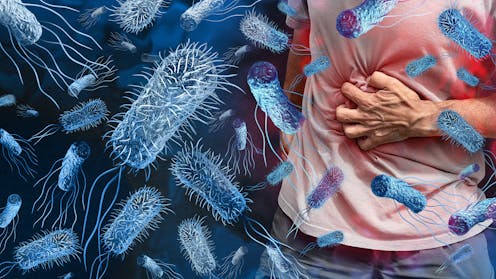
_Salmonella_ causes salmonellosis — an infection that typically results in vomiting and diarrhoea.Lightspring/ Shutterstock
Salmonella cases in England are the highest they’ve been in a decade, according to recent UK Health Security Agency (UKHSA) data. There was a 17% increase in cases observed from 2023 to 2024 – culminating in 10,388 detected infections last year. Children and older adults accounted for around a fifth of cases.
Although the number of infections caused by foodborne diseases such as Salmonella had broadly decreased over the last 25 years, this recent spike suggests a broader issue is at play. A concurrent increase in Campylobacter cases points to a possible common cause that would affect risk of both foodborne pathogens – such as changes in consumer behaviour or food supply chains.
While the UK maintains a high standard of food safety, any increase in the incidence of pathogens such as Salmonella warrants serious attention.
Salmonella is a species of bacteria that is one of the most common causes of foodborne illnesses globally. The bacteria causes salmonellosis – an infection that typically causes vomiting and diarrhoea.
Most cases of salmonellosis don’t require medical intervention. But approximately one in 50 cases results in more serious blood infections. Fortunately, fatalities from Salmonella infections in the UK are extremely rare – occurring in approximately 0.2% of all reported infections.
Salmonella infections are typically contracted from contaminated foods. But a key challenge in controlling Salmonella in the food supply chain lies in the diverse range of foods it can contaminate.
Salmonella is zoonotic, meaning it’s present in animals, including livestock. This allows it to enter the food chain and subsequently cause human disease. This occurs despite substantial efforts within the livestock industry to prevent it from happening – including through regular testing and high welfare practices.
Salmonella can be present on many retail food products – including raw meat, eggs, unpasteurised milk, vegetables and dried foods (such as nuts and spices). When present, it’s typically at very low contamination levels. This means it doesn’t pose a threat to you if the product is stored and cooked properly.
Vegetables and leafy greens can also become contaminated with Salmonella through cross-contamination, which may occur from contaminated irrigation water on farms, during processing or during storage at home. As vegetables are often consumed raw, preventing cross-contamination is particularly critical.
Spike in cases
It’s premature to draw definitive conclusions regarding the causes of this recent increase in Salmonella cases. But the recent UKHSA report suggests the increase is probably due to many factors.
Never prepare raw meat next to vegetables you intend to eat without cooking, as cross-contamination can lead to Salmonella. kathrinerajalingam/ Shutterstock
One contributing factor is that diagnostic testing has increased. This means we’re better at detecting cases. This can be viewed as a positive, as robust surveillance is integral to maintaining a safe food supply.
The UKHSA also suggests that changes in the food supply chain and the way people are cooking and storing their food due to the cost of living crisis could also be influential factors.
To better understand why Salmonella cases have spiked, it will be important for researchers to conduct more detailed examinations of the specific Salmonella strains responsible for the infections. While Salmonella is commonly perceived as a singular bacterial pathogen, there are actually numerous strains (serotypes).
DNA sequencing can tell us which of the hundreds of Salmonella serotypes are responsible for human infections. Two serotypes, Salmonella enteritidis and Salmonella Typhimurium, account for most infections in England.
Although the UKHSA reported an increase in both serotypes in 2024, the data suggests that Salmonella enteritidis has played a more significant role in the observed increase. This particular serotype is predominantly associated with egg contamination.
Salmonella enteritidis is now relatively rare in UK poultry flocks thanks to vaccination and surveillance programmes that were introduced in the 1980s and 1990s. So the important question here is where these additional S enteritidis infections are originating.
Although the numbers may seem alarming, what the UKHSA has reported is actually a relatively moderate increase in Salmonella cases. There’s no reason for UK consumers to be alarmed. Still, this data underscores the importance of thoroughly investigating the underlying causes to prevent this short-term increase from evolving into a longer-term trend.
Staying safe
The most effective way of lowering your risk of Salmonella involves adherence to the “4 Cs” of food hygiene:
1. Cleaning
Thoroughly wash hands before and after handling any foods – especially raw meat. It’s also essential to keep workspaces, knives and utensils clean before, during and after preparing your meal.
2. Cooking
The bacteria that causes Salmonella infections can be inactivated when cooked at the right temperature. In general, foods should be cooked to an internal temperature above 65°C – which should be maintained for at least ten minutes. When re-heating food, it should reach 70°C or above for two minutes to kill any bacteria that have grown since it was first cooked.
3. Chilling
Raw foods – especially meat and dairy – should always be stored below 5°C as this inhibits Salmonella growth. Leftovers should be cooled quickly and also stored at 5°C or lower.
4. Cross-contamination
To prevent Salmonella passing from raw foods to those that are already prepared or can be eaten raw (such as vegetables and fruit), it’s important to wash hands and clean surfaces after handling raw meat, and to use different chopping boards for ready-to-eat foods and raw meat.
Most Salmonella infections are mild and will go away in a few days on their own. But taking the right steps when storing and preparing your meals can significantly lower your risk of contracting it.
Rob Kingsley receives funding from the Biotechnology and Biological Sciences Research Council (BBSRC), Bill and Melinda Gates Foundation
Source: The Conversation – UK – By Jennifer Mathers, Senior Lecturer in International Politics, Aberystwyth University
In some parts of Russia, schoolgirls who become pregnant are being paid more than 100,000 roubles (nearly £900) for giving birth and raising their babies.
This new measure, introduced in the past few months across ten regions, is part of Russia’s new demographic strategy, widening the policy adopted in March 2025 which only applied to adult women. It is designed to address the dramatic decline in the country’s birthrate.
Paying teenage girls to have babies while they are still in school is controversial in Russia. According to a recent survey by the Russian Public Opinion Research Centre, 43% of Russians approve of the policy, while 40% are opposed to it. But it indicates the high priority that the state places on increasing the number of children being born.
Russia’s president, Vladimir Putin, regards a large population as one of the markers of a flourishing great power, along with control over a vast (and growing) territory and a powerful military. Paradoxically, though, his efforts to increase the physical size of Russia by attacking Ukraine and illegally annexing its territory have also been disastrous in terms of shrinking Russia’s population.
The number of Russian soldiers killed in the war has reached 250,000 by some estimates, while the war sparked an exodus of hundreds of thousands of some of the most highly educated Russians. Many of them are young men fleeing military service who could have been fathers to the next generation of Russian citizens.
But while Russia’s demographic situation is extreme, declining birth rates are now a global trend. It is estimated that by 2050 more than three quarters of the world’s countries will have such low fertility rates that they will not be able to sustain their populations.
It’s not only Russia
Putin is not the only world leader to introduce policies designed to encourage women to have more babies. Viktor Orban’s government in Hungary is offering a range of incentives, such as generous tax breaks and subsidised mortgages, to those who have three or more children.
Poland makes a monthly payment of 500 złoty (£101) per child to families with two or more children. But there’s some evidence this has not prompted higher-income Polish women to have more children, as they might have to sacrifice higher earnings and career advancement to have another child.
In the United States, Donald Trump is proposing to pay women US$5,000 (£3,682) to have a baby, tied to a wider Maga movement push, supported by Elon Musk and others, to encourage women to have larger families.
Reversing demographic trends is complex, because the reasons that individuals and couples have for becoming parents are also complex. Personal preferences and aspirations, beliefs about their ability to provide for children, as well as societal norms and cultural and religious values all play a part in these decisions.
As a result, the impact of “pronatalist” policies has been mixed. No country has found an easy way to reverse declining birth rates.
One country seeking to address population decline with policies, other than encouraging women to have more babies is Spain, which now allows an easier pathway to citizenship for migrants, including those who entered the country illegally. Madrid’s embrace of immigrants is being credited for its current economic boom.
The US is seeing a pronatalist movement become more vocal.
Looking for particular types of families
But governments that adopt pronatalist policies tend to be concerned, not simply with increasing the total number of people living and working in their countries, but with encouraging certain kinds of people to reproduce. In other words, there is often an ideological dimension to these practices.
Incentives for pregnancy, childbirth and large families are typically targeted at those whom the state regards as its most desirable citizens. These people may be desirable citizens due to their race, ethnicity, language, religion, sexual orientation or some other identity or combination of identities.
For instance, the Spanish bid to increase the population by increasing immigration offers mostly Spanish speakers from Catholic countries in Latin America jobs while opportunities to remain in, or move to, the country does appear to be extended to migrants from Africa. Meanwhile, Hungary’s incentives to families are only available to heterosexual couples who earn high incomes.
Elon Musk believes people need to have more children.
The success or failure of governments and societies that promote pronatalism hinges on their ability to persuade people – and especially women – to embrace parenthood. Along with financial incentives and other tangible rewards for having babies, some states offer praise and recognition for the mothers of large families.
Putin’s reintroduction of the Stalin-era motherhood medal for women with ten or more children is one example. Sometimes the recognition comes from society, such as the current American fascination with “trad wives” – women who become social media influencers by turning their backs on careers in favour of raising large numbers of children and living socially conservative lifestyles.
The mirror image of this celebration of motherhood is the implicit or explicit criticism of women who delay childbirth or reject it altogether. Russia’s parliament passed a law in 2024 to ban the promotion of childlessness, or “child-free propaganda”. This legislation joins other measures such as restrictions on abortions in private clinics, together with public condemnation of women who choose to study at university and pursue careers rather than prioritise marriage and child-rearing.
The world’s most prosperous states would be embracing immigration if pronatalist policies were driven solely by the need to ensure a sufficient workforce to support the economy and society. Instead, these attempts are often bound up with efforts to restrict or dictate the choices that citizens – and especially women – make about their personal lives, and to create a population dominated by the types of the people they favour.
Jennifer Mathers does not work for, consult, own shares in or receive funding from any company or organisation that would benefit from this article, and has disclosed no relevant affiliations beyond their academic appointment.
Source: The Conversation – UK – By King-Ho Leung, Lecturer in Theology, Philosophy and the Arts, King’s College London
Speaking to Myspace as an upcoming artist in 2013, Lana Dey Rey said that the “vision of making [her] life a work of art” was what inspired her to create her music video for her breakthrough single, Video Games (2011).
The self-made video, featuring old movies clips and webcam footage of Del Rey singing, went viral. It eventually led her to sign with a major record label. For many, the video conveyed a sense of authenticity. However, upon discovering that “Lana Del Rey” was a pseudonym (her real name is Elizabeth Grant), some fans began to have doubts. Perhaps this self-made video was just another calculated marketing scheme?
The question of Del Rey’s authenticity has puzzled many throughout her career. Consider, for instance, the controversial Judah Smith Interlude from her latest album, Did You Know That There’s a Tunnel Under Ocean Blvd? (2023). Both fans and critics – including her sizeable LGBTQ+ fanbase – were surprised and troubled by her decision to feature the megachurch pastor Judith Smith, who’s been accused of homophobia.
However, the meaning of Del Rey’s inclusion of Smith’s sermon soundclips, layered under a recording of Del Rey giggling, is unclear. Is this meant to mock Smith, or even Christianity itself? Or is it an authentic expression of Del Rey’s own spirituality? After all, she repeatedly makes references to her “pastor” in the same album’s opening track The Grants, about her family in real life.
Looking for something good? Cut through the noise with a carefully curated selection of the latest releases, live events and exhibitions, straight to your inbox every fortnight, on Fridays. Sign up here.
Before she became a singer-songwriter, Del Rey gained her philosophy degree at Fordham University. It was the mid-2000s, when the eminent existentialism scholar Merold Westphal would have been on staff, so she probably studied theories of authenticity by existentialists such as Jean-Paul Sartre (1905–80) and Martin Heidegger (1889–1976). Heidegger spoke of human existence as a “being-towards-death”. Or as Del Rey sings in the title track of her first major-label album, “you and I, we were born to die”.
In Heidegger’s view, to pretend that we are not all bound to die is to deny the kind of finite beings which we are: it is to disown ourselves and exist inauthentically. Conversely, to exist authentically is to accept our own mortality and embrace the way we exist as finite beings.
The music video for Video Games.
In this understanding, to exist authentically does not mean the expression of some underlying “true self” or “human nature”. Rather, it is to accept the conditions of life in which we find ourselves.
‘An obsession for freedom’
For existentialist philosophers, such conditions include not only mortality but also freedom – a theme particularly emphasised by Sartre.
As Sartre says in his 1946 lecture Existentialism Is a Humanism, existentialism holds that “there is no human nature, because there is no God to have a conception of it … Man is nothing else but that which he makes of himself”.
With no creator God or pre-established human nature to determine human destiny or purpose, Sartre teaches that human beings are “condemned to freedom”. We are free beings who are always acting freely – whether we acknowledge that we are free or not. To pretend that we are not free is to be inauthentic.
Sartre suggests embracing our freedom means living life in a manner “comparable to the construction of a work of art”. In his view, in both art and life, we cannot decide in advance what actions ought to be taken: “No one can tell what the painting of tomorrow will be like; one cannot judge a painting until it is done.”
Likewise, we cannot judge whether or not a life is well-lived until it is finished. We must not predetermine how someone should live according to some pre-established criterion of “human nature”.
Instead, we can only assess someone’s life by considering whether they accept that they are free, with the freedom and responsibility to create meaning for their existence by living life as a work of art.
Both freedom and making life a work of art are recurring themes in Del Rey’s discography. They are brought together perhaps most memorably in her much-loved monologue in the music video for Ride (2012):
On the open road, we had nothing to lose, nothing to gain, nothing we desired anymore, to make our lives into a work of art: Live fast, die young, be wild, and have fun. I believe in the country America used to be. I believe in the person I want to become. I believe in the freedom of the open road.
Del Rey is someone Elizabeth Grant became. As though echoing Sartre’s comparison between making art and living life, in her 2012 song Gods & Monsters, she sings of herself “posing like a real singer – cause life imitates art”.
For Del Rey, being a public-facing “real singer” involves some kind of image-cultivation or even self-cultivation. Not unlike how her music video for Video Games is “self-made”, the very identity of Lana Del Rey is also “self-made”. The image of Lana is a work of art made by the artist, Del Rey herself.
Ride by Lana Del Rey.
To be an “authentic” or “real” singer is to accept that the persona of a public figure is always inevitably curated. To combine Sartre’s slogan and Del Rey’s lyrics, the real singer is always “condemned to posing”. To pretend otherwise is to disown what it is to be a “real singer” and to act inauthentically.
If it is true that, as Del Rey sings, “life imitates art”, to render life as a work of art is the most authentic thing that a person can do. Because to live life as a work of art is nothing other than authentically accepting life as it is, something that itself “imitates art”. As she sings in Get Free (2017), this is Del Rey’s commitment, her modern manifesto.
King-Ho Leung does not work for, consult, own shares in or receive funding from any company or organisation that would benefit from this article, and has disclosed no relevant affiliations beyond their academic appointment.
The trend for naming summers has become something of a cultural phenomenon. Think for example of 2019, which was branded a “hot girl summer”, inspired by rapper Megan Thee Stallion’s song.
In 2021 there was the much-ridiculed “white boy summer” (named after a song of the same name by Tom Hanks’s son, Chet). Then 2022 was “feral girl summer” and 2024, of course, was a “brat summer”, after Charli XCX’s cultural phenomenon album Brat.
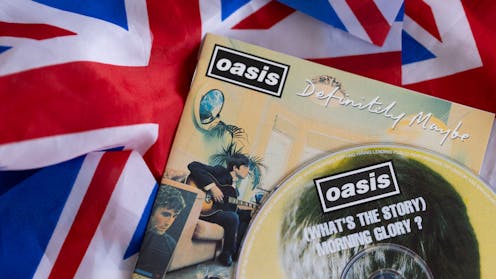
And this summer? Well, with the likes of Oasis, Pulp, Supergrass, Suede, Shed Seven and Cast all playing UK dates between June and August, it’s “Britpop summer”, of course. The question is, though, whether these names are actually (and accurately) representing the zeitgeist, or if they are just the result of savvy marketing strategies.
Such things may now be occurring more frequently, but they’re nothing new. The year 1967 was famously coined “the summer of love”, a moniker supposedly invented by the Californian local government to put a positive spin on the druggy, hairy, hippy gatherings taking place across the state.
Looking for something good? Cut through the noise with a carefully curated selection of the latest releases, live events and exhibitions, straight to your inbox every fortnight, on Fridays. Sign up here.
Such un-psychedelic appetites also spilled over into mainstream music. Although it’s now the UK’s bestselling album ever, in 1967, The Beatles’ Sgt. Pepper’s Lonely Hearts Club Band was only the sixth-biggest album of the year in terms of sales. It was bested by the very suitably non-flower-power Herb Alpert, The Monkees and The Sound of Music soundtrack.
The same year, 1967, also saw the “best double-A side ever released”, The Beatles’ Penny Lane and Strawberry Fields Forever. It was kept off the number one spot by Engelbert Humperdinck’s Please Release Me.
Inside the so-called ‘second summer of love’.
It seems, then, that for most of the British public, it was less a “summer of love” and more a “summer of Humperdinck”. Fast-forward five decades, and we see the same kinds of things happening. The year 2019 was a “hot girl summer”, Megan Thee Stallion’s song only peaked at 40 in the UK singles charts and her gigs sold poorly.
Like our “summer of Humperdinck”, were such things based on popularity, we may have expected a “Sheeran summer”, with Ed Sheeran’s duet with Justin Bieber, I Don’t Care, dominating the charts and airwaves.
Pulp performed a secret set at Glastonbury 2025 to huge crowds.
We may all have become more cynical in the intervening years, but in the midst of another heatwave, with Pulp at Glastonbury, and the Gallaghers reunited, it does feel like there’s something in the air again.
Indeed, standing among tens of thousands of fellow music fans in the sweltering heat watching Jarvis Cocker strutting his gangly stuff, if I ignored the grey in his beard, the iPhones in the crowd, and the aching in my legs, it could have been the nineties all over again.
Britpop summer? I’m all for it. And maybe this will be one time that the name really does represent the nation’s mood.
Glenn Fosbraey does not work for, consult, own shares in or receive funding from any company or organisation that would benefit from this article, and has disclosed no relevant affiliations beyond their academic appointment.
In the build-up to the 2024 election, Keir Starmer worked hard to show that his party could run Britain better than the Tories. He promised his government would offer stability after years of chaos – but also change. He stood for honesty but also a technocratic approach that resisted the easy answers of the populist right. The grown ups would be back in charge.
A year on, as he marks his first year in office, we might ask: how much difference did Labour’s 2024 election win make in the longer trajectory of British life? Are historians in future likely to say (as they often do about the 1945 and 1979 elections) that it led to political and social transformation?
Of course, it’s too early to say for certain, but not too early to look for signs.
In electoral terms, Labour gained a stonking 174-seat majority in 2024. But this victory came off the back of a remarkably slim vote share of 33.7% in an election with a near-historically low turnout. That suggests an emotional connection had not been made with the electorate (although it also reflected the way that the traditional two-party system is falling apart).
This result has defined Labour since then. It is a government that is undoubtedly in power but with a leader who few really understand. At a conference on the Starmer government held at Anglia Ruskin University in June 2025, I asked the audience how many could produce a one-sentence summary of what the government’s ideology was. Only a few felt they could do so.
In July 2024, Labour promised change. But what did “change” mean? Starmer’s Labour has failed to really spell out its sense of purpose. Starmer admits that he finds ideas difficult. In this sense (and this sense alone) he resembles President George H.W. Bush, who admitted he had trouble with the “vision thing”.
Starmer looks for solutions to particular problems rather than offering a view of the kind of Britain he wants to create. Without some kind of clear ideological purpose, however, the government ends up merely reacting to events whereas it should be shaping the narrative.
The good, the bad, and the not-very-Labour
When Labour returned to power in 1945, 1964 and 1997, there had been extensive discussions about the direction of Labour policy and how it could change society. In 1945, Clement Attlee’s focus was on welfare. Harold Wilson in 1964 drew on Tony Crosland’s revisionist approach to socialism, while in 1997 Tony Blair promised a “third way” in politics, reflecting the ideas of intellectuals such as Anthony Giddens.
This openness to new ideas barely happened between 2020 and 2024 beyond a sense that Labour needed to re-connect with the “red wall” voters it had lost.
On top of this, the government has become known for doing some remarkably un-Labour things. In September 2024, it changed the rules on winter fuel benefits to limit them to only some pensioners (although it has since partially backtracked under immense pressure from Labour MPs).
It continues to resist calls to abolish the two child-benefit cap that restricts some forms of support to families with a maximum of two children, despite clear evidence that doing so is an easy way to reduce child poverty. Most catastrophically, it has been humiliated by a backbench rebellion which forced it to gut its welfare bill.
The government claims it is having to correct the dismal economic inheritance left by the Tories, preventing it from splashing the cash in the way Labour supporters want. Chancellor of the exchequer Rachel Reeves talks about “hard choices” in order to show how disciplined Labour is, thus hopefully reassuring investors and the bond market.
The result was the winter fuel payment crisis, which (despite a u-turn) threatens to become Labour’s poll tax – an iconic policy the electorate refuses to forgive.
Starmer and Reeves demonstrated very limited understanding of the politics of this decision: they seemed prepared to hurt poorer people while apparently leaving the wealthy largely untouched.
Starmer would argue that his government’s ideology has been expressed through its five missions, the most important of which is to stimulate economic growth. The June 2025 spending review was aimed at directing investment particularly towards the north of England and building infrastructure, including investment in transport. The government has also retained its focus on getting to net zero (which suggests a degree of radicalism).
Want more politics coverage from academic experts? Every week, we bring you informed analysis of developments in government and fact check the claims being made.
Another mission that is also more obviously Labour in character is rebuilding the NHS, particularly by reducing waiting lists. Breaking down barriers to opportunity (another mission) has led to investment in education and the creation of breakfast clubs so that all children start the day properly fed.
Labour still talks the language of class, recognising how poorer people face obstacles. Similarly, the focus on stopping crime and making Britain’s streets safe has echoes of both Jim Callaghan and Tony Blair. The government’s preparedness (so far) to negotiate increased pay awards in the public sector also suggests a distinctive Labour approach – evidence that it is not simply offering austerity-lite. Starmer has even started the process of renationalising the railways.
Despite claims that it is maintaining austerity, the government has increased public expenditure by the highest level in decades. In that sense, the 2024 election has led to a new direction for the country.
Labour can make the claim that it is building a state that can respond to the demands of an ageing population, in a challenging global environment, who will be affected by the results of climate change. This (in one sentence) should be its message.
A familiar refrain
If we look at the new government in historical perspective, we should note that it is not unusual for people to complain that Labour lacks ideology or a moral purpose: such things were said about every prime minister the party has produced, from Ramsay MacDonald onwards. Starmer may well seem better in retrospect.
The overall impression of the prime minister, however, is that he is consumed by caution. Much of the time his government seems to chase the talking points put out by Reform UK, the best example being the “island of strangers” speech.
It may be that future historians will argue that the real significance of the 2024 election was not Labour’s capture of seats but the way it exposed the latent support for Nigel Farage’s new party that had been building across the country. However, there are still several years to recover this legacy, should Starmer commit to learning from the mistakes made in the first year of his tenure.
Rohan McWilliam is affiliated with The Labour Party (ordinary member).
The global ecosystem of climate finance is complex, constantly changing and sometimes hard to understand. But understanding it is critical to demanding a green transition that’s just and fair. That’s why The Conversation has collaborated with climate finance experts to create this user-friendly guide, in partnership with Vogue Business. With definitions and short videos, we’ll add to this glossary as new terms emerge.
Blue bonds
Blue bonds are debt instruments designed to finance ocean-related conservation, like protecting coral reefs or sustainable fishing. They’re modelled after green bonds but focus specifically on the health of marine ecosystems – this is a key pillar of climate stability.
By investing in blue bonds, governments and private investors can fund marine projects that deliver both environmental benefits and long-term financial returns. Seychelles issued the first blue bond in 2018. Now, more are emerging as ocean conservation becomes a greater priority for global sustainability efforts.
By Narmin Nahidi, assistant professor in finance at the University of Exeter
Carbon border adjustment mechanism
Did you know that imported steel could soon face a carbon tax at the EU border? That’s because the carbon border adjustment mechanism is about to shake up the way we trade, produce and price carbon.
The carbon border adjustment mechanism is a proposed EU policy to put a carbon price on imports like iron, cement, fertiliser, aluminium and electricity. If a product is made in a country with weaker climate policies, the importer must pay the difference between that country’s carbon price and the EU’s. The goal is to avoid “carbon leakage” – when companies relocate to avoid emissions rules and to ensure fair competition on climate action.
But this mechanism is more than just a tariff tool. It’s a bold attempt to reshape global trade. Countries exporting to the EU may be pushed to adopt greener manufacturing or face higher tariffs.
The carbon border adjustment mechanism is controversial: some call it climate protectionism, others argue it could incentivise low-carbon innovation worldwide and be vital for achieving climate justice. Many developing nations worry it could penalise them unfairly unless there’s climate finance to support greener transitions.
Carbon border adjustment mechanism is still evolving, but it’s already forcing companies, investors and governments to rethink emissions accounting, supply chains and competitiveness. It’s a carbon price with global consequences.
By Narmin Nahidi, assistant professor in finance at the University of Exeter
Carbon budget
The Paris agreement aims to limit global warming to 1.5°C above pre-industrial levels by 2030. The carbon budget is the maximum amount of CO₂ emissions allowed, if we want a 67% chance of staying within this limit. The Intergovernmental Panel on Climate Change (IPCC) estimates that the remaining carbon budgets amount to 400 billion tonnes of CO₂ from 2020 onwards.
Think of the carbon budget as a climate allowance. Once it has been spent, the risk of extreme weather or sea level rise increases sharply. If emissions continue unchecked, the budget will be exhausted within years, risking severe climate consequences. The IPCC sets the global carbon budget based on climate science, and governments use this framework to set national emission targets, climate policies and pathways to net zero emissions.
By Dongna Zhang, assistant professor in economics and finance, Northumbria University
Carbon credits
Carbon credits are like a permit that allow companies to release a certain amount of carbon into the air. One credit usually equals one tonne of CO₂. These credits are issued by the local government or another authorised body and can be bought and sold. Think of it like a budget allowance for pollution. It encourages cuts in carbon emissions each year to stay within those global climate targets.
The aim is to put a price on carbon to encourage cuts in emissions. If a company reduces its emissions and has leftover credits, it can sell them to another company that is going over its limit. But there are issues. Some argue that carbon credit schemes allow polluters to pay their way out of real change, and not all credits are from trustworthy projects. Although carbon credits can play a role in addressing the climate crisis, they are not a solution on their own.
By Sankar Sivarajah, professor of circular economy, Kingston University London
Carbon credits explained.
Carbon offsetting
Carbon offsetting is a way for people or organisations to make up for the carbon emissions they are responsible for. For example, if you contribute to emissions by flying, driving or making goods, you can help balance that out by supporting projects that reduce emissions elsewhere. This might include planting trees (which absorb carbon dioxide) or building wind farms to produce renewable energy.
The idea is that your support helps cancel out the damage you are doing. For example, if your flight creates one tonne of carbon dioxide, you pay to support a project that removes the same amount.
While this sounds like a win-win, carbon offsetting is not perfect. Some argue that it lets people feel better without really changing their behaviour, a phenomenon sometimes referred to as greenwashing.
Not all projects are effective or well managed. For instance, some tree planting initiatives might have taken place anyway, even without the offset funding, deeming your contribution inconsequential. Others might plant the non-native trees in areas where they are unlikely to reach their potential in terms of absorbing carbon emissions.
So, offsetting can help, but it is no magic fix. It works best alongside real efforts to reduce greenhouse gas emissions and encourage low-carbon lifestyles or supply chains.
By Sankar Sivarajah, professor of circular economy, Kingston University London
Carbon offsetting explained.
Carbon tax
A carbon tax is designed to reduce greenhouse gas emissions by placing a direct price on CO₂ and other greenhouse gases.
A carbon tax is grounded in the concept of the social cost of carbon. This is an estimate of the economic damage caused by emitting one tonne of CO₂, including climate-related health, infrastructure and ecosystem impacts.
A carbon tax is typically levied per tonne of CO₂ emitted. The tax can be applied either upstream (on fossil fuel producers) or downstream (on consumers or power generators). This makes carbon-intensive activities more expensive, it incentivises nations, businesses and people to reduce their emissions, while untaxed renewable energy becomes more competitively priced and appealing.
Carbon tax was first introduced by Finland in 1990. Since then, more than 39 jurisdictions have implemented similar schemes. According to the World Bank, carbon pricing mechanisms (that’s both carbon taxes and emissions trading systems) now cover about 24% of global emissions. The remaining 76% are not priced, mainly due to limited coverage in both sectors and geographical areas, plus persistent fossil fuel subsidies. Expanding coverage would require extending carbon pricing to sectors like agriculture and transport, phasing out fossil fuel subsidies and strengthening international governance.
What is carbon tax?
Sweden has one of the world’s highest carbon tax rates and has cut emissions by 33% since 1990 while maintaining economic growth. The policy worked because Sweden started early, applied the tax across many industries and maintained clear, consistent communication that kept the public on board.
Canada introduced a national carbon tax in 2019. In Canada, most of the revenue from carbon taxes is returned directly to households through annual rebates, making the scheme revenue-neutral for most families. However, despite its economic logic, inflation and rising fuel prices led to public discontent – especially as many citizens were unaware they were receiving rebates.
Carbon taxes face challenges including political resistance, fairness concerns and low public awareness. Their success depends on clear communication and visible reinvestment of revenues into climate or social goals. A 2025 study that surveyed 40,000 people in 20 countries found that support for carbon taxes increases significantly when revenues are used for environmental infrastructure, rather than returned through tax rebates.
By Meilan Yan, associate professor and senior lecturer in financial economics, Loughborough University
Climate resilience
Floods, wildfires, heatwaves and rising seas are pushing our cities, towns and neighbourhoods to their limits. But there’s a powerful idea that’s helping cities fight back: climate resilience.
Resilience refers to the ability of a system, such as a city, a community or even an ecosystem – to anticipate, prepare for, respond to and recover from climate-related shocks and stresses.
Sometimes people say resilience is about bouncing back. But it’s not just about surviving the next storm. It’s about adapting, evolving and thriving in a changing world.
Resilience means building smarter and better. It means designing homes that stay cool during heatwaves. Roads that don’t wash away in floods. Power grids that don’t fail when the weather turns extreme.
It’s also about people. A truly resilient city protects its most vulnerable. It ensures that everyone – regardless of income, age or background – can weather the storm.
And resilience isn’t just reactive. It’s about using science, local knowledge and innovation to reduce a risk before disaster strikes. From restoring wetlands to cool cities and absorb floods, to creating early warning systems for heatwaves, climate resilience is about weaving strength into the very fabric of our cities.
By Paul O’Hare, senior lecturer in geography and development, Manchester Metropolitan University
The meaning of climate resilience.
Climate risk disclosure
Climate risk disclosure refers to how companies report the risks they face from climate change, such as flood damage, supply chain disruptions or regulatory costs. It includes both physical risks (like storms) and transition risks (like changing laws or consumer preferences).
Mandatory disclosures, such as those proposed by the UK and EU, aim to make climate-related risks transparent to investors. Done well, these reports can shape capital flows toward more sustainable business models. Done poorly, they become greenwashing tools.
By Narmin Nahidi, assistant professor in finance at the University of Exeter
Emissions trading scheme
An emissions trading scheme is the primary market-based approach for regulating greenhouse gas emissions in many countries, including Australia, Canada, China and Mexico.
Part of a government’s job is to decide how much of the economy’s carbon emissions it wants to avoid in order to fight climate change. It must put a cap on carbon emissions that economic production is not allowed to surpass. Preferably, the polluters (that’s the manufacturers, fossil fuel companies) should be the ones paying for the cost of climate mitigation.
Regulators could simply tell all the firms how much they are allowed to emit over the next ten years or so. But giving every firm the same allowance across the board is not cost efficient, because avoiding carbon emissions is much harder for some firms (such as steel producers) than others (such as tax consultants). Since governments cannot know each firm’s specific cost profile either, it can’t customise the allowances. Also, monitoring whether polluters actually abide by their assigned limits is extremely costly.
An emissions trading scheme cleverly solves this dilemma using the cap-and-trade mechanism. Instead of assigning each polluter a fixed quota and risking inefficiencies, the government issues a large number of tradable permits – each worth, say, a tonne of CO₂-equivalent (CO₂e) – that sum up to the cap. Firms that can cut greenhouse gas emissions relatively cheaply can then trade their surplus permits to those who find it harder – at a price that makes both better off.
By Mathias Weidinger, environmental economist, University of Oxford
Emissions trading schemes, explained by climate finance expert Mathias Weidinger.
Environmental, social and governance (ESG) investing
ESG investing stands for environmental, social and governance investing. In simple terms, these are a set of standards that investors use to screen a company’s potential investments.
ESG means choosing to invest in companies that are not only profitable but also responsible. Investors use ESG metrics to assess risks (such as climate liability, labour practices) and align portfolios with sustainability goals by looking at how a company affects our planet and treats its people and communities. While there isn’t one single global body governing ESG, various organisations, ratings agencies and governments all contribute to setting and evolving these metrics.
For example, investing in a company committed to renewable energy and fair labour practices might be considered “ESG aligned”. Supporters believe ESG helps identify risks and create long-term value. Critics argue it can be vague or used for greenwashing, where companies appear sustainable without real action. ESG works best when paired with transparency and clear data. A barrier is that standards vary, and it’s not always clear what counts as ESG.
Why do financial companies and institutions care? Issues like climate change and nature loss pose significant risks, affecting company values and the global economy.
However, gathering reliable ESG information can be difficult. Companies often self-report, and the data isn’t always standardised or up to date. Researchers – including my team at the University of Oxford – are using geospatial data, like satellite imagery and artificial intelligence, to develop global databases for high-impact industries, across all major sectors and geographies, and independently assess environmental and social risks and impacts.
For instance, we can analyse satellite images of a facility over time to monitor its emissions effect on nature and biodiversity, or assess deforestation linked to a company’s supply chain. This allows us to map supply chains, identify high-impact assets, and detect hidden risks and opportunities in key industries, providing an objective, real-time look at their environmental footprint.
The goal is for this to improve ESG ratings and provide clearer, more consistent insights for investors. This approach could help us overcome current data limitations to build a more sustainable financial future.
By Amani Maalouf, senior researcher in spatial finance, University of Oxford
Environmental, social and governance investing explained.
Financed emissions
Financed emissions are the greenhouse gas emissions linked to a bank’s or investor’s lending and investment portfolio, rather than their own operations. For example, a bank that funds a coal mine or invests in fossil fuels is indirectly responsible for the carbon those activities produce.
Measuring financed emissions helps reveal the real climate impact of financial institutions not just their office energy use. It’s a cornerstone of climate accountability in finance and is becoming essential under net zero pledges.
By Narmin Nahidi, assistant professor in finance at the University of Exeter
Green bonds
Green bonds are loans issued to fund environmentally beneficial projects, such as energy-efficient buildings or clean transportation. Investors choose them to support climate solutions while earning returns.
Green bonds are a major tool to finance the shift to a low-carbon economy by directing finance toward climate solutions. As climate costs rise, green bonds could help close the funding gap while ensuring transparency and accountability.
Green bonds are required to ensure funds are spent as promised. For instance, imagine a city wants to upgrade its public transportation by adding electric buses to reduce pollution. Instead of raising taxes or slashing other budgets, the city can issue green bonds to raise the necessary capital. Investors buy the bonds, the city gets the funding, and the environment benefits from cleaner air and fewer emissions.
The growing participation of government issuers has improved the transparency and reliability of these investments. The green bond market has grown rapidly in recent years. According to the Bank for International Settlements, the green bond market reached US$2.9 trillion (£2.1 trillion) in 2024 – nearly six times larger than in 2018. At the same time, annual issuance (the total value of green bonds issued in a year) hit US$700 billion, highlighting the increasing role of green finance in tackling climate change.
By Dongna Zhang, assistant professor in economics and finance, Northumbria University
Just transition
Just transition is the process of moving to a low-carbon society that is environmentally sustainable and socially inclusive. In a broad sense, a just transition means focusing on creating a more fair and equal society.
Just transition has existed as a concept since the 1970s. It was originally applied to the green energy transition, protecting workers in the fossil fuel industry as we move towards more sustainable alternatives.
These days, it has so many overlapping issues of justice hidden within it, so the concept is hard to define. Even at the level of UN climate negotiations, global leaders struggle to agree on what a just transition means.
The big battle is between developed countries, who want a very restrictive definition around jobs and skills, and developing countries, who are looking for a much more holistic approach that considers wider system change and includes considerations around human rights, Indigenous people and creating an overall fairer global society.
A just transition is essentially about imagining a future where we have moved beyond fossil fuels and society works better for everyone – but that can look very different in a European city compared to a rural setting in south-east Asia.
For example, in a British city it might mean fewer cars and better public transport. In a rural setting, it might mean new ways of growing crops that are more sustainable, and building homes that are heatwave resistant.
By Alix Dietzel, climate justice and climate policy expert, University of Bristol
The meaning of just transition.
Loss and damage
A global loss and damage fund was agreed by nations at the UN climate summit (Cop27) in 2022. This means that the rich countries of the world put money into a fund that the least developed countries can then call upon when they have a climate emergency.
At the moment, the loss and damage fund is made up of relatively small pots of money. Much more will be needed to provide relief to those who need it most now and in the future.
By Mark Maslin, professor of earth system science, UCL
Mark Maslin explains loss and damage.
Mitigation v adaptation
Mitigation means cutting greenhouse gas emissions to slow climate change. Adaptation means adjusting to its effects, like building sea walls or growing heat-resistant crops. Both are essential: mitigation tackles the cause, while adaptation tackles the symptoms.
Globally, most funding goes to mitigation, but vulnerable communities often need adaptation support most. Balancing the two is a major challenge in climate policy, especially for developing countries facing immediate climate threats.
By Narmin Nahidi, assistant professor in finance at the University of Exeter
Nationally determined contributions
Nationally determined contributions (NDCs) are at the heart of the Paris agreement, the global effort to collectively combat climate change. NDCs are individual climate action plans created by each country. These targets and strategies outline how a country will reduce its greenhouse gas emissions and adapt to climate change.
Each nation sets its own goals based on its own circumstances and capabilities – there’s no standard NDC. These plans should be updated every five years and countries are encouraged to gradually increase their climate ambitions over time.
The aim is for NDCs to drive real action by guiding policies, attracting investment and inspiring innovation in clean technologies. But current NDCs fall short of the Paris agreement goals and many countries struggle to turn their plans into a reality. NDCs also vary widely in scope and detail so it’s hard to compare efforts across the board. Stronger international collaboration and greater accountability will be crucial.
By Doug Specht, reader in cultural geography and communication, University of Westminster
Fashion depends on water, soil and biodiversity – all natural capital. And forward-thinking designers are now asking: how do we create rather than deplete, how do we restore rather than extract?
Natural capital is the value assigned to the stock of forests, soils, oceans and even minerals such as lithium. It sustains every part of our economy. It’s the bees that pollinate our crops. It’s the wetlands that filter our water and it’s the trees that store carbon and cool our cities.
If we fail to value nature properly, we risk losing it. But if we succeed, we unlock a future that is not only sustainable but also truly regenerative.
My team at the University of Oxford is developing tools to integrate nature into national balance sheets, advising governments on biodiversity, and we’re helping industries from fashion to finance embed nature into their decision making.
Natural capital, explained by a climate finance expert.
By Mette Morsing, professor of business sustainability and director of the Smith School of Enterprise and the Environment, University of Oxford
Net zero
Reaching net zero means reducing the amount of additional greenhouse gas emissions that accumulate in the atmosphere to zero. This concept was popularised by the Paris agreement, a landmark deal that was agreed at the UN climate summit (Cop21) in 2015 to limit the impact of greenhouse gas emissions.
There are some emissions, from farming and aviation for example, that will be very difficult, if not impossible, to reach absolute zero. Hence, the “net”. This allows people, businesses and countries to find ways to suck greenhouse gas emissions out of the atmosphere, effectively cancelling out emissions while trying to reduce them. This can include reforestation, rewilding, direct air capture and carbon capture and storage. The goal is to reach net zero: the point at which no extra greenhouse gases accumulate in Earth’s atmosphere.
By Mark Maslin, professor of earth system science, UCL
Mark Maslin explains net zero.
For more expert explainer videos, visit The Conversation’s quick climate dictionary playlist here on YouTube.
Mark Maslin is Pro-Vice Provost of the UCL Climate Crisis Grand Challenge and Founding Director of the UCL Centre for Sustainable Aviation. He was co-director of the London NERC Doctoral Training Partnership and is a member of the Climate Crisis Advisory Group. He is an advisor to Sheep Included Ltd, Lansons, NetZeroNow and has advised the UK Parliament. He has received grant funding from the NERC, EPSRC, ESRC, DFG, Royal Society, DIFD, BEIS, DECC, FCO, Innovate UK, Carbon Trust, UK Space Agency, European Space Agency, Research England, Wellcome Trust, Leverhulme Trust, CIFF, Sprint2020, and British Council. He has received funding from the BBC, Lancet, Laithwaites, Seventh Generation, Channel 4, JLT Re, WWF, Hermes, CAFOD, HP and Royal Institute of Chartered Surveyors.
Amani Maalouf receives funding from IKEA Foundation and UK Research and Innovation (NE/V017756/1).
Narmin Nahidi is affiliated with several academic associations, including the Financial Management Association (FMA), British Accounting and Finance Association (BAFA), American Finance Association (AFA), and the Chartered Association of Business Schools (CMBE). These affiliations do not influence the content of this article.
Paul O’Hare receives funding from the UK’s Natural Environment Research Council (NERC). Award reference NE/V010174/1.
Alix Dietzel, Dongna Zhang, Doug Specht, Mathias Weidinger, Meilan Yan, and Sankar Sivarajah do not work for, consult, own shares in or receive funding from any company or organisation that would benefit from this article, and have disclosed no relevant affiliations beyond their academic appointment.
There are more refugees in the world today than at any other point in history. The United Nations estimates that there are now more than 120 million people forcibly displaced from their homes. That is one in every 69 people on Earth. Some 73% of this population is hosted in lower or middle-income countries.
From the legacies of European colonialism to global inequality, drone warfare and climate instability, politicians have failed to address the causes driving this mass displacement. Instead, far-right parties exploit the crisis by inflaming cultures of hatred and hostility towards migrants, particularly in high-income western countries.
This is exacerbated by visual media, which makes refugees an easy target by denying them the means of telling their own stories on their own terms. Pictures of migrants on boats or climbing over border walls are everywhere in tabloid newspapers and on social media. But these images are rarely accompanied by any detailed account of the brutal experiences that force people into these situations.
Looking for something good? Cut through the noise with a carefully curated selection of the latest releases, live events and exhibitions, straight to your inbox every fortnight, on Fridays. Sign up here.
Many different kinds of visual storytelling live under the umbrella of refugee comics. They include short strips and stories, such as A Perilous Journey (2016) with testimonies from people fleeing the civil war in Syria, and Cabramatta (2019), about growing up as a Vietnamese migrant in a Sydney suburb. They also include codex-bound graphic novels, such as The Best We Could Do by Thi Bui (2017), and interactive web-comics such as Exodus by Jasper Rietman (2018).
They include documentaries made by journalists about the specific experiences of individual refugees. They also include fiction by artists who combine elements of several refugee testimonies into representative stories. Additionally, there are both fictional and non-fictional artworks made by migrants and refugees themselves.
Refugee comics address different forced mass displacements over the 20th and 21st centuries. These include the 1948 Nakba in Palestine, the 1970s flight of refugees from Vietnam and the 2010s displacement of people from Syria and other countries across sub-Saharan Africa and the Middle East.
These refugee comics challenge anti-migrant images in at least three ways. First, they often integrate the direct testimonies of refugees. This is enhanced by the combination of words and pictures that comprise the comics page, which allows refugees to frame the way we see and respond to images of displaced people.
For example, in The Unwanted by Joe Sacco (2012), familiar images of migrants crossing the Mediterranean on small boats are narrated by a refugee called Jon. Jon’s testimony turns our attention to the fears and desires that drive people to attempt dangerous sea crossings.
A second way comics challenge anti-migrant images is by allowing refugees to tell their stories without disclosing their identities. Because comics are drawn by hand and use abstract icons rather than photographs, refugees can tell their stories while also avoiding any unwanted scrutiny while also maintaining personal privacy. This reintroduces refugee agency into a visual culture that often seeks to reduce migrants to voiceless victims or security threats.
For example, in Escaping Wars and Waves: Encounters with Syrian Refugees (2018) German comics journalist Olivier Kugler dedicates two pages to a man he calls “The Afghan” because he didn’t want his name or identity revealed. Kugler presents this man’s testimony of failed attempts to get to the UK, but he never draws his face or refers to him by name.
The third way comics challenge anti-migrant images is by shifting our attention from refugees themselves to the hostile environments and border infrastructures that they are forced to travel through and inhabit. Refugee researchers describe this different way of seeing as a “places and spaces, not faces” approach.
For instance, in Undocumented: The Architecture of Migrant Detention (2017), Tings Chak walks her readers through migrant detention centres from the perspective of those who are being processed and detained.
Drawing displacement
This emphasis on place and space is built into the structure of our own book, Graphic Refuge. We begin by focusing on graphic stories about ocean crossings, particularly on the Mediterranean sea. We then turn to comics concerned with the experience of refugee camps, and we also ask how interactive online comics bring viewers into virtual refugee spaces in a variety of ways.
It is the obliteration of homes that forces people to become refugees in the first place. Later in the book, we explore how illustrated stories document the destruction of cityscapes across Syria and also in Gaza. Finally, we turn to graphic autobiographies by second-generation refugees, those who have grown up in places such as the US or Australia, but who must still negotiate the trauma of their parents’ displacement.
Where most previous studies of refugee comics have focused on trauma and empathy, in Graphic Refuge we take a different approach. We set out to show how refugee comics represent migrant agency and desire, and how we are all implicated in the histories and systems that have created the very idea of the modern refugee.
As critical refugee scholar Vinh Nguyen writes in our book’s foreword, while it is difficult to truly know what refugee lives are like, those of us who enjoy the privileges of citizenship can at least read these comics to better understand “what we – we who can sleep under warm covers at night – are capable of”.
This article features references to books that have been included for editorial reasons, and may contain links to bookshop.org. If you click on one of the links and go on to buy something from bookshop.org The Conversation UK may earn a commission.
The authors do not work for, consult, own shares in or receive funding from any company or organisation that would benefit from this article, and have disclosed no relevant affiliations beyond their academic appointment.
Stephen Spielberg’s original Jurassic Park film (1993) instilled awe and trepidation in his characters and audience alike. As his protagonists wrestled with the unintended consequences and ethical dilemmas of reanimating extinct apex predators, viewers marvelled at the novel use of CGI. At a keystroke it seemed to consign the hand-crafted stop-motion wonders of dinosaur films past to the archive.
Alongside pulse-pounding action set pieces delivered with trademark Spielberg panache, that first film flamboyantly inaugurated a new era in fantasy effects. And it solicited delight and wonder from its audience. On opening day in New York the dinosaurs’ first appearance prompted a spontaneous ovation: I was there and clapped too.
Thirty-two years, six Jurassic iterations and countless monstrous digital apparitions later, that initial wow factor is a distant memory. By Jurassic World: Rebirth (set nearly 35 years after the original film) dinosaurs are treated by their human prey as barely more than inconvenient obstacles. They’re dangerous, of course, but certainly not wondrous.
Looking for something good? Cut through the noise with a carefully curated selection of the latest releases, live events and exhibitions, straight to your inbox every fortnight, on Fridays. Sign up here.
Palaeontologist Dr Henry Loomis’s (Jonathan Bailey) delight in coming face-to-face with his objects of study is a pale echo of the giddy euphoria that overtook Sam Neill and Laura Dern’s characters all those years ago.
In fact, early in the film we’re told that the public have since lost all interest in dinosaurs. Wildlife parks and museum displays are closing and the animals themselves have mostly died off outside their quarantined tropical habitat.
As this has information has little bearing for the plot, it’s hard not to sense some ironic commentary from screenwriter David Koepp (returning to the franchise for the first time since 1997) on the exhaustion of the Jurassic Park model. Always incipiently reflexive – as a blockbuster set in a theme park – by this stage in the game, the franchise machinery is inescapably visible.
Almost as ironic is a plot line promoting the open-source sharing of intellectual property for the benefit of the whole world rather than exploitative corporations. I doubt NBCUniversal-Comcast would agree.
The Jurassic World Rebirth trailer.
The Jurassic franchise
The Jurassic Park format is among the most unforgivingly rigid of any current film franchise.
Each instalment (bar to some extent the last, the convoluted 2022 Jurassic World: Dominion, whose characters and story the new release completely ignores) places humans in perilous proximity to genetically rejuvenated sauropods. And generally does so in a remote, photogenic tropical location with minimal contact with the outside world. (Will the franchise ever run out of uncharted Caribbean islands where demented bio-engineers have wreaked evolutionary havoc?)
The human characters in this new film are the usual pick-and-mix of daredevil adventurers, amoral corporate types and idealistic palaeontologists. And there are the mandatory school-age children too – important to keep the interest of younger viewers. The real stars of course, are the primeval leviathans who grow larger and more fearsome – though not more interesting – with each new episode of the franchise.
How this human-dino jeopardy comes about tends not to matter very much. Jurassic World: Rebirth produces one of the least interesting MacGuffins in movie history (meaning something that drives the plot and which the charcters care about but the audience does not). Blood drawn from each of the three largest dinosaur species in the aforesaid remote tropical island will produce a serum to cure human heart disease (dinosaur hearts are huge, you see, so … never mind).
This feeble contrivance suffices for sneery Big Pharma suit Martin (Rupert Friend) to hire freebooters Zora (Scarlett Johansson) and Duncan (Mahershala Ali) for his expedition. Along the way they encounter a marooned family (dad, two teens, one winsome but plucky grade-schooler) who subsequently have their own largely self-contained adventures before reuniting for the big climax.
Franchise filmmaking is generally an auteur-free zone. Welsh blockbuster specialist Gareth Edwards is no Spielberg (though he pays homage at several point, notably in a waterborne first act studded with Jaws references). But he handles the action with unremarkable competence.
In truth, Jurassic World: Rebirth suggests that the intellectual property so expensively vested in the franchise would benefit from some genetic modification.
Barry Langford does not work for, consult, own shares in or receive funding from any company or organisation that would benefit from this article, and has disclosed no relevant affiliations beyond their academic appointment.














_(53765476960)_(cropped).jpg)