How the National Trust’s art collections can shape meadow restoration

Source: The Conversation – UK – By Samuel Shaw, Lecturer in History of Art, The Open University

Ox-eye daises in Ismore meadow, Attingham Park, Shropshire. Samuel Shaw, CC BY-NC-ND

Earlier this year I found myself stood among a sea of swaying ox-eye daises in a floodplain meadow on the Attingham estate in Shropshire, on land owned by the National Trust. I noticed other plants growing here: the sunny yellows of meadow buttercup, the wine-reds of great burnet and the furry seed heads of meadow foxtail. The sounds of birds and insects bubbled in the background.

It felt like a thriving environment, but I knew that this meadow could be so much more. Floodplain meadows are hugely important spaces, supporting rare plant communities and providing food for animals to eat during the winter months.

The soils of floodplain meadows are recognised by scientists as an important carbon store, helping to slow floodwaters and absorb nutrients. Many remaining floodplain meadows have been managed in the same way for more than 1,000 years. However, such sites are rare and most meadows are in serious need of restoration.

The diversity and abundance of the plants and animals I encountered at Attingham did not indicate a flourishing ecosystem. While birds such as lapwing had been seen passing through the site, they not been encouraged to stay and breed. The quality of the soil was improving, but only slowly.

After leaving the meadow, I visited Attingham Park, the large house that lies at the heart of the estate. As an art historian with a keen interest in the history and visual cultures of natural sciences, I was hoping to make connections across the trust’s collections. I wanted to find objects in the house that related to what I had encountered in the meadows.

I wasn’t disappointed. Attingham’s collection is large and deep, encompassing paintings, ceramics, furniture, rare books and much more besides. Some objects relate specifically to the house and to the Berwick family who lived there, while others form part of a broader story.

Evidence of meadows and meadow ecosystems appears everywhere: in the famous paintings of cattle hanging on the walls, in the representation of grasses in an early 20th-century fan, and in the tiny beetles that adorned an Italian paperweight. In the delicate lithographic plates of a 19th-century guide to British birds, compiled by the ornithologist John Gould, I found the lapwings that had thwarted me in the meadow.

painting of lapwing and chicks
Lithograph of a lapwing and chicks by British artist John Gould (1804–81). Estate of Emily Winthrop Miles, 64.98.114.
Brooklyn Museum

Perhaps the most interesting object I saw was the original Attingham Red Book. Created in 1798 by landscape gardener Humphry Repton, this red leather-bound book documented his plans for the estate, via a series of charming and clever before-and-after watercolours. Could Repton’s book help me understand how this meadow has changed over centuries, and how it might change again?

The art of meadow restoration

It can be tempting to divide the National Trust’s holdings and activities into natural heritage on the one hand, and cultural heritage on the other. But the trust’s highly significant art and cultural collections (what is found inside) can be used to draw attention to what is going on in the estates (what is found outside). The trust owns thousands of historic objects that can help engage audiences with the past, present and future of its natural spaces.

Since 2006, my colleagues at the Floodplain Meadows Partnership, an initiative at the Open University, have been working with conservation organisations and landowners to ensure that floodplain meadows are protected, restored and successfully managed. By feeding into government agricultural funding schemes such as the countryside stewardship higher tier, the partnership’s research supports sustainable farming and nature restoration across the UK.

Current partners include the National Trust which, as one of the UK’s largest landowners and with ambitious nature recovery targets, is uniquely placed to lead the way in meadow restoration. Together, we have identified 121 fields at English estates, including Attingham, that could be suitable for floodplain meadow restoration.

The trust’s current emphasis on people and nature, as laid out in its new ten-year strategy, hints at a certain nervousness over how to situate the organisation’s significant holdings of art, design and architecture. Yet there’s a strong argument for bringing cultural and natural heritage closer together. Historic objects, such as those I explored at Attingham, do not stand apart from nature restoration, but can stimulate and shape it.

For example, Repton’s Red Book designs directly tackle issues – such as how to manage rivers and their floodplains – that remain at the heart of the estate’s management. But Repton liked his rivers to be ample and majestic, cutting through the landscape cleanly, rather than meandering messily. This goes against what is needed to create thriving river habitats, such as those envisaged by Attingham’s current nature recovery project.

Looking through the Red Book and the collections at Attingham provides much more than a window into the past. These objects show how the past is still so entwined with the present, and how it may inform what we do in the future.

Samuel Shaw’s film, Inside Out: Restoring floodplain meadows at the National Trust.

My research at Attingham, as highlighted in the short film above, shows how art and visual culture can help us better understand and engage audiences with nature restoration. Art objects offer a fresh perspective on environmental debates, helping people to visualise complex ideas in ways that inspire, surprise and change the direction of conversations.

The restoration of key environments such as floodplain meadows may be led by scientists, but the arts nevertheless have an essential role to play.


Don’t have time to read about climate change as much as you’d like?

Get a weekly roundup in your inbox instead. Every Wednesday, The Conversation’s environment editor writes Imagine, a short email that goes a little deeper into just one climate issue. Join the 45,000+ readers who’ve subscribed so far.


The Conversation

Samuel Shaw has received funding from the AHRC in the past

ref. How the National Trust’s art collections can shape meadow restoration – https://theconversation.com/how-the-national-trusts-art-collections-can-shape-meadow-restoration-266395

Diane Keaton pioneered new kinds of complex femininity on screen

Source: The Conversation – UK – By Jen Harvie, Professor of Contemporary Theatre and Performance, Queen Mary University of London

American film actress Diane Keaton, who has died aged 79, was an icon of style but also character. She challenged the boundaries and range of what it was possible for women to play and be, especially in American cinema’s new wave of the 1970s and 80s.

Keaton was most famous for her performance as the title character in Woody Allen’s 1977 satirical romantic comedy-drama, Annie Hall. Her Annie could have been the love child of Katharine Hepburn and Charlie Chaplin.

She had Hepburn’s strength, intelligence, hair in a bun, and gender non-conforming trousers and tie; Chaplin’s comedy, goofiness and charm; and the idiosyncrasy of them both. Annie – like many more of Keaton’s characters – was kooky but smart, troubled and flawed, sweet but sensuous. And always endearing and complex.

Keaton won an Oscar for Annie. She physically overshadowed Allen despite being the same height (according to Allen), and her character’s awkward flirtatiousness, delight and curiosity balanced his character’s neurosis. Allen cast Keaton in eight of his movies and described her as, “with the exception of Judy Holliday”, “the finest screen comedienne we’ve ever seen”.

Keaton is better known as a comedian (or, as film critic Peter Bradshaw puts it, “a comic performer of ethereally self-aware genius”). But she had an impressive record in drama as well.

Keaton as Annie Hall.

Five years before Annie Hall, Keaton played the marrying-in outsider Kay to the mob family in Francis Ford Coppola’s The Godfather (1972). She appeared across the trilogy opposite Al Pacino.

Speaking to US broadcaster NPR in 2017, she explained that she drew on her experience as a young woman on The Godfather’s profoundly male-dominated set to understand Kay’s experience in the similarly male mob world.

The same year as Annie Hall, Keaton played Theresa Dunn in the much darker Looking for Mr Goodbar. Theresa leads a double life. By day she’s a Catholic teacher and by night, she cruises bars and discos for casual and sometimes rough sex.

Adapted from Judith Rossner’s 1975 novel, the film has been criticised for crude sensationalism, but Keaton’s portrayal of Theresa’s desire was broadly admired. Sight and Sound, for example, called her performance impressive “mainly because her strength and sensitivity as an actress seem to be operating apart from the underdeveloped character she is playing”.

Keaton also starred alongside Warren Beatty and Jack Nicholson in Reds (1981), Beatty’s epic drama exploring political and personal commitment in the context of journalists’ engagement with the Russian revolution. Keaton played activist Louise Bryant, who leaves her family to join the political struggle and, let’s be honest, handsome journalist Jack Reed (Beatty).

New York Times journalist Alissa Wilkinson wrote of the performance: “We might not all be Reed, the charismatic idealist giving speeches, but we might be Bryant, just trying to catch hold as history barrels past and discovering who we are inside of it.

Keaton’s later career

It is an indictment of Hollywood that, as Keaton aged, her roles and films generally became more conventional and less challenging than some of her earlier work. That said, she admitted that her own confidence affected her career, mistakenly believing that “without a great man writing and directing for me” she was “mediocre”.

Despite this, she did find and create roles that continued to challenge expectations about how women can behave, and she made a series of successful collaborations with director Nancy Meyers.

The trailer for Something’s Gotta Give.

In 1987’s Baby Boom, co-written by Meyers, Keaton played a career-committed businesswoman who inherits a baby that disrupts her life. Not only does she gradually cope, she eventually pulls off the hat-trick of growing her career, keeping the baby and snatching heartthrob Sam Shepard.

Keaton also starred in another tale of mainstream feminism triumphant, Meyers’ romantic comedy-drama Something’s Gotta Give (2003). Turning the tables on sexist stereotypes, Keaton’s successful playwright character “tames” playboy Nicholson while also attracting the much younger Keanu Reeves.

There is a sense that Hollywood couldn’t imagine Keaton’s early frisson in the body of an ageing woman. But she carried on doing what she could from within these more tame and often liberal feminist comedy-dramas, which sought gender equality but never questioned structures that were fundamentally sexist.

Keaton’s legacy persists. Some of the most influential American women television and filmmakers of the 21st century have sought to take up the mantle of her complex characterisations of smart, awkward and unconventional femininity, including Lena Dunham and Greta Gerwig. And we will always have Diane Keaton’s back catalogue to remind us of Hepburn and Chaplin’s strange, poignant, funny love child.


Looking for something good? Cut through the noise with a carefully curated selection of the latest releases, live events and exhibitions, straight to your inbox every fortnight, on Fridays. Sign up here.


The Conversation

Jen Harvie does not work for, consult, own shares in or receive funding from any company or organisation that would benefit from this article, and has disclosed no relevant affiliations beyond their academic appointment.

ref. Diane Keaton pioneered new kinds of complex femininity on screen – https://theconversation.com/diane-keaton-pioneered-new-kinds-of-complex-femininity-on-screen-267348

The cooking pot that became a symbol of Sweden’s commitment to helping Palestine

Source: The Conversation – UK – By Maria Småberg, Senior Lecturer, Peace and Conflict Research, Department of HIstory, Lund University

In the hills of the southern West Bank, a Swedish cooking pot has become a symbol of trust, resilience and forgotten solidarity. Half a century after it was first distributed as emergency aid, the cooking pots still gleam in the kitchens of Beit Awwa – reminding villagers of a time when Sweden stood by them in the aftermath of war.

Today, that legacy stands in stark contrast to Sweden’s current policy: a sharp reduction in aid to Palestine which has been folded into a regional government strategy for all of the Middle East and north Africa region.

The origins of these pots – and the trust they symbolise – were uncovered through research into the history of Swedish civil society organisations in Palestine. In the aftermath of the six-day war in 1967, Beit Awwa was one of several villages destroyed by Israeli forces. Villagers lost their homes, belongings and livelihoods.

Beit Awwa was not alone. In the chaotic aftermath of the six-day war, entire Palestinian villages were razed. Few international observers were present to document what happened. Israeli authorities actively tried to prevent outside scrutiny.

One of the few who bore witness was Sister Marie-Thérèse, a French nun from the Companions of Jesus order, who later wrote about the devastation in her diary. Israeli journalist Amos Kenan also reported on the forced expulsions, describing elderly people and mothers with infants wandering with white flags.

By mid-July 1967, John Reddaway, Unrwa’s deputy commissioner-general, estimated that around 16,000 people had been made homeless by the destruction of villages in the West Bank. Altogether, between 200,000 and 250,000 people from the West Bank went into exile.

Just a week after the war ended, on June 10, representatives from the Swedish organisation Individuell Människohjälp (IM), including the then ambassador, Bo Siegbahn, and consul, Arnold Hjertström, visited the ruins of Beit Awwa and the neighbouring village of Beit Marsam. They witnessed the devastation and appealed for help.

Sweden’s foreign ministry did not respond. But IM acted. With funding from the Norwegian Refugee Council and donations from the Swedish public (raising more than kr544,000 (£343,000) in July alone), IM chartered two planes from Malmö.

They delivered blankets, clothing, 100 tons of wheat flour, powdered milk, food supplies, primus stoves, and kitchen utensils — including the now-legendary Skultuna pots, a brand dating back to 1607.

The village elder, or mukhtar, oversaw the distribution, ensuring that aid was shared fairly. One of the men who proudly showed the pots to a visiting development worker decades later turned out to be the mukhtar’s grandson. IM also set up two tent camps and later sent medical supplies, prosthetics, spectacles and wheelchairs.

Cleaning up

Many years after the humanitarian intervention in 1967, Sweden returned to the Beit Awwa area to help resolve a new and complex problem. Swedish representatives were met with goodwill by the villagers, apparently based on the role Sweden had played decades earlier, even though no one was old enough to have their own clear memories of what had taken place in 1967.

During the 2010s, the Swedish consulate-general in Jerusalem identified a growing environmental crisis in the occupied Palestinian territory. In the villages near Hebron, many families had turned to informal recycling of Israeli electronic waste, a hazardous livelihood born out of economic necessity and political exclusion.

After the second intifada, when Palestinian workers were largely barred from entering Israel, some turned to old contacts among Israeli junk dealers. They began importing discarded electronics, burning them to extract copper and other metals, and selling the materials back through informal networks.

The environmental cost was devastating. Thick black smoke from burning cables choked the air and toxic runoff seeped into the soil and groundwater. The intricacies of the dangerous trade were brought to light by a group of researcher led by Yaakov Garb at Ben-Gurion University. They were able to link the burn sites to rising rates of lymphoma and other illnesses among children in the area.

In response to the crisis, researchers and villagers, supported by the Swedish International Development Cooperation Agency (Sida), developed a pilot project in 2015 to transform the informal recycling into a safer, small-scale industry.

The idea was to replace open-air burning with mechanical cable grinding, decontaminate the burn sites by removing toxic soil, and register the recycling operations as formal businesses with the Palestinian Authority. Local municipalities were also tasked with forming monitoring teams to prevent illegal burning.

The pilot project was a success. A significant area was cleaned, and a volunteer force of 60 people was quickly mobilised to enforce the new regulations. On both sides of the green line, the project earned praise – from Palestinian villagers, Israeli neighbours, and local authorities alike. In the villages, it became known as “the Swedish project”.

One cable-grinding machine remains in operation today – but like many well-intentioned initiatives in Palestine, the project eventually ran into political obstacles. Sustaining the success of the pilot project required a degree of formalised collaboration between Israeli and Palestinian authorities, but agreement on the details proved impossible and the structures of occupation left little room for long-term, trust-based governance.

Events since then, including the Israeli government’s declared intention to annex the West Bank and the trauma of October 7 2023 and its violent aftermath, have made any efforts at aid requiring collaboration between Israeli and Palestinian authorities virtually impossible.

Still, Sweden’s name continues to carry weight in Beit Awwa and beyond. The memory of those aluminium pots – still gleaming after half a century of use – speaks to a legacy of solidarity that transcends politics. As a historian and a development worker, we believe this legacy deserves to be remembered, and reconsidered, in light of today’s shifting aid policies.

Perhaps one day, that legacy will form the foundation for a renewed Swedish contribution to just peace and prosperity in the region.

The Conversation

The authors do not work for, consult, own shares in or receive funding from any company or organisation that would benefit from this article, and have disclosed no relevant affiliations beyond their academic appointment.

ref. The cooking pot that became a symbol of Sweden’s commitment to helping Palestine – https://theconversation.com/the-cooking-pot-that-became-a-symbol-of-swedens-commitment-to-helping-palestine-266488

Does resistance training really improve your gut microbiome?

Source: The Conversation – UK – By Rosie Young, PhD Candidate, Gut Microbes in Health and Disease, Quadram Institute

Burnt Red Hen/Shutterstock.com

Lifting weights just two or three times a week can significantly change the trillions of bacteria living in your gut, and it might happen in as little as eight weeks.

That’s according to a recent study – not yet peer-reviewed – finding that previously inactive people who began resistance training showed notable changes in their gut microbiome, the community of microbes living in the digestive system.

Your gut is home to bacteria, fungi, viruses and other microscopic organisms, most of which live in the large intestine. These microbes help break down food that your body can’t digest on its own, allowing you to access more nutrients and vitamins.

Some bacteria are considered beneficial because they’re often found in people who are healthy, both physically and mentally. They produce compounds that appear to support wellbeing.

The makeup of your gut microbiome isn’t fixed. It changes based on factors such as what you eat, how old you are, how well you sleep – and, as this study shows, whether you exercise.

Researchers at the University of Tübingen in Germany recruited 150 people who didn’t normally exercise and asked them to do resistance training two to three times a week for eight weeks. Participants used either lighter weights with more repetitions (15 to 20) or heavier weights with fewer repetitions (eight to ten).

Both approaches produced similar improvements in strength and body composition. The exercises included chest presses, abdominal work, leg curls, leg presses and back exercises – two sets of each.

The researchers collected stool samples at the start of the programme, after four weeks and after eight weeks to track changes in participants’ gut bacteria.

Some people gained strength much faster than others. The researchers divided participants into “high responders” – the top 20%, who increased their strength by more than 33% on average – and “low responders” – the bottom 20%, who gained less than 12.2%.

The biggest factor determining whether someone was a high or low responder appeared to be their initial strength level.

But the researchers also found something interesting: the people who gained the most strength showed subtle but significant changes in their gut bacteria that the others didn’t.

High responders showed increases in 16 types of bacteria and decreases in 11 others. Two bacteria in particular stood out: Faecalibacterium and Roseburia hominis.

Both produce butyrate, a type of compound called a short-chain fatty acid. These compounds are created when gut bacteria break down fibre, and they serve multiple purposes: they provide energy for the body and help maintain a healthy gut lining, which prevents harmful bacteria from entering the bloodstream.

Similar increases in these bacteria have been found in other studies looking at exercise and the gut. However, in this study, the researchers didn’t find an actual increase in short-chain fatty acids in the stool samples – only more of the bacteria that produce them.

Not that simple

It’s tempting to label certain bacteria as “good” or “bad”, but it’s not that simple. Throughout the study, some bacteria typically associated with good health decreased, while others previously linked to poor health increased.

This highlights an important point: everyone’s microbiome is unique. The same bacteria might perform different roles in different people, depending on the individual and their overall health.

A person holding a paper model of a gut in front of their body.
Everyone’s gut microbiome is unique.
Helena Nechaeva/Shutterstock.com

We also can’t say for certain whether the changes in gut bacteria caused the strength gains, or whether getting stronger caused the bacterial changes. Studies like this can show associations, but they can’t prove cause and effect – the microbiome is influenced by too many factors to control them all.

Diet, for instance, has a major effect on gut bacteria. Participants were told not to change their eating habits during the study, but it’s extremely difficult to accurately track what people eat.

It’s possible that some high responders changed their diet as they became more focused on fitness, and this could have contributed both to their bacterial changes and their strength gains.

What we can say with more confidence is that exercise appears to benefit overall physical and mental health and should be part of a healthy lifestyle regardless of what it does to your gut microbes.

This was a small study that still has to go through the peer-review process of being officially looke at by other scientists. But it has the potential to add to growing evidence that our lifestyle choices, including how much we move, can influence the microscopic world living inside us.

The Conversation

Rosie Young does not work for, consult, own shares in or receive funding from any company or organisation that would benefit from this article, and has disclosed no relevant affiliations beyond their academic appointment.

ref. Does resistance training really improve your gut microbiome? – https://theconversation.com/does-resistance-training-really-improve-your-gut-microbiome-265221

‘Sex for rent’ is illegal in the UK. Why are thousands of people still affected?

Source: The Conversation – UK – By Chris Waugh, Lecturer in Sociology and Criminology, Manchester Metropolitan University

WPixz/Shutterstock

When Andrew (not his real name) lost his job during the COVID-19 pandemic, he turned to work as a courier. His days became a slog – cycling for hours in rain or shine, juggling Deliveroo, Uber Eats and JustEat.

Despite the grind, he couldn’t afford to rent even a single room in his city. After months of sofa surfing and crammed bunk-bed accommodation, a friend of a friend offered him a room at a rent he could actually manage.

The catch? He had to have sex with his new, live-in landlady once a week.

This is what’s known as a sex-for-rent arrangement: when someone offers free or discounted accommodation in exchange for sex. I’ve been studying the experiences of people in sex-for-rent arrangements, and will be publishing my findings over the coming year.

While such arrangements might come with a veneer of consent, research from the UK and US shows they are often exploitative and disempowering. They start with a power imbalance, usually economic, that allows one person to exploit another’s desperation for housing.

There is relatively little academic research on sex for rent in the UK. But what we do have so far is deeply concerning. A 2022 survey by campaign group Generation Rent estimated that over 200,000 women may have been offered free or discounted rent in exchange for sexual favours.

These offers sometimes appear on platforms like Craigslist or Facebook Marketplace, often couched in vague, euphemistic language: “reduced rent for suitable female tenant”, or “alternative arrangements can be discussed”.

Investigative journalism has shown that these ads typically target young women – especially students and those in insecure work.

While confirming that young women are heavily targeted, my ongoing research reveals how economically marginalised men are being exploited too. Through qualitative interviews with survivors of sex-for-rent, I am exploring how this exploitative practice occurs, who is targeted and why.

Participants like Andrew often work in the gig economy, where wages are low and unpredictable. Others are migrants with no access to benefits or housing assistance, making it near impossible to access stable accommodation. Their experiences of sex-for-rent are made worse by social stigma, masculine expectations of self-reliance and a lack of tailored support.

What I have found so far supports and expands on findings already established in existing research, which has found how sex-for-rent is advertised to young women online, and becoming a regular part of an insecure housing market.

Survivors told me that landladies as well as landlords were engaging in sexual exploitation via sex-for-rent. Landlords were often aware of participants’ financial struggles and framed the arrangement as “helping them out”. Participants who tried to leave said they were threatened with eviction – both legal and illegal – to trap them.

The 15 men I spoke to reported intense feelings of shame, degradation and emasculation. They were also often unaware of support services that might be able to help them, including housing charities or services for male victims of sexual violence. Many feared legal consequences, wrongly believing they had broken the law by “prostituting themselves” and doubted police would believe them.

The limits of the law

Sex-for-rent is technically illegal under the Sexual Offences Act 2003, which states that sex-for-rent amounts to “controlling or inciting prostitution for gain”. Yet only two successful prosecutions have occurred – Christopher Cox in 2022 and Frederick Allyard in 2024.

It is unclear whether any further attempted prosecutions have occurred. But my research indicates that victims broadly believe that they themselves have committed an offence, rather than their landlords, grounded in the wrongful belief that sex work is a crime – it isn’t a crime to sell sex anywhere in the UK.

What is illegal is soliciting, brothel keeping and pimping, though these concepts are poorly defined in British law.

In 2023, the Home Office launched an open consultation on exchange of sexual relations for accommodation. While this is a welcome recognition of the issue, the consultation largely frames sex-for-rent as a matter of individual criminal landlords. It says little about why such exploitation persists – or how social conditions actively enable it.

A blue To Let sign outside of a terraced house
Rents outpacing wage growth have created conditions for predatory landlords to take advantage of tenants.
William Barton/Shutterstock

Landlords hold far more power than tenants in the UK. Rents are among the highest in Europe, with projections suggesting that 2.2 million working adults could be priced out of the rental market by 2030.

The UK average rent is £1,339 per month, a more than 100% increase compared to ten years ago. People on lower incomes can spend up to 59% of their monthly wages on rent alone.

At the same time, wages have stagnated, housing benefit is inadequate, and those with insecure immigration status are locked out of public support entirely. Tenants begin from a position of reduced power, in a housing system that gives more power to the interests of landlords.

This system can be taken advantage of by predatory landlords, either through exploitation like sex-for-rent, or not keeping properties in liveable conditions.

Even if there were more prosecutions for sex-for-rent, it wouldn’t solve the problem alone. We can’t just focus on individual acts of criminality – sex-for-rent is the outcome of structural inequalities in housing, made possible by policy choices: the erosion of social housing, the deregulation of the private rental sector, the rise of precarious work and punitive immigration controls.

Properly addressing the problem would require more secure, affordable housing, an end to no recourse to public funds conditions and support services for all victims of sexual exploitation, not just women.

Over a decade of austerity has left many of these services hanging on by a thread. The current government could do worse than to reverse these trends. Sex-for-rent is not a fringe issue. It is a symptom of how deeply our housing and welfare systems have failed – and it demands a response as structural as the harm itself.

The Conversation

Chris Waugh does not work for, consult, own shares in or receive funding from any company or organisation that would benefit from this article, and has disclosed no relevant affiliations beyond their academic appointment.

ref. ‘Sex for rent’ is illegal in the UK. Why are thousands of people still affected? – https://theconversation.com/sex-for-rent-is-illegal-in-the-uk-why-are-thousands-of-people-still-affected-255744

Wolves have returned to Denmark, and not everyone is happy about it

Source: The Conversation – UK – By Kristian Kongshøj, Associate Professor of Political Science, Aalborg University

Bjorn H Stuedal/Shutterstock

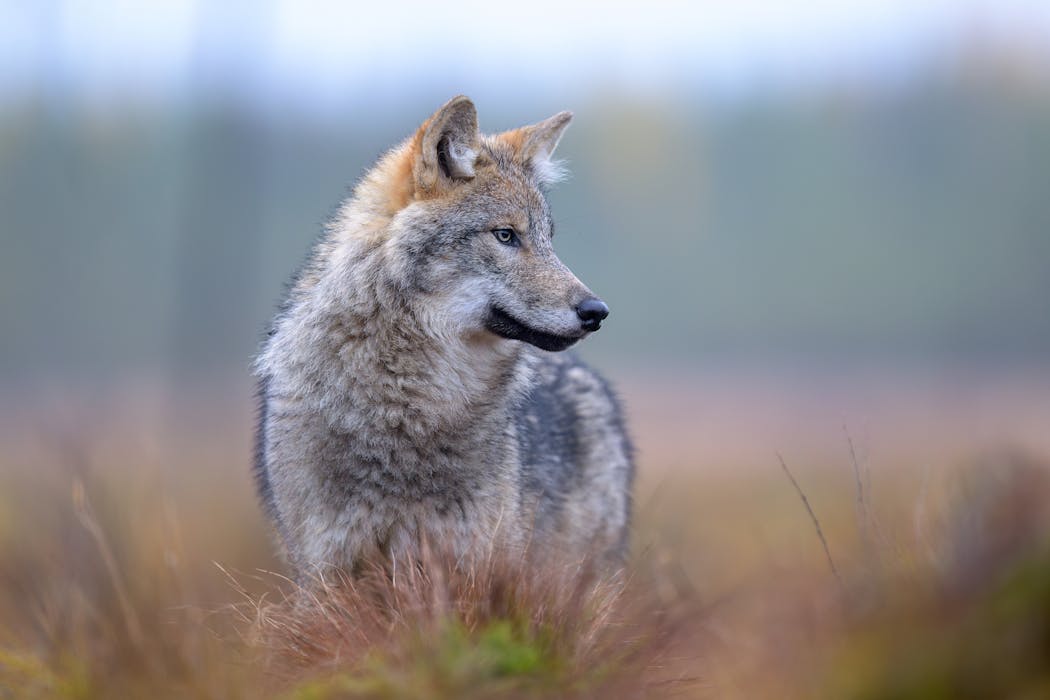
After centuries of near-extinction, Europe’s wolves have made a remarkable comeback. Over the past decade, wolf populations have surged, increasing by nearly 60%. In 2022, more than 21,500 wolves were recorded across the continent.

Countries that have long been wolf-free are now home to thriving packs. Germany, Italy, Poland, Spain and Romania each have more than 1,000 wolves. For scientists, this is a rare conservation success story: a large predator reclaiming landscapes dominated by human activity.

Where we live in Denmark, the comeback has been more modest. Wolves disappeared from Danish forests in 1813, when they were hunted to extinction – remembered only in stories and fairytales. Then, in 2012, a lone male wolf crossed the border from Germany into Jutland, Denmark’s peninsula bordering Germany. More followed. By 2017, Denmark celebrated its first confirmed breeding pack in more than 200 years.

Today, Denmark’s wolf population is estimated to be just over 40 wolves, with at least seven breeding pairs known to have produced cubs.

Yet even this small number has sparked fierce debates over livestock and public safety in one of Europe’s most intensively farmed countries, with views on wolves seeming to reflect wider political divides across Denmark.

The EU recently downgraded the protection status of wolves, moving them from “strictly protected” to simply “protected”. This change makes it easier for member states to authorise local culling.

Earlier this spring, the Danish government announced that “problem wolves” can be legally shot if they repeatedly stray into towns or attack livestock behind secure fencing. And the first legal licence to shoot a wolf guilty of several attacks was handed out in September.

Experts have already suggested that mysteriously high mortality rates and “disappearing” wolves are most likely the result of illegal hunting. And it’s feared by conservationists that quotas on wolf numbers could be introduced, as is the case in neighbouring Sweden.

As political scientists, we wanted to understand how Danes feel about the return of wolves. This summer, we included a question on wolves in a YouGov survey on climate and the environment. We asked: “Do you agree with the statement that breeding wolf packs are beneficial for Danish nature?”

close up shot of grey wolf looking at camera
The European grey wolf (Canis lupus lupus).
Rudmer Zwerver/Shutterstock

Of the 2,172 respondents, 43% disagreed, 30% agreed and 27% were neutral or unsure. Breaking the results down by politics reveals clear patterns. Supporters of left-leaning and green parties were the most positive, with nearly 45% agreeing that wolves are good for nature. Right-leaning voters were far more sceptical, with almost half of the supporters of new rightwing parties fully disagreeing. Even many Social Democrats voters (generally considered centre-left) leant toward disagreement, showing how this issue has become integrated into traditional political divides.

People in Copenhagen and other large cities were slightly more positive about the return of wolves than those in smaller towns or rural areas, but attitudes remain mixed everywhere. Living in the countryside does not automatically make someone a wolf sceptic, nor does city life guarantee support.

Age, however, was the strongest predictor of support. Young Danes (18–34) were overwhelmingly supportive, with over 50% agreeing that wolves benefit nature. Support declines steadily with age, however, with the majority of those over 55 – and nearly 60% of those over 73 – expressing outright disagreement.

We have spent more than a decade looking into more traditional political issues and have never seen age differences like these. In this way, the resurgence of wolves seems to have become more than just a wildlife issue.

Wolves, myths and reality

Few animals stir the imagination like wolves. They appear as villains in fairytales, sacred protectors as well as harbingers of apocalypse in Norse myths, and ecological superheroes in biology textbooks. Some wolves became intimately involved with humans as “man’s best friend”, while others became our worst enemy – see the big bad wolf.

Conservationists call wolves a “keystone species”. This means that because they naturally control numbers of deer and other prey, their presence can allow forests and grasslands to recover. Yellowstone Park in the US is a prime example: after wolves were reintroduced, aspen and willow trees flourished for the first time in decades.

But Denmark is not Yellowstone. Its countryside is a patchwork of farms, towns and highways with small, heavily managed nature reserves. Whether wolves can restore “wild balance” here is uncertain – and Danes’ views reflect that uncertainty. Indeed, for some farmers and rural residents, wolves are not symbols of rewilding – they are real predators, threatening livestock and livelihoods.


Read more:
Wolves return to Europe: what to do about them is a people problem – podcast


Fear also plays a role: parents worry about children walking in the forest, and dog owners worry about their pets. Statistically,wolf attacks on humans are extremely rare, yet perception often outweighs facts.

Incidents in neighbouring countries can add to the unease. Earlier this year, a wolf attacked a six-year-old boy in the Netherlands. And in Denmark this summer, two young boys spent hours up a tree after thinking an “aggressive wolf” was nearby. The story grabbed headlines, only for it to turn out that the animal was actually a large cat. It’s a reminder of how quickly fear spreads, whether the danger is real or not.

Our findings suggest that fears and myths about wolves are not mere folklore. They are expressed in real attitudes, reflecting deeply held values and cultural identities.

Wolves have come to represent much more than just wildlife. They are potent symbols of environmental ideals and societal perspectives – with attitudes toward them shaped less by geography and more by political beliefs and generational outlooks. For policymakers and conservationists, understanding these perceptions is essential to navigating the delicate balance between species recovery and public acceptance.

This article was commissioned by Videnskab.dk as part of a partnership collaboration with The Conversation. You can read the Danish version of this article here.


Don’t have time to read about climate change as much as you’d like?

Get a weekly roundup in your inbox instead. Every Wednesday, The Conversation’s environment editor writes Imagine, a short email that goes a little deeper into just one climate issue. Join the 45,000+ readers who’ve subscribed so far.


The Conversation

Kristian Kongshøj currently receives funding from Green Societies, a faculty-funded research programme at the Faculty of Social Sciences and Humanities (SSH), Aalborg University, Denmark

Troels Fage Hedegaard does not work for, consult, own shares in or receive funding from any company or organisation that would benefit from this article, and has disclosed no relevant affiliations beyond their academic appointment.

ref. Wolves have returned to Denmark, and not everyone is happy about it – https://theconversation.com/wolves-have-returned-to-denmark-and-not-everyone-is-happy-about-it-266276

Wild honeybees now officially listed as endangered in the EU

Source: The Conversation – UK – By Arrigo Moro, Postdoctoral Researcher, Galway Honey Bee Research Center, University of Galway

It can be hard to distinguish between a wild and a managed honeybee. SanderMeertinsPhotography / shutterstock

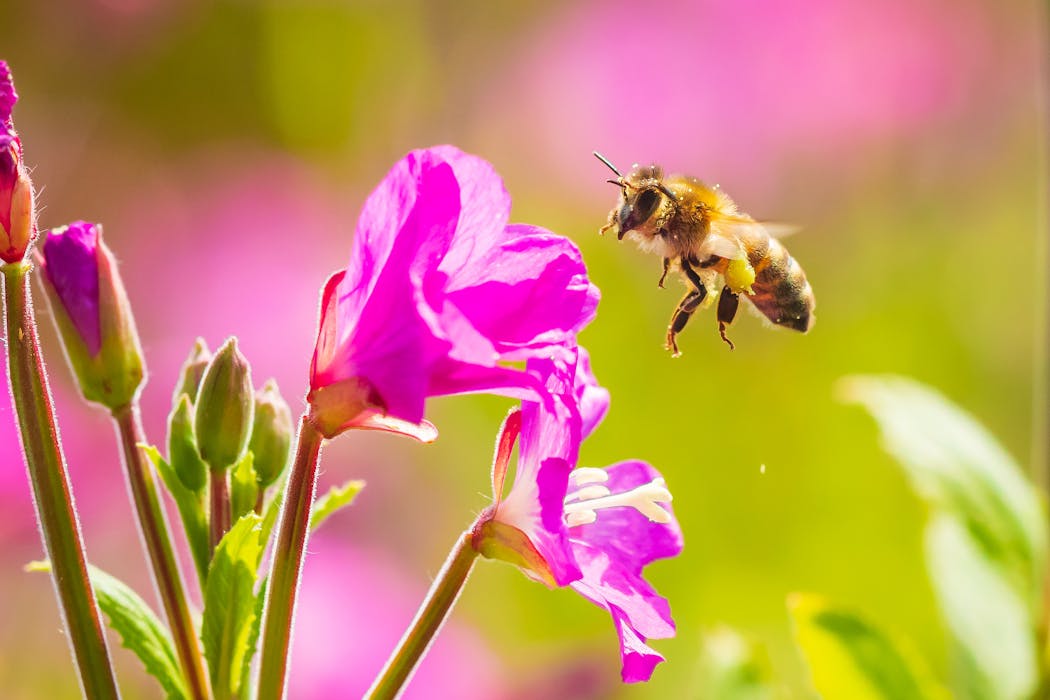
You might think honeybees are thriving – after all, the honey industry is growing and its bees are well looked after by beekeepers. But not all honeybees live in hives. Across Europe, colonies still live in the wild, nesting in tree cavities and other natural spaces, just as their ancestors did for millions of years.

Now, for the first time, these wild honeybee populations have been officially categorised as endangered within the European Union. That’s according to the latest update to the IUCN Red List, the world’s official database of species conservation statuses.

The western honeybee has a long history with humans. People have kept honeybee colonies for thousands of years, dating back to the ancient Egyptians who kept them in rudimentary hives to harvest honey. But it’s modern beekeeping, with its mobile hives and commercial pollination, that has had the widest impact on the species.

Because of that, today the western honeybee exists in two forms: the managed colonies kept in hives, and the wild ones that live independently of people. Both belong to the same species, Apis mellifera, but their lives and their prospects are radically different.

Managed honeybees have faced widely reported crises since the 2000s, when beekeepers around the world started noticing alarming losses in their hives. Since then, scientists have been working with beekeepers to investigate the causes and reduce colony mortality.

Because of this, the species as a whole is generally perceived as being under threat. But the reality is more complex than that. While it is true that managed colonies continue to suffer high losses, they are actively cared for by beekeepers and studied by researchers. The same cannot be said for their wild counterparts, which, until recently were relatively unstudied, especially in Europe.

The gap in knowledge led several European researchers to start investigating honeybees living freely in the wild. Such colonies have now been documented throughout Ireland and the UK, in national parks in France, the forests of Germany, Switzerland, and Poland, up and down Italy, and even in cities such as Belgrade in Serbia. These now are under study to understand if they can form self-sustaining populations capable of living without human help.

Tracking bees across Europe

To connect these independent research projects, a global initiative called Honey Bee Watch was formed in 2020. Its goal: to better understand how honeybees live in the wild. Under this coalition, I have been part of a team of 14 scientists and experts, who have worked with the International Union for the Conservation of Nature (IUCN) to reassess the conservation status of wild A. mellifera populations.

honeybees in tree cavity
A wild colony of honeybees the author discovered in Ireland.
Arrigo Moro

This formed part of a monumental effort to update the European Red List of Bees, led by researchers at the University of Mons in Belgium, which examined the conservation status of almost 2,000 species – many for the first time.

Back in 2014, wild A. mellifera populations had been listed as “data deficient” in Europe because there wasn’t enough information to answer a question that seemed simple enough: if a colony is found living in a tree, how can we tell whether it’s truly wild or has escaped from a managed hive?

A new definition of ‘wild’

Our new assessment took a different approach. Honeybees are not truly domesticated, since beekeepers have never been able to completely prevent them from breeding with other colonies, whether wild or managed. This means genetic differences between managed and wild colonies are often blurred.

Instead of trying to draw a genetic line separating the two, we adapted the IUCN’s definition of “wild” as it relates to honeybees. This meant we defined wild honeybee populations based on two criteria:

First, they live freely without management. And second, they can sustain their numbers independently without relying on the introduction of new colonies, such as those that escaped from managed hives.

Using ecology rather than genetics to define wild honeybees meant we could better evaluate their conservation status.

Endangered in the EU

Europe has the lowest density of free-living colonies in the world, as managed hives far outnumber wild ones. And, thanks to a recent analysis provided by our fellow assessors, we know that their numbers are declining.

Combined with evidence of habitat loss, invasive parasites, diseases, and human-mediated hybridisation, the picture that emerged was clear: wild honeybees are indeed in trouble.

That’s why their Red List status has now been updated to “endangered within the European Union.” However, for the wider pan-European region, they remain “data deficient” due to scarce data for areas such as the Balkans, the Baltics, Scandinavia and eastern Europe.

Protecting wild honeybees isn’t just about saving an iconic species – it’s about safeguarding our food security, biodiversity and ecosystems for the future. Populations surviving in the wild are those that naturally evolved the ability to cope with parasites, diseases and other harsh conditions that can devastate managed hives. They represent a vital genetic reservoir that could help make both wild and managed bees more resilient to future threats.

The new endangered assessment is a formal recognition that wild honeybees are native wildlife in need of conservation. We can no longer afford to leave them understudied and unprotected.

The Conversation

Arrigo Moro does not work for, consult, own shares in or receive funding from any company or organisation that would benefit from this article, and has disclosed no relevant affiliations beyond their academic appointment.

ref. Wild honeybees now officially listed as endangered in the EU – https://theconversation.com/wild-honeybees-now-officially-listed-as-endangered-in-the-eu-267239

Nobel peace prize winner Maria Corina Machado: the Venezuelan opposition leader forced into hiding after taking on Maduro

Source: The Conversation – UK – By Pia Riggirozzi, Professor of Global Politics, University of Southampton

Across Latin America, democracy is coming under severe pressure. Authoritarian leaders across the continent have been entrenching political power through constitutional manipulation, militarised policing and the persecution of dissent.

In Venezuela, Nicaragua, El Salvador and Argentina, regimes are increasingly eroding democracy and mounting a backlash against human rights.

It is in this bleak regional landscape that the Nobel Committee’s decision to award the 2025 peace prize to María Corina Machado has landed. The award is a recognition of one woman’s defiance. But it is also an opportunity to ask what kind of democracy and what kind of peace the world should aspire to.

Machado has long been the face of Venezuela’s democratic opposition. Disqualified from public office, vilified by Nicolás Maduro’s regime and repeatedly threatened, she embodies the persistence of civic dissent.

The Nobel prize committee’s citation reads: “She is receiving the Nobel Peace Prize for her tireless work promoting democratic rights for the people of Venezuela, and for her struggle to achieve a just and peaceful transition from dictatorship to democracy.”

Yet that transition is a long way from being achieved and remains deeply uncertain. Venezuela has fallen victim to increasing political polarisation and is now suffering one of the worst displacement crises in the hemisphere, with 8 million people having left the country since 2014. And the threat of US interference is ever present.

The prize thus risks celebrating an aspiration more than an outcome. It represents a fragile hope in a region where democratic renewal is both urgent and unfinished.

A feminist reading of courage and contradiction

The award makes Machado the first Venezuelan to receive the Nobel peace prize, underscoring the international significance of her career and support for the Venezuelan democratic cause. There is no doubt that her courage is extraordinary.

Machado has refused exile, rejected violence and unified a fragmented opposition under conditions that would crush most political careers. She was forced to go into hiding last year shortly after alleging fraud in Nicolás Maduro’s reelection on July 28 2024.

For decades, women in Latin America have been at the forefront of resistance movements. From the Mothers of the Plaza de Mayo in Argentina to the Ni Una Menos protests in Buenos Aires, Santiago, Bogotá and Mexico City, women’s groups have focused on advancing human rights and social justice. Machado’s recognition inserts Venezuelan women’s political agency into that prominent tradition.

In a region where politics remains saturated by machismo and military archetypes, this is not trivial. The image of a woman – assertive, unapologetic, unbowed – being recognised as a symbol of peace and democratic resistance matters deeply.

Yet the discussion cannot stop there. Machado comes from a powerful business family. She was educated in exclusive schools in Venezuela and the US and shaped by early work in her family’s steel company – all of which may have informed and defined her political outlook.

Her position as an elite woman in a country whose crisis has hit the poor and working-class hardest highlights the need to broaden the conversation about what a just and inclusive democracy looks like.

Her economic agenda – market-oriented and pro-privatisation – raises questions about whether democratic renewal can balance economic reforms, social protection and grassroots priorities. It asks how best to address inequalities that underpin Venezuela’s crisis.

In recognising Machado, the Nobel committee has invited reflection not only on the courage of individual leaders but also on how democratic movements can more fully integrate issues of peace and social justice for all alongside the fight against authoritarianism.

The announcement of the 2025 Nobel peace prize.

Democracy, peace, and the displaced

The Nobel committee described Machado’s resistance as peaceful. In Venezuela the concept of peace is multifaceted. It encompasses not only the absence of violence but also the profound challenges of hunger, displacement and uncertainty that millions continue to face.

The mass displacement since 2014 has disproportionately affected women and girls. They often flee for gender-specific reasons such as the collapse of maternal healthcare and increased rates of gender-based violence. Many have been exposed to trafficking and sexual violence and have faced bureaucratic indifference.

They are the collateral damage of Venezuela’s authoritarian collapse. But they are also symptomatic of an international order that fails to protect women.

This situation underscores the necessity of broadening our understanding of peace to include the protection and rights of women – in this case, the many displaced Venezuelan women and girls.

It must demand a transition that not only restores electoral democracy but guarantees dignity for those who lost everything to repression and political, economic and humanitarian decay.

A mirror for the region

Machado’s Nobel prize is especially timely given that it has been awarded against a backdrop of democratic backsliding and even erosion across Latin America. Her experience highlights the way that the more democracy is undermined by a regime in power, the more difficult it becomes for an opposition to unseat that regime in elections – or assume office if it does win power.

Latin American democracies are losing institutional capacity to restrain the executive – while on the streets, popular protest is often forcibly repressed. Many opposition politicians and activists have no option but to flee or hide.

This has been Machado’s experience. But this Nobel prize sends a signal that global institutions are watching and highlights the deep concern for the future of democracy and the fragility of peace.

The Conversation

Pia Riggirozzi have received funding from ESRC for the project Redressing Gendered Health Inequalities of Displaced Women and Girls in Contexts of Protracted Crisis in Central and South America (ReGHID)

ref. Nobel peace prize winner Maria Corina Machado: the Venezuelan opposition leader forced into hiding after taking on Maduro – https://theconversation.com/nobel-peace-prize-winner-maria-corina-machado-the-venezuelan-opposition-leader-forced-into-hiding-after-taking-on-maduro-267245

Why some people turn off the lights, and others don’t

Source: The Conversation – UK – By Lorraine Whitmarsh, Professor of Environmental Psychology, University of Bath

Southworks/Shutterstock

Saving energy isn’t just about keeping bills down. A new analysis of 100 existing studies across 42 countries shows that people with positive attitudes to the environment, or who want what they do at home to make a difference to society, are more likely to save energy.

This finding is in line with leading psychological models of behaviour, which show there is often a relationship between what we feel and what we do.

But these models, and the evidence about who is more likely to turn off the lights and save energy, also show very clearly that there is often an “attitude-behaviour gap” – what we know we should do doesn’t always translate into action.

Anyone who has tried to lose weight or quit smoking will be very aware of this. Like health behaviour, environmental actions also suffer from this gap: while most people worry about climate change, far fewer take sufficient action.

This is because it is not only attitudes that predict behaviour, but the social, economic and physical context in which we act. In fact for many people, these factors exert a stronger influence on what we do than internal factors such as attitudes.

Cost and convenience matter

Cost, convenience and societal conventions are all strong influences on our actions. This helps to explain changes in how much homes are heated (due to central heating being more widespread), or use of hot water.

Many older people remember a weekly bath being the norm in their childhoods. Yet today, daily showers are more typical – partly because many more houses have showers now. Unsurprisingly, cost is also a driver of behaviour: more people will invest in energy-saving technology when energy prices are high than when they’re low.

Similarly, the new study shows that knowledge of environmental impact has a limited effect on energy-saving behaviour. For example, we have found that environmental awareness has little influence on whether people fly for work. In our 2020 study of academic travel, the people flying the most were climate change professors – who certainly knew that aviation is a contributor to climate change.

This gap between knowledge and action exists for the same reason as the attitude-behaviour gap: namely, our behaviour is influenced by wider factors than what we feel or know. A person whose job requires air travel is likely to fly for work even when they are aware of the environmental harm.

People are more likely to get heat pumps if their neighbours get them.

Neighbours are influential

The new study also finds that people save more energy if they think others expect them to – showing that social norms are a powerful influence on our behaviour.

Recent work similarly shows that social factors strongly shape people’s decision to buy a heat pump – one of the most effective energy-saving actions. Having a friend or neighbour with a heat pump means you hear about its benefits and how to buy it, and are more likely to believe it is a good idea than just hearing about it through secondhand sources (such as news reports).

At least as important, though, is making energy-saving actions cheap and convenient. So policies to reduce costs of energy technologies or insulation, and which ensure skilled installers are available, are critical. Saving energy is more often motivated by financial than environmental concerns – so price is a particularly powerful lever.

The new study also finds links between energy-saving and other green behaviour, such as recycling or using public transport. Research suggests that similar actions often relate. For instance, people who save energy are more likely to save water – often because these actions flow from a “green identity”: a sense of being an environmentally interested person.

But these links are not very strong, and become weaker across more diverse actions – for example, avoiding car use and saving energy at home – because the external factors that shape these choices are very different. So, living in a rural area might preclude reducing car use, while saving energy might be possible.

Ultimately, promoting energy-saving behaviour means creating the right conditions for people to act.

While information and motivation are crucial, meaningful and sustained change depends on making the greener option affordable, convenient – and just normal. If policies and environments support energy-saving choices, large-scale behaviour change (and progress towards climate and energy goals) becomes far more achievable.


Don’t have time to read about climate change as much as you’d like?

Get a weekly roundup in your inbox instead. Every Wednesday, The Conversation’s environment editor writes Imagine, a short email that goes a little deeper into just one climate issue. Join the 45,000+ readers who’ve subscribed so far.


The Conversation

Lorraine Whitmarsh receives funding from UKRI.

Sam Hampton receives funding from UKRI and the Askehave Climate Foundation.

ref. Why some people turn off the lights, and others don’t – https://theconversation.com/why-some-people-turn-off-the-lights-and-others-dont-266738

Hamas at a crossroads as the Gaza ceasefire deal comes into force

Source: The Conversation – UK – By Dale Pankhurst, PhD Candidate and Tutor in the School of History, Anthropology, Philosophy and Politics, Queen’s University Belfast

After two years of war, Israel and Hamas have agreed on the “first phase” of a US-backed peace plan for Gaza. The deal, if it holds, will involve the release of Israeli hostages and Palestinian prisoners, the withdrawal of Israeli troops from Gaza and the entry of aid into the enclave.

The president of the Palestinian Authority, Mahmoud Abbas, has welcomed the news. He has expressed hope that the deal acts as a “prelude to reaching a permanent political solution” between Israel and Palestine.

But what lies ahead for Hamas? A clause in the wider peace plan calls for the full dissolution of the group, both as a militant organisation and as a civil administration. It is difficult to see how Hamas leadership will negotiate their way through this without some form of disarmament or demobilisation.

The Israeli government, with backing from the US and other western countries such as the UK, has repeatedly said the full demobilisation of Hamas and its militant wing is the only possible outcome it will accept. This leads to a significant dilemma for Hamas.

Its entire reason for existence is to seek the destruction of the Israeli state through violence. There is no room for peaceful, democratic means in its objectives. So if the Hamas leadership are to pursue some form of demobilisation, they risk fracturing the organisation into dissenting armed factions that continue their militancy against Israel.


Read more:
Israel and Hamas agree ceasefire deal – what we know so far: expert Q&A


The Wall Street Journal reports that Hamas’s lead negotiator, Khalil al-Hayya, as well as other political officials living outside of Gaza, are ready to accept disarmament as part of a wider peace process. But analysts suggest other leaders and militants still based in Gaza may be less willing to compromise.

Hamas has remained remarkably resilient throughout the two years of war in Gaza. US figures from early 2025 showed that Hamas had added up to 15,000 new volunteers since the October 7 attacks in 2023, largely replacing those it had lost since the start of the conflict. Many of these recruits may be reluctant to surrender their weapons after losing family and property during the war.

At the same time, Hamas is not the only armed Palestinian group operating in Gaza. Although Hamas led the October 7 attacks against Israel, the attacking force contained militants from multiple armed groups.

These included Palestinian Islamic Jihad (PIJ), the Marxist-Leninist Popular Front for the Liberation of Palestine, the Al-Aqsa Martyrs Brigades, the Maoist Democratic Front for the Liberation of Palestine (DFLP) and the Palestinian Mujahideen Movement.

Some of these groups, including the PIJ, are thought to have joined Hamas in peace talks with Israel. Others are less willing to enter negotiations. The DFLP, for example, has said in a statement that it rejects any form of international mandate or guardianship in Gaza. This includes the future involvement of the former British prime minister, Sir Tony Blair, or an international security force.


Read more:
Gaza peace plan risks borrowing more from Tony Blair’s failures in the Middle East than his success in Northern Ireland


Beyond Gaza, Hamas has to consider its future in broader Palestinian politics. The armed group has ruled over Gaza since 2007. But its traditional opponent, Fatah, which Hamas expelled from the Gaza Strip in 2007 following a bloody feud, continues to wield significant political authority in the West Bank through its dominance of the Palestinian Authority.

Relations between Hamas and Fatah have been cordial in recent years. But Hamas may fear any demobilisation of its armed forces could shift the balance of power within Palestinian politics, enabling the Palestinian Authority to renew efforts for Gaza to rejoin the West Bank under a single, unified political authority.

Some form of disarmament is possible

Comparable case studies show that the disarmament and demobilisation of insurgent groups is possible, at least in part. In Northern Ireland, the Provisional Irish Republican Army (Pira) decommissioned a large portion of its weaponry in 2005 following protracted peace negotiations.

The Revolutionary Armed Forces of Colombia (Farc) also demobilised its armed units in 2017, a year after a historic peace settlement was reached between the Colombian state and the leftist rebels. Both organisations disarmed despite the presence of other armed groups, such as dissident republicans in Northern Ireland and the National Liberation Army in Colombia, that continued to wage violent campaigns.

Yet in Northern Ireland, the Pira never fully demobilised its volunteer base nor did it decommission all of its weapons. British security services and the Northern Irish police have found evidence that Pira members have been involved in several murders against internal opponents since the group decommissioned.

British intelligence also believes that the Pira’s militant structures and decision-making body, the army council, remain intact. They allege that these people now oversee the political strategy of Sinn Féin, an Irish republican political party.

While some insurgent groups disarm and demobilise, their legacy is slow to fade. Would Israel be willing to accept a similar disarmament, demobilisation and reintegration arrangement in Gaza as the British have done in Northern Ireland?

It is difficult to see the government of Israeli prime minister, Benjamin Netanyahu, which has continually reiterated that Hamas must be completely destroyed, doing so. Yet a different Israeli administration might.

It also remains to be seen whether Hamas could plausibly disarm a portion of its forces, such as its rocket units and armed assault groups, and allow others to be absorbed into a security force system governed by a body styled on the Palestinian Authority.

A monumental shift in strategic direction would be required for Hamas to reach this point. And the group is arguably more ideologically entrenched now as an Islamist Palestinian movement than the Pira was in the 1990s or the Farc in the 2010s.

Hamas is at a crossroads. It now faces either a period of negotiating for its future with little room to manoeuvre or further war with Israel if it refuses to dissolve. The challenge for mediators is to find a pathway that satisfies Israeli security demands and Hamas’s own quest for survival and transformation within Palestinian politics.

The Conversation

Dale Pankhurst does not work for, consult, own shares in or receive funding from any company or organisation that would benefit from this article, and has disclosed no relevant affiliations beyond their academic appointment.

ref. Hamas at a crossroads as the Gaza ceasefire deal comes into force – https://theconversation.com/hamas-at-a-crossroads-as-the-gaza-ceasefire-deal-comes-into-force-267145