Plaid Cymru’s staggeringly large victory in Caerphilly is a warning to both Labour and Reform

Source: The Conversation – UK – By Matt Wall, Associate Professor, Political and Cultural Studies, Swansea University

If any seat has a claim to be part of Labour’s electoral heartland, it is Caerphilly. Labour’s electoral dominance there reaches all the way back to the creation of the constituency in the 1918 UK general election, when Alfred Onions became the the first of many Caerphilly Labour MPs. This pattern has heretofore been replicated in Wales’s devolved elections, where the seat has always returned a Labour member.

This gives a sense of the blow dealt to Welsh Labour in the Senned byelection held there on October 23. Plaid Cymru candidate Lindsay Whittle, a man who has stood and failed to win in the constituency in 10 Westminster elections going back to 1983, won the Caerphilly Senedd seat with 15,960 votes to Labour’s 3,713.

In one sense, this was a surprise result. Reform’s Llŷr Powell was the bookies’ favourite to take the seat and Whittle’s vote share was well above what pundits and analysts had anticipated. Labour’s third place finish was widely predicted but, ultimately it undershot even the dismal expectations set. Plaid Cymru’s 11.4% margin of victory over Reform was greater than Labour’s entire vote share.

Typically, byelections are difficult to project forward onto nationwide votes so it’s not wise to predict future Senedd or general election from these results. Byelections often play out amid emotive and idiosyncratic circumstances, such as a member resigning in disgrace or an unfortunate passing. With the death of Hefin David, this contest falls into the latter. Byelections are also often difficult for parties in government, as they can engender protest vote dynamics. Voters feel able to give governing parties a kicking with relatively few political consequences.

This particular byelection is particularly unrepresentative of next year’s Senedd election, because the single-seat tier of the Welsh electoral system has been removed for future Senedd votes. This means that tactical voting incentives won’t be anywhere near as pronounced come next May’s Senedd election.

Threats on both sides

With these caveats in place, however, we can still draw out lessons from Labour’s Caerphilly defenestration. The results show a mass abandonment of the Labour party, providing behavioural proof of a wider pattern of Welsh Labour abandonment captured in national polling.

Were such a result to be replicated at the full Senedd elections in May 2026, Labour would be skirting electoral oblivion. Its decisive defeat in this historical heartland means that such an outcome, previously a hypothetical based on polling figures, can no longer be dismissed.

The willingness of many former Labour voters to place their trust in Reform is partially a response to a UK Labour government that has struggled to make progress on bread-and-butter issues since coming into office. More in Common estimates that approximately 11% of Labour voters in the 2024 election would vote for Reform if an election were held tomorrow. This would make Reform the party that most benefits from a UK-level disenchantment with Keir Starmer’s premiership.

On the left of the spectrum, traditional Labour voters have been alienated by the inability or unwillingness of the Labour government to provide daylight between itself and the previous Conservative administration. In Wales, this problem has been rendered almost comical by current first minister Eluned Morgan’s attempt to promote a “Red Welsh way” narrative – and attempt to show that Welsh Labour operates differently to its Westminster counterpart, despite a lack of evidence to support such a claim.

As a result, a similar “why not?” logic may lie behind Labour voters pivoting to Reform on Labour’s right and Plaid Cymru on its left. If Labour is bleeding support on both sides, the strategy for winning voters back becomes all the more difficult. Pleasing Reform-adjacent/disaffected Tories happy has been a notable aspect of Starmer’s governance, and it seems that now those on the left of the party are showing their frustrations – these are two groups of voters that cannot be won over by similar policies.

Reform is beatable

The other perspective from the Labour-to-Plaid pivot could be that voters saw the latter as the only legitimate bulwark against a tide of surging Reform sentiment. Voters tactically coalescing around the best “anti-Reform” option could be something that comes back to haunt Nigel Farage’s party.

Labour might think that this contingent can be won back in next summer’s proportional representation election, when the threat of a “winner-takes-all” result should be less of a factor, thereby reducing the need for tactical voting. Winning back voters, however, is easier said than done in a national context where Starmer is the most unpopular prime minister in British history at this stage of an administration.

What is also important to consider is where Reform could’ve pulled more votes from. The Conservative vote share dropped from 17% in 2021 to a measly 2% this year. Had they all gone to Reform, and all of the 5% who voted “other” went as well (as improbable as that is), Plaid still would’ve won by 4 points.

If Reform is to win contests like this, increasing turnout beyond the typically low levels of Welsh politics (no Senedd election has ever had above 50% turnout before this byelection, which just tipped over into 50.43%) is seemingly the only way to go. But that’s a tough ask for Reform’s fledgling Welsh party machine.

Looking to 2026

While this second place result can be seen as something of a stumble for Reform’s momentum ahead of the national Senedd elections next May, the party will take a great deal of comfort in the fact that this is a colossal improvement over 2021, when it took just 2% of the vote. An increase of 34 points in one seat, especially one that was a safe leftwing seat, suggests that Reform could be well positioned in areas currently held by Tories or in seats where Labour have much smaller majorities (Hefin won by 18-points in 2021).

This lends more credence to the notion that Reform are now the de facto rightwing option in Wales and Britain more broadly.

On the Welsh left, this win will undoubtedly spur a renewed vigour within Plaid Cymru, with party leader, Rhun ap Iorweth, already claiming that his party has popular momentum. Other left-progressive parties such as the Greens will also take heart from the collapse of the Welsh Labour vote, a loss for Labour does not mean a win for Reform by default.

What this result makes crystal clear is that Welsh vote intentions have shifted dramatically away from Welsh Labour, which is now in the middle of the very same backlash against the status quo that delivered it a general election win against the unpopular Conservatives in July 2024.

Upon winning, Whittle stated: “Listen now Cardiff, and listen Westminster.” Welsh and UK Labour politicians would be wise to take heed. If events in Caerphilly give any portent of what is to come, there will be a clear red divide – but it will be between Labour and power.

The Conversation

Matt Wall receives funding from the Economic and Social Research Council as a co-director of the Wales Institute of Social and Economic Research and Data (WISERD) and as the Principal Investigator of the 2026 Welsh Election Study.

Louis Bromfield receives funding from the Wales Institute of Social and Economic Research and Data (WISERD).

ref. Plaid Cymru’s staggeringly large victory in Caerphilly is a warning to both Labour and Reform – https://theconversation.com/plaid-cymrus-staggeringly-large-victory-in-caerphilly-is-a-warning-to-both-labour-and-reform-268310

Should you pour coffee down the drain? An environmental scientist explains

Source: The Conversation – UK – By Kevin Collins, Senior Lecturer, Environment & Systems, The Open University

Gorgev/Shutterstock

A woman was recently fined £150 by a council for pouring coffee down a drain before getting on a bus. The fine has now been rescinded, but the incident has prompted many discussions about whether coffee discarded like this could cause environmental damage.

About 98 million cups of coffee are consumed every day in the UK and 2 billion per day worldwide. All that liquid has to go somewhere, whether you are at home, at work or running for a bus. While the welcome hit of caffeine is a morning ritual for many, it can be an unwelcome hit for the environment when disposed of.

An individual cup is insignificant, but 98 million daily dregs poured down the drain would create a much bigger problem for our rivers and watercourses, because we are adding to the caffeine levels already present in sewage from households.

Much of the UK has a combined sewage system where a single pipe carries both rainwater from streets and wastewater from households to sewage treatment works. The more caffeine that goes in to these pipes, the more that could evade the treatment and reach rivers.

Cups of coffee contain hundreds of chemical compounds. As well as caffeine (assuming you are not drinking decaf), many will include milk and sugar while some also contain cocoa, spices and other ingredients.

Of these, caffeine has the most impact, environmentally speaking. It does not break down quickly or easily, and is considered an emerging contaminant (scientists have only recently started testing for caffeine levels and it is not always monitored). But even back in 2003, caffeine was found to be polluting Swiss lakes and rivers.

However, don’t think this means it’s fine to pour decaf coffee down the drain. All coffee lowers the pH of water, and coffee also contains organic compounds which rob aquatic systems of oxygen as they decompose.

The nutrients in coffee also encourage algae growth and may lead to additional oxygen depletion in rivers and lakes, which can stress and potentially reduce the lifespan of marine plants and animals.

Why is caffeine such a problem?

Wastewater treatment plants vary in their ability and capacity to treat and remove caffeine – ranging from 60-100% depending on treatment types, plant design, season, temperature and other elements. This means even treated water can contain caffeine when it is returned to rivers and seas.

Heavy rains add to the problem if the capacity of sewage pipes is exceeded. When this happens, untreated wastewater is designed to divert directly into rivers and water courses to prevent sewage flooding of homes, businesses and treatment plants.
Whether from a street drain or toilets, some of the caffeine that we have consumed will eventually make its way into our rivers and aquatic environments.

This is a problem in the UK and in every part of the world, including in Antarctica. One study of 258 rivers in 104 countries found caffeine in over 50% of sites sampled.

Recent studies show that caffeine has an impact on the metabolism, growth and mobility of some freshwater algae, plants and aquatic fly larvae, potentially leading to their death. Caffeine can affect marine and plant life even in small amounts.

What should and shouldn’t you put in a drain?

Street drains are part of our water system. Don’t put anything into a drain that you don’t want to see ending up in a river, lake, on a beach or in the sea.

This means no coffee or coffee grounds, food-based liquids, oils, paint or hot fats, detergents, bleaches, liquids from building work and so on. All these should be disposed of via the appropriate household bins or waste collection centres. Leave the street drains to do their single, simple job: collecting rainwater not wastewater.

And unfortunately, because of the combined sewage system in the UK, there is not much difference between disposing of liquids down your sink or into the street drain. So, what’s good for your street drain is also good for your kitchen sink and good for the environment. If nothing else, be pragmatic: coffee grounds can easily block your kitchen sink.

Coffee grounds could be added to compost.

So, what should you do with your coffee?

If you are constantly throwing away coffee water, perhaps try making less coffee. At home, you can dilute coffee water for use as a plant tonic. Coffee liquid and grounds can also be disposed of on gardens or any plant beds in small amounts with care.

While coffee grounds could add to the organic content of the soil, regularly adding grounds to the same patch of earth can cause a build up of caffeine and solids, which will be harmful to plants and soil function.

Otherwise, the best place for waste coffee is a compost heap or food waste recycling. If you don’t have access to these options, then put liquids or grounds into a container and put them in your bin.

A recent UK government inquiry concluded that improving the poor status of our rivers and coasts requires major reform, policy changes and investment. But we, as individuals, are also part of how the water system works. We can help it by keeping coffee out of drains, out of our rivers and out of our environment.

The Conversation

Kevin Collins receives research funding from Affinity Water and the Environment Agency.

ref. Should you pour coffee down the drain? An environmental scientist explains – https://theconversation.com/should-you-pour-coffee-down-the-drain-an-environmental-scientist-explains-268236

Why Tokyo’s youth culture district will ban ‘nuisance Halloween’ again this year

Source: The Conversation – UK – By Andrew Stevens, Visiting Fellow, Centre for Urban and Regional Development Studies (CURDS), Newcastle University

Tokyo’s Shibuya district, which has long been known as the centre of youth culture in Japan, has once again moved to restrict its Halloween street celebrations. A mayoral edict against so-called “Nuisance Halloween” has led to a series of strict measures in recent years, including a public drinking ban, to curb rowdy behaviour.

This draconian edge echoes Japan’s wider turn under its new prime minister, Sanae Takaichi. She placed an emphasis on the tighter control of public space and activities during her leadership campaign, citing the need for a “strict response to law-breaking foreigners”.

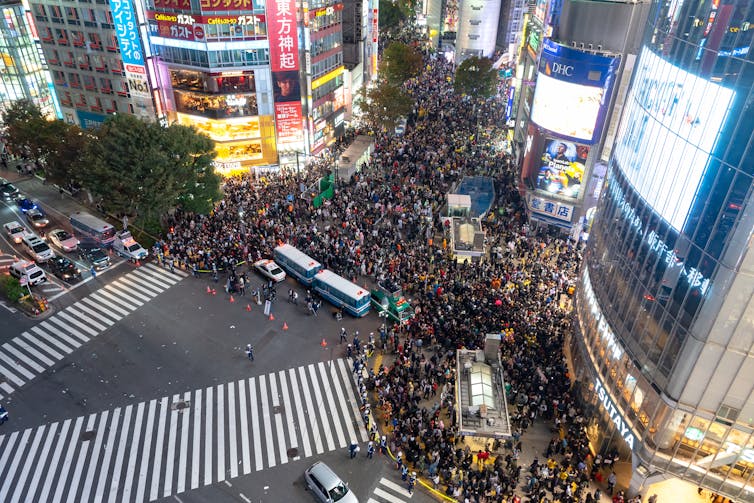
A decade ago, Halloween in Shibuya acted as a shop window for “Cool Japan”, a state-sponsored initiative to leverage the cool dimensions of Japanese culture internationally. Huge costume-clad crowds filled the famous Shibuya crossing, one of the world’s busiest pedestrian intersections, in a spontaneous celebration that aligned global youth culture with Tokyo’s urban vibrancy.

Since then, however, the mood has shifted among the levels of government that make up the world’s largest metropolis. Shibuya mayor, Ken Hasebe, has repeatedly urged partygoers – especially tourists – not to gather for Halloween. And to discourage problematic behaviour, he has reinforced bans on public drinking and has asked retailers to halt alcohol sales.

A large crowd of people gathered at the Shibuya 'scramble' crossing.
A large crowd of people gathered at the iconic Shibuya ‘scramble’ crossing at Halloween in 2018.
Shawn.ccf / Shutterstock

The turning point came in 2018, when a group of Halloween revellers overturned a truck near the Shibuya crossing. The incident drew national criticism and led to the arrest of four people after CCTV analysis.

One year later, Shibuya introduced a public drinking ban around Halloween and New Year’s Eve. This was the first formal restriction on a largely unregulated gathering that had, until then, enjoyed the endorsement of city leaders as part of nascent branding efforts.

A critical international reference point was provided in 2022, when a crowd crush during Halloween festivities in the Itaewon nightlife district of Seoul, the South Korean capital, killed 159 people. Shibuya has experienced no comparable incidents, but Mayor Hasebe has frequently cited Itaewon when pleading with revellers not to crowd the streets. He has framed his actions as necessary to avoid a similar outcome.

By 2024, permanent nighttime bans on public drinking had been introduced in parts of Shibuya. This was followed by further tightening. Alcohol sales were restricted by stores during Halloween nights, smoking areas were closed, street layouts were altered to disrupt crowd flow, and security patrols were expanded.

On Halloween in 2025, electric scooter and e-bike services will also be suspended at various lending and return ports near the busiest areas. What was once an organic, globally visible gathering has gradually been managed, discouraged and hollowed out.

Cities worldwide are confronting similar tension. But rather than taking steps to restrict such activity outright, many have sought to govern it more strategically.

Amsterdam pioneered the office of “night mayor” in 2012 to balance divergent interests in the European nightlife capital. London then adopted a similar concept through its own “night czar”, while New York City has established an office of nightlife to manage late-night culture as a policy domain rather than a policing issue.

Shibuya itself was once in the vanguard of this approach. The district appointed Japanese hip-hop artist Zeebra as its nightlife ambassador in 2016, promoting a vision of curated and responsible nighttime activity. The current Halloween deterrence strategy marks a distinct shift from integration to avoidance.

Changing political climate

Japan’s changing national political climate gives this local pivot a deeper resonance. Takaichi, Japan’s much-vaunted first female prime minister, places a heavy emphasis on social order. She has called for stronger policing and the protection of national identity amid rising tourism and migration.

While Shibuya’s nightlife policies are not enacted by the national government, they echo a broader shift in Japan that connects perceived disorder – particularly associated with foreigners – to a need for proactive control.

This marks a sharp break from the “Cool Japan” era of the 2000s and 2010s, when informal street culture and youth-led cultural imagery were keenly leveraged as soft power. As a place where tourists could briefly participate in Japanese cultural life, Shibuya was emblematic of that openness. The same phenomenon has now been reclassified as a possible threat.

It is important to acknowledge the real risks associated with urban crowd management. Itaewon demonstrated how a carnival atmosphere can turn fatal in minutes. However, when safety messaging merges with narratives about public order and foreign influence, urban regulation risks drifting from crowd management headlong into cultural gate-keeping.

Tokyo is not alone in restricting elements of nightlife when public tolerance is exceeded. Amsterdam has cracked down on what it calls “disruptive tourism”, while Barcelona has sought to curb late-night street gatherings that disrupt neighbourhood life. But Japan’s trajectory appears distinct in that it is not working toward new models of managed coexistence between nightlife, residents and visitors.

Shibuya’s response may also set a precedent for other urban hubs in Japan. This sits uneasily alongside national ambitions to attract more tourists, recruit foreign workers and draw international talent at a time of population decline and near-zero birthrates.

Japan now faces a dilemma: can it afford to retreat from culturally open public spaces at the very moment it needs to appear more welcoming on the world stage? The Halloween crackdown reflects a polarising governance choice – not just about public safety, but about what kind of society Japan wishes to project to the outside world.

The Conversation

Andrew Stevens is affiliated with the Council of Local Authorities for International Relations (CLAIR) of Japan.

ref. Why Tokyo’s youth culture district will ban ‘nuisance Halloween’ again this year – https://theconversation.com/why-tokyos-youth-culture-district-will-ban-nuisance-halloween-again-this-year-268242

Who controls the air we breathe at home? Awaab’s law and the limits of individual actions

Source: The Conversation – UK – By Amber Yeoman, Postdoctoral Research Associate in Atmospheric Emissions, University of York

richardjohnson/Shutterstock

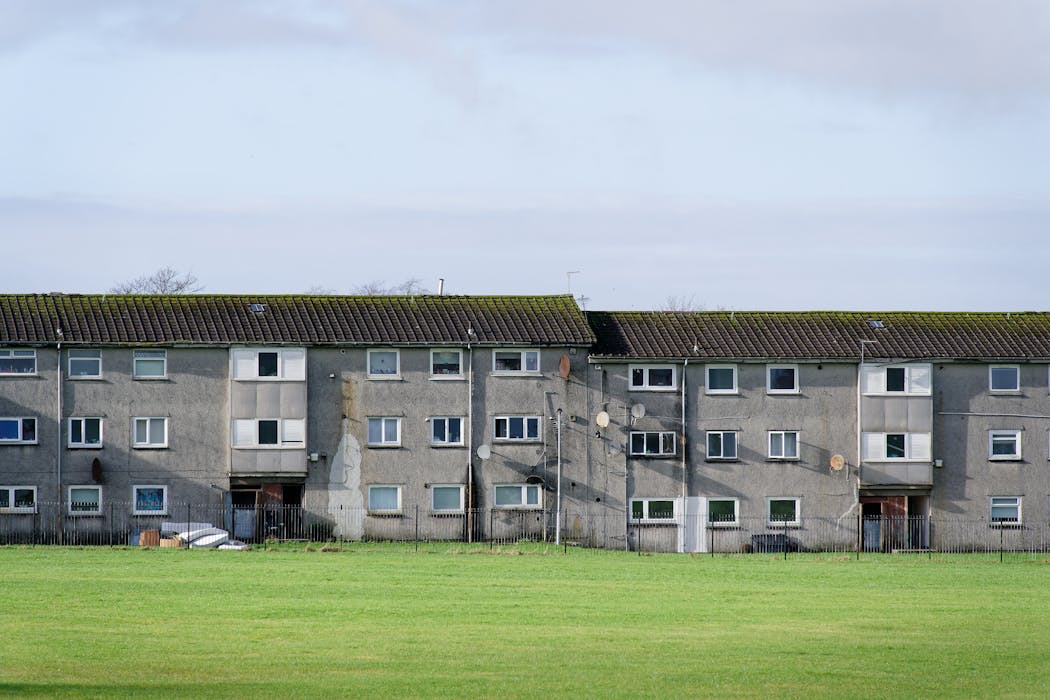
Awaab Ishak, a two-year-old child, died in 2020 after prolonged exposure to mould in his social housing association home. The inquest into his death found that, despite repeated reports by his parents about the property’s uninhabitable conditions, their concerns were dismissed and the housing association failed to take sufficient action.

In response to his tragic death, new legislation known as Awaab’s law now requires social housing associations in the UK to urgently address “all damp and mould hazards that present a significant risk of harm to tenants”.

This is a positive step forward in tackling damp and mould in social housing rented accommodation, which significantly contributes to poor indoor air quality. It also recognises that building occupants cannot always take the necessary actions to improve air quality themselves.


Read more:
Awaab’s law is a start but England needs whole new approach to ensure healthy homes for all


Efforts to maintain good indoor air quality often focus on changing individual behaviour, such as opening windows, using extractor fans and running dehumidifiers or air cleaners. While these measures can help, they are not always affordable or effective on their own. Even when occupants know there is a serious indoor air quality issue, which can have many sources such as mould, heating systems and building materials, they may lack the capability to do anything about it. This was the case for Awaab and his family, as the social housing association refused to act.

Our 2025 research paper explores how people’s ability – or capability – to make changes that improve air quality varies depending on housing tenure (for example, private rental, social housing, owner-occupied). In this context, capability refers to the level of control someone has to alter conditions that affect indoor air, such as fixing damp, improving ventilation, or replacing pollutant-emitting materials.

The figure below, also from our paper, shows the link between housing tenure type and capability. The blue bar represents the proportion of the English population living in each tenure type. The red bar below it shows how much control people have over sources of poor indoor air quality, with the most control on the right and the least on the left. Each box within the red bar represents a different activity or source that impacts air quality indoors.

Only one-third of these activities are accessible to those who do not own their home. Even property owners are often unable to influence major factors, such as the materials their house is built from or the outdoor air quality in their area. The activities that offer the least control, such as upgrading insulation, replacing heating systems, or renovating walls and floors to remove pollutant-emitting materials, usually require significant resources such as money, time and space. This highlights how unreasonable it is to blame household air quality issues on lifestyle choices when so many factors are outside an occupant’s control.

Awaab’s law acknowledges that renters face barriers to preventing and fixing damp and mould. It requires social housing associations to respond promptly to all reports of damp and mould, and it explicitly states that it is unacceptable to assume that these problems are caused by a tenant’s lifestyle. Housing associations are also prohibited from using lifestyle as an excuse for inaction.

In the future, Awaab’s law will expand to cover other hazards that tenants cannot easily control, such as extreme temperatures, falls, explosions, fires and electrical risks. However, it does not yet address other causes of poor indoor air quality, including building and decorating materials, heating systems and cooking practices. These sources can emit pollutants such as volatile organic compounds (VOCs) – gases released from paints, varnishes, cleaning products and furniture – and particulate matter – tiny solid or liquid particles produced by activities such as cooking, heating and burning candles. Both can enter the lungs and bloodstream, contributing to breathing problems, allergies, heart disease and, over time, even cancer. These pollutants, then, can be just as harmful to health as damp and mould.

But, unlike mould, which can usually be identified by sight or smell, these pollutants often go unnoticed. A lack of understanding about these pollutants and their sources limits what occupants can do to improve air quality in their homes. So it is essential that people have access to clear information about potential pollutant sources, such as the products and furniture they buy. If this information is not readily available, the responsibility unfairly falls back on occupants once again.

Awaab’s law is an important recognition that tenants are not solely responsible for damp and mould in their homes. It will help protect some of the most vulnerable people living in uninhabitable conditions, yet it stops short of addressing other contributors to poor indoor air quality.

Understanding and tackling these wider issues would benefit everyone, regardless of housing tenure. These broader structural factors include the age and design of buildings, the quality of construction materials, housing regulations, and the social inequalities that limit tenants’ ability to make improvements. Until these underlying conditions are addressed, indoor air quality in the UK will not truly improve.

The Conversation

Amber Yeoman receives funding from UKRI and Defra.

Douglas Booker is the Co-Founder and CEO of NAQTS Ltd, a business that develops tools and technologies to provide holistic indoor air quality information. He receives funding from UKRI, NIHR, and EPSRC. He is affiliated with the Clean Air Champions team as part of SPF Clean Air Programme.

Faisal Farooq does not work for, consult, own shares in or receive funding from any company or organisation that would benefit from this article, and has disclosed no relevant affiliations beyond their academic appointment.

ref. Who controls the air we breathe at home? Awaab’s law and the limits of individual actions – https://theconversation.com/who-controls-the-air-we-breathe-at-home-awaabs-law-and-the-limits-of-individual-actions-268060

How new renters’ rights could drive landlords out of the market

Source: The Conversation – UK – By Nikhil Datta, Assistant Professor, Economics, University of Warwick

Rawpixel.com/Shutterstock

The UK’s rental market has changed dramatically over recent decades, with the proportion of renters doubling to 30% since 2000. Over the same period, housing costs have increased far faster than wages.

Historically, the rental sector has faced less regulation in the UK than in many other European countries. But now new legislation aims to improve the security of tenancies in England and strengthen tenant protections against environmental hazards.

Many elements of the renters’ rights bill are likely to improve the lives of renters without harming landlords. But some of the improvements for tenants will make being a landlord more difficult or even, for some, undesirable. So far, we feel that the proposed measures fall into three groups – the good, the not-so-good, and the complicated.

The good

A government report from 2023 estimated that 3.6% of private rented properties had serious levels of damp and mould. One section of the bill will extend “Awaab’s law” (named after two-year-old Awaab Ishak, who died as a result of living in a mould-infested home) to the private rental sector, offering protection to tenants in problem properties.

Also, a new private rental sector landlord ombudsman will be able to help tenants resolve disputes without slow and costly legal proceedings. The creation of a private rented sector database will improve transparency for tenant and compliance with pre-existing laws by landlords.

The not-so-good

The bill seeks to end the practice of “rental bidding”, where landlords can effectively maximise the rent they receive. Landlords and letting agents will not be allowed to accept more than the initial rent advertised.

In practice, many landlords may simply raise their initial asking rents so the new rule has little actual effect on the prices tenants face. Additionally, evidence from other markets, such as eBay, suggests that auction-style price setting has in many cases resulted in lower prices relative to simply posting a price.

As such, it is not clear this policy will have the intended effect. But the bill does also seek to regulate rent increases for incumbent tenants.

One of the most important parts of the bill is the abolition of “section 21 evictions” (so-called “no fault” evictions). Abolishing section 21 would leave landlords relying on what’s known as a “section 8 notice”, a written document used when a tenant has broken the rules of their rental agreement.

And while a section 8 does allow landlords to recover costs, it also requires a full court hearing. Yet evidence suggests that landlords are often willing to forego the prospect of reclaiming losses in order to get their property back quickly.

A key reason for this is the stretched court system and the length of time repossession can take (often as long as a year). The bill missed an opportunity to tackle costly court delays by creating a specialist housing court – something that could have been easily funded by a tiny levy on the UK’s annual £55 billion in rental income.

The complicated

Overall, the reforms are likely to increase the cost (and decrease the income) of being a landlord. This may push some landlords to leave the sector and change the composition of landlords active in the market. There is strong evidence of net market exit in the case of rent controls from other countries, including the US and Spain.

UK landlords have seen negative impacts on profits from several recent policies, including the phasing out of mortgage interest tax deductibility, stamp duty on second properties, and the 2019 Tenant Fees Act which banned letting fees in the private sector. Our own research on this found that landlords ended up paying about 25% of the fee previously covered by tenants.

exterior shot of a block of flats with banners reading 'rent me' draped from the balconies.
Recent policy changes have come at a cost to landlords.
Zeynep Demir Aslim/Shutterstock

Landlords quitting the sector is not necessarily a major concern, but how it affects the functioning of the market could be.

When landlords sell their properties, a key question is who buys them? Basic economics suggests that landlords exiting the sector reduces prices in the property market, making it possible for some renters to buy.

But the realities of the UK housing market mean things are not so simple. The large deposits required and limited access to mortgages and credit will still prevent many renters from being able to buy a home.

In any case, it would apply only to a small share of renters. If the reform increases the cost of becoming a landlord, it is likely that part of that increase will be passed over to tenants.

The UK letting market is dominated by “mom-and-pop” landlords (those with just a small number of properties), while other countries such as the US have seen a rise in institutional investors. It is possible that the bill could contribute to a similar rise in the UK, which could lead to higher rents as those big players are more able to exert market power.

The immediate effects of the bill may be modest. But a bigger concern lies ahead. Will lower house prices reduce construction activity and ultimately depress housing supply? This is certainly possible, but the government has other levers it can – and should – pull with regard to modernising the planning system and making construction cheaper. These measures could boost supply and improve affordability for both renters and buyers alike.

The Conversation

The authors do not work for, consult, own shares in or receive funding from any company or organisation that would benefit from this article, and have disclosed no relevant affiliations beyond their academic appointment.

ref. How new renters’ rights could drive landlords out of the market – https://theconversation.com/how-new-renters-rights-could-drive-landlords-out-of-the-market-267671

How England’s new Reform councillors compare in their views to other parties

Source: The Conversation – UK – By David Jeffery, Senior Lecturer in British Politics, University of Liverpool

Reform UK has positioned itself as the voice of discontent in British politics – a home for voters who feel both Labour and the Conservatives have lost touch with ordinary people.

Following elections in May, Reform is now a significant presence in local government with 921 councillors across England. The party pitched itself as an alternative to the traditional mainstream parties – we wanted to see whether this was actually the case on the local level.

We found Reform councillors to be less in favour of building in their local area and more interested in seeing government money spent on crime and policing than their colleagues from other parties.

This research is based on survey responses from councillors across the four largest parties — the Green party, Labour, Liberal Democrats and Conservatives — which we conducted as part of our report What Do British Politicians Think? A study into the views of MPs, councillors, and the public. The survey was carried out between January and February 2025 and we then conducted a follow-up survey of Reform UK councillors after the May local elections. This ran between August and September.

We rated the councillors’ responses to some questions on a 0-1 scale. When asked about immigration, for example, a rating of 0 suggests the councillor thought immigration too low, and 1 that they thought it too high. On this issue, Reform UK scored 1 – every councillor surveyed thought immigration had been too high.

Conservative councillors were not far off, with a score of 0.97. Labour and Liberal Democrats were roughly equal at 0.6 and 0.59 respectively, leaning towards too high, whereas Green councillors were slightly more likely to say immigration had been too low, with a placement of 0.44. This reflects one of the key dividing lines in British politics today, but also suggests that the more pro-immigration messages pushed by Labour and the Liberal Democrats nationally may not be overly popular among their councillor bases.

A chart showing how councillors from different parties responded to questions on key issues.
Where councillors from different parties sit on various issues.
D Jeffery, CC BY-ND

Labour councillors (perhaps reflecting the stated preferences of the party in government) were more in favour of ramping up building works than other parties. Tory and Reform councillors were more likely to oppose investment in large infrastructure projects in the UK if that also meant government borrowing had to increase significantly in order to fund them. Reform councillors were the most strongly opposed to a large increase in new housing in their area. The Conservatives and Greens were also more likely to be opposed while Lib Dems were somewhere in the middle. Labour councillors were, again, most in favour.

NHS, tax and spend, crime and policing

We found that 96% of Reform councillors think concerns over climate change have been exaggerated, compared to no Green councillors believing this (and just 3% of Liberal Democrat and Labour councillors). On whether the courts are too harsh, Reform councillors were most likely to say not harsh enough, followed by the Conservatives. The Greens are the least likely to say they are too harsh, whereas Labour and the Liberal Democrats are more toward the centre. On the issue of NHS provision, only the Conservative councillors leant towards privatisation. Reform followed behind but privatisation was still a minority view. The other parties all skewed towards maintaining public provision.

On tax and spend, the parties cluster more clearly – the Greens, Labour and Liberal Democrats want more tax and spending whereas the Conservatives and Reform both want a smaller state.

Asked in which areas the government should spend more money, the Conservatives and Reform councillors both selected the same top three areas (although not in the same order) – crime and policing, defence and education. Labour and the Liberal Democrats also chose the same three areas (again, not in the same order) – the NHS, local government and education. Green councillors chose the environment as the area most deserving of extra spending, followed by the NHS and with local government and education neck-and-neck.

Our polling suggests that a clear divide exists in local government along overlapping economic and cultural lines. Reform councillors typically take the most rightwing positions (except on the NHS), followed by the Conservatives, including on the tax and spend question. There is often little difference between Labour and the Liberal Democrats on the centre left/left, and then the Greens take the most leftwing position.

The one area where this does not hold up, however, is building. Here, the Greens become somewhat aligned with Reform and the Conservatives in their more sceptical views, whereas Labour and the Lib Dems are more in favour – reflecting tensions between environmental priorities, local preferences and economic growth.

The Conversation

The research presented in this report was made possible by funding from a British Academy/Leverhulme Small Research Grant (SRG24240513).

ref. How England’s new Reform councillors compare in their views to other parties – https://theconversation.com/how-englands-new-reform-councillors-compare-in-their-views-to-other-parties-268011

Putin, Zelensky and the art of ‘playing’ the US president

Source: The Conversation – UK – By Jonathan Este, Senior International Affairs Editor, Associate Editor, The Conversation

Volodymyr Zelensky and Donald Trump at the White House. Press service of the president of Ukraine

This newsletter was first published in The Conversation UK’s World Affairs Briefing email. Sign up to receive weekly analysis of the latest developments in international relations, direct to your inbox.


It appears that Volodymyr Zelensky is fast catching on to the best way to curry favour with Donald Trump. The Ukrainian president has this week backed the US president’s call for a freezing of the conflict in Ukraine along its current frontlines so that negotiations proper can get underway.

“[Trump] proposed ‘Stay where we stay and begin conversation’,” Zelensky told reporters on October 22. “I think that was a good compromise, but I’m not sure that Putin will support it, and I said it to the president.”

And that’s the key. The Ukrainian president knows that Vladimir Putin won’t support Trump’s latest plan. Putin has said as much. So Zelensky gets to pal up with the US president while reminding him who is to blame. It’s statecraft worthy of Putin, the master manipulator, himself.

At the beginning of the week it appeared that it was Putin that had once again played the US president, phoning Trump to persuade him to ditch his idea of supplying Ukraine with the powerful Tomahawk missiles he’d been promising and instead schedule a get together in Budapest sometime in early November.

Reports from the White House were that Trump and Zelensky subsequently had a stormy meeting, during which the US president is said to have thrown maps of Ukraine around the room and ordered the Ukrainian president to surrender the key Donbas region or be “destroyed” by Russia.

Stefan Wolff, professor of international security at the University of Birmingham has discerned something of a pattern to Trump’s relationship with Putin.

“First he expresses anger and frustration with his Russian counterpart, Vladimir Putin,” Wolff observes. “Then he threatens severe consequences. And finally – usually after some contact with the Russian president – he finds some imaginary silver lining that, in his considered view alone, justifies backing down and essentially dancing to the Russian dictator’s tune again.”


Read more:
Trump’s heated White House meeting with Zelensky shows how well Putin is playing the US president


Zelensky has clearly caught onto this, but if anything his technique is more Machiavellian – encouraging Trump in a venture he knows that the Russian president will reject and as a result gaining traction from the occupant of the Oval Office.

It’s already bearing fruit. Just one day after the plan for a Trump-Putin summit in Budapest fell through, the US announced it will impose sanctions on Russia’s biggest oil exporters, Rosneft and Lukoil. It is the first sanctions package imposed by the US since Trump returned to the White House in January.

It’s all very well, writes economist Sergey Popov, of Cardiff University. But will the sanctions really have much effect on Russia’s ability to continue fighting? The country’s economy is now fully geared up for war and Putin seems to be able to replenish the admittedly severe casualties his army is taking in Ukraine.

Russia has also proved itself adept at evading sanctions in the past. Popov believes that the west should have hit Russia with severe sanctions years ago – as early as 2008 when Putin sent his troops into Georgia. Everything since has been too little and too late, primarily coming from the EU and UK. And in fact, European countries still buy a great deal of oil from Russia.

But the US has joined the party. There’s hope, Popov concludes.


Read more:
Sanctions on Russia have failed to stop the war so far – will Trump’s latest package be any different?


The cancellation of the Budapest summit, meanwhile, has at least avoided the awkward diplomatic prospect of the Russian leader, the subject of an arrest warrant from the International Criminal Court (ICC), having to fly through EU airspace in order to get there.

Not only that, but Hungary – despite having announced its intention to withdraw from the ICC, has not yet completed the process, so would be formally obliged to detain Putin. The chances of that happening were always going to be remote in the extreme, but it raised an awkward situation when it comes to the delicacy of the country’s relationship with its EU partners.

As Marc Roscoe Loustau notes, Hungary’s prime minister, Victor Orbán, is known to be an admirer of Putin and has often played a role in blocking or delaying the EU’s efforts to help Ukraine. But the Trump-Putin meet-up might have damaged the relationship beyond repair.


Read more:
Trump-Putin Budapest summit would have posed threat to international rule of law and Ukraine’s relations with Hungary


Meanwhile, Russia continues to make small but incremental gains on the battlefield. Some bad weather in Ukraine has played to Russia’s advantage, hampering Kyiv’s ability to exploit its much-vaunted expertise in drone warfare.

ISW map showing the state of the conflict in Ukraine, October 20 20235.
State of the conflict in Ukraine, October 20 2025.
Institute for the Study of War

Russia has been taking advantage of this to push ahead on the ground, confident that the Ukrainian military’s ability to knock out its heavy armour with swarms of drones is weakened by conditions. As Peter Lee says, once again Russia is using its old ally, winter weather, to steal an advantage in conflict.

Lee, an expert in air power and drone warfare at the University of Portsmouth, explains why drones are so vulnerable to harsh weather conditions.


Read more:
Russia turns to an old ally in its war against Ukrainian drones: the weather


An ‘American king’ in Washington

Last weekend an estimated 7 million people took to the streets of US cities to protest Trump’s increasingly autocratic style of government. The “No Kings” marches were, by all accounts, overwhelmingly peaceful and aimed to ram home a point which is sure to resonate with the majority of people, given recent polling that found 85% of Americans reject the idea of being subjects in a monarchy.

Tom Wright of the University of Sussex, who specialises in political rhetoric, says that America was “built on a rejection – the rejection of being ruled by a monarch”. The charge of wanting to set up as a royal ruler has been levelled against various US presidents over 250 years, he says. This includes – remarkably – Abraham Lincoln, whose sweeping powers during the civil war gave rise to concerns he had become too powerful.

Going back further, the very suggestion by Thomas Jefferson, one of the founding fathers, that the correct styling for a US president should be “His Highness”, resulted in widespread derision. (Incidentally, he was also given the nickname “His Rotundity”, which was dreadfully unfair given that he was reportedly 6’2″ and weighed just 82 kilos.)

Cover of American Spectator depicting Barack Obama crowning himself.
Good King Barack.
American Spectator

But down the ages, when anyone wants to mock a president they portray them as wearing a crown. It was even done to Barack Obama in 2014 by the American Spectator magazine.

Wright argues that the No Kings protest is something that could unite large sections of the fractured US population: “It has the potential to speak to conservatives alarmed by executive overreach, to progressives wary of authoritarian drift, and to independents nostalgic for civic balance.”


Read more:
‘No kings’: America’s oldest political slogan is drawing millions out onto the streets


Sign up to receive our weekly World Affairs Briefing newsletter from The Conversation UK. Every Thursday we’ll bring you expert analysis of the big stories in international relations.


The Conversation

ref. Putin, Zelensky and the art of ‘playing’ the US president – https://theconversation.com/putin-zelensky-and-the-art-of-playing-the-us-president-268246

Why electricity costs so much in the UK (it’s not all about the weather)

Source: The Conversation – UK – By Renaud Foucart, Senior Lecturer in Economics, Lancaster University Management School, Lancaster University

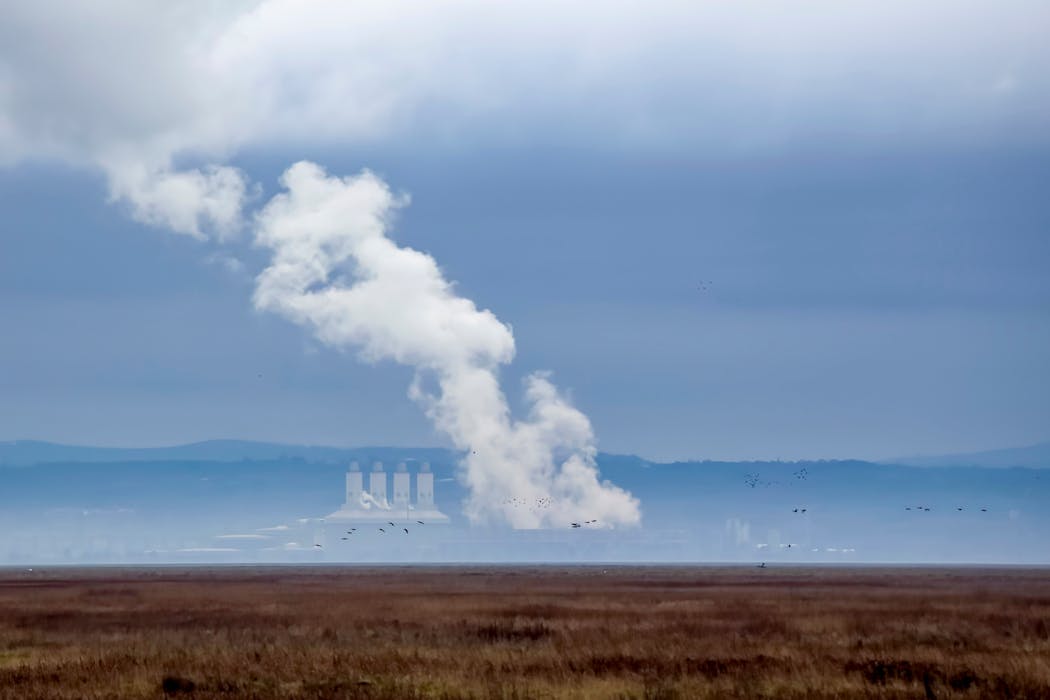
Power station in north Wales. edhphotography/Shutterstock

The UK government is reportedly considering abandoning its goal of removing fossil fuels from the country’s electricity supply by 2030 in an attempt to keep energy bills down.

This is understandable given that the UK is already one of the most expensive places in Europe to use electricity, something that – despite plenty of investment in relatively cheap renewable energy – is unlikely to change any time soon. In fact, bills remain high even when wind farms are spinning at full capacity.

However, neither a drive to decarbonise the grid – which is needed for other reasons – nor abandoning this target is going to make energy significantly cheaper. The reason for this lies in how electricity markets work, and in the geography and policies that shape the UK’s energy system.

To begin with, wholesale electricity prices are determined in a way that essentially means that everyone has to pay for the most expensive source of electricity used at a given time, which in the UK is mostly gas power plants.

The gas which is burned to power the UK’s lights and kettles has to be liquefied, shipped from the US or Qatar amid global bidding wars, and then converted back into its original state. High gas prices drive high wholesale prices, which directly translate into high electricity bills.

Cheaper renewable energy sources (the cost of producing solar, wind or nuclear electricity is very low) have little effect. This is partly because while the operating cost of renewable electricity is very low, the cost of setting it up is not.

To encourage companies to build new generation capacity, the government must offer them a guaranteed price for the electricity they produce, to compensate for their costs. For a wind farm, this would include money for planning applications, as well as buying and installing turbines and electrical equipment.

Bringing different sources of electricity to consumers also requires expensive infrastructure investment. In the UK for example, grid capacity is not where it needs to be after decades of low investment.

Nearly 40% of the electricity produced by Scottish wind farms has been wasted so far this year, because the grid was not able to move it to other parts of the UK or store it.

Overall then, consumers’ bills will be high, both now and in the future, because of the combined costs of imported gas, infrastructure and the guaranteed prices for producers.

Most calls to decrease these bills effectively come down to suggesting moving some of these costs on to taxpayers – so effectively from one bill to another. This is what happened in France, where “cheap” nuclear electricity is the result of vast amounts of government spending in the past. The French may not see UK-level energy bills, but they do have higher taxes and public debt.

Clouds on the horizon

Despite these challenges, successive UK governments have committed to continuing investment in new technologies, because dependence on imported, polluting and volatile fossil fuels is deemed too risky. Postponing the full transition to renewables, as reported in the Guardian, is effectively a bet that gas prices will decrease in the short term, and that the UK will be able to commission cheaper renewables later on.

But cheaper renewables present their own problems, because they play different roles. Solar and wind are cheaper, but intermittent. Nuclear is the most expensive but works all the time.

This all presents a challenging situation for UK consumers. New nuclear faces very long safety and planning procedures and the national grid needs to be modernised. The decision to cancel an ambitious project to get solar electricity from Morocco may be regretted.

But the main factor is simply geography and timing. Partly due to its location, the UK has become a world leader in wind power, a renewable technology that seems to be taking a less important global role than solar. And while the cost of solar production is decreasing steeply, the learning curve is slower for wind.

And there is no obvious way to increase the number of sunny hours in England. A country like Spain, with both a lot of sun and wind, has a much easier job transitioning to cheap renewables than the UK.

Solar panels in field.
British solar panels are fine when it’s fine.
Neil Bussey/Shutterstock

So for all the frustration over high bills, the UK’s options are limited. Geography gives us wind, not sunshine. Policy has delivered world-class renewables, but also a grid struggling to carry their power.

The future will depend on whether new technologies, including cheaper batteries, tidal power and small modular nuclear reactors can fill the gaps left by weather and planning delays.

None of this will be easy or cheap. But the alternative – continued dependence on imported, volatile fossil fuels that make bills hostage to global crises – is worse. UK consumers face a future where electricity remains more expensive than much of Europe, not only because of policy choices, but because it lacks the sunshine that’s driving costs down elsewhere. Betting on emerging technologies is the only way to close that gap.

The Conversation

Renaud Foucart does not work for, consult, own shares in or receive funding from any company or organisation that would benefit from this article, and has disclosed no relevant affiliations beyond their academic appointment.

ref. Why electricity costs so much in the UK (it’s not all about the weather) – https://theconversation.com/why-electricity-costs-so-much-in-the-uk-its-not-all-about-the-weather-268110

Voices from the sea, part four: when dreams reach land, what’s next?

Source: The Conversation – UK – By Morgane Dujmovic, Chargée de recherche CNRS, Géographe et politiste spécialiste des frontières et migrations, Centre national de la recherche scientifique (CNRS)

As the Ocean Viking approaches the Italian coast, the prospect of a new life in Europe becomes more concrete.
Morgane Dujmovic, Fourni par l’auteur

This is the final part of our series drawing on a year of research conducted on board the Ocean Viking, the civilian search-and-rescue ship operated in the central Mediterranean by the NGO SOS Méditerranée. It explores the perspectives of exiled people based on testimonies from 110 survivors who were picked up while attempting the crossing from North Africa, as well as crew members’ experiences and the researcher’s creative collaborations on board the ship.

Catch up on parts one, two and three, and explore an immersive French-language version of the series here.

Solidarity at sea and autonomy

While my study onboard the Ocean Viking search-and-rescue ship highlighted civil rescue operations by one of the many NGOs now present in the central Mediterranean, it is important to emphasise the significance of autonomous crossings – and the many rescues and acts of solidarity at sea carried out by exiled people themselves.

For example, Ellie, a member of the SOS Méditerranée search-and-rescue (SAR) team, recounted a rescue during which two vessels in distress assisted each other:

There are people I remember very well. They had left through the Tunisian corridor in a fibreglass boat and came across another boat, wooden, which was adrift. When we arrived, we had this fibreglass boat in distress towing a wooden boat in distress, with 30 or 40 people on board. It was like a rescue of a rescue – quite incredible, this solidarity among the people at sea.

Reconstruction of a rescue between distressed boats by Ellie from SOS Méditerranée.
Morgane Dujmovic, Fourni par l’auteur

NGO crews thus seek a balance between maintaining the autonomy of exiled people, and the management of large numbers of people onboard boats in sometimes extreme conditions (often referred to as “crowd control”).

Our study on the OV precisely explored the expectations of rescued people in the immediate aftermath of rescue, known as the post-rescue phase. Their opinions made it possible to formulate several operational recommendations for the days of navigation until the rescue ship reaches a safe port in Europe.

One of the most striking findings was the need for direct communication with loved ones – particularly to inform them that the crossing had not ended fatally.

Support and information from family and friends are among the main resources available to people on the move at different stages of migration (mentioned by nearly 60% of respondents). But it is not uncommon for rescued people to lose their phone during the crossing, and even when that’s not the case, connectivity is limited in the middle of the sea.

Psychological and physical impacts

The study also revealed both the physical and psychological impacts of violence in Libya, which affect the mere ability to meet basic needs. Participants mentioned their difficulties eating, as well as finding rest and respite:

In prison we only ate once a day, we could wash only once a month.

My back is very painful, I cannot sleep.

My mind is too stressed and I can’t control it.

These traces are also visible in the countless graffiti drawings left on the Ocean Viking’s walls over the years.

Survivors’ comments and drawings aboard the Ocean Viking. Morgane Dujmovic

In this chain of violent borders, the stay on the rescue ship represented a breathing space, judging by the open-ended comments offered at the end of our questionnaire:

We are treated like your brothers here; it’s so different from Libya!

I don’t have much to say, but I will never forget what happened here.

In the middle of the sea, when the number of people on board allowed it, we would sometimes witness moments of regained intimacy – or, conversely, collective jubilation, most notably when a port assigned by Italy as a landing point for the survivors was announced.

As for the mapping workshops and the questionnaire study I conducted, participant feedback suggests that they were able to engage in a form of empowerment – or at least, in the power to reflect and to narrate their experiences.

It’s the first time in a very long time that someone asked me what I think and what my opinions are about things.“

An explosion of joy after the announcement of a port of disembarkation in Italy.
Morgane Dujmovic, Fourni par l’auteur

A sense of regained control over their actions emerged as the prospect of disembarkation and a new life in Europe drew near. As we sailed towards the Italian coast, the drawings and comments gathered from survivors on our collective exercises illustrated their increasingly concrete dreams and imaginings:

I hope to quickly get a residence permit in Germany.

I’m thinking to give back the money I borrowed to its owners, learn the language fast, and see my family safe and healthy.

‘When dreams reach the land’ (from the collective mapping project on board the OV).
Alisha Vaya/SOS Méditerranée
, Fourni par l’auteur

A new form of violence

One can imagine the emotion of setting foot for the first time in a European port for those who finally make it. But what is less often imagined is that this step can represent a new form of violence. In Ancona, for example, Koné recalled the impression left by the heavy deployment of forces when they arrived:

When I got off the boat, I saw so many sirens that I thought: ‘Are there only ambulances in Italy?’

The welcome committee for people disembarking in Italy after being rescued at sea is composed of national security authorities (police and the carabinieri), Italian health services, the Italian Red Cross and Frontex, the European Border and Coast Guard Agency – whose intervention is systematically oriented around a single question: “Who was driving the boat from Libya?” In other words: “Who could be prosecuted for facilitating unauthorised entry into the territory of the European Union?”

At the level of international search-and-rescue (SAR) conventions, the rescue officially ends once people are disembarked in a “place of safety”. For the SOS Méditerranée crews, it is customary to consider that the work stops there – even if human relationships sometimes continue afterwards.

For civilian search-and-rescue NGOs, disembarkation is quickly followed by many administrative procedures and interrogations that they must undergo to avoid the risk of vessel detention, which would prevent a ship going back out into the operational area to continue its rescue missions.

After several days aboard the Ocean Viking together, the goodbyes are tinged with both joy and anxiety, as we know that for each of these individuals, a new journey of struggle is beginning.

First steps on Italian soil.
Alisha Vaya/SOS Méditerranée, Fourni par l’auteur

In this fleeting moment of grace, when dreams touch the ground, I am struck by the profound power of silence.

The silence of the sea that swallowed so many bodies.

The focused silence of rescue teams when RHIBs race toward distressed boats.

The stunned silence aboard the same RHIBs bringing people back to the mothership, still dazed from escaping shipwreck.

The exhausted silence of survivors regaining their strength; the palpable silence as I listen to their stories on the deck of the Ocean Viking.

The tentative silence as the Italian coast appears for the first time.

The silence of European institutions, which conceal and obstruct the efforts to save lives at sea – and on land, by supporting interceptions and forced returns to Libya.

And finally, my own silence, faced with the awareness of my powerlessness toward the exiled people I met at sea:

I know you’re writing – it’s good, people will see it. But the story will go on.

The wake of the Ocean Viking search-and-rescue ship.
Morgane Dujmovic, Fourni par l’auteur

Acknowledgements

Heartfelt thanks go to everyone who participated in this onboard study and shared their stories, especially Koné and Shakir, as well as to all the teams at sea and on land who supported my long-term research, in particular Carla Melki and Amine Boudani. I also warmly thank Rafik Arfaoui and Elizabeth Hessek for their assistance with translations from Arabic and into English.

Note: some real first names were used in these articles and others were changed , according to the preferences of the people concerned.


You can also read this entire series in French

Interactive version: En pleine mer: Un an sur l’Ocean Viking

À bord de l’« Ocean Viking » (1) : paroles de personnes exilées secourues en mer

À bord de l’« Ocean Viking » (2) : avant la mer, les périls des parcours

À bord de l’« Ocean Viking » (3) : échapper à la Libye, survivre à la mer

À bord de l’« Ocean Viking » (4) : quand les rêves touchent terre

The Conversation

Morgane Dujmovic does not work for, consult, own shares in or receive funding from any company or organisation that would benefit from this article, and has disclosed no relevant affiliations beyond their academic appointment.

ref. Voices from the sea, part four: when dreams reach land, what’s next? – https://theconversation.com/voices-from-the-sea-part-four-when-dreams-reach-land-whats-next-267139

Voices from the sea, part one: people rescued in the Mediterranean tell their stories of survival in ‘onboard workshops’

Source: The Conversation – UK – By Morgane Dujmovic, Chargée de recherche CNRS, Géographe et politiste spécialiste des frontières et migrations, Centre national de la recherche scientifique (CNRS)

This series of articles draws on a year of research conducted on board the Ocean Viking, the civilian search-and-rescue ship operated in the central Mediterranean by the NGO SOS Méditerranée. It explores the perspectives of exiled people based on testimonies from 110 survivors who were picked up while attempting the crossing from North Africa, as well as crew members’ experiences and the researcher’s creative collaborations while onboard the ship.

This is the first of a four-part series. Read part two here, and explore an immersive French-language version of the series here.

‘The journey we’ve undertaken’

“We were ready to jump. We were so afraid the Libyans would arrive!” These words came from a young Syrian man, recorded in the data table as part of my year-long study aboard the Ocean Viking search-and-rescue ship, between the summers of 2023 and 2024.

His words did not reflect an isolated incident. Among the 110 rescued people who took part in the onboard survey, nearly a third described a similar fear at the sight of a ship on the horizon. Not fear of imminent shipwreck or drowning, but of being intercepted by Libyan forces and returned to that country.

Portrait of Shakir.
Morgane Dujmovic, Fourni par l’auteur

The words echo those of Shakir, a Bangladeshi man I met on the OV – as the Ocean Viking ship is commonly nicknamed. He told me: “You refreshed our minds with the workshops. Since Libya and the sea, we felt lost. Now, we understand the journey that we’ve undertaken.”

On the OV’s deck and in the containers serving as shelters until disembarkation in Italy, I offered participatory mapping workshops. Around 60 people took part, retracing the steps, places and timelines of their journeys through hand-drawn maps.

I developed this collaborative research method to encourage the expression of knowledge formed through migration. I had not anticipated that these gestures and drawings could also help reclaim points of reference and build valuable understanding about the journey undertaken.

Portrait of Koné.
Morgane Dujmovic, Fourni par l’auteur

The words also resonate with those I collected after a disembarkation in Ancona. There, I met Koné, an Ivorian man who had been rescued by another NGO vessel a week earlier. He told me:

“The worst is not the sea, believe me, it’s the desert! When you go out on the water, it’s at night and you don’t see what’s around you – it’s only when daylight comes that you see the waves. In the desert, they put 50 people on a pickup truck made for ten: if you fall, you’re left behind. At sea, you die instantly. In the desert, you die a slow death.”

All these words have led me to rethink my assumptions about borders and their dangers. Why take the risk of crossing the sea, with such uncertain outcomes? How is rescue perceived from a boat in distress? What is life like during the days spent onboard an NGO vessel? What hopes are projected on to arriving in Europe, and beyond?

While rescues and shipwrecks often make headlines, the perceptions of the rescued people themselves are rarely studied; they usually reach us filtered through authorities, journalists or NGOs. Collecting these lived experiences and allowing exiled people to tell their own stories – this was the core purpose of my onboard research mission.

When maps tell stories of exile, with Morgane Dujmovic. French-language video by The Conversation France, 2025.

An improvised, floating laboratory

Onboard the OV, I occupied the “25th seat”, which is usually reserved for special guests. This was the ship’s first search-and-rescue (SAR) mission to host an external researcher.

For SOS Méditerranée, it was an opportunity to open the NGO’s work up to objective observation by a social scientist and to refine its operational response, drawing on the priorities expressed by rescued individuals. Among the crew, several members suggested this work could enhance their practices and deepen their understanding of the migration journeys they had been witnessing for years.

The Ocean Viking docked in the Sicilian port of Syracuse.
Morgane Dujmovic, Fourni par l’auteur

This was the case for Charlie, one of the NGO veterans who have spent a decade refining their rescue techniques for boats in distress. As SAR team leader, he coordinates the RHIBs (rigid-hulled inflatable boats) launched from the OV to carry out rescues. “This work is really useful because we are constantly looking to improve,” he told me. “What I’m really curious about is what happens before [the rescue]. I talk with them sometimes, but I want to know more about them.”

As for me, while I have worked for 15 years with exiled people, this was the first time I have written about borders while being physically inside a border zone – a feeling of immersion heightened by the horizon of the sea and the confined daily life onboard the OV.

The study unfolded over the course of five rotations, each a six-week mission in the search-and-rescue zone. It was implemented with the support of the entire OV crew: rescue, medical, protection, logistics and communications teams – all of whom were trained in the survey methodology.

The questionnaire emerged from a dialogue between scientific and operational objectives. It was designed around three themes: the sea rescue itself; care onboard the mothership in the post-rescue phase; and migration projects and pathways – from the country of origin to the imagined destinations in Europe. My presence on board allowed me to refine the initial version as I received feedback from both rescued people and crew members.

A mapping workshop held on the deck of the OV.
Morgane Dujmovic, Fourni par l’auteur

This was complemented by qualitative methods I have previously used on land, at the French-Italian and French-Spanish borders or in the Balkans, offering people who cross them participatory and emotional mapping tools to narrate their journeys.

To adapt these methods to the sea, I brought on board the OV maps previously drawn by other exiled people along with creative materials, and arranged a dedicated space. In this improvised, floating laboratory, I sought to create a space-time conducive to reflection, allowing silenced knowledge to emerge and be shared with the wider public – for those who wished to.

The invitation to participate was designed to be reassuring and encouraging. The workshop was guided and required no specific language or graphic skills; the aesthetic result mattered less than the interaction experienced during the mapping process.

When maps tell stories of exile, with Morgane Dujmovic. French-language video by The Conversation France, 2025.

These scientific and ethical concerns closely aligned with operational priorities – during the days of navigation before disembarking at an Italian port, there is a need to fill the waiting time and lift spirits.

On the OV’s deck, mapping gradually found its place among post-rescue activities, some of which had a psychosocial dimension aimed at restoring the dignity of rescued people and preparing them for the next stage of their journey in Europe. The collective mappings – where texts and drawings appeared – became a shared language and gesture, linking crew members and rescued people who joined the workshop.

Read part two of this four-part series here, and explore the immersive French-language version of the series here.

The Conversation

Morgane Dujmovic does not work for, consult, own shares in or receive funding from any company or organisation that would benefit from this article, and has disclosed no relevant affiliations beyond their academic appointment.

ref. Voices from the sea, part one: people rescued in the Mediterranean tell their stories of survival in ‘onboard workshops’ – https://theconversation.com/voices-from-the-sea-part-one-people-rescued-in-the-mediterranean-tell-their-stories-of-survival-in-onboard-workshops-267131