Lioness Lucy Bronze uses ‘cycle syncing’ to get an edge on her competition — here’s how the practise works

Source: The Conversation – UK – By Mollie O’Hanlon, PhD Candidate, Exercise Physiology, Nottingham Trent University
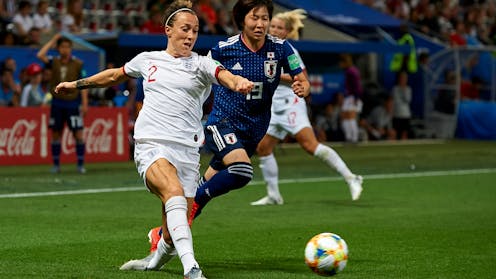
Bronze has said ‘cycle syncing’ has been important for her performance. Jose Breton- Pics Action/ Shutterstock

England footballer Lucy Bronze recently said in an interview that “cycle syncing” gives her an edge on the pitch. This practice involves aligning your training schedule to the different phases of your menstrual cycle.

Cycle syncing has become increasingly popular in recent years – especially among athletes who are looking to get an edge over the competition. Even Chelsea women’s football team have put this new approach to use, tailoring training schedules according to each player’s menstrual cycle.

For the average person, tailoring your workouts to your menstrual cycle is probably not going to have much of an impact. But for a professional athlete such as Bronze, cycle syncing could be a gamechanging strategy in shaping her elite performance.


Get your news from actual experts, straight to your inbox. Sign up to our daily newsletter to receive all The Conversation UK’s latest coverage of news and research, from politics and business to the arts and sciences.


The menstrual cycle begins and ends with menstruation (a period). While the length of the menstrual cycle varies for each person, it’s usually around 28 days.

The menstrual cycle is underpinned by fluctuations in levels of the female sex hormones oestrogen and progesterone. This is why the cycle is divided into three key phases: early follicular, late follicular and the luteal phase.

The early follicular phase usually lasts around seven days and begins with the start of your period. This is when hormone levels are at their lowest.

The late follicular phase follows on from the first seven days, and is where ovulation happens – usually around day 14 of the cycle, though this will depend on cycle length. Ovulation is when the egg is released and you’re at your most fertile.

After that comes the luteal phase (lasting around 12-14 days), when progesterone peaks to prepare the body for pregnancy. If pregnancy doesn’t happen, hormones drop and the cycle begins again.

It’s no secret that mood and energy levels can shift – sometimes significantly – throughout the menstrual cycle. This is why some female athletes have begun using cycle syncing. By tailoring training schedules to match hormonal fluctuations, women are gaining a deeper understanding of their bodies and the symptoms they experience throughout each phase – empowering them to train smarter, not harder.

Bronze said the strategy has transformed her performance, saying that during certain phases of her cycle she feels “physically capable of more and can train harder”.

Despite these testimonials, scientists are yet to reach a definitive conclusion on how the menstrual cycle affects athletic performance.

Lucy Bronze smiles during a match.
Bronze is just one of many female athletes putting ‘cycle syncing’ to the test.
Christian Bertrand/ Shutterstock

So far, there’s some suggestion that there may be a slight dip in performance (specifically to strength and endurance) during the early follicular phase. However, these effects are minimal – and highly dependent on the person. It’s also not entirely clear what mechanisms underpin these small performance dips that some women experienced.

Other research suggests that certain aspects of the neuromuscular system (the network of nerves and muscles that make movement possible) – specifically how our muscles generate force – is altered during the luteal phase. Research has also found that certain muscles may fatigue less quickly during this phase as well.

This implies that during the luteal phase, there may be changes in signals from the brain and spinal cord to the skeletal muscles. However, no changes in the neuromuscular function have been observed.

Part of the reason it’s so difficult for researchers to gather enough evidence to draw firm conclusions on the menstrual cycle’s potential effects on athletic performance is because of the huge variability in menstrual cycle characteristics, which makes it difficult to study. Phase length, hormone levels and symptoms can differ widely between women – and even from cycle to cycle.

The small effects seen in these studies will have little effect on how most of us train or exercise. But for an elite athlete, these minuscule differences could have an effect on their training and competition, which may be why so many are willing to give the practice a try.

So while it isn’t entirely clear how much influence certain menstrual cycle phases have on performance, how you feel during different phases could certainly affect your ability to train at your best.

Around 77% of female athletes experience negative symptoms in the days leading up to and during menstruation. Fatigue, feeling less motivated and even experiencing digestive issues such as bloating and nausea, could all affect your ability to train at your best.

Trying cycle syncing

If you’re still interested in giving cycle syncing a try to see if it has any effect for you, the best place to start is by tracking your menstrual cycle. This will help you understand your body, how you feel in each phase of your cycle and what effect certain symptoms have on your training.

It’s recommended you track your cycle for at least three months before making any changes to your training to establish a baseline and spot trends over time.

For example, if you notice you often feel fatigued when training in your luteal phase, it may help to focus on ensuring you fuel well with carbohydrates before and during workouts. Or on days where you feel more energetic and motivated to train, you might be able to push yourself a bit harder in your workouts.

Whether you’re playing for England in the Euros or simply working towards your own fitness goals, understanding your cycle can help you train smarter, manage your symptoms better and stay consistent with your training.

The Conversation

The authors do not work for, consult, own shares in or receive funding from any company or organisation that would benefit from this article, and have disclosed no relevant affiliations beyond their academic appointment.

ref. Lioness Lucy Bronze uses ‘cycle syncing’ to get an edge on her competition — here’s how the practise works – https://theconversation.com/lioness-lucy-bronze-uses-cycle-syncing-to-get-an-edge-on-her-competition-heres-how-the-practise-works-260153

Antidepressant withdrawal: new review downplays symptoms but misses the mark for long-term use

Source: The Conversation – UK – By Mark Horowitz, Visiting Clinical Research Fellow in Psychiatry, UCL

marevgenna/Shutterstock.com

A new review of antidepressant withdrawal effects – written by academics, many of whom have close ties to drug manufacturers – risks underestimating the potential harms to long-term antidepressant users by focusing on short-term, industry-funded studies.

There is growing recognition that stopping antidepressants – especially after long-term use – can cause severe and sometimes debilitating withdrawal symptoms, and it is now acknowledged by the UK government as a public health issue.

One of the main reasons this issue took decades to recognise after the release of modern antidepressants onto the market is because medical guidelines, such as those produced by Nice (England’s National Institute for Health and Care Excellence), had for many years declared withdrawal effects to be “brief and mild”.

This description was based on studies run by drug companies, where people had only taken the medication for eight to 12 weeks. As a result, when patients later showed up with severe, long-lasting symptoms, many doctors didn’t take them seriously because these experiences contradicted what the guidelines led them to expect.

Our recent research helps explain this mismatch. We found a clear link between how long someone takes antidepressants and how likely they are to experience withdrawal symptoms – and how severe these symptoms are.

We surveyed NHS patients and found that people who had used antidepressants for more than two years were ten times more likely to have withdrawal effects, five times more likely for those effects to be severe, and 18 times more likely for them to be long lasting compared with those who had taken the drugs for six months or less.

For patients who used antidepressants for less than six months, withdrawal symptoms were mostly mild and brief. Three-quarters reported no or mild symptoms, most of which lasted less than four weeks.

Only one in four of these patients was unable to stop when they wanted to. However, for long-term users (more than two years), two-thirds reported moderate or severe withdrawal effects, with one-quarter reporting severe withdrawal effects. Almost one-third of long-term users reported symptoms that lasted for more than three months. Four-fifths of these patients were unable to stop their antidepressants despite trying.

About 2 million people on antidepressants in England have been taking them for over five years, according to a BBC investigation. And in the US at least 25 million people have taken antidepressants for more than five years. What happens to people in eight-to-12-week studies is a far cry from what happens to millions of people when they stop.

Studying what happens to people after just eight to 12 weeks on antidepressants is like testing car safety by crashing a vehicle into a wall at 5km/h – ignoring the fact that real drivers are out on the roads doing 60km/h.

History repeating itself?

Against this backdrop, a review has just been published in Jama Psychiatry. Several of the senior authors declare payments from drug companies. In what looks like history repeating itself, the review draws on short-term trials – many funded by the pharmaceutical industry – that were similar to those used to shape early treatment guidelines. The authors conclude that antidepressants do not cause significant withdrawal effects.

Their main analysis is based on eleven trials that compared withdrawal symptoms in people who had stopped antidepressants with those who had continued them or stopped taking a placebo. Six of these trials had people on antidepressants for eight weeks, four for 12 weeks and just one for 26 weeks.

They reported a slightly higher number of withdrawal symptoms in people who had stopped antidepressants, which they say does not constitute a “clinically significant” withdrawal syndrome. They also suggest the symptoms could be explained by the “nocebo effect” – where negative expectations cause people to feel worse.

In our view, the results are likely to greatly underestimate the risk of withdrawal for the millions of people on these drugs for years. The review found no relationship between the duration of use of antidepressants and withdrawal symptoms, but there were too few long-term studies to test this association properly.

The review probably underestimates, in our view, short-term withdrawal effects too by assuming that the fact that people experience withdrawal-like symptoms when stopping a placebo or continuing an antidepressant cancels out withdrawal effects from antidepressants. But this is not a valid assumption.

We know that antidepressant withdrawal effects overlap with side-effects and with everyday symptoms, but this does not mean they are the same thing. People stopping a placebo report symptoms such as dizziness and headache, because these are common occurrences. However, as was shown in another recent review, symptoms following discontinuation of a placebo tend to be milder than those experienced when stopping antidepressants, which can be intense enough to require emergency care.

So deducting the rate of symptoms after stopping a placebo or continuing an antidepressant from antidepressant withdrawal symptoms is likely to underestimate the true extent of withdrawal.

The review also doesn’t include several well-designed drug company studies that found high rates of withdrawal symptoms. For example, an American study found that more than 60% of people who stopped antidepressants (after eleven months) experienced withdrawal symptoms.

The authors suggest that depression after stopping antidepressants is probably a return of the original condition, not withdrawal symptoms, because similar rates of depression were seen in people who stopped taking a placebo. But this conclusion is based on limited and unreliable data (that is, relying on participants in studies to report such events without prompting, rather than assessing them systematically) from just five studies.

We hope uncritical reporting of a review based on the sort of short-term studies that led to under-recognition of withdrawal effects in the first place, does not disrupt the growing acceptance of the problem and slow efforts by the health system to help potentially millions of people who may be severely affected.

The authors and publisher of the new review have been approached for comment.

The Conversation

Mark Horowitz is the author of the Maudsley Deprescribing Guidelines which outlines how to safely stop antidepressants, benzodiazepines, gabapentinoids and z-drugs, for which he receives royalties. He is co-applicant on the RELEASE and RELEASE+ trials in Australia funded by the NHMRC and MRFF examining hyperbolic tapering of antidepressants. He is co-founder and consultant to Outro Health, a digital clinic which helps people to safely stop no longer needed antidepressants in the US. He is a member of the Critical Psychiatry Network, an informal group of psychiatrists.

Joanna Moncrieff was a co-applicant on a study of antidepressant discontinuation funded by the UK’s National Institute for Health Research. She is co-applicant on the RELEASE and RELEASE+ trials in Australia funded by the NHMRC and MRFF examining hyperbolic tapering of antidepressants. She receives modest royalties for books about psychiatric drugs. She is co-chair person of the Critical Psychiatry Network, an informal group of psychiatrists.

ref. Antidepressant withdrawal: new review downplays symptoms but misses the mark for long-term use – https://theconversation.com/antidepressant-withdrawal-new-review-downplays-symptoms-but-misses-the-mark-for-long-term-use-260708

Should the UK name heatwaves like storms? It won’t make people take them more seriously

Source: The Conversation – UK – By Andrea Taylor, Associate Professor in Risk Communication, University of Leeds

The UK Met Office has given storms forenames for the past decade as part of an effort to raise public awareness of extreme weather before it strikes. Heatwaves are becoming increasingly frequent and severe due to greenhouse gas emissions, predominantly from burning fossil fuel, which are raising global temperatures by trapping more heat in Earth’s atmosphere.

These extreme heat events aren’t named in the UK. Should that change?

Effective communication strategies are necessary to make people aware of upcoming heatwaves and help them understand how to reduce their risk. Spain started naming them in 2023, with Heatwave Zoe. Italy has a longstanding but unofficial tradition of naming heatwaves according to mythology and classical history.

The results include Lucifero (Lucifer, another name for the devil) and Cerbero (Cerberus, the three-headed dog that guards the underworld in Greek myth), popularised by the private weather service il Meteo (ilmeteo.it).

Severe heatwaves in summer 2023 and 2024 prompted a campaign to name heatwaves after fossil fuel companies, to increase awareness of their role in climate change.

However, there is limited evidence to indicate whether this would be effective in encouraging people to take proper safety precautions during heatwaves, such as staying in the shade between 11am and 3pm, closing the curtains of sun-facing windows during the day and making sure to have enough water if travelling and looking out for those who may struggle to keep themselves cool and hydrated, such as elderly people living alone.

To explore how effective naming heatwaves might be, my research team conducted online experiments with 2,152 people in England and 1,981 people in Italy.

Lucifer is scarier than Arnold

Participants were asked to imagine that next summer, they were to receive a warning that a heatwave was about to affect their country. Participants were randomly assigned information about an event that was was either unnamed, given a threatening name (Lucifer/Lucifero), or a more neutral name (Arnold).

Then they were asked how much of a risk they though that the event would pose and the actions they would anticipate taking. English participants were also asked about their thoughts on storm-naming practices in the UK and whether they felt that this should be extended to heatwaves.

We found that naming a heatwave had no effect on the intention of people to take protective measures against it in either country. In Italy, there was no difference between how people perceived the unnamed heatwave and Lucifero, but Arnold was judged to be slightly less concerning and severe.

This suggests that, while naming a heatwave does not increase concern, departing from Italy’s established convention of using threatening names does reduce it slightly.

Rear view of a senior man in an armchair.
Isolated older people are typically most at risk during heatwaves.
Ground Picture/Shutterstock

Our participants in England rated Lucifer as more severe and concerning than an unnamed heatwave, though not by much. When asked about their thoughts on naming weather events more broadly, English participants tended to agree that naming storms made people more likely to engage with weather warnings, but only a minority were in favour of naming heatwaves. Overall we found that, while some people were generally supportive of naming weather events, others worried it could sensationalise them.

It probably won’t help much

We did not find enough evidence to support naming heatwaves in the UK.

Despite a large sample, we found only a very small effect on perceived risk and did not detect any greater intention to take safety precautions for a named heatwave. We also found that responses differed between England and Italy.

Heatwaves can cross national borders. The fact that there are national differences in how people respond to naming them could lead to unintended differences in how people interpret the risk in different places.

And unlike storms, which usually take place over a single day with a clearer start and end, heatwaves can last from days to weeks – it’s not always clear whether a prolonged hot spell is one heatwave or a series of them, which could lead to confusion if named.

Heatwaves are an opportunity to discuss the risks posed by climate change. But naming heatwaves risks coming across as sensationalist to some members of the public. This might have the opposite effect, and make people less likely to heed safety messaging about severe heat.


Don’t have time to read about climate change as much as you’d like?

Get a weekly roundup in your inbox instead. Every Wednesday, The Conversation’s environment editor writes Imagine, a short email that goes a little deeper into just one climate issue. Join the 45,000+ readers who’ve subscribed so far.


The Conversation

Andrea Taylor receives funding from The Lloyds Register Foundation, UKRI and Horizon Europe.

ref. Should the UK name heatwaves like storms? It won’t make people take them more seriously – https://theconversation.com/should-the-uk-name-heatwaves-like-storms-it-wont-make-people-take-them-more-seriously-260635

Obesity care: why “eat less, move more” advice is failing

Source: The Conversation – UK – By Lucie Nield, Senior Lecturer in Nutrition and Dietetics, University of Sheffield

New Africa/Shutterstock

For years, people living with obesity have been given the same basic advice: eat less, move more. But while this mantra may sound simple, it’s not only ineffective for many, it can be deeply misleading and damaging.

Obesity is not just about willpower. It’s a complex, chronic, relapsing condition and affects around 26.5% of adults in England, and 22.1% of children aged ten–11 in England.

A new report estimates the rapidly growing number of people that are overweight or obese costs the UK £126 billion a year. This includes £71.4 billion in reduced quality of life and early mortality, £12.6 billion in NHS treatment costs, £12.1 billion from unemployment and £10.5 billion in informal care.

Food campaigners and health experts have called for urgent government action, including expanding the sugar tax to more products, restricting junk food advertising and mandating reformulation of ultra processed foods. As Henry Dimbleby, author of a government-commissioned independent report called the National Food Strategy, warned: “We’ve created a food system that’s poisoning our population and bankrupting the state.”


Get your news from actual experts, straight to your inbox. Sign up to our daily newsletter to receive all The Conversation UK’s latest coverage of news and research, from politics and business to the arts and sciences.


Without significant policy change, these costs are projected to rise to £150 billion a year by 2035. Despite this, much of the UK’s approach continues to frame obesity as a lifestyle issue that can be tackled by emphasising personal responsibility. But this framing ignores the bigger picture.

We now understand that obesity is multifactorial. Genetics, childhood experiences, cultural norms, economic disadvantage, psychological health, mental illness and even the kind of job you have all play a role. These aren’t things you can simply change with a Fitbit and salad.

This broader perspective isn’t new. In 2007, the UK government’s Foresight report mapped out the complex web of factors behind rising obesity rates, describing how modern environments actively promote weight gain.

This “obesogenic environment” refers to the world we live in. Its one where high-calorie, low-nutrient foods are cheap and everywhere, and where physical activity has been engineered out of everyday life, from car-centric cities to screen-dominated leisure time.

Outdated obesity advice isn’t working.

These environments don’t affect everyone equally. People in more deprived areas are significantly more exposed to conditions that drive obesity, such as food deserts (areas with limited access to affordable, nutritious food), poor public transport and limited green space. In this context, weight gain becomes a normal biological response to an abnormal environment.

Why “eat less, move more” falls short

Despite growing awareness of these systemic issues, most UK obesity strategies still centre on individual behaviour change, often through weight management programmes that encourage people to cut calories and exercise more. While behaviour change has a place, focusing on it exclusively creates a dangerous narrative: that people who struggle with their weight are simply lazy or lack willpower.

This narrative fuels weight stigma, which can be incredibly harmful. Yet data shows a clear link between higher rates of obesity and deprivation, especially among children.

It’s clear many people still don’t understand the role of structural and socioeconomic factors in shaping obesity risk. And this misunderstanding leads to judgement, shame and stigma, especially for children and families who are already vulnerable.

What should good obesity care look like?

Instead of outdated advice and blame, we need a holistic, stigma-free and science-informed approach to obesity care, one that reflects current Nice guidelines and the Obesity Health Alliance’s recommendations. There are several things that need to be done.

First, we should recognise obesity as a chronic disease. Obesity is not a failure of willpower. It’s a relapsing, long-term medical condition. Like diabetes or depression, it requires structured, ongoing support, not short-term fixes or crash diets.

Second, we need to tackle weight stigma head-on. Weight-based discrimination is widespread in schools, workplaces and even healthcare settings. We need training for professionals to reduce bias, promote inclusive care and adopt person-centred, non-stigmatising language. Discriminatory practices must be challenged and eliminated.

Third, deliver personalised, multidimensional support. Treatment plans should be tailored to each person’s life, including their cultural background, psychological history and social context. This includes shared decision-making, regular follow-up and integrated mental health support.

And fourth, focus on changing the environment, not just people. We must shift the focus to the systems and structures that make healthy choices so hard. That means investing in affordable, nutritious food; improving access to physical activity; and tackling inequality at its roots.

Time for a systemic shift

Obesity isn’t just about what people eat or how often they exercise. It’s shaped by biology, experience and the environment we build around people. Framing it as a personal failure not only ignores decades of evidence – it actively harms the very people who need support.

If we want to reduce stigma, improve health outcomes – and avoid a £150bn crisis – then the “eat less, move more” era must come to an end. What we need instead is a bold, compassionate, evidence-based systems approach – one that sees the whole person and the world they live in.

The Conversation

Lucie Nield receives funding from NIHR.

Catherine Homer receives funding from NIHR. She is affiliated with Royal Society of Public Health.

ref. Obesity care: why “eat less, move more” advice is failing – https://theconversation.com/obesity-care-why-eat-less-move-more-advice-is-failing-254628

Action is the antidote to ecological grief and climate anxiety – an ecotherapist explains

Source: The Conversation – UK – By Louise Taylor, Early Career Researcher and Ecotherapist, Queen’s University Belfast

Brussels, Belgium. 21st February 2019. High school and university students stage a protest against the climate policies of the Belgian government. Alexandros Michailidis / Shutterstock.com

There’s a popular quote by the 13th-century poet and spiritual teacher Rumi: “The cure for the pain is in the pain.” This line often echoes through my mind when I’m working with clients, especially those experiencing ecological grief and climate anxiety.

As an ecotherapist – a therapist guided by nature and nature-based therapeutic approaches – and environmental researcher, I work with people who are navigating the emotional weight of ecological breakdown.

Ecotherapy helps people reconnect with the natural world as a way to support mental and emotional wellbeing. It might involve walking in green spaces, mindfulness practices in nature, working with natural materials, or nature-based rituals.

Whether it’s planting a garden, sitting under a tree, or engaging in conservation efforts, ecotherapy helps people feel more grounded, more connected and more resilient both emotionally and spiritually.


Get your news from actual experts, straight to your inbox. Sign up to our daily newsletter to receive all The Conversation UK’s latest coverage of news and research, from politics and business to the arts and sciences.


In my practice, I’ve noticed that younger people are more likely to experience climate anxiety, while older generations tend to experience ecological grief. The difference is subtle but important. Anxiety often relates to what lies ahead and a sense of powerlessness. Grief is about what has already been lost.

This emotional divide makes sense when we consider what has happened to the natural world over recent decades. Older adults have witnessed the loss of species, habitats and biodiversity in real time. Many have rich memories and relationships with landscapes that no longer exist as they once did. Meanwhile, younger generations face the terrifying uncertainty of a rapidly changing climate and an increasingly unstable future.

Both grief and anxiety are valid, but they are not the same.

I have explored these experiences in depth while researching nature connection, mental health and how the climate and ecological crisis is reshaping this relationship.

At the outset, I assumed that greater connection with nature would always lead to improved mental wellbeing. But that wasn’t the full picture.

What I found instead was that deepening our connection with the natural world can indeed foster healing, but it can also sharpen our awareness of the damage being done. This heightened sensitivity can trigger emotional pain, despair and even a decline in mental wellbeing.

Swiss psychiatrist and psychotherapist Carl Jung once said, “There is no coming to consciousness without pain.” That’s exactly what climate-anxious and ecologically grieving people are expressing: the deep psychological toll of recognising the scale of the crisis we’re facing. For some, it affects their ability to function, to enjoy their lives and to maintain relationships.

How to stay well

The question I kept returning to in my work was this: how do we stay well in a time of collapse? My research pointed to one consistent answer: action.

Engaging in pro-environmental actions emerged as the most effective way people coped with emotional strain. These weren’t merely acts of activism — they became spiritual practices, grounded in care, connection and meaning. Through these actions, people began to reclaim a sense of power and purpose in the face of overwhelming ecological loss.

For many, this was also a path back to what eco-philosophers call the ecological self: the part of us that extends beyond the individual and identifies with the living world.

This self isn’t driven by ego or personal gain, but by the impulse to build relationships, nurture communities and support the flourishing of all life. It represents an expanded way of being; one that understands health and healing as collective, not just personal.

Importantly, these actions don’t have to be large-scale. They might involve growing your own herbs or vegetables, for instance, or joining a local conservation effort, forming a community group to protect waterways or green spaces, or participating in climate strikes and land defence work. What matters is that the action is relational: rooted in reciprocity and care.

The conclusion of my research was clear: in the face of ecological distress, mental wellbeing is sustained not by thoughts, but by meaningful action.

Healing through action

In Northern Ireland, where I live and work, I’ve seen a growing grassroots environmental movement. Communities are stepping up to protect landscapes under threat, from campaigns to defend the Sperrin Mountains from gold mining, to local resistance against the pollution that’s devastating Lough Neagh, the largest freshwater lake in Ireland and the UK.

This is unpaid, often invisible labour, but it’s powerful. It gives people a way to process their emotions, to feel less helpless and to turn grief into agency.

Many environmentalists talk about “saving the planet”. But the truth is, the Earth will go on. What’s under threat is us: our ways of life, our communities, our ability to thrive. The dread we feel is rooted in the enormity of this realisation.

To stay well while caring deeply about the Earth means learning to live with this pain, and still choosing to act. It requires us to show up, to be present and to tend to both the human and non-human world with care and reciprocity. As we do, we become more empowered and less overwhelmed.

If you are struggling with climate anxiety or ecological grief, know this: the goal isn’t to suppress your feelings. The goal is to acknowledge them, and then use them as fuel for meaningful action.

Don’t underestimate small acts. The way forward isn’t to wait for hope: it’s to create it through connection, courage and commitment.

In a time of ecological uncertainty, wellness doesn’t come from thinking differently. It comes from doing differently.

The Conversation

Louise Taylor does not work for, consult, own shares in or receive funding from any company or organisation that would benefit from this article, and has disclosed no relevant affiliations beyond their academic appointment.

ref. Action is the antidote to ecological grief and climate anxiety – an ecotherapist explains – https://theconversation.com/action-is-the-antidote-to-ecological-grief-and-climate-anxiety-an-ecotherapist-explains-260428

How tea, chocolate and apples could help lower your blood pressure

Source: The Conversation – UK – By Christian Heiss, Professor of Cardiovascular Medicine, Head of Department of Clinical and Experimental Medicine, University of Surrey

Pixel-Shot/Shutterstock

We’re constantly told to “eat healthy” – but what does that actually mean? Even doctors sometimes struggle to offer clear, practical advice on which specific foods support health, why they work and what real benefits people can expect.

A growing body of research is starting to offer some answers. Along with colleagues, I have researched whether a group of plant compounds called flavan-3-ols could help lower blood pressure and improve blood vessel function. The results suggest these everyday compounds may have real potential for protecting heart health.

Flavan-3-ols – sometimes called flavanols or catechins – are natural plant compounds that belong to the flavonoid family. They’re part of what gives plants their colour and helps protect them from sunlight and pests.

For us, they show up in some of our most familiar foods: cocoa, green and black tea, grapes, apples and even some berries. That slightly tart or bitter note you taste in dark chocolate or strong tea? That’s flavan-3-ols at work.

Scientists have long been interested in their health effects. In 2022, the Cosmos trial (Cocoa Supplement and Multivitamin Outcomes Study), which followed over 21,000 people, found that cocoa flavanols, but not multivitamin supplements, reduced deaths from cardiovascular disease by 27%. Our study set out to dig even deeper, focusing specifically on their effects on blood pressure and endothelial function (how well blood vessels dilate and respond to blood flow).


Get your news from actual experts, straight to your inbox. Sign up to our daily newsletter to receive all The Conversation UK’s latest coverage of news and research, from politics and business to the arts and sciences.


We analysed data from 145 randomised controlled trials involving more than 5,200 participants. These studies tested a range of flavan-3-ol-rich foods and supplements, including cocoa, tea, grapes, apples and isolated compounds like epicatechin, and measured their effects on two key cardiovascular markers: blood pressure and flow-mediated dilation (FMD): a measure of how well the inner lining of blood vessels functions.

The studies ranged from short-term (a single dose) to longer-term interventions lasting weeks or months. On average, participants consumed about 586 mg of flavan-3-ols daily; roughly the amount found in two to three cups of tea, one to two servings of dark chocolate, two tablespoons of cocoa powder, or a couple of apples.

Regular consumption of flavan-3-ols led to an average drop in office blood pressure of 2.8 mmHg systolic (the top number) and 2.0 mmHg diastolic (the bottom number).

But for people who started with elevated blood pressure or diagnosed hypertension, the benefits were even greater with reductions of up to 6–7 mmHg systolic and 4 mmHg diastolic. That’s comparable to the effects of some prescription blood pressure medications and could significantly lower the risk of heart attacks and strokes.

We also found that flavan-3-ols improved endothelial function, with an average 1.7% increase in FMD after sustained intake. This benefit appeared even in participants whose blood pressure was already normal, suggesting these compounds may help protect blood vessels through multiple pathways.

Side effects were uncommon and typically mild, usually limited to minor digestive issues, suggesting that adding flavan-3-ol-rich foods to your diet is generally safe.

Supporting cardiovascular health

While the benefits were most pronounced in those with high blood pressure, even people with normal readings saw improvements in vascular function. This suggests flavan-3-ols may help prevent cardiovascular problems before they begin.

High blood pressure is one of the major drivers of heart disease worldwide, even at levels that don’t qualify as full-blown hypertension (140/90 mmHg or higher). Recent guidelines from the European Society of Cardiology now recognise that even “elevated” blood pressure (120–139 systolic and 70–89 diastolic) carries increased risk.

Lifestyle changes, particularly diet and exercise, are recommended by doctors as first-line strategies. But patients and even healthcare providers often lack clear, specific guidance on which foods truly make a difference. Our findings help fill this gap by showing that boosting flavan-3-ol intake through everyday foods may offer a simple, evidence-based way to support cardiovascular health.

What about supplements?

Some studies tested supplements or isolated flavan-3-ol compounds, but these generally showed smaller effects than whole foods like tea or cocoa. This may be because other beneficial compounds in whole foods work together, enhancing absorption and effectiveness.

At present, it appears both safer and more effective to focus on getting flavan-3-ols from foods rather than high-dose supplements, especially for people taking medications, since interactions are not fully understood.

The studies we reviewed suggest that 500–600 mg of flavan-3-ols daily may be enough to see benefits. You could reach this by combining two to three cups of green or black tea, one to two servings (about 56g) of dark chocolate or two to three tablespoons of cocoa powder, two to three apples, plus other flavan-3-ol-rich fruits like grapes, pears and berries

Apples, pears, grapes, black berries on a wooden table with garden background.
Eating apples, pears, grapes and berries could help support your heart health.
Oksana Klymenko/Shutterstock

Small daily swaps, then, like trading a sugary snack for an apple and a piece of dark chocolate or adding an extra cup of tea, could gradually improve your heart health over time. Because flavan-3-ol content can vary between foods, monitoring your blood pressure at home may help you see if it’s making a difference for you.

More research is needed, particularly in people with diabetes, where the results were less consistent. We also need to better understand how flavan-3-ols interact with medications and whether even greater benefits can be achieved when combined with other healthy habits.

But the evidence is now strong enough to recommend flavan-3-ol-rich foods as part of a heart-healthy diet. As clinicians seek practical, affordable lifestyle strategies for patients, these findings bring us closer to the idea of using food as medicine.

Of course, flavan-3-ols aren’t a magic fix. They won’t replace medication for everyone. But combined with other healthy habits, they may offer a meaningful – and delicious – boost to cardiovascular health. And unlike many health fads, this isn’t about exotic superfoods or expensive powders. It’s about foods many of us already enjoy, used a little more intentionally.

The Conversation

Christian Heiss has received funding from Lipton Teas & Infusions, Ageless Science, iThera, the Medical Research Council, the EPSRC, European Partnership on Metrology, co-financed from European Union’s Horizon Europe Research and Innovation Programme and UK Research and Innovation. He is member of the board of the European Society of Vascular Medicine, president of the Vascular, Lipid and Metabolic Medicine Council of the Royal Society of Medicine, and chairperson-elect of the ESC WG Aorta and Peripheral Vascular Diseases.

ref. How tea, chocolate and apples could help lower your blood pressure – https://theconversation.com/how-tea-chocolate-and-apples-could-help-lower-your-blood-pressure-256631

Could England and Wales introduce jury-free trials? Here’s how they work in other countries

Source: The Conversation – UK – By Natalie Hodgson, Assistant Professor in Law, University of Nottingham

The right to trial by jury is a fundamental part of the criminal justice system in England and Wales. But under new proposals to address a record backlog of almost 77,000 Crown Court cases, some cases could now be heard by judge alone.

Sir Brian Leveson has delivered part one of his independent review of the criminal courts, making 45 recommendations to address delays in the criminal justice process. One of his recommendations is that serious offences could be tried by a judge alone without a jury. Our evidence to the review explored how judge-alone trials have been used in other countries.

Currently, a person can only be tried without a jury at Crown Court if there is a risk of jury tampering. Under Leveson’s proposal, judge-alone trials will be expanded to cases where a defendant requests to be tried without a jury, serious and complex fraud offences and where the case is likely to be lengthy or particularly complex.

To understand how this might work, we can to look to other countries where judge-alone trials are used. Australia, Canada, New Zealand and the US all permit judge-alone trials in circumstances similar to what Leveson is recommending. A defendant can choose to be tried by a judge instead of a jury in certain circumstances.

Defendants tend to express a preference for trial by judge alone if they are concerned that prejudicial media coverage or the nature of the offences might bias jurors against them. Leveson recommends that judges should decide whether a defendant’s request for a judge-alone trial should be granted, but stops short of identifying the factors that a judge should consider.

Leveson leaves open the question of whether judge-alone trials should be available for all offences, or whether certain offences should be exempt. Some countries limit which offences can be heard without a jury. For example, in the Australian Capital Territory, a defendant cannot request a trial without a jury for murder or certain sexual offences.

In New South Wales, judges are advised against permitting a judge-alone trial when the offence involves consideration of “community standards”. This recognises that members of the community have an important role to play in deciding whether a defendant has acted “reasonably”, “negligently” or “dishonestly”. For example, if a person is charged with manslaughter the jury may need to consider whether the defendant’s actions were “unreasonable”, which is best determined by members of the community.

Are judge-alone trials unfair to defendants?

Lawyers often raise concerns about judge-alone trials being unfair to defendants. Based on what we know from other countries, there is no strong evidence that this is the case. However, that is not to say that concerns about unfairness are unwarranted.

If judges convict at higher rates than juries, that might suggest that judge-alone trials are unfair. However, the best available study, conducted in New South Wales, found that judges were actually slightly less likely than juries to find a defendant guilty.

Juries do not explain their verdicts. In all countries which use judge-alone trials, judges must give reasons for their decisions. Knowing why a defendant was found guilty might make trials even more fair, providing a basis for an appeal against conviction if an error was made.

One key issue with judge-alone trials is inadmissible evidence. Ordinarily, jurors are sent out of the courtroom while the judge and lawyers make decisions about what evidence the jury is allowed to hear. Evidence might be excluded because it is irrelevant, prejudicial or was collected in breach of the defendant’s rights. In these scenarios, the jury is never made aware of the evidence.

However, in a judge-alone trial, the judge sees all the evidence, even if they decide that some of it should not be used. There is a risk that judges might be subconsciously impacted by inadmissible evidence in reaching their verdict.

Judge-alone trials also raise issues about diversity of decision-makers. In England and Wales, only 11% of judges are from an ethnic minority background compared to 18% of the population. Ideally, juries contain people from a range of backgrounds. Some defendants might feel more confident that they will be tried fairly by a jury than a judge.

Ultimately, one way to safeguard against concerns about unfairness is to give defendants the ability to choose whether or not they would like to be tried by a judge alone. Leveson’s recommendations suggest that most judge-alone trials would occur at the request of the defendant. However, judge-alone trials could be ordered against the defendant’s wishes in cases involving fraud or that are long and complex.

Juries play an important role in the legal system in England and Wales. Through jury service, members of the community contribute to the administration of justice. The inclusion of a range of viewpoints and experiences in determining criminal verdicts enhances the legitimacy of the justice system.

It is important that we continue to have juries in criminal trials. However, that is not to say that judge-alone trials cannot or should not play a role. The current backlog means that victims and defendants are having to wait years for their day in court. We desperately need to address this, and allowing defendants to elect a judge-alone trial may help to reduce delays to justice.

While judge-alone trials are not inherently unfair, any rollout in England and Wales should be closely monitored and evaluated. It is important that we do not sacrifice fairness for efficiency as we work to address the issues affecting our justice system.

The Conversation

The authors do not work for, consult, own shares in or receive funding from any company or organisation that would benefit from this article, and have disclosed no relevant affiliations beyond their academic appointment.

ref. Could England and Wales introduce jury-free trials? Here’s how they work in other countries – https://theconversation.com/could-england-and-wales-introduce-jury-free-trials-heres-how-they-work-in-other-countries-259489

The dangers of romanticising Britain’s 1976 heatwave

Source: The Conversation – UK – By Stephanie Brown, Lecturer in Criminology, University of Hull

As I scrolled through social media on a hot afternoon in late June, a meme caught my attention. A black and white photo. A smiling young woman with water up to her knees. She appeared to be in a fountain, with many others dipping their legs in the water.

The caption read “On this day in 1976, the British heatwave started. It would last until the 27th August, during which time Britain would experience extreme temperatures and widespread droughts. And we all had a wonderful summer and survived.”

This immediately struck me: it was a boiling hot day. As I sat at my office desk keeping hydrated with a fan pointed directly at my face, I felt the rage burning inside me. How could people be so irresponsible? Heat can be dangerous. But the implication of the meme was clear: if people managed back then, surely today’s warnings about heatwaves, climate change, and public health are exaggerated. These rose-tinted memories obscure a darker truth.

I am a historical criminologist. This meme had the rare effect of deeply troubling both of my areas of expertise.

As a historian, this meme concerns me because it perpetuates the myth of the “good old days”. A selective, nostalgic vision of the past that smooths over complexity and hardship in favour of a comforting, idealised narrative. Flattening history into feelgood folklore, erasing the social inequalities and governmental failures.

It echoes a broader cultural tendency: from “Make America great again” to the “Blitz spirit”, representing Britain’s nostalgia for wartime resilience, a romanticised past is often used by politicians to legitimise political ideas in the present. But history is not a comfort blanket. It is a critical tool.

My work explores how institutions respond to crisis and how narratives of success or failure are constructed. In 1976, advice for dealing with the water shortage was to share a bath with the wife and drive a dirty car. Areas without domestic tap water had to use communal street pipes.

The government did not appoint a minister for drought until the end of August, despite mounting evidence from meteorologists and public health officials. Emergency measures were piecemeal and unevenly applied.


Get your news from actual experts, straight to your inbox. Sign up to our daily newsletter to receive all The Conversation UK’s latest coverage of news and research, from politics and business to the arts and sciences.


The suggestion that “we all had a wonderful summer and survived” is misleading. It was reported that “200 people a day were apparently dying who would not have died if the weather had been normal”. During the peak of the heatwave, deaths increased by 28% in the southeast England and 33% in Greater London.

As a criminologist, I know that it is not only natural deaths that can increase during a hot weather. The number of violent deaths also increased in 1976 as well as in other heatwaves. Thermic law is the concept that violent crime is higher in hotter seasons. These patterns might be explained by temperature-aggression theory: that hot weather can cause an increase in aggressive behaviours.

For other criminologists, it is not the temperature itself that causes increased violence, but how people’s behaviour changes due to the heat. For example, people are taking time off work or school, socialising, and drinking. Unstructured time and spaces, combined with alcohol and a holiday feel all lead to increases in violence.

Misrepresenting risk

By sentimentalising the summer of 1976, we strip away its lessons. Worse, we risk repeating its mistakes. One Conservative MP described people concerned about the 2022 heatwave as “snowflakes” and “cowards”. Quite an odd response after the British public was asked to “protect the NHS” during the COVID-19 pandemic.

This protection apparently did not extend to looking after each other in a heatwave. In fact, heatwaves are largely an invisible risk. We are told not to fuss, but there is often little communication on how to keep safe.

A lack of policy and examples of political scepticism connect with a key theme in the comments under that meme: climate change denial. If we had a heatwave in 1976 then what we are experiencing now is nothing new, right? Wrong.

The heatwave in 1976 was bad: thousands died, fires raged, and water ran dry. But it was also an anomaly; a hot summer in a relatively cool decade. Heatwaves are now more frequent, more intense and longer lasting. Temperatures reached over 40°C in 2022, while the maximum in 1976 was 4°C-5°C cooler.

Still, each time a weather warning is issued, it is met with a wave of derision. There is the same online discourse as is expressed in this meme. This attitude is not just flippant, it is dangerous. It undermines vital public messaging, discourages precautionary action, and fuels complacency among those least at risk, while leaving the most vulnerable even more exposed.

History can offer crucial perspective. But only if we treat it honestly. That means moving beyond memeified memories of the past and reckoning with the complexity of what really happened. It means challenging the stories we tell ourselves. Many did live through the 1976 heatwave. But many also died: quietly, invisibly and avoidably. Their stories are not part of the nostalgia. They should be.


Don’t have time to read about climate change as much as you’d like?

Get a weekly roundup in your inbox instead. Every Wednesday, The Conversation’s environment editor writes Imagine, a short email that goes a little deeper into just one climate issue. Join the 45,000+ readers who’ve subscribed so far.


The Conversation

Stephanie Brown does not work for, consult, own shares in or receive funding from any company or organisation that would benefit from this article, and has disclosed no relevant affiliations beyond their academic appointment.

ref. The dangers of romanticising Britain’s 1976 heatwave – https://theconversation.com/the-dangers-of-romanticising-britains-1976-heatwave-260046

Brics is sliding towards irrelevance – the Rio summit made that clear

Source: The Conversation – UK – By Amalendu Misra, Professor of International Politics, Lancaster University

The Brics group of nations has just concluded its 17th annual summit in the Brazilian city of Rio de Janeiro. But, despite member states adopting a long list of commitments covering global governance, finance, health, AI and climate change, the summit was a lacklustre affair.

The two most prominent leaders from the group’s founding members – Brazil, Russia, India, China and South Africa – were conspicuously absent. Russia’s president, Vladimir Putin, only attended virtually due to an outstanding arrest warrant issued by the International Criminal Court over his role in the war in Ukraine.

China’s Xi Jinping avoided the summit altogether for unknown reasons, sending his prime minister, Li Qiang, instead. This was Xi’s first no-show at a Brics summit, with the snub prompting suggestions that Beijing’s enthusiasm for the group as part of an emerging new world order is in decline.

Perhaps the most notable takeaway from the summit was a statement that came not from the Brics nations but the US. As Brics leaders gathered in Rio, the US president, Donald Trump, warned on social media: “Any Country aligning themselves with the Anti-American policies of BRICS, will be charged an ADDITIONAL 10% Tariff. There will be no exceptions to this policy.”


Get your news from actual experts, straight to your inbox. Sign up to our daily newsletter to receive all The Conversation UK’s latest coverage of news and research, from politics and business to the arts and sciences.


Trump has long been critical of Brics. This is largely because the group has consistently floated the idea of adopting a common currency to challenge the dominance of the US dollar in international trade.

Such a move makes sense if we focus on trade figures. In 2024, the value of trade among the Brics nations was around US$5 trillion, accounting for approximately 22% of global exports. Member nations have always felt their economic potential could be fully realised if they were not reliant upon the US dollar as their common currency of trade.

During their 2024 summit, which was held in the Russian city of Kazan, the Brics nations entered into serious discussions around creating a gold-backed currency. At a time when the Trump administration is waging a global trade war, the emergence of an alternative to the US dollar would be a very serious pushback against US economic hegemony.


Read more:
Why Donald Trump’s election could hasten the end of US dollar dominance


But the freshly concluded Brics summit did not present any concrete move towards achieving that objective. In fact, the 31-page Rio de Janeiro joint declaration even contained some reassurances about the global importance of the US dollar.

There are two key obstacles hindering Brics from translating its vision of a common currency into reality. First is that some founding member nations are uncomfortable with adopting such an economic model, in large part due to internal rivalries within Brics itself.

India, currently the fourth-largest economy in the world, has a history of periodic confrontation and strategic competition with China. It is reticent about adopting an alternative to the US dollar, concerned that this could make China more powerful and undercut India’s long-term interests.

Second is that the Brics member nations are dependent on their bilateral trade with the US. Simply put, embracing an alternative currency is counterproductive when it comes to the current economic interests of individual countries. Brazil, China and India, for example, all export more to the US than they import from it.

In December 2024, following his election as US president, Trump said: “We require a commitment from these countries that they will neither create a new Brics currency nor back any other currency to replace the mighty US dollar or they will face 100% tariffs and should expect to say goodbye to selling into the wonderful US economy”. This blunt message all but killed any enthusiasm that was there for this grand economic model.

Caught in contradiction

The Brics group is a behemoth. Its full 11 members account for 40% of the world’s population and economy. But the bloc is desperately short of providing any cohesive alternative global leadership.

While Brazil used its position as host to highlight Brics as a truly multilateral forum capable of providing leadership in a new world order, such ambitions are thwarted by the many contradictions plaguing this bloc.

Among these are tensions between founding members China and India, which have been running high for decades.

There are other contradictions, too. In their joint Rio declaration, the group’s members decried the recent Israeli and US attacks on Iran. Brazil’s president, Luiz Inácio “Lula” da Silva, also used his position as summit host to criticise the Israeli offensive in Gaza.

But this moral high ground appears hollow when you consider that the Russian Federation, a key member of Brics, is on a mission to destroy Ukraine. And rather than condemning Russia, Brics leaders used the Rio summit to criticise recent Ukrainian attacks on Russia’s railway infrastructure.

Brics declared intention to address the issue of climate change is also problematic. The Rio declaration conveyed the group’s support for multilateralism and unity to achieve the goals of the Paris agreement. But, despite China making significant advances in its green energy sector, Brics contains some of the world’s biggest emitters of greenhouse gases as well as several of the largest oil and gas producers.

Brics can only stay relevant and provide credible leadership in a fast-changing international order when it addresses its many inner contradictions.

The Conversation

Amalendu Misra is a recipient of British Academy and Nuffield Foundation Fellowships.

ref. Brics is sliding towards irrelevance – the Rio summit made that clear – https://theconversation.com/brics-is-sliding-towards-irrelevance-the-rio-summit-made-that-clear-260653

How to support someone who is grieving: five research-backed strategies

Source: The Conversation – UK – By Lucy Poxon, Senior Lecturer in Counselling Psychology, Department of Social Work Counselling & Social Care , School of Childhood and Social Care, University of East London

PeopleImages.com – Yuri A/Shutterstock

When someone we care about is grieving the loss of a loved one, our natural instinct is to ease their pain. But when words feel clumsy and gestures fall short, it can be hard to know how to help.

Drawing on both my research as a counselling psychologist and 18 years of supporting bereaved clients in therapy, I’ve identified five compassionate, research-backed ways to walk alongside someone who is mourning.

Whether you’re a close friend, family member, or caring colleague, these approaches will help you offer support in meaningful and authentic ways.

1. Grief wears many disguises

Our expectations of how grief should look are often shaped by culture, the media or personal experience, and they may bear little resemblance to how grief is actually lived.

Grief can appear as physical symptoms like exhaustion, loss of appetite, or insomnia; as behaviour like withdrawing from others or drinking more; and as thoughts or emotions ranging from apathy and numbness to anger or intense sadness.

It can be loud and overwhelming or quiet and barely perceptible. Some people feel deep sorrow immediately; others feel nothing for weeks or even months. A lack of overt sadness isn’t necessarily cause for concern; it may reflect relief that a loved one is no longer suffering, or be a sign of early adjustment.


Read more:
Not all mourning happens after bereavement – for some, grief can start years before the death of a loved one


One of the most compassionate things you can do is validate whatever shape grief takes. Reassure the person that there’s no “right” way to grieve and support them in tuning into what their body and emotions need.

2. Acknowledge the death and don’t rush the tears

Nearly every grieving client I’ve worked with has described someone, often a friend, colleague, or even family member, who avoided or ignored them after the loss. It’s one of the most painful experiences for someone already feeling vulnerable.

Often, the avoidance isn’t malicious. It’s driven by fear of saying the wrong thing or not knowing how to help. But by avoiding the subject, we send an unintended message: your grief is too much.

Acknowledging the death, even simply by saying “I’m so sorry to hear about your loss”, is not a reminder of their pain, it’s a sign that you see it and honour it. Inviting someone out, even if they decline, communicates that they still belong and are welcome.

If someone begins to cry, it’s natural to want to fix things, to offer comfort, or even to pass a tissue. But giving a tissue too soon can inadvertently signal that they should stop crying. Sometimes the most supportive thing you can do is to sit with your own discomfort, and simply be present. That silent witness can help a grieving person feel less alone.

3. Let go of the “stages of grief” myth

Many people are still taught to expect a tidy progression of grief: denial, anger, bargaining, depression and acceptance, popularised by Swiss-American psychiatrist Elisabeth Kübler-Ross in the 1960s. While these emotions are real and common, research shows that most people don’t experience them in a neat order, or even experience all five at all.

Despite being widely critiqued, stage-based models are still found in healthcare training manuals and TV scripts, and they can leave people feeling like they’re grieving “wrong”.

If your loved one is worried they should feel more sadness, or wonders why they haven’t yet felt angry, remind them: grief is personal and unpredictable. There’s no timeline, no script and no shame in not following one.

Helping someone let go of these expectations may ease guilt, reduce internal pressure and encourage gentler self-care.

4. Encourage communication – with the living and the lost

Grief often comes with emotional loneliness, a deep sense of aloneness that persists even in the presence of others. It’s different from social isolation; it’s the ache of missing someone irreplaceable.


Read more:
What we can learn from death rites of the past will help us treat the dead and grieving better today


While you can’t fix that loneliness, you can help the bereaved maintain a continuing bond with their loved one. This might include writing letters to the person who has died, speaking to them at a graveside or special place, saying prayers or engaging in meditation or creating memory boxes or rituals.

These forms of connection can help integrate the loss into a new reality. You might offer to visit a meaningful place together, or support them in planning a small memorial gesture.

5. Make specific, practical offers

It’s common to say “Let me know if you need anything”, but for someone in deep grief, reaching out can feel impossible. Emotional overwhelm, fatigue and even shame can prevent them from asking for help, even when they desperately need it.

Instead, make intentional, concrete offers that remove decision-making and emotional labour. These might include:

  • delivering a home-cooked meal once a week

  • taking care of pets or houseplants

  • helping with funeral admin or paperwork

  • offering regular lifts to appointments

  • updating others on their behalf

  • messaging with a clear “no need to reply” reassurance

If you live far away, sending a card, text, or voice note can still be powerful; just be mindful that they may receive many, and feel pressure to respond. A line like, “No need to write back, just wanted you to know I’m thinking of you” can go a long way.

Grief is not a puzzle to solve or a wound to fix. It’s a human response to love and loss – and it’s different for everyone.

The most powerful thing you can do? Be there. Stay present. Listen without judgement. And remember that it’s okay not to have the perfect words. Showing up with authenticity, patience and compassion is what matters most.

The Conversation

Lucy Poxon does not work for, consult, own shares in or receive funding from any company or organisation that would benefit from this article, and has disclosed no relevant affiliations beyond their academic appointment.

ref. How to support someone who is grieving: five research-backed strategies – https://theconversation.com/how-to-support-someone-who-is-grieving-five-research-backed-strategies-260265