How narcissism ruins teamwork – and why it matters in the workplace

Source: The Conversation – UK – By Claire Hart, Associate Professor of Psychology, University of Southampton

BearFotos/Shutterstock

Teamwork can bring out both the best and the worst in people. Working together means sharing ideas and coordinating actions. But sometimes, it can also involve swallowing pride, particularly when people with strong personalities, such as those with narcissism, take charge.

In our new study, we explored how grandiose narcissism – the inflated belief that you’re brighter, bolder and more capable than everyone else – affects cooperation in a team.

Instead of running surveys in a lab, we took narcissism into the wild: with more than 100 people locked in commercial escape rooms, racing the clock to solve puzzles together.

Personality psychologists distinguish between two sides of grandiose narcissism. Narcissistic admiration is the charming, confident, magnetic side that wins people over. Narcissistic rivalry, by contrast, is the defensive, combative side – quick to take offence when its status feels threatened.

Both protect a grandiose self-image, but in different ways: admiration draws people in, rivalry pushes them away. We wanted to see which side helps or harms teamwork when the pressure’s on.

The escape-room experiment

Participants were split into small teams of four or five, most meeting for the first time. After a quick ice-breaker, they entered a jungle-themed escape room with 60 minutes to find clues and escape. Success depended on communication, trust and problem-solving: exactly what makes real-world teams thrive.

Before and after the escape-room challenge, players rated themselves and one another on traits like likeability, empathy and confidence. This let us see how first impressions held up when the pressure kicked in.

We also measured the two sides of narcissism – admiration (charm, confidence, leadership) and rivalry (defensiveness, competitiveness). Finally, we tracked how well the teams gelled together, how much conflict emerged and how successful they were – not just how successful they felt, but how many rooms they actually escaped.

This was what’s called a round-robin design: every team member rated both themselves and each of their teammates. This let us capture not just how narcissistic people see themselves, but how they’re actually seen by others – giving a rare glimpse into real-time reputation and perception within teams.

Rivalry wrecks performance

The findings were striking. Teams high in narcissistic rivalry performed worse than others, making around one-third less progress in the escape challenge. They solved fewer puzzles, reported less unity and generally found the experience more frustrating.

Why? Rivalry undermined team cohesion: the sense of unity that keeps people working towards a shared goal. Under pressure, rivalrous people tended to withdraw, dismiss others’ suggestions or hold back information. They didn’t always start arguments, but their defensiveness quietly slowed the group down.

The takeaway is simple: ego doesn’t just make teammates annoying, it breaks the collective bond that gets the job done.

The admiration side of narcissism told a more seductive story. Those high in admiration looked confident, likeable and ready to lead. Early on, they seemed to boost morale. But by the end of the task, teammates saw them as more arrogant and less empathic.

In other words, the charisma that first impressed others soon wore thin once teamwork required genuine give and take. It’s the office classic: the confident self-promoter who dazzles in the meeting, but frustrates everyone by the project’s end.

Modern workplaces run on collaboration: hybrid meetings, agile teams, constant “visibility”. Yet confidence and self-promotion are still too often mistaken for competence.

Our research shows that the wrong kind of confidence can quietly undermine trust, creativity and performance. As organisations rethink leadership and teamwork in the wake of the pandemic and remote work, it’s worth asking: are we rewarding charisma over collaboration? Are our “team players” actually playing for themselves?

Narcissistic business manager pointing to herself.
People get bored with narcissists in the end.
Nicoleta Ionescu/Shutterstock

The fix isn’t to sideline confident people. But it’s to value good listeners as much as good talkers. Leaders who prize only assertiveness risk breeding rivalry instead of cooperation.

Building psychologically safe teams, where members can speak up without fear of ridicule, helps counteract the corrosive effects of ego.

Even team-building games reveal this dynamic. Escape rooms, often sold as fun bonding exercises, also expose who dominates, who supports and who quietly gives up when they’re not centre stage. Those moments tell you far more about teamwork than any personality test.

The escape-room setting gave us a rare window into narcissism in motion. Participants couldn’t hide behind screens or polish their image: every decision, glance and interruption played out in real time.

What we saw was clear: rivalry isolates, admiration impresses but fades.
The most successful teams weren’t the loudest, but the ones that stayed cohesive, communicative and generous – even when the clock was ticking.

The Conversation

The authors do not work for, consult, own shares in or receive funding from any company or organisation that would benefit from this article, and have disclosed no relevant affiliations beyond their academic appointment.

ref. How narcissism ruins teamwork – and why it matters in the workplace – https://theconversation.com/how-narcissism-ruins-teamwork-and-why-it-matters-in-the-workplace-268460

How 18th-century politician Charles Fox mastered personality politics long before Trump and Farage

Source: The Conversation – UK – By Callum Smith, Historian of Modern British History & Head of Online Learning, Aberystwyth University

It’s hard to think about politics today without immediately picturing the face of a party’s leader, charismatic or otherwise. Whether delivering a rousing conference speech, squirming through a TV interview, or being caught by a “hot mic”, figures like Nigel Farage, Jeremy Corbyn, Donald Trump and Boris Johnson have dominated the political landscape in recent years.

We often talk about them more than the parties they represent. In many ways, the party has become a faction of its leader. But is this rise in personality politics really anything new? History – particularly 18th-century history – suggests otherwise.

Nobody embodied this form of politics better than Charles James Fox, as my latest book explores. Fox was as famous for his charisma and scandals as he was for his statesmanship. Though an aristocrat, he was known as the “man of the people”, with a loyal following within and outside of parliament.

Fox might technically have belonged to the Whig party, over its rival the Tory party. But such distinctions in his day were almost useless. Politics in Fox’s era was factional and centred around personality as much as politics.

So strong was the draw and bond of the Foxites’ leader, that when Fox died in 1806, his movement collapsed, and his followers scattered. A testament to the fragility of leader-based politics.

Rather than voting or speaking in terms of party we often talk of “Faragists”, “Corbynistas” or “Trumpites”. Just as with the Foxites, these terms can not only describe the popular following, but also the political group itself. These factions are often not united by a shared or defined political philosophy, but more by allegiance to their chosen leader.

Which raises the question, have we returned to the Foxite era of factionalism and the cult of personality? Modern case studies indicate that this trend is not just a phenomenon of the right or left, but a theme across the political spectrum. And it’s evident on both sides of the Atlantic.

From Fox to Farage and Corbyn

Take Nigel Farage. He led Ukip into mainstream notoriety in the early 2010s, but the party fractured as its leader grew. It was always more about brand Farage than brand Ukip.

In quick succession the party morphed into the Brexit party, and now Reform UK. Just as Fox did during the election of 1784, Farage positioned himself as the “man of the people”, never far from his trademark pint of ale, an enduring symbol of working-classness. He spoke not as the leader of a political machine, but as an individual apparently freed from the constraints of conventional internal party structures.

Former Labour leader Jeremy Corbyn essentially mirrored this approach. Momentum – created to mobilise his supporters – took on a life of its own. It expanded into Corbyn’s primary political and organisational body, faction in all but name. Rather than riding to victory under Corbyn’s popular appeal, the Labour party struggled with internal conflict, overshadowed by its leader.

Personality politics persists on the left, with the recent election of outspoken Zack Polanski beginning to dominate Green party output. The party’s traditional milder-mannered eco focus is transforming under Polanksi’s banner to become an insurgent electoral force and a threat to Labour. Are we seeing the genesis of the Polanski faction?

None of the aforementioned politicians – Fox included – ever reached the highest political office. But personality politics did catapult Boris Johnson to Number 10 and Donald Trump to the Oval Office. Both show how leader-led movements can insulate a figure from traditional political and media accountability.

Johnson’s carefully crafted popular appeal endured a number of scandals. It took a global pandemic, and public outcry at lockdown partying, to finally oust the then prime minister.


Read more:
The Conservatives always adapt to survive – or do they?


Much like the Foxites in 1806, the Tory party fractured in Johnson’s wake. Not only as a result of scandal, but because their previous electoral success was build on the bedrock of Johnson’s popularity.

Far from being a British phenomenon, Trump’s two terms in office are the very epitome of personality politics. You would be forgiven for forgetting that the president has any relationship with the Republican party. Maga has fast become the faction of Trump. As with Fox, the man eclipsed the institution.

An oil painting depicting Charles Fox in a suit and top hat holding a piece of paper.
Portrait of Charles Fox by Karl Anton Hickel from 1794.
Anton Hickel/National Portrait Gallery

The charisma trap

This form of politics was and is only possible because of the media attention awarded to individual leaders at the expense of party. In the 18th century, Fox was satirised and simultaneously promoted to the public. He could attract a cult following, because the media inflated his cult status.

Although forms of media have evolved from caricatures and broadside, television, tabloids and social media continue to favour individual charisma and controversy over collectivism and party unity.

But, as my book argues, as the importance of the factional leader grows, so too do the risks of sudden and dramatic downfall. History suggests that we are destined to repeat and follow the patterns of Fox’s era. But it also suggests that such factions rarely outlast their leaders. Which raises the question, what comes next?

The Conversation

Callum Smith has previously received research funding from the AHRC, a branch of UKRI, more specifically from the South, West and Wales DTP.

ref. How 18th-century politician Charles Fox mastered personality politics long before Trump and Farage – https://theconversation.com/how-18th-century-politician-charles-fox-mastered-personality-politics-long-before-trump-and-farage-267480

Earthshot prize’s request for a vegan menu for Prince William leaves a bitter taste in the Amazon

Source: The Conversation – UK – By Belinda Zakrzewska, Assistant Professor of Marketing, University of Birmingham

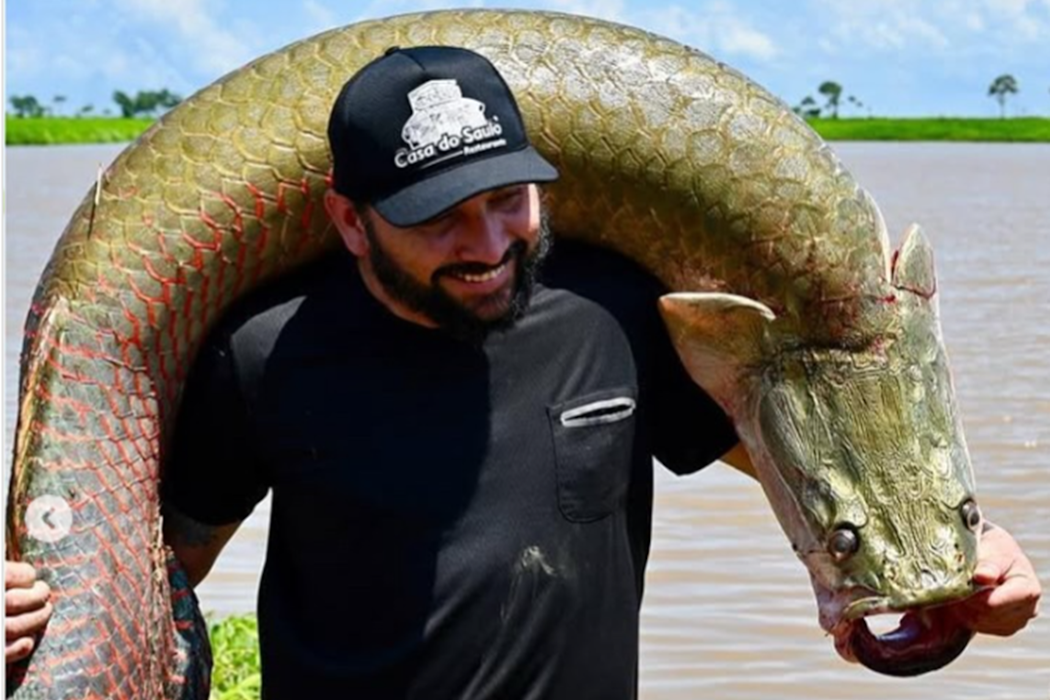
Brazilian chef Saulo Jennings is a champion of Amazonian ingredients including the pirarucu fish. Instagram

Saulo Jennings, an acclaimed Amazonian chef and UN gastronomy tourism ambassador, was reportedly outraged when organisers of Prince William’s Earthshot prize asked him to prepare an entirely vegan menu. For Jennings, being told to exclude pirarucu – the region’s iconic giant freshwater fish – was not merely a matter of preference but a lack of respect for his culinary traditions.

Prince William founded the Earthshot prize to celebrate innovative solutions to the planet’s greatest environmental challenges. This year’s ceremony takes place on November 5 at Rio de Janeiro’s futuristic Museu do Amanhã (Museum of Tomorrow), marking the first time the Earthshot’s award ceremony will be held in Latin America. It will serve as the opening act for Cop30, which begins on November 10 in Belém, in the heart of the Amazon, emphasising the region’s central place in climate discussions.

Jennings had agreed to create a selection of canapes for the awards ceremony, which was when the misunderstanding arose. He designed a menu with a vegan option but was then told the whole selection must be vegan, meaning he couldn’t include any dishes featuring pirarucu. “It was like asking Iron Maiden to play jazz,” he told the New York Times. “It was a lack of respect for local cuisine, for our culinary tradition.”

At the museum’s urging, Jennings agreed to design an Amazonian-inspired vegan menu using native ingredients. But by then the deal had collapsed and another team was selected to feed the awards ceremony.

Instead, Jennings has been commissioned to cook for the Norwegian and Chinese delegations at Cop30, and will also oversee the food for the Cop banquet, prepared for the heads of state attending the conference. For these occasions, he will be able to highlight the Amazon’s diverse flavours and, he has respectfully assured, will be serving pirarucu.

By insisting on a vegan menu, the Earthshot prize effectively equated veganism with sustainability. But while the two concepts can overlap, they are not the same. Some vegan foods, such as avocados, have large carbon footprints.

This is just one example of how well-intentioned western environmental initiatives can unintentionally clash with the values and food practices of the communities they aim to celebrate.

Impositions on sustainable food practices

Western impositions on Indigenous food cultures stretch back to colonial times. Early European settlers viewed their own staple crops, such as wheat and barley, as symbols of civilisation. On the other hand, they often dismissed Indigenous foods like Andean grains such as quinoa and amaranth as “primitive”.

This legacy still shapes food hierarchies today. In Peru, for example, communities in the Andes are swapping traditional potatoes for pasta and rice.

Nowadays, consumers – both in Brazil and globally – play a role in reinforcing western ideas through their purchasing choices and perceptions of “authentic”, “exotic” or “healthy” foods that shape the exchange of foods across different countries and market segments, while distorting local economies and traditions.

In Belém, açaí berries are a staple of local culinary custom, traditionally consumed by residents with manioc flour and fish. But in other Brazilian regions – and increasingly internationally – they have become known as a trendy powdered or frozen “superfood”, or are blended into açaí bowls.

In postcolonial nations, local elites – typically composed of non-Indigenous people who have historically aligned themselves with western tastes and values – can sometimes both reinforce and challenge these inequalities

In Brazil’s culinary scene, elite chefs have taken the lead in defining a new national haute cuisine that elevates Amazonian ingredients through fine-dining techniques. For example, renowned Brazilian chef Alex Atala elevates pirarucu by reinterpreting the fish using innovative techniques and presentations at his Sao Paulo restaurant, D.O.M.

However, this can detach ingredients from their original uses and create pressures on producers to deliver more, which could lead to unsustainable practices. Therefore, Atala is also committed to advancing sustainability, research and cultural preservation through Instituto Ata, which aims to showcase the diversity both of Brazil’s culture and its environment.

For Indigenous chef Tainá Marajoara, there’s a risk that elite Brazilian culture is borrowing heavily from Indigenous traditions – and using Amazonian ingredients without properly acknowledging the debt this modern food owes to the cultures from which it has been appropriated.

Marajoara – like Jennings, a UN ambassador for gastronomy – has sharply criticised what she perceives as the dominant mindset among Brazilian chefs. She told food magazine Saveur that some elite chefs believe “the food of dark-skinned people needs to be updated, as though we don’t have a wisdom and aesthetic of our own”.

Decolonising western ideas about sustainability

Many Indigenous communities adopt a “kincentric” view of the natural world, meaning they see humans, plants and animals as interconnected members of a shared ecological family, rather than separate entities.

According to Jennings, sustainability means living in harmony with nature’s rhythms – not imposing uniform dietary rules. As he told the New York Times: “We eat whatever the forests give us, whatever the rivers give us. Some days we eat fish; other days we eat nuts and açaí. This is also sustainable.”

True sustainability requires cultural and ecological respect. At Cop30, Jennings and Marajoara will design menus grounded in their cultures’ deep relationships with the natural world. Their aim is to show that sustainability should be a lived practice, not just politicians’ rhetoric.

Hopefully, their participation will reinforce the important message that meaningful climate solutions depend on Indigenous leadership and knowledge.

Bridging the gap between western assumptions and local ecological realities remains urgent. Marajoara warns: “As long as ancestral lands are violated and violence spreads across forests, rivers and fields, our people and our culture are being killed.”

The Conversation

The authors do not work for, consult, own shares in or receive funding from any company or organisation that would benefit from this article, and have disclosed no relevant affiliations beyond their academic appointment.

ref. Earthshot prize’s request for a vegan menu for Prince William leaves a bitter taste in the Amazon – https://theconversation.com/earthshot-prizes-request-for-a-vegan-menu-for-prince-william-leaves-a-bitter-taste-in-the-amazon-268597

Why some humans grow horns

Source: The Conversation – UK – By Dan Baumgardt, Senior Lecturer, School of Psychology and Neuroscience, University of Bristol

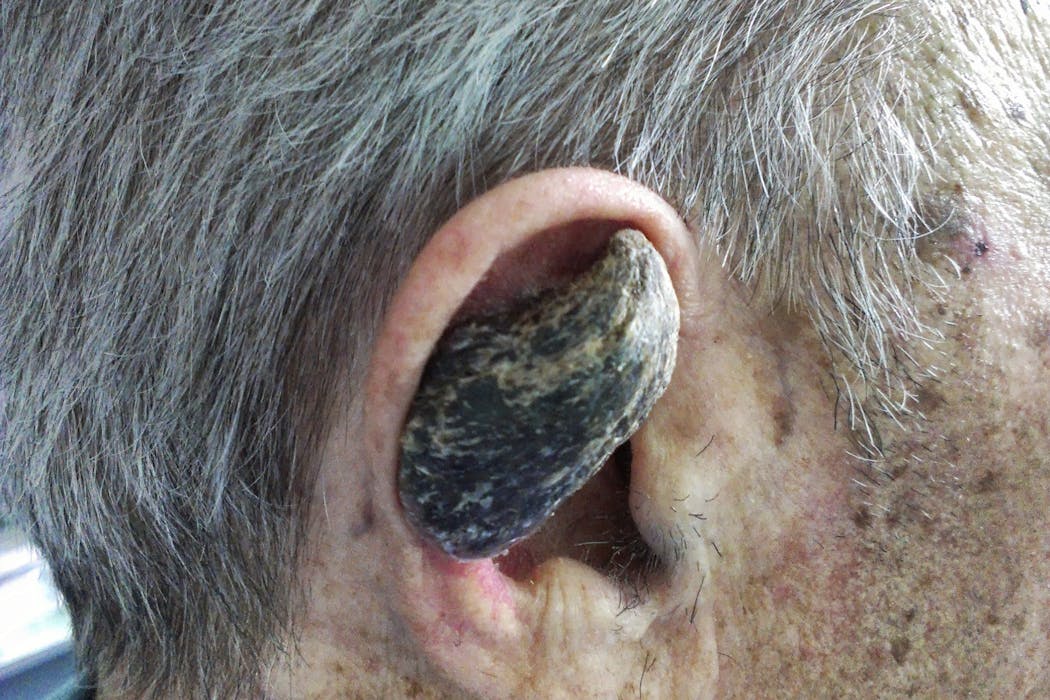
A cutaneous horn is a cone-shaped growth on the skin formed from compacted, dead keratin. Jojo via Wikimedia Commons, CC BY-SA

Equids, members of the horse family including horses, donkeys and zebras, share curious features called chestnuts. Found on every horse, they appear as toughened growths on their limbs, and can be clipped back if they grow too large. Anyone following the charming and rugged farrier Sam Wolfenden on TikTok will have seen his expert chestnut clipping.

Chestnuts are fascinating little entities – remnants of toe pads that were present in the prehistoric relatives of both domestic and wild horses. They’re also unique to each animal; you can think of them as an individual fingerprint.

Chestnuts are made of keratin, the same material found in the outer layer of skin. It’s protective, waterproof and durable, giving resilience and strength. It’s also found in hair and nails, which allow for important functions like trapping heat and providing sensory information to the brain.

Samuel Wolfenden is a farrier who often shares social media posts of chestnut removals.

The hooves and horns of animals are no different. Keratin-based and developed from the skin, they are designed for functions such as protection or even as weapons in battle.

Keratin therefore plays an important role across both human and animal species. And since we’re all built from similar biological materials, it may not surprise you that humans can develop horns too – though not quite like a horse or goat.

Human horns

Cutaneous horns, or cornu cutaneum, are compacted keratin masses that grow outward from a person’s skin. Their typically curved shape and hardened texture make them look like the horns of a goat, sheep or cow.

They can vary in colour from yellow to brown to grey. Their relative shade depends on the amount of pigment and dead cells trapped within the keratin as it builds up.

Cutaneous horns develop from skin lesions of various kinds, and many are harmless. Several common benign lesions such as seborrhoeic keratoses – warty swellings extremely common in older people – can develop into these “horns”. So can other warts, including those caused by the human papilloma virus (HPV), a group of viruses that infect the skin and mucous membranes and can lead to either warts or, in rarer cases, cancer.


Read more:
HPV: what you need to know about the common virus linked to cancer


Around 16-20% of cutaneous horns are malignant, developing from skin cancers such as squamous cell carcinoma. This form of cancer starts in the outer layer of the skin and can invade deeper tissues if left untreated.

Others arise from premalignant conditions: skin changes that have not yet become cancerous but have the potential to do so. A prime example is an actinic (or solar) keratosis, which can later develop into squamous cell cancer, sometimes forming a horn but often not.

In these cases, the cells within the lesion become denatured, losing their normal structure and function. This uncontrolled growth can lead to excessive keratin production, occasionally resulting in the formation of a horn.

People who develop cutaneous horns, whether benign, premalignant or cancerous, tend to share some similar risk factors. These horns are far more common in older adults and in those with fair skin, and they often appear on sun-exposed areas such as the head or face, suggesting that ultraviolet (UV) light plays a major role.

Sun damage is a key cause of all skin cancers including melanoma, the most dangerous form. Unlike squamous cell cancer, melanoma originates in pigment-producing cells and spreads more aggressively through the body if not caught early.

Grow to astonishing sizes

Some cutaneous horns appear in stranger places, including the chest and even the genitals. And because they can sometimes be linked to cancer, anyone who notices one should see a doctor.

Their appearance can be distressing, especially when they form on visible areas like the face, and they may also cause discomfort or irritation. Treatment usually involves surgical removal of the horn and a small amount of surrounding skin, a procedure known as excision.

Some cutaneous horns can grow to astonishing sizes. In 2024, an elderly woman in China made headlines because of a large cutaneous horn that grew from her forehead, reaching ten centimetres over seven years.

Others have earned nicknames like “unicorn horns” when they sprout from the centre of a person’s forehead. Alternatively, a patient in India was reported to have a “devil’s horn” growing from the top of his head.

However, the record for the biggest cutaneous horn probably belongs to Madame Dimanche, also known as Widow Sunday, in the early 19th century. This French woman’s horn stretched nearly 25cm, hanging past her chin before it was removed. A wax cast of both her face and the horn are now displayed among other anatomical curiosities in the Mütter Museum in Philadelphia.

If you ever notice a hard, growing bump that looks even faintly horn-like, don’t wait. Get it checked by your GP in order to guide the most appropriate treatment.

And to Sam Wolfenden, with his deeply satisfying hoof-trimming videos, keep on clipping, mate.

The Conversation

Dan Baumgardt does not work for, consult, own shares in or receive funding from any company or organisation that would benefit from this article, and has disclosed no relevant affiliations beyond their academic appointment.

ref. Why some humans grow horns – https://theconversation.com/why-some-humans-grow-horns-268370

The Samurai Detectives by Shōtarō Ikenami: a tale of honour, desire and mystery in Edo Japan

Source: The Conversation – UK – By Hui-Ying Kerr, Senior Lecturer in Fashion Communication and Promotion, Nottingham Trent University

An upright young samurai, a cross-dressing sword-wielding maiden, a retired warrior, honour killings, killings not-so-honourable, and lovers of all kinds. Welcome to The Samurai Detectives, the first part of a series of popular historical mystery novels by Shōtarō Ikenami (1923-1990).

Originally written as a serialisation in the monthly magazine Shōsetsu Shinchō between 1972 and 1989, the series was published as 16 complete novels under the title, Kenkyaku Shōbai (Swordsman’s Business). Regarded as one of Ikenami’s three signature works, The Samurai Detectives is the first English translation of his writing.

The book opens with Daijiro, a poor but principled young samurai. As he practices his craft alone in an empty field under the open sky, he is offered a huge sum of gold – but at the cost of his honour. Herein lies the crux of the book, where principle and commitment to the warrior code juts up against the temptations and practicalities of living in Edo-era Japan.

Also known as the Tokugawa period (1603-1868), the country was under the rule of the feudal Tokugawa shogunate. This was a time of peace and flourishing of the Japanese economy and arts, following two centuries of civil war.

Ikenami’s book was published at an apt time. Just as it muses on what to do with the leftover samurai and their skills in an era of peace, so 1970s Japan, following the upheavals of wartime defeat, 1950s post-war and 1960s civil unrest, was grappling with what to do with their post-nationalist militarised society and legions of men.

The answer? To plug it all into their economy. This created what would become the new symbol of Japanese hegemonic masculinity, the corporate worker as “Japanese salaryman”, or “corporate samurai”.

At first, it’s easy to assume that the handsome, upright, young Daijiro is the book’s hero, but as the story unfolds it becomes clear that this is a classic case of misdirection. Instead, other more complex characters come to the fore – in particular, Daijiro’s more pragmatic father. The poetics of the still landscape give way to the dynamism of a bustling Edo metropolis (the city that became Tokyo) and robustness of dramatic – and at times graphically violent – action.

Filled with distinctive characters, shady dealings, women of moral ambiguity, heroes and villains alike, this really is samurai detective fiction. Building on the introduction of detective fiction to Japanese literary fiction in the 20th century, The Samurai Detectives falls between the historical detective and social mystery subgenre.

Throughout the book, Ikenami offers extensive histories of places, characters and their allegiances, emphasising the importance of understanding the interconnected relationships and motivations behind their actions. From explaining the wider politics of the feudal families to the personal histories of the characters, the book takes the reader through the history and social geography of Edo Japan. It draws readers into the complex world of the samurai and their code, bushido.

Yet rather than a simplistic, romantic portrayal of samurai, the stories are underpinned by the tension between the wider samurai code and the characters’ personal struggles. They wrestle with how to align their own desires with their responsibilities and loyalties. This follows the Japanese concept of honne-tatemae, or the tension between private feelings and public behaviours.

Japanese man sat in a room working
Shōtarō Ikenami in 1961.
Wiki Commons

From a high-ranking daughter’s desire to become a warrior, despite the expectations placed on her as a woman in Japanese society, to male samurai pursuing secret relationships with male lovers or adorning themselves with feminine make-up, the book is full of contradictions. It explores the tensions between personal desires and social norms.

Complicating this is the underlying sense of changing times. The warriors must renegotiate their place while the world moves into the complexities of peacetime.

This tension comes to a head in the book’s explosive action. Characters move quickly through changing landscapes, cities, homes and modes of transport, shifting from quiet reflection to dramatic events, creating a constant sense of energy and motion.

From swordfights in bamboo groves and ambushes in alleys to crimes of passion and politics, the action comes suddenly, cutting through the delicacy of Japanese relations. In these scenes you can see the influence of the drama of detective fiction and Ikenami’s passion for theatre and his experience as a playwright. The influence of acclaimed filmmaker, Akira Kurosawa, known for his period samurai films in the 1950s and 1960s that popularised the genre, including Seven Samurai (1954), Throne of Blood (1957) and Yojimbo (1961), cannot be overstated.

Although it’s the first book in a long-running series, the story leaves a sense of incompleteness, where solving the crime doesn’t necessarily bring full resolution. In this is not only the social part of the mystery genre, but also the Japanese appreciation of impermanence and incompletion. What we are left with is the understanding of how important social relations are, which trump even justice.

Navigating uncertain waters of morality in a changing world of divided loyalties and motivations, bushido and honour are the only guides on which the samurai can depend – whatever the interpretation. More than just a swashbuckling adventure through Edo, The Samurai Detectives is an important contribution to the detective genre, using the beauty of its world and the struggles of its characters to offer insight into Japan itself.


Looking for something good? Cut through the noise with a carefully curated selection of the latest releases, live events and exhibitions, straight to your inbox every fortnight, on Fridays. Sign up here.


The Conversation

Hui-Ying Kerr previously received funding from the AHRC (now UKRI), for her doctorate in History of Design (2010 – 2013) on Japan in the 1980s Bubble Economy, including an AHRC-IPS grant for her fieldwork in Japan in 2012.

ref. The Samurai Detectives by Shōtarō Ikenami: a tale of honour, desire and mystery in Edo Japan – https://theconversation.com/the-samurai-detectives-by-shotaro-ikenami-a-tale-of-honour-desire-and-mystery-in-edo-japan-268685

Is it healthier to only eat until you’re 80% full? The Japanese philosophy of hara hachi bu

Source: The Conversation – UK – By Aisling Pigott, Lecturer, Dietetics, Cardiff Metropolitan University

The principle of ‘hara hachi bu’ is to stop eating just before you get full. Only_NewPhoto/ Shutterstock

Some of the world’s healthiest and longest-living people follow the practice of “hara hachi bu” — an eating philosophy rooted in moderation. This practice comes from a Japanese Confucian teaching which instructs people to only eat until they’re around 80% full.

More recently, it’s been gaining attention as a strategy for weight loss. But while hara hachi bu might emphasise eating in moderation and stopping before you’re full, it shouldn’t really be as seen as a method of dietary restriction. Rather, it represents a way of eating that can help us learn to have awareness and gratitude while slowing down at mealtimes.

Research on hara hachi bu is limited. Previous studies have evaluated the overall dietary patterns of those living in regions where this eating philosophy is more commonplace, not the “80% rule” in isolation.

However, the available evidence does suggest hara hachi bu can reduce total daily calorie intake. It’s also associated with lower long-term weight gain and lower average body mass index (BMI). The practice also aligns with healthier meal-pattern choices in men, with participants choosing to eat more vegetables at mealtimes and fewer grains when following hara hachi bu.

Hara hachi bu also shares many similar principles with the concepts of mindful eating or intuitive eating. These non-diet, awareness-based approaches encourage a stronger connection with internal hunger and satiety cues. Research shows both approaches can also help reduce emotional eating and enhance overall diet quality.

Hara hachi bu may also have many advantages that go beyond losing weight.

For instance, hara hachi bu’s focus on awareness and eating intuitively may offer a gentle and sustainable way of supporting long-term health changes. Sustainable health changes are far easier to maintain in the long-term. This may improve health and prevent weight regain, which can be a risk for those who lose weight through traditional diet approaches.

The ethos of hara hachi bu also makes perfect sense in the context of modern life and may help us develop a better relationship with the food we eat.

Evidence suggests that around 70% of adults and children use digital devices while eating. This behaviour has been linked to higher calorie intake, lower fruit and vegetable intake and a greater incidence of disordered eating behaviours including restriction, binge eating and overeating.

As a dietitian, I see it all the time. We put food on a pedestal, obsess over it, talk about it, post about it – but so often, we don’t actually enjoy it. We’ve lost that sense of connection and appreciation.

A woman leans back from her plate at the table holding her stomach because she's eaten too much.
Hara hachi bu might help you improve your relationship with eating and your body.
Doucefleur/ Shutterstock

Being more aware of the food we eat and taking time to taste, enjoy and truly experience it as hara hachi bu emphasises, can allow us to reconnect with our bodies, support digestion and make more nourishing food choices.

Trying ‘hara hachi bu’

For those who might want to give “hara hachi bu” or taking a more mindful and intuitive approach to improve their relationship with food, here are a few tips to try:

1. Check in with your body before eating

Ask yourself: Am I truly hungry? And if so, what kind of hunger is it — physical, emotional, or just habitual? If you’re physically hungry, denying yourself may only lead to stronger cravings or overeating later. But if you’re feeling bored, tired, or stressed, take a moment to pause. Giving yourself space to reflect can help prevent food from becoming a default coping mechanism.

2. Eat without distractions

Step away from screens and give your meal your full attention. Screens often serve as a distraction from our fullness cues, which can contribute to overeating.

3. Slow down and savour each bite

Eating should be a sensory and satisfying experience. Slowing down allows us to know when we’re satiated and should stop eating.

4. Aim to feel comfortably full, not stuffed

If we think of being hungry as a one and being so full you need to lie down as a ten, then eating until you’re around “80% full” means you should feel comfortably satisfied rather than stuffed. Eating slowly and being attuned to your body’s signals will help you achieve this.

5. Share meals when you can

Connection and conversation are part of what makes food meaningful. Connection at meal times is uniquely human and a key to longevity.

6. Aim for nourishment

Ensure your meals are rich in vitamins, minerals, fibre and energy.

7. Practice self-compassion

There’s no need to eat “perfectly”. The point of hara hachi bu is about being aware of your body – not about feeling guilty over what you’re eating.


Read more:
People in the world’s ‘blue zones’ live longer – their diet could hold the key to why


Importantly, hara hachi bu is not meant to be a restrictive eating approach. It promotes moderation and eating in tune with your body – not “eating less”.

When viewed as a means of losing weight, it risks triggering a harmful cycle of restriction, dysregulation and overeating – the very opposite of the balanced, intuitive ethos it’s meant to embody. Focusing solely on eating less also distracts from more important aspects of nutrition – such as dietary quality and eating essential nutrients.

This practice also may not suit everyone. Athletes, children, older adults and those living with illness often have higher or more specific nutritional needs so this eating pattern may not be suitable for these groups.

While often reduced to a simple “80% full” guideline, hara hachi bu reflects a much broader principle of mindful moderation. At its core, it’s about tuning into the body, honouring hunger without overindulgence and appreciating food as fuel — a timeless habit worth adopting.

The Conversation

Aisling Pigott receives funding from Research Capacity Building Collaborative (RCBC) and Health and Care Research Wales. Aisling Pigott is a Non-Executive Director of the British Dietetic Association, the professional body and trade union representing dietitians in the UK.

ref. Is it healthier to only eat until you’re 80% full? The Japanese philosophy of hara hachi bu – https://theconversation.com/is-it-healthier-to-only-eat-until-youre-80-full-the-japanese-philosophy-of-hara-hachi-bu-268008

Why national parks and nature reserves don’t always safeguard ecosystems as expected

Source: The Conversation – UK – By Miguel Lurgi, Associate Professor in Computational Ecology, Swansea University

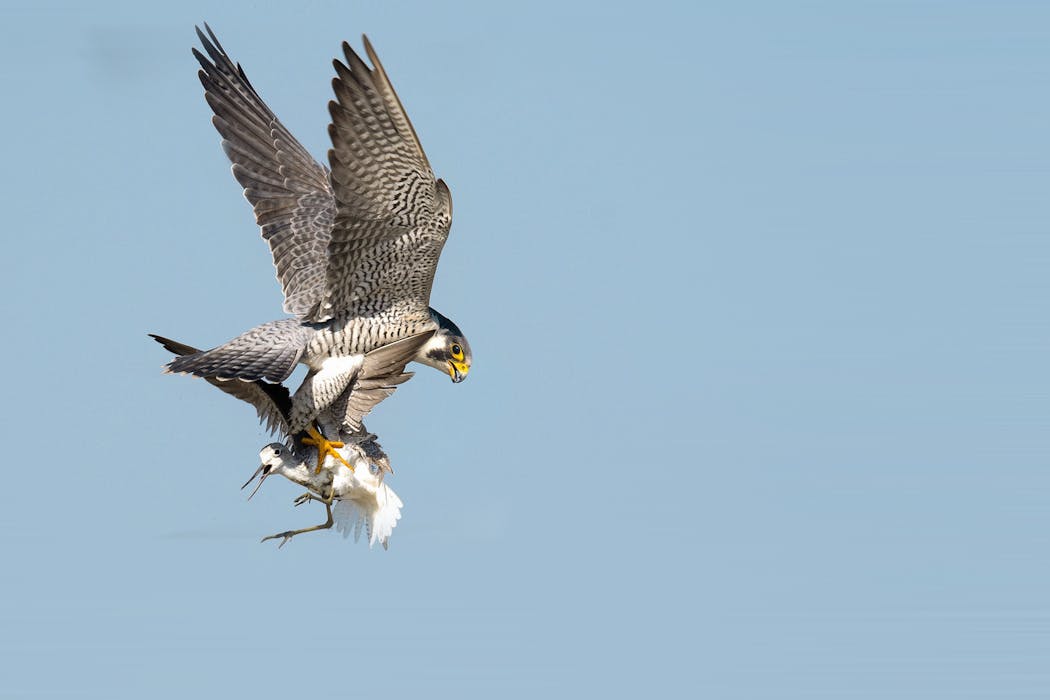
A peregrine falcon foraging in the forest. Wang LiQiang/Shutterstock

Setting aside land for nature is one of the main global strategies to conserve biodiversity. From national parks to local reserves, these areas are designed to give wildlife the space it needs to thrive. But my latest research with colleagues shows that these protected areas don’t always work in the way we expect.

They can help increase the number of species and provide habitats for large predators. But they don’t necessarily preserve the complex web of interactions that keeps ecosystems functioning. Our study found that the effectiveness of protected areas varies widely across Europe. This has mixed effects on the ecological relationships that sustain life.

Protected areas are central to international conservation policy. In 2022, governments at the UN biodiversity conference (Cop15) agreed to the Kunming-Montreal Global Biodiversity Framework. The framework aims to protect 30% of the world’s land and sea by 2030. The ambition is to halt biodiversity loss and safeguard the services that healthy ecosystems provide.

But while the number of protected areas continues to grow, there is still debate about how well they work. Most studies measure biodiversity success by counting species or tracking population trends. These are important, but they miss a crucial part of how ecosystems operate: the network of ecological interactions. Interactions between species such as predator-prey relationships connect species together in ecosystems and are crucial for their persistence.


Read more:
World’s protected natural areas too small and isolated to benefit wildlife – new study


We wanted to find out how effective protected areas are at maintaining these networks. Understanding this is central to ensuring that conservation measures protect not only individual species, but the relationships between them that support ecosystem stability and resilience.

We analysed 376,556 records of bird sightings gathered by citizen scientists from online databases. These records covered 509 bird species distributed across 45 protected networks stretching from the Mediterranean to Scandinavia.

By combining these observations with information on which species eats what, we built food webs, which are diagrams that map predator-prey interactions, for both protected and non-protected environments. We then compared the structure of these food webs to assess how well protection helped maintain their integrity.

We found that protected areas can have positive effects on the structure of food webs, but not always. In general, protected sites supported more bird species, particularly those in the middle of the food chain, and we also found larger predators within those areas. For example, less pristine or smaller habitats may only have a sparrowhawk. Whereas more diverse habitats may have a golden or a Bonelli’s eagle. That’s often a sign of a healthier ecosystem.

But for other important features, such as how many interactions each species has or how long the food chains are, the results were far less consistent. Some protected areas showed positive effects, while others showed neutral or even negative ones.

When protection doesn’t mean balance

This means that what works for conserving species does not necessarily work for conserving the ecological interactions between them. Preserving these relationships is crucial because they underpin ecosystem stability.

If predators decline or disappear altogether, their prey can grow, unchecked. This may disrupt the balance of an entire ecosystem. One striking example comes from the Aleutian Islands off Alaska, where the loss of sea otters led to an explosion in sea urchins and the near collapse of kelp forests.

The same principles apply across terrestrial ecosystems. The loss of pollinators, for instance, can have dramatic consequences for both wild plants and crops, threatening food security as well as biodiversity. These examples show why it’s not enough to conserve species in isolation. The connections between species also need protection.

Our study found that how well a protected area works depends a lot on where it is located and how it is managed. We found that factors such as remoteness, habitat diversity, human pressure and the amount of surrounding agricultural land were all linked to how well food webs were preserved.

A golden eagle flying in Spain.
A golden eagle soars.
David Collado/Shutterstock

Protected areas established under the EU Birds Directive, which specifically focuses on maintaining bird populations and habitats, showed the strongest positive effects. This suggests that having a clear conservation goal and strong management practices makes a real difference.

Protected areas that are more diverse in habitat types also tend to support richer ecological networks. This demonstrates the importance of maintaining habitat integrity. In comparison, areas with a lot of human activity or patchy habitats often find it harder to maintain the balance of species and interactions that make ecosystems thrive.

Rethinking how we measure conservation

Our study highlights the complexity of conservation action. Simply protecting land is not enough. To be truly effective, conservation must consider not only how many species live within an area, but also how those species interact.

These interactions are essentially the ecological glue of the natural world. They are what allow ecosystems to persist and perform vital functions such as pollination, pest control and nutrient cycling. Ignoring them risks overlooking early warning signs of ecosystem collapse.


Read more:
Protecting Brazil and Indonesia’s tropical forests requires political will, law enforcement and public pressure


To secure a sustainable future, conservation policies must go beyond species counts and focus on safeguarding the intricate networks that keep life in balance.

If we focus on how nature functions, not just which species live there, we can make sure protected areas really keep our ecosystems healthy.

The Conversation

Miguel Lurgi does not work for, consult, own shares in or receive funding from any company or organisation that would benefit from this article, and has disclosed no relevant affiliations beyond their academic appointment.

ref. Why national parks and nature reserves don’t always safeguard ecosystems as expected – https://theconversation.com/why-national-parks-and-nature-reserves-dont-always-safeguard-ecosystems-as-expected-266623

Girlbands Forever: BBC documentary charts the highs and lows of British girl groups – with one glaring omission

Source: The Conversation – UK – By Joel Gray, Associate Dean, Sheffield Hallam University

There can be no doubt that any conversation about British girlbands of the last 30 years would be dominated by Spice Girls.

In whichever corner of the globe you are, they were the defacto pop force of the late 1990s – and their impact has been long-lasting. From Adele to Beyonce Knowles-Carter, many contemporary world-class artists cite them as an inspiration.

However, new BBC documentary series Girlbands Forever focuses on many other girlbands who have emerged in British pop music from the early ’90s (Eternal) to the present day (Little Mix). It takes a broadly chronological overview, charting their development, releases and eventual splits in almost forensic detail.

As both a girlband fan and researcher, I was, though, disappointed that it offers little discussion of the impact these artists have had on their fans. Also absent from discussion is the link to queer audiences – something many girlband members have made specific reference to themselves.

One celebratory theme that is strong throughout this three-episode series is diversity and sisterhood. Eternal, All Saints, Atomic Kitten, Sugababes and Little Mix were all made up of racially diverse singers. And as each girlband passed the baton to the next generation, both media and society seemed more and more at ease with this concept.

Other topics of discussion include changes in the media (from newspapers to gossip magazines to reality television to social media) and society more broadly (rave culture, “Cool Britannia” and changing governments). This grounds the girlband discussions in a wider context.

Particular attention is paid to Little Mix as the girlband who won TV talent show The X Factor in 2011 – yet no mention is made that Girls Aloud did it nearly ten years earlier, when they won Popstars The Rivals in 2002.

Indeed, the fact Girls Aloud are not mentioned at all in the series is a glaring omission. While Little Mix faced abuse from anonymous social media trolls and the Spice Girls were constantly targeted by ’90s tabloid newspapers, Girls Aloud were the defining girlband of the celebrity gossip magazine era in the mid-2000s. Experts such as author Michael Cragg have written about the band’s impact on pop culture, and fans are likely to be disappointed by their omission.

The absence of a band which produced superstar (and later X Factor judge) Cheryl Cole highlights another area which a future series could go into: the solo career struggles and successes of these girlband members. Cole had two solo no.1 albums, and joins Spice Girl Geri Halliwell as one the most successful British female artists of all time.

Girls Aloud are a notable absence from the documentary.

The success of girlbands has always nurtured rich careers in the entertainment industries for its individual members. Both Jade Thirlwall and Perrie Edwards of Little Mix had top-five albums in the same month recently. Spice Girl Mel B is an international TV icon, judging talent shows on multiple continents; Atomic Kitten Natasha Hamilton has established her own record label; and Eternal’s Louise Redknapp had a top-10 album in 2025.

Spice Girl Melanie C and the All Saints’ offshoot Appleton (composed of sisters Natalie and Nicole Appleton) have been seen in the studio this year, with projects rumoured for 2026.

There are also plentiful non-music projects to mention. Many girlband members go on to support charities and philanthropic causes. Halliwell recently received an honorary doctorate from my university, Sheffield Hallam, for her work advancing rights for women and children on projects with the United Nations and Royal Commonwealth Society for Literacy. And Mel B has received awards for raising awareness of domestic abuse.

But for every number-one record and charity ambassadorship role, there is a member who may have not had the same luck. All Saints star Melanie Blatt, for example, has taken on a “chef residency” at a London pub which, while no bad thing, feels rather different to filming television shows in LA, or the solo efforts of her Girls Aloud and Spice Girls peers.

In contrast to the documentary’s omissions, I am glad it spotlights the brilliance of Atomic Kitten stalwarts Jenny Frost and Natasha Hamilton, who were quintessential noughties pop stars and gay icons.

In lieu of much Spice Girls and Girls Aloud discussion, their energy and charisma brings a welcome feeling of personal nostalgia – and a reminder of why the world needs fantastic popstars. Their cheeky charm, which first won me over 25 years ago, still makes me smile today.


Looking for something good? Cut through the noise with a carefully curated selection of the latest releases, live events and exhibitions, straight to your inbox every fortnight, on Fridays. Sign up here.


The Conversation

Joel Gray does not work for, consult, own shares in or receive funding from any company or organisation that would benefit from this article, and has disclosed no relevant affiliations beyond their academic appointment.

ref. Girlbands Forever: BBC documentary charts the highs and lows of British girl groups – with one glaring omission – https://theconversation.com/girlbands-forever-bbc-documentary-charts-the-highs-and-lows-of-british-girl-groups-with-one-glaring-omission-268677

A brief history of comic book vampires – including a homage to Donald Trump

Source: The Conversation – UK – By Andrew Edwards, Student Learning Developer, The University of Law

In Bram Stoker’s novel Dracula (1887), an English solicitor (Jonathan Harker) is sent to Transylvania to assist Count Dracula, an aristocrat, in his move to England. When Harker discovers Dracula lying in a coffin after feeding on blood, he understands the threat that Dracula poses to England.

Vampires have long represented our political and social attitudes to race, immigration and the threat of foreign invasion – reflecting the prejudices of their times.

My research explores how comic books and graphic novels interrogate political, social and cultural issues. Dracula became a 20th-century pop culture phenomenon, appearing in several films and TV programs. But American comic books were relatively slow to feature vampires.

In 1954, the US Senate Subcommittee on Juvenile Delinquency investigated the comic book industry. Hearings were held to testify about the perceived harm caused by crime and horror comics. To allay threats to their business, publishers banded together to form the Comics Magazine Association of America and established The Comics Code of 1954, which banned crime and horror content, including stories featuring vampires. A revision and relaxation of the code in 1971 enabled vampires to be used when “handled in the classic tradition” of novels such as Dracula “and other high calibre literary works written by Edgar Allen Poe, Saki, Conan Doyle and other respected authors whose works are read in schools around the world”.

This led to the creation of the character Morbius the Living Vampire, who debuted in Amazing Spider-Man #101 in July 1971. Morbius was a scientist with a blood disease whose experimental cure using vampire bats led to his transformation.

Dracula appeared in the animated series Avengers Assemble (2013).

Soon after, Dracula himself joined the Marvel comic universe in Tomb of Dracula #1 (November 1971), a series that ran until 1979. Writer Marv Wolfman and artist Gene Colan had to work within the limitations of the code by ensuring that they adhered to a traditional depiction of Dracula in line with Stoker’s original version. This could have limited the style and content of their stories, which were set in the modern era, but the inclusion of a newly created supporting cast kept the narrative fresh and engaging.

Vampires in American comic books retained this outsider status – invariably they were European immigrants like Morbius, who was born in Nafplio, Greece. In this way, comic vampires continue the literary vampire tradition of tapping into the fear of foreigners.

Doctor Doom: anti-immigrant populist politician

Comic book writer Ryan North explored a variation of this theme with Doctor Doom, the Marvel Comics’ super-villain, in issues of Fantastic Four released this year. Doom will be played by Robert Downey Jr. in the new film Avengers: Doomsday, due in 2026.

Doom rules Latveria, a fictional European country. He has recently declared himself Emperor of the World, supported by leaders of nations across the globe. Doom also uses Trump-style populism by propagating prejudice and fear-mongering against vampires.

In Fantastic Four #29 (February, 2025) Susan Storm, Ben Grimm and Jennifer Walters (also known as the Invisible Woman, the Thing and She-Hulk respectively) meet for lunch in a New York diner. They discuss Doom’s recent activities, which their waitress agrees are wrong before asserting that “at least he’s doing something about those horrid vampires”.

Outside, sat on the sidewalk, is a dishevelled, slumped vampire holding a sign that reads: “Anything Helps.” Apart from slightly elongated nails and subtly pointed canine teeth, there is nothing to distinguish him from any other normal person begging on a street.

A film of Morbius was released in 2022.

Sue, Ben and Jen then leave the diner and encounter a terrified family of four being chased by an angry crowd. The father exclaims “Please! Leave us alone!!” and “Please don’t kill us” as they try to outrun the mob. The family, dressed in normal casual clothes, are vampires.

Protected by the heroes, the parents explain that they are starving. Having been turned away from a blood bank, and not wanting to harm people, they had resorted to eating a pigeon, which prompted the chase. Members of the crowd scream “Vampires!”, “Kill them!” and call them “monsters”. The parents are killed by a member of the mob, but the vampire children are saved by the Fantastic Four. This leads to Reed Richards (Mr. Fantastic) creating a synthetic food substance that quenches vampires’ bloodlust, before ensuring the children are re-homed with their aunt.

Thinking that solving vampires’ hunger for blood will render Doom’s propaganda impotent, the story ends on a foreboding scene: a normal suburban house in America, with parents waving off their children to school. However, their house is bedecked with Maga-style pro-Doctor Doom flags and signs. It seems that Doctor Doom is still winning the hearts and minds of many Americans.

In One World Under Doom #3 (April, 2025) a group of superheroes and super-villains team up against their common enemy and find out how Doom has manipulated the world’s leaders. Using their own powers, they discover that he has not used magic, telepathy or mind control. He has merely negotiated with other leaders to become World Emperor. His populist policies have been embraced by the public.

This, along with the anti-vampire rhetoric and misinformation, creates a powerful allegory of the far-right ideologies that are currently being propagated by politicians across our own world. This current portrayal of Dr Doom as a proxy for public figures and politicians who use anti-immigrant rhetoric, harmful stereotypes and egregious misinformation, strongly suggests that they are the real monsters. Not the immigrants – or vampires for that matter.


Looking for something good? Cut through the noise with a carefully curated selection of the latest releases, live events and exhibitions, straight to your inbox every fortnight, on Fridays. Sign up here.


This article features references to books that have been included for editorial reasons, and may contain links to bookshop.org. If you click on one of the links and go on to buy something from bookshop.org The Conversation UK may earn a commission.

The Conversation

Andrew Edwards does not work for, consult, own shares in or receive funding from any company or organisation that would benefit from this article, and has disclosed no relevant affiliations beyond their academic appointment.

ref. A brief history of comic book vampires – including a homage to Donald Trump – https://theconversation.com/a-brief-history-of-comic-book-vampires-including-a-homage-to-donald-trump-266188

How teen friendships may predict self harm

Source: The Conversation – UK – By Holly Crudgington, Postdoctoral Researcher in Adolescent Mental Health, University of Oxford

PeopleImages/Shutterstock

Most of us know what it’s like to be a teenager at school – and how it feels to fit into (or fall outside of) a school’s social hierarchy. This typically includes some version of the popular kids, the loners and the in-betweeners, who have friendships that span across different groups.

However, teen hierarchies are more than a passing social order. Research suggests that these social networks and positions can shape mental health too. In a recently published study, my colleagues and I found that they also relate to one of the most serious health challenges among young people today: self-harm.

Self-harm – hurting yourself on purpose – is common in adolescence. While it is likely that some self-harm goes unreported, around 16%-22% of adolescents report having harmed themselves at least once. The behaviour appears to be increasing, particularly among adolescent girls. Worryingly, adolescents who self-harm have an increased risk of worsening health and mental health, including fatal outcomes like suicide.

There may be many reasons someone engages in self-harm. For example, it can be a coping mechanism to relieve emotional distress (intra-personal) by focusing on a physical sensation. Or it can be shaped by social factors (inter-personal) such as peer relationships.

For example, teenagers may be being influenced by the behaviour of others or use it as a means of communicating distress. Indeed, research has found that peer relationships are deeply important in adolescence and matter for self-harm.

However, little research has focused on how the school-based friendship networks of teens relate to self-harm. We addressed this gap by analysing data on teen friendship networks and self-harm from a cohort study of adolescent mental health in the UK called the Resilience Ethnicity and Adolescent Mental Health (Reach) study, which follows a large a group of people over time.

Reach has collected data from around 4,000 adolescents from 12 mainstream secondary schools in inner-city south London. Pupils at the schools completed questionnaires on their mental health and social networks (among other measures) over time. To date, Reach is the largest and most recent cohort study of adolescent mental health among young people from diverse inner-city areas in the UK.

In this study, we focused on the first year of Reach data collection, when adolescents were aged 11 to 14 years old. Adolescents were asked to report if they had “ever tried to harm or hurt themselves”, with 14% reporting yes. They were also asked to name friends within their school year. This is the first time a cohort study in the UK has collected data on both school friendship networks and self-harm.

We used social network analysis to “map” out teens’ friendship networks and to calculate several measures reflecting young people’s social positions within their networks.

This included: “popularity” (how many people named you as a friend), “bridging” (being an in-betweener and connecting otherwise disconnected friendship groups) and social isolation (having zero or one friend only), among other measures. We also looked at how many of their friends had reported self-harm, and then explored if and how these different network measures related to self-harm.

Social networks and self-harm

We found that both who adolescents are friends with in school and how they are connected to their friends were linked in different ways with self-harm. Strikingly, nearly half of adolescents had at least one friend who reported self-harm. This was linked to adolescents being more likely to report engaging in self-harm themselves, which might suggest peer-influence.

Various social positions in teen networks were also linked to self-harm. Some positions were protective, meaning adolescents were less likely to self-harm, whereas other positions were risky, meaning they were more likely to self-harm. Risky positions included social isolation, but also to some extent popularity and bridging (in-betweener).

While popularity is often seen as a desirable social status, it could also bring with it social pressures which may indirectly lead to self-harm. Bridging may reflect adolescents who are “between” different friendship groups, which may be socially taxing and link to self-harm.

Protective positions included “sociality” (nominating lots of people as friends) and being part of a tight-knit friendship group with friends who are friends with each other. However, the strongest links were for social isolation and having friends who report self-harm.

We also tested if there were any differences by gender. We expected the effects to be stronger among girls compared with boys. However, we found little evidence of this – which suggests that social networks relate to self-harm the same across boys and girls from our diverse, inner-city London sample.

It is important to note that these findings come from data that was collected at a single point in time. This means our findings are associations, and we cannot imply causation, or establish which direction the associations might be in. For example, do social networks predict self-harm, or does self-harm predict social networks? This needs to be further studied.

Our study highlights that self-harm is an important health challenge to tackle in adolescence – and considering teens’ social networks in school may be an important part of tackling that challenge. Specifically, self-harm is not something to be understood in isolation – but there may be social elements to the behaviour for some, and it may be shaped by teens’ social networks.

It also suggests that if both connection (such as having friends who self-harm) and disconnection (social isolation) from peers are associated, then there is a need for more than one approach to self-harm prevention in schools. While it may be tempting to focus on those who are socially isolated, it is also important to consider friendship group dynamics, and how adolescent’s self-harm may affect the wider peer-network.

Ultimately, peer relationships in adolescence deeply affect us and can continue to shape mental health for decades. The more we understand teen social networks, the better we can support young people’s mental health.

The Conversation

This research was conducted as part of a PhD project supported by the Economic and Social Research Council (ESRC), Centre for Society and Mental Health at King’s College London (ES/S012567/1), the European Research Council (REACH 648837), and the London Interdisciplinary Social Science Doctoral Training Partnership (LISS-DTP). The author declares no competing interests.

ref. How teen friendships may predict self harm – https://theconversation.com/how-teen-friendships-may-predict-self-harm-267553