When Britain abolished slavery in its empire in 1833, it paid the equivalent of hundreds of billions today in compensation – not to the enslaved, but to the slave owners. It was an imperfect, morally uneasy compromise, but it helped achieve a historic transition that had seemed impossible.
Today, as the world struggles to phase out fossil fuels, many doubt
such a transformation is still possible. Emissions keep rising, the Paris agreement isn’t properly enforced and powerful corporations continue to mislead the public and lobby against meaningful change.
Yet slavery was once seen as immovable. It was an institution that was accepted for thousands of years – far longer than fossil fuel-powered capitalism. Slavery was a significant source of wealth for many, and the rich and powerful opposed abolition. Yet it was abolished.
As a thought experiment, let us imagine a future where effective climate action unfolds the way slavery abolition once did. What might that look like?
Leadership and ‘persuasion’
Future historians might not point to a single moment of global unity, with all nations coming together to act as one. Rather, they’ll point to one nation – or a coalition – that took the lead. These early leaders might combine diplomacy, bribery and perhaps even the threat of military force or economic sanctions to “persuade” other countries to follow suit.
That’s how Britain pushed for the end of the slave trade: with a mix of idealism and hard power, with naval patrols and trade sanctions. A global fossil fuel phase out may unfold in a similarly non-ideal way.
Bottom-up pressure, top-down resistance
In this thought experiment, change will not start with governments. Rather, the demand for action will come from the bottom up. Activists will demand change and there will be huge public support but, at the same time, the rich and the powerful will continue to defend the status quo, lobbying against the introduction of stricter legislation.
The slavery abolition movement followed that pattern, with broad public support yet fierce opposition from those with most to lose. In Britain, slave owners were even compensated with £20 million (equivalent to “40% of state expenditure in 1834”) to secure their agreement to the loss of “their” property.
Something similar could happen in the climate fight. Perhaps fossil fuel companies will one day receive financial compensation to ease the transition away from fossil fuels – not because it is deserved, but rather as a pragmatic compromise.
The law as a tool for change
Legal action would also play a pivotal role. Governments and corporations will be (and, indeed, are already being) taken to court.
Abolitionists used the law in much the same way. A good example is a famous case in which enslaved Africans revolted and seized control of the ship La Amistad. The Africans were ultimately freed after reformers highlighted the contradiction between the idea of natural rights for all humankind in the US Declaration of Independence, and laws that allowed people to be private property.
As the historian David Brion Davis noted: “It was this contradiction that helped the reformers to pass laws for very gradual slave emancipation.” The Paris agreement, often dismissed as toothless, could gain real power through litigation in a similar way.
Why this thought experiment matters
Of course, this is not a real prediction. It is a thought experiment. Imagining that climate action will mirror the history of the abolition of slavery doesn’t guarantee that this is what will happen. But the comparison is valuable for several reasons.
It shows that historical precedent matters. Looking at what worked in the past can help us imagine what might work now. Massive moral change really has happened before, even despite entrenched interests working against it. As such, the example of the abolition of slavery offers hope.
It’s also realistic. Global cooperation would be ideal, but history suggests that change will be messier, potentially with some unpalatable compromise or confrontation.
The comparison poses some hard ethical questions. Is it ever justifiable to compensate fossil fuel companies? What forms of international pressure are morally acceptable?
The thought experiment can also sharpen our strategy. If this imagined future is unpalatable – if we’re ultimately not willing to send hundreds of billions to BP, Exxon and co – then it may motivate people to work for better solutions.
Perhaps most importantly, comparing slavery with climate change shows us that individual action still matters. You may feel powerless and want to know what you can do now. The history we have looked at suggests two things: support climate action publicly and, if you can afford it, provide financial support to groups like environmental law charity ClientEarth.
Abolishing slavery was messy and the strategy taken left many uneasy. Perhaps, when the time comes, significant action to mitigate climate change will involve similar controversies. But flawed solutions may be better than none.
Rob Lawlor received funding from the Arts and Humanities Research Council. This funded a project and a number of events that allowed me to collaborate with researchers from other disciplines, including historians.
This year’s UN climate summit (Cop30) in Belém, Brazil, begins with a familiar dilemma: how can we tackle a highly political, long-term problem that involves every country of the world?
Governments, experts and activists have been trying to address climate change since the early 1990s, yet global greenhouse gas emissions remain at record levels.
Emissions growth may be slowing, but even pro-climate action strategies seem to be pulling in different – or even, antagonistic – directions. Our new book presents these antagonisms as a choice between “stability” and “politicisation” in climate governance.
According to those favouring stability, governments should lock in steady, long-term policies that place us on a predictable and gradual track to much lower emissions. Creating policies that commit us to a certain path should help businesses to invest in ways that meet this predictable trajectory.
However, if it is weakened and made inadequate by pro-fossil fuel lobbyists and governments, then the stable path can still meander into climate catastrophe. This is the course we are presently on.
On the other hand, for those pursuing the politicisation of climate action, it is better to encourage political conflict and protests that constantly create pressure for more significant and rapid policy change.
Such strategies can disrupt pro-fossil fuel lobbyists’ grip and expose strategies used by some political figures to dismantle the hard-fought climate goals already in place. But by encouraging increased politicisation of these issues, we may open the door to anti-net zero populists and others seeking to slow or stop climate policy action altogether.
Both schools of thought – stability or politicisation – have their supporters and detractors. Both have benefits and downsides. However, these have rarely been discussed in conversation with one another, until now.
At Cop30, these distinct strategies will be under the spotlight.
The stability or politicisation dilemma helps to explain why building a strategy that works over years and decades creates difficult questions, not only about policy design but approaches for different organisations and states. These challenges change according to which level of government, which country, and which economic sector is in play.
For instance, it is easier to push for politicisation and conflict when you’re not a member of a marginalised or racialised community already facing myriad hurdles to political participation.
Conversely, it is hard to avoid having to engage in politicisation and conflict in areas where there are deep historical power structures that need to be challenged. For example, in the UK, land ownership concentration blocks peat restoration – both because landowners want to keep peat moors dry to maximise their grouse shooting revenue, and because the land concentration means they are very powerful within the British state.
It is hard to avoid having to engage in politicisation and conflict in areas where there are deep historical power structures. AndryDj/Shutterstock
International relations expert Jennifer Allanexplains that previous UN climate summits have been shaped by this clash in strategies, right back to the Kyoto protocol, the 1997 agreement that set emissions targets for economically developed countries.
Whereas the EU was previously the driving force behind depoliticisation of negotiations, more recently, countries such as India and China are also pursuing such strategies. As Allan warns, this may delay the implementation of climate policies as more states debate how best to progress.
In Belém at Cop30, similar dynamics will be at play. Efforts are ongoing to implement the 2015 Paris climate agreement agenda and process. Core issues remain on how to ensure regular reporting of emissions, alongside questions around who pays for the consequences of climate change.
At the same time, there will be a continued politicising push by certain countries and social movements. States such as the US, Saudi Arabia and their allies will be trying to politicise the negotiations to stymy progress. Meanwhile, social movements will be protesting to keep the pressure on negotiators and promote climate justice for those who are hardest hit by climate change.
Don’t have time to read about climate change as much as you’d like?
Paul Tobin has received funding from the Economic and Social Research Council.
Matthew Paterson receives funding from the Economic and Social Research Council (UK). He is a member of the Green Party of England and Wales.
Stacy D VanDeveer as received funding from Independent Research Fund Denmark, MISTRA (Sweden), Research Council of Norway, Uppsala University (Sweden), German Marshall Fund of the United States, US National Science Foundation
You may have heard that vaping is the “safer” choice than smoking. But what if the very thing designed to protect your health also puts your heart at risk?
Vaping does not exist in isolation. It is part of a wider story about smoking, inequality and the growing burden of heart disease in the UK. Even after years of public health campaigns, smoking remains common in England’s most deprived areas.
As vaping becomes more common in these same communities, a new form of nicotine use could be replacing one heart risk with another. Many people now switch from cigarettes to vapes to reduce harm, but growing evidence suggests the benefits may not be as clear-cut as once thought.
Research shows that vaping can help some people quit smoking more effectively than other methods, but newer findings challenge the belief that e-cigarettes are a harmless substitute.
Several studies have now linked vaping to arterial damage in both the brain and heart, even among people who have never smoked traditional cigarettes. The cells that line our blood vessels, known as the endothelium, keep arteries supple, regulate blood pressure and stop fatty deposits from sticking to the walls. When these cells are damaged, arteries lose elasticity and blood flow becomes less efficient, raising the risk of cardiovascular problems.
One study found that regular vapers had impaired blood vessel function. Their arteries could no longer expand and contract properly. Other research on humans and animals exposed to vapour showed less flexible arteries, higher blood pressure and damaged endothelium in both the brain and heart. This arterial stiffening increases the likelihood of heart attack, stroke and dementia.
So what is behind this damage? When someone vapes, the vapour carries nicotine, chemicals and microscopic particles into the bloodstream. These trigger inflammation and oxidative stress, meaning the body’s defences go into overdrive and start attacking healthy tissue. Vaping also reduces nitric oxide, a molecule that helps vessels relax, while increasing harmful free radicals. Together, these effects make arteries less able to do their job and more prone to disease, increasing the risk of heart problems.
Vaping can also raise blood pressure and heart rate, even after a single session. Over time, this mix of irritation, inflammation and stress wears down the arteries, even in people who have never smoked before.
The UK’s NHS Health Check programme mainly screens people aged forty and over for heart-disease risks. Yet vaping is most common among people under 40, and routine screening is not designed to detect early vessel injury in this age group. Young vapers may therefore carry silent artery damage for years before any problem appears on standard tests. Evidence suggests that vaping can cause early artery changes similar to those caused by smoking, increasing the risk of cardiovascular disease (CVD) later in life.
That is why education and prevention are so important. Schools and public health campaigns play a vital role in showing young people that vaping carries long-term risks, including damage to the heart. Programmes that combine classroom learning with interactive activities have been shown to make a real difference. Initiatives such as Catch Your Breath and Essex’s Break the Vape aim to stop young people from vaping before they start, and to support those who want to quit, reducing their future risk of heart disease.
The wide differences in heart disease deaths across England show that prevention efforts are still not reaching everyone equally. A whole-system approach to CVD prevention is essential. Schools, councils, NHS services and local communities need to work together to tackle shared risk factors such as smoking and vaping.
Screening cannot yet detect early artery damage in younger adults, but education remains our best defence. Helping young people understand how vaping affects the heart can protect the next generation from the hidden dangers of nicotine addiction and cardiovascular harm.
Anusha Seneviratne previously received research funding from the British Heart Foundation.
Preeti Mahato does not work for, consult, own shares in or receive funding from any company or organisation that would benefit from this article, and has disclosed no relevant affiliations beyond their academic appointment.
Source: The Conversation – UK – By Luis Angeles, Professor of Economics, Adam Smith Business School, University of Glasgow
Tariffs on imports have been at the heart of Donald Trump’s economic policy since the start of his second term in the White House. And while the president believes that tariffs will be beneficial to the US economy, many eminent economists disagree. Here are three reasons why.
The first reason is that a US trade deficit should not necessarily be seen as a negative economic outcome. Trump certainly thinks it is. As he reportedly told Karin Keller-Sutter, president of Switzerland, earlier this year: “We have a US$41 billion deficit with you, madam….[and] we lose, because I view deficit as [a] loss.”
A trade deficit only means that one country buys more goods and services from another country than it sells to it. As a result, more money flows out of the country, to pay for the imports, than comes into the country, as a payment for exports.
Money flowing out of the country may sound bad, but for every dollar that the US spends abroad there is something else coming in: the goods and services it buys, which Americans get to consume. A “trade deficit” could very well be renamed a “surplus in goods and services consumed” – a positive outcome, reflecting the expressed preferences of the American public.
The second reason is that tariffs change what the economy produces – for the worse.
Tariffs are eventually passed on to consumers, making imported goods and services dearer. Trump’s hope is that making, say, Swiss watches more expensive will shift demand towards US-made watches, whose price remains the same. The US’s watchmaking industry would grow and employ more people, which sounds like a solid gain for the US economy.
Unfortunately, that is not the end of the story. Foreign countries need to sell goods and services to the US in order to obtain the dollars that pay for American exports. If foreign countries sell less because of tariffs, they are also going to buy less American products.
This means that any expansion of the US watch industry would be matched by a contraction in other American industries, such as aircraft manufacturing or financial services, which the US successfully exports. Employment may increase in one sector, but it will decrease somewhere else.
And that’s not all. The reallocation of labour across industries is costly, as people lose industry-specific skills and need to be retrained. But more important, consider why the US was importing foreign watches in the first place. Clearly, because foreign manufacturers are better at watchmaking: they produce watches of any given quality for a lower price than America can.
The same is true for American export industries, which sell abroad because they are more productive than their foreign counterparts. The reallocation of labour away from American export industries, and towards other industries such as watchmaking, is a shift away from what Americans can do best. It renders the whole country less productive, making everyone poorer in the process.
Be grateful for the dollar
The third reason, finally, is that the US gets a very good deal when it comes to paying for its trade deficit.
When country A wants to buy goods and services from country B, a difficulty arises. Country A has its own currency to pay with, but this currency has no value in country B.
If trade is perfectly balanced between the two countries (they buy and sell the same amounts to each other), an easy solution is at hand. Country B will accept country A’s currency and immediately give it back, as payment for the goods and services it buys from country A, which are of the same value.
If there is a trade deficit, where country A imports more than it exports, country B will still accept country A’s currency if there is something else which can be bought with it. That “something else” is assets, which can be financial (stocks or bonds) or real (such as property). So a country with a trade deficit must sacrifice some of its assets to foreign ownership.
In the case of the US, however, there is one important difference. If a foreign country ends up with a positive balance of dollars because it sells more to the US than it buys, it may not use all these extra dollars to buy US assets.
Instead, it often wants to keep those dollars, in the form of banknotes, within the local economy. This happens because people around the world trust and value US dollars, often more than their own currency, and may prefer to use American notes for purposes such as savings and large transactions. A vast amount of dollar banknotes – currently worth over 1 trillion dollars – are in circulation outside the US economy.
This phenomenon translates into a great bonanza for the US. It has the unique privilege of being able to run a trade deficit with the rest of world, consuming more goods and services from other countries than it provides to them, and yet does not compensate those countries entirely with American assets.
Instead, it compensates them with pieces of paper it produces at essentially no cost. Foreigners are happy to hold these American pieces of paper because they have monetary status in their countries – something that would not be true for any other currency. Trying to shut down the US’s trade deficit also means trying to cut off this substantial source of wealth for the country.
Luis Angeles does not work for, consult, own shares in or receive funding from any company or organisation that would benefit from this article, and has disclosed no relevant affiliations beyond their academic appointment.
You may not give much thought to your armpits, apart from checking whether they need another swipe of deodorant. But this small, often overlooked patch of skin is one of the body’s busiest crossroads. Beneath those folds lies a complex network of glands, nerves and lymph nodes that keep you cool, fight infection and even influence how you smell to others.
The armpit’s design allows flexibility and free movement of the arm, while serving as a vital passageway for blood vessels and nerves that link the limb to the torso. It is also home to sweat glands that regulate temperature and release pheromones, and to clusters of lymph nodes that drain fluid and help defend the body against infection.
Yet for some people, this humble underarm becomes the site of something far more troublesome than a bit of body odour. A distressing, recurring condition called hidradenitis suppurativa (HS) can turn these hidden hollows and other areas where skin rubs together into a source of chronic pain, infection and scarring. Once thought to be rare, HS is increasingly recognised and diagnosed, though still widely misunderstood.
Several conditions can develop within the tissues of the armpit (or axilla, as it is known anatomically). One of these is the rather bewilderingly named hidradenitis suppurativa.
The name translates to “inflammation of the sweat glands with pus,” and that is essentially what the condition involves. HS is a chronic condition that affects areas of the body rich in sweat glands and hair follicles, particularly where the skin folds and rubs together. This means it can appear not only in the armpits but also in the groin, around the breasts and buttocks, and in the perineal area. Friction in these regions may make the condition worse.
The inflammation appears to be driven by a process similar to autoimmunity, where the body mistakenly attacks its own tissues. It seems that blockage of the hair follicles occurs first, which then triggers involvement of the sweat glands. The condition is estimated to be nearly three times more common in women than in men and may also run in families. Other risk factors include increased levels of androgens, which are hormones such as testosterone that increase after puberty, as well as smokingand obesity.
Research also shows that people of colour are disproportionately affected. Both UK and US studies have found that HS is more common and often more severe among black and Hispanic patients. These groups are also more likely to experience delays in diagnosis or have their symptoms mistaken for other infections or boils. The reasons are complex and include differences in healthcare access, underrecognition of how HS presents on darker skin tones and broader structural inequities within medical systems. Early recognition and equitable care can help prevent advanced disease and reduce the burden of pain, scarring and stigma that HS can cause.
HS symptoms
Inflamed and blocked glands appear on the skin as hard nodules or swellings. Infection can turn these into abscesses that may grow to significant sizes. Prolonged inflammation and infection can lead to the formation of sinuses, which are tunnels beneath the skin that connect nodules, and to scarring. This can cause painful, oozing or foul-smelling skin, sometimes restricting upper limb movement if scar tissue forms.
These processes resemble those seen in acne vulgaris, which is the medical term for common acne. In fact, one of the alternative names for HS is acne inversa, referring to the inverted skin folds where it occurs. Like acne, it is not caused by poor hygiene and it is not contagious, despite common misconceptions.
When it comes to managing HS, some treatments overlap with those used for acne. Antibiotics such as lymecycline, which have both antibacterial and anti-inflammatory properties, can help prevent flare-ups. Lifestyle changes are also recommended, such as wearing loose clothing and losing weight to reduce skin folds and friction.
In some cases, HS can cause large abscesses, sometimes five to ten centimetres across, which may require surgery to drain the pus or remove scar tissue. Because of the long-term nature and scarring associated with severe disease, new biological therapies such as adalimumab, which work by calming the immune system’s overreaction, are now being used to manage more advanced cases.
HS diagnoses are rising each year. This could reflect an actual increase in numbers or simply better recognition. It may seem surprising that such a condition could be so often missed or misdiagnosed, but it happens.
HS can mimic other skin conditions that affect the folds. It is common to experience irritation from sweating or shaving in the armpits or groin, leading to folliculitis, which is inflammation of the hair follicles. Because HS lesions tend to flare and then subside, sometimes improving with short-term antibiotics, they are often mistaken for other problems and treated incompletely, sometimes for years.
Historically, HS has been poorly recognised. Its variable symptoms and the embarrassment and stigma that often surrounds skin changes in intimate areas have contributed to delays in diagnosis. Early detection can prevent progression to severe disease, so any recurrent skin changes are worth discussing with a doctor.
The armpit may seem insignificant, but for those affected by hidradenitis suppurativa, it can shape daily life in painful and isolating ways. Too many people live with the condition for years before receiving a diagnosis or effective treatment. Recognising it as a medical condition rather than a hygiene problem is a crucial step in changing that.
Dan Baumgardt does not work for, consult, own shares in or receive funding from any company or organisation that would benefit from this article, and has disclosed no relevant affiliations beyond their academic appointment.
Animals in children’s stories are often depicted as living in neat mum, dad and children family units. Examples include Fantastic Mr Fox, 101 Dalmatians and, more recently, Peppa Pig and Bluey. But, this might leave people feeling like outsiders if they don’t come from a traditional nuclear family set-up.
In reality, there is a huge diversity in what family looks like within the animal kingdom.
In biparental care, a male and female animal raise their offspring together. This type of parental behaviour is predominantly seen in birds and is rare in invertebrates, fish and mammals.
Mute swans are a good example, where mum and dad can share the responsibilities of incubating eggs, feeding the cygnets and teaching them to be independent.
Single-parenting represents the most common form of family in the animal kingdom.
Usually, males compete for access to females. This is because the female invests more in reproduction than the male. For example, in a typical mammal, the female is pregnant, suckles the young and raises it.
In some cases, such as leopards, the female raises the offspring completely on her own. In fact, single mothers are found in around 90% of mammals.
Such single-parenting is seen in children’s books like The Tale of Peter Rabbit by Beatrix Potter. Although, there are few stories where the mother chooses to single-parent, unlike in the animal kingdom where females of some species benefit from raising offspring alone.
For example, animals who are left in a nest while their parent or parents look for food may be safer from predators if only one parent is leaving scent trails as they come and go.
Sometimes the male raises the young on his own. This is more frequent in fish and amphibians, where the offspring hatch from eggs. The male midwife toad wraps his fertilised eggs around his back legs and carries them with him until they are ready to hatch.
Darwin’s frog has an alternative parenting tactic where the male carries his tadpoles in his vocal sac for six to eight weeks, until they are developed enough to face the world.
These types of behaviour allow the females to focus on feeding, which means she can produce more eggs for the next batch of young. Male parenting is also much less common in children’s books, but a popular exception is The Gruffalo’s Child by Julia Donaldson.
Scientists have observed same sex couplings in over 500 species, including vultures, dolphins, giraffe, bonobos, geckos and dragonflies. Although life-long homosexuality in the wild is rare, in which animals forego heterosexual relationships, permanent male-male couplings have been seen in sheep.
Also, female albatrosses are known to sometimes reject males once their eggs have been fertilised, choosing to raise offspring in female-female relationships.
One of the most famous cases of homosexuality in captivity is that of Roy and Silo, a pair of chinstrap penguins from Central Park Zoo in New York, who formed such a strong bond in the early 2000s that the keeper gave them an egg to hatch and raise.
This story was turned into a popular children’s book And Tango Makes Three by Justin Richardson. Unfortunately, Silo’s head was turned by a female named Scrappy, ending his six-year relationship with Roy.
Same-sex parenting can be extended to species where large family units develop, such as elephants. Generally, elephant family units consist of several related females and their calves, led by an older matriarch. Sisters and grandmothers undertake allomothering, babysitting the youngsters, teaching them foraging, vigilance and defence, and sometimes even take on communal suckling of infants.
The story of one of the most famous communal parent species, the honey bee, has been turned into a novel for adults. The Bees by Laline Paull is the story of worker bee Flora 717, who helps feed her newborn sisters, and her life in the hive.
Communal parenting doesn’t have to be restricted to one sex, though. Many animals, including meerkats, are cooperative breeders. The young stay at home to help their parents to raise their baby siblings rather than go off and breed on their own. Most cooperative breeders are totipotent, which means they choose to help out temporarily. But some, such as naked mole rats are permanent helpers, foregoing their own reproduction.
Fostering and adoption
There are plenty of cases of animals being manipulated into raising the young of another. The most famous case is the common cuckoo where the female lays its egg in the nest of a different species, leaving the foster parent to raise the chick.
This deceptive brood-parasitism also happens within a species. For example, sometimes female starlings dump their eggs in the nests of other starlings.
One of my favourite children’s storybooks is The Odd Egg by Emily Gravett, where a mallard adopts an egg that eventually hatches an alligator.
There are also many animals that hang out in friendship groups for a decent part of their adolescence. This is common among long-lived species, such as red deer, where bachelor herds often stay together until they reach sexual maturity.
Like humans who are orphaned early, estranged from their parents, or just leaving home, animals find family among their peers, learning from them, and creating strong bonds. Young, swifts form “screaming parties” for protection while looking for places to breed in future years.
The final type of parenting seen in the animal kingdom is one that is, thankfully, rarely seen in humans – no parenting. The young of these animals are generally numerous, to ensure that some survive. They are also born to be independent of others.
This parenting style is typical of species such as fish and reptiles, and invertebrates including butterflies and spiders. Some types of solitary wasp trap paralysed grasshoppers in their nest, plug it shut and then abandon the nest.
This ensures a food supply for their young when they hatch. But, if their mother hasn’t provided enough food, larger wasp larvae will snack on their siblings instead. Three quarters of wasp larvae in nests end up as food for their siblings.
So, nuclear families are definitely not the norm when it comes to the animal kingdom. Species adopt a variety of parental care methods to ensure that their genes are passed on to the next generation.
This article features references to books that have been included for editorial reasons, and may contain links to bookshop.org. If you click on one of the links and go on to buy something from bookshop.org The Conversation UK may earn a commission.
Louise Gentle works for Nottingham Trent University.
Source: The Conversation – UK – By Sojin Lim, Reader in Asia Pacific Studies, Co-Director of the International Institute of Korean Studies, University of Lancashire
From 150 titles to a longlist of 13, six novels have been shortlisted for the 2025 Booker prize. Our academics review the finalists ahead of the announcement of the winner on November 10.
The Rest of Our Lives by Ben Markovits
Middle-aged Tom waits 12 years to keep his promise to leave his unfaithful wife when their youngest child starts college, then embarks on a roadtrip across an American landscape both vivid and commonplace.
Tom recounts the journey and his memories, his voice fluctuating between disclosure and holding back. The reader is the silent party, compelled to reflect: do you resemble the wife craving emotional impact, the son constructing amicable distance, the daughter thrust into change, the ex-partner successful but unsatisfied, or Tom himself? There is nothing really extraordinary, and yet the story is captivating.
Despite one significant obstacle, Tom never expresses regret for risks not taken. He has unanticipated glimpses of alternative paths, and learns the joys of routine, a steady career and ordinary family life. A film adaptation is inevitable; its challenge will be to capture the gentle melancholic tension of this thoughtful novel.
Jenni Ramone is an associate professor of postcolonial and global literatures at Nottingham Trent University
An atmospheric domestic drama set during 1963’s “Big Freeze”, the novel follows the lives of two married couples – Eric and Irene, Bill and Rita – in the south-west of England over a few bitter winter months. Due to the intensity of events taking place over a short period of time with just a few characters, The Land in Winter feels claustrophobic, almost soap opera-like.
The wives are both pregnant and they bond, albeit tentatively, over impending motherhood. Despite being the novel’s protagonists, Rita and Irene feel like characters who have things done to them, rather than having their own agency.
Their pregnancies compound this, presented as inescapable obligations as opposed to happy, wanted circumstances. In a novel thick with metaphor and symbolism (the women’s friendship begins when Rita gifts Irene freshly laid eggs) it is perhaps unsurprising that a third pregnancy, that of a cow on Bill and Rita’s farm, foreshadows the trauma and tragedy experienced by the novel’s end.
Stevie Marsden is a lecturer in publishing studies at Edinburgh Napier University
Flashlight by Susan Choi
Susan Choi’s Flashlight opens with a disorienting event. Ten-year-old Louisa and her father Serk walk along a seaside breakwater at dusk, a flashlight in hand. By morning, Louisa is found barely alive. Serk is missing and presumed drowned. Instead of offering immediate answers, the novel follows three intertwined lives – Serk, Louisa, and Anne – across continents and decades.
What begins as a mystery expands into intimate family drama that takes in broader historical shifts, spanning across the Pacific and from the 1970s onwards. Serk, an ethnic Korean born in Japan, emigrates to the US and navigates a life shaped by statelessness and historical upheaval. Anne, Louisa’s American mother, embodies another thread of rupture and inheritance. Together, their stories form a constellation of absence and unresolved loss.
Choi illuminates the hidden currents of identity, migration and disappearance with remarkable skill. Flashlight is an ambitious, emotionally resonant work that rewards close reading.
Sojin Lim is a reader in Asia Pacific studies at University of Lancashire
Flesh by David Szalay
The titles of Szalay’s two Booker-nominated novels, this year’s Flesh and 2016’s All That Man Is, could be interchangeable. Both explore contemporary European masculinity, but where All That Man Is did this through nine short stories, Flesh is a novel about the eventful life of one Hungarian, István, from aged 15 to mid-life.
Here is sex, infidelity, murder, war. But the novel is spare rather than voluptuous, trimmed to the bone rather than fleshy. István’s thoughts and tragedies are often absent from the writing. We don’t hear about his time in a young offenders’ institution or anything at all about his father, for example. We learn that he is physically brave and attractive to women. “Flesh” then refers to the way he is seen, as only a body, a member of the new working classes whose lives are defined by precarity.
Kept outside, overhearing only his bare responses – “Okay” – readers become complicit in this failure to consider all that man is. And it is precisely this innovatively spare narration which makes the novel so deeply affecting.
Tory Young is an associate professor of literature at Anglia Ruskin University
The Loneliness of Sonia and Sunny by Kiran Desai
At 35, Kiran Desai became the youngest female author to be awarded the Booker prize when her second novel, The Inheritance of Loss, won in 2006. The follow up, The Loneliness of Sonia and Sunny, has been twenty years in the making.
Set between the 1990s and early 2000s, Desai’s elaborately structured novel deftly traverses the US, India, Italy and Mexico as it spins the tale of two Indian-born migrants: aspiring novelist Sonia Shah studying in Vermont and struggling journalist Sunny Bhati in New York. Their thwarted romance is instigated by their respective meddling north Indian grandparents, who reside in mouldering mansions symbolic of their declining fortunes and a decaying colonialism, making this 667-page love story an epic, multi-generational family saga.
It dramatises how nation, class, gender, race and history shape its large cast of characters, each explored in detailed vignettes. Desai shows formidable insight as she ponders the cultural values of the US and India, the nature of loneliness, ruthless liberal individualism, postcolonial disintegration and violence, but also creativity.
Ruvani Ranasinha is a professor of global literature at King’s College London
Audition by Katie Kitamura
Katie Kitamura’s Audition (2025) consists of two seemingly contradictory parts. In the first, a stage and screen actress in her late 40s meets a much younger man in a Manhattan restaurant. He has asked for the meeting because he suspects he may be her secret son, given up for adoption as a baby. She reveals that this cannot be: she had an abortion.
In the second part, the young man is the woman’s son, and has grown up with her and her husband, although he has, as an adult, argued with them and left home. Now he wants to return with his girlfriend.
These two seemingly contradictory scenarios are balanced, played against one another, and the tension between these “sliding doors” variant realities throws into relief the uncertainties, intermittencies and variabilities of existence. A pared-down novella, directly written and intriguingly characterised, this is a memorably ambiguous meditation on parenthood, performance, relationship and commitment.
Adam Roberts is professor of 19th-century literature at Royal Holloway
Looking for something good? Cut through the noise with a carefully curated selection of the latest releases, live events and exhibitions, straight to your inbox every fortnight, on Fridays. Sign up here.
The authors do not work for, consult, own shares in or receive funding from any company or organisation that would benefit from this article, and have disclosed no relevant affiliations beyond their academic appointment.
Each grey hair may be a sign that a cell has chosen to stop replicating rather than risk turning malignant.Pixel-Shot/ Shutterstock
Grey hair is an inevitable hallmark of ageing. It’s a visual reminder of the passing years and all the bodily changes that accompany it.
But emerging scientific research is challenging this simple narrative – revealing that those silver strands on our heads could be an outward sign of our body’s own intricate defences against cancer.
A new study in mice has uncovered the remarkable ways in which our bodies manage cellular damage – a process key in both ageing and cancer. In ageing, cellular damage gradually weakens and disrupts cell function. In cancer, unrepaired or faulty cells can trigger abnormal growth and tumour formation.
The work here has highlighted a surprising connection between the loss of pigment in our hair and the mechanisms that can keep deadly cancers at bay.
Melanocyte stem cells are at the heart of this discovery. These cells reside deep within the hair follicles and serve as a reservoir for melanocytes – the pigment-producing cells responsible for hair and skin colour.
Under normal circumstances, our melanocyte stem cells replenish these pigment-producing cells through cyclical regeneration, a process characterised by repeated phases of activity, resting and renewal in sync with the natural cycles of hair growth and loss. This grants a steady supply of pigment and thus vibrant hair colour throughout most of our lives.
But every day, our cells endure assaults on its own DNA (the genetic material inside our cells) from sources such as ultraviolet radiation, chemical exposure and even our own cellular metabolism process. This cellular damage contributes to both ageing and to the risk of cancers – such as melanoma, a type of skin cancer.
This new study sheds light on what happens when melanocyte stem cells deep within the supportive niche of the hair follicle sustain DNA damage – particularly a type of damage called double-strand breaks.
When this happens, the melanocyte stem cells can undergo a process called “seno-differentiation”. In essence, this means that the stem cells irreversibly mature into pigment cells – then disappear from the stem cell pool, leading to the gradual appearance of grey in our hair.
DNA damage can cause some of these stem cells to irreversibly mature and turn grey. Beti Argi/ Shutterstock
This protective process is tightly regulated by internal signalling pathways which allow the cells to communicate with each other. By removing these mature cells from the stem cell population, this prevents the accumulation and possible future spread of genetic mutations or DNA changes that could promote cancer.
In a sense, each grey hair is a small victory of bodily self-sacrifice: a cell choosing to bow out rather than risk turning malignant.
Cancer link
The story doesn’t end there, however. Not all DNA damage triggers this protective process. In their experiments, the researchers exposed melanocyte stem cells in mice to potent cancer-causing chemicals as well as UV radiation. Remarkably, under these stressors, melanocyte stem cells were found to bypass seno-differentiation altogether.
Instead, signals from the surrounding tissues actually encouraged the damaged cells to self-renew and continue dividing – despite carrying genetic damage. This created a cellular environment ripe for the emergence of melanoma.
This research suggests that the fate of melanocyte stem cells appears to hinge on both the specific kind of damage they receive and on the molecular cues present in their micro-environment. Stressors such as chemicals or UV light, which cause the cells’ DNA strands to break, also cause the melanocyte stem cells to self-destruct by default. This same process causes grey hair.
But when under the influence of cancer cells, these damaged melanocyte stem cells persist – creating seeds from which melanoma can grow. Scientists describe this dynamic as “antagonistic fates” – where the same stem cell population can take two dramatically different paths depending on the circumstances.
Importantly, these findings reframe grey hair and melanoma not as unrelated outcomes, but as twin fates of the body’s ancient struggle to balance tissue renewal and avoid cancer. Greying is not itself a shield against cancer, but instead a byproduct of a protective process that eliminates risky cells.
Conversely, when the control mechanisms falter or are subverted by carcinogens, the door is left open for malignancy. This new understanding may also help begin to explain why we’re more likely to develop cancer as we get older.
Of course, it’s crucial to note the limits of these findings. Much of the pivotal evidence comes from experiments in mice. This means research still needs to be conducted in humans to understand if our melanocyte stem cells also function in a similar way. Biological differences between species, as well as complexities of human lifestyles and genetics, mean the picture for our own hair and cancer risk is nuanced.
Still, these discoveries open exciting avenues for both cancer research and ageing science. Understanding the signals that nudge stem cells toward differentiation or risky expansion could someday enable therapies to reinforce the body’s natural safeguards, potentially lowering cancer risk as we age.
There are broader implications as well. This information could help explain why some people develop melanoma even without having been exposed to clear risk factors – and why cancers and tissue degeneration so often go hand-in-hand in later life.
The story of grey hair is not just about vanity or the inevitable march of time. It’s about evolution, adaptation and the ceaseless vigilance of our bodies’ internal guardians. Those silver strands may be telling us something profound: that amid the competition between ageing and cancer, sometimes it’s worth sacrificing a pigment cell for the sake of the whole organism.
Justin Stebbing does not work for, consult, own shares in or receive funding from any company or organisation that would benefit from this article, and has disclosed no relevant affiliations beyond their academic appointment.
Source: The Conversation – UK – By Mike Savage, Professorial Research Fellow, International Inequalities Institute, London School of Economics and Political Science
When the full, unexpurgated diaries of the Conservative MP Sir Henry “Chips” Channon were published in 2021, these disarmingly frank accounts of his aristocratic life in mid-20th century Britain caused a stir. They revealed the inner thoughts of a renowned social climber and rightwing snob, whose political career never recovered from his record as an appeaser of Nazi Germany.
Having married into the Guinness family fortune, Channon revelled in the booty of landed wealth: the thrill at purchasing a country house, Kelvedon Hall in Essex; the glitter of cut glass in the lavish dinner parties he hosted; extravagant bejewelled gifts for his many lovers; the whirl of expensive European holidays and chauffeur-driven cars. One diary entry describes Channon and friends partying with Nazi leaders including Hermann Göring while in Berlin for the 1936 Olympics.
But there is an intriguing counterpoint to his naked love of wealth. During the later 1930s under a Conservative-led coalition government, taxes began to rise to pay for Britain’s rearmament in preparation for war. Writing about then-chancellor Sir John Simon’s “staggering” first war budget late in 1939, Channon recalled:
There was a gasp when he said that income tax would be 7/6 [37.5p] in the £. The crowded House [of Commons] was dumbfounded … Increased surtax, lower allowances, raised duties on wine, cigarettes and sugar, substantially increased death duties. It’s all so bad that one can only make the best of it, and reorganise one’s life accordingly.
This and subsequent tax increases had a massive effect on Channon’s lavish lifestyle. During the second world war, his Kelvedon estate was repurposed as a military hospital – part of the large-scale selling off of landed estates that changed the face of rural Britain (as evoked in Evelyn Waugh’s Brideshead Revisited). Yet Channon’s attitude to these privations was pragmatic: he would just have to pay the extra and get on with his life as best he could.
It is now widely recognised that our current times bear uncanny parallels with the 1930s – from the rise of authoritarian regimes to huge pressures on public spending in the context of volatile economic conditions. Yet unlike that pre-war period, today’s proposals to raise taxation on high incomes and wealth are being met with huge pushback – sometimes amounting to hysteria – from parts of society and the media.
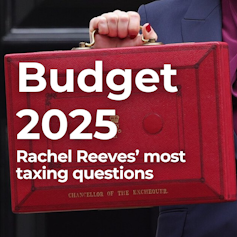
The Conversation and LSE’s International Inequalities Institute have teamed up for a special online event on Tuesday, November 18 from 5pm-6.30pm. Join experts from the worlds of business, taxation and government policy as they discuss the difficult choices facing Chancellor Rachel Reeves in her budget. Sign up for free here
Rather than the pragmatism that Channon and many of his wealthy contemporaries displayed, some public commentary implies that increasing tax on the wealthy is akin to infringing the natural order of things. The new Labour government’s adjustment of inheritance tax in autumn 2024 to bring farm property into line with other assets was met with protests on the streets.
The same year, reforms to end tax exemptions for “non-domiciled” UK residents (those who claim their permanent home is outside the UK) – initially announced by Conservative chancellor Jeremy Hunt – provoked a flurry of (mostly unsubstantiated) claims that the international super-rich would be leaving the UK for better pastures abroad.
Whatever happened to the stoicism of the rich, prepared to shoulder their responsibilities for social wellbeing in the face of pressing economic and political challenges?
Perhaps the key difference between Channon’s time and our own is revealed in two graphs which show dramatic changes in the distribution and degree of wealth held in Britain over the last century. At the time Channon was writing, wealth assets per head were vastly smaller than they are now – having declined since the early 20th century, mostly due to wartime depredation. However, from the 1950s on, they began a remarkable ascent.
From the dawn of human history, it took many millennia for the mean amount of wealth per Briton to equate to £50k – reached sometime in the 1970s. Yet a mere 40 years after that, this personal wealth figure had tripled:
This dramatic rise in UK wealth ownership was matched by a change in who owned it. In Channon’s time, the top 1% wealthiest people owned an astonishing 50% of the UK’s total – which makes sense of his stoicism. He knew well enough that only a few upper-class people like him had substantial wealth, while large numbers of Britons lived in straitened conditions and could not realistically pay more tax. When the going got tough, there was little option but for people like him to cough up.
Since then, the wealth share held by the top 1% has more than halved, dropping to around 20% of the total. And the UK’s wealthiest 10% now owns just under 60% – down from 90% in Channon’s day:
On the face of it, these two graphs appear to tell a cheerful and progressive story. The UK, like many rich countries, has become much wealthier, and these benefits are being more widely spread. What’s not to like?
In fact, many influential economists – including contributors to the Institute for Fiscal Studies’ influential Deaton Review – have identified the build-up of private wealth as a worrying trend for Britain. Where the vast increase in the nation’s wealth over the past 75 years could have been invested for the good of the nation, it has been largely squirrelled away into private hands, inflating the wealth of the UK’s upper and middle class to the detriment of society as a whole.
As a sociologist, I have long researched the impact of class inequalities on British society – and how class, gender, racial and regional divides are mutually reinforcing.
I am now increasingly concerned by the way the build-up of private wealth assets intensifies these inequalities – potentially to breaking point. Left unchecked, I believe Britain’s “wealth timebomb” will enlarge the current ruptures in society – already reflected in the rise of angry populist political movements – leaving a calamitous legacy for future generations.
As UK chancellor Rachel Reeves’s options for potential increases in wealth and other taxes are debated ahead of a highly anticipated budget on November 26, I’d argue that such discussions should not be framed purely in technical terms – of what is an efficient way of raising funds for the public purse without damaging UK prosperity.
There is a much broader cultural politics of wealth that needs addressing. In particular, it is time to stress-test the seemingly widespread view that wealth should be treated entirely as a private good, and does not come with any social obligations.
This idea leads to the deeply dysfunctional view that wealth assets are free to be amassed, spent and passed on by their owners with scant encroachment in the form of taxation. Chips Channon can be criticised for many things – but even he did not agree with that.
The collective effort of generations
The contemporary reluctance to tax wealth, in Britain and many other rich countries, is actually very unusual. Throughout history, most societies have seen this form of resource redistribution as utterly reasonable.
One of William the Conqueror’s first acts after the Norman invasion of 1066 was to commission the Domesday book to systematically record the landed assets of his newly conquered land. In poorer societies, wealth stocks were the most viable assets to tax.
Throughout British history, private wealth holders were often sanctioned for flouting common norms of “reciprocity” and fairness for the people who worked for them. In the aristocratic landed estates that made up Britain’s main form of wealth until the early 20th century, owners were still under strong moral pressure to operate them for the wider public good.
Similarly, in a strong manufacturing economy like Britain’s, it was uncontentious to regard wealth derived from owning factories and businesses as some kind of social product – the result of profits from the often gruelling lives of many workers. Those fortunate to possess large stocks of wealth were generally expected to take some kind of social responsibility for their workers.
A few 19th-century philanthropists were explicit about the public value of private wealth. Most famously, American steel magnate Andrew Carnegie’s Gospel of Wealth inspired a radical liberal critique of wealth that influenced Britain’s Liberal government (1905-15) to champion the taxation of high levels of private wealth. This became a central tenet of new liberalism in the early 20th century, as described by Britain’s first ever sociology professor, Lionel Hobhouse:
The prosperous businessman who thinks that he has made his fortune entirely by self-help does not pause to consider what single step he could have taken on the road to his success but for the ordered tranquillity which has made commercial development possible: the security by road and rail and sea, the masses of skilled labour, and the sum of intelligence which civilisation has placed at his disposal … The inventions which he uses as a matter of course, and which have been built up by the collective effort of generations of men of science and organisers of industry.
Defending this idea of “common wealth” extended to Tory radicals too – including the Victorian cultural critic John Ruskin, who in 1860 famously wrote “there is no wealth but life” – declaring:
That country is the richest which nourishes the greatest numbers of noble and happy human beings. That man is richest who, having perfected the functions of his own life to the utmost, has the widest helpful influence, both personal and by means of his possessions, over the lives of others.
The period from the late 19th century, when Britain enjoyed global dominance through its combined industrial and military strength, also saw strong political currents at home. These emphasised the need for municipal ownership of amenities such as electricity, gas, water and many other public building projects – with the city of Birmingham providing one of the most influential models.
Such public-spirited benevolence emphatically did not extend to Britain’s colonial possessions – which were routinely treated as uncivilised territories to be raided, despoiled and exploited for the benefits of their colonial master. But at home, there was a clear understanding amid the rich elite of the need for their wealth to play a role in building a better-functioning society for all who lived in Britain – most of whom did not own any of it.
There were often religious and moral beliefs underlying these views. But as the case of Chips Channon suggests, there was also a self-interested recognition that the wealthy themselves benefited from recognising the social role of wealth, in its ability to help create an educated, ordered workforce and calm, respectful society. What, then, has happened to this collective vision of wealth?
The rise of ‘ordinary’ wealth
By the early 21st century, wealth was no longer the preserve of the gilded few in the UK. Inspired in particular by prime minister Margaret Thatcher’s 1979-90 Conservative government, the prospects of mass ownership of wealth assets – starting with your own home – was held out as a realistic possibility for most Britons.
This major shift was echoed in many rich countries. French economist Thomas Piketty regards today’s “proprietarian middle class”, who enjoy the benefits of wealth assets typically tied up in their homes and pension funds, as a key feature of contemporary capitalism.
In Britain, the proportion of owner-occupiers rose from around 38% of UK properties in 1958 to 70% by 2003 – propelled in large part by Thatcher’s cut-price “right to buy” council houses scheme. Yet this came at a cost for others. The thinktank Common Wealth has estimated this scheme cost British taxpayers £200 billion in terms of the wealth or income that would have been available to local councils had they had sold at full market value or retained the homes – equating to “one of the largest giveaways in UK history”.
A second major form of “ordinary” wealth is tied up in pension funds, offering future rewards for people enrolled in occupational or other kinds of pension schemes. Given that this wealth is only realisable from age 55 (rising to 57 in 2028), it can appear highly hypothetical for younger people. Nonetheless, The Resolution Foundation calculates that pension assets are now the single largest wealth stock across UK households.
Pensions and property have changed the cultural politics of private wealth. It is no longer seen as the prerequisite of the privileged few.
But at the same time, the nation’s “common” wealth has been stripped back due to privatisation, reduced welfare benefits, and the build-up of national debt – which (excluding public sector banks) has risen from less than 30% of UK GDP in 1993 to just under 100%.
This has created a public-to-private wealth cycle. Straitened public services – in part the result of national and local government cuts and a reduction in infrastructure investment – make ordinary private wealth seem much more important as a buffer against potential shocks such as ill health, redundancy and care needs. As a result, keeping hold of this private wealth feels critical to large numbers of people.
Its cultural appeal is also understandable. Private wealth can be seen as the product of personal endeavour like putting down a deposit to buy a house or paying into a pension scheme. For people who have grafted to acquire a modest wealth holding (or aspire to do so), the idea that wealth is a collective and social product can feel alien.
In reality, however, the Thatcherite, neoliberal model which championed the democratisation of wealth was never a sustainable vision – because it did not provide a viable, long-term way of establishing cultural norms of social reciprocity. Indeed, even before Thatcher’s reign as prime minister ended in 1990, the wealth shares of the top 1% and 10% had stopped declining – and they have been pretty much flatlining, possibly even edging up slightly, ever since.
Just as the UK’s total wealth began to rise at record rates, the democratisation of wealth reached its limits. Politically and economically, a new wall was established. Policies ever since have prioritised those people with wealth who typically also have the most political and cultural influence. And overwhelmingly, this does not include young people.
The UK’s wealth ‘timebomb’
While Britain’s private wealth is more widely shared among people than in the early 20th century, its distribution is still extremely unequal – far more so than income. The Resolution Foundation (RF) calculates that half of UK families have no net wealth at all, with debts outweighing assets for 40% of households.
Given the continuing upward trend in house prices, the prospects of getting on the property ladder for people in this “wealthless” half are remote. At the same time, private rents have climbed substantially, with the UK monthly average rising from £948 in January 2015 to £1,286 in August 2024.
Meanwhile, since 2009, most of the benefits of quantitative easing – designed to boost the UK economy in the wake of the 2008 global financial crisis and later COVID – have leached into the hands of the already wealthy, without percolating down to the rest of society. The RF’s sober summary is that wealth gains “flowed disproportionately to older, asset-rich households and homeowners in certain parts of the country (particularly London). The result is a wealth landscape that is both highly unequal and harder to climb.”
This proliferation of wealth also intensifies other inequality. A recent report I co-authored for the Runnymede Trust demonstrates the astonishing depth of the racial wealth divide. Black African and Bangladeshi households have only 10% of the wealth that white British households enjoy. There are also marked gender wealth divides, notably due to pension wealth – because men are more likely to be the beneficiaries of occupational pension schemes.
All this is in the context of a UK economy that is widely recognised as stagnating. Are the two linked? Almost certainly.
There is now an influential body of thought which emphasises the structural limitations of “asset economies” or “rentier capitalism”, in which economic returns are primarily driven by passive rent-seeking behaviour. For those with wealth, why invest in a risky new start-up scheme (their own or someone else’s) when they can enjoy risk-free “passive” returns on their existing assets?
According to the RF, 53% of the increase in UK household wealth between 2010-22 was due to the passive effects of asset price inflation (such as being beneficiaries of house price rises) rather than active investment – be that paying off debts or profiting from entrepreneurial graft.
This bias towards passive wealth helps explain both Britain’s stagnating economy and the static nature of private wealth. Together, they are storing up a massive challenge to any ideas of intergenerational fairness, as young people’s future prospects increasingly depend on which side of the wealth fence they were born on.
The work of sociologists such as Sam Friedman has demonstrated how the prospects of working-class children reaching the top levels of professional and managerial employment are limited by a pervasive “class ceiling”. Similarly, the prospects of young adults acquiring wealth depend increasingly on whether their own parents are wealthy.
As austerity politics has eroded collective public provision, people are forced back on to their own economic resources, if they have them. In a society where the acquisition of private wealth seems to be the social norm, it is understandable how a mentality of “pulling up the drawbridge” can take hold. In this era, the appeal of populist movements has taken hold – spawning a politics of distrust and hate.
It’s clear the UK has reached the limits of Thatcher’s “democratisation of wealth” agenda. It is unrealistic to expect the wealth net to spread any wider. And therefore, I believe it is now vital (and urgent) to challenge the historically anomalous, unsustainable view that the rewards of private wealth should only be enjoyed by those fortunate enough to possess it.
But what does this mean for the nuts and bolts of taxation policy?
The case for introducing a wealth tax. Video: Financial Times.
Why wealth should be taxed more
For Rachel Reeves and her successors at No.11 Downing Street, the financial room for manoeuvre is very restricted. When considering tax changes, chancellors must first scan the financial markets to consider how their budget and other policy decisions could affect the bond markets and broader financial stability of the UK economy.
Nonetheless, there are powerful technical reasons why wealth should be taxed more.
Given that substantial private income is based on returns to capital (in the form of rent, share dividends and so forth), it seems entirely logical to treat this as equivalent in taxation terms.
Yet whereas higher-rate taxpayers pay income tax 40% (rising to 45%), capital gains are taxed at between 24% and 32% (with some capital gains, notably those which accrue on a person’s primary property, not taxed at all). This is simply inconsistent.
It is widely recognised that the property tax system needs reforming, either through revaluing council tax or by modifying stamp duty on newly purchased properties. Ditto pension taxation – for example, by ditching the triple-lock system which increases the state pension each April by the highest of three measures: average earnings growth, inflation or 2.5%.
We are in the fortunate position that a great deal of background research has been done to demonstrate the feasibility of wealth taxation – and to dispel the common objections, from the supposed complexity of their collection to suggestions that many people will leave the country should a wealth tax be imposed on the very rich. (Behavioural analysis of how many wealthy people do actually leave a country after the introduction of tax reforms shows it is unusual to do so.) In all cases, the evidence against these taxes is thin and easily countered.
Meanwhile, around the world, an increasing number of mainstream economists such as Gabriel Zucman now champion arguments for taxing wealth head-on. In his proposals for an internationally coordinated standard taxation for ultra-high-net-worth individuals, the threshold for paying this tax is set very high: at 2% of the assets of dollar billionaires.
France debates the proposed ‘Zucman’ wealth tax. Video: France 24.
Defenders of private wealth sometimes portray wealth taxation as a socialist project, opening the door to some kind of full-blown communist revolution. But this kind of pigeonholing is simply wrong: the case for taxing wealth has historically come from the political mainstream.
Nonetheless, to make a convincing case in the current climate, it is important to extend the analysis beyond purely technical, economic arguments (which most critics of such taxes are reluctant to do). Ultimately, for wealth taxation to become politically palatable demands big cultural and social questions of the people who own it in very large quantities.
Extreme vs ordinary wealth
We are living in a remarkable period of human history. The total amount of private wealth has mushroomed in recent decades, in Britain and across the world. On the face of it, this appears to testify to some astonishing human progress in an incredibly short time period.
Yet I doubt many readers of this article are feeling this sense of personal advancement – even those who have benefited (directly or indirectly) from the democratisation of wealth since Channon gleefully revelled in his upper-class bubble in the mid-20th century.
Even many of those with “ordinary” levels of wealth don’t necessarily feel well off. Wealth sunk into expensive property or pension savings can radically eat into other living expenses. Which leads me to an important conclusion about the need to focus on taxing wealth itself – not just the income from wealth.
For many people, wealth is not simply about money. It evokes the possibility of leading a “good life” and being able to flourish in the future – not only yourself but your offspring and wider family. This is especially true, and understandable, when it comes to the idea of being able to live in owner-occupied property. Even in the UK’s most eyewatering property regions, many of these owners of ordinary wealth are still a world apart from those whose private wealth can be classified as “extreme”.
Taxing the latter via a “whole wealth” tax has a clear advantage in establishing the argument head-on that very large amounts of private wealth should have some public purpose. Even Channon recognised this.
But as exponents of limitarianism emphasise, only those whose wealth is above a certain threshold should be liable to such a tax. The 2020 Wealth Tax Commission calculated that setting a threshold at £500,000 per year would raise around £260 billion, if charged at 1% per year for five years. Setting the threshold much higher at £2 million, thus affecting roughly 2% of Britons, would still raise £80 million.
These figures (though in need of updating) indicate the potential for raising public funds in a reasonable way, without descending into rancour and political name-calling. By setting an appropriate threshold, it can be clearly established that ordinary wealth need not be taxed – so as not to alienate the large numbers of people who understandably value the security their wealth stocks provide.
Perhaps most importantly, it would restore the vital principle that private wealth entails social responsibilities. When the augmentation of wealth is driven by passive processes such as asset price inflation – as so much of it is today – then it is surely a stretch to view this as down to your own efforts alone.
Even those who acquire their wealth by entrepreneurial drive and flair still need the support of the wider social infrastructure that educates, cures and supports their workers and customers. We need to revive the cultural politics of common wealth, before the timebomb explodes.
The Conversation and LSE’s International Inequalities Institute have teamed up for a special online event on Tuesday, November 18 from 5pm-6.30pm. Join experts from the worlds of business, taxation and government policy as they discuss the difficult choices facing Chancellor Rachel Reeves in her budget. Sign up for free here
To hear about new Insights articles, join the hundreds of thousands of people who value The Conversation’s evidence-based news. Subscribe to our newsletter.
Mike Savage is affiliated with the LSE’s International Inequalities Institute where he convenes a research group exploring the ‘social impact of extreme wealth’. His work has been supported by various funders including the ESRC and UKRI.
Source: The Conversation – UK – By Elaine Gregersen, Associate Professor in the School of Law, Northumbria University, Newcastle
To listen to Lily Allen’s new album West End Girl is to be drawn into the painful disintegration of a marriage. It feels like we are there, with Allen: on the call learning about her husband’s alleged infidelity, reading the texts on his phone, finding the physical evidence.
I was alone in my office when I first pressed play, expecting a couple of catchy but ultimately forgettable pop songs. After listening to the album from start to finish – twice – I ran downstairs and subjected my own husband to a track-by-track breakdown. I recounted every twist in the tale like I was reading out a celebrity gossip page.
Unlike her contemporaries, Allen hadn’t succumbed to coy sexual metaphors about “knocking on wood”. This was raw, in-your-face, storytelling about imagining another woman naked on top of your spouse. It felt like Allen had created a theatrical moment. I wasn’t wrong – it turns out she’s touring the entire album in theatres next year.
I couldn’t stop thinking about the record. Allen’s voice was inside my head, repeating the words of her ex. “If it has to happen baby, do you want to know?” is a particular earworm. This emotional connection came from the album’s intimacy and the sense of catharsis – here was a woman openly exorcising her failed marriage.
Indeed, Allen has noted how making the record was a way for her “to process what was happening” in her life. She also said that the album could be considered a “work of auto fiction” in which an alter ego named Lily Allen has gone through a devastating breakup.
Madeline, from Lily Allen’s album West End Girl.
Allen’s decision to agree to an interviewer’s description of West End Girl as a work of autofiction is revealing. The term is usually reserved for novels that draw heavily on the author’s experience while blurring the line between real and imagined. But its use here signals something bigger. Each song becomes a piece of fieldwork – the sound of someone analysing her own life in real time.
Turning life into data
That impulse – to turn our personal experience into artistic material that can be appreciated by others – is what fascinates me as an academic. My own research explores autoethnography, a contemporary method where the researcher turns the mirror on their own life.
Autoethnographers write about their own experiences as a way of understanding broader social and cultural issues. Like Allen’s confessional album, the aim isn’t self-indulgence, but insight.
Yet there’s often a cost to that kind of authenticity. When you use your own story as material, you may expose more than yourself. Writing – or singing – about your life inevitably involves others.
Autoethnographers call this relational ethics: the duty to protect third parties while still speaking truthfully. I thought about this when journalists clamoured to discover the real identity of “Madeline” – the other woman from Allen’s lyrics – or when people gleefully joked about how her ex-husband would have the most miserable upcoming press tour.
Pussy Palace from Lily Allen’s album, West End Girl.
In autoethnography, there is no single code of conduct for navigating these tensions. There are plenty of proposals – seek consent where possible, disguise identities – but even the most careful guidelines can’t cover every circumstance. Ethical writing is situational and relies on careful judgment.
No list of rules can tell Allen, or any writer, how much truth is too much. The challenge is to balance artistic integrity with wellbeing – to ask, before sharing, who might be affected by this story, and how?
Then there’s the writer themselves. When we release our story to the world, it remains out there. The tale becomes fixed in time – a version of ourselves we can’t evolve or retract. Later, we may come to see events in a different light. We may regret exposing what we have revealed.
Art like West End Girl is powerful because it collapses the distance between the creator and audience, but that same intimacy – rehearsed again and again – can retraumatise the storyteller. The process of telling our truth may be cathartic at the time, but it can also open old wounds. Who knows whether Allen will still want to be recreating her fragility for our entertainment in years to come.
The lesson from both autoethnography and Allen’s album is to tell our stories responsibly. Sharing our narratives can be healing and politically powerful – it can give voice to experiences that tend to be ignored. But we need to take care. West End Girl reminds us that the line between art and real life is thin, and that the most compelling stories are often the riskiest to tell.
Looking for something good? Cut through the noise with a carefully curated selection of the latest releases, live events and exhibitions, straight to your inbox every fortnight, on Fridays. Sign up here.
Elaine Gregersen does not work for, consult, own shares in or receive funding from any company or organisation that would benefit from this article, and has disclosed no relevant affiliations beyond their academic appointment.