The polls indicate that of all the candidates vying to succeed Prime Minister Keir Starmer, the most popular is Andy Burnham. But before the current mayor of Greater Manchester can even throw his hat into the ring, there are a series of hurdles he has to overcome.
For a start, a leadership contender has to be an MP. Labour’s rules state that before a candidate can be selected, their candidature must be approved by the party’s National Executive Committee (NEC).
But only in January, a committee of the NEC voted to block Burnham from standing at the by-election for Gorton and Denton by eight votes to one. The reason given was that Burnham’s candidature would force a by-election for the mayoralty.
This, it was argued, would be both costly for the party and would run the risk of Labour losing to Reform or the Greens. But in truth, the key factor was the determination of the pro-Starmer majority to head off a Burnham challenge to the prime minister.
So could the NEC change its mind? Much depends, firstly, on left-wing trade union leaders, such as the heads of the two largest unions, Unite and Unison (Sharon Graham and Andrea Egan). Would they put enough pressure on NEC union representatives – a third of the total – to force a reversal of the earlier decision?
And second, a lot also rests on whether the NEC is prepared to provoke the wrath of many members by blocking Burnham. This could, after all, be considered a misuse of its powers.
Assuming that Burnham is approved, he then has to persuade an accommodating Labour MP to resign his or her seat so that he can run in a by-election. The MP realistically would have to hold a seat in Greater Manchester, Merseyside or south Lancashire.
Burnham is a popular mayor in Greater Manchester, and is also a Liverpool-born Everton fan. Not least, he has been a high-profile supporter of those who campaigned for justice for the 97 Liverpool FC fans who died after a crush at Hillsborough stadium in 1989.
Rumours have abounded that unnamed MPs are willing to resign their seats to make way – but nothing has been confirmed. Others have talked down the rumours.
If a vacancy arises, Burnham would have to be selected by Labour party members in the constituency. This can never be assured, but it seems like the easiest of the hurdles to jump since such data as exists suggests that he is popular among the rank and file.
A messy and unpleasant election
However, the original idea was that the seat made available for Burnham would be a safe Labour one. But are there any safe Labour seats left? The May elections revealed major encroachments by Reform and, to a lesser extent, the Greens into Labour territory.
In short, even if selected to contest the seat, Burnham will have a fight on his hands from both the left and the right.
But say he is elected, he would then have to win the nomination of 80 Labour MPs. Of his potential rivals, Angela Rayner and Ed Miliband share his position on the soft left of the party (as opposed to the Corbynite “hard left” and the right, or “centrists”).
It seems likely that they would prefer not to stand against each other. A solid guess is that Rayner and Miliband would give way and rally behind Burnham, in which case he would have no difficulty securing the 81 nominations required.
Let’s assume Burnham get this far, takes the plunge and with the nomination in hand precipitates a leadership contest. What will Starmer do then? As I and others have noted, he is a determined and stubborn man – and has said that he will fight any challenges.
Could Starmer be persuaded to go gracefully, perhaps because of cabinet threats of mass resignations or by the Labour equivalent of the Tory “men in grey suits”? Or will he be tempted to appeal to the natural loyalty of party members? Unlike the Tories, Labour has no taste for regicide and no Labour PM has ever been forced from office. If Starmer stands, it could be a messy and very unpleasant election.
Such are the hurdles, but Burnham has some factors working in his favour. In contrast to the PM, he has a friendly and convivial image. He also achieves higher approval ratings than any other Labour figure. He is widely seen as an effective mayor and has gained in stature and political weight after winning three successive terms. With his background as a cabinet minister, he could certainly claim to have the relevant experience.
The commentary has so far focused on the attitudes of Labour MPs. Though their nominations are required, the outcome of any contest will be decided not by them but by party members.
Labour’s “soft left”, the group with which Burnham is aligned, is almost certainly the largest in the current party. It is difficult to see either health secretary Wes Streeting or anyone else on the right of the party defeating Burnham: something that will certainly play on the minds of MPs wondering whether to back him – and with an eye on their own careers.
So Burnham’s route to Downing Street is strewn with obstacles. Even if he navigates them all, there is no guarantee he can revive Labour’s fortunes. But he has the credentials to give the party a fighting chance.
Feelings of despair at the state of the world can be overwhelming. Social and environmental problems persist, but political discourse is polarised, divisive and often ineffective.
A couple of decades ago, some behavioural scientists – ourselves included – began to think there might be a better way of addressing these challenges.
Instead of relying on governments to change things, we figured, perhaps we should switch the focus to people’s own actions. And maybe improving their choices would provide an alternative route to social and environmental transformation.
The idea developed from the fact that people sometimes make bad decisions which may be harmful – to themselves, to others or to the environment.
So what if we tried to discourage things like smoking or frequent flying, not with the heavy hand of government, but by appealing directly to the psychology of the individual?
Two pioneers of this approach, Richard Thaler and Cass Sunstein, argued that governments and institutions could “nudge” people by subtly redesigning the decision-making process. A typical nudge might involve making certain arrangements the default option, such as automatic enrolment into pension schemes. Or it might mean placing healthier meals first on menus.
In these situations, nothing needs to be banned. The undesirable options remain available – they’re just tucked away or more difficult to access.
Behaviour gets nudged along in personally and socially beneficial directions, without removing freedom of choice, and without getting into politically contentious territory. Like many enthusiasts, we were optimistic that focusing on individual behaviour might prove to be an effective route to a better world.
Sadly, things turned out rather differently.
Recent results from large meta-analyses (studies that bring together findings from many previous experiments) suggest that the effects of nudges and other individualistic interventions are disappointingly small.
Some authors have even concluded that there may be no reliable evidence that nudges work at all. Other evidence suggests that even when nudges do have an effect, those effects are small, short lived and difficult to scale up.
And there is another problem, as we argue in our new book It’s On You. By focusing attention on individual responsibility for the world’s problems, behavioural scientists may have inadvertently assisted a broader process known as “responsibilisation”“.
Responsibilisation means placing the burden of blame onto individual consumers – deflecting attention from the need to regulate or constrain big businesses which benefit and profit from maintaining the status quo.
Oil companies for example, might want the world to focus on the responsibility of individual car drivers and frequent flyers. Plastics and packaging companies stress the scourge of individual littering. Manufacturers of ultra-processed foods and sugary drinks want us to blame ourselves for poor diets.
In each case, individual behaviour is placed centre stage, while the need for regulations to shift corporate practices recedes from view.
And persuading us to place responsibility on the individual goes very much with the grain of human psychology. Our social lives are built around interacting with small numbers of other people, even while we are governed by complex systems of norms, conventions and rules that change slowly. Systems that we largely take for granted, do not control and rarely even notice.
Taking responsibility
It is hardly surprising then, that when we look for explanations for social problems such as climate change or gun violence, we naturally attribute them to the actions of bad people. It’s the drivers of big cars or violent types with mental health problems.
This means that people are wired to be all too ready to buy into the responsibilisation narrative that individuals, including ourselves, are at the heart of the problems that bedevil society.
But when social problems arise and intensify, it is unlikely that human nature has suddenly deteriorated en masse.
It is far more plausible that large-scale systemic forces – changes in regulation, market structure, technology and incentives – are at work. And when problems are systemic and self-reinforcing, systemic solutions are what is required.
In a world that feels increasingly contentious and imperilled, it is tempting to hope that individual consumers can really make a difference – to imagine that we can improve the world one recycled yoghurt pot at a time. And each of us should, of course, do our bit by making good consumer choices where we can.
But we must not allow a focus on the individual to distract us from the need for deeper systemic change. Gentle nudges will never be enough. To address our persistent social and environmental challenges, we need the collective political will to reshape the rules that govern all of our lives.
Nick Chater receives funding from UKRI and NSF. I am also a co-founder of Decision Technology, a behavioural science consulting company founded in 2002 (and I continue to be a share-holder and director). The company doesn’t stand to benefit from this article (if anything, the reverse!).
George Loewenstein does not work for, consult, own shares in or receive funding from any company or organisation that would benefit from this article, and has disclosed no relevant affiliations beyond their academic appointment.
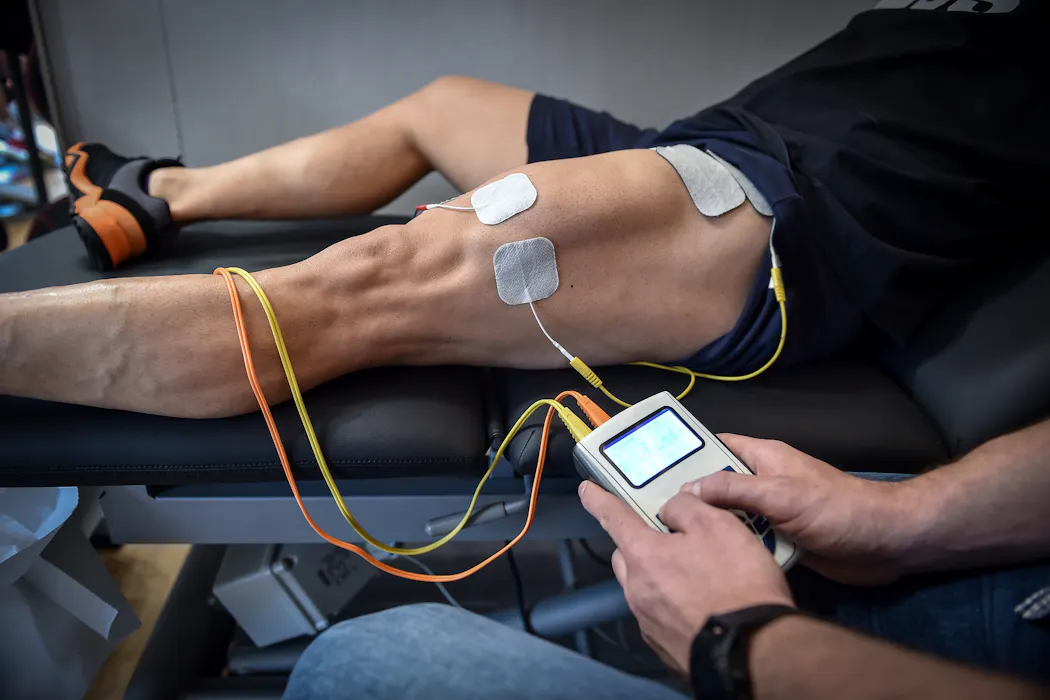
EMS training could be particularly beneficial for people with osteoarthritis who have limited mobility or pain.roibu/ Shutterstock
An estimated 595 million people globally are living with osteoarthritis. This makes it one of the leading causes of pain and disability.
Osteoarthritis is a degenerative joint disease, in which tissues in the joint break down over time. The condition can affect any joint, but most commonly the knees, hips, hands and spine.
However, the impact of osteoarthritis often goes beyond the affected joint. The condition can have profound effects on daily life.
Research shows that people with osteoarthritis are less likely to remain in work and more likely to develop additional health problems, such as diabetes, obesity and poor mental health, than those without the disease.
One of the key approaches recommended for managing osteoarthritis is exercise, including aerobic exercise and muscle strengthening. It’s shown to be extremely beneficial for managing the condition and its associated symptoms.
But not everyone who has osteoarthritis is able to exercise due to pain and limited mobility. This is why electrical muscle stimulation, a novel technology that uses small electrical impulses to help muscles contract, is being investigated for managing osteoarthritis.
Exercise for osteoarthritis
Aerobic and muscle strengthening exercises are both proven to address key drivers of osteoarthritis symptoms.
Muscle strengthening exercise improves joint stability by supporting the surrounding musculature. This reduces stress on the joint and improves movement.
Together, these approaches can help to break the cycle of pain, inactivity, weight gain and physical decline that can happen in osteoarthritis.
In fact, data suggests that people with musculoskeletal conditions (such as osteoarthritis) are around twice as likely to be physically inactive as their healthy counterparts.
Reported barriers to physical activity include pain, limited mobility, negative experiences of physical activity and a lack of motivation. But the less we move, the more muscle mass and strength we gradually lose.
A difficult cycle can then emerge, whereby pain, stiffness and fear of making symptoms worse all discourage movement. Then, without movement, stiffness and pain worsen.
An alternative approach
When exercise feels too painful or isn’t possible, electrical muscle stimulation (EMS) may offer an alternative method for maintaining and improving strength.
This works by placing electrodes on the skin to deliver small electrical impulses, causing muscles to contract without the joint needing to move. The electrical impulse is similar to the signal we normally send from our nervous system when we want to perform a movement.
The therapy can be used in isolation, or it can be applied during exercise to activate even more muscle fibres in what is called a superimposed muscle contraction.
Electrical muscle stimulation also shows promise for those with severe, end-stage osteoarthritis who are preparing for surgery.
For example, one study compared the effects of performing EMS or exercise before surgery for knee osteoarthritis on postoperative outcomes. The study found that participants who used EMS for 20 minutes a day, five days a week in the six weeks before surgery saw greater improvements in postoperative muscle mass, strength and function, compared with patients who performed physical exercise.
Muscle weakness is common both before and after surgery, partly due to pain and reduced movement. While exercise programmes before and after surgery are widely recommended, research suggests they often only have modest effects on functional recovery from joint replacement surgery.
That said, electrical muscle stimulation is not a magic solution and has its limitations. In many cases, it works best as a complement to, not a substitute for, active rehabilitation.
The body of evidence for its effectiveness in osteoarthritis is also still evolving. Some studies showed inconsistent results or were only conducted using a small sample.
Some people find the sensation of electrical stimulation uncomfortable. Some aren’t suitable for its use (for example, those with pacemakers) and devices can be expensive to buy.
Nonetheless, for those who cannot exercise due to pain, swelling or limited mobility, EMS offers a practical tool to maintain muscle strength. This can help them stay active and independent for longer, recover quicker from surgery, and maintain a better quality of life.
Louise Burgess does not work for, consult, own shares in or receive funding from any company or organisation that would benefit from this article, and has disclosed no relevant affiliations beyond their academic appointment.
Chronic obstructive pulmonary disease, or COPD, is one of the world’s leading causes of death, responsible for 3.5 million deaths in 2021 alone. It is often thought of as a disease of older smokers. But that picture is too simple. COPD usually develops slowly over many years, often long before symptoms become obvious.
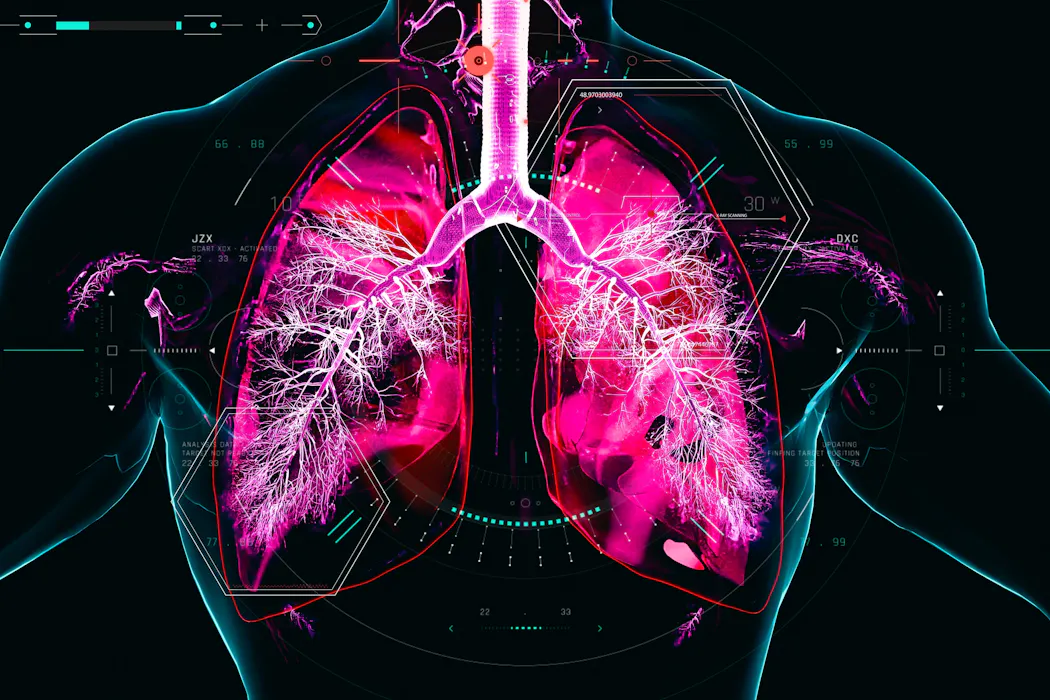
COPD is a long-term lung condition that makes it harder to move air in and out of the lungs. It includes damage to the airways, often described as chronic bronchitis, and destruction of the tiny air sacs in the lungs, known as emphysema. Because this damage builds up gradually, many people do not realise anything is wrong until symptoms become difficult to ignore. There are treatments that can help, but there is no cure, and by the time COPD is diagnosed the damage is often permanent.
Common symptoms include a long-term cough, bringing up mucus and shortness of breath. These symptoms often appear later in life, which helps explain why COPD is so often seen as an older person’s disease. But in many cases, the damage started decades earlier.
Many environmental irritants can harm the lungs, but cigarette smoke remains the main cause of COPD. Cigarette smoke contains thousands of chemicals, including toxic gases and cancer-causing substances, that injure lung tissue and trigger oxidative stress, a form of cellular damage that drives inflammation.
Inflammation is part of the body’s normal defence and repair system. Usually, it settles once the source of harm has gone. But in COPD, the lungs may be exposed to cigarette smoke day after day, so the inflammatory response never properly switches off.
Over time, immune cells sent to repair the damage can end up injuring the lungs further. The airways become narrower, the lungs produce more mucus, and the tiny air sacs known as alveoli can break down. Together, these changes make breathing increasingly difficult.
As the disease progresses, the lungs are physically altered in ways that cannot be fully reversed, even if someone stops smoking. COPD inflammation also does not always respond well to standard anti-inflammatory medicines such as steroids, which is one reason prevention matters so much.
Although cigarette smoking remains the main driver of COPD, e-cigarettes are also raising concerns. Vaping aerosols can contain nicotine, ultrafine particles and flavouring chemicals that may irritate the lungs and contribute to inflammation. The long-term effects are still unclear because these products are relatively new.
That matters particularly for younger people. In Great Britain, recent survey data suggest that 7% of 11- to 17-year-olds currently vape. While that does not mean they will go on to develop COPD, it does mean more young lungs are being exposed to substances whose long-term effects are not yet fully understood.
COPD is often diagnosed only after major lung damage has already occurred. Because it develops so gradually, people may dismiss early breathlessness, coughing or mucus production as a consequence of getting older, being unfit or smoking. Respiratory organisations warn that symptoms such as cough, phlegm and shortness of breath should not be treated as a normal part of ageing, while studies show that COPD remains widely underdiagnosed, including among people with respiratory symptoms.
The burden on health systems is huge. A 2023 study estimated that COPD could cost the global economy around INT$4.3 trillion between 2020 and 2050. International dollars adjust for differences in prices between countries; in broad terms, this is roughly equivalent to US$4.3 trillion in US purchasing power, or about £3.2 trillion if treated as US dollars at current exchange rates. Hospital admissions often rise in winter, when people with COPD are more vulnerable to bacterial and viral infections that can worsen symptoms and speed up decline.
That is why the most important window for action may come much earlier in life. By the time many people are diagnosed, the disease has been developing for years. Better education about lung health at school age could help people understand that choices made in their teens and twenties may shape their breathing decades later.
COPD care has traditionally focused on treating symptoms once they appear. But by then the lungs may already be permanently damaged. Seeing COPD as a disease that develops slowly over decades could shift attention towards earlier prevention and, ultimately, reduce its human and economic cost.
Jennifer Loudon Moxen does not work for, consult, own shares in or receive funding from any company or organisation that would benefit from this article, and has disclosed no relevant affiliations beyond their academic appointment.
A great Tyrannosaurus rex strides through the conifer trees of her territory, sniffing the air. She picks up the scent from the carcass of a dead horned dinosaur, Triceratops, that she was feeding on yesterday. She walks over and strips off some more shreds of meat, but the smell is foul even for her.
She goes down to the lake to drink and small crocodiles and turtles scuttle into the water. But she hardly sees them. Of more interest is an armoured dinosaur, Ankylosaurus, lurking nearby. However, she knows this dinosaur won’t be an easy kill and she isn’t desperate enough for food to risk a fight. Little does she know there are bigger dangers ahead. She looks up and sees a bright light racing downwards accompanied by faint crackling and sizzling noises.
Our T. rex has excellent hearing for low frequency sounds and she is disturbed by the vibrations she can feel. But her upset only lasts for a moment. In a flash, she has been burnt to a crisp and her world changed forever.
This all happened 66 million years ago, when a huge asteroid famously hit the Earth in the area of what is now the Caribbean. At the end of the Cretaceous period, sea levels were 100–200 metres higher than today, so the shores of the Caribbean lay far inland over eastern Mexico and the southern United States. The impact happened entirely within these waters.
The event triggered instant changes to our planet and its atmosphere and led to the extinction of the dinosaurs and about half Earth’s other species. But what would it have been like to experience such an gargantuan impact? What would you have seen, heard or smelled? And how would you have died – or survived?
The Insights section is committed to high-quality longform journalism. Our editors work with academics from many different backgrounds who are tackling a wide range of societal and scientific challenges.
As experts on meteoritics and palaeontology, respectively, we’ve created a detailed timeline, based on decades of research, to take you right there. So let’s start by travelling back in time to the very last day of the Cretaceous.
T-minus one day
All is calm and the Cretaceous day proceeds as usual. In what will soon be ground zero, it is pleasantly warm, about 26°C, and wet. It often is. For about a week, the asteroid has been visible only at night. Because the giant rock is heading straight towards Earth, it looks like a motionless star. There is no dramatic tail; this is a rocky asteroid rather than a comet.
The dinosaurs were enjoying nice weather before the big impact. Orla/Shutterstock
In the last 24 hours, the light becomes visible during the daytime. But it still looks like a star or planet, getting as brighter in the final few hours before impact.
T equals 0: the impact
If you were close by, you would first have experienced a brief light and sound show. Minutes to seconds before the impact, you’d have seen the bright fireball, and its accompanying crackling or fizzing noises. This sizzling sound is a result of the photo-acoustic effect: the intense light of the fireball warms the ground, which then heats the air above it, causing pressure waves, or sound.
Next, a deafening sonic boom, which occurs because the asteroid is travelling faster than the speed of sound. But the asteroid is so huge, perhaps 10km in diameter, that it almost certainly hits the ground before any living creature near the impact zone has time to run for cover.
The asteroid’s enormous energy forms a crater through a series of processes that together take only a few seconds. As the asteroid collides with the surface, its kinetic (movement) energy is instantly transferred to the surface as a combination of kinetic, thermal (heat) and seismic energy (released during earthquakes). This results in a series of shock waves that heat and compress both the asteroid and its target.
As the shock waves propagate, rocks fracture, break up and are ejected, producing a bowl-shaped depression, or transient cavity, about ten seconds after impact. The heat and compression also melt and vaporise large volumes of material, including the asteroid itself, releasing a fountain of incandescent vapour (its temperature is more than 10,000 K, or 9726.85°C).
Over the next few seconds, the cavity increases in size to many times the diameter of the original asteroid. Simulations suggest that around 20 seconds after impact, the transient cavity is at least 30km deep – deeper than the deepest depth currently known on Earth, the 11km Challenger Deep valley, part of the Pacific Ocean’s Marianas Trench. The rim of the crater is over 20km high – more than twice the height of 8,900m Mount Everest.
But this enormous feature lasts for less than a minute before it starts to collapse. Within three minutes of the impact, the centre of the crater has rebounded to form a peak several kilometres high. The peak only lasts about two minutes before collapsing back into the crater.
Whether a dinosaur or a dung beetle, if you were near the transient cavity you would have been incinerated instantly by the blast. But even if you were up to 2,000km from the epicentre, you’d likely have been killed quickly by the thermal radiation and supersonic winds now spreading out from the impact site.
T-plus 5 minutes
Five minutes after the impact, the winds have “eased” to those of a category 5 hurricane, flattening everything within about 1,500km of the impact. Destroying everything, that is, which has not already been burnt. Atmospheric temperatures in the region rise to over 500K (226.85°C). This would feel like being inside an oven – causing burns, heatstroke and death. Wood and plant matter ignite, creating fires everywhere.
Because the asteroid struck the sea, the atmosphere is also filled with super-heated steam, making the hurricane-force winds even deadlier.
Next come the tidal waves, triggered by the vast quantities of displaced rock and water. These 100-metre megatsunamis first strike the shores of what is now the Gulf of Mexico, engulfing the land before depositing huge amounts of debris as they retreat.
By now, the crater has almost reached its final dimensions – 180km across and 20km deep. But making an enormous hole in the ground isn’t the only outcome of the impact. All the rock and vapour displaced during the collision has to go somewhere. Several locations in Northern America show that metre-sized blocks of debris from the impact were thrown distances of hundreds of kilometres.
So if you were 2,000km to 3,000km from the epicentre and survived the first few seconds, you’d most likely die from overheating, earthquakes, hurricanes, fires, tsunami-driven floods or being hit by impact melt.
But what is happening much further away? In the first five minutes after impact, dinosaurs roaming the Cretaceous forests of what are now China or New Zealand are so far undisturbed.
But it won’t be long before that changes.
T-plus one hour
Shockwaves on land and sea are only minor inconveniences compared with the fire that is still radiating down from the sky. Some of the impact energy has been transferred into the atmosphere, heating the air and dust to incandescence.
An hour after impact, a belt of dust has circled the globe. Deposits of solidified molten droplets (impact spherules) and mineral grains have been found in numerous locations from New Zealand in the south to Denmark in the north. In these locations, you would not have been aware of the tsunamis around the Americas or the wildfires, but the skies would certainly have begun to darken.
T-plus one day
By now, huge tsunamis are moving east across the Atlantic and west across the Pacific, entering the Indian Ocean from both sides.
They are still around 50m high – causing death and destruction across many coasts around the world. By comparison, the 2004 Boxing Day tsunami reached heights of up to 30 metres. Tsunamis kill fishes and marine life that are washed high on the shore and then dumped, just as they kill coastal trees and drown land animals. But the tsunamis gradually fade away and probably don’t wipe out any entire species – at least on their own.
The hurricane force winds have also died down, but tropical storm strength winds are whipping up debris and causing further chaos and destruction across the tsunami-affected areas. The burning sky is also triggering wildfires across the globe – which, in turn, carry ever more soot into the atmosphere. The sooty signature of these wildfires has been found deposited as carbon particles in sediments from the K-Pg boundary – a 66-million-year-old thin clay layer.
Further away, in what is modern Europe and Asia, the skies continue to fill up with dust and soot, as they do everywhere. Temperatures start to drop as sunlight is blocked. Trees and plants in general, including phytoplankton, close down as if for winter, unable to photosynthesise. Any animals that rely on warm conditions ultimately hunker down and die.
T-plus one week
It’s getting darker and darker. Simulations of solar radiation reaching the Earth’s surface following the impact indicate that, after about a week, the solar flux (the amount of heat and light per a certain area) is just one thousandth of that prior to the impact. This is caused by particles of dust and soot in the atmosphere.
The continued decrease in light levels is accompanied by a global drop in surface temperatures of at least 5°C. This means that most of the dinosaurs and other large flying and swimming reptiles probably die from freezing within the course of this first week (smaller reptiles with slower metabolisms or more flexible diets could survive longer). Cooling temperatures and cloud cover also lead to rain. But not just any rain. Storms of acid rain fall across the Earth.
Two separate mechanisms generate acid rain. The first is down to the geology of the impact region. The asteroid happened to hit an area of sediments rich in sulphur, which vaporised and caused sulphur oxides (acidic and pungent gas compounds composed of sulphur and oxygen) to be part of the plume of plasma blasted into the atmosphere. Second, the energy of the collision was sufficient to turn nitrogen and oxygen into nitrogen oxides – highly reactive gases that can form smog.
The dropping temperature ultimately allows water vapour to condense into drops, and the sulphur and nitrogen oxides dissolve to form sulphuric and nitric acids. This is sufficient to generate a rapid drop in pH. Early models suggest that the pH of the rain might be as low as 1 – the same acidity as battery acid.
At this point, Earth is not a great place to be. Rotting vegetation, choking smoke and sulphur aerosols combine to make the planet stink. Plants and animals on land and in shallow seas that have survived the darkness and cold succumb to the corrosive acid rain and ocean acidification. Acid rain also kills trees by leaching nutrients such as calcium, magnesium and potassium from the soil. Shallow marine shellfish, crustaceans and corals also die as acid seawater destroys their skeletons.
T-plus one year
Winds die down, wildfires are extinguished and the oceans are once again calm. It might appear that the asteroid collision is just a scar on the ocean floor. But its effects are still destructive. The atmosphere is still filled with dust and the Sun hasn’t shone for a year. Temperatures have continued to drop, with the average surface temperature now 15°C lower than before the impact. Winter has come.
Any dinosaurs or marine reptiles that survived the first week of freezing conditions would have died very soon after. A year after the impact, only rotted skeletons of these behemoths remain. Here and there, smaller animals like mammals the size of rats and insects would be nestling in crevices, barely surviving on their reserves and decaying plants.
While most plant groups and many of the modern groups of insects, fishes, reptiles, birds and mammals recover reasonably rapidly, things don’t look great for other species. Dinosaurs and pterosaurs living on land are extinct, as are many marine reptiles, ammonites, belemnites and rudist bivalves in the oceans. Ammonites and belemnites are high in their food chains, and so suffer not only from the cold and acidification but also from the loss of abundant food resources, such as smaller marine organisms.
T-plus ten years
The Earth is still in the grip of a fierce winter. Although most of the sulphur has rained out of the atmosphere, dust and soot particles remain. The average surface temperature is still about 5°C lower than before the impact. The main oceans have not frozen, but inland lakes and rivers around the world are iced over.
Surviving plant and animal groups such as turtles, smaller crocodiles, lizards, snakes, some ground-dwelling birds and small mammals repopulate the Earth at this point. But they are forced back to limited areas of relative safety a long way from the impact site. These areas are now receiving sufficient sunlight for plants and phytoplankton to photosynthesise again. As leaves and seeds provide the basis for the food chains on land and in the sea, life begins to rebuild.
Eventually, life returns to the devastated landscapes, but ecosystems are very different and the dinosaurs are no more.
T-plus 66 million years
Today, 66 million years after the impact, the scars of the collision are hidden within geological strata – and scientists have started deciphering them. It was in 1980 that researchers first reported evidence of the impact. In their classic paper, Luis Alvarez, a Nobel-prize-winning physicist, and co-authors, described a sudden enrichment in the element iridium in a specific clay layer in Denmark and in Italy.
Iridium is rare in surface rocks because most of it was sequestered in Earth’s core when the planet first formed. However, iridium is found in meteorites, and Alvarez and colleagues inferred that the rate of accumulation of the metal in the sediments was so high that it could only have been produced by impact of a gigantic meteorite.
Because the scientists had only observed the iridium spike in two locations, the impact hypothesis was rejected by many scientists at the time. However, through the 1980s, iridium spikes were identified in clay layers at more and more locations – in muds laid down on land, in lakes, in the sea.
Support for an impact hypothesis strengthened when a crater of the correct age was found in 1991. The crater is buried beneath younger rocks, but clearly visible in geophysical surveys, lying half on land in the Yucatán Peninsula of Mexico, and half offshore. Since 1990, evidence for the impact has increased, not least when scientists discovered that there was indeed a sharp cooling event at the end of the Cretaceous.
Possible T rex footprint from New Mexico. Wikipedia, CC BY-SA
In total, it is estimated that half the species of plants and animals alive at the end of the Cretaceous disappeared. It was once thought that surviving groups such as many plants, insects, molluscs, lizards, birds and mammals somehow escaped unscathed. But detailed study shows that this is not the case – they were all hit hard.
But, by chance or luck, enough individuals and species were able to survive the cold and absence of food, or were in parts of the world where the effects were less extreme. As the world returned to normal, they had the opportunity to expand rapidly into their old niches, but also to occupy the space vacated by extinct groups. In fact, one important consequence of the extinction of the dinosaurs, apex predators in their heyday, was the successful spread and evolution of mammals.
When Alvarez and colleagues first described the drop in temperature following the impact, they called it a “nuclear winter”, reflecting the political climate of the early 1980s. Now we might be more inclined to describe the effects as a global climate change – similar events are currently resulting from increased carbon dioxide in the atmosphere (flooding, temperature fluctuations).
It is salutary to think that without the asteroid collision, primates might never have reached the level we are at today. But it is equally salutary to consider that modern humans are causing some of the same changes to the atmosphere that ultimately killed our reptilian forbears and may one day also lead to our own demise.
To hear about new Insights articles, join the hundreds of thousands of people who value The Conversation’s evidence-based news. Subscribe to our newsletter.
Monica Grady receives funding from the Leverhulme Trust for an Emeritus Fellowship and from the STFC. She is affiliated with The Open University, Liverpool Hope University and the Natural History Museum, London.
Michael J. Benton does not work for, consult, own shares in or receive funding from any company or organisation that would benefit from this article, and has disclosed no relevant affiliations beyond their academic appointment.
Researchers at MIT have suggested that rice seeds can hear the sound of rain, according to a new study. MIT calls it “the first direct evidence that plant seeds and seedlings can sense sounds in nature”. Perhaps surprisingly, the effects reported in this new study are not as radical as they may appear.
Playing music to your plants may sound eccentric, but a few previous studies have found it has some effect. For example, a 2024 study found bok choi grew better to classical music but less well to rock and roll. Nor is this an isolated phenomenon. Sound can have a range of effects on plant behaviour.
For example, some flowers use the pitch of an insect’s buzz to determine whether they will release their pollen. Both arabidopsis (thale cress) and tobacco plants produce higher levels of toxins, such as nicotine, in response to the sound of caterpillars chewing on neighbouring plants. There have also been reports that notes from a synthesiser can increase seed germination and seedling growth in mung beans, cucumber and rice.
Many people think of plants as nice-looking greens. Essential for clean air, yes, but simple organisms. A step change in research is shaking up the way scientists think about plants: they are far more complex and more like us than you might imagine. This blossoming field of science is too delightful to do it justice in one or two stories. This article is part of a series, Plant Curious, exploring scientific studies that challenge the way you view plantlife.
In contrast to previous experiments using electronic tones from a speaker, the MIT researchers instead tested the effect of a natural sound upon rice germination: the fall of rain. Rice can grow in soil or under water, and the researchers started by measuring the sound made by raindrops falling onto shallow puddles similar to the paddies they sowed seed in. The volume of sound waves created by drops landing on water was incredibly loud, equivalent to someone shouting straight into your ear, but mostly at frequencies too low or too high for a human to hear.
They then poured simulated rain on some of the pools containing rice and compared their rate of sprouting with seeds in still water. They found that although water droplets imitating light rain had little effect, heavier rain increased germination, and the heaviest by more than 30%.
They also picked up on an important clue from a previous study about how the rice might be detecting the sound. A 2002 study found that mutant arabidopsis plants which can’t make starch didn’t respond to vibration in the same way that normal arabidopsis do.
Sound waves are just vibrating energy travelling through a gas, liquid or solid that make objects, such as the eardrum membranes we use to hear, shake as they pass. Sound is one way we detect vibrations. The MIT researchers theorised that perhaps plants needed to be able to make starch to detect sound.
This drew their attention to structures called statoliths, from the Greek for “standing stone”. Plant cells that can detect gravity each contain several statoliths filled with highly dense starch which sink through the cell. As they fall, the statoliths brush against other structures in the cell and come to rest pressing on its bottom, telling the plant which way is down.
To test their theory, the researchers modelled the effect of the recorded sound upon statoliths in the rice seeds. They found that the rain sounds could make the statoliths bounce up from the bottom of the cell like beads on a drum. Light rain would have little effect, but as the rain sound got heavier the statoliths jumped higher and faster, matching the stimulation of germination.
It also seemed that the layer of statoliths in the bottom of the cell would behave almost like a liquid, similar to the balls in a children’s ball pit, and that the sound energy would stir this “liquid” and help spread chemical messages to the rest of the plant.
The mutant arabidopsis from the previous study probably couldn’t sense vibrations because they can’t make the starch that their statoliths need to work. This suggests that that statoliths may be one way that plants “hear”.
Although there is now little doubt among scientists that plants can detect and respond to sounds, is this really hearing or is a mind needed to perceive the signal? Plants don’t have a nervous system and centralised brain like humans and most other animals. There has, however, been a lively debate amongst scientists about whether plants demonstrate some type of intelligence or not.
Observations of plant behaviour that appears intelligent include a 2017 study in which pea roots seemed to follow the sound of water through a simple maze, and 2016 research that claimed pea shoots learned that they would find light if they followed the direction of wind from a fan.
Scientists have observed electrical signals in plants of a similar type to those in our nerves, even if they are not carried by specialised structures like our nervous system. In many cases we don’t know what they do, but this may be because plants often respond in ways that aren’t obvious to us.
And there may be other factors at play. Hearing may require an organism that is conscious to sound. There are many definitions of consciousness. But mother and daughter scientists Lynn Margulis and Dorian Sagan have argued that at its most fundamental, consciousness is simply an awareness of the world outside the organism. If so, this is surely something that all species must possess if they are to respond to their environment and survive, even if it varies in complexity and nature.
Maybe the world of a rice seedling is too different to ours for us to understand, but it may not be too much of a stretch to say that they hear the sound or rain.
Stuart Thompson has received funding from MAFF and the Nuffield Foundation and has consulted to the University of Copenhagen.
The UK’s local elections saw the Green Party gain 440 councillors across England and win its first two elected mayors. They will join many councillors from all parties who will have to confront the same question: what can any one local authority actually do about climate change?
If they ask what they are required to do, the answer is: surprisingly little. In the UK’s highly centralised system, most responsibility lies with central government. Local authorities in England have no specific climate duties or targets – even though they have asked for them.
Ask instead what councils can do, and the answer is very different. Powers over things such as planning, business development, transport and social care, open up a huge range of opportunities to contribute to climate action. There are hundreds of initiatives driven or supported by local politicians which could provide vital inspiration to newly elected councillors.
Global problem, local action
For instance, local authorities across Cambridgeshire have worked together on a plan to boost home energy efficiency, providing help and funding to householders to fit heat pumps, cut energy use and bills, and creating green jobs.
The Robin is a new transport service in rural Gloucestershire that can be booked on demand, to fill in gaps in formal transport provision and reduce isolation for rural dwellers who don’t have access to a car. Leeds City Council has partnered with private energy companies to develop Pipes, a city-wide district heating network. Some local authorities, including North Somerset and Sheffield, have even banned advertising of high-carbon products and services such as petrol cars and flights.
The tallest structure in Bristol is this wind turbine, owned collectively by residents of the Lawrence Weston housing estate. Captain Galaxy / wiki, CC BY-SA
In Lawrence Weston, a relatively low-income area of Bristol, local government and a community organisation worked together to build the UK’s largest onshore wind turbine, which ploughs its revenues back into the community.
In Hull, an area prone to flooding, the council is working closely with local residents to protect them from increasingly extreme weather, through sustainable urban drainage systems, and a “floodmobile” which engages with local communities to discuss how best to protect households and gains vital feedback from people’s experiences.
People want more action
My local town council, Kendal, held a citizens’ jury in 2020, to ask residents what Kendal should be doing about climate change. It was one of the first of many local assemblies and juries to involve a randomly selected group of ordinary people in climate decision-making.
My research group has pulled together the findings of over 30 of these processes. It found that people want more action on climate and support more ambitious policies on transport, home energy and green space. They want the opportunity to be more involved in the decisions that affect them.
Kendal, near England’s Lake District, hosted one of the country’s first citizens’ juries on climate change. Kevin Eaves / shutterstock
Since Kendal’s jury, the town council has used its very limited budget to create more allotments, set up a bike maintenance hub, and support a community-run café that uses surplus food from supermarkets to serve pay-as-you-can meals.
These examples, from cities, towns and rural areas, involving councillors of all political persuasions, show what can be done by a determined local authority. What they have in common is they connect climate goals to immediate local benefits: lower bills, better transport, more green space and help for families struggling to make ends meet.
But there are limits
While it’s important to celebrate these successes, there’s a need to attach a substantial health warning. Each initiative has relied on a determined council officials, elected members, and community and business support. Nearly all need external funding, which is increasingly hard to come by. Local councils’ own budgets are under constant pressure, and there are fewer staff in post. Funding per person has decreased by 18% since the 2010s. Remember that councils have no formal duties to reduce emissions – and it’s easy to understand why many feel they need to prioritise elsewhere.
It’s also an uncomfortable, rarely discussed, truth that some things local councils do actually make it harder to meet our climate objectives. Examples include planning policies which increase car dependence through low-density housing and out-of-town developments, poor transport planning which makes walking and cycling more dangerous, and support for high-carbon industrial development. We may have a climate crisis on our hands, but with limited budgets and an increasingly fraught political arena, there is a huge temptation for local councillors to look the other way.
Given this mixed and confusing picture, one of the things a new councillor could do to have the most impact would be to lobby for clear climate-related responsibilities, targets and funding for local areas. This would provide firmer foundations for local areas to act, would raise the floor, to ensure that all local areas were playing their part, and would standardise reporting so that we could compare and learn what results in the best outcomes for climate, people and nature.
Perhaps targets, funding and reporting is not the best rallying cry for climate action, but it would be the best way to make sure that these exceptional initiatives that have sprung up across England could become the norm – not the exception.
Rebecca Willis receives funding from UK Research and Innovation (UKRI).
Source: The Conversation – UK – By Daniel Gover, Senior Lecturer in British Politics, Queen Mary University of London
Despite MPs backing proposals last year to legalise assisted dying in England and Wales, the plan did not become law. The bill failed to complete its passage through the House of Lords – not because peers voted against it, but because a relatively small number proposed an unprecedentedly large list of amendments. As a result, the bill ran out of time.
But this is unlikely to be the end of the story for assisted dying. MPs who support the change have called for the bill to be brought back in the new parliamentary session, which begins on May 13. They have reportedly been joined in their demands by almost 200 peers in the Lords.
Their strategy will be for MPs to pass the bill again in an identical form. If they do so, it could become law even if the Lords fails to pass it. This is possible because of special powers to override the Lords under what are known as the Parliament Acts. But achieving this will not be straightforward – to succeed, supporters will need to overcome four key challenges.
Challenge 1: Winning the lottery
The first challenge will be for a supporter to be drawn high in the private members’ bill ballot. At the start of each session, 20 MPs are selected from this random draw to receive priority access to the very limited Commons time available for private members’ bills. Those drawn highest pick their slots first, giving them the best chance of success.
A supporter would need to be drawn among the top seven places to guarantee a full day’s debate (and therefore a vote) on their bill – a key requirement to prevent it being “talked out”. But in reality, they probably need to be drawn in the top three. Supporters say they have around 200 MPs willing to reintroduce the bill if selected.
If advocates do not win this legislative lottery, they have other options. One is to introduce a different form of private members’ bill, known as a presentation bill, but this will struggle unless ministers grant it time. Less likely is a government bill. Either way, ministers would need to provide public assistance in ways they have so far been reluctant to.
Challenge 2: Maintaining support from MPs
The next task will be to maintain a coalition of MPs behind the bill, which would again be subject to a free vote. Although MPs backed the bill last time, supporters may be concerned that the margin of victory more than halved during its Commons passage – from 55 at the initial second reading vote to 23 at the final third reading. Fourteen MPs switched from support to opposition, while just one made the opposite journey. If this trend continued, the majority behind the bill could evaporate.
But the reverse is also possible, especially if some opponents choose to back it as a point of democratic principle. Liberal Democrat leader Ed Davey, who voted against the bill’s first iteration, has criticised as “undemocratic” the Lords’ failure to complete its scrutiny. It is possible that he and others could switch their votes.
Challenge 3: Avoiding new amendments
To be able to use the Parliament Acts to override the Lords, MPs would need to back the new bill in essentially an identical form to the first time. During the first bill’s passage, MPs made more than 200 amendments. Supporters will want to avoid doing so again.
MPs can amend bills at their committee and report stages. On the few occasions when the Parliament Acts have been used, ministers have usually moved a motion to effectively cancel these stages – preventing MPs from making changes. But the Parliament Acts have never before been used on a private members’ bill, and it is unclear how these stages could be avoided without government assistance.
Otherwise, these stages would proceed as normal. This would not only slow the bill’s passage through the Commons but would also risk the bill being amended – which would of course prevent the Parliament Acts being used. As such, any amendment passed in the Commons could effectively scupper the bill. This could provide cover for opponents who would prefer not to be seen blocking the bill outright.
Challenge 4: Incorporating amendments they do want
There is another snag for supporters of the assisted dying bill. The version of the bill passed last year by MPs is not the version they would ideally like to see on the statute book. Supporters cannot include any changes when they ask MPs to vote again for bill, but they will want to add some later.
For instance, Labour peer Charlie Falconer, the bill’s sponsor in the Lords, proposed almost 80 amendments last time – typically implementing changes requested by government lawyers, or responding to parliamentary pressure including from influential Lordscommittees. The slow pace of Lords scrutiny meant that most of these were never reached.
The Parliament Acts provide a mechanism to deal with this: an unusual “suggested amendments” process, enabling MPs to send the amendments to the Lords alongside an otherwise-identical bill. But this process would probably require ministers to provide Commons time.
Over to the Lords (part two)
Making it around these obstacles would require a combination of luck, tactical nous and sustained popular support. It is also likely that it will require a more overt helping hand from ministers on the process – though the government will remain neutral on the policy. Such assistance seems more doubtful if Prime Minister Keir Starmer is ousted.
If the bill makes it to the Lords a second time, and in an identical form, it would then be up to peers to scrutinise it again. But whereas last time opponents in the Lords had incentives to drag out scrutiny, this time their best interests would be served by reaching agreement on safeguards before the session ends. Because, if they fail to do so, the bill could be passed into law regardless.
Yet just because MPs could override the Lords, it does not mean they necessarily will: some form of compromise seems more likely. If peers amend the bill a second time around, MPs could still accept these changes. And we shouldn’t forget that, given the breadth of expertise in the Lords, doing so could also make for a better law.
Daniel Gover does not work for, consult, own shares in or receive funding from any company or organisation that would benefit from this article, and has disclosed no relevant affiliations beyond their academic appointment.
Nature is critical for our national health, wellbeing and security. Most national leaders haven’t really taken this on board yet because it is just too big an issue to handle.
Many societies have evolved to exploit the ecosystem services (the many and varied benefits that people gain from nature) that we get for free. Admitting this puts our leaders in a difficult situation when trying to explain why we aren’t doing a better job of looking after nature.
The UK government recently conceded that the collapse of ecosystems represents a critical risk to our food, security and finances. This is because the UK is one of the most nature-depleted countries in the developed world, ranked in the bottom 10% of all countries. That low biodiversity leads to ecosystems that are less resilient. This makes the risk of ecosystem collapse more acute.
It can also be hard for governments to prioritise the risks of ecosystem collapse above conflict, energy poverty and food supply chain issues. Especially when these risks are often thought of as being long-term and difficult to quantify. Instead, governments might argue that membership of certain conventions and treaties commit us to protecting 30% of our land and sea to nature conservation by 2030. So there is a plan to restore nature in the UK.
Despite that, governments consistently misunderstand the depth to which our society depends on functioning healthy ecosystems and how acutely exposed we are as a country – so we underestimate the risks of it all going wrong.
Sand dunes at Morfa Harlech National Nature Reserve in Snowdonia, north Wales. Alex Manders/Shutterstock
The UK National Ecosystem Assessment was a national stocktaking of the state of our national natures. It did its best to highlight these ecosystem risks in the early 2010s – but really only set in train a narrative that “ecosystem risks are economic risks”. And economic risks can always simply be traded-off, offset or commodified. But ecosystem risks are not simply economic – they are existential to society and the state.
National nature restoration ought instead to be a security-framed issue for government. One way through this would be for states for adopt the mission of national nature restoration as their central organising principle. This means a narrative that sets the rules and terms of reference across the whole of government – for policy, institutions and the economy.
A mission-led nation
Wales is a great example of how this can work. For the past two decades the Welsh government has made sustainable development its central organising principle. We have learnt from the Welsh experiment that trying to wrap the entire business of a government into a single narrative is politically risky and challenging.
Moreover, to be politically successful these narratives have to be inclusive across society, emotionally and materially compelling for citizens and plastic enough to encompass a range of different functions and policy agenda.
Nevertheless Wales has shown us that adopting mission-led central organising principle of this kind are possible. Analysis by the Organisation for Economic Co-operation and Development (a global policy forum), the Institution of Environmental Sciences (a global professional membership body for environmental scientists), Carnegie UK (a charitable foundation that aims to improve wellbeing) and others show how the Welsh experiment of making sustainable development the central organising principle of the state has improved people’s health, education and wellbeing.
The carbon footprints associated with Welsh households fell by 37% between 2001 and 2020. Wales is a world leader in household recycling, with a 65.7% recycling rate for local authority municipal waste in 2022-23. In 2015, public service boards of local leaders were created to deliver wellbeing outcomes for places and people in Wales. These have ensured accountability and successful implementation of plans. The Welsh model of sustainable development inspired the creation of the UN Declaration of Future Generations which combined 56 rules for sustainable development that ensure no one is left behind in the green transition.
Although there are different visions for what nature restoration means, research shows that the British voting public care about the idea of restoring our lost nature. In challenging and uncertain times, a national cause of nature restoration offers countries the chance to reclaim and own a progressive mission – and perhaps even build new political coalitions that offer a sense of national purpose and unity.
Nick Kirsop-Taylor does not work for, consult, own shares in or receive funding from any company or organisation that would benefit from this article, and has disclosed no relevant affiliations beyond their academic appointment.
Artificial intelligence has crossed a threshold in the modern workplace. It is being used for everything from helping employees manage schedules to supporting financial forecasts. A similar shift is now unfolding inside research laboratories.
There is currently a boom in national initiatives to accelerate the integration of AI into science. These include the US Genesis Mission and South Korea’s AI Co-Scientist Challenge. But despite clear benefits, we believe these institutional drives are neglecting important issues that carry immense risks for scientific research.
Today, more than half of researchers use AI for work tasks including reviews of academic journals and designing experiments.
AlphaFold is an AI tool developed to predict the structures of proteins for scientific research. Working out protein structures was incredibly time-consuming before its release – taking years in some cases. The same tasks now take hours. AlphaFold was acknowledged by the 2024 Nobel Prize in Chemistry.
Our key concern is that hasty adoption of AI may gradually erode the scientific culture and human relationships that sustain rigorous research. It starts with the erosion of core thinking skills among researchers, as a result of an increased reliance on AI to perform that work. This can alienate researchers from the deeper reasoning behind their work.
Loss of independent thinking
Early-career scientists are particularly vulnerable, because they are still developing their scientific reasoning. Troubleshooting skills and the critical evaluation of ideas may be outsourced to AI systems.
AI’s fluent, confident and immediate responses can easily be mistaken for authoritative information. Once researchers begin to treat AI outputs as implicitly correct, the responsibility for judgment calls may gradually shift from them to their machines.
AI’s persuasive arguments, probably drawn from mainstream ideas in their training data, could replace more rigorous, time-consuming and creative research approaches. These are traditionally shaped through critical back-and-forth discussions between researchers.
This can evolve into over-dependence. As reasoning is delegated to AI, researchers become less confident at working unaided. Unfortunately, modern scientific labs are full of conditions that reinforce this dependence, such as intense competition, long hours and frequent isolation.
Limited mentorship and feedback from colleagues that is delayed, critical or politically influenced can enhance this issue. In contrast, AI provides an immediate, patient and nonjudgmental alternative.
Scientists interact with AI systems daily in order to check computer code, revise illustrations or charts, draft the language for grant applications, clarify scientific concepts, and at times, ask for personal advice.
As researchers begin to trust the AI assistant, it can begin to function less like a tool and more like a companion. This phenomenon bears the risk of emotional dependency, too. When ChatGPT-4 was retired, many users expressed a form of grief.
Replacing relationships
Another important concern is the potential for replacement of human relationships in the office or research lab. AI is always available, nonjudgmental, noncompeting – and indifferent to office politics, with no ego to defend. It remembers context, adapts to individual working styles, and offers reassurance without social cost.
Early career researchers may be particularly at risk of over-reliance on AI systems for advice. PeopleImages / Shutterstock
Critical feedback from humans can feel adversarial, while AI responses feel supportive. So, early-career scientists might have good reason to prefer testing ideas or seeking validation through AI, rather than their peers or superiors.
The scientific community cannot thrive without opposing ideas, deep scepticism against consensus, vigorous debate and rigorous mentoring. If AI begins to replace these, it threatens the foundations on which scientific progress has always been made.
The current debate on AI safety mostly focuses on errors in models’ responses, or on AI systems circumventing the restrictions imposed on the way they work, known as “jailbreaking”. Such rules have limited effects when it comes to the AI models’ societal and cultural impact.
Given the recent drives to get scientists to work more closely with AI assistants, we should educate our young scientists on the risks of AI dependence. We also need benchmarks to rigorously test AI models for their ability to establish boundaries with users, to prevent overdependence and other unhealthy interactions.
Finally, all of us – but especially institutional leaders – should understand the capabilities and permanence of AI companionship. They are here to stay, and we should learn to make our relationships with them as healthy as possible.
The authors do not work for, consult, own shares in or receive funding from any company or organisation that would benefit from this article, and have disclosed no relevant affiliations beyond their academic appointment.








_-_February_2026_(3).jpg)