Tsunami warnings are triggering mass evacuations across the Pacific – even though the waves look small. Here’s why

Source: The Conversation – Global Perspectives – By Milad Haghani, Associate Professor and Principal Fellow in Urban Risk and Resilience, The University of Melbourne

Last night, one of the ten largest earthquakes ever recorded struck Kamchatka, the sparsely populated Russian peninsula facing the Pacific. The magnitude 8.8 quake had its epicentre in the sea just off the Kamchatka coast.

Huge quakes such as these can cause devastating tsunamis. It’s no surprise this quake has triggered mass evacuations in Russia, Japan and Hawaii.

But despite the enormous strength of the quake, the waves expected from the resulting tsunami are projected to be remarkably small. Four metre-high waves have been reported in Russia. But the waves are projected to be far smaller elsewhere, ranging from 30 centimetres to 1 metre in China, and between 1 and 3 metres in parts of Japan, Hawaii and the Solomon Islands, as well as Ecuador and Chile on the other side of the Pacific.

map showing tsunami travel times from Kamchatka epicentre.
This map shows the estimated time in hours for tsunami waves from an earthquake in Kamchatka to reach different nations.
NOAA, CC BY-NC-ND

So why have authorities in Japan and parts of the United States announced evacuation orders? For one thing, tsunami waves can suddenly escalate, and even the smaller tsunami waves can pack surprising force. But the main reason is that late evacuation orders can cause panic and chaos. It’s far better to err on the side of caution.

This video shows tsunami waves hitting Severo-Kurilsk, a town on the Kamchatka Peninsula in Russia.

Too early is far better than too late

When tsunami monitoring centres issue early warnings about waves, there’s often a wide range given. That represents the significant uncertainty about what the final wave size will be.

As earthquake scientists Judith Hubbard and Kyle Bradley write:

the actual wave height at the shore depends on the specific bathymetry [underwater topography] of the ocean floor and shape of the coastline. Furthermore, how that wave impacts the coast depends on the topography on land. Do not second-guess a tsunami warning: evacuate to higher ground and wait for the all-clear.

If the decision was left to ordinary people to decide whether to evacuate, many might look at the projected wave heights and think “what’s the problem?”. This is why evacuation is usually a job for experts.

Behavioural scientists have found people are more likely to follow evacuation advice if they perceive the risk is real, if they trust the authorities and if there are social cues such as friends, family or neighbours evacuating.

If evacuations are done well, authorities will direct people down safe roads to shelters or safe zones located high enough above the ocean.

When people outside official evacuation zones flee on their own, this is known as a shadow evacuation. It often happens when people misunderstand warnings, don’t trust official boundaries, or feel safer leaving “just in case”.

While understandable, shadow evacuations can overload roads, clog evacuation routes, and strain shelters and resources intended for those at greatest risk.

Vulnerable groups such as older people and those with a disability often evacuate more slowly or not at all, putting them at much greater risk.

In wealthy nations such as Japan where tsunamis are a regular threat, drills and risk education have made evacuations run more smoothly and get more people to evacuate.

Japan also has designated vertical shelters – buildings to which people can flee – as well as coastal sirens and signs pointing to tsunami “safe zones”.

By contrast, most developing nations affected by tsunamis don’t have these systems or infrastructure in place. Death tolls are inevitably higher as a result.

More accurate warnings, fewer false alarms

A false alarm occurs when a tsunami warning is issued, but no hazardous waves arrive. False alarms often stem from the need to act fast. Because tsunamis can reach coastlines within minutes of an undersea earthquake, early warnings are based on limited and imprecise data — mainly the quake’s location and magnitude — before the tsunami’s actual size or impact is known.

In the past, tsunami alerts were issued using worst-case estimates based on simple tables linking quake size and location to fixed alert levels. These did not account for complex uncertainties in how the seafloor moved or how energy translated into how much water was displaced.

Even when waves are small at sea, they can behave unpredictably near shore. Tide gauge readings are easily distorted by nearby bays, seafloor shape and water depth. This approach often came at the cost of frequent false alarms.

A stark example came in 1986, when Hawaii undertook a major evacuation following an earthquake off the Aleutian Islands. While the tsunami did arrive on time, the waves didn’t cause any flooding. The evacuation triggered massive gridlock, halted businesses and cost the state an estimated A$63 million.

In 1987, the United States launched the DART program. This network of deep-sea buoys across the Pacific and, later, globally, measure changes in ocean pressure in real time, allowing scientists to verify whether a tsunami has actually been generated and to estimate its size far more accurately.

When there’s a tsunami false alarm, it makes people more sceptical of evacuation orders and compliance drops. Some people want to see the threat with their own eyes. But this delays action – and heightens the danger.

Shifting from simple tables and inferences to observational data has significantly reduced false alarms and improved public confidence. Today’s tsunami warnings combine quake analysis with real-time ocean data.

What have we learned from past tsunamis?

In 2004, a huge 9.1 magnitude earthquake off the coast of Aceh in Indonesia triggered the Indian Ocean tsunami, the deadliest in recorded history. Waves up to 30 metres high inundated entire cities and towns.

More than 227,000 people died throughout the region, primarily in Indonesia, Sri Lanka, India and Thailand. All these countries had low tsunami preparedness. At the time, there were no tsunami warning systems in the Indian Ocean.

The even stronger 2011 earthquake and tsunami in Japan killed just under 20,000 people. It was a terrible toll, but far fewer than the 2004 Indian Ocean tsunami. Evacuations took place and many people got to higher ground or into a high building.

In 2018, a 7.6 magnitude earthquake hit central Sulawesi in Indonesia, triggering tsunami waves up to 7 metres high. Citizen disbelief and a lack of clear communication meant many people did not evacuate in time. More than 4,000 people died.

These examples show the importance of warning systems and evacuations. But they also show their limitations. Even with warning systems in place, major loss of life can still ensue due to public scepticism and communication failures.

What should people do?

At their worst, tsunamis can devastate swathes of coastline and kill hundreds of thousands of people. They should not be underestimated.

If authorities issue an evacuation order, it is absolutely worth following. It’s far better to evacuate early and find a safe space in an orderly way, than to leave it too late and try to escape a city or town amid traffic jams, flooded roads and and widespread disruption.

The Conversation

The authors do not work for, consult, own shares in or receive funding from any company or organisation that would benefit from this article, and have disclosed no relevant affiliations beyond their academic appointment.

ref. Tsunami warnings are triggering mass evacuations across the Pacific – even though the waves look small. Here’s why – https://theconversation.com/tsunami-warnings-are-triggering-mass-evacuations-across-the-pacific-even-though-the-waves-look-small-heres-why-262224
How conspiracy theories about COVID’s origins are hampering our ability to prevent the next pandemic

Source: The Conversation – Global Perspectives – By Edward C. Holmes, NHMRC Leadership Fellow and Professor of Virology, University of Sydney

peterschreiber.media/Getty Images

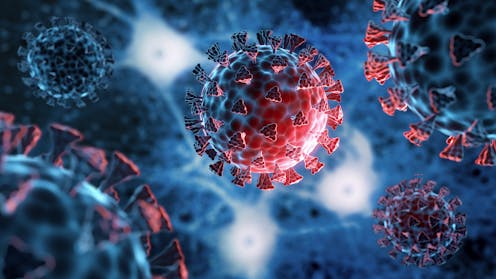
In late June, the Scientific Advisory Group for the Origins of Novel Pathogens (SAGO), a group of independent experts convened by the World Health Organization (WHO), published an assessment of the origins of COVID.

The report concluded that although we don’t know conclusively where the virus that caused the pandemic came from:

a zoonotic origin with spillover from animals to humans is currently considered the best supported hypothesis.

SAGO did not find scientific evidence to support “a deliberate manipulation of the virus in a laboratory and subsequent biosafety breach”.

This follows a series of reports and research papers since the early days of the pandemic that have reached similar conclusions: COVID most likely emerged from an infected animal at the Huanan market in Wuhan, and was not the result of a lab leak.

But conspiracy theories about COVID’s origins persist. And this is hampering our ability to prevent the next pandemic.

Attacks on our research

As experts in the emergence of viruses, we published a peer-reviewed paper in Nature Medicine in 2020 on the origins of SARS-CoV-2, the virus that causes COVID.

Like SAGO, we evaluated several hypotheses for how a novel coronavirus could have emerged in Wuhan in late 2019. We concluded the virus very likely emerged through a natural spillover from animals – a “zoonosis” – caused by the unregulated wildlife trade in China.

Since then, our paper has become a focal point of conspiracy theories and political attacks.

The idea SARS-CoV-2 might have originated in a laboratory is not, in itself, a conspiracy theory. Like many scientists, we considered that possibility seriously. And we still do, although evidence hasn’t emerged to support it.

But the public discourse around the origin of the pandemic has increasingly been shaped by political agendas and conspiratorial narratives. Some of this has targeted our work and vilified experts who have studied this question in a data-driven manner.

A common conspiracy theory claims senior officials pressured us to promote the “preferred” hypothesis of a natural origin, while silencing the possibility of a lab leak. Some conspiracy theories even propose we were rewarded with grant funding in exchange.

These narratives are false. They ignore, dismiss or misrepresent the extensive body of evidence on the origin of the pandemic. Instead, they rely on selective quoting from private discussions and a distorted portrayal of the scientific process and the motivations of scientists.

So what does the evidence tell us?

In the five years since our Nature Medicine paper, a substantial body of new evidence has emerged that has deepened our understanding of how SARS-CoV-2 most likely emerged through a natural spillover.

In early 2020, the case for a zoonotic origin was already compelling. Much-discussed features of the virus are found in related coronaviruses and carry signatures of natural evolution. The genome of SARS-CoV-2 showed no signs of laboratory manipulation.

The multi-billion-dollar wildlife trade and fur farming industry in China regularly moves high-risk animals, frequently infected with viruses, into dense urban centres.

It’s believed that SARS-CoV-1, the virus responsible for the SARS outbreak, emerged this way in 2002 in China’s Guangdong province.

Similarly, detailed analyses of epidemiological data show the earliest known COVID cases clustered around the Huanan live-animal market in Wuhan, in the Hubei province, in December 2019.

Multiple independent data sources, including early hospitalisations, excess pneumonia deaths, antibody studies and infections among health-care workers indicate COVID first spread in the district where the market is located.

In a 2022 study we and other experts showed that environmental samples positive for SARS-CoV-2 clustered in the section of the market where wildlife was sold.

In a 2024 follow-up study we demonstrated those same samples contained genetic material from susceptible animals – including raccoon dogs and civets – on cages, carts, and other surfaces used to hold and transport them.

This doesn’t prove infected animals were the source. But it’s precisely what we would expect if the market was where the virus first spilled over. And it’s contrary to what would be expected from a lab leak.

These and all other independent lines of evidence point to the Huanan market as the early epicentre of the COVID pandemic.


Read more:
The COVID lab leak theory is dead. Here’s how we know the virus came from a Wuhan market


Hindering preparedness for the next pandemic

Speculation and conspiracy theories around the origin of COVID have undermined trust in science. The false balance between lab leak and zoonotic origin theories assigned by some commentators has added fuel to the conspiracy fire.

This anti-science agenda, stemming in part from COVID origin conspiracy theories, is being used to help justify deep cuts to funding for biomedical research, public health and global aid. These areas are essential for pandemic preparedness.

In the United States this has meant major cuts to the US Centers for Disease Control and the National Institutes of Health, the closure of the US Agency for International Development, and withdrawal from the WHO.

Undermining trust in science and public health institutions also hinders the development and uptake of life-saving vaccines and other medical interventions. This leaves us more vulnerable to future pandemics.

The amplification of conspiracy theories about the origin of COVID has promoted a dangerously flawed understanding of pandemic risk. The idea that a researcher discovered or engineered a pandemic virus, accidentally infected themselves, and unknowingly sparked a global outbreak (in exactly the type of setting where natural spillovers are known to occur) defies logic. It also detracts from the significant risk posed by the wildlife trade.

In contrast, the evidence-based conclusion that the COVID pandemic most likely began with a virus jumping from animals to humans highlights the very real risk we increasingly face. This is how pandemics start, and it will happen again. But we’re dismantling our ability to stop it or prepare for it.

The Conversation

Edward C Holmes receives funding from the Australian Research Council and the National Health and Medical Research Council (Australia). He has received consultancy fees from Pfizer Australia and Moderna, and has previously held honorary appointments (for which he has received no renumeration and performed no duties) at the China CDC in Beijing and the Shanghai Public Health Clinical Center (Fudan University).

Andrew Rambaut receives funding from The Wellcome Trust and the Gates Foundation.

Kristian G. Andersen receives funding from the National Institutes of Health, the Centers for Disease Control and Prevention, and the Gates Foundation. He is on the Scientific Advisory Board of Invivyd, Inc. and has consulted on topics related to the COVID-19 pandemic and other infectious diseases.

The views and opinions expressed in this publication are solely those of the author in their personal capacity and do not necessarily reflect the views, positions, or policies of Scripps Research, its leadership, faculty, staff, or its scientific collaborators or affiliates. Scripps Research does not endorse or take responsibility for any statements made in this piece.

Robert Garry has received funding from the National Institutes of Health, the Coalition for Epidemic Preparedness Innovation, the Wellcome Trust Foundation, Gilead Sciences, and the European and Developing Countries Clinical Trials Partnership Programme. He is a co-founder of Zalgen Labs, a biotechnology company developing countermeasures for emerging viruses.

ref. How conspiracy theories about COVID’s origins are hampering our ability to prevent the next pandemic – https://theconversation.com/how-conspiracy-theories-about-covids-origins-are-hampering-our-ability-to-prevent-the-next-pandemic-261475

Women’s rights in the US are in real danger of going back to 1965 – so Jessie Murph’s new song is no laughing matter

Source: The Conversation – Global Perspectives – By Prudence Flowers, Senior Lecturer in US History, College of Humanities, Arts and Social Sciences, Flinders University

Frazer Harrison/Getty Images for Stagecoach

1965, a trending new song by TikTok sensation and country music rebel Jessie Murph, is prompting heated online conversation about the status of women in the United States.

A retro sound and kitschy 1960s look mark the song and its confusingly pornographic (and age-restricted) music video. 1965 is muddled in its posturing, at turns sarcastic yet simultaneously conveying a wistfulness about the “simpler nature” of heterosexual romance in the 1960s.

Amid the nods to Lana Del Rey and Amy Winehouse, perhaps the most striking aspect is Murph’s visual homage to Priscilla Presley, who began dating Elvis in 1959 when she was 14 years old.

1965’s chorus has attracted particular controversy. Murph croons, in a lilting doo-wop style, about her willingness to “give up a few rights” for a man’s love and affection.

In the US, where hard-won rights are currently under attack, 1965’s seeming fetishisation of submission and female powerlessness has angered many listeners. Murph has claimed the song is “satire” – but a look at the legal and social status of American women in 1965 highlights how misplaced this attempt at irony is.

Women and the law in the US

In 1963 and 1964, federal laws prohibited discrimination in relation to pay or civil rights. But the idea that women might participate fully and equally in society was largely seen as a joke.

Federal and state governments, along with the private sector, had to be compelled through feminist action to take these rights seriously.

Into the 1970s, sex discrimination in education and housing was legal. So was employment discrimination against pregnant women and women with young children.

One visible sign reads 'Equal Pay For Equal Work,' while others reference 'Trainee Programs' and Women's and African-American Rights activist Sojouner Truth.
A women’s equality march, Los Angeles, California, circa 1970.
Baird Bryant/Getty Images

Job advertisements were often sex segregated. Women only gained the right to have a credit card or mortgage in their own name in 1974.

Sex, intimacy, relationships

In the 1960s, reproductive rights and bodily autonomy were in their infancy.

In 1965, married couples gained the right to contraception. This right was extended to unmarried people in 1972.

Although a tiny number of states began repealing abortion laws in the late 1960s, death from illegal and unsafe abortions were a common occurrence until the Supreme Court’s Roe v. Wade decision of 1973.

Banner reading 'Women in the schools demand free and legal abortion on demand, birth control information' featuring a raised fist in the circle of the female gender symbol, with placards reading 'Free abortions on demand now'.
Protestors during a mass demonstration against New York State abortion laws in March 1970.
Graphic House/Hulton Archive/Getty Images

Between World War II and 1973, approximately 4 million pregnant unmarried mothers placed their children for adoption, many under duress, in a period now called the baby scoop era.

Into the 1970s, Black, Latina and Indigenous women were coercively sterilised, often through eugenics programs.

Divorce was only possible if one spouse could persuade a judge the other had committed cruelty, adultery or desertion. In 1969, California became the first state to legalise no-fault divorce.

Throughout the 1970s and 1980s, feminists demanded that police and the courts stop treating domestic violence as a private matter. Only in 1993 was marital rape considered a crime in all state sexual offence codes.

Even today, the overwhelming majority of perpetrators who commit rape or sexual assault will not face trial.

Race and sexuality

Although women’s suffrage was achieved in 1920, African Americans, Latinos and Native Americans were prevented from voting in many states by literacy tests, poll taxes and violence.

In 1965, after decades of civil rights struggle, federal legislation prohibited racial discrimination in voting, expanding to protect non-English speaking citizens in 1975.

A group of women, several of whom carry a 'Women's Liberation' banner
The Free Bobby! Free Ericka! march was co-sponsored by the Black Panther Party and the Women’s Liberation Movement, held in Connecticut, November 1969.
Bev Grant/Getty Images

Until 1973, homosexuality was considered a sociopathic personality disorder that might necessitate psychiatric institutionalisation.

In 2003, laws criminalising consensual same-sex activity were found unconstitutional. In 2015, same-sex marriage became legal nationwide.

There are still no federal laws that protect LGBTQI+ people against discrimination in education, housing, employment or public accommodations.

The personal is political

Faced with immediate backlash, Murph has claimed the song is obviously satirical, asking “r yall stupid”.

To Teen Vogue she insisted “On the record, I love having rights […] bodily rights specifically.”

But for satire to work, it requires shared sets of knowledge, values and assumptions. The ironic posturing in 1965 is too muddled – lyrically and sonically – to be effective. Instead, for many it looks and sounds like just another celebration of restrictive gender politics.

Online, many have compared Murph to a “tradwife”, the increasingly popular genre of social media influencer who make content romanticising homemaking, large families and submission to husbands.

Tradwives are primarily white and offer a fantasy version of historical domesticity, often cosplaying a 1950s aesthetic. Some tradwives are overtly far right in their politics, others explicitly reject feminism and the “lie” of equality.


Read more:
Far-right ‘tradwives’ see feminism as evil. Their lifestyles push back against ‘the lie of equality’


This vision of family and gender is echoed in contemporary Christian Nationalist and MAGA discourse.

Project 2025, the 900-page conservative wish list for the Trump 2.0 administration, called for government to “replace ‘woke’ nonsense with a healthy vision” of family and sexuality, framed as heterosexual and patriarchal.

The culture wars waged by Donald Trump and Republicans directly target rights relating to gender and sexuality.

Since Roe v. Wade was overturned in 2022, 19 states now ban or restrict abortion.

Trans rights are under sustained and devastating attack.

Prominent conservative voices call for an end to no-fault divorce laws and same-sex marriage.
Federal Republicans have opposed efforts to codify the right to contraception and in vitro fertilisation (IVF).

The history of social movement activism is a history of struggle. Feminists, women of colour and LGBTQI+ movements fought against considerable resistance to establish rights that are now too often taken for granted.

In this moment of conservative backlash, it is vital that we interrogate any move that frames rights as accessories in a costume rather than foundational to equality.

The Conversation

Prudence Flowers does not work for, consult, own shares in or receive funding from any company or organisation that would benefit from this article, and has disclosed no relevant affiliations beyond their academic appointment.

ref. Women’s rights in the US are in real danger of going back to 1965 – so Jessie Murph’s new song is no laughing matter – https://theconversation.com/womens-rights-in-the-us-are-in-real-danger-of-going-back-to-1965-so-jessie-murphs-new-song-is-no-laughing-matter-261862

The giant cuttlefish’s technicolour mating display is globally unique. The SA algal bloom could kill them all

Source: The Conversation – Global Perspectives – By Zoe Doubleday, Marine Ecologist and ARC Future Fellow, University of South Australia

Great Southern Reef Foundation, CC BY-SA

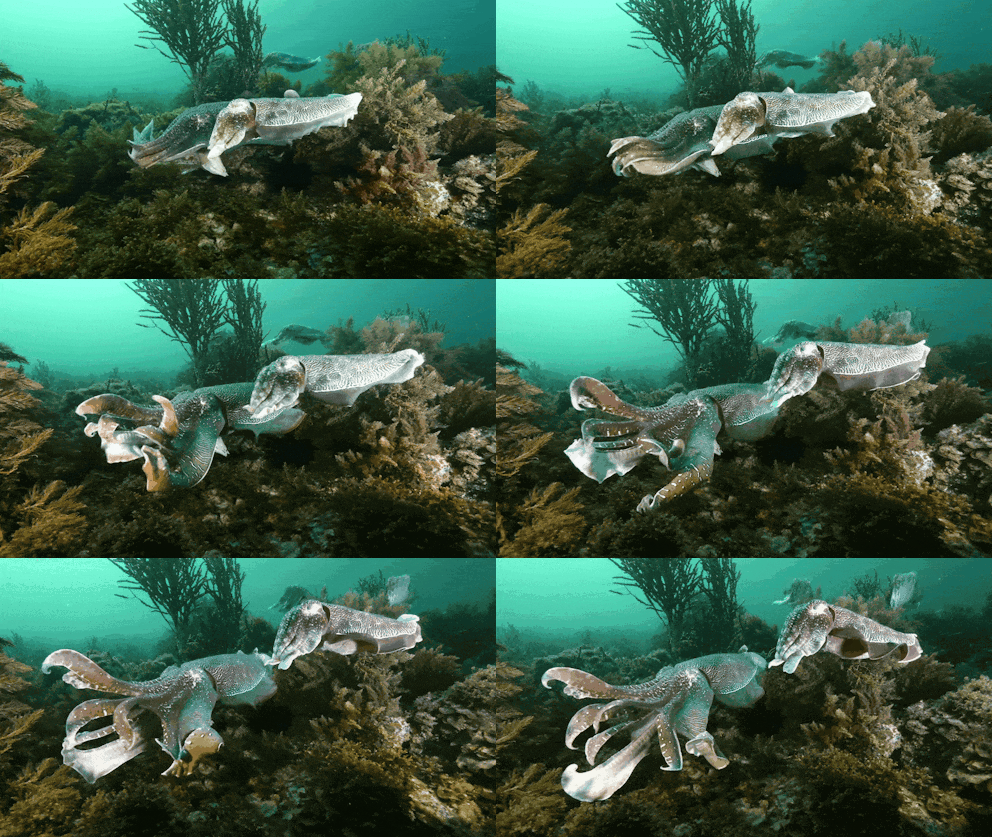
Every year off the South Australian coast, giant Australian cuttlefish come together in huge numbers to breed. They put on a technicolour display of blue, purple, green, red and gold, changing hues as they mate and lay eggs.

This dynamic, dreamlike display takes place in the upper Spencer Gulf, near Whyalla. This short strip of coastline is the only place in the world to host this spectacular event.

But South Australia’s killer algal bloom is advancing towards this natural wonder. If the algae reach the breeding site in the coming weeks or months, they could wipe the cuttlefish population out.

Now, scientists may have a chance to get there first, take some eggs and raise an insurance population in captivity. This rescue operation would be a world first.

Why are the cuttlefish so vulnerable?

The giant Australian cuttlefish congregate to mate in waters off Whyalla every winter, in a gathering known as a “breeding aggregation”. The sanctuary area received National Heritage status in 2023.

The displays of movement and colour take place as abundant males vie for the attention of a female. Each year it attracts tourists, photographers and marine life enthusiasts. To witness it, all you need is a thick wetsuit, mask and snorkel.

Cuttlefish are cephalopods, alongside octopus and squid. While cephalopods are adaptable to environmental change, their generations don’t overlap. This means the parents die before the offspring are born, and so the population cannot be replenished by the parents if the offspring are wiped out.

By now, in upper Spencer Gulf, most adult cuttlefish will be breeding and naturally dying off, leaving the eggs behind. They will incubate for about three months, then hatch and swim away.

What if the algal bloom reaches the cuttlefish?

The harmful microalgal bloom of Karenia mikimotoi first appeared in March this year on two surf beaches outside Gulf St Vincent, about an hour south of Adelaide. It is thought to have been triggered by a persistent marine heatwave coupled with prolonged calm weather, and possibly excess nutrients from the 2022–23 Murray River flooding event.

It has since spread to many corners of South Australia, and has now reached the lower to middle reaches of Spencer Gulf. Preliminary modelling revealed last week shows the bloom could spread through Spencer Gulf, up to Whyalla and across to Port Pirie.

The disaster has already affected about 400 types of fish and marine animals. And we know this algal species can rapidly dispatch cephalopods, both large and small. In other parts of South Australia already affected by the algal bloom, dead octopus and cuttlefish have been extensively photographed and recorded.

If the latest batch of eggs dies in the algal bloom, their parents will no longer be around to rebreed and restore the population next year. This means the population could go extinct.

Could we lose a species?

More than 100 cuttlefish species exist worldwide. The giant Australian cuttlefish is found throughout southern Australia, from Moreton Bay in Queensland to Ningaloo Reef in Western Australia.

However, the breeding aggregation is genetically distinct from even its closest cuttlefish neighbours in southern Spencer Gulf, about 200 kilometres away. And genetic evidence suggests the upper Spencer Gulf population could well be its own species, although scientists haven’t confirmed this yet.

Regardless, this cuttlefish population is truly unique. It is the only population of giant Australian cuttlefish, and the only population of cuttlefish worldwide, to breed en masse in such a spectacular fashion.

That’s why saving it from the algal bloom is so important.

Can we save this natural wonder?

Today I’ll be meeting with fellow marine and cephalopod experts at an emergency meeting convened by the South Australian government. There, we will discuss the feasibility of collecting an insurance population of eggs from the cuttlefish population.

Timing is everything. Two or three months from now, the eggs could be too developed to collect safely, because moving can trigger premature hatching. Even later, the eggs will have hatched and the hatchlings will have swum away.

Ironically, while the mass gathering of cuttlefish makes the species vulnerable to a permanent wipeout, it also makes them easier to rescue.

Collecting, transporting and raising eggs in tanks is a relatively straightforward process at a smaller scale. It has been done successfully for research purposes in South Australia.

Raising hatchlings is harder and more labour intensive. Then there is the question of what to do with them once they hatch. But the three-month incubation period would buy us time.

Author Zoe Doubleday makes her pitch for saving the giant Australian cuttlefish as the harmful algal bloom approaches (Biodiversity Council)

The Conversation

Zoe Doubleday receives funding from the Australian Research Council and is affiliated with the University of South Australia. She is also a Director of the Southern Ocean Discovery Centre and Board Member of the Aquaculture Tenure Allocation Board (Government of South Australia).

ref. The giant cuttlefish’s technicolour mating display is globally unique. The SA algal bloom could kill them all – https://theconversation.com/the-giant-cuttlefishs-technicolour-mating-display-is-globally-unique-the-sa-algal-bloom-could-kill-them-all-262108

A rare, direct warning from Japan signals a shift in the fight against child sex tourism in Asia

Source: The Conversation – Global Perspectives – By Ming Gao, Research Fellow of East Asia Studies, Lund University

Jonas Gratzer/LightRocket via Getty Images

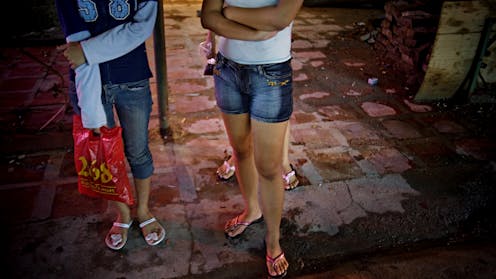
Japan’s embassy in Laos and its Ministry of Foreign Affairs has issued a rare and unusually direct advisory, warning Japanese men against “buying sex from children” in Laos.

The move was sparked by Ayako Iwatake, a restaurant owner in Vientiane, who allegedly saw social media posts of Japanese men bragging about child prostitution. In response, she launched a petition calling for government action.

The Japanese-language bulletin makes clear such conduct is prosecutable under both Laotian law and Japan’s child prostitution and pornography law, which applies extraterritorially.

This diplomatic statement was not only a legal warning. It was a rare public acknowledgement of Japanese men’s alleged entanglement in transnational child sex tourism, particularly in Southeast Asia.

It’s also a moment that demands we look beyond individual criminal acts or any one nation and consider the historical, racial and structural inequalities that make such mobility and exploitation possible.

A changing map of exploitation

Selling and buying sex in Asia is nothing new. The contours have shifted over time but the underlying sentiment has remained constant: some lives are cheap and commodified, and some wallets are deep and entitled.

Japan’s involvement in overseas prostitution stretches back to the Meiji period (1868-1912). Young women from impoverished rural regions (known as karayuki-san) migrated abroad, often to Southeast Asia, to work in the sex industry, from port towns in Malaya to brothels in China and the Pacific Islands.

If poverty once pushed Japanese women abroad to sell their bodies, by the second half of the 20th century – fuelled by Japan’s postwar economic boom – it was wealthy Japanese men who began travelling overseas to buy sex.

Around the 2000s, the dynamic flipped again. In South Korea, now a developed economy, men travelled to Southeast Asia – and later to countries such as Russia and Uzbekistan – following routes once taken by Japanese men.

Later in the same period, the flow took an even darker turn.

Japanese and South Korean men began to emerge as major buyers of child sex abroad, particularly across Southeast Asia, the Pacific Islands and even Mongolia.

According to the United States Department of State, Japanese men continued to be “a significant source of demand for sex tourism”, while South Korean men remained “a source of demand for child sex tourism”.

The UN Office on Drugs and Crime and other organisations have also flagged both countries as key contributors to child sexual exploitation in the region.

From exporter to destination: Japan’s new role in the sex trade

A more recent and troubling shift appears to be unfolding within Japan.

Amid ongoing economic stagnation and the depreciation of the yen, Tokyo has reportedly become a destination for inbound sex tourism. Youth protection organisations have observed a notable rise in foreign male clients, particularly Chinese, frequenting areas where teenage girls and young women engage in survival sex.

What ties these movements together is not just culturally specific beliefs, such as the fetishisation of virginity or the superstition that sex with young girls brings good luck in business, but power.

The battle to protect children

The global campaign to end child sex tourism began in earnest with the founding of ECPAT (a global network of organisations that seeks to end the sexual exploitation of children) in 1990 to confront the rising exploitation of children in Southeast Asia.

Despite legal frameworks and international scrutiny, the abuse of children remains disturbingly common.

Several factors converge here: endemic poverty, weak law enforcement and a constant influx of wealthier foreign men. Add to that the digital age of information and communication technologies, where child sex can be advertised, arranged and commodified through encrypted platforms and invitation-only forums, and the crisis deepens.

While local governments often pledge reform, implementation is inconsistent.

Buyers, especially foreign buyers, often manage to evade consequences. However, in early 2025, Japan’s National Police Agency arrested 111 people – including high school teachers and tutors – in a nationwide crackdown on online child sexual exploitation, conducted in coordination with international partners.

Why this moment matters

The shock surrounding the Laos revelations and the unusually direct response from Japanese authorities offers a rare opportunity to confront the deeper systems at work.

Sex tourism doesn’t happen in a vacuum. It’s enabled by uneven development, transnational mobility, weak regulation and social silence. But this moment also shows grassroots activism can force institutional action.

Japan’s official warning wasn’t triggered by a government audit or diplomatic scandal. It came because Ayako Iwatake saw social media posts of Japanese men boasting about buying sex from children and refused to look away.

When she delivered the petition to the embassy, it responded quickly. Less than ten days later, the Foreign Ministry issued a public warning, clearly outlining the legal consequences of child sex crimes committed abroad.

Iwatake’s action is a reminder: it doesn’t take a government to expose a system. It takes someone willing to speak out – even when it’s uncomfortable. As she told Japanese newspaper Mainichi Shimbun:

It was just too blatant. I couldn’t look the other way.

It’s commendable that Japan acted swiftly. But a warning alone isn’t enough. Japan should strengthen and expand its international cooperation to combat these heinous crimes.

A more decisive model can be seen in a recent case in Vietnam, where US authorities infiltrated a livestream child sex abuse network for the first time in that country. Working undercover for months, they coordinated with Vietnamese officials to arrest a mother who had been sexually abusing her daughter on demand for paying viewers abroad.

The rescue of the nine-year-old victim showed what serious cross-border intervention looks like.

But for every headline-grabbing scandal, there are hundreds of untold stories.

The Laos case should be the beginning of a broader reckoning with how sex, money and power move across borders – and who pays the price.

The Conversation

Ming Gao receives funding from the Swedish Research Council. This research was produced with support from the Swedish Research Council grant “Moved Apart” (nr. 2022-01864). Ming Gao is a member of Lund University Profile Area: Human Rights.

ref. A rare, direct warning from Japan signals a shift in the fight against child sex tourism in Asia – https://theconversation.com/a-rare-direct-warning-from-japan-signals-a-shift-in-the-fight-against-child-sex-tourism-in-asia-261554

Air-dropping food into Gaza is a ‘smokescreen’ – this is what must be done to prevent mass starvation

Source: The Conversation – Global Perspectives – By Amra Lee, PhD candidate in Protection of Civilians, Australian National University

Israel partially lifted its aid blockade of Gaza this week in response to intensifying international pressure over the man-made famine in the devastated coastal strip.

The United Arab Emirates and Jordan airdropped 25 tonnes of food and humanitarian supplies on Sunday. Israel has further announced daily pauses in its military strikes on Gaza and the opening of humanitarian corridors to facilitate UN aid deliveries.

Israel reports it has permitted 70 trucks per day into the strip since May 19. This is well below the 500–600 trucks required per day, according to the United Nations.

The UN emergency relief chief, Tom Fletcher, has characterised the next few days as “make or break” for humanitarian agencies trying to reach more than two million Gazans facing “famine-like conditions”.

A third of Gazans have gone without food for several days and 90,000 women and children now require urgent care for acute malnutrition. Local health authorities have reported 147 deaths from starvation so far, 80% of whom are children.

Israeli Prime Minister Benjamin Netanyahu has claimed – without any evidence – “there is no starvation in Gaza”. This claim has been rejected by world leaders, including Netanyahu ally US President Donald Trump.

Famine expert Alex de Waal has called the famine in Gaza without precedent:

[…] there’s no case of such minutely engineered, closely monitored, precisely designed mass starvation of a population as is happening in Gaza today.

While the UN has welcomed the partial lifting of the blockade, the current aid being allowed into Gaza will not be enough to avert a wider catastrophe, due to the severity and depth of hunger in Gaza and the health needs of the people.

According to the UN World Food Programme, which has enough food stockpiled to feed all of Gaza for three months, only one thing will work:

An agreed ceasefire is the only way to reach everyone.

Airdrops a ‘distraction and a smokescreen’

Air-dropping food supplies is considered a last resort due to the undignified and unsafe manner in which the aid is delivered.

The UN has already reported civilians being injured when packages have fallen on tents.

The Global Protection Cluster, a network of non-governmental organisations and UN agencies, shared a story from a mother in Al Karama, east of Gaza City, whose home was hit by an airdropped pallet, causing the roof to collapse:

Immediately following the impact, a group of people armed with knives rushed towards the house, while the mother locked herself and her children in the remaining room to protect her family. They did not receive any assistance and are fearful for their safety.

Air-dropped pallets of food are also inefficient compared with what can be delivered by road.

One truck can carry up to 20 tonnes of supplies. Trucks can also reach Gaza quickly if they are allowed to cross at the scale required. Aid agencies have repeatedly said they have the necessary aid and personnel sitting just one hour away at the border.

Given how ineffective the air drops have been – and will continue to be – the head of the UN Relief Works Agency (UNRWA) for Palestine has called them a “distraction” and a “smokescreen”.

Malnourished women and children need specialised care

De Waal has also made clear how starvation differs from other war crimes – it takes weeks of denying aid for starvation to take hold.

For the 90,000 acutely malnourished women and children who require specialised and supplementary feeding, in addition to medical care, the type of food being air-dropped into Gaza will not help them. Malnourished children require nutritional screening and access to fortified pastes and baby food.

Gaza’s decimated health system is also not able to treat severely malnourished women and children, who are at risk of “refeeding syndrome” when they are provided with nutrients again. This can trigger a fatal metabolic response.

Gaza will take generations to heal from the long-term impacts of mass starvation. Malnourished children suffer lifelong cognitive and physical effects that can then be passed on to future generations.

What needs to happen now

The UN has characterised the limited reopening of aid deliveries to Gaza as a potential “lifeline”, if it’s upheld and expanded.

According to Ciaran Donnelly from the International Rescue Committee, what’s needed is “tragically simple”: Israel must fully open the Gaza borders to allow aid and humanitarian personnel to flood in.

Israel must also guarantee safe conditions for the dignified distribution of aid that reaches everyone, including women, children, the elderly and people with disabilities. The level of hunger and insecurity mean these groups are at high risk of exclusion.

The people of Gaza have the world’s attention – for now. They have endured increasingly dehumanising conditions – including the risk of being shot trying to access aid – under the cover of war for more than 21 months.

Two leading Israeli human rights organisations have just publicly called Israel’s war on Gaza “a genocide”. This builds on mounting evidence compiled by the UN and other experts that supports the same conclusion, triggering the duty under international law for all states to act to prevent genocide.

These obligations require more than words – states must exercise their full diplomatic leverage to pressure Israel to let aid in at the scale required to avert famine. States must also pressure Israel to extend its military pauses into the only durable solution – a permanent ceasefire.

The Conversation

Amra Lee does not work for, consult, own shares in or receive funding from any company or organisation that would benefit from this article, and has disclosed no relevant affiliations beyond their academic appointment.

ref. Air-dropping food into Gaza is a ‘smokescreen’ – this is what must be done to prevent mass starvation – https://theconversation.com/air-dropping-food-into-gaza-is-a-smokescreen-this-is-what-must-be-done-to-prevent-mass-starvation-262053

My child is always losing and forgetting things. How can I help – without making it worse?

Source: The Conversation – Global Perspectives – By Celia Harris, Associate Professor in Cognitive Science, Western Sydney University

CarrieCaptured/Getty

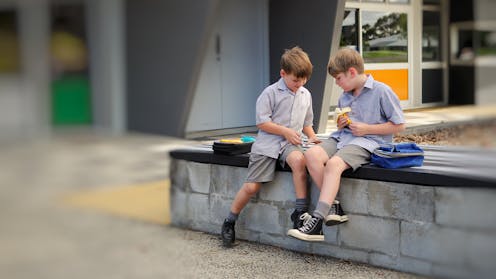
As school returns, parents and teachers might each be faced with the familiar chorus of “I can’t find my school jumper” and “I left my hat at home”. For parents of older kids, the stakes may be even higher: lost mobile phones or laptops left on the bus.

As parents, it can be tempting to take charge by packing schoolbags yourself, or texting older children a list of things to remember at the end of each day.

However, doing everything for your child robs them of an opportunity to learn.

What’s happening in their developing brain?

Our kids, in their busy lives, are constantly using and developing their memory skills – remembering where they put things, new conceptual knowledge, and routines required for the day-to-day.

Prospective memory – which involves remembering to do things in the future – is particularly challenging.

It’s prospective memory children draw on when they set a drink bottle down at play time and must remember to pick it up later, or get a note from their teacher and must remember to show their parent after school.

Success in prospective memory involves multiple cognitive processes going right.

Children must pay attention to what is needed in a given situation (“I can’t play outside if I don’t have a hat”), and then form and store a particular intention to act in the future (“I need to take my hat with me to school”).

Then, they must bring the intention back to mind at the crucial moment (taking the hat on the way out the door).

This “remembering to remember” requires memory to spontaneously occur at just the right time, without prompts or reminders.

These processes all require a higher-order cognitive skill known as “executive function”.

This is the ability to consciously control our attention and memory and to engage in challenging thinking tasks.

Processes that rely on executive function are hard, which is why lost drink bottles and forgotten hats are such frustratingly common experiences for parents.

Even for adults, the majority of day-to-day memory errors involve prospective memory.

Executive function develops later in childhood compared with some other skills, such as language and play.

The prefrontal cortex, which underpins executive function tasks, is not mature until early adulthood.

This means forgetfulness among children is common, and a natural part of development. Chances are you were like this too when you were a kid (you just might not remember it).

Could some kids struggle even more?

Yes.

Children (and adults) vary widely in their executive function skills.

While all children get better at executive function throughout childhood, this happens at different rates; some children may be more forgetful than others their own age.

One condition particularly related to forgetfulness is attention-deficit/hyperactivity disorder (ADHD).

Children with an ADHD-inattentive subtype may be more likely to lose things and be forgetful during everyday activities such as chores or errands.

Children with ADHD will still develop prospective memory skills over time, but may be more forgetful relative to other children their own age.

How can I help my kid?

Do build routines and stick to them. Research shows routines help children develop cognitive skills and self-regulation. Children are best able to remember a routine when it is “automatised” – practised often enough they know it without thinking.

Do promote “metacognition”: an awareness about one’s own cognitive processes. Research suggests children are over-optimistic about their likelihood of remembering successfully. Parents and teachers can help them to notice when remembering is hard and put in strategies that help.

Do model the behaviour you want to see. For example, you might set up your own lists and strategies to help you remember daily tasks. You could also have a family routine of “bags by the door” and checking them the night before. Don’t do it for them, do it together.

Do seek professional support if you’re worried. All children will forget sometimes, and some more than others. If your child is particularly absentminded or forgetful, it could be worth consulting a GP or school psychologist. Conditions such as ADHD must be observed in more than one setting (for example, home and school, or home and sport), and specific diagnostic criteria must be met. Diagnosis can be helpful in accessing supports.

A parents packs her child's bag.
Doing everything for your child robs them of an opportunity to learn.
Halfpoint/Shutterstock

What should I not do – and why?

Don’t rely on kids being able to spontaneously self-initiate memory – that’s the hardest part of prospective memory! Instead, use checklists and memory aids. For instance, if they are consistently leaving their drink bottle at school, you could put a tag on their bag that says “where is your drink bottle?” Using prompts isn’t cheating – it’s supporting success.

Don’t sweat the slip-ups – these are normal. One study with 3–5-year-old children found incentives in the form of food treats weren’t enough to improve performance. Punishing is also unlikely to help. Instead, use instances of forgetting as teachable moments – strategise about how to adjust next time.

Don’t leave things too late. Anxiety and stress can make forgetting more likely, because children can easily become overwhelmed. Pack bags the night before, practise new routines, and avoid rushing where possible.

Don’t judge. Prospective memory failures are sometimes perceived as character flaws, particularly when they affect other people (such as when forgetting to return a borrowed item).

Understanding how memory works, however, helps reveal that forgetfulness is an everyday part of development.

The Conversation

Celia Harris receives funding from the Australian Research Council and the Longitude Prize on Dementia.

Penny Van Bergen receives funding from the ARC, Marsden, Google, and the James Kirby Foundation.

ref. My child is always losing and forgetting things. How can I help – without making it worse? – https://theconversation.com/my-child-is-always-losing-and-forgetting-things-how-can-i-help-without-making-it-worse-261565

‘Are you joking, mate?’ AI doesn’t get sarcasm in non-American varieties of English

Source: The Conversation – Global Perspectives – By Aditya Joshi, Senior Lecturer, School of Computer Science and Engineering, UNSW Sydney

Emily Morter/Unsplash

In 2018, my Australian co-worker asked me, “Hey, how are you going?”. My response – “I am taking a bus” – was met with a smirk. I had recently moved to Australia. Despite studying English for more than 20 years, it took me a while to familiarise myself with the Australian variety of the language.

It turns out large language models powered by artificial intelligence (AI) such as ChatGPT experience a similar problem.

In new research, published in the Findings of the Association for Computational Linguistics 2025, my colleagues and I introduce a new tool for evaluating the ability of different large language models to detect sentiment and sarcasm in three varieties of English: Australian English, Indian English and British English.

The results show there is still a long way to go until the promised benefits of AI are enjoyed by all, no matter the type or variety of language they speak.

Limited English

Large language models are often reported to achieve superlative performance on several standardised sets of tasks known as benchmarks.

The majority of benchmark tests are written in Standard American English. This implies that, while large language models are being aggressively sold by commercial providers, they have predominantly been tested – and trained – only on this one type of English.

This has major consequences.

For example, in a recent survey my colleagues and I found large language models are more likely to classify a text as hateful if it is written in the African-American variety of English. They also often “default” to Standard American English – even if the input is in other varieties of English, such as Irish English and Indian English.

To build on this research, we built BESSTIE.

What is BESSTIE?

BESSTIE is the first-of-its-kind benchmark for sentiment and sarcasm classification of three varieties of English: Australian English, Indian English and British English.

For our purposes, “sentiment” is the characteristic of the emotion: positive (the Aussie “not bad!”) or negative (“I hate the movie”). Sarcasm is defined as a form of verbal irony intended to express contempt or ridicule (“I love being ignored”).

To build BESSTIE, we collected two kinds of data: reviews of places on Google Maps and Reddit posts. We carefully curated the topics and employed language variety predictors – AI models specialised in detecting the language variety of a text. We selected texts that were predicted to be greater than 95% probability of a specific language variety.

The two steps (location filtering and language variety prediction) ensured the data represents the national variety, such as Australian English.

We then used BESSTIE to evaluate nine powerful, freely usable large language models, including RoBERTa, mBERT, Mistral, Gemma and Qwen.

Inflated claims

Overall, we found the large language models we tested worked better for Australian English and British English (which are native varieties of English) than the non-native variety of Indian English.

We also found large language models are better at detecting sentiment than they are at sarcasm.

Sarcasm is particularly challenging, not only as a linguistic phenomenon but also as a challenge for AI. For example, we found the models were able to detect sarcasm in Australian English only 62% of the time. This number was lower for Indian English and British English – about 57%.

These performances are lower than those claimed by the tech companies that develop large language models. For example, GLUE is a leaderboard that tracks how well AI models perform at sentiment classification on American English text.

The highest value is 97.5% for the model Turing ULR v6 and 96.7% for RoBERTa (from our suite of models) – both higher for American English than our observations for Australian, Indian and British English.

National context matters

As more and more people around the world use large language models, researchers and practitioners are waking up to the fact that these tools need to be evaluated for a specific national context.

For example, earlier this year the University of Western Australia along with Google launched a project to improve the efficacy of large language models for Aboriginal English.

Our benchmark will help evaluate future large language model techniques for their ability to detect sentiment and sarcasm. We’re also currently working on a project for large language models in emergency departments of hospitals to help patients with varying proficiencies of English.

The Conversation

The research, led by Dipankar Srirag, was funded by Google’s Research Scholar grant awarded in 2024 to Aditya Joshi and Diptesh Kanojia.

ref. ‘Are you joking, mate?’ AI doesn’t get sarcasm in non-American varieties of English – https://theconversation.com/are-you-joking-mate-ai-doesnt-get-sarcasm-in-non-american-varieties-of-english-254986

As Trump has pulled back from the highest tariffs, this chart shows the economic shock has eased

Source: The Conversation – Global Perspectives – By James Giesecke, Professor, Centre of Policy Studies and the Impact Project, Victoria University

It’s tariff season again, with the next deadline looming on Friday, August 1.

Since the beginning of July, the United States has issued another flurry of tariff announcements, revising the sweeping plan announced on April 2. Back then, the Trump administration threatened to apply so-called “reciprocal” tariffs of up to 50% against many trading partners, plus an eye-watering 125% on Chinese imports.

In April, we modelled those measures, together with retaliation by trade partners. We reported they could cut more than 2.5% from US gross domestic product (GDP), reduce US short-run employment by 2.7%, and cut US real investment by almost 7%.

In the wake of those “Liberation Day” tariffs, financial markets took fright. On April 9 the Trump administration hit pause: the “reciprocal” tariffs were deferred until July 9 and replaced by an across-the-board 10% tariff increase, with a handful of exceptions.

Even so, the Trump tariff drum kept beating. Duties on steel and aluminium were doubled to 50%, and copper was swept in with its own 50% rate. Washington announced some “trade deals” with:

United Kingdom – dropping the UK rate to the base rate of 10%

Chinacutting the tariff to 34%

Vietnamreducing its “reciprocal” tariff from 46% to 20%

Japan – a 15% levy on all imports, including motor vehicles (otherwise tariffed at 25% for other regions)

European Union – just announced at the weekend, reducing its “reciprocal” tariff from 30% to 15%.

When the first pause expired this month, a second extension pushed the start date for the “reciprocal” tariffs to August 1. But the tariff announcements keep coming, with recent threats to apply revised tariffs on imports from many trading partners, including a 50% tariff on imports from Brazil.

What do the new tariffs mean for the economy?

To find out, we reran our global economic model with the US tariff schedule as it stood on July 28, again allowing trading partners to retaliate proportionally (excluding Australia, Japan and South Korea, which have ruled out retaliation). This table compares the April projections with the updated results.

Damage to the US economy is less severe, but still substantial. In 2025, the falls in: real (inflation-adjusted) consumption narrow from a decline of 2.4% to 1.6%; real gross domestic product (GDP) from a fall of 2.6% to 1.7%; and real investment from a slide of 6.6% to 5.1%.

For the US, lower tariffs on the EU, UK, Japan, Vietnam and especially China, mean less disruption to short-run employment and long-run capital markets, lower efficiency losses in product markets, and less punishing retaliation from abroad.

The jump in tariffs on all imported US goods will cost American consumers.

Beijing also benefits from Washington’s climbdown. Short-run losses in Chinese real consumption shrink from 0.4% to 0.1% in 2025, and the GDP loss all but disappears. Cutting the US tariff on Chinese goods to 34%, and the corresponding pullback in China’s retaliatory duties, explains most of the improvement.

Australia is still a winner – but less so

Australia remains a beneficiary, but to a lesser degree. In April we projected short-run gains of 0.6% in consumption and 0.4% in GDP. These are now more modest, with a gain of 0.3% and 0.2% respectively. Two forces lie behind the downgrade:

1. Australia’s relative tariff treatment has narrowed. In April, Australia faced a 10% base tariff while many of our trade competitors in the US market confronted much higher “reciprocal” rates. Many of those have now been cut, eroding the relative price advantage of Australian products in the US market.

2. The global investment diversion is smaller. When investment contracts in the US and in regions relatively hard-hit by US tariffs and retaliatory action, some investment is reallocated to more lightly hit economies.

Because the projected fall in investment in the US and other regions is now milder, the corresponding investment inflow to Australia weakens, with our forecast boost to Australian investment dropping from 2.9% to 2.1% in the short-run.

What should Canberra do?

For the moment, the tariff outcomes still tilt slightly in Australia’s favour. That hardly argues for rushing into concessions in a bilateral “deal of the week” with Washington, let alone making unilateral concessions outside of any bargaining framework. This is especially true when US policy continues to appear reactive, volatile and unreliable.

However, the source of Australia’s edge is fragile.

As the US pares back its own tariff threats against other countries, the relative price advantage Australia enjoys of being subject only to the 10% base rate will diminish, and so too will the investment diversion effect.

Hence, a further US retreat from high and differentiated tariffs may yet expose Australia to net economic harm. That point has not arrived, but it may be on the horizon as US tariff policy evolves.

The Conversation

The authors do not work for, consult, own shares in or receive funding from any company or organisation that would benefit from this article, and have disclosed no relevant affiliations beyond their academic appointment.

ref. As Trump has pulled back from the highest tariffs, this chart shows the economic shock has eased – https://theconversation.com/as-trump-has-pulled-back-from-the-highest-tariffs-this-chart-shows-the-economic-shock-has-eased-261846

‘I was very fearful of my parents’: new research shows how parents can use coercive control on their children

Source: The Conversation – Global Perspectives – By Kate Fitz-Gibbon, Professor (Practice), Faculty of Business and Economics, Monash University

In Australia, there is growing recognition that children and young people are not just witnesses to domestic, family and sexual violence, but victim-survivors in their own right.

While we are getting better at understanding how coercive control operates in adult relationships – particularly where men use it against women – much less attention has been given to how children experience this kind of abuse, especially when it comes from a parent or caregiver.

New research interviewing teenage victim-survivors reveals how parents can coercively control their children under the guise of parental discipline.

What is coercive control?

Coercive control is a pattern of abusive behaviours used to instil fear, dominate or isolate someone over time. It can include:

  • physical violence

  • sexual abuse

  • surveillance

  • threats

  • humiliation

  • limiting access to money

  • technology-facilitated abuse

  • animal abuse, among many other abusive tactics.

Focusing largely on adult victim-survivors, research has found experiences of coercive control can have cumulative and long-lasting negative impacts.

Studies of children show how coercive control can erode a child’s mental health, self-esteem and sense of safety.

Fear, guilt and manipulation

For young people, within the context of the family, coercive control may be perpetrated by parents, step-parents, caregivers, siblings and other family members. The tactics used may mirror those seen in adult contexts.

But there are different circumstances at play for children. They are typically dependent on their caregivers, still mentally developing, and often have limited access to external support.

My new report, Silence and Inaction, released by the South Australian Royal Commission into Domestic, Family and Sexual Violence, draws on interviews with 53 young people aged 13–18 who have experienced different forms of domestic, family and sexual violence in that state.

In this study, young victim-survivors spoke of rules imposed by abusive adults in their family to control their friendships, communication, bodily autonomy and emotional expression. These were often enforced through fear, guilt or manipulation. One child told me:

I kicked the wall when I was eight, and my parents came in and they stripped my entire room bare, just got rid of everything […] I was either in my room or was at school […] I got water brought to me, food brought to me three times a day […] they said, “You have abused this home. It was a loving place, and you’ve abused it so when people do things wrong, they go to prison”. I was very fearful of my parents.

Several young people described experiences that reflect the dynamics of coercive control, even if they did not use that language themselves. They spoke of environments where control, surveillance and isolation were constant, and where resistance or independence was met with punishment.

Experiences of gaslighting

Several young victim-survivors interviewed described being made to feel “crazy” or “overdramatic” when they challenged the behaviour they were experiencing. Others were punished for asserting boundaries or seeking help.

A number of young people described experiences of gaslighting – being told their memories or feelings were wrong or exaggerated.


Read more:
Explainer: what does ‘gaslighting’ mean?


This was particularly apparent among young people who had tried to speak up about the violence they were experiencing. One young victim-survivor told me:

I was very much gaslighting myself, and then also was being gaslit for years prior by my father and not made to feel that I could ever tell anyone.

Some young victim-survivors described beginning to question their own perceptions or feeling responsible for the harm they experienced. One young person said:

I always have a fear in my head that everything I’ve said and done [is] just a massive lie, which is why I documented a lot of things […] I have photos and videos of things that have happened […] it kind of keeps me a little bit sane.

For the young people interviewed, the dynamics of coercive control were further compounded by their legal and financial dependence on the person using violence.

Young people described having limited avenues to escape or resist the abuse, and having little access to alternative sources of care or trusted adults for support.

Discipline or control?

Many of the young people I interviewed said the abuse they experienced was explained away by parents as “discipline”.

Reasonable parenting involves setting boundaries and enforcing rules through clear communication and respect for a child’s emotional and physical safety. What the young people in the study described went well beyond that.

The young people interviewed described being physically punished – through beatings, slaps or threats – as a way of “correcting” behaviour or “teaching respect”.

For young people, this led to confusion and self-doubt about whether what they experienced “counted” as abuse.

This mislabelling of abuse as discipline was particularly difficult for young people to challenge when it was reinforced by religious, cultural or generational norms. In some cases, violence was deeply embedded in family tradition and viewed as an expected method of parenting.

Young people interviewed expressed a strong desire for this cycle to be broken, including through education for caregivers. One young victim said:

it’s not just kids who need to learn – adults need to unlearn the stuff they were taught too.

The need for change

Several young people believed some parents may be unaware of the impacts of these forms of punishment. They called for targeted awareness campaigns and community education. One young victim-survivor suggested:

they feel that is still part of discipline, whereas they are actually going extra miles […] I think parents too need to be educated on how they treat their children.

Several young people said their experiences of abuse were often minimised or dismissed as necessary or appropriate acts of discipline by extended family, caregivers or other adults in their community.

This highlights the need to better engage families and communities to change understandings of discipline, particularly through culturally responsive, trauma-informed approaches to education.

We must develop deeper understandings of coercive and controlling behaviours as they are experienced by children and young people in families.

Without such awareness, there is a risk that controlling behaviour will continue to be minimised as “strict parenting”, or young people’s disclosures will be dismissed.

These experiences highlight the problem of the normalisation of violence in some households and the need for greater prevention and early intervention efforts, both for young people and caregivers.

The Conversation

Kate has received funding for research on violence against women and children from a range of federal and state government and non-government sources, including Australia’s National Research Organisation for Women’s Safety (ANROWS), South Australian Government, ACT Government, Australian Childhood Foundation, and 54 Reasons. This piece is written by Kate Fitz-Gibbon in her role at Sequre Consulting, and is wholly independent of Kate Fitz-Gibbon’s role as chair of Respect Victoria and membership on the Victorian Children’s Council.

ref. ‘I was very fearful of my parents’: new research shows how parents can use coercive control on their children – https://theconversation.com/i-was-very-fearful-of-my-parents-new-research-shows-how-parents-can-use-coercive-control-on-their-children-261169