Women’s rugby is booming, but safety relies on borrowed assumptions from the men’s game

Source: The Conversation – Canada – By Kathryn Dane, Postdoctoral associate, University of Calgary

Rugby union, commonly known as just rugby, is a fast-paced and physical team sport. More girls and women in Canada and around the world are playing it now than ever before.

As of 2021, women’s rugby reached a record 2.7 million players globally, a 25 per cent increase over four years, and by 2023, women’s rugby participation was growing at a rate of 38 per cent year-over-year.

Countries including Australia, England, Ireland and the United States offer professional contracts for women’s teams. While these remain modest compared to the men’s game, they still represent a clear step forward.

Canada’s senior women’s XVs team is currently ranked second in the world and heading into the 2025 Rugby World Cup, which kicks off on Aug. 22 in England. The national sevens team also captured silver at the 2024 Paris Olympics — further evidence of the game’s growing competitiveness in Canada.

However, many systems, including coaching and medical support, have not kept pace with the demands of elite competition. With visibility increasing ahead of the 2025 World Cup, stronger institutional support is needed to match the sports’ growing professionalism and popularity.

Safety concerns

Often described as a “game for all”, rugby builds confidence, resilience and lifelong friendships. For girls and women especially, rugby can be empowering in ways few sports can match. It embraces the physicality of tackling, pushes back against traditional gender expectations and fosters solidarity and inclusion by valuing all body shapes and abilities.

But rugby is also a collision sport, and as such, it carries inherent risks. Tackling is the top cause of injury in rugby, and it has one of the highest concussion rates among youth girls’ sports in Canada. Concussions can have long-term effects on players’ health.


Read more:
Concussion is more than sports injuries: Who’s at risk and how Canadian researchers are seeking better diagnostics and treatments


These concerns are especially urgent as the women’s game becomes more physical and professionalized, and players are hit harder and more often. Unlike men’s rugby, women’s teams often operate with fewer medical or coaching support resources, which can lead to inconsistent or absent injury prevention programs.

Compounding the risk is the fact that many women also come to rugby later in life, often with less experience in contact sports. This delayed exposure restricts proper tackle skill development and player confidence in contact. This means safe tackling is even more important.

Without proper supports, the physical risks of the game may outweigh its benefits.

Science is still playing catch-up

While women’s rugby is growing rapidly, the science behind it is has not kept pace. Most of what we know about rugby safety — how to tackle, how much to train or when it’s safe to return to play after injury — largely comes from research on men.

Decisions around coaching and player welfare have been based on male data, leaving female players under-served and potentially at greater risk. While these foundations may well apply to girls and women, the problem is we don’t yet know for sure.

Only four per cent of rugby tackle research has focused on women. Much of the early evidence on girls rugby comes from Canada, underscoring the country’s leadership in this space. Still, most coaches and clinicians rely on a “one-size-fits-all” approach that may not account for menstrual cycles, pregnancy, different injury profiles or later sport entry.

The differences matter because strength, speed and injury risk all vary. Women are 2.6 times more likely than men to sustain a concussion. Gender also shapes access to training, care and facilities, often limiting opportunities for women to develop safe tackling skills, receive adequate support and train in safe, well-resourced environments, factors that impact both performance and safety.


Read more:
Prevention is better than cure when it comes to high concussion rates in girls’ rugby


Even safety tools reflect this gap. World Rugby’s Tackle Ready and contact load guidelines were designed around male athletes. While well-intentioned, we know little about how they work for girls and women. Instead of discarding these tools, we need to adapt and evaluate them in female contexts to ensure they support injury prevention and provide equal protection.

Women’s rugby needs better data

Change is underway. More research and tools are being designed specifically for girls and women. A search of PubMed, a database of published biomedical research, reveals a steep rise in studies on women’s rugby over the past decade, especially in injury surveillance, injury prevention, performance, physiology and sociocultural contexts.

New rule trials, such as testing lower tackle heights, are being evaluated on women athletes. New technologies like instrumented mouthguards and video analysis are also helping researchers understand how girls and women tackle, how head impacts happen and how they can be prevented.

Much of this new research is led by our team at the Sport Injury Prevention Research Centre, a pan-Canadian, multidisciplinary group focused on moving upstream to prevent concussions in adolescent girls’ rugby.

The women’s game is also driving its own innovations. Resources like World Rugby’s Contact Confident help girls and women safely build tackle skills, particularly those new to contact sport.

Researchers are analyzing injury patterns, interviewing players and coaches and studying return-to-play pathways that reflect girls’ and women’s physiology and life stages.

The scope of research is also expanding to pelvic health, breast protection and more tailored injury prevention. Global collaboration is making this work more inclusive, spanning different countries, skill levels and age groups, not just elite competitions.

But this is just the start.

A golden opportunity lies ahead

Girls’ and women’s rugby is experiencing unprecedented growth. Rising participation, media attention and new sponsorships are fuelling momentum. It’s a golden opportunity to build strong, sustainable foundations.

Gold-standard support requires focused, ongoing research and a commitment to sharing that evidence with players, coaches, health-care providers and policymakers. It’s time to build systems for women’s rugby based on women’s data, not borrowed assumptions from the men’s game.

But challenges remain. Some national teams still have to raise funds to attend World Cups. Others train without consistent access to medical or performance staff — clear signs that the women’s game is still catching up.

To sustain and accelerate the growth of girls’ and women’s rugby, the sport deserves more resources and research tailored specifically to participants. A “one-size-fits-all” model no longer works. By investing in systems that are safer, focused on prevention, more inclusive and grounded in evidence, we can build a thriving future for women’s rugby that lasts for generations to come.

The Conversation

Isla Shill has received funding from World Rugby.

Stephen West has previously received funding from World Rugby

Kathryn Dane does not work for, consult, own shares in or receive funding from any company or organisation that would benefit from this article, and has disclosed no relevant affiliations beyond their academic appointment.

ref. Women’s rugby is booming, but safety relies on borrowed assumptions from the men’s game – https://theconversation.com/womens-rugby-is-booming-but-safety-relies-on-borrowed-assumptions-from-the-mens-game-261055

Iranian Canadians watch the Israel-U.S. war in Iran from afar

Source: The Conversation – Canada – By Fateme Ejaredar, PhD candidate in Sociology, University of Calgary, University of Calgary

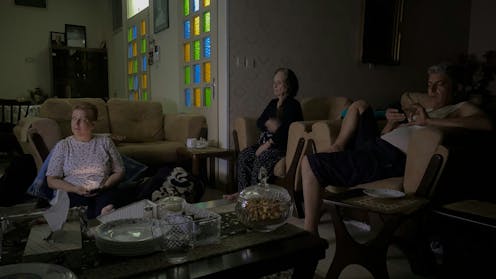
Iranian Canadians have been following the news in Iran carefully. Sadaf Vakilzadeh/Unsplash, CC BY

The recent war waged by Israel and the United States on Iran killed at least 935 people and wounded another 5,332. There’s currently a ceasefire, but the conflict shocked the world and has had unique impacts on Iranians in the diaspora.

Many Iranians in Canada were glued to their media feeds to stay close to Iran and their friends and families.

Based on preliminary interviews with 30 Iranian activists in Canada, many in the diaspora have experienced what they call “survivor’s guilt.”

The interviews are part of a PhD study conducted online or in person by one of the authors of this story, Fateme Ejaredar, and supervised by co-author Pallavi Banerjee. The information from these interviews helps to untangle the roots of political tensions and evolving solidarities in the Iranian diaspora in Canada. For this research, 30 interviews were conducted, with seven followups after the conflict began on June 13, 2025.

A large share of the Iranian diaspora in Canada is comprised of activists who disavow the Islamic Republic. According to The New York Times, the Iranian diaspora includes “exiled leftists, nationalists, secular democrats, former prisoners, journalists, human rights advocates and artists.” This population of diasporic Iranians has been supporting progressive change in Iran.

There are also those who oppose the Islamic Republic in support of the deposed shah, a movement currently swayed by Reza Pahlavi, the son of Iran’s last shah. They see the U.S. and Israel as liberators of the Iranian people. The current war resurfaced many of these tensions that continue to divide the diaspora.

The war has left Iranian activists in the diaspora contending with contradictions about both their standing as activists while mourning the assaults on their country, both from within and outside.

Living in between homeland and hostland

Canada has the second largest Iranian diaspora in the world. Iran’s tumultuous political climate has kept the diaspora on edge and divided since the 1979 revolution that deposed the shahs.

After the revolution, many left-wing and other opposition activists who resisted both the pre- and post-revolutionary regimes went into exile. Continued political repression and economic hardship later forced even more Iranians, including activists, to leave the country. Strife peaked again in 2022 during the “Woman, Life, Freedom” protests which deeply impacted the diaspora.

Matin, a participant in her 30s from Alberta (all names of interviewees are pseudonyms), said:

“I’m sad that my home is being bombed. And you don’t have the energy to argue in this situation. For a soul that’s already tired, its wounds from 2022 aren’t healed yet, it can’t go into this again. It’s a dead end.”


Read more:
Iranian women risk arrest: Daughters of the revolution


Sociological research on migration and transnationalism has explained how those exiled from their homelands and living in diaspora reside in the “in-between lands.”

This is heightened when the homeland is in a state of political disarray, producing what sociologists have called “exogenous shocks” for the diaspora.

This is the unsettled feeling Iranians in the diaspora have been contending with for the last 45 years. They are constantly navigating life in between the homeland and hostland.

Fragmented nationalism

People’s fragmented sense of nationalism can shape responses to upheavals in the homeland.

Many we spoke with struggle with their own interpretations of Iranian nationalism that clash with their disdain for the Islamic Republic. Their disdain is rooted in their own lived experiences under the regime — ranging from the loss of basic rights and freedoms, to harsh repression including imprisonment and torture for some, or simply an unfulfilled desire of living in a peaceful and free society.

Vida, an interviewee in her 30s who lives in Saskatchewan, said even though she despised the politics of the Islamic Republic and in the past had celebrated the death of key officials like Qasem Soleimani, the recent war has invoked some conflicting feelings about the death of military leaders.

She took pride in solidarities forged among the diaspora due to the war and interpreted it as nationalism. Vida said:

“I never was a nationalist, and I hate nationalism. But there were moments these days that I felt proud. Seeing all the solidarity between people, seeing how they helped each other…”

Even as the activists feel protective of their country because of the war, they also experience a deep sense of loss and guilt they have always felt in exile.

Tensions in the diaspora

Iran’s relationship with the West has continued to be fraught.

The West, particularly the U.S., has leveraged Iran’s repression of women to economically disable Iran through sanctions, breaking down possibilities of diplomacy between Iran and the U.S. But feminist scholars have argued this stance has only further empowered the authoritarian and patriarchal political forces in Iran..

Iranian activists in the diaspora contend with both resisting the Islamic Republic’s role in oppression of Iranians in Iran and the American role in marginalizing Iranians in Iran.

The ‘Iran of our dreams’

The in-between spaces are precarious and unpredictable. But they also bring new possibilities and in this case, as many interviewees have indicated, acts of resistance from afar.

This can be further activated in moments of upheaval. And those living in the in-between spaces can often form new alliances and solidarities.

For many activist Iranians, the resistance in Palestine has been a source of inspiration since before the revolution of 1979. Many participants in this study mentioned in their interviews how they have long felt solidarity with Palestinians, but they say since June 13, they have an even deeper understanding of their situation.

Zara, in her 40s from Ontario, said she now understands more deeply how the world could be indifferent towards those critiquing the actions of Israel, saying she feels:

“… a sense of helplessness and desperation against all that illogical violent power.”

Despite the desolation expressed by our interviewees about the war, many activists also expressed faith in resistance for freedom and justice that allows them to envision a different future.

Jamshid, in his 60s in British Columbia, shared his future vision of Iran. It is:

“ … an Iran that lives in peace. There is social justice in it and no one is injured. It takes care of itself. It’s very kind, immensely kind… Maybe one day it will happen and we’re not here to see it.”

The Conversation

Pallavi Banerjee receives funding from the Social Sciences and Humanities Research Council and Immigration, Refugees and Citizenship Canada.

Fateme Ejaredar does not work for, consult, own shares in or receive funding from any company or organisation that would benefit from this article, and has disclosed no relevant affiliations beyond their academic appointment.

ref. Iranian Canadians watch the Israel-U.S. war in Iran from afar – https://theconversation.com/iranian-canadians-watch-the-israel-u-s-war-in-iran-from-afar-259866

How do politicians view democracy? It depends on whether they win or lose

Source: The Conversation – Canada – By Valere Gaspard, Research Fellow, Leadership and Democracy Lab, Western University

There is a heightened concern about the current state of democracy around the globe. These include worries about a decrease in freedom, the growing number of autocracies around the world and citizens’ dissatisfaction with democracy or government.

A 2022 survey of Canadians found that one-third have little to no trust in democracy and close to half don’t feel represented by government. These concerns aren’t unique to Canada.

A lot of public opinion research on views about democracy focuses on citizens. Surely this is understandable, since they are the ones choosing who is in power in a democratic state.

But what do the people in power or those running for office think about democracy? Surprisingly, for all the attention we place on politicians, we don’t know much about how they regard the democratic systems they operate in.

Why it matters

Why should we care about what politicians think about democracy? Because politicians can influence the views of citizens, and if they’re elected, they can affect or change democratic processes from within major institutions like legislatures.

Therefore, to understand the contemporary health of democracies across the globe, we need to factor in politicians’ satisfaction with the way democracy works.

While there are growing concerns about the current state of democracy around the globe, new open-access research I’ve conducted has hopeful findings, at least from the perspective of politicians. The analysis covers 49 elections in 21 countries — including Canada — from 2005 to 2021.

The results show that politicians’ democratic satisfaction in a country will be higher when:

  • Elections in their country have high electoral integrity; in other words, when elections are free and fair
  • Electoral management bodies have sufficient resources to administer elections.

This is good news from the perspective of maintaining a healthy democracy, since the people seeking the power of elected office are more satisfied when their democratic system is working well.

But these findings become convoluted once we consider some attributes of politicians. Specifically, politicians’ democratic satisfaction begins to vary once we consider:

  • Whether their political party formed the government (winner) or is not part of government (loser)
  • Whether they identify with the ideological left or right.

Winning and losing

Nobody likes to lose, so it’s natural that a winner will be more satisfied with democracy.

Although, the view that may be surprising — or troubling — is the extent to which politicians who won tolerate low electoral integrity, at least in terms of their democratic satisfaction.

As illustrated above, when electoral integrity is low in a country, politicians who lose will be much less satisfied with democracy than winners. When electoral integrity is high, there is no noticeable difference between politicians that won or lost.

The difference between winners’ and losers’ democratic satisfaction is problematic, but what is most troubling is that winners’ satisfaction with democracy does not significantly change across different levels of electoral integrity.

When it comes to citizens, previous research has shown that when electoral integrity is low, democratic satisfaction among citizens will also be low, regardless of whether their preferred politician or political party won or lost.

Politicians therefore differ from their citizen counterpart — those who won are much more tolerant of lower electoral integrity (at least in terms of their democratic satisfaction).

In a stable democracy with free and fair elections, this might not matter much. However, if a country begins to experience democratic decline, then these attitudes could become detrimental.

If politicians who win are not concerned with low electoral integrity, then they might lack the incentive needed to make necessary changes to electoral processes. Those concerned about electoral processes in these kinds of circumstances may therefore need to find alternative routes or incentives to encourage change.

Left-to-right political ideology

While the contrast between winners and losers may be discouraging, there are more similarities between those on the ideological left and right. Electoral management bodies having sufficient resources to administer elections matters to both leftist and rightist politicians in terms of their democratic satisfaction.

However, as shown above, having sufficient resources to administer elections matters more to politicians on the ideological right. This may surprise some readers given past claims that right-leaning groups or people might advocate for more restrictive voting processes and laws.

For those concerned with democratic stability, it’s promising to note that politicians across the ideological spectrum will generally be more satisfied with democracy when there are more resources to administer elections.


Read more:
Two of the US’s biggest newspapers have refused to endorse a presidential candidate. This is how democracy dies


Overall, politicians on average tend to be more satisfied with democracy when it is working well — specifically, when elections are free and fair, and when electoral management bodies have the capacity to administer well-run elections. This is good news given concerns surrounding the current global state of democracy.

However, policymakers and practitioners in Canada and abroad focusing on democratic stability and elections should take note of these findings. The attitudes of politicians in democratic countries may not be concerning when everything is working as intended, but if democratic processes begin to weaken or fail, the indifference of winners towards electoral integrity could be troublesome.

At this moment of heightened concern about the current state of democracy around the globe, researchers and practitioners alike need to better understand the attitudes and motivations of the people who lead our systems of government.

The Conversation

Valere Gaspard is a PhD candidate at the University of Ottawa and a Research Fellow at Western University and Trent University’s Leadership and Democracy Lab. His research is supported in part by funding from the Social Sciences and Humanities Research Council (CGS Doctoral award). His views do not reflect those of any employer(s).

ref. How do politicians view democracy? It depends on whether they win or lose – https://theconversation.com/how-do-politicians-view-democracy-it-depends-on-whether-they-win-or-lose-261647

Hockey Canada sex assault verdict: Sports culture should have also been on trial

Source: The Conversation – Canada – By Laura Misener, Professor & Director, School of Kinesiology, Western University

The verdict is in on the sexual assault trial of five former members of Canada’s 2018 world junior hockey team — all five have been acquitted.

Each player was accused of sexually assaulting a woman in a hotel room. Today, Justice Maria Carroccia stated that the Crown did not prove its case beyond a reasonable doubt.

The trial has captured the world’s attention and sparked polarized public debates about consent, hockey culture and the role of sport in socializing young men.

Elite athletes often operate within environments where their talent grants them special status and access to resources — monetary and otherwise — that bolster a sense of entitlement. In some instances, sport organizations exacerbate this sentiment by protecting their star performers instead of addressing misconduct, which was reflected in this case.

For example, an abusive national vaulting coach for New Zealand Athletics was finally banned for 10 years, but only after years of unchecked abuse of his female athletes, including “inappropriate sexual references.” This highlights how misconduct can go on unrestrained for so long.


Read more:
With another case of abuse in elite sport, why are we still waiting to protect NZ’s sportswomen from harm?


The culture of exceptionalism

As researchers with expertise in sport culture and sexual and gender-based violence, we’re reflecting on what the Hockey Canada trial reveals about the institutional and cultural practices within sport.

The formal and informal rules of men’s sport validate misogyny and reinforce systemic patterns of sexual entitlement and inadequate accountability. We offer some perspectives on how these troubling patterns of violence in sport can be reformed.

The Hockey Canada sexual assault trial has become a focal point for questioning how elite sporting environments shield athletes from accountability. This may be especially true in hockey.

In their book about toxic hockey culture, authors Evan Moore and Jashmina Shaw argue that hockey operates within “a bubble composed mostly of boys and men who are white, cis-het, straight and upper-class. And those who play often become coaches and teach the same values to the next generation.”

This closely knit community thrives on conformity and creates conditions that are ripe for the pervasive misogyny against women and systemic silence around issues of consent. The book _Skating on Thin Ice: Professional Hockey, Rape Culture and Violence against Women_, written by criminal justice scholars and sports reporters, demonstrates how endemic sexism, heavy alcohol use, abusive peers and the sexual objectification of women are buttressed by broader social factors. These factor uphold and reproduce toxic hockey culture, including patriarchal beliefs.

Male-dominated sporting cultures also emphasize a particular type of masculinity that focuses on dominance, physical intimidation and winning at all costs. This can blur the boundaries between acceptable competitive behaviour and problematic aggression.

Vulnerability in sports

Within the realm of professional sport, athletes also become commodified and objectified through media coverage, sponsorship deals and public scrutiny. This commodification can contribute to a culture where athletes may internalize the idea that their bodies are public property, further eroding their sense of autonomy and understanding of consent, especially in relation to others beyond the sport context.

Questioning or circumventing institutionally sanctioned behaviours is not easy, and it’s well-documented that many elite athletes struggle with mental health issues including depression, anxiety and substance misuse resulting from the pressure to align with the dominant culture.

But what often gets forgotten is how the hyper-masculine culture of sports creates significant barriers to seeking help. Young male athletes are socialized to comply with peer cultures that equate vulnerability with weakness. Yet they face intense pressures around family expectations, sponsorship deals and team success that demands they maintain appearances of strength and control.

This cycle of suppressed vulnerability and untreated distress enables toxic sporting masculinity to flourish, forcing organizations like Hockey Canada to confront their role in perpetuating these harmful dynamics.

The need for structural, cultural reform

Sports organizations have significant financial and reputational investment in athletes. This can create an inherent conflict when misconducts arise, problematically prompting sports organizations to use their power and resources to prioritize damage control over justice.

We saw this in the Hockey Canada sexual assault trial, where each hockey player had his own legal counsel, a stark illustration of institutional power and the extent to which sports organizations will go to shield their members from accountability. The deeply entrenched networks within sport prioritize self-preservation over addressing misconduct

Effectively responding to these issues requires addressing the systemic factors that perpetuate sexual and gender-based violence in sport. The sport ecosystem in Canada needs radical change, including who trains and mentors young men in hockey and how organizations investigate complaints.

It requires going beyond individual accountability, participating in consent workshops or issuing policy documents. These actions alone are insufficient to shift the cultural needle.

In 2022, Hockey Canada released a comprehensive action plan to address systemic issues in hockey that features discussions of accountability, governance, education and training and independent sport safety structures.

Community organizations like the Ontario Coalition of Rape Crisis Centres also issued a series of recommendations in 2022 that remain germane:

  • Work with athletes and sports organizations to address sexual violence in sports culture;
  • Support the development and growth of male allies programs within community-based sexual assault support centres; and
  • Support those who have been harmed.

In addition to these excellent suggestions, Hockey Canada and other allied hockey organizations must be willing to restructure the current hierarchical structure of power that governs not just hockey, but also the players and all the other agencies involved, including coaches, sponsors, trainers, legal teams, media and PR representatives.

These organizational changes are possible, as evidenced by the efforts of Bayne Pettinger, an agent who has led efforts to create space for queer hockey players in Hockey Canada and the National Hockey League.

Two men in suits sit behind a conference table. The man on the left sits behind a name plate that says 'Scott Smith' and the man on the right sits behind a name place that says 'Brian Cairo'
Scott Smith, who stepped down from his role as Hockey Canada’s President and CEO, left, and Hockey Canada Chief Financial Officer Brian Cairo appear at a standing committee in July 2022 looking into how Hockey Canada handled allegations of sexual assault and a subsequent lawsuit.
THE CANADIAN PRESS/Sean Kilpatrick

Sport’s moral reckoning

However, the cultural norms of power in sport extend beyond the playing field to shape attitudes toward consent and sexual conduct.

Until sport organizations address the foundational cultural elements that enable misconduct — toxic masculinity, institutional protection and erosion of consent culture — meaningful change will remain elusive.

Within hockey environments, in particular, the objectification of women and the institutional silence surrounding sexual violence have become normalized aspects of the sport’s culture, creating conditions where misconduct can flourish unchecked.

The events examined in this most recent trial are not isolated incidents but symptoms of deeper systemic failures within elite sport.

Only through comprehensive cultural transformation can we ensure that sport environments are spaces of genuine safety, respect and accountability for all participants.

The Conversation

Laura Misener receives funding from Social Sciences and Humanities Research Council of Canada

Treena Orchard receives funding from Western University for a Teaching Innovation Grant, however, those funds were not used in the creation of this article.

ref. Hockey Canada sex assault verdict: Sports culture should have also been on trial – https://theconversation.com/hockey-canada-sex-assault-verdict-sports-culture-should-have-also-been-on-trial-260662

High-profile sex assault cases — and their verdicts — have consequences for survivors seeking help

Source: The Conversation – Canada – By Lisa Boucher, Assistant Professor, Gender & Social Justice, Trent University

Five former Canada world junior hockey players have been acquitted of sexually assaulting a woman in a hotel room in 2018 after Ontario Superior Court Justice Maria Carroccia said the Crown failed to prove its case and that the victim’s evidence was neither credible nor reliable.

The shocking outcome highlights the inadequacies and harms of the legal system and formal institutions in responding to sexual assault that advocates, researchers and victim/survivors have long pointed to.

If we truly want to address sexual violence, then challenging rape myths — in the courts, in the media and elsewhere — is an essential part of this work.

Sexual violence — a type of gender-based violence — is a persistent problem in Canada and across the globe, with high rates of sexual assault and other forms of sexual violence. Statistics Canada has found that approximately 4.7 million women in Canada have been sexually assaulted since the age of 15. Reporting remains low, however, and victims/survivors face a multitude of barriers to care and justice.

Barriers to reporting and seeking help include factors like service gaps, not knowing where to go for help, inaccessibility and shame and stigma. Attitudes surrounding sexual violence can also impact survivors’ decisions to disclose. They can also influence the responses survivors receive when they reach out for support.

Supportive vs. unsupportive reactions

The majority of victims/survivors never report or seek help through formal channels. Instead, they’re more likely to disclose to informal support systems, like friends and family.

When a disclosure of violence is met with a supportive reaction, victim/survivors can experience improved well-being. Positive reactions can also lead to additional help-seeking by affirming the victims/survivors’ need for care, and offering information about services and resources.

In contrast, unsupportive responses can hinder a victim/survivor’s recovery. Such responses might involve blaming the victim, taking control of decision-making or priorizing the well-being of the person or entity receiving the information over the victim/survivor’s.

Negative reactions can silence the victim/survivor, encourage self-blame and deter them from seeking help. And when victims/survivors anticipate negative reactions to a disclosure of violence, they are less likely to talk about it, alert authorities or seek help.

Additionally, while most victims/survivors seek help through informal channels, most people are unprepared to hear about it. High levels of misinformation about sexual violence — or rape myths — also increase the likelihood that victims/survivors will receive unsupportive responses.

The persistence of rape myths

Rape myths are pervasive false beliefs about sexual assault. They minimize the seriousness of sexual violence and shift blame from individual perpetrators and root causes onto victims or survivors.

Common rape myths include ideas that rape is rare and committed by strangers, that victims/survivors lie, that certain clothing or behaviour invites sexual assault and that it is only rape if it involves physical force and active resistance.

Despite decades of research refuting rape myths, they persist. And they continue to influence perceptions of sexual violence, victims and perpetrators.

Rape myth acceptance is linked to higher rates of sexual assault and lower reporting and convictionrates. Because rape myths are often internalized, they also decrease the likelihood that victims/survivors will identify their experience as violence.


Read more:
Rape myths can affect jurors’ perceptions of sexual assault, and that needs to change


Rape myths and media

One powerful way that rape myths circulate is through media. This includes traditional forms of media and social media. The pervasiveness of media in our lives makes it difficult to avoid exposure to false and harmful ideas about sexual violence.

High-profile cases in the media — like the Jian Ghomeshi, Harvey Weinstein and Hockey Canada trials — expose the public to details and discourses about sexual violence. The intensity of coverage can have harmful effects on victims/survivors.

For instance, in a study about experiences with seeking help and reporting sexual assault, researchers found interview participants were negatively affected by rape myths circulating during the Brett Kavanaugh confirmation hearings for a position on the United States Supreme Court.


Read more:
Trauma 101 in the aftermath of the Ford-Kavanaugh saga


Interviewees reported an increase in victim-blaming reactions from friends, family and professionals. They also described intense feelings like grief and anger, and reflected on barriers to reporting sexual violence.

Sexual assault centres in Ontario have reported spikes in calls to their crisis/support lines in response to the Hockey Canada sexual assault trial.

This is further evidence that coverage of sexual violence can be stressful and retraumatizing for victims/survivors. Service providers have noted that some of the calls include concerns about the hurdles and attitudes sexual assault victims face when they report.

Challenging rape myths, victim-blaming

There are signs of growing awareness of sexual violence, spurred in large part by survivor-led movements like the #MeToo movement. Nonetheless, rape myths continue to influence understandings of, and responses to, this type of violence.

Challenging rape myths is therefore a critical anti-violence strategy. This requires ongoing education, for the public and for professionals.

It also requires commitments from institutions, like the courts and media, to take an active role in stopping the spread of misinformation about sexual violence, and challenging it whenever possible.

The Conversation

Lisa Boucher has previously received funding from the Social Sciences and Humanities Research Council of Canada and Women and Gender Equality Canada.

ref. High-profile sex assault cases — and their verdicts — have consequences for survivors seeking help – https://theconversation.com/high-profile-sex-assault-cases-and-their-verdicts-have-consequences-for-survivors-seeking-help-260668

Caught on the jumbotron: How literature helps us understand modern-day public shaming

Source: The Conversation – Canada – By Jason Wang, Postdoctoral Fellow, Modern Literature and Culture Research Centre, Toronto Metropolitan University

The scene at Gillette Stadium in Massachusetts on July 16 was steeped in irony.

During Coldplay’s “jumbotron song” — the concert segment where cameras pan over the crowd — the big screen landed on Andy Byron, then-CEO of data firm Astronomer, intimately embracing Kristin Cabot, the company’s chief people officer. Both are married to other people.

The moment, captured on video and widely circulated on social media, shows the pair abruptly recoiling as Coldplay’s lead singer Chris Martin says: “Either they’re having an affair or they’re just very shy.”

Martin’s comment — seemingly light-hearted at the time — quickly took on a different tone as online sleuths identified the pair and uncovered their corporate roles and marital statuses. Within days, Byron resigned from his position as CEO while Cabot is on leave.

This spectacle raises a deeper question: why does infidelity, especially among the powerful, provoke such public outcry. Literary tradition offers some insight: intimate betrayal is never truly private. It shatters an implicit social contract, demanding communal scrutiny to restore trust.

When trust crumbles publicly

French philosopher Paul Ricoeur’s notion of “narrative identity” suggests we make sense of our lives as unfolding stories. The promises we make (and break) become chapters of identity and the basis of others’ trust. Betrayal ruptures the framework that stitches private vows to public roles; without that stitch, trust frays.

Byron’s stadium exposure turned a marital vow into a proxy for professional integrity. Public betrayal magnifies public outcry because leaders symbolize stability; their personal failings inevitably reflect on their institutions.

When Astronomer’s board stated the expected standard “was not met,” they were lamenting the collapse of Byron’s narrative integrity — and, by extension, their company’s.

This idea — that private morality underpins public order — is hardly new. In Laws, ancient Greek philosopher Plato described adultery as a disorder undermining family and state. Roman philosopher Seneca called it a betrayal of nature, while statesman Cicero warned that breaking fides (trust) corrodes civic bonds.

The social cost of infidelity in literature

Literature rarely confines infidelity to the bedroom; its shockwaves fracture communities.

French sociologist Émile Durkheim’s idea of the “conscience collective” holds that shared moral norms create “social solidarity.” As literature demonstrates, violations of these norms inevitably undermines communal trust.

Book cover of 'Anna Karenina' by Leo Tolstoy.
‘Anna Karenina’ by Leo Tolstoy.
(Penguin Random House)

Leo Tolstoy’s Anna Karenina (1875-77) dramatizes the social fracture of betrayal. Anna’s affair with Count Vronsky not only defies moral convention but destabilizes the aristocratic norms that once upheld her status.

As the scandal leads to her ostracization, Anna mourns the social world she has lost, realizing too late that “the position she enjoyed in society… was precious to her… [and] she could not be stronger than she was.”

In Gustave Flaubert’s Madame Bovary (1857), Emma Bovary’s extramarital affairs unravel the networks of her provincial town, turning private yearning for luxury and romance into public contagion.

Nathaniel Hawthorne’s The Scarlet Letter (1850) makes this explicit: Hester Prynne’s scarlet “A” turns her sin into civic theatre. Public shaming on the scaffold, the novel suggests, delineates moral boundaries and seeks to restore social order — a process that prefigures today’s “digital pillories,” where viral moments subject individuals to mass online judgment and public condemnation.

Domestic crumbs and digital scaffolds

Contemporary narratives shift the setting but uphold the same principle: betrayal devastates the mundane rituals that build trust.

Book cover of 'Heartburn' by Nora Ephron. It's a white book with a small drawing of a heart on fire in the centre
‘Heartburn’ by Nora Ephron.
(Penguin Random House)

Nora Ephron’s autobiographical novel Heartburn (1983), based on her own marriage’s collapse to investigative journalist Carl Bernstein, weaponizes domesticity.

Heartburn’s protagonist Rachel Samstat delivers her emotions through recipes — “Vinaigrette” as a marker of intimacy and betrayal, “Lillian Hellman’s Pot Roast” as a bid for domestic stability and “Key Lime Pie,” hurled at her cheating husband — become symbols of a life undone by public infidelity.

Ephron’s satire, later adapted into a film, anticipates our digital age of exposure, where private pain fuels public consumption and judgment.

Book cover of 'Dept. of Speculation' by Jenny Offill.
‘Dept. of Speculation’ by Jenny Offill.
(Penguin Random House)

Jenny Offill’s Dept. of Speculation (2014), which draws from her own life, shows another perspective: betrayal as quiet erosion.

Offill never depicts the affair directly; instead, the husband’s absences, silences and an off-hand reference to “someone else” create a suffocating dread. This indirection shows betrayal’s power lies in its latent potential, slowly dismantling a life built on trust before any overt act.

Both works underscore betrayal’s impact on the collective conscience: a lie fractures a family as fundamentally as a CEO’s indiscretion erodes institutional trust. Power magnifies the fallout by turning private failings into public symbols of fragility. Even hidden betrayal poisons the shared rituals binding any group, making the notion of “private” unsustainable long before any public revelation.

The limits of power

Literature acknowledges power’s protective veneer from consequence — and its limits.

Theodore Dreiser’s Trilogy of Desire (1912–47), modelled on the Gilded Age robber baron Charles Yerkes, follows the rise of financier Frank Cowperwood, whose power shields him — until it doesn’t. Even his vast empire proves vulnerable once his adultery becomes public. The very networks that protected him grow wary.

Though many critics of the elite are themselves morally compromised in the trilogy, Cowperwood’s transgression becomes a weapon to discredit him. His brief exile shows that power may defer, but cannot erase, the costs of betrayal. Once trust fractures, even the powerful become liabilities. They do not fall less often — only more conspicuously.

Gender also plays a role in shaping these narratives. Male protagonists like Cowperwood rebound as tragic anti-heroes, their moral failings recast as flaws of character. By contrast, women — think Flaubert’s Emma Bovary or Hawthorne’s Hester Prynne — are branded cautionary figures, their transgressions stigmatized rather than mythologized.

This imbalance in assigning consequences reveals a deeper societal judgment: while broken trust demands repair, the path to restoration often depends on the transgressor’s gender.

The unblinking eye

From Tolstoy’s salons to TikTok’s scroll, literature offers no refuge from betrayal’s ripple effects. When private trust visibly fractures, communal reflexes kick in.

Scarlet letters, exile or a CEO’s resignation all aim to heal the collective trust. The jumbotron, like Hester’s scaffold, is the latest instrument in this age-old theatre of exposure.

Jumbotrons. Scaffolds. Same operating system. Same shame.

The Conversation

Jason Wang does not work for, consult, own shares in or receive funding from any company or organisation that would benefit from this article, and has disclosed no relevant affiliations beyond their academic appointment.

ref. Caught on the jumbotron: How literature helps us understand modern-day public shaming – https://theconversation.com/caught-on-the-jumbotron-how-literature-helps-us-understand-modern-day-public-shaming-261638

Dealing with wildfires requires a whole-of-society approach

Source: The Conversation – Canada – By Kevin Kriese, Senior Wildfire and Land Use Analyst, Centre for Global Studies, University of Victoria

As the summer heat intensifies, people across Canada are facing the full brunt of wildfire season. Communities are being evacuated and properties are being destroyed as fires grow in size.

Over the past decade, wildfires in Canada have broken numerous records, including the area burned in the largest single fire in recent history.

More frequent fires are unsettling communities, causing rapid changes to ecosystems and having a negative impact on society and our economy.

Increased wildfire risk is driven by a variety of factors, including more extreme fire weather (high temperatures, low humidity and powerful winds) made worse by climate change, fire deficits, the accumulation of fuels like trees and other organic materials on the landscape and changing land-use and settlement patterns.

Our new research from the POLIS Wildfire Resilience Project at the University of Victoria explores how beneficial fires — fire that maximizes ecological benefits and minimizes risks to communities — can help build wildfire resilience.

What are beneficial fires?

Fire is a natural, necessary and inevitable part of many ecosystems in Canada. Historically, wildfire created a mosaic of diverse ecosystems and habitat conditions, which supported healthy watersheds and contributed to the cultures and livelihoods of Indigenous Peoples.

Beneficial fire typically includes Indigenous cultural burning, prescribed fire and managed wildfire. These fires are managed for their ecological, cultural and community benefits, while minimizing adverse effects.

One reason we’re seeing more catastrophic fires now is because of a history of widespread wildfire suppression, which can allow fuels to accumulate. When fuels accumulate, the risk from wildfire increases.

In certain places and contexts, suppression remains the appropriate approach. It will continue to play a critical role in keeping communities safe and conserving ecosystem services like clean water and special places. But suppression alone is not viable or desirable. Instead, a suite of proactive actions from a variety of stakeholders is required.

In British Columbia, Indigenous communities are returning cultural burning to their territories. A burn by the ʔaq̓am First Nation, with support from the BC Wildfire Service and local fire departments, was credited with helping save lives and homes from the St. Mary’s wildfire in summer 2024.

Later in 2024, portions of a wildfire near the Wet’suwet’en community of Witset were allowed to burn while firefighting efforts focused on the part of the fire that threatened the community. This approach protected the village of Witset while still allowing the fire to create ecological benefits.

Despite increasing awareness that some fires are beneficial, community opposition to cultural and prescribed fires — as well as to letting wildfires burn — persists. This opposition stems from a longstanding fears of fire and the very real threats posed to communities, people and property.

A whole-of-society approach

Until people feel safe from wildfire, the ability to return fire to the landscape will be limited and pressure for maximum suppression will likely continue. However, when people feel safe in their homes and communities, they may be more likely to accept more beneficial fire on the landscape.

Risk reduction programs, such as FireSmart, take a holistic approach to wildfire resilience and include practical measures proven to reduce property loss.

Homeowners who live near fire-prone ecosystems (referred to as the wildland-urban interface) can take simple actions, such as removing flammable material within 1.5 metres of buildings, while communities can plan effective evacuation routes.

Experience in other jurisdictions indicates that voluntary measures, like FireSmart, are more effective when combined with mandatory minimum standards for fire-resistant building construction, vegetation management and landscaping.

Reducing risk and increasing beneficial fires requires co-ordinated action from a diverse array of parties. For example, creating home-hardening requirements demands updated provincial building codes and local government plans that consider wildfire resilience.

When a diverse array of entities is required to work towards a common goal, co-ordination and collaboration are vital and a whole-of-society approach is required. This type of approach fosters innovation, local agency and broader accountability — ultimately resulting in better outcomes on the ground.

There are calls for this approach at national and international levels. Recent examples include the Canadian Council of Forest Ministers’ Canadian Wildland Fire Prevention and Mitigation Strategy and the G7 Kananaskis Wildfire Charter.

Diverse actions needed

Crown governments have historically worked in a top-down wildfire management model: provincial and territorial governments are in charge and select partners, such as industry, have been engaged to carry out specific actions.

We are beginning to see a shift to greater sharing of responsibilities, partnerships, recognition of Indigenous authorities and increased local action. For example, B.C. has committed to “integrate traditional practices and cultural uses of fire into wildfire prevention and land management practices and support the reintroduction of strategized burning.”

As Canadians face another intense wildfire season, in which we’ve already experienced loss of life and property, meaningful action across all of society is essential.

Provincial governments must work in collaboration with Indigenous, local and federal governments, as well as industry, civil society, practitioners, local experts and communities.

Individuals can take action to reduce the risk to their homes by managing the vegetation around their homes and using more fire-resistant building materials. Communities can engage in risk reduction and resilience planning. And governments at all levels can facilitate changes in how we manage our landscape to increase beneficial fires.

Taken together, these diverse actions across all of society will be crucial for protecting people and ecosystems as we all learn to live with fire.

The Conversation

Kevin Kriese is a member of the Liberal Party of Canada.

Andrea Barnett receives funding from the Gordon and Betty Moore Foundation.

Oliver Brandes receives funding from Gordon and Betty Moore Foundation and the BC Real Estate Foundation.

ref. Dealing with wildfires requires a whole-of-society approach – https://theconversation.com/dealing-with-wildfires-requires-a-whole-of-society-approach-260568

Canada’s new drug pricing guidelines are industry friendly

Source: The Conversation – Canada – By Joel Lexchin, Professor Emeritus of Health Policy and Management, York University, Canada

Drug pricing in Canada just got more industry-friendly.

Canadian drug prices are already the fourth highest in the industrialized world. Now, with the release of new guidelines for the staff at the Patented Medicine Prices Review Board (PMPRB) at the end of June, the situation is poised to potentially get even worse.

The review board is the federal agency that was set up 1987 to ensure that the prices for patented drugs are not “excessive.”

Comparing prices

Up until now, one of the criteria the PMPRB used in making the decision about what was an excessive price was to compare the proposed Canadian price for a new drug with the median price in 11 other countries. The median is the 50 per cent mark; in other words, the price in half of the other countries was below what’s proposed for Canada, and the price in the other half was above the proposed Canadian price. Under the new guidelines, set to take effect on Jan. 1, 2026, the Canadian price can be up to the highest in those other 11 countries.

Right now, the median price in the 11 countries Canada is compared to is 15 per cent below the price of patented drugs in Canada. The highest international price, which will be the new standard, is 21 per cent above the median Canadian price, meaning Canadian prices for new drugs will be significantly higher than they otherwise would have been.

Sometimes a drug is not available in any of the 11 other countries when it comes onto the Canadian market. In that case, the company can price the drug at whatever level it wants and keep it at that price until it comes up for its annual price review. The executive director of the PMPRB told the Globe and Mail that this would incentivize drugmakers to bring their products to the Canadian market first.

Incentivizing drug companies may be a reasonable idea, but that’s not part of the mandate of the PMPRB. As laid out in Section 83 of the Patent Act, its mandate is to ensure drug prices aren’t excessive.

Additional therapeutic value

In the past, one of the factors that the PMPRB took into account in determining if prices were excessive was the additional therapeutic value of a new drug compared to what was already on the market. The lower the value, the lower the price. In this regard, the PMPRB was advised by its Human Drug Advisory Panel, an independent group of experts.

The ranking of new drugs against existing ones was also of significant value to Canadian clinicians. It helped them to decide on the best treatment option for their patients and countered the hype about new drugs that came from the manufacturers.

Since the new guidelines have abandoned looking at therapeutic improvement of new drugs, that leaves only one remaining Canadian source for that type of information, the Therapeutics Letter, a bimonthly publication targeting identified problematic therapeutic issues in a brief, simple and practical manner.

Complaints about prices can be made by federal, provincial and territorial health ministers and by senior officials who are authorized to represent Canadian publicly funded drug programs. “Other parties who have concerns about the list prices … are encouraged to raise their concerns with their relevant Minister(s) of Health or Canadian publicly-funded drug program (sic).” This advice is cold comfort for people working low-wage jobs who aren’t covered by provincial and territorial drug plans and don’t have any access to their health minister.

If there is an in-depth review of a new drug’s pricing — a preparatory step to determine whether there should be a formal hearing to investigate if the price is excessive — it is only the manufacturer that is allowed to submit information to the PMPRB. Clinicians who prescribe the drug, patients who take the drug, and organizations and individuals that pay for the drug do not have that same right.

Donald Trump’s on-again, off-again tariffs are already threatening to drive up drug prices and make prescription drugs inaccessible to many Canadians. Higher drug prices will also almost certainly affect Canada’s already limited pharmacare program. Higher prices for new drugs will make an expanded pharmacare plan more expensive and less appealing to the federal government. The new PMPRB guidelines help ensure higher drug prices and no pharmacare expansion.

The Conversation

Between 2022-2025, Joel Lexchin received payments for writing a brief for a legal firm on the role of promotion in generating prescriptions for opioids, for being on a panel about pharmacare and for co-writing an article for a peer-reviewed medical journal on semaglutide. He is a member of the Boards of Canadian Doctors for Medicare and the Canadian Health Coalition. He receives royalties from University of Toronto Press and James Lorimer & Co. Ltd. for books he has written. He has received funding from the Canadian Institutes of Health Research in the past.

ref. Canada’s new drug pricing guidelines are industry friendly – https://theconversation.com/canadas-new-drug-pricing-guidelines-are-industry-friendly-261062

Cubic zirconia only forms under extreme temperatures, like those produced when an asteroid impacts Earth

Source: The Conversation – Canada – By Neeraja Chinchalkar, PhD student, Earth and Planetary Science and Exploration, Western University

A satellite image of the Clearwater Lakes, the site of two large asteroid impacts that struck Earth about 290 million years ago (NASA Earth Observatory)

When high-velocity asteroids land on the Earth, they can form a meteor impact crater. Such collisions have occurred throughout Earth’s history and still occur on other planetary bodies today.

While most asteroid impacts on Earth happened millions of years ago, their remnants are still preserved across the Earth’s surface. Impact-affected rocks experience intense heat and pressure during the impact.

One such ancient impact site, known as West Clearwater Lake, is located in Québec, on the Canadian Shield near Hudson Bay. This crater, now filled with water, was formed when an asteroid struck Earth approximately 285 million years ago.

A natural thermometer

Zircon is a mineral commonly found in a variety of rock types on Earth and in some rocks on the moon and other planets. It is an incredibly durable, naturally occurring mineral that has been around since as long as the Earth itself. The physical resilience of zircon makes it a useful tool to study natural geological phenomena.

Zircon, when heated enough, begins to break down into its components: zirconia (ZrO₂) and silica (SiO₂). Zirconia has different forms depending on how hot it gets, called polymorphs — these are minerals with the same chemical make up but different crystal structures that adapt to changing physical conditions. One of the polymorphs of zirconia is cubic zirconia, named for its cubic structure.

Finding cubic zirconia in nature is incredibly rare because of the specific conditions it requires to remain structurally stable. Cubic zirconia forms only under extreme conditions where temperatures reach above 2,370 C. On the Earth’s surface, such naturally hot temperatures have only been known to exist during impact crater formation.

At West Clearwater Lake, we found evidence of this natural cubic zirconia preserved in natural glass — a remnant of the intense heat from the ancient asteroid impact. For comparison, active volcanoes such as those in Hawaii reach temperatures in the range of 800 to 1,200 C.

In nature, zirconia exists in several forms, depending on the temperature and pressure it’s exposed to. The three main polymorphs are: monoclinic, tetragonal and cubic.

Monoclinic zirconia is stable at lower temperatures and is the most common form of zirconia found in nature. Tetragonal zirconia exists at moderately high temperatures and is unstable at low temperatures. Cubic zirconia is only stable at extremely high temperatures above 2,370 C, and is also unstable at lower temperatures.

white scattered fragments against a black background
A backscattered electron image of a zircon grain decomposing into zirconia.
(N. Chinchalkar , G. Osinski, T. Erickson & C. Cayron), CC BY

A hot piece of history

How, exactly, did cubic zirconia end up in these rocks?

When the asteroid hit the West Clearwater Lake region millions of years ago, it generated temperatures hot enough to melt and vaporize some of the surface rock. As the molten rock cooled and solidified, microscopic crystals of zircon, originally present within target material, got caught up in the hot melt and began to transform.

At temperatures above 2,370 C, these zircon crystals started to break down, and some of them turned into cubic zirconia. This provided evidence of the extreme heat, which our research team discovered in our recent study.

This fascinating evidence gives us insights into how hot it can get during a meteorite impact, something that’s hard to measure millions of years after the fact.

Artificial production

Synthetic cubic zirconia is produced artificially by heating zirconium oxide to high temperatures, then cooling it in a controlled environment; the zirconia then forms crystals that resemble diamonds. Synthetic cubic zirconia is a popular substitute for diamonds in jewelry because it is cheap to produce but still sparkles like diamonds.

Synthetic cubic zirconia contains high amounts of stabilizing agents, like the element yttrium, that prevent it from becoming unstable and help it maintain its brilliance over time.

Without the additives used in synthetic cubic zirconia, natural zirconia is much more likely to transform into other forms as it cools down. That’s why finding natural cubic zirconia is so rare — it exists only in places where temperatures were once unimaginably high.

a bright white gemstone
Synthetic cubic zirconia is a popular substitute for diamonds in jewelry because it is cheap to produce but still sparkles like diamonds.
(James St. John/Flickr), CC BY

Asteroid impacts

Apart from being a fascinating geological discovery, finding evidence of cubic zirconia in an impact structure gives scientists a better understanding of the conditions created during asteroid impacts. These ancient events weren’t just violent — they fundamentally changed the Earth’s surface in ways that we’re still learning about.

While the discovery of cubic zirconia in West Clearwater Lake is exciting, it’s just one piece of the puzzle. Impact craters are not unique to Earth — they are found on most rocky objects in our solar system. For example, cubic zirconia has been found in moon rocks brought back by astronauts of the Apollo missions.

Meteorite craters like the West Clearwater Lake are only a small part of a larger story of Earth’s history. During its nascent years, Earth was regularly bombarded by asteroids that were remnants of the debris from the formation of the solar system, and these collisions helped shape the planet’s surface. In fact, there is compelling evidence that asteroid impacts may have played a role in the origin of life by creating environments where complex chemicals could form.

The Conversation

Neeraja Chinchalkar is affiliated with the Lunar and Planetary Institute

Gordon Osinski receives funding from the Natural Sciences and Engineering Research Council of Canada and the Canadian Space Agency.

Timmons Erickson does not work for, consult, own shares in or receive funding from any company or organisation that would benefit from this article, and has disclosed no relevant affiliations beyond their academic appointment.

ref. Cubic zirconia only forms under extreme temperatures, like those produced when an asteroid impacts Earth – https://theconversation.com/cubic-zirconia-only-forms-under-extreme-temperatures-like-those-produced-when-an-asteroid-impacts-earth-238267

How public development banks could narrow inequality gaps between the Global North and South

Source: The Conversation – Canada – By Alicja Paulina Krubnik, PhD Candidate, Political Science, McMaster University

The United Nations’ Fourth International Conference on Financing for Development (FFD4) recently concluded in Seville, Spain. It gathered global leaders from government, development, academia and civil society to discuss key barriers to sustainable development and shape collaborative efforts to address them.

FFD4 comes at a crucial time, when the Action Agenda from the last FFD3, set 10 years ago, must be built upon and upheld. With only five years left to meet the UN’s Sustainable Development Goals (SDGs), more than 80 per cent are off track. More tangibly, 2030 is a key deadline for global emissions reduction.

The global aid environment is also in crisis, just as low- and middle-income countries face mounting pressures due to the interconnected impacts of climate change, environmental damage, poverty and inequality.

Boosting global co-operation

FFD4 was an opportunity to revitalize and transform international development co-operation to help states meet these challenges and pursue sustainable development.

Achieving this requires more than decarbonizing development financing. FFD4 faced its most testing challenge yet: how to reform the global financial systems that direct development resources.

Key factors include aligning funding with the sustainable development needs of low- and middle-income countries, increasing access to long-term concessional financing — loans or other forms of financing provided on terms more favourable than those in the market — and reducing public debt burdens.

Public development banks offer crucial leadership here. They provide affordable financing, direct resources where urgently needed and align funding with long-term development strategies, giving them significant potential to democratize project ownership.

Urgent human development needs

At the FFD4 gathering, many representatives, especially from Global South and climate-vulnerable countries, highlighted the inadequacy of development financing. Seedy Keita, the minister for finance and economic affairs from The Gambia, told the conference that as developing countries are being urged to invest more in climate and human development initiatives, they lack the tools to do so.

The countries facing the worst climate impacts also struggle with urgent human development needs. Adapting to and mitigating climate breakdown are inseparable from economic and social development, with human welfare — access to food, water and clean air, avoiding displacement and the safety of women and girls — intimately linked to climate.

Yet climate-vulnerable states receive a small share of global development financing, particularly for adaptation projects that yield lower returns. Additionally, resources for building value-added industries in low- and middle-income countries remain insufficient.

Scant commitment to action

Simply increasing financing is not enough. At the launch of the latest SDGs Report, UN Secretary General António Guterres stated:

“There is something fundamentally wrong in the structure of the economic and financial architecture and in the way it operates to the detriment of developing countries.”

In short, it’s too rigid and unresponsive to the Global South’s unique needs, ultimately constraining their ability to act on the SDGs.

The most ambitious and pressing outcome of FFD4, the “Sevilla Commitment,” addresses key issues in efforts to reform international financial systems but lacks commitment to strong, transformative action.

Too much priority is given to enabling low- and middle-income countries to access private finance for development. Using public development finance to mobilize private investments and lending has failed to close the financing gap.

Poverty and inequality worsens

Private support for the structural green transformation needed for long-term economic development in low- and middle-income countries remains inadequate, widening the divide between the Global North and South. The strategy of catalyzing private finance has shifted risk to public balance sheets while reserving most of the profits for private, often multinational corporations — what’s known as “de-risking.”

A privatized development strategy has pushed fiscal austerity measures on Global South countries to access international capital markets to fund development initiatives. Many of these countries are struggling with alarming debt, forcing them to divert scarce funds from essential services like health and education to service debts, which worsens poverty and inequality.

FFD4’s efforts to create a fairer debt system include scaling up debt swaps and forming an alliance between creditor countries and multilateral banks to implement debt “pause clauses” during crises. While many states called for deeper debt reforms and a UN convention on sovereign debt, several wealthy countries resisted bold changes.

They largely overlooked the Global North’s climate debt — estimated at $192 trillion. The Sevilla Commitment proposes launching a UN-led intergovernmental process, opening a potential path for creditor action.

As Spain’s economy minister put it, FFD4 is a “launchpad for action” not a “landing zone.”

Directing money to where it’s needed most

Public development banks have the potential to lead this action for a more prosperous and equitable future. They can mobilize under-utilized public resources more economically, rapidly and effectively to serve development goals in a climate-forward way.

These banks can direct finance to where it’s most needed, aligning with development priorities across diverse low- and middle-income countries.

Public development banks are also well-positioned to co-ordinate at multilateral, regional and national levels and to align global decarbonization goals to local demands. The largest coalition of banks, the Finance in Commons group, was recognized in the Sevilla Commitment. The group called for strengthening public development banks’ co-operation and leadership at the FFD4. Already a leader in global climate financing, further co-ordination among public debate banks could amplify its impact.


Read more:
Your essential guide to climate finance


Supporting green, equitable development

Structural change requires the long-term, affordable and counter-cyclical financing that public development banks can provide.

For indebted developing countries facing high borrowing costs, steadfast concessional financing is crucial. Beyond finance, public development banks have a privileged role in knowledge formation and dissemination, which can be leveraged alongside their financial power to support green and equitable development.

As public organizations, public development banks offer greater potential for transparency and accountability to democratic decision-making, aligning financing with public values. Beyond simply de-risking, these banks can leverage their financial power to generate broader public benefits.

The Conversation

Alicja Paulina Krubnik receives funding from the Social Sciences and Humanities Research Council and the International Development Research Centre.

ref. How public development banks could narrow inequality gaps between the Global North and South – https://theconversation.com/how-public-development-banks-could-narrow-inequality-gaps-between-the-global-north-and-south-261160