Veneno digital: 100 muestras falsas bastan para sabotear diagnósticos médicos con IA

Source: The Conversation – (in Spanish) – By Mario Vega Barbas, Associate professor, Universidad Politécnica de Madrid (UPM)
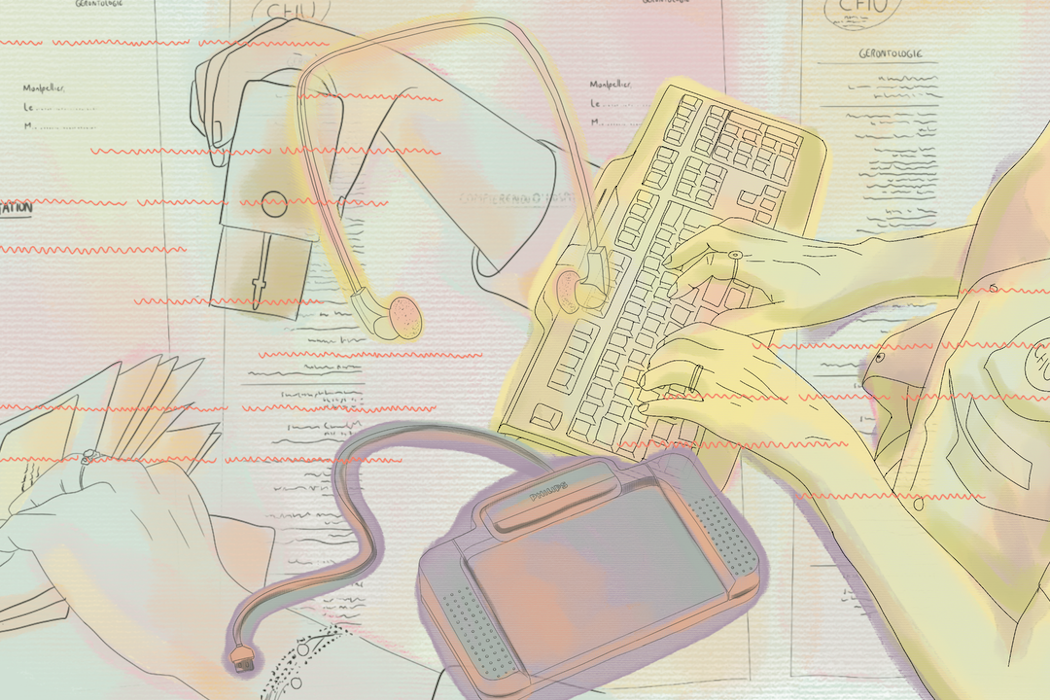
Los sistemas de IA en salud tienen vulnerabilidades que pueden traer graves consecuencias, si no se abordan a tiempo. Fanny Maurel & Digit / https://betterimagesofai.org , CC BY-SA

No hace falta ser un genio informático para sabotear la inteligencia artificial de un sistema de apoyo a la salud. Bastaría con que alguien introdujera entre 100 y 500 imágenes manipuladas en una base de datos de millones.

Esa pequeña cantidad de “veneno digital” puede representar una cienmilésima parte de los datos de entrenamiento. Con esa pequeña parte, un sistema de IA diseñado para leer radiografías o asignar trasplantes puede aprender a fallar. Y no lo hará al azar. Puede hacerlo para un grupo específico de personas, mientras funciona con total precisión para el resto de la población.

Lo más alarmante no es la facilidad del ataque, sino nuestra ceguera actual. Estos sabotajes resultan estadísticamente invisibles para los controles de calidad estándar. Cuando estas anomalías se lleguen a detectar, el daño ya estará hecho.

El mito de la seguridad en los números

Existe la creencia popular de que la cantidad de datos necesarios para alimentar la IA son un escudo en sí mismo. Tendemos a pensar que, en un océano de millones de datos médicos, unas pocas gotas de información falsa se diluyen sin causar daño. La evidencia desmiente categóricamente esta asunción.

Dos equipos de investigación ,de Karolinska Institutet (SMAILE), Suecia, y de la Universidad Politécnica de Madrid (InnoTep), hemos evaluado 41 estudios clave sobre seguridad en IA médica publicados en los últimos años. Tras este proceso, podemos concluir que el éxito del ataque no depende del porcentaje de datos corruptos, sino del número absoluto de muestras.

Esto significa que lo que estamos observando es una vulnerabilidad estructural: los sistemas de IA, por sí solos, son sensibles a la manipulación concisa, disciplinada y dirigida.

La mecánica de la mentira repetida

¿Cómo logra un puñado de datos engañar a un sistema tan complejo? El mecanismo de ataque replica la vieja máxima de la propaganda autoritaria: “una mentira repetida mil veces se convierte en una verdad”.

En el aprendizaje de las máquinas ocurre un fenómeno de adoctrinamiento. Es decir, el sistema no ve los datos una sola vez, sino que los repasa en ciclos repetitivos. Si se inserta un conjunto reducido de muestras falsas, el sistema las procesará una y otra vez en estos ciclos. De esta manera, dichas muestras maliciosas multiplican su influencia en el resultado final.

En este punto, tenemos un sistema que ha internalizado una falsa realidad. Lo más perverso es que la IA “envenenada” funciona con normalidad para el mayor número de pacientes: solo se “equivoca” en los casos y circunstancias diseñados para fallar.

El resultado del ataque no es un modelo fallido, sino un modelo corrupto. Mantiene su utilidad general intacta pero ejecuta una purga selectiva contra, por ejemplo, un grupo objetivo. No es un error aleatorio; es una discriminación codificada matemáticamente que se camufla bajo una apariencia general de eficiencia.

La paradoja de la privacidad

Quizá el hallazgo más irónico de nuestro trabajo es que hay leyes diseñadas para protegernos que acentúan este peligro. Normativas fundamentales como el Reglamento general de protección de datos son esenciales para velar por la privacidad de los pacientes, aunque también pueden actuar inadvertidamente como un escudo para los atacantes.

Para detectar un sabotaje tan sutil como el explicado, se necesitarían cruzar información de miles de pacientes entre distintos centros de salud. Sin embargo, la ley restringe precisamente este tipo de vigilancia masiva y correlación de datos.

Esto crea una “paradoja de seguridad”. Blindamos la privacidad del paciente, al tiempo que vendamos los ojos al sistema que debería protegerle. El resultado es que estos ataques pueden permanecer ocultos largos periodos de tiempo.

Una defensa basada en la pluralidad

En este contexto, la ciberseguridad tradicional no basta. En nuestra investigación, proponemos una solución defensiva llamada MEDLEY (Medical Ensemble Diagnostic System with Leveraged DiversitY) para contextos de salud. Frente al pensamiento único del modelo optimizado, proponemos el valor del disenso.

Nuestra propuesta es crear “juntas médicas digitales” formadas por diferentes sistemas de IA, incluyendo sus propias versiones anteriores, además de diseños y proveedores distintos. Con esta diversidad, un atacante podría adoctrinar maliciosamente uno de ellos, pero sería muy complejo repetir ese proceso en el resto.

El proceso de consulta pasaría por estas “juntas médicas digitales”. Por supuesto, dada la diversidad de sistemas de IA implicados, podrían existir discrepancias radicales en el resultado. Pero, si esto ocurre, no debe imponerse una falsa unanimidad. En su lugar, debemos asumir que no hay consenso y activar una alerta para su revisión humana.

La era de la inocencia tecnológica respecto a la IA ha concluido. No debemos aceptar “cajas negras” que asimilen una verdad impuesta. Si queremos que el aprendizaje automático sea un elemento positivo en nuestra sanidad, es imperativo entender sus limitaciones y subsanarlas con el rigor de nuestros procedimientos y conocimiento humano.

The Conversation

Las personas firmantes no son asalariadas, ni consultoras, ni poseen acciones, ni reciben financiación de ninguna compañía u organización que pueda obtener beneficio de este artículo, y han declarado carecer de vínculos relevantes más allá del cargo académico citado anteriormente.

ref. Veneno digital: 100 muestras falsas bastan para sabotear diagnósticos médicos con IA – https://theconversation.com/veneno-digital-100-muestras-falsas-bastan-para-sabotear-diagnosticos-medicos-con-ia-272136

Huellas de dinosaurios en La Rioja: movimiento congelado en el tiempo

Source: The Conversation – (in Spanish) – By Ignacio Díaz Martínez, Personal docente e investigador. Ciencias de la Tierra y Física de la Materia Condensada, Universidad de Cantabria

Huellas de una manada de dinosaurios saurópodos en el yacimiento de Soto 2, Soto de Cameros, La Rioja. Ignacio Díaz Martínez

Imagine que puede observar a un animal que vivió hace 120 millones de años en pleno movimiento: corriendo, nadando o, incluso, cojeando. En lo que hoy es la comunidad autónoma de La Rioja (España), un antiguo ecosistema de llanuras y lagunas del Cretácico Inferior actuó como una “libreta de apuntes” natural. Allí, el barro húmedo registró el paso de miles de dinosaurios, creando uno de los yacimientos de icnitas (huellas fósiles) más importantes del mundo.

Estas marcas no son solo impresiones en la piedra: son fragmentos de biografías congeladas que permiten a los paleontólogos reconstruir la vida privada de estos gigantes y revelan comportamientos que los esqueletos estáticos de los museos no pueden mostrar.

Del hueso a la acción: la magia de la icnología

Si bien los huesos fósiles nos revelan la anatomía –el tamaño, la forma de las extremidades o la edad–, las huellas registran el comportamiento. La icnología, el estudio de estos rastros, permite reconstruir escenas dinámicas que los fósiles rara vez cuentan.

Una huella no siempre nos dice la especie exacta, pero sí qué grupo de animales pasó por allí, a qué velocidad lo hizo y sobre qué tipo de terreno. Mientras los huesos nos hablan de biología, las huellas nos informan sobre la etología (comportamiento) y la ecología (entorno). La Rioja es un escenario excepcional para este análisis: su ambiente de ríos y lagunas generó vastas superficies de lodo que hoy nos regalan más de 10 000 huellas en un centenar de yacimientos protegidos.

Carreras a 40 kilómetros por hora

Cuando un dinosaurio acelera, su zancada se alarga y la forma en que el pie golpea el suelo cambia. En los yacimientos riojanos encontramos rastros con zancadas largas y alineadas de dinosaurios terópodos (carnívoros).

Estos indicios, que analizamos en un estudio publicado este mes en Scientific Reports, sugieren la presencia de animales que cruzaban rápidamente planicies anegadas, quizá persiguiendo una presa o huyendo de un peligro. Los cálculos biomecánicos realizados a partir de estas pistas sugieren velocidades de unos 40 km/h. Estas marcas se encuentran entre las más rápidas del registro mundial de dinosaurios. Ello desafía la imagen de animales lentos y pesados que tuvimos durante décadas.

¿Sabían nadar los dinosaurios?

Además, en ciertos niveles geológicos de La Rioja, en lugar de pisadas completas, aparecen marcas alargadas de garras y trazos discontinuos, indicio que entronca con uno de los debates más vivos en la paleontología actual: la capacidad acuática de ciertos grupos, como los espinosáuridos.

Huellas de un dinosaurio nadador en el yacimiento de Virgen del Campo. Enciso, La Rioja.
Ignacio Díaz Martínez.

Dichas marcas son “rasguños” en el fondo de antiguos cauces. Indican que el dinosaurio avanzaba con el cuerpo flotando parcialmente, impulsándose con la punta de los dedos en el sedimento. Este registro es clave para entender la plasticidad de estos animales y cómo aprovechaban los recursos hídricos de su entorno. Demuestra, así, que no estaban limitados exclusivamente a la tierra firme.

La huella de la enfermedad: cojeras y lesiones

Por otro lado, la asimetría en los pasos delata problemas de salud que ocurrieron hace millones de años. En los yacimientos riojanos, observamos pistas donde un pie deja una marca más profunda que su par, o donde un paso es sistemáticamente más corto que el siguiente.

Nos hallamos ante señales claras de un animal que repartía el peso de forma desigual, probablemente por una lesión ósea, fatiga muscular o una malformación física. Estas “huellas patológicas” retratan a individuos que sobrevivieron a traumatismos y que, a pesar del dolor, continuaron desplazándose por su hábitat.

Huellas de un dinosaurio herbívoro con cojera en el yacimiento de La Canal, Munilla, La Rioja.
Ignacio Díaz Martínez.

Vida en sociedad: el comportamiento gregario

¿Eran los dinosaurios seres solitarios? Las pistas paralelas de diferentes tamaños que avanzan en la misma dirección y a la misma velocidad sugieren lo contrario. En La Rioja, vemos grupos de herbívoros (ornitópodos) donde adultos y juveniles caminaban juntos.

Dinosaurios ornitópodos: de izquierda a derecha camptosaurio, iguanodón, shantungosaurio, centre foreground, corythosaurio, tenontosaurio; y el más pequeño en el centro, driosaurio.
Wikimedia Commons., CC BY

Por otro lado, los grandes saurópodos de cuello largo parecen haberse movido en grupos de individuos de talla similar. No fue un encuentro fortuito en una charca; fue un desplazamiento coordinado.

Estas evidencias refuerzan la idea de que muchas especies poseían estructuras sociales complejas para proteger a sus crías o para migrar de forma eficiente.

Huellas de una manada de pequeños dinosaurios desplazándose junto a las de un gran herbívoro en el yacimiento del Barranco de Valdebrajés, Cervera del Río Alhama, La Rioja.
Ignacio Díaz Martínez.

El futuro: inteligencia artificial y modelos 3D

Hoy, la tecnología nos permite ir más allá de la observación a simple vista. Mediante la fotogrametría –técnica que analiza las dimensiones de un objeto a través de mediciones en una foto– y la digitalización 3D, analizamos con precisión milimétrica cómo se apoyaban los dinosaurios en cada fase del paso.

Incluso, estamos utilizando métodos de inteligencia artificial para descifrar yacimientos complejos afectados por la “dinoturbación”. Este fenómeno ocurre cuando el paso masivo de manadas enmascara o borra rastros previos, creando un caos de marcas. Los algoritmos de aprendizaje profundo, entrenados con el amplio registro riojano, asisten ahora a los investigadores para identificar icnitas individuales dentro de ese desorden y nos permiten “limpiar” digitalmente el yacimiento.

Fotografía de huellas de dinosaurio de tipo saurópodas (forma subcircular) y terópodas (tridáctilas) digitalizadas en 3D y falso color a partir del mapa de alturas en centímetros desde la altura relativa inferior y superior de la superficie de roca.
Adrián Páramo Blazquez.

Proteger el eco del pasado

La Rioja no solo atesora estas huellas como un registro científico, sino como un legado cultural de primer orden. Estos yacimientos forman parte de la Reserva de la Biosfera de La Rioja, reconocida por la UNESCO, y están declarados Bienes de Interés Cultural (BIC).

Sin embargo, el mismo proceso geológico que las creó –la exposición a la naturaleza– puede borrarlas. La erosión es un enemigo silencioso. Por ello, la digitalización y la divulgación son esenciales para que la sociedad comprenda que, bajo el suelo que pisamos, aún late el eco del movimiento de hace 120 millones de años.

Estas “biografías congeladas” en el barro riojano son la prueba definitiva de que los dinosaurios no son solo huesos en un estante, sino seres vivos cuya dinámica y comportamiento aún estamos terminando de descubrir.

The Conversation

Las personas firmantes no son asalariadas, ni consultoras, ni poseen acciones, ni reciben financiación de ninguna compañía u organización que pueda obtener beneficio de este artículo, y han declarado carecer de vínculos relevantes más allá del cargo académico citado anteriormente.

ref. Huellas de dinosaurios en La Rioja: movimiento congelado en el tiempo – https://theconversation.com/huellas-de-dinosaurios-en-la-rioja-movimiento-congelado-en-el-tiempo-272732

‘Cosas pequeñas como esas’: un gesto hacia las supervivientes de las Lavanderías de la Magdalena

Source: The Conversation – (in Spanish) – By María Auxiliadora Pérez Vides, Profesora Titular de Universidad (Filología Inglesa), Universidad de Huelva

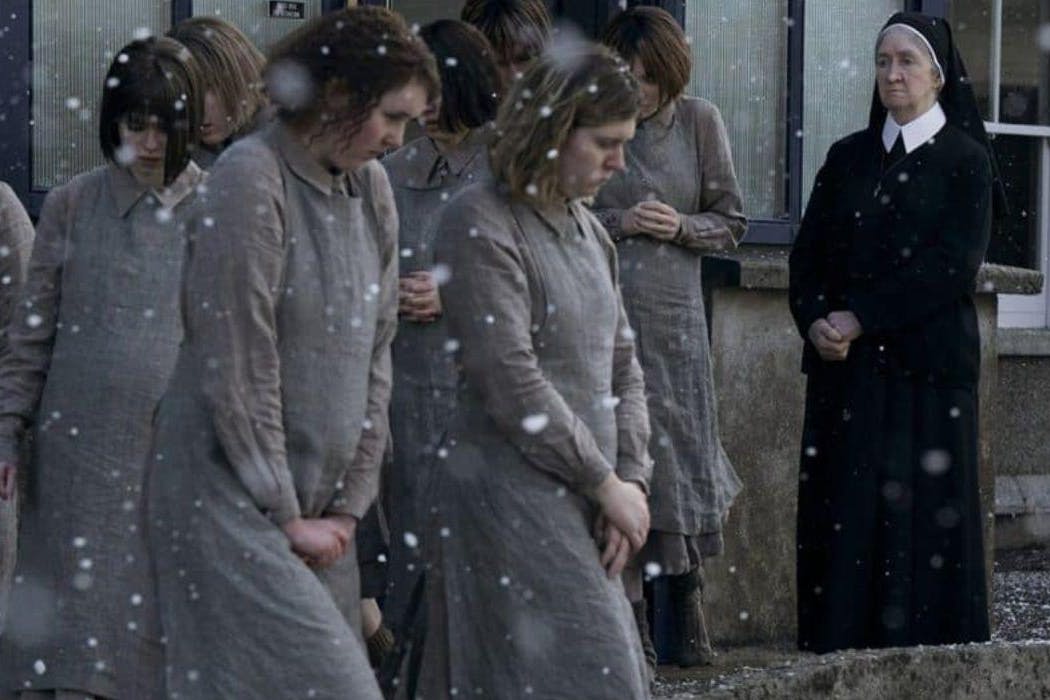
Fotograma del filme _Pequeñas cosas como esta_. Cortesía de Lionsgate

En octubre de 2026 se cumplirán 30 años del cierre de la última Lavandería de la Magdalena en Irlanda. Cuando Our Lady of Charity clausuró su actividad, allí aún quedaban 40 mujeres, mayoritariamente ancianas, que habían pasado gran parte de su vida confinadas contra su voluntad en esta institución de disciplinamiento. Muchas no tenían a dónde volver porque habían perdido todo contacto con sus familiares.

Ante este escabroso hecho histórico, la sociedad irlandesa tuvo que enfrentarse a varias preguntas de gran calado ético.

El contexto de las lavanderías

Junto con los Asilos para Madres y sus Bebés y otros centros de internamiento, las lavanderías conformaban la denominada “arquitectura de contención de la nación”. En ambos tipos de instituciones, alrededor de 30 000 niñas, adolescentes y mujeres adultas fueron forzadas a trabajar en condiciones de semiesclavitud, violencia física e intimidación psicológica. Además, las embarazadas –en muchos casos como resultado de violaciones o relaciones incestuosas no consentidas– daban a luz a bebés que luego se entregaban en adopción, de nuevo contra su voluntad.

Todo ello bajo el mandato de varias órdenes religiosas, encargadas por el Estado de gestionar la red de centros y garantizar el cumplimiento de los principios católicos y conservadores que la nación irlandesa había defendido a ultranza desde inicios del siglo XX. Siguiendo el modelo bíblico de la prostituta arrepentida, se esperaba que bajo un régimen de control y penitencia las magdalenas redimieran conductas “indecentes”, fundamentalmente relacionadas con la sexualidad fuera del matrimonio.

Lavandería de la Magdalena sin identificar en Irlanda, principios del siglo XX.
‘ Do Penance or Perish. A Study of Magdalen Asylums in Ireland’/Wikimedia Commons

La norma del silencio y la indiferencia

Como en episodios de institucionalización forzada en otros contextos internacionales, el entramado era complejo, interdependiente y se extendía por toda la isla. Su éxito dependía de la complicidad de todos los agentes implicados, que se regían por la estricta norma del silencio. La doble moral, la desigualdad de género y la injusticia eran evidentes, pero nadie se atrevía a hablar de ello y mucho menos a cuestionarlo.

En 1993 en el asilo de High Park (Dublín) se descubrió una fosa común con cadáveres de mujeres sin identificación ni partida de defunción. La población entró en shock. A medida que las investigaciones aportaban más detalles y las supervivientes del sistema se aventuraban a contar sus historias, Irlanda tuvo que asimilar lo que había estado años ignorando deliberadamente.

¿Cómo era posible que durante tanto tiempo la respetabilidad social de la familia hubiese prevalecido sobre la obligación “moral y legal” de velar por el bienestar de las chicas jóvenes? ¿Qué medidas debían tomarse para reparar tal desafección e indiferencia hacia el sufrimiento continuado de estas mujeres vulnerables?

Porque no era una realidad desconocida. Para las niñas irlandesas, sobre todo las más díscolas, la amenaza de ser internadas en una lavandería era constante, una mezcla explosiva entre “que viene el coco” y “cuidado con el hombre del saco”. Rara era la familia que no tuviese una hija, hermana, sobrina, vecina o conocida que fuese o hubiese sido magdalena. Muchos establecimientos y organismos oficiales se beneficiaban de sus servicios de lavandería gratuitos o a muy bajo coste.

En definitiva, de una forma u otra todo el mundo lo sabía, pero nadie hacía nada.

Del horror a la acción

Hay acontecimientos que marcan el pulso de una era, y en Irlanda la exhumación de High Park fue un verdadero revulsivo. La unión de distintas fuerzas en favor de las supervivientes fue abriendo el camino de la opinión pública y del gobierno irlandés.

Se fundaron organizaciones activistas, como Justice for Magdalenes, que realizaron campañas reclamando justicia restaurativa. A ellas se sumaron los testimonios de las propias mujeres en diversos documentales y las representaciones que un amplio abanico de artistas realizaron sobre este fenómeno social, entre los que podemos encontrar el documental Sex in a cold climate (1998), las películas Las hermanas de la Magdalena (2002) y Sinners (2002), las novelas de detectives The Magdalen Martyrs (2003) y El secreto de Christine (2006), o las performances Yellow (2008) y Laundry (2011).

En 2013 el primer ministro irlandés pronunció en sede parlamentaria una disculpa por la participación directa del Estado en la red de lavanderías. En 2018 unas 230 supervivientes fueron recibidas oficialmente en las respectivas residencias del presidente de Irlanda y el alcalde de Dublín. Los actos estaban cargados de significado, pero era necesario ir más allá de lo simbólico y acometer un programa reparativo de lo que había sido un incumplimiento sostenido de los derechos humanos fundamentales. No sin dificultades –legales y administrativas– y con cuentagotas, las ayudas han ido llegando. Sin embargo, a las supervivientes se les sigue negando el acceso a la información y los documentos que les permitan reencontrarse con sus hijos e hijas.

Monumento conmemorativo en un banco a las víctimas de las Lavanderías de la Magdalena en Dublín, en el que se lee: 'A las mujeres que trabajaron en las instituciones de lavandería de Magdalena y a los hijos de algunos miembros de esas comunidades: reflexi
Monumento conmemorativo en un banco a las víctimas de las Lavanderías de la Magdalena en Dublín, en el que se lee: ‘A las mujeres que trabajaron en las instituciones de lavandería de Magdalena y a los hijos de algunos miembros de esas comunidades: reflexionen aquí sobre sus vidas’.
Osama Shukir Muhammed Amin FRCP/Wikimedia Commons, CC BY-SA

Una nueva era

En 2013, Catherine Corless, historiadora local autodidacta, descubrió que el antiguo asilo para madres de Tuam, al oeste del país, contenía una fosa séptica con restos de casi 800 bebés no identificados. El hallazgo confirmó la magnitud de la trama detrás de la red de instituciones, y la grave desatención del Estado ante tales atropellos.

Afortunadamente, también reflejó que iniciativas modestas nacidas de un interés genuino por la comunidad cercana pueden despertar conciencias y contribuir al avance social a gran escala.

Esta misma dialéctica entre lo grande y lo pequeño subyace al relato que la aclamada escritora Claire Keegan cuenta en Cosas pequeñas como esas (2021). La obra demuestra que una novela corta, localizada en una pequeña ciudad de Irlanda, puede contener en pocas páginas una historia inmensa y con un alcance que trasciende de lo local a lo universal. El texto, que narra la reacción de un humilde comerciante de carbón ante el sufrimiento de una joven magdalena, fue finalista del prestigioso Premio Booker en 2022. Recientemente ha sido adaptado al cine, en un filme producido por Matt Damon y Ben Affleck y protagonizado por Cillian Murphy y Emily Watson, entre otros.

Como expresión literaria con trasfondo histórico, la narración del dilema al que se enfrenta el protagonista interpela al público lector a un nivel que anteriores obras sobre las lavanderías no habían llegado. Keegan lanza nuevos interrogantes sobre qué renuncias seríamos capaces de hacer y cuál es el verdadero sentido de la felicidad.

Sin moralizaciones ni sentimentalismos, pone el foco en los afectos, como la bondad y la empatía. Porque al final, los pequeños gestos cuentan, y mucho.

The Conversation

María Auxiliadora Pérez Vides no recibe salario, ni ejerce labores de consultoría, ni posee acciones, ni recibe financiación de ninguna compañía u organización que pueda obtener beneficio de este artículo, y ha declarado carecer de vínculos relevantes más allá del cargo académico citado.

ref. ‘Cosas pequeñas como esas’: un gesto hacia las supervivientes de las Lavanderías de la Magdalena – https://theconversation.com/cosas-pequenas-como-esas-un-gesto-hacia-las-supervivientes-de-las-lavanderias-de-la-magdalena-273155

How to make sure the nature credits you buy are real – new research

Source: The Conversation – UK – By Sophus zu Ermgassen, Postdoctoral Researcher, Nature Finance, University of Oxford

Peter Hofstetter/Shutterstock

Global leaders have committed to halting and reversing the ongoing degradation of nature within the next few decades. But with tight public budgets, governments around the world are looking towards nature markets as one way to attract more private investment into nature.

Nature markets are systems for measuring an ecological improvement on some land, then creating a representation of that improvement as a credit, which can then be bought and sold. In theory, they allow governments to attract more private investment and diversify funds that help restore nature. The reality is much more complicated.

My colleagues and I recently published a paper that outlines a checklist that can be used to sense-check whether a nature or nature-based carbon credit is likely to be real – and to make sure you really do get what you’re paying for.

Nature markets include both voluntary and mandatory nature-based carbon and biodiversity markets. Examples include the EU’s nature credits roadmap, England’s biodiversity net gain policy and the international voluntary carbon market.

Most of these are offset markets – the buyers of credits use them to claim they have achieved an overall net neutral outcome from their damaging activities; such as improving grasslands in one place to compensate for the conversion of grassland to buildings in another.

These types of nature credit markets are not new. They have been used around the world for more than 30 years and there’s plenty of research that tries to quantify what makes them effective or ineffective.

Some nature markets, like the US wetland mitigation markets, have attracted a lot of investment and now create nearly as much new wetland as gets destroyed each year. Other nature markets, such as Australia’s human-induced regeneration carbon credits, have delivered limited ecological outcomes and has involved awarding credits to projects claiming to regenerate trees in the Australian desert.

So how can citizens, the commercial buyers of these credits and the governments that oversee some of these systems, ensure that a nature-based carbon or nature credit represents a real improvement in nature?

Our study evaluates lessons from seven major nature markets around the world. It summarises several key elements that are crucial for establishing scientifically credible nature markets.

Ensuring integrity

The environmental feature that the nature market measures and trades needs to actually correlate with the environmental improvement that you want. So if you want to capture more carbon, it often makes sense to have a credit that measures changes in tree cover or biomass, because there’s plenty of evidence that trees in a forest store atmospheric carbon.

Some nature markets use proxies that are based on assumptions that are not always true. For example, England’s biodiversity net gain system aims to deliver a 10% improvement in biodiversity, but the specific metric that it used measures the extent and quality of habitats such as wildflower meadows. Subsequent work found that this does not necessarily lead to more diverse insect life, for example because the land might be affected by pesticides.

For nature markets to deliver scientifically credible improvements, it’s necessary to make sure they’re not paying people to deliver ecological improvements that they would have been delivering anyway. This has been the fundamental problem with carbon credits based on the premise of preventing deforestation that would otherwise have occurred – they have mostly paid for the protection of forest that wouldn’t have been cleared.

wetlands and river with city skyline in distance
Some nature credits support wetland restoration projects.
HiTecherZ/Shutterstock

Over the last few decades, there has been immense research effort into studying so-called “additionality” in carbon credits (this means a project’s emissions reductions or removals wouldn’t happen without revenue from selling carbon credits). Academics have created new methods that allow us to rigorously estimate the additionality of many land management interventions using satellite data.

Evaluations of nature markets consistently show that, in all nature markets, some projects are highly successful while some are unsuccessful. By only issuing credits once they’ve been proven to work (using advanced statistical techniques such as ‘matching’ and carefully designed regression analysis), credits are much more likely to represent something additional and this would enable only successful projects to generate credits, giving buyers confidence in the product.


Read more:
A gold rush for ‘green finance’ risks changing our relationship to nature


The next consideration is public data availability. Every single evaluation of a nature market that has ever been conducted was enabled by public data availability. And every single nature market that has been evaluated to date has been found to not have achieved its full environmental objectives. Without public data, there’s no way of checking whether things are working. Public transparency of data is essential for improving nature markets.

Nature credits often aim to improve nature over relatively long timescales, say 30 years. So laws and regulations that hold people, businesses and markets accountable are essential to avoid the reversal of nature credits in the future. With forward planning and legally binding accountability, the system can maintain its scientific integrity and live up to its promise of attracting more high-quality investment into nature.


Don’t have time to read about climate change as much as you’d like?

Get a weekly roundup in your inbox instead. Every Wednesday, The Conversation’s environment editor writes Imagine, a short email that goes a little deeper into just one climate issue. Join the 47,000+ readers who’ve subscribed so far.


The Conversation

Sophus zu Ermgassen receives funding from NERC and the EU Horizon 2020 programme. He is on the EU Commission’s expert group for the EU Nature Credits Roadmap.

ref. How to make sure the nature credits you buy are real – new research – https://theconversation.com/how-to-make-sure-the-nature-credits-you-buy-are-real-new-research-273090

On Being Ill at 100: Virginia Woolf’s ‘best essay’ still shapes how we read sickness

Source: The Conversation – UK – By Lucyl Harrison, PhD Candidate, School of Humanities, University of Hull

The year is 1926. Queen Elizabeth II is christened. Wage cuts and increased working hours for coal miners precipitate a general strike of workers. A.A. Milne publishes Winnie-the-Pooh. The League of Nations accepts Germany as the sixth permanent member on the council deeming it a “peace-loving country”.

It is also the year that Virginia Woolf published her essay, On Being Ill, in January’s volume of The New Criterion – the literary review headed up by T.S. Eliot. The essay had been written from her sickbed, as Woolf lay recovering after fainting at her nephew Quentin’s 15th birthday dinner months before.

In the essay, Woolf argues that illness is “the great confessional” which is never talked about in literature because of the “poverty” of language when it comes to sickness and disease. Books on influenza, poetry on pneumonia and tomes on toothache and typhoid are “null, negligible and non-existent”, she declares, reckoning with Shakespeare, Milton, Pope, Proust, Donne and Keats.

T.S. Eliot smoking
Eliot was ‘not enthusiastic’ about Woolf’s essay.
National Portrait Gallery

Recounting a conversation with her husband Leonard Woolf about the essay in her diary a month before its publication, she remarked it was the “article which I, & Leonard too, thought one of my best”. However, not everyone was of the same opinion.

Woolf’s diaries reveal that a postcard sent by Eliot illustrated that he was “not enthusiastic” about the piece, prompting her to write: “So, reading the proof just now, I saw wordiness, feebleness, & all the vices in it.” It “increased” her “distaste” for her own writing and “dejection at the thought of writing another novel”.

Nevertheless, a revised version of On Being Ill was published months later, in April 1926, in an American magazine called The Forum. This time it was under the title Illness: An Unexploited Mine. Despite her critics, Woolf persisted with the topic, believing the absence of our ailments in literature called for censure.

In November 1930, a slim quarto of 250 numbered and signed copies of On Being Ill was hand-printed by the Woolfs’ printing press, The Hogarth Press. It was printed in an original vellum-backed green cloth with marbled endpapers, woodcut vignette on final leaf and an original dust jacket designed by her sister, Vanessa Bell. Woolf set the type herself. She spent Sunday June 15 1926, in the full swing of summer doing so, writing in her diary: “I was so methodically devoting my morning to finishing the last page of type setting: On Being Ill.”

On or about December 2019, human character changed

Two years before the writing of On Being Ill, in one of the most quoted lines in literature, Woolf wrote “on or about December 1910, human character changed”, in her essay, Mr Bennett and Mrs. Brown (1924), continuing that when “human relations change there is at the same time a change in religion, conduct, politics, and literature”.

Human character changed in December 2019, when SARS-CoV-2 was discovered and the COVID pandemic began in earnest.

Pandemic Pages, the podcast that I founded and co-host with Dr Catherine Wynne at the University of Hull, charts this tectonic shift in our lives and literature through interviews with authors, creatives, academics and medical professionals. Previous guests include Booker Prize winner and chair Roddy Doyle; NHS doctor and award-winning author, Dr Roopa Farooki and Professor Lucy Easthope, the UK’s leading expert on disaster recovery and advisor to the Prime Minister’s office during COVID.

The podcast has just launched its third season, which aims to create a living dialogue with the centenary of Woolf’s On Being Ill. In one episode, I chat to associate professor of Graphic Design from the Oslo National Academy of the Arts, Ane Thon Knutsen, a letter press print artist who printed one sentence of On Being Ill every day in the early days of lockdown.

Knutsen, whose wedding was postponed due to COVID, said this project “fell into her life” when lockdown began in Norway after everything she had planned fell apart: “A couple of days into the pandemic, I read On Being Ill. I’d read it before and I had planned to work on it, but I read it again and I was just like, my God, this essay is about just what’s happening right now.”

In the introduction to Knutsen’s book, Mark Hussey, emeritus professor of English at Pace University in New York, writes that her daily meditations on a single sentence painstakingly rebuild Woolf’s words one letter at a time, resulting in a collective slow reading. Her work urges us to savour words, to ponder them, to roll them around on the tongue before swallowing.

In the UK’s National Year of Reading 2026 – a UK-wide campaign designed to inspire more people to make reading a regular part of their lives – Woolf’s essay and Knutsen’s diary feel particularly poignant to press books into the hands of everyone we can – to regift ourselves the slowness of suspended pandemic time, the stillness in that season of survival.


Looking for something good? Cut through the noise with a carefully curated selection of the latest releases, live events and exhibitions, straight to your inbox every fortnight, on Fridays. Sign up here.


This article features references to books that have been included for editorial reasons, and may contain links to bookshop.org. If you click on one of the links and go on to buy something from bookshop.org The Conversation UK may earn a commission.

The Conversation

Lucyl Harrison does not work for, consult, own shares in or receive funding from any company or organisation that would benefit from this article, and has disclosed no relevant affiliations beyond their academic appointment.

ref. On Being Ill at 100: Virginia Woolf’s ‘best essay’ still shapes how we read sickness – https://theconversation.com/on-being-ill-at-100-virginia-woolfs-best-essay-still-shapes-how-we-read-sickness-274061

What the Beckham family feud reveals about social media and our love of ‘mess’

Source: The Conversation – UK – By Carolina Are, LSE Fellow in Interdisciplinary Social Science, London School of Economics and Political Science

My social media feed has been full of Brooklyn Beckham memes. That is, since January 19, when David and Victoria Beckham’s eldest son posted a series of Instagram stories criticising his parents, their curated public personas and what he described as long-standing slights towards him and his wife, actress Nicola Peltz.

As a researcher of online harms and freedom of speech, I’m less interested in whether the memes are funny than in what Brooklyn Beckham versus brand Beckham tells us about how social media – and public shaming – are changing.

After months of rumours of a rift between the Beckhams and their eldest, in his posts Brooklyn publicly accused his parents of a lifetime of carefully managed media narratives about the family. He alleged that family love hinged upon engaging with “performative social media posts, family events and inauthentic relationships”.

The memes posted by the public in response range from critiques of Brooklyn’s shortlived stint as a photographer to parodies of Victoria Beckham’s alleged “inappropriate” first dance takeover at Brooklyn’s wedding.

Some are undeniably funny. But taken together with other recent outbreaks of celebrity “mess”, the episode highlights social media’s shift from a space of connection to one of spectacle – where intimate conflict becomes collective entertainment, with real-world consequences.


No one’s 20s and 30s look the same. You might be saving for a mortgage or just struggling to pay rent. You could be swiping dating apps, or trying to understand childcare. No matter your current challenges, our Quarter Life series has articles to share in the group chat, or just to remind you that you’re not alone.

Read more from Quarter Life:


In a recent study, my colleague Pam Briggs and I found that social media users are becoming disillusioned with digital spaces where their belonging depends on an algorithm’s whim. Participants described feeling overwhelmed by targeted commercial content while struggling to see posts from friends and family.

Brooklyn alleged that for the Beckhams: “Family ‘love’ is decided by how much you post on social media.” That logic sits uneasily at a moment when social media platforms are no longer primarily “social” spaces, but increasingly function as sites of entertainment, surveillance and sales. Our collective appetite for viral celebrity mess appears closely connected to this shift.

Public betrayals, viral memes

Late last year, singer Lily Allen made a return to our playlists with West End Girl, a self-described work of “autofiction” originating from the breakdown of her marriage to Stranger Things actor David Harbour.

The album played with dissonance by blending fast-paced beats and clinically detailed, seemingly personal tales of infidelity. In the process, Allen rode the wave of memes as a marketing strategy. Allen herself recently posted an image of her album cover with Brooklyn’s head photoshopped onto it to her Instagram story, suggesting she recognised parallels in how they each shared their “mess” online.


Read more:
Lily Allen’s new album is ‘autofiction’ – but turning your life into a story carries ethical and emotional risks


These viral instances of celebrity mess don’t happen in a vacuum. The case of Brooklyn Beckham is connected to the internet’s never-ending obsession with “nepo babies”, the children of famous people who are often seen to be benefiting from their fame and wealth, and who are frequently maligned in times of rising inequality. Add to this the recent Netflix documentaries that reintroduced the Beckhams to gen-Z audiences, and the conditions for virality were already in place.

This passion for mess that doesn’t involve us personally marks a shift from the polished, “brand safe” aesthetic of Millennial social media. We’re in the era of “goblin mode” (the rejection of social norms through behaviour that is unapologetically unpolished), in a climate of disillusion with an “always on” life.

Traditional social media platforms and dating apps alike are losing subscribers and users to hobby apps. Audiences crave reality, imperfection and mess – all more relatable than marketing.

In times of rising inequality, schadenfreude can feel like guilt-free entertainment. But this shift also carries serious emotional and legal implications for those caught in the viral spotlight.

The dark side of the (viral) public eye

In my work on online abuse against people in the public eye, I found that mainstream media narratives about public figures were often repeated, amplified and reworked by trolls, gaining a new lease of life online. When thousands of users participate in reinforcing these narratives, the experience can feel indistinguishable from harassment for those targeted.

So think before you share: is the post you’re amplifying playful or is it made to hurt the person at the centre of it? Is it factual, or can it contribute to creating damaging narratives?

This matters not only because speculation can worsen a public figure’s mental health, but because it can also have consequences for those who post. When online commentary veers into allegedly unsubstantiated claims or questionable opinions, posters may expose themselves to defamation risks, particularly when the subject has the means to pursue legal action, as Justin and Hailey Bieber have previously done.

If the start of 2026 is anything to go by, we are in for a turbulent year in politics, on television and online. Audiences’ thirst for messy drama reflects broader uncertainty and fatigue with digital spaces that thrive on comparison, division and commercialisation. Gossip can be cathartic. But the challenge is not whether we enjoy mess, but whether we can do so without turning real people into collateral damage.


Looking for something good? Cut through the noise with a carefully curated selection of the latest releases, live events and exhibitions, straight to your inbox every fortnight, on Fridays. Sign up here.


The Conversation

Carolina Are does not work for, consult, own shares in or receive funding from any company or organisation that would benefit from this article, and has disclosed no relevant affiliations beyond their academic appointment.

ref. What the Beckham family feud reveals about social media and our love of ‘mess’ – https://theconversation.com/what-the-beckham-family-feud-reveals-about-social-media-and-our-love-of-mess-274150

Who really holds the cards: Trump or the bond market?

Source: The Conversation – UK – By Alex Dryden, PhD Candidate in Economics, SOAS, University of London

When a Danish pension fund recently announced it would sell its US$100 million (£74 million) holding of US government bonds, the move was tiny in financial terms – just a drop in a US$30 trillion ocean. But it touched on a much bigger issue. Foreign investors now hold around one-third of all US government debt, amounting to roughly US$9.5 trillion.

Of these foreign holdings, Europe has US$3.6 trillion, making it collectively the largest holder of US debt, larger than Japan (which holds US$1.2 trillion) or China (which owns around US$700 billion).

Could this financial exposure be turned into political leverage – a way for Europe to push back against Donald Trump’s recent threats over Greenland and European sovereignty? Or, as the US president has claimed, does the US still “hold all the cards” in debt markets?

At the World Economic Forum in Davos recently, Trump threatened a “big retaliation” if European countries sold US assets as a response to tariff threats. When politicians talk about Europe “dumping” US government debt, it sounds like a simple, almost mechanical, act whereby political leaders make a decision and trillions of dollars’ worth of bonds are sold. But that’s not how financial markets actually work.

In Europe, US government bonds aren’t owned by governments. They’re held by pension funds, insurance companies, banks and investment funds. These are independent financial institutions that manage the savings of millions of ordinary people. There is no single switch a government can flip to make all of these investors sell at once, even if it wanted to.

Even if governments are able to cajole European investors into selling their US Treasuries, there is the tricky question of where the money would go. The US Treasury market is the largest bond market in the world. There is no easy alternative home for the US$3 trillion of US government bonds held by Europeans.


Read more:
After a year of Trump, who are the winners and losers from US tariffs?


The euro area does have a large amount of government bonds and in principle they could absorb some reallocation. But shifting even a few trillion dollars at speed would drive prices sharply higher and yields sharply lower, creating enormous distortions.

Then there’s the problem of self-harm. European banks, insurers and pension funds are packed with US Treasuries. A forced or panicked sell-off would punch a hole in their own balance sheets as price fell sharply.

At the same time, if European institutions collectively opt to move all their investments out of dollars into euros the financial market shockwaves would be massive. The surge in demand would likely drive the euro sharply higher, making European exports more expensive and quite possibly tipping the economy into recession.

This is one reason China, despite years of tough talk, never actually followed through on threats to weaponise its Treasury holdings. In modern finance, trying to use these assets as a blunt political weapon tends to look a lot like mutually assured economic damage.

Why the bond market still has a vote

So does this mean Trump really does hold all the cards? Not quite. While European governments are highly unlikely to try to weaponise their holdings of US government debt, that does not mean the United States is free to ignore international investors.

America is now heavily reliant on global capital markets to fund its large, and growing, budget deficits. Every year, the US government needs to persuade investors, at home and abroad, to buy vast quantities of new Treasury bonds. That normally happens quietly and routinely, on the assumption that the US remains a predictable and reliable steward of the world’s financial system.

But that assumption is precisely what Trump’s broader political project puts at risk. Efforts to rewrite the rules of international trade, to pressure allies or to treat economic relationships as instruments of coercion all increase uncertainty about how the US will behave in the future. Financial markets are often patient, but they are not indifferent to this kind of uncertainty.

us national debt clock digital display in new york showing a figure of around US$31 trillion as of May 2023.
The US’s national debt is large and growing. It has now passed US$38 trillion, much of this in bonds.
rblfmr/Shutterstock

If international investors became less willing to hold US government debt then bond prices would fall, yields would rise and the cost of financing America’s government debt would increase. That would feed through into higher borrowing costs across the entire US economy, from mortgages to business loans to government spending itself.

This kind of adjustment would not happen overnight but it is exactly the sort of slow, grinding financial pressure that even the US cannot avoid. Trump may believe he holds all the cards but, in a debt-dependent world, the bond market still gets a vote.

The Conversation

Alex Dryden does not work for, consult, own shares in or receive funding from any company or organisation that would benefit from this article, and has disclosed no relevant affiliations beyond their academic appointment.

ref. Who really holds the cards: Trump or the bond market? – https://theconversation.com/who-really-holds-the-cards-trump-or-the-bond-market-274245

People from sexual minorities really do die younger, new data suggests

Source: The Conversation – UK – By Catherine Meads, Professor of Health, Anglia Ruskin University

Okrasiuk/Shutterstock

New data has revealed something the UK has never seen before: clear evidence that sexual minority people die earlier, and at higher rates, than their straight or heterosexual peers.

For the first time, the Office for National Statistics (ONS) has published overall mortality rates by sexual orientation in England and Wales. The findings come from a new bulletin that links voluntary sexual orientation data collected in the 2021 census with death registrations between March 2021 and November 2024. The linkage was possible for people with valid NHS identification numbers, allowing researchers to examine patterns of death across a population of nearly 29 million adults.

Evidence on whether sexual minority people experience higher overall mortality has been mixed, with many previous studies limited by small sample sizes, indirect measures of sexual orientation or a focus on specific causes of death rather than all-cause mortality. The new ONS analysis is the first UK study to link self-reported sexual orientation from the census with national death registrations, allowing population-level mortality rates to be examined across millions of people.

The headline result is difficult to ignore. People identifying as lesbian, gay, bisexual or another minority sexual orientation were 30% more likely to die from any cause during the study period than those identifying as straight or heterosexual. In age-standardised terms, this equates to 982.8 deaths per 100,000 people in the LGB+ group, compared with 752.6 per 100,000 among straight or heterosexual people.

Sexual orientation was included in the census for the first time in 2021. Around 92.5% of people aged 16 and over answered the question, representing roughly 44.9 million people.

Most respondents (89.4%) identified as straight or heterosexual, while 3.2% identified with an LGB+ orientation. A further 7.5% chose not to answer. After linking census responses to death records, the final ONS analysis covered just under 28.7 million people.

While this is the first UK release to examine all-cause mortality by sexual orientation, it builds on earlier ONS findings. In April 2025, the agency reported that people identifying as LGB+ had more than double the risk of suicide and two-and-a-half times the risk of intentional self-harm compared with straight or heterosexual people.

What the new data shows is that higher mortality among sexual minority people extends well beyond mental health.

Heart disease, for example, was the leading cause of death in both groups together and specifically in men (the leading cause of death in LGB+ women was intentional self-harm, and heart disease was the second leading cause). It accounted for 11.9% of deaths among LGB+ people and 10.7% among straight or heterosexual people.

This might not sound surprising until age is taken into account. On average, people in the LGB+ group were much younger, with a mean age of 35.6 years, compared with 48.6 years in the straight or heterosexual group.

Because the risk of ischaemic heart disease rises steeply with age, a higher share of deaths from this cause in a younger population is particularly troubling.


Read more:
Sexual minority women face barriers to health care


The ONS does not attempt to explain why these differences exist, and the data alone cannot establish cause. But the broader evidence base offers important clues. Smoking, high blood pressure, high cholesterol, diabetes, obesity and physical inactivity are all well-established risk factors for cardiovascular disease, and some are known to be more common among sexual minority populations.

Earlier ONS analysis has shown that lesbian, gay and bisexual people are more likely to smoke than heterosexual people, especially women, even after accounting for factors such as age, ethnicity and socioeconomic status.

Other research suggests higher rates of obesity among sexual minority women, though not consistently among men. Evidence for differences in conditions such as high blood pressure and diabetes is more mixed.

Beyond individual behaviour, decades of research point to the health effects of minority stress on heart disease. Exposure to discrimination, stigma and violence is associated with higher levels of smoking and alcohol use, disrupted sleep, obesity and hypertension, all of which accumulate over time to increase the risk of serious illness and early death.

The most distressing findings in the new ONS release concern young people. Among those aged 16 to 24 who identified as LGB+, suicide accounted for 45.3% of all deaths. Among straight or heterosexual people of the same age, the figure was 26.6%.

Suicide is preventable, but it rarely has a single cause. What these findings make clear is that living in today’s society still places a heavier burden on sexual minority people, particularly the young. That burden shows up not only in mental health statistics, but in patterns of physical illness and early death.

If sexual minority young people were able to grow up in safer, more inclusive environments, these stark inequalities might not exist. The emerging evidence suggests they are not inevitable. They are shaped by social conditions and, at least in part, they can be changed.

The Conversation

Catherine Meads volunteers occasionally for the Liberal Democrat political party in the UK but is not a member.

ref. People from sexual minorities really do die younger, new data suggests – https://theconversation.com/people-from-sexual-minorities-really-do-die-younger-new-data-suggests-273415

Terry Pratchett’s novels may have held clues to his dementia a decade before diagnosis, our new study suggests

Source: The Conversation – UK – By Thom Wilcockson, Senior Lecturer in Psychology, Loughborough University

The earliest signs of dementia are rarely dramatic. They do not arrive as forgotten names or misplaced keys, but as changes so subtle they are almost impossible to notice: a slightly narrower vocabulary, less variation in description, a gentle flattening of language.

New research my colleagues and I conducted suggests that these changes may be detectable years before a formal diagnosis — and one of the clearest examples may lie hidden in the novels of Sir Terry Pratchett.

Pratchett is remembered as one of Britain’s most imaginative writers, the creator of the Discworld series and a master of satire whose work combined humour with sharp moral insight. Following his diagnosis of posterior cortical atrophy, a rare form of Alzheimer’s disease, he became a powerful advocate for dementia research and awareness. Less well known is that the early effects of the disease may already have been present in his writing long before he knew he was ill.

Dementia is often described as a condition of memory loss, but this is only part of the story. In its earliest stages, dementia can affect attention, perception and language before memory problems become obvious. These early changes are difficult to detect because they are gradual and easily mistaken for stress, ageing or normal variation in behaviour.

Language, however, offers a unique window into cognitive change. The words we choose, the variety of our vocabulary and the way we structure description are tightly linked to brain function. Even small shifts in language use may reflect underlying neurological change.

In our recent study, we analysed the language used across Terry Pratchett’s Discworld novels, examining how his writing evolved over time. We focused on “lexical diversity” — a measure of how varied an author’s word choices are — and paid particular attention to adjectives, the descriptive words that give prose its texture, colour and emotional depth.

Across Pratchett’s later novels, there was a clear and statistically significant decline in the diversity of adjectives he used. The richness of descriptive language gradually narrowed. This was not something a reader would necessarily notice, nor did it reflect a sudden deterioration in quality. Instead, it was a subtle, progressive change detectable only through detailed linguistic analysis.

Crucially, the first significant drop appeared in The Last Continent, published almost ten years before Pratchett received his formal diagnosis. This suggests that the “preclinical phase” of dementia — the period during which disease-related changes are already occurring in the brain — may have begun many years earlier, without obvious outward symptoms.

This finding has implications that extend far beyond literary analysis. Dementia is known to have a long preclinical phase, during which opportunities for early intervention are greatest. Yet identifying people during this window remains one of the biggest challenges in dementia care.

Linguistic analysis is not a diagnostic tool in itself, and it would not work equally well for everyone. Factors such as education, profession, writing habits and linguistic background all influence how people use language. But as part of a broader approach — alongside cognitive tests, brain imaging and biological markers — language analysis could help detect early risk in a non-invasive and cost-effective way.

Importantly, language data already exists. People generate vast amounts of written material through emails, reports, messages and online communication. With appropriate safeguards for privacy and consent, subtle changes in writing style could one day help flag early cognitive decline long before daily functioning is affected.

Why early detection matters

Early detection matters more than ever. In recent years, new drugs for Alzheimer’s disease have emerged that aim to slow disease progression rather than simply manage symptoms. Drugs such as lecanemab and donanemab target amyloid proteins that accumulate in the brain and are thought to play an important role in the disease. Clinical trials suggest these treatments would be most effective when given early, before significant neuronal damage has occurred.

Identifying people during the preclinical phase would allow people and their families more time to plan, access support and consider interventions that may help slow progression. These may include lifestyle changes, cognitive stimulation and, increasingly, new drugs to slow the disease progression.

More than a decade after his death, Terry Pratchett continues to contribute to our understanding of dementia. His novels remain deeply loved, but hidden within them is another legacy: evidence that dementia may leave its mark long before it announces itself. Paying closer attention to language — even language we think we know well — could help transform how we detect, understand and ultimately treat this devastating condition.

The Conversation

The authors do not work for, consult, own shares in or receive funding from any company or organisation that would benefit from this article, and have disclosed no relevant affiliations beyond their academic appointment.

ref. Terry Pratchett’s novels may have held clues to his dementia a decade before diagnosis, our new study suggests – https://theconversation.com/terry-pratchetts-novels-may-have-held-clues-to-his-dementia-a-decade-before-diagnosis-our-new-study-suggests-273777

What an ancient jellyfish can teach us about the evoution of sleep

Source: The Conversation – UK – By Timothy Hearn, Lecturer, University of Cambridge; Anglia Ruskin University

Cassiopea jellyfish seem to have a sleep state despite the fact they don’t have a brain. THAIFINN/Shutterstock

An upside-down jellyfish drifts in a shallow lagoon, rhythmically contracting its
translucent bell. By night that beat drops from roughly 36 pulses a minute to nearer 30, and the animal slips into a state that, despite its lack of a brain, resembles sleep.

Field cameras show it even takes a brief siesta around noon, to “catch up” after a disturbed night.

A new Nature Communications study has tracked these lulls in cassiopea jellyfish, which belong to a 500 million year-old lineage, as well as in the starlet sea anemone nematostella. The study findings may help settle a long-running debate among biologists about what sleep is for.

Does sleep conserve energy, consolidate memories – or do something more biologically fundamental? Until recently, most evidence for a “house-keeping” role for sleep came only from vertebrates.

When mice sleep, brain and spinal cord fluid surges through the brain and washes away metabolic waste. And a 2016 mouse study found that some types of DNA breaks are mended more quickly during sleep. Time-lapse imaging in a 2019 study of zebrafish showed that sleep lets neurons (nerve cells) repair DNA breaks that build up during waking hours.

The new study showed for the first time that the same process occurs in some invertebrates. That while the jellyfish and sea anemone are awake, DNA damage accumulates in their nerve cells and when they doze, that damage is repaired.

The work pushes the origins of sleep back more than 600 million years, to before the cnidarian branch (jellyfish, anemones, corals) split from the line that led to worms, insects and vertebrates roughly 600–700 million years ago. It also gives weight to the idea that sleep began as a form of self-defence for cells.

The new work moves the discussion to creatures whose nervous systems are much simpler than ours and are little more than thin nets. If sleep repairs their neurons too, that function is probably fundamental because simpler nervous systems evolved first.

The researchers first had to figure out when a jellyfish or anemone is asleep. This is surprisingly tricky: even when they rest, bell muscles keep twitching or the polyp drifts in slow motion. To do this they filmed the animals under infrared light and flashed white light at them or a pulse of food (a tiny squirt of liquid brine-shrimp extract).

Jellyfish that had been pulsing below 37 beats per minute for at least three minutes, and anemones that had stayed still for eight minutes, reacted more slowly. This meets the “reduced responsiveness” criterion for sleep, which is the same across the animal kingdom.

Next, the scientists stained nerve cells in tissue taken from jellyfish in a lab tank to mark where DNA breakages happened. The number of breakages peaked at the end of each species’ active spell (mid-morning for the jellyfish and late afternoon for the anemone) and dropped after a long rest.

When the scientists kept the animals awake by changing the tank’s water currents, both the DNA breaks and the next day’s sleeping time increased, similar to classic “sleep rebound” in humans where your body catches up on sleep.

To test cause and effect, the team shone ultraviolet-B light, which damages DNA, on the animals. This treatment doubled the number of DNA breaks within an hour and prompted extra sleep later the same day. When the animals had dozed, the breaks reduced back toward baseline and the jellyfish resumed their usual daytime rhythm.

Melatonin, the overnight hormone familiar to jet-lag sufferers, was added to the tank water and caused both species to doze during what should have been their busiest stretch (daytime for the jellyfish, night-time for the anemone), leaving their usual rest period unchanged.

The new finding is surprising because melatonin’s soporific role was thought to have evolved alongside vertebrates with centralised brains and circadian rhythms that respond to light cues. Seeing it work in a brainless animal suggests that this evolution took place much longer ago.

Putting these pieces together, it seems wakefulness gradually stresses the DNA in nerve cells. Sleep offers a period of sensory deprivation during which repair enzymes that stitch or swap the components of DNA can work unimpeded.

This logic fits with experiments in fruit-flies and mice which have linked chronic sleeplessness to neurodegeneration. Insomnia has also been linked to build-ups of reactive oxygen molecules (highly reactive by-products of normal metabolism that can punch holes in DNA, proteins and cell membranes).

If jellyfish need sleep to keep their nerve nets intact, the need to sleep probably predates the evolution of brains, eyes and even bodies that are the same on both left and right sides. In evolutionary terms, a nightly repair window could have been vital. Ancient organisms that skipped it may have accumulated mutations in irreplaceable neurons and slowly lost control of movement, feeding and reproduction.

The new study tracked two species in the lab and one in a Florida lagoon, but cnidarians live in many different light levels and temperatures. To be able to generalise this finding, future work will need to confirm that DNA-repair during sleep happens in similar animals that live in different conditions such as cold, deep or turbid waters.

Does this study settle the debate? Not entirely. Sleep almost certainly carries more than one benefit. Tasks such as memory consolidation could have been layered onto an ancient physiological maintenance programme as nervous systems grew more complex.

Yet the new findings strengthen the view that guarding DNA is a core purpose of sleep.

The Conversation

Timothy Hearn does not work for, consult, own shares in or receive funding from any company or organisation that would benefit from this article, and has disclosed no relevant affiliations beyond their academic appointment.

ref. What an ancient jellyfish can teach us about the evoution of sleep – https://theconversation.com/what-an-ancient-jellyfish-can-teach-us-about-the-evoution-of-sleep-273307