La comunicación entre animales juega un papel trascendental en la toma de decisiones para la supervivencia y reproducción. En general, esta transmisión de información puede realizarse mediante sonidos, feromonas o pigmentos. Estos últimos dan lugar a una gran variedad de colores: por ejemplo, la melanina produce los tonos negros y grisáceos, los carotenoides, los tonos amarillos, naranjas y rojos, y la biliverdina, los tonos verdes.
Estos colores dan mucha información sobre la calidad del individuo que los produce, ya que son dependientes de la condición física y estado de salud. Un animal que esté malnutrido o enfermo producirá menos pigmentos y una menor intensidad cromática que otro sano. De esta manera, los individuos de mejor calidad expresarán los colores más intensos y llamativos, que les beneficiarán en multitud de contextos, como el acceso a potenciales parejas.
Pero la evolución ha proporcionado una ingeniosa solución para que los ejemplares de baja calidad puedan acceder a los beneficios que otorga la coloración: hacer que la información que transmite dicha señal no sea honesta. Es decir, expresar una buena coloración a expensas de sacrificar otros procesos y funciones biológicas. Por tanto, una coloración llamativa no necesariamente refleja siempre una buena condición física. En última instancia, esto produce un conflicto de interés entre el emisor y el receptor de la señal, que debe saber cuándo esta es honesta o no.
Dos tipos de señales: índice y de coste añadido
Teniendo esto en cuenta, tradicionalmente las señales se han dividido en dos tipos, en función de la fiabilidad u honestidad de la información. Las señales índice, llamadas así porque funcionan como un índice lineal, son aquellas cuya expresión está estrictamente limitada por el estado de salud y condición física del individuo; no se pueden falsificar. En nuestro ejemplo con la coloración, significaría que, a mejor condición física, mayor intensidad tendrá el color.
Mientras, las señales de coste añadido son aquellas cuya expresión se hace a expensas de otras funciones biológicas, ya que el individuo no tiene la calidad suficiente para expresarlas sin tener que robar recursos de otros procesos. Así, destinar muchos carotenoides para expresar una buena coloración amarilla impediría el uso de estos compuestos en el sistema inmune. Ese coste añadido sería la reducción de eficacia de las defensas del organismo.
Históricamente, ambos tipos de señales se veían como excluyentes. Sin embargo, actualmente y a nivel teórico, se entiende que algunas podrían funcionar como sistemas mixtos. Es decir, la expresión de una señal estaría limitada por la propia condición física del animal, pero al mismo tiempo podría ajustarse de manera plástica en función del entorno y del balance entre los costes y los beneficios de emitir dicha señal (siempre dentro de los límites fisiológicos del individuo).
Las boqueras de los pollos como señal visual
Las boqueras son las protuberancias que se observan alrededor del pico de los pollos de muchas aves. Su función es atraer la atención de los progenitores para obtener la mayor cantidad de alimento posible. Su color amarillo –a veces anaranjado– es producido por los carotenoides, unos pigmentos que se obtienen exclusivamente de la dieta. En los pollos, la fuente principal de carotenoides son las orugas que traen los padres al nido.
Los carotenoides, además de conferir color, participan en el organismo como antioxidantes y estimuladores del sistema inmune. Y aquí es donde radica el quid de la cuestión: debido a que su disponibilidad es limitada, esos pigmentos deben invertirse en coloración –para hacer más llamativas las boqueras y así acaparar más cebas– o usarse como antioxidantes o en el sistema inmune –para sobrellevar mejor el estrés oxidativo o las infecciones–.
El cambio de paradigma: la coloración de las boqueras como señal mixta
En un reciente estudio publicado en la revista Animal Behaviour, hemos demostrado, por primera vez, que la coloración de las boqueras es una señal mixta, ya que funciona tanto como una señal índice como una de coste añadido. En una población de herrerillo común (Cyanistes caeruleus), manipulamos el número de pollos de cada nido para crear grupos con menos pollos, grupos control y grupos con más crías.
Dichos grupos se crearon para recrear condiciones distintas de competencia: en las nidadas con menos pollos hay más alimento a repartir, pero en las que tienen más crías, el alimento es limitado y los hermanos deben competir su acceso. Posteriormente, evaluamos la intensidad de la coloración de las boqueras, la tasa de alimentación y la composición de la dieta que recibió cada nidada.
Nuestros resultados confirmaron que la coloración de las boqueras es modulable y funciona como una señal de coste añadido. En el grupo con menos pollos, la intensidad del amarillo disminuyó. Además, cuanto mayor fue el aporte de comida y la cantidad de orugas (ricas en carotenoides), menor fue la intensidad del color en este grupo. Esto indica que los pollos no señalizan cuando la competencia es baja y el alimento abundante. Simplemente, al tener alimento de sobra, no lo necesitan.
Sin embargo, en el grupo con más pollos, la intensidad del color fue similar a la del grupo control, revelando la existencia de un límite: por mucho que aumente el beneficio de la señal (acaparar todo el alimento posible), llega un punto en el que el individuo simplemente no puede invertir más en coloración, ya que la inversión extra implica extraer recursos de otras funciones.
Pero también observamos que esta señal es del tipo índice. Los pollos de mayor tamaño dentro de cada nido, los de mayor calidad, mostraron una coloración más intensa que sus hermanos más pequeños. Por lo tanto, además de ser ajustable, el cromatismo de las boqueras también está condicionada por la condición física.
Comunicarse es complejo
En la naturaleza, no todo es tan sencillo. Un individuo enfrenta constantemente un compromiso en la asignación de sus recursos: ¿cuánto debo invertir en una señal? ¿Los beneficios de invertir más superan los costes? Estas son las preguntas que la evolución ha ido respondiendo de forma distinta en los grupos animales.
En aves en desarrollo, cuando la competencia entre hermanos es alta, el beneficio de exhibir un color intenso para recibir más comida tiene el coste de desproteger otras funciones básicas. Pero cuando la competencia es baja, la necesidad de exhibir una buena coloración se reduce, por lo que pueden invertir más en esas funciones básicas. Como reza el proverbio, virtus in medium est.
Las personas firmantes no son asalariadas, ni consultoras, ni poseen acciones, ni reciben financiación de ninguna compañía u organización que pueda obtener beneficio de este artículo, y han declarado carecer de vínculos relevantes más allá del cargo académico citado anteriormente.
Source: The Conversation – (in Spanish) – By Fernando Valladares, Profesor de Investigación en el Departamento de Biogeografía y Cambio Global, Museo Nacional de Ciencias Naturales (MNCN-CSIC)
Un incendio forestal se extiende por las montañas cercanas a Burgohondo, en Ávila, el 27 de julio de 2026.Arafatmyt/Shutterstock
Un equipo científico internacional ha documentado que el sur de Europa está ingresando en una era de riesgo extremo. Las estadísticas nacionales revelan que la crisis alcanzó niveles sin precedentes en la temporada de 2025, cuando España vivió su año más destructivo en más de tres décadas con aproximadamente 350 000 hectáreas calcinadas. Una catástrofe que incluye el pavoroso incendio de Larouco en Galicia, el más grande registrado en esa comunidad con más de 40 000 hectáreas consumidas.
En ese mismo año, Portugal sufrió la pérdida de más de 250 000 hectáreas, su peor registro desde la trágica temporada de 2017. De manera conjunta, España y Portugal acumularon el 80 % del área quemada de todo el sur del continente durante ese ciclo crítico de 2025.
Esta tendencia destructiva ha continuado manifestándose en 2026, año en el que las condiciones meteorológicas propicias para el fuego en la Unión Europea durante los primeros siete meses superaron en un 43 % el promedio de las últimas dos décadas, según el Sistema Europeo de Información sobre Incendios Forestales. Para finales de julio, ya se habían quemado unas 435 000 hectáreas en el territorio comunitario, con Francia rompiendo su propio récord anual de devastación al registrar 98 000 hectáreas afectadas.
Cambio climático y riesgo de incendios
Detrás de esta alarmante aceleración de las llamas está la señal cada día más fuerte del calentamiento global, expresada en condiciones atmosféricas extremas y, muy especialmente, en una alarmante sequía del suelo.
Diversas investigaciones han comprobado que la probabilidad de que la sequedad extrema del suelo que alimenta los mayores incendios en el oeste de Europa es ahora cinco veces mayor de lo que sería en un clima 1,4 ºC más frío. Las olas de calor recurrentes y la falta de precipitaciones veraniegas actúan desecando la vegetación de forma extrema, convirtiéndola en un polvorín listo para arder ante cualquier chispa.
El índice meteorológico de riesgo de incendios (FWI, Fire Weather Index) permite precisar los niveles de alerta. Se apoya en características locales que están cada día más afectadas por el cambio climático y por lo que se conoce como forzadores a gran escala. Fernando Valladares
El número de jornadas veraniegas con meteorología de fuego extremo prácticamente se ha duplicado desde 1981 en amplias franjas de la península ibérica, Francia, Italia y Grecia, pasando de menos de diez días por estación a registrar hasta 25 días extremos en la última década. Este incremento de la inflamabilidad se vincula directamente con un aumento de las temperaturas estivales de hasta dos grados centígrados en gran parte de España, el sur de Francia e Italia en comparación con las medias históricas.
Por si fuera poco, la variabilidad de este riesgo se conecta con dinámicas atmosféricas a gran escala, como la Oscilación del Atlántico Norte, que ha mostrado una tendencia de cambio hacia su fase negativa durante veinticinco de los últimos treinta años, favoreciendo bloqueos meteorológicos que inhiben las lluvias y prolongan las olas de calor en el sur del continente.
De igual modo, los años de mayor devastación en la península ibérica han coincidido con fenómenos de El Niño en el océano Pacífico, mostrando una correlación significativa entre las temperaturas de la superficie marina en el Pacífico tropical oriental y la severidad de las temporadas de incendios en este territorio.
Las proyecciones hacia el futuro dibujadas por los modelos científicos ofrecen escenarios aún más escalofriantes si el planeta continúa acumulando más y más CO₂ y gases de efecto invernadero en la atmósfera como resultado de la quema de combustibles fósiles.
Investigaciones basadas en simulaciones revelan que incluso en un escenario de sostenibilidad optimista donde se logren limitar las emisiones y el calentamiento global se mantenga en torno a 1,8 ºC, se proyecta que el área quemada anual en Europa se incrementará en un 39 % para fin de siglo.
Sin embargo, si la humanidad persiste en la senda de la rivalidad regional y las emisiones continúan subiendo, elevando el calentamiento global a 3,6 ºC, la superficie anual calcinada en el continente prácticamente se triplicará. Se disparará en un 192 % hasta alcanzar unos 5,3 millones de hectáreas anuales.
En este desolador escenario de fuerte cambio climático, la actividad de los incendios aumentará en aproximadamente el 55 % de las regiones europeas propensas al fuego, anulando por completo los esfuerzos convencionales de prevención y control de incendios.
El escenario de sostenibilidad y fuerte mitigación (SSP1-2.6) logra contener el aumento de área quemada, manteniéndolo en un 39 % mayor respecto a la línea base histórica, evitando que se tripilique y subrayando que la acción climática global es la herramienta de prevención más potente para evitar que el continente europeo se vuelva ingobernable ante el fuego. Fernando Valladares, elaborado a partir de los datos de Billing et al (2026)
La retirada de biomasa fina puede reducir la propagación
Frente a esta amenaza existencial, surge el debate sobre la gestión de la vegetación y el efecto que tiene la eliminación del combustible forestal fino y grueso. Un estudio de sensibilidad ha revelado diferencias cruciales en la eficacia de estas intervenciones según el tipo de biomasa tratada.
La eliminación planificada del combustible fino, como hierbas, hojas secas y pequeñas ramas del sotobosque que se queman rápidamente, demostró tener el impacto más significativo en la reducción de la velocidad de propagación, la intensidad del fuego y el área total quemada en toda Europa. En contraste, la retirada del combustible grueso, constituido por ramas más grandes y troncos de árboles muertos, no solo resulta sumamente costosa, compleja y limitada por restricciones logísticas y ecológicas, sino que no genera un beneficio claro en la contención del comportamiento del fuego dentro de los modelos.
De hecho, los modelos indican que retirar la biomasa más pesada altera de forma artificial la densidad del combustible, dando mayor peso relativo a los combustibles finos y secos que aceleran la velocidad de propagación de las llamas superficiales.
Por tanto, las estrategias de gestión forestal más eficaces deben centrarse de manera prioritaria en la reducción dirigida de combustibles superficiales finos y en tratamientos mixtos en lugar de la remoción indiscriminada de madera.
El riesgo de incendios estimado por el índice meteorológico de riesgo (FWI, Fire Weather Index) puede atenuarse significativamente con información, capacitación y prevención (algo que se resume en el HDI o índice de dimensión humana) solo hasta un determinado nivel de calentamiento global, un nivel no del todo preciso que supone un punto de ruptura tras el cual las acciones humanas tendrían muy poco efecto sobre la amenaza de los incendios en Europa. Fernando Valladares, a partir de los datos de Billing et al (2026)
La gestión es útil pero insuficiente ante los nuevos escenarios
A pesar de la indudable utilidad de una gestión forestal adaptada a cada territorio y de los ingentes recursos invertidos, la ciencia advierte de manera clara y rotunda que la tecnología y la supresión de incendios tienen límites físicos insalvables.
En situaciones de calor y sequedad extrema, el comportamiento del fuego se vuelve errático y de una intensidad tan brutal que supera cualquier capacidad humana de combate, como quedó demostrado con el récord de quema en España durante la ola de calor de 2025 y en los grandes incendios de 2026 en Francia y España. Los sistemas de alta preparación para la extinción de incendios se vieron sobrepasados y España se vio obligada a declarar por primera vez en su historia la emergencia nacional por incendios forestales.
La acumulación de combustible generada paradójicamente por décadas de supresión sistemática de pequeños fuegos solo agrava el problema, sentando las bases para incendios catastróficos incontrolables. Por esta razón, la investigación subraya que la gestión del fuego puede ayudar a limitar los daños hasta cierto punto. Pero la prevención y la gestión de incendios de ninguna manera pueden sustituir a la mitigación climática.
La única estrategia verdaderamente eficaz para evitar que el sur de Europa se convierta de manera permanente en un infierno de llamas ingobernables y que el centro y norte de Europa experimente incendios de grandes dimensiones para los que no está preparada consiste en reducir de forma drástica y urgente las emisiones globales de gases de efecto invernadero que permitan frenar el motor del calentamiento planetario.
Fernando Valladares no recibe salario, ni ejerce labores de consultoría, ni posee acciones, ni recibe financiación de ninguna compañía u organización que pueda obtener beneficio de este artículo, y ha declarado carecer de vínculos relevantes más allá del cargo académico citado.
Source: The Conversation – (in Spanish) – By Alejandro Torres Gutiérrez, Catedrático de Derecho Constitucional de la Universidad Pública de Navarra, Universidad Pública de Navarra
La financiación directa del Estado español a la Iglesia católica es un viejo asunto que data de la Constitución de 1837. Ya en su artículo 11 comprometía a España a “mantener el culto y los ministros de la religión católica que profesan los españoles”.
Siglo XIX: desamortización y Concordato
Dicha normativa fue, en parte, consecuencia de la política desamortizadora impulsada por Juan Álvarez Mendizábal en un decreto de febrero de 1836 por el que se pusieron “en venta desde ahora todos los bienes raíces de cualquier clase, que hubiesen pertenecido a las comunidades y corporaciones religiosas extinguidas (…)”. En 1835, se había ordenado la supresión de los monasterios con menos de doce miembros y se confiscaron sus propiedades, que luego pasaron a ser los bienes puestos en venta en 1837.
En vísperas del Concordato de 1851, firmado entre la reina Isabel II y Pío IX, con el fin de restablecer las relaciones oficiales entre España y la Iglesia católica tras las desamortizaciones. En esa época, la dotación de culto y clero consumía más del 10 % de los Presupuestos Generales del Estado. Si ese dinero se hubiera gastado en educación o en ferrocarriles más eficientes, probablemente España no habría liderado las tasas de analfabetismo de Europa Occidental a principios del siglo XX, ni heredado una red radial de ferrocarriles decimonónica.
Un acuerdo no cumplido
A pesar de diversos e infructuosos esfuerzos, como lo fue el artículo 26 de la Constitución de 1931, que preveía el fin de la dotación a la Iglesia católica en un plazo de dos años, el problema ha llegado hasta nuestros días.
La Iglesia católica es la única confesión que goza actualmente de asignación tributaria en el IRPF, por la que percibió casi 430 millones de euros en el ejercicio fiscal 2024. Todo ello, pese a que el artículo 16.3 de la Constitución de 1978 reza que ninguna confesión tendrá carácter estatal, o que el Acuerdo de Asuntos Económicos de 1979 recogiera el propósito de que la Iglesia católica alcance por sí misma los recursos suficientes para la atención de sus necesidades.
Medio siglo después, ¿sería posible que la Iglesia católica se autofinanciase con la aportación de sus fieles? Sí, si cada católico practicante –se calcula que son unos ocho millones– depositase cada domingo un euro en el cepillo de su iglesia (tomando en cuenta lo recaudado en el ejercicio 2024). Una cantidad razonable, máxime si se considera que sería deducible en un 80 % en el IRPF.
Más allá de la Iglesia católica
En lo que respecta a otras confesiones, los cristianos evangélicos, los musulmanes y los judíos, que firmaron los Acuerdos de 1992, tienen acceso desde 2005 a unas ayudas públicas directas otorgadas por la Fundación Pluralismo y Convivencia de origen estatal. En comparación a la asignación tributaria que percibe la Iglesia católica, estas religiones apenas reciben, en su conjunto, cerca de un millón de euros, pero, igualmente, esos aportes son poco compatibles con el principio de laicidad del Estado.
A ello hay que sumar las exenciones en el IBI de las viviendas de los ministros de culto de las cuatro confesiones con acuerdos (católica, evangélica, judía y musulmana), así como de sus huertos y jardines, pese a su relativa conexión con el ejercicio del derecho de libertad religiosa y de conciencia.
Por otra parte, las confesiones sin acuerdos con el Estado español (Iglesia de Jesucristo de los Santos de los Últimos Días, comunidades budistas, testigos cristianos de Jehová, iglesias ortodoxas, bahaísmo, cienciología, comunidades hindúes, taoísmo, etc.) no tienen acceso ni a la deducibilidad de las donaciones ni a las exenciones en el IBI (ni siquiera por los lugares de culto).
De este modo, un Salón del Reino de los testigos de Jehová, un templo hindú o una catedral de la iglesia ortodoxa rumana, deben pagar puntualmente este tributo. Esto equivale a poner palos en las ruedas en el ejercicio de la libertad de culto, un derecho fundamental a personas iguales ante la ley y que son, en su inmensa mayoría, ciudadanos de la Unión Europea.
Sin embargo, al igual que las confesiones que suscribieron los Acuerdos de 1992, sigue disfrutando de la exención del IBI y goza en exclusiva de asignación tributaria en el IRPF.
¿Pueden las religiones ser iguales ante la Ley?
En un Estado laico, la financiación de las confesiones religiosas debería provenir de las rentas del trabajo y del capital de las propias iglesias, así como de las donaciones (deducibles) de sus fieles. Así, se cumpliría finalmente con el artículo 16.3 de la Constitución, y, paradójicamente, también a la vez, con la máxima evangélica de dar a cada uno lo suyo: “Caesaris Caesari, Dei Deo” (“Al César lo que es del César y a Dios lo que es de Dios”).
Alejandro Torres Gutiérrez ha realizado este estudio en el marco del Proyecto “Asimetrías en el régimen financiero, patrimonial y de la seguridad social de las confesiones religiosas” PID2023-147184NB-I00. Financiado por MICIU/AEI/10.13039/501100011033, Ministerio de Ciencia, Innovación y Universidades y FEDER/UE, así como del Proyecto EUROPIA-On-Wheels financiado por la Unión Europea.
Source: The Conversation – (in Spanish) – By Juan Alfonso Revenga Frauca, Director experto, Grado de Nutrición Humana y Dietética, Universidad Internacional de Valencia; Universidad San Jorge
¿Se pueden formular recomendaciones dietéticas adecuadas partiendo de ideas carentes de respaldo científico? Por supuesto. Hasta un reloj parado marca la hora correcta dos veces al día. Y eso no lo convierte en un instrumento fiable.
Con la dieta macrobiótica sucede algo parecido. Algunas de sus indicaciones pueden coincidir con las de una alimentación saludable, pero también incluye otras potencialmente perjudiciales y promesas terapéuticas peligrosas.
La cara y la cruz de la macrobiótica
Es verdad que, en sus versiones menos restrictivas, la macrobiótica concede protagonismo a los cereales integrales, las legumbres y las verduras, prioriza los alimentos frescos y limita el consumo de alcohol y productos ultraprocesados. Todo ello puede favorecer una mayor ingesta de fibra y mejorar la calidad global de la alimentación.
No obstante, junto a esas indicaciones aparecen restricciones carentes de respaldo científico. Es el caso de la exclusión de las solanáceas, como el tomate, el pimiento, la berenjena o la patata, por sus supuestos efectos “desequilibrantes”.
En sus modalidades más estrictas, limita drásticamente las frutas, los lácteos y los alimentos de origen animal. Las formulaciones más extremas llegan incluso a recomendar la restricción de agua. Esas prácticas pueden incrementar el riesgo de déficits nutricionales graves. De hecho, históricamente se han asociado con hospitalizaciones, escorbuto, insuficiencia renal y algunas muertes por desnutrición y deshidratación, aunque no existe un registro sistemático que permita cuantificar esos fallecimientos con precisión.
El malentendido con Hipócrates
Pero ¿cuál es el origen de la dieta macrobiótica?
En primer lugar, conviene aclarar que, aunque se afirme con frecuencia, no se remonta a Hipócrates. La relación con el médico griego es meramente lingüística.
El término griego del que deriva “macrobiótica” (makrobios) aparece en los Tratados hipocráticos con el significado de “longevo”, nada más. Por tanto, sería correcto sostener que en esos textos se utilizó un término relacionado con la longevidad. Afirmar que Hipócrates creó, inició o sentó las bases de la dieta macrobiótica es una reconstrucción anacrónica. Se ha combinado una coincidencia etimológica con la importancia concedida a la díaita (“régimen de vida”) en la medicina hipocrática para fabricar una continuidad histórica que las fuentes no respaldan.
Después, a finales del siglo XVIII, el médico alemán Christoph Wilhelm Hufeland publicó El arte de prolongar la vida humana. Desde la tercera edición, de 1805, el libro pasó a titularse Makrobiotik oder die Kunst, das menschliche Leben zu verlängern. El término designaba un programa general de higiene, conducta y prolongación de la vida, no la dieta que conocemos actualmente.
Basada en el yin y el yang
En realidad, la macrobiótica moderna procede principalmente del movimiento dietético japonés shokuyō, desarrollado por Sagen Ishizuka a finales del siglo XIX. El filósofo nipón George Ohsawa retomó esas ideas, las integró con su interpretación del yin y el yang y sistematizó la doctrina desde la década de 1930. Uno de sus discípulos, Michio Kushi, fue clave en su difusión y reformulación en Occidente durante las décadas de 1950 y 1960.
Como apuntábamos más arriba, la dieta macrobiótica clasifica los alimentos según los principios del yin y el yang, entendidos como cualidades opuestas que deben mantenerse en equilibrio. Unos productos serían expansivos o fríos y otros, contractivos o cálidos. A partir de esta interpretación se decide cuáles deben priorizarse, limitarse o excluirse.
Tales categorías, a menudo descritas mediante el término “energía”, pertenecen a una concepción filosófica de la salud. No se refieren a una magnitud física o nutricional y nada tienen que ver con los nutrientes o las kilocalorías.
Claros posicionamientos científicos
Diversos organismos, sociedades científicas y publicaciones especializadas se han pronunciado sobre la dieta macrobiótica y, en particular, sobre su uso en el cáncer y otras situaciones de salud.
Cancer Research UK afirma de forma explícita que no apoya el uso de dietas macrobióticas en personas con cáncer.
El Instituto Nacional del Cáncer, de Estados Unidos señala que no se han publicado ensayos clínicos, estudios observacionales ni estudios piloto que la evalúen adecuadamente como tratamiento complementario del cáncer. Añade que dos revisiones concluyeron que no existe evidencia científica para promoverla con esa finalidad.
En un pronunciamiento de 1984, la Sociedad Estadounidense contra el Cáncer recomendó firmemente que los pacientes no recurrieran a dietas macrobióticas y advirtió de que sus versiones más restrictivas podían representar un grave peligro para la salud.
En España, la Asociación Española Contra el Cáncer incluye la macrobiótica entre las falsas dietas anticáncer y recuerda que no cura ni modifica la evolución de la enfermedad.
En la diabetes tipo 2, el panorama es algo distinto. Un pequeño ensayo clínico de 21 días y su seguimiento a seis meses observaron mejoras del control glucémico con una modalidad concreta: la dieta Ma-Pi. Sin embargo, estos resultados evalúan un patrón muy rico en fibra, cereales integrales y alimentos vegetales, no validan los principios del yin y el yang y requieren confirmación mediante estudios más amplios y prolongados. Una revisión de ensayos clínicos calificó sus resultados como prometedores, pero consideró necesaria una investigación más concluyente.
En lo que se refiere a la población infantil, una cohorte neerlandesa de niños alimentados con dietas macrobióticas registró deficiencias generalizadas de energía, proteínas, calcio y vitaminas B12, B2 y D, acompañadas de retraso del crecimiento, pérdida de grasa y masa muscular y un desarrollo psicomotor más lento. La leche de las madres macrobióticas contenía menores concentraciones de vitamina B12, calcio y magnesio.
En otro estudio, el 15 % de los lactantes macrobióticos presentaba deficiencia de hierro, frente a ninguno de los controles, y sus concentraciones de vitamina B12 eran marcadamente inferiores.
Y, por último, una revisión publicada en 2023 concluyó que este tipo de dietas deberían evitarse durante el embarazo y la infancia debido a, entre otros, el riesgo de deficiencias de vitaminas B12 y D, hierro, zinc y yodo. Los propios autores reconocen que la magnitud real del riesgo es difícil de determinar por la escasez de estudios bien diseñados.
En definitiva, la historia, la ciencia y los datos no permiten validar la doctrina ni las pretensiones terapéuticas de la dieta macrobiótica a partir de unas pocas recomendaciones acertadas.
Juan Alfonso Revenga Frauca no recibe salario, ni ejerce labores de consultoría, ni posee acciones, ni recibe financiación de ninguna compañía u organización que pueda obtener beneficio de este artículo, y ha declarado carecer de vínculos relevantes más allá del cargo académico citado.
Source: The Conversation – (in Spanish) – By Eduardo Lorenzo Martin Guerrero de Escalante, Research professor, Centro de Astrobiología (INTA-CSIC); Instituto de Astrofísica de Canarias
Lanzamiento del telescopio Nancy Grace Roman, a su paso frente el Sol. Wikimedia Commons.
Ante la expectante mirada de casi 3 000 astrofísicos de todas partes del mundo, el telescopio espacial Nancy Grace Roman despegó puntualmente a las 7:26 de la mañana, hora local en Florida, el pasado domingo 30 de agosto. Se cumplió con precisión el objetivo de lanzarlo dentro de una ventana de solo 30 segundos, necesaria para alcanzar su órbita final en el “olimpo” de las misiones espaciales, visitada hasta ahora solo por los telescopios espaciales operativos James Webb y Euclid, así como los ya retirados Gaia, Planck y WMAP.
Esta región privilegiada, situada a unos 1,5 millones de kilómetros de nuestro planeta, es el segundo punto de Lagrange, donde se equilibran las atracciones gravitacionales del Sol y la Tierra.
Un telescopio abierto para todos
Tras una espera de más de 20 años y después de haber conseguido superar varias crisis presupuestarias que llegaron a amenazar seriamente su supervivencia (se le impuso un estricto límite de coste que, finalmente, ha cumplido con amplio margen), Roman ha llegado para reinar en el espacio. No es el telescopio más grande, ni el más caro, pero tal vez sea el más revolucionario: a diferencia de misiones anteriores como los telescopios espaciales Hubble o James Webb, donde los científicos disfrutan de derechos exclusivos de visualización de los datos durante el primer año, el Nancy Grace Roman no tiene tiempo exclusivo para nadie.
Todos los datos científicos que recopile estarán disponibles inmediatamente y de forma gratuita para el público general y la comunidad científica global a través de la nube, mediante el sistema Roman Nexus. Según la NASA, este observatorio se diseñó para que cualquier persona en el planeta pueda explorarlo y colaborar en la búsqueda de descubrimientos. Así, proporcionará acceso público inmediato a una cantidad de datos sin precedentes.
Recreación artística del telescopio Nancy Grace Roman. NASA
Reunión internacional de astrofísicos
Cuatro días antes del lanzamiento, una reunión científica pasó revista a la historia de la misión y a la perspectiva de lo que se aspira conseguir en los próximos cinco años. En la audiencia, éramos más de un centenar de científicos e ingenieros de todo el mundo, la mayoría muy jóvenes, pero también ilustres veteranos como Saul Perlmutter, uno de los descubridores de la energía oscura –recibió por ello el premio Nobel en 2011– e infatigable impulsor del Roman.
En esta reunión se recordó varias veces la figura de Neil Gehrers, director del laboratorio de astropartículas del centro espacial NASA Goddard, fallecido en 2017, que fue otro de los paladines inquebrantables de esta misión. Precisamente, las instalaciones del Goddard han sido el núcleo del desarrollo de Roman. Además, han participado más de un centenar de laboratorios y empresas de América, Europa, Japón y Australia, así como la Agencia Espacial Europea.
Con la confianza del trabajo bien hecho, el día antes del lanzamiento, la NASA convocó una reunión informal y festiva en la playa de los Cocos, muy cerca de las icónicas instalaciones de Cabo Cañaveral, que también es una reserva de la naturaleza donde abundan las águilas calvas, símbolo oficial de Estados Unidos.
Muchos de los miles de personas que han trabajado en el proyecto asistieron con sus familias. Era palpable un entusiasmo contagioso, ya que esta misión espacial ha llegado para abordar las preguntas más grandes que la humanidad se ha hecho desde siempre: ¿estamos solos en el Universo? ¿De dónde venimos? ¿Hacia dónde iremos?
Vítores y grandes esperanzas
Al día siguiente, los invitados de la NASA que acudimos a presenciar el lanzamiento fuimos más de 2 800, a pesar de la hora temprana y la amenaza de tormenta eléctrica. La multitud se acomodó pacientemente en el reducido espacio junto al arroyo Banana y vitoreó el éxito del lanzamiento del telescopio y de la recuperación de los cohetes que lo impulsaron.
La comunidad científica lleva tiempo frotándose las manos por el aluvión de datos que se avecina cuando Roman comience a escudriñar el universo profundo dentro de unos tres meses. Solo en la región del centro de la Vía Láctea, esta misión va a detectar 20 000 millones de estrellas con una nitidez y profundidad asombrosa. Por si fuera poco, obtendrá mapeos de regiones emblemáticas del cielo, como la galaxia de Andrómeda, de manera mucho más eficiente que su precursor el telescopio espacial Hubble. También revisitará los campos observados por el telescopio Kepler para encontrar exoplanetas similares a la Tierra que estén ocultando estrellas lejanas.
Simulación que muestra la región de la galaxia de Andrómeda que podrá observar el telescopio. NASA
Asimismo, este proyecto será un banco de ensayo en el espacio para probar la tecnología que en el futuro puede darnos las primeras imágenes de un planeta gemelo a la Tierra en orbita alrededor de una estrella similar al Sol. Provisto de un coronógrafo de última generación acoplado a sistemas de estabilización de imagen, Roman seguirá a un puñado de estrellas brillantes durante miles de horas para anular su brillo 10 millones de veces y permitir la detección de planetas en zonas de habitabilidad. Este experimento es esencial para el desarrollo de un futuro observatorio espacial de mundos habitables. Curiosamente, combina la capacidad de observaciones profundas de grandes campos con la de alto contraste en campos pequeños.
Pero todavía hay que tener un poco más de paciencia con Roman. Durante los próximos 12 días, se realizarán operaciones de secado de hielo acumulado, así como distintos ajustes para el seguimiento de estrellas. Se estima que las operaciones de alineado, enfoque y calibración de los instrumentos tarden 43 días, y la verificación de la calidad científica de los datos, 90. Así que, a partir del año 2027, estará listo para ofrecernos un flujo continuo de datos que nos permitirá avanzar en la compresión de algunos de los misterios más profundos del cosmos.
Eduardo Lorenzo Martin Guerrero de Escalante no recibe salario, ni ejerce labores de consultoría, ni posee acciones, ni recibe financiación de ninguna compañía u organización que pueda obtener beneficio de este artículo, y ha declarado carecer de vínculos relevantes más allá del cargo académico citado.
La respuesta habitual apunta a la geopolítica, a las enormes reservas venezolanas o al deseo de Washington de aumentar su influencia sobre el suministro mundial de crudo. Todo eso importa. Pero hay una explicación menos espectacular que ayuda a entender mejor el acuerdo: EE. UU. produce mucho petróleo, pero no necesariamente el tipo de petróleo para el que fueron diseñadas algunas de sus refinerías más importantes.
El problema no es de cantidad. Es de compatibilidad. Durante las últimas dos décadas, la revolución del tight oil o shale oil transformó radicalmente el mercado energético estadounidense. La combinación de técnicas de fracturación hidráulica (fracking) y perforación horizontal permitió producir de manera rentable petróleo contenido en formaciones rocosas muy poco permeables, convirtiendo a Estados Unidos en el mayor productor mundial de crudo.
Pero el shale oil es predominantemente ligero y con bajo contenido de azufre. Eso parece una ventaja, y en muchos sentidos lo es, pero una parte considerable de la industria de refino estadounidense se construyó pensando en un petróleo diferente.
Durante décadas, especialmente en la costa del golfo de México, las empresas invirtieron miles de millones de dólares en refinerías complejas, capaces de procesar crudos pesados y con mayor contenido de azufre. La magnitud de esa infraestructura puede verse en los datos de la Administración de Información Energética de EE. UU. (EIA) para 2026: la costa del golfo de México (PAD District 3), el corazón de la industria estadounidense del petróleo y el gas, dispone de una capacidad de unos 9,88 millones de barriles diarios de destilación (la separación del crudo mediante calor en diferentes partes o fracciones), además de 1,62 millones de barriles diarios de capacidad de coquización (un proceso de conversión térmica que transforma fracciones muy pesadas en productos más ligeros y genera coque de petróleo como subproducto) y 1,43 millones de hidrocraqueo (un proceso químico de refino que descompone hidrocarburos pesados en productos más ligeros).
Esas infraestructuras permiten transformar un petróleo difícil de procesar en gasolina, diésel, combustible para aviones y otros productos de alto valor. La inversión tiene, pues, una lógica económica clara: si los crudos pesados y azufrados suelen venderse más barato que los más ligeros, una refinería preparada para procesarlos obtiene el valor añadido de esa transformación.
La revolución del shale oil resolvió un problema de volumen, pero no cambió las infraestructuras. Las refinerías no pueden modificar su configuración física simplemente porque haya cambiado el tipo de petróleo que se produce dentro del país. Reconstruir una gran instalación para adaptarla a otra dieta de crudos puede costar miles de millones de dólares y requerir años de preparación.
Por eso no existe contradicción alguna en que Estados Unidos exporte parte de su petróleo ligero y, simultáneamente, importe crudo pesado. No es un síntoma de escasez. Es una consecuencia de la especialización industrial.
Esta distinción resulta especialmente importante cuando se habla de independencia energética. La seguridad energética depende no solo del volumen de petróleo disponible, sino también de su calidad, de dónde se produce, de cómo puede transportarse y de la infraestructura capaz de procesarlo.
El barril venezolano
Aquí es donde entra Venezuela. La EIA estima en unos 303 000 millones de barriles sus reservas probadas, la mayor parte de crudos extrapesados de la Faja Petrolífera del Orinoco. Precisamente el tipo de materia prima que algunas de las refinerías más sofisticadas de Estados Unidos están preparadas para procesar.
Aunque Canadá siga siendo el gran proveedor estable de crudo pesado de Estados Unidos, Venezuela añade otra característica económicamente relevante: su proximidad. Un cargamento procedente del Caribe tiene que recorrer una distancia relativamente corta hasta las refinerías de Texas y Luisiana. Eso se traduce en menores costes de transporte, menos tiempo de tránsito y menor capital inmovilizado en inventarios. Por eso, en una industria que mueve enormes volúmenes con márgenes relativamente estrechos, la geografía sigue teniendo valor.
De necesidad industrial a estrategia económica
El acuerdo anunciado el 30 de agosto introduce una novedad importante. Según Delcy Rodríguez, presidenta interina de Venezuela, el proyecto bilateral tendrá una duración de 25 años, abarcará 17 campos petroleros considerados estratégicos y aspira a que la producción de esos campos esté por encima de 1,5 millones de barriles diarios. El plan incluye además ocho nuevos bloques greenfield (sin desarrollo previo) para exploración y desarrollo.
Quedan muchas incógnitas. Las condiciones contractuales completas no son públicas, Venezuela necesita inversiones muy elevadas para recuperar las deterioradas infraestructuras petroleras, y continúan existiendo importantes riesgos jurídicos, políticos y operativos. Los barriles que existen bajo tierra no aparecen automáticamente en una refinería.
Pero la dirección estratégica es significativa: el capital, la tecnología y la capacidad operativa de la industria petrolera estadounidense vuelve a orientarse hacia la producción venezolana.
Chevron ofrece un ejemplo especialmente revelador. En abril, la compañía anunció que Petropiar recibió derechos para desarrollar el área Ayacucho 8 en la Faja del Orinoco. Chevron describió expresamente Petropiar y Petroindependencia como operaciones de crudo extrapesado. Ese detalle quizá diga más sobre la lógica industrial del acercamiento que las enormes cifras de reservas que aparecen en los titulares.
Se está intentando desarrollar precisamente un tipo de petróleo que complementa la producción ligera del shale oil estadounidense. En ese sentido, el acuerdo convierte una vieja necesidad de las refinerías en una cuestión de estrategia energética.
La química cambia más despacio que la política
La paradoja final es quizá la más interesante. La revolución del shale oil fue uno de los grandes éxitos tecnológicos y económicos de Estados Unidos. Le proporcionó una abundancia de petróleo que parecía impensable hace veinte años y cambió profundamente el equilibrio energético mundial.
Pero ni siquiera ese éxito eliminó las restricciones físicas de un sistema industrial construido durante décadas. Estados Unidos dispone de enormes cantidades de petróleo ligero, mientras que Venezuela dispone de enormes recursos de petróleo pesado. Y la costa del Golfo concentra algunas de las instalaciones más sofisticadas del mundo para convertir crudos difíciles en combustibles de alto valor.
Por eso el nuevo acercamiento petrolero entre Washington y Caracas no debe entenderse únicamente como una búsqueda de más barriles. Representa algo más profundo: el reconocimiento de que la seguridad energética no depende solo de cuánto petróleo se produce, sino de disponer del barril adecuado para la infraestructura adecuada.
La política puede cambiar con rapidez. La química de una refinería, no.
Enrique Parra Iglesias no recibe salario, ni ejerce labores de consultoría, ni posee acciones, ni recibe financiación de ninguna compañía u organización que pueda obtener beneficio de este artículo, y ha declarado carecer de vínculos relevantes más allá del cargo académico citado.
La muerte del sociólogo y filósofo francés Edgar Morin invita a recuperar una de sus aportaciones más sugerentes al estudio de la cultura contemporánea: su análisis del estrellato cinematográfico como expresión del imaginario colectivo. Convencido de que las comunidades modernas se construyen también a través de relatos simbólicos, encontró en el cine un observatorio privilegiado para comprender los sueños y preocupaciones de su tiempo.
En Las Stars. Servidumbres y mitos (1957), Morin rechazó la idea de que las estrellas fueran simples constructos fabricados por la industria cultural para manipular a unas masas pasivas. A su juicio, las estrellas triunfan porque encarnan valores, aspiraciones y conflictos que una sociedad reconoce como propios.
Si Edgar Morin se interesó por los casos de James Dean, Charlot o Ava Gardner, aquí nos proponemos hacerlo con Carmen Sevilla. Su figura constituye también un ejemplo revelador de la teoría de Morin justo en el momento en que Las Stars salió en su primera edición.
Analizar la imagen pública de Carmen Sevilla equivale, en cierta medida, a analizar la España que la convirtió en estrella. Permite observar qué entendían los españoles por belleza femenina, qué modelos de comportamiento consideraban admirables, qué sueños de felicidad alimentaban.
La liturgia estelar
La estrella, decía Morin, no existe únicamente en la pantalla. Además de las películas, existe toda una liturgia que prolonga su presencia en la vida cotidiana del público. Las revistas de cine actúan como textos doctrinales; las fotografías firmadas, como reliquias; los admiradores, como congregaciones; y los festivales cinematográficos, como ceremonias colectivas.
Carmen Sevilla, en la portada del número 1 000 de Primer Plano, revista cinematográfica de creación falangista. Filmoteca de Catalunya
Para descubrir la liturgia que rodeaba a Carmen Sevilla basta rastrear su presencia pública a mediados de los años cincuenta. Ya adelantamos que, en su caso, el escándalo no desempeñó ningún papel importante en la consolidación de su estrellato. Su liturgia era más bien hacer el saque de honor en un partido de fútbol, posar estudiando francés por correspondencia, asistir a festivales, recepciones y ruedas de prensa o firmar autógrafos.
Un ideal de belleza
Una encuesta a los españoles de 1956 situaba a Carmen Sevilla junto a Marilyn Monroe y Gina Lollobrigida entre las mujeres más atractivas de aquel momento. La prensa, por su parte, se refería a Carmen como “bellísima”, “guapísima”, “bella estrella” o “actriz más atractiva”.
Sin embargo, lo más significativo de los textos de la época es que hablan mucho más de la gracia, la frescura y el encanto de Carmen Sevilla que de atributos corporales concretos. Su personalidad artística consistía en trasladar esos rasgos a sus personajes. Carmen era una pícara o una fierecilla, pero evitó la carga sexual transgresora que caracterizaba a otras estrellas de la época.
En realidad, trató de conciliar la creciente valorización del atractivo físico con las exigencias tradicionales de decoro y buena conducta. Es más, era una belleza nacional. Los artículos destacaban que había convertido “su gracia netamente española” en un valor universal. Era más que una actriz: era una imagen de España exportable al extranjero.
En cuanto a los roles, Carmen Sevilla representaba muy bien las tensiones y contradicciones de las mujeres jóvenes de su época. Por un lado, encarnaba una mujer que trabajaba, ganaba dinero, viajaba internacionalmente y alcanzaba prestigio profesional y celebridad. Su mayor ambición, declaraba en una entrevista, era “hacer una película de gran éxito, que se hiciera famosa en todo el mundo”. Y, en buena medida, ya lo estaba consiguiendo.
Dentro de la profesión se valoraban además su compañerismo y generosidad. Cuando Sara Montiel le “robó” el papel protagonista de La violetera, Sevilla no dudó en posar junto a ella para demostrar que no estaba dispuesta a participar en el juego mediático de la rivalidad entre estrellas.
En definitiva, en una sociedad donde las posibilidades de promoción de una mujer eran limitadas, la estrella representaba la fantasía no sólo de tener éxito, sino de ser alguien.
Un ideal de masculinidad
Al mismo tiempo, las declaraciones de Carmen Sevilla mostraban una preocupación constante por encontrar al hombre correcto. Esperaba la llegada del “hombre soñado” y enumeraba sus características: debía ser español, económicamente solvente, respetuoso, cariñoso y capaz de ejercer autoridad. “Que me domine. Porque yo no admito a un hombre que se deje dominar”, afirmaba.
Carmen Sevilla retratada para una postal publicitaria de los estudios Paramount hecha alrededor de 1955. Paramount/Wikimedia Commons
Las declaraciones de Carmen permiten observar que la masculinidad ideal seguía asociándose a la madurez, la autoridad, la estabilidad económica y la capacidad protectora. No resulta extraño que afirmara también: “El día que me enamore de verdad dejaré el cine si mi esposo me lo pide”. En otras palabras, el matrimonio seguía apareciendo como la culminación de la vida femenina y el respeto a la autoridad masculina como un valor legítimo.
Naturalmente, con estas decisiones, Carmen Sevilla marcaba la dirección que debían seguir otras mujeres. En su vida todo parecía posible: ser bella, graciosa, alcanzar prestigio profesional, obtener popularidad, encontrar el amor verdadero, construir un matrimonio feliz, fundar una familia y viajar por todo el mundo. Ella misma era un perfecto amortiguador de una tensión histórica: la necesidad de una España que buscaba la modernización económica y la simpatía internacional, pero que seguía exigiendo a sus mujeres la subordinación al orden patriarcal tradicional.
Una estrella para una España en transformación
En fin, si la hipótesis de Morin de que las estrellas triunfan porque encarnan deseos colectivos es correcta, Carmen Sevilla sería el símbolo de una España que admiraba en la mujer la juventud, la gracia, la respetabilidad y el éxito profesional… siempre que este no cuestionara el ideal familiar. Una España que aspiraba a la promoción social y al reconocimiento público, que soñaba con abrirse al mundo sin dejar de ser ella misma y que seguía considerando el amor, el matrimonio y la familia como la medida última de la felicidad.
Ahora bien, una estrella no es una entidad fija. Según Morin, depende de las necesidades simbólicas de cada generación. Después de esta Carmen Sevilla de los años cincuenta, hubo otras: la chica yeyé de los sesenta y la reina del Telecupón de los noventa, por ejemplo.
¿Quiere recibir más artículos como este?Suscríbase a Suplemento Cultural y reciba la actualidad cultural y una selección de los mejores artículos de historia, literatura, cine, arte o música, seleccionados por nuestra editora de Arte + Humanidades Claudia Lorenzo.
Emeterio Diez Puertas no recibe salario, ni ejerce labores de consultoría, ni posee acciones, ni recibe financiación de ninguna compañía u organización que pueda obtener beneficio de este artículo, y ha declarado carecer de vínculos relevantes más allá del cargo académico citado.
Source: The Conversation – in French – By Maria Elena Buslacchi, socio-anthropologue, chercheuse post-doc à L’Observatoire des publics et pratiques de la culture, MESOPOLHIS UMR 7064, Sciences Po / CNRS / Aix-Marseille Université, Aix-Marseille Université (AMU)
Le 18 juin dernier, les instances européennes ont déclaré la culture priorité stratégique de l’Union européenne.
Il est désormais admis que les pratiques culturelles produisent des réponses psychologiques, physiologiques, sociales et comportementales concrètes et positives pour la santé.
La « muséothérapie » se développe, et les premières prescriptions muséales ont déjà vu le jour.
Le 18 juin 2026, en marge du Conseil européen à Bruxelles, pour la première fois, le Parlement européen, la Commission européenne et le Conseil de l’Union européenne ont signé une déclaration commune faisant de la culture une priorité stratégique.
Ce texte, « L’Europe pour la culture – La culture pour l’Europe », affirme douze principes clés qui sont censés inspirer, sinon orienter, les politiques culturelles des pays membres. Parmi ces principes, celui de la culture comme enjeu de santé. La Commission reprend explicitement les conclusions d’un rapport d’experts des États membres, Culture for Health, qui met en avant les effets bénéfiques de la culture pour la santé et le bien-être.
La culture n’y est plus seulement défendue comme patrimoine, soit source d’attachement et d’appartenance pour les individus, ou comme levier économique, dans le secteur de l’industrie créative. Elle devient une ressource pour la santé publique et la cohésion sociale.
La culture comme soin
Ce déplacement s’inscrit dans un mouvement plus large, qui inspire des initiatives pilotes et des orientations politiques à plusieurs niveaux, en attribuant une nouvelle priorité à la recherche en neurosciences sur les effets des pratiques culturelles sur le cerveau et le bien-être. Le réseau européen Culture Next vient d’ailleurs de publier un rapport, « Culture as Care: Participation, Health and Collective Well-Being in European Cities », qui prolonge directement les termes de la déclaration.
La culture y est décrite non comme un substitut aux politiques sociales, sanitaires ou éducatives, mais comme ce qui crée du soin par la participation elle-même – à travers les espaces de rencontre, de reconnaissance mutuelle et d’action collective qu’elle rend possibles.
Le rapport insiste en particulier sur la jeunesse, appelant à dépasser une approche de l’accès (faire venir les jeunes vers les institutions culturelles, comme le veut le cadre théorico-politique français de la démocratisation culturelle) pour reconnaître le rôle déjà actif de créateurs et d’organisateurs, souvent en dehors des cadres institutionnels (selon une perspective qui se rapproche davantage à celle des droits culturels).
Un écosystème de santé
Le rapport de la Commission européenne Culture and Health – Time to Act (2025) préconise le développement d’un ecosystème de santé pour faire face à une série de phénomènes sociosanitaires qui caractérisent le continent européen aujourd’hui et qui contribuent à une détérioration progressive des conditions générales de santé tant physique que mentale des individus : le burn out post-pandémique, le vieillissement de la population, l’augmentation de l’isolement social, les conflits armés et la croissance des inégalités.
La notion d’écosystème de santé avait été initialement proposée dans le rapport de l’Organisation mondiale de la santé (OMS) paru en 2019, intitulé « What is the evidence on the role of the arts in improving health and well-being ? » (« Quels sont les effets bénéfiques réels de la pratique des arts sur la santé et le bien-être ? ». Selon ce rapport, les activités artistiques mobilisent simultanément l’engagement esthétique, l’imagination, l’activation sensorielle, l’évocation émotionnelle et la stimulation cognitive qui déclenchent des réponses psychologiques, physiologiques, sociales et comportementales concrètes et positives pour la santé.
Des initiatives pionnières
Ces rapports, en réalité, ne font qu’institutionnaliser un mouvement déjà amorcé à l’échelle de quelques institutions culturelles pionnières. Le Museum of Modern Art à New York (MoMa) est l’un des premiers musées à avoir formalisé, avec le concours de professionnels de santé, une offre culturelle adaptée à un public cliniquement défini : celui des personnes atteintes de la maladie d’Alzheimer.
Dès 2006, le programme Meet Me at MoMA propose tous les mois des visites interactives et commentées des collections pendant les heures de fermeture au public. L’objectif est de ménager un espace d’expression et d’échange pour des personnes aux stades précoce et intermédiaire de la maladie, en s’appuyant sur des œuvres emblématiques de l’art moderne. C’est un premier pas vers la reconnaissance du rôle que l’espace muséal peut jouer en matière de bien-être.
En 2018, l’historienne de l’art Nathalie Bondil, alors directrice du Musée des beaux-arts de Montréal, lance, avec le concours de médecins francophones canadiens, le dispositif de « prescription muséale » : un médecin partenaire peut orienter un patient vers une visite au musée lorsqu’il en anticipe un bénéfice pour sa santé.
Devenue depuis directrice du musée et des expositions de l’Institut du monde arabe à Paris, Nathalie Bondil a contribué à diffuser ce modèle en Europe, notamment à travers le concept de « muséothérapie », désormais admis et transmis par des institutions publiques en France, telles que l’Institut national du patrimoine (INP) ou l’École du Louvre, lors de leurs formations aux professionnel·les et futur·es professionnel·les des musées.
En France, le programme « Culture à l’hôpital » avait été formalisé dès 1999 par une première convention nationale interministérielle. Régulièrement renouvelé (en 2010, puis en juillet 2025), ce cadre partenarial entre les ministères de la culture et de la santé explicite l’intention de dépasser la logique de présence artistique en milieu hospitalier pour embrasser une ambition plus large de promotion de la santé et de prévention par la culture.
Prescriptions muséales
Les expérimentations au musée se multiplient. Le MoCo Montpellier Contemporain se lie au service d’urgences et de post-urgences psychiatriques du CHU dans le dispositif L’art sur ordonnance, ancrant le dispositif dans une logique de soin psychiatrique ; à Rennes, depuis 2022, une prescription médicale permet d’accéder gratuitement à des lieux culturels, tels que La Criée, 40mcube, le Musée des beaux-arts de Rennes, le Musée de Bretagne, Les Champs Libres ou encore l’Écomusée de la Bintinais ; le Louvre-Lens a inscrit la lutte contre les inégalités de santé parmi les engagements qu’il mentionne dans son projet scientifique et culturel et, en 2023, le musée a lancé un programme de séances gratuites de « Louvre-Lens-Thérapie » sur ordonnance médicale.
Dans les Yvelines, un programme départemental permet aux soignants et aux travailleurs sociaux de prescrire des visites muséales à travers un carnet de chèques pour des pathologies liées au stress, des troubles de la personnalité, ou comme alternative non médicamenteuse à la douleur.
Cette circulation de pratiques s’accompagne aussi d’une tentative de légitimation par la formation. Depuis 2024, l’Université Claude-Bernard Lyon 1 propose un diplôme universitaire, Prescriptions culturelles : arts et santé, coordonné par Nathalie Bondil elle-même aux côtés de Pierre Lemarquis, neurologue, et de Laure Mayoud, psychologue clinicienne.
Cette étape marque le passage d’une phase expérimentale de la prescription muséale à l’étape où l’on cherche désormais à l’inscrire dans un cadre théorique et pédagogique transmissible, à la croisée de la muséologie, des neurosciences et des sciences sociales. Mais, pour ce faire, des évidences scientifiques sur les effets doivent encore être produites, au-delà des études pionnières.
Les niveaux d’anxiété et de stress de 350 citoyens et des dizaines d’agents d’accueil et de médiation des musées ont été mesurés par l’enregistrement de l’activité électro-corticale et par questionnaire avant et après leur participation à différentes activités culturelles au musée. Les résultats quantifient la réduction des niveaux d’anxiété et de stress perçus, qui peuvent diminuer d’un quart, et l’amélioration du bien-être psychophysique des participants.
La densification des moments de réflexion collective sur le sujet – par exemple, la conférence Who Cares ? Museums, Wellbeing and Resilience, organisée par le Network of European Museum Organisations (NEMO) à Horsens, au Danemark, en octobre 2025 – atteste à la fois son actualité et le besoin de prendre du recul face à un phénomène en plein essor, mais sans gommer les frontières et les tensions entre champ artistique et champ thérapeutique. Du point de vue des sciences sociales, le cadre de socialisation est, par exemple, un aspect saillant encore peu exploré dans les études.
Des enquêtes récentes montrent que l’influence des représentations et des pratiques du musée transmises dans le cadre familial dès le plus jeune âge ont aussi un impact majeur sur la conversion de l’expérience de visite en bien-être, conversion qui varie sensiblement selon les profils sociodémographiques.
La rencontre avec l’institution muséale, mais aussi avec les professionnel·les et les autres publics ainsi que tout ce qu’il y a « autour » de la visite mérite aussi d’être étudié. Le trajet, les pauses, le goûter pris au café du musée, l’achat d’un marque-page dans la boutique du musée, tout ce qui accompagne l’expérience esthétique de l’œuvre ne peut pas être oublié dans l’analyse. Ce qui n’invalide pas le rôle social de l’espace du musée et, bien au contraire, invite à poursuivre la réflexion pour le repenser dans ces termes.
Cet article a été rédigé en collaboration avec Andrea Esposito, expert en neuroesthétique, titulaire d’un M2 en Histoire de l’art à l’Université Ca’ Foscari Venezia et visiting researcher à l’Université degli studi Milano-Bicocca (projet ASBA) et à la Faculty of Behavioural and Social Sciences de l’Université de Groeningen.
Maria Elena Buslacchi ne travaille pas, ne conseille pas, ne possède pas de parts, ne reçoit pas de fonds d’une organisation qui pourrait tirer profit de cet article, et n’a déclaré aucune autre affiliation que son organisme de recherche.
Aux États-Unis comme en France, les aliments enrichis en protéines ont envahi les rayons des supermarchés.
Les protéines sont essentielles à l’organisme. Mais leur apport est généralement suffisant avec des aliments classiques.
Les industriels tirent bénéfice de l’engouement pour leurs aliments, poudres et compléments alimentaires « surprotéinés ». Et les consommateurs ?
Quand nous étions enfants, mes frères étaient fascinés par le premier film « Rocky ». Ils cherchaient à devenir plus forts et à exceller dans le sport, et une scène les marquait presque autant que celle de Rocky en train de monter les marches du musée en sprintant. C’est celle pendant laquelle, avant le lever du soleil, Rocky cassait des œufs crus dans un verre et les buvait.
Pour un adolescent, cela soulevait un certain nombre de questions. Pourquoi des œufs crus ? Était-ce vraiment ce dont on a besoin pour se muscler et devenir plus fort ? La curiosité a fini par l’emporter, mais une gorgée a suffi. La boisson était aussi dégoûtante qu’elle en avait l’air. Cette scène visait autant à montrer la ténacité de Rocky qu’à préparer une boisson riche en protéines qui permettrait de devenir plus fort.
Aujourd’hui, les œufs crus de Rocky ont cédé la place aux boissons et barres protéinées ainsi qu’à toute une gamme de produits enrichis en protéines. Les rayons des supermarchés regorgent de céréales, de pâtes, de chips, de café, de pain et même de Pop-Tarts enrichies en protéines (les Pop-Tarts, ou grillardises au Québec, sont des pâtisseries plates de forme rectangulaire, prisées en Amérique du Nord, ndlr).
En tant que chercheuse spécialisée dans l’étude des protéines essentielles au fonctionnement des cellules nerveuses et musculaires, j’ai l’habitude de m’interroger sur ce que démontrent réellement les données scientifiques. Une grande partie de l’engouement actuel pour les protéines repose sur des données scientifiques solides. Cependant, de nombreuses personnes consomment déjà des quantités suffisantes de protéines dans leur alimentation.
En France, l’Agence nationale de sécurité sanitaire – Anses – fait le point sur le rôle des protéines, les aliments qui en contiennent ainsi que les apports recommandés dans la population, ndlr.
En tant que personne qui aborde elle aussi cet engouement pour les protéines comme une consommatrice soucieuse de sa santé, je pense qu’il est également important de faire la distinction entre le marketing qui pousse à ajouter des protéines dans tout, et ce qui est réellement nécessaire pour être en bonne santé.
Quelle définition des protéines ?
Avec les glucides et les lipides, les protéines font partie des trois macronutriments que vous devez consommer en quantités suffisantes pour assurer le bon fonctionnement de votre organisme. Les glucides et les lipides constituent vos principales sources d’énergie. Si les protéines peuvent également servir de source d’énergie, leur rôle principal est de construire et de réparer l’organisme.
Les protéines sont indispensables à la formation et au maintien des muscles. Cela inclut les muscles squelettiques que Rocky utilise pour sprinter et boxer, les muscles qui permettent à votre cœur de battre, ceux qui font passer les aliments dans votre estomac et vos intestins, ainsi que ceux qui ouvrent vos voies respiratoires pour vous permettre de respirer.
Mais les muscles ne sont pas la seule partie du corps qui a besoin de protéines. Les protéines sont également essentielles au bon fonctionnement de votre système nerveux, de votre système immunitaire, de votre peau, de vos hormones et d’autres éléments essentiels.
Les protéines ne sont donc pas seulement « la nourriture des muscles ». Elles sont nécessaires à l’ensemble de votre organisme, même si le marketing autour des aliments riches en protéines met l’accent sur les muscles.
Quelle définition des acides aminés
Les protéines sont constituées d’acides aminés, dont il existe 20 types. C’est la combinaison et le nombre d’acides aminés, ainsi que les formes que prennent les protéines qui se créent, qui leur confèrent leurs différents rôles dans l’organisme.
Votre organisme obtient des acides aminés en digérant les protéines que vous consommez et en les décomposant en ces éléments constitutifs individuels. La capacité de votre organisme à absorber les acides aminés et à les rendre disponibles pour être utilisés dépend de nombreux facteurs, notamment la source des protéines et le mode de cuisson.
Les acides aminés sont les éléments de base des protéines des organismes vivants. Il existe plus de 500 acides aminés dans la nature. Cependant, seulement 20 d’entre eux sont utilisés pour la fabrication des protéines chez l’humain. Les acides aminés essentiels (que l’organisme humain ne peut pas produire) doivent être apportés par l’alimentation ; les acides aminés non essentiels peuvent être synthétisés par l’organisme, ndlt.
Sur les 20 acides aminés différents présents dans les protéines, neuf sont considérés comme essentiels, car l’organisme humain ne peut pas les synthétiser directement et doit les puiser dans l’alimentation. La plupart des aliments riches en protéines contiennent la majorité de ces acides aminés essentiels, mais certains sont pauvres en un ou plusieurs d’entre eux. Les protéines d’origine animale, telles que les œufs, les produits laitiers, le poisson, la volaille et les viandes maigres, constituent de bonnes sources d’acides aminés essentiels.
La plupart des aliments végétaux riches en protéines, tels que la plupart des légumineuses, des fruits à coque et du riz, sont pauvres en un ou plusieurs acides aminés essentiels. Le sojafait exception, car il apporte une composition complète d’acides aminés essentiels.
Les professionnels de santé recommandent de consommer des sources de protéines variées, notamment des protéines complètes, afin de s’assurer d’absorber tous les acides aminés essentiels. La consommation d’un mélange d’aliments végétaux riches en protéines permet de pallier les carences d’un aliment végétal en particulier. (À lire aussi : les principaux repères alimentaires pour les végétariens adultes de l’Agence française de sécurité sanitaire, ndlr).
Les protéines en poudre, souvent utilisées comme compléments alimentaires, varient en termes de teneur en acides aminés essentiels et de composition. Par rapport aux poudres d’origine animale, les poudres d’origine végétale ont généralement des teneurs plus faibles en un ou plusieurs acides aminés essentiels et une teneur totale en protéines plus faible.
De quelle quantité de protéines avez-vous besoin ?
Il ne fait pratiquement aucun doute, d’un point de vue scientifique, que les protéines alimentaires sont essentielles à une bonne santé. Ce qui est plus difficile à déterminer, c’est la quantité de protéines dont vous avez besoin.
Une norme souvent citée est l’[apport nutritionnel recommandé (ANR)] fédéral des États-Unis. En janvier 2026, le gouvernement états-unien a relevé l’apport journalier recommandé (AJR) en protéines alimentaires pour les adultes, en le faisant passer de 0,8 gramme par kilogramme de poids corporel à 1,2 à 1,6 gramme par kilogramme. Pour une personne de 150 livres (75 kg, ndlr), cela revient presque à doubler la recommandation, qui passe de 54 grammes à une fourchette comprise entre 80 et 110 grammes par jour.
En France, l’apport journalier recommandé en protéines pour un adulte en bonne santé est de 0,83 g/kg/j, précise l’Anses, ndlr.
Certains experts ont interprété cette mise à jour comme une volonté de mettre l’accent sur l’optimisation de la santé plutôt que sur la garantie d’un apport protéique adéquat pour éviter toute carence.
Ces nouvelles recommandations fédérales ne sont toutefois pas sans susciter la controverse. La quantité de protéines dont une personne a besoin est une question complexe qui dépend des objectifs de santé individuels, de l’âge, du sexe, du niveau d’activité physique, des antécédents médicaux et d’autres facteurs. Consulter un professionnel de santé ou un nutritionniste agréé peut aider à définir des objectifs alimentaires personnalisés en matière de protéines.
Des entreprises commercialisent des régimes riches en protéines pour favoriser la perte de poids, car une consommation accrue de protéines tend à augmenter la sensation de satiété). Une étude publiée en 2026 a ainsi mis en évidence un lien entre la leucine, un acide aminé, et la suppression de l’appétit, via une connexion entre l’intestin et le cerveau.
Cela dit, si la réduction de l’appétit peut favoriser la perte de poids, elle peut également diminuer l’apport calorique provenant des fruits, des légumes, des légumineuses et des céréales complètes qui apportent des fibres, des vitamines et d’autres nutriments essentiels.
Qu’en est-il des protéines en poudre et des compléments alimentaires ?
Mais si une boisson protéinée peut apporter des acides aminés essentiels, elle n’offre pas la valeur nutritionnelle globale des aliments riches en protéines, tels que le poisson, les légumineuses, les fruits à coque, le yaourt et les produits à base de soja. De plus, les aliments industriels enrichis en protéines peuvent contenir davantage de sucre, de sel ou de graisses saturées. Une barre protéinée peut davantage s’apparenter à une barre chocolatée à laquelle est adossée une meilleure image de marque.
Pour développer sa masse musculaire, consommer des protéines ne suffit pas
Au-delà du culturisme, la science a permis à la société de mieux comprendre l’importance des protéines alimentaires dans la lutte contre la perte musculaireliée au vieillissement, à la perte de poids ou à une blessure.
Certains experts estiment que doubler son apport en protéines n’est pas aussi important pour développer la masse musculaire que l’entraînement en résistance, un type d’exercice qui exerce une force et une contrainte sur les muscles afin de signaler à l’organisme de les réparer et d’en développer davantage. Cela diffère de l’entraînement d’endurance, qui améliore la capacité aérobie.
Un essai clinique publié en 2021 a montré que ce n’est que lorsque l’apport en protéines alimentaires était associé à un entraînement intensif de musculation que les personnes âgées constataient une amélioration de leur masse musculaire, de leur force et de leurs capacités fonctionnelles.
La musculation est également essentielle pour prévenir la perte musculaire qui accompagne la perte de poids liée aux médicaments à base de GLP-1, au vieillissement et à la récupération après une blessure. Le point essentiel à retenir est que les protéines alimentaires et la musculation agissent en synergie pour favoriser la croissance musculaire et maintenir la force.
Rocky savait que boire des œufs ne suffisait pas : il devait également solliciter ses muscles pour gagner en masse musculaire et en force.
Des protéines partout : science ou argumentaire commercial ?
Alors, cet engouement pour les protéines repose-t-il sur des données scientifiques réelles, ou s’agit-il d’une mode passagère ?
Les deux. Les données scientifiques sont claires : les protéines alimentaires favorisent le maintien et la croissance musculaires, la réparation et la récupération après une blessure, la sensation de satiété et la régulation du poids, ainsi qu’un vieillissement en bonne santé. La mode, quant à elle, réside dans l’idée que tout aliment enrichi en protéines est automatiquement meilleur – et qu’on a toujours intérêt à consommer davantage de protéines.
Les protéines méritent qu’on s’y intéresse. Mais la commercialisation de produits alimentaires enrichis en protéines ne facilite pas l’accès à une alimentation de qualité, qui apporte une source complète d’acides aminés issus d’aliments nutritifs.
Linda M. Boland ne travaille pas, ne conseille pas, ne possède pas de parts, ne reçoit pas de fonds d’une organisation qui pourrait tirer profit de cet article, et n’a déclaré aucune autre affiliation que son organisme de recherche.
Source: The Conversation – in French – By Hélène Ducourant, Sociologue, Laboratoire Territoires Techniques et Sociétés, CNRS, Ecole des ponts, Université Gustave Eiffel
L’ESSENTIEL
Accessible en quelques clics, le crédit digital connaît un essor rapide en Afrique, et notamment en Côte d’Ivoire.
Ces petits crédits servent surtout à répondre aux situations urgentes.
Loin de discipliner ou de transformer profondément les budgets, le crédit digital apparaît surtout comme un outil supplémentaire pour gérer des situations financières fragiles.
Paiements fractionnés et mini-crédits font partie des nouvelles pratiques financières des consommateurs dans les pays du Nord. Ils sont souvent décrits comme brouillant les frontières entre paiement et crédit, en raison de modalités d’octroi rapides, automatisées et fondées sur un contrôle limité de la solvabilité.
Dans les pays du Sud, une forme proche connaît également un succès important : le crédit digital. Comment fonctionne-t-il ? Et quels effets cette facilité d’endettement produit-elle sur les pratiques budgétaires des ménages dans les Suds ?
Un univers bancaire alternatif
Le crédit digital désigne une offre de crédit automatisée, accessible directement depuis un téléphone mobile. Il s’est développé dans le prolongement du mobile money, c’est-à-dire des services de paiement, de transfert et de dépôt d’argent associés à un numéro de téléphone, largement diffusés en Afrique subsaharienne comme alternative à la bancarisation. Environ 40 % de la population dispose de tels comptes de mobile money associés à leur téléphone en 2025.
Publicité diffusée par Orange Money sur Facebook, 29 juin 2026. Cliquer pour zoomer. Orange Bank/Facebook
La décision d’octroi est impersonnelle, sans vendeur ni guichet. Elle repose sur un algorithme qui s’appuie sur deux types de données : les usages du compte de mobile money du client et son historique éventuel de remboursement de crédits antérieurs.
Le succès de ces offres s’accompagne de niveaux élevés de défauts ou de retards de paiement (par exemple en Côte d’Ivoire, au Kenya, au Nigeria, au Malawi, ou encore au Mexique). Cette ambivalence en fait un objet particulièrement intéressant pour comprendre les transformations contemporaines du crédit : le caractère automatisé et l’accès permanent au service poussent-ils à la surconsommation de crédit et à l’endettement ?
Pour le savoir, nous avons mené en mai 2025 une étude qualitative auprès d’usagers de ces crédits en Côte d’Ivoire, à Abidjan, où deux offres coexistent : Tik Tak d’Orange et MoMo Kash de la compagnie sud-africaine Mobile Telephone Networks (MTN).
Recours au crédit digital et ordinaire budgétaire
Notre enquête montre en premier lieu que le recours au crédit digital s’inscrit le plus souvent dans des quotidiens budgétaires marqués par l’irrégularité des revenus, la pluriactivité et une forte exposition aux aléas.
« Quand je suis coincée, j’ai les factures à payer. Je n’ai pas d’argent. Je prends, je règle les factures. Quand c’est bon, je travaille, je les rembourse. »
– H., 21 ans, stagiaire en centre d’appels
Les montants empruntés s’accordent avec cet usage de dépannage (transport, factures, achats alimentaires), visant moins à transformer les situations économiques qu’à en contenir la fragilité.
Publicité pour MTN Côte d’Ivoire, juillet 2023.
Autre résultat de l’enquête, le recours au crédit digital ne signifie pas que les usagers n’épargnent pas ni qu’ils seraient incapables d’anticiper leurs dépenses. Au contraire, le crédit digital, le crédit entre proches et l’épargne coexistent souvent dans les mêmes budgets. Les personnes interrogées composent avec deux horizons : les besoins immédiats du quotidien et des situations plus lointaines qui supposent de mettre de l’argent de côté. Pour cela, elles mobilisent différents supports d’épargne : associations, tontines, épargne bancaire, « coffres-forts » de mobile money, argent confié à un proche, ou liquide mis de côté.
Comprendre les règles d’octroi des crédits
L’enquête visait également à comprendre comment les personnes interrogées se représentent les mécanismes d’octroi du crédit digital. Cette question est d’autant plus importante que la plupart d’entre elles n’ont jamais eu accès au crédit bancaire classique ni aux prêts proposés par les institutions de microfinance.
Le principe général de l’octroi est relativement simple : bien rembourser permet d’augmenter progressivement le montant empruntable ; à l’inverse, un retard entraîne une baisse du plafond et une suspension temporaire de l’accès au crédit.
« Pour moi, si tu rembourses vite, peut-être qu’ils te donneront plus encore. »
– H, 21 ans, petit commerçant
Le corollaire de cette « justice comportementale » — la fermeture temporaire de l’accès au crédit ou sa restriction en cas de mauvais remboursement — est peu contesté. Il est même souvent interprété comme une sanction d’autant plus compréhensible qu’elle apparaît réversible :
« Pour me punir un peu parce que je suis un mauvais payeur, je suis obligé de redescendre, de redescendre et puis, bon, peut-être après, si je fais un peu les paiements réguliers, il n’y a pas de souci. »
– H, 35 ans, agent commercial indépendant
Aux États-Unis, le modèle du credit score universel, qui évalue la solvabilité de tous les consommateurs à partir de l’ensemble des données financières et de consommation connues, est très critiqué, car il tend à renforcer l’exclusion sociale, contraignant par exemple l’accès au logement, à l’assurance et à l’emploi. Le crédit digital, lui, demeure un produit financier clos sur lui-même. Ses effets sont circonscrits à l’accès futur au crédit, sans s’étendre plus largement aux autres dimensions de la vie économique et sociale des emprunteurs.
En cas de défaut ou retard de paiement
Les retards et défauts de paiement sont fréquents. Bien des enquêtés énoncent que, face à des urgences budgétaires, ils ne priorisent pas le remboursement du crédit. Dans ces situations, l’opérateur engage des actions de recouvrement, d’abord par SMS, puis par téléphone. Mais il dispose aussi d’un autre levier : prélever directement les sommes disponibles, ou celles qui transitent ensuite par le compte de mobile money associé à la ligne du débiteur.
Il revient alors à ce dernier d’éviter de recevoir de l’argent sur ce compte s’il ne souhaite pas qu’il soit ponctionné. Le multi-équipement en téléphones, puces et comptes de mobile money auprès de différents opérateurs permet alors, au prix d’une certaine charge mentale, de maîtriser le remboursement : alimenter le compte de mobile money Orange/MTN au moment où l’on est prêt à payer le crédit, et utiliser un autre compte le reste du temps.
« Par exemple, si moi je dois à Orange 10 000 et que vous devez me donner 5 000, je ne vous donnerai pas mon numéro Orange. Je dis “Laisse ça sur MTN, pour que je puisse récupérer”. »
– H, 42, chauffeur de VTC
Financiarisation de la vie quotidienne ?
En sociologie de la finance, la notion de « financiarisation de la vie quotidienne » rend compte de la place croissante prise par les produits financiers dans la vie ordinaire des ménages. Elle décrit comment les façons de gérer son argent, de prévoir, d’arbitrer ou de prendre des risques sont de plus en plus façonnées par l’offre bancaire et financière, par les règles qui l’encadrent, mais aussi par les outils numériques, qui enregistrent les traces des usagers et individualisent les services.
Notre enquête sur le crédit digital menée à Abidjan ne va pas dans ce sens. Certes, les enquêtés sont généralement soucieux d’adopter des pratiques budgétaires qui leur permettent de maintenir leur accès au crédit. Mais ce crédit digital ne discipline pas complètement les budgets, ni ne transforme en profondeur leurs pratiques budgétaires.
Cet article a été co-écrit avec Thomas Beauvisage et Fabienne Gire (Orange Research, laboratoire Sociology and Economics of Networks and Services, SENSE).
Hélène Ducourant a reçu des financements de Orange Innovation.



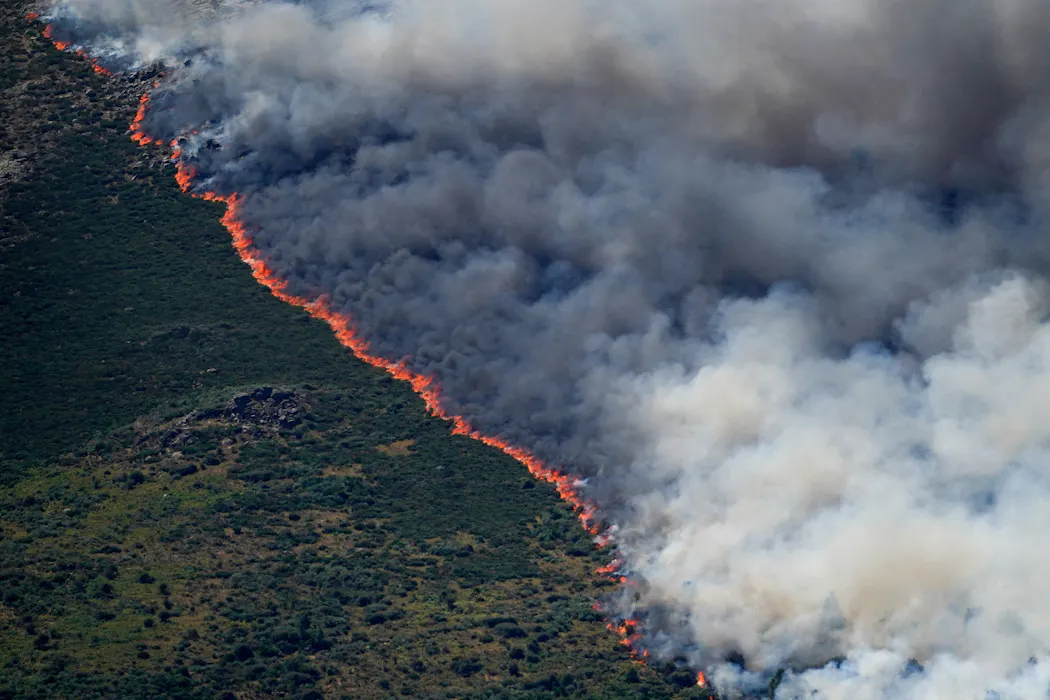






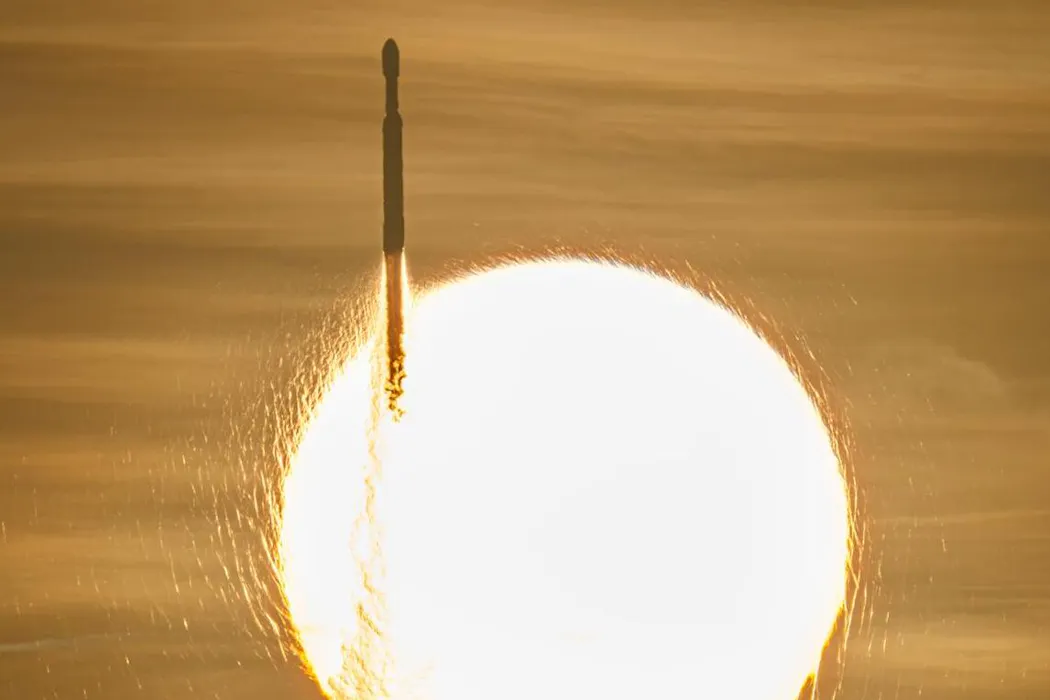












_-_Fondo_Mar%C3%ADn-Kutxa_Fototeka.jpg)
