A Bari Weiss-led CBS News would likely look different, but how the public feels about it might not change

Source: The Conversation – USA – By Jacob L. Nelson, Associate Professor of Communication, University of Utah

Bari Weiss speaks on stage on Nov. 19, 2024, in New York City. Photo by Noam Galai/Getty Images for The Free Press

For weeks, there has been a great deal of reporting about an impending shake-up in the world of television news. Paramount Global CEO David Ellison is in talks to purchase The Free Press, an online media startup launched in 2021 as a conservative alternative to traditional news organizations.

Once the deal goes through, Ellison is weighing giving Free Press editor and CEO Bari Weiss the job of editor in chief at CBS News.

Should she get the job, Weiss will immediately become a “key figure in shaping the national news environment,” in the words of an article in The Guardian.

The writing Weiss has edited and produced over the years, which conveys a deep disdain for legacy news media, offers hints at what that “shaping” might look like. Among the examples: The Free Press has published essays accusing NPR of a “liberal bias” and arguing against diversity, equity and inclusion.

Weiss, who worked at The New York Times before starting The Free Press, quit her job in 2020 as an opinion editor and writer with a resignation letter that referred to the Times as a place where “intellectual curiosity – let alone risk-taking – is now a liability.”

Though it is too soon to say what, specifically, Weiss plans to do should she take over CBS News, her record at The Free Press suggests the network’s journalism would look radically different than it does now.

But even if Weiss dramatically changes people’s experience watching CBS News, it is unlikely those changes will affect how the public feels about CBS News.

This might seem counterintuitive. After all, isn’t someone’s reaction to media dictated by their experience consuming it? A movie is good if we find it entertaining and worthwhile, and it’s bad if the opposite is true.

Waning trust in journalism

Why isn’t the same true when it comes to journalism? We tend to take for granted that people will consume news despite the fact that most Americans find the news untrustworthy and the experience of following the news mentally exhausting. So, perhaps a better question is how people’s increasing distrust of journalism affects their interactions with and perceptions of individual news outlets.

As a scholar who researches the relationship between journalism and the public, I have spent the past five years trying to answer these questions. Since the spring of 2020, University of Oregon professor Seth Lewis and I have interviewed hundreds of Americans about their trust in journalists and journalism.

Our research, which has been published in academic journals and will be published soon in a book by MIT Press, suggests that people’s relationship with news is defined less by their impressions of individual news stories, journalists or organizations. Instead, the public’s views are shaped more by a broad skepticism toward the profession as a whole.

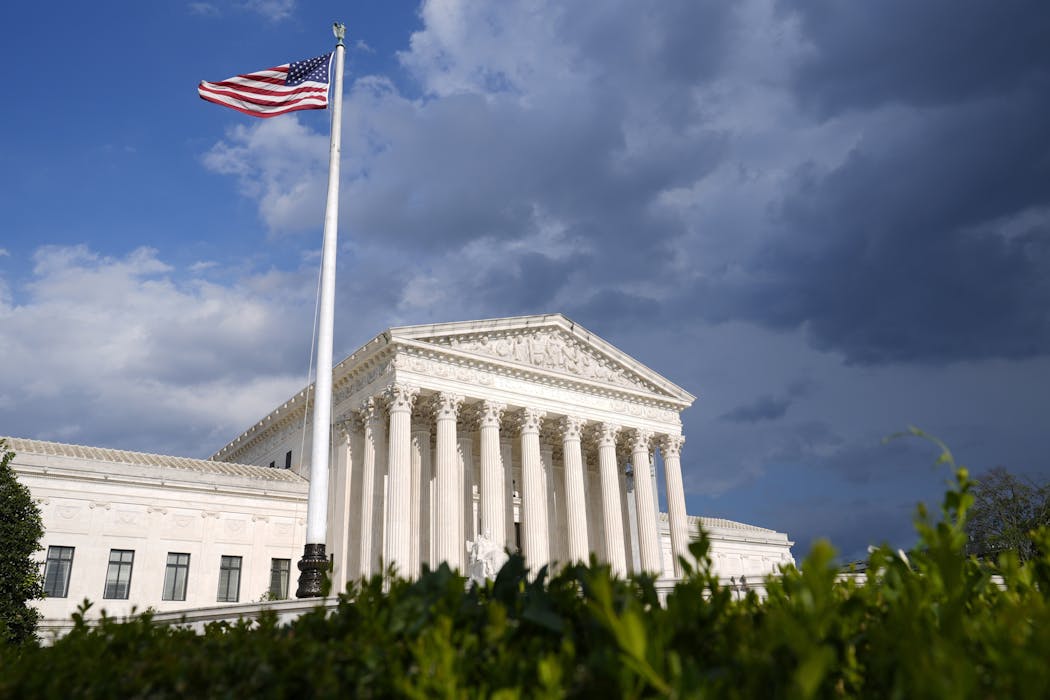
A man walks in front of a building.
A CBS News led by Weiss will likely be a very different network.
Photo by Mario Tama/Getty Images

That skepticism has less to do with what the news actually looks like than it does with people’s assumption that journalism is compromised by the pursuit of profit. As one of our interviewees told us: “It’s profits over journalism and over truth.”

This sentiment suggests that for the public it may not matter much whether Weiss takes over CBS, given it will still perceive Weiss’ boss as being more motivated by money than mission.

A bipartisan distrust of news

This profit-oriented skepticism toward the news goes against the conventional wisdom that people trust news outlets that they feel align with their political ideologies and distrust those that do not.

If that conventional wisdom were true, a Weiss-led CBS might alienate a progressive subset of the public while bringing in a conservative one. Weiss’ audience from The Free Press would follow her to one of the largest, most established brands in journalism, while those who share Weiss’ ideological leanings but are not aware of The Free Press would be pleasantly surprised to find their views suddenly represented on CBS News.

This sequence of events makes intuitive sense. Yet it is inconsistent with what we’ve learned about how people think about and interact with news.

Instead, people are likely to see CBS’ new direction less as a sign of a sincere, bottom-up ideological shift by those working at the network and more as a top-down effort by corporate elites seeking to maximize profits.

The people we interview often describe journalists generally, and television news reporters specifically, as being pushed by their organizations’ owners to politicize and sensationalize their reporting in hopes of appealing to – and monetizing the attention of – as large an audience as possible.

A woman wearing glasses speaks to a man on stage.
Bari Weiss of The Free Press hosts U.S. Sen. Ted Cruz in Washington, D.C., on Jan. 18, 2025.
Photo by Leigh Vogel/Getty Images for Uber, X and The Free Press

“If you don’t get a certain number of views, you’re not making enough money,” one interviewee said.

Another explained that the people in charge of news channels suspect the public is too politically divided for unbiased journalism to be profitable. “Because there’s so much division now,” the interviewee said, “if a lot of journalists went toward being unbiased they will lose a lot of viewers.”

In other words, people are less likely to see the shift as a sign that those running CBS News now believe what they believe. Viewers are more likely to see it as a sign that the wealthy few who run CBS News are simply charting a new path toward monetizing the audience’s attention.

As one interviewee explained, news that the public encounters often ends up taking the form of “whatever the suits upstairs want journalism and reporting to be.”

A CBS News led by Weiss will likely be a very different network. That doesn’t mean it will find a different audience.

As Lewis and I have learned, and as Ellison and Weiss may soon find, people’s perceptions are a stubborn thing. When it comes to news media, those perceptions are less tied to the journalists themselves and more tied to assumptions about the corporations behind them.

The Conversation

Jacob L. Nelson does not work for, consult, own shares in or receive funding from any company or organization that would benefit from this article, and has disclosed no relevant affiliations beyond their academic appointment.

ref. A Bari Weiss-led CBS News would likely look different, but how the public feels about it might not change – https://theconversation.com/a-bari-weiss-led-cbs-news-would-likely-look-different-but-how-the-public-feels-about-it-might-not-change-265245

Nicolas Sarkozy condenado a cinco años de prisión: un punto de inflexión para la justicia francesa

Source: The Conversation – (in Spanish) – By Vincent Sizaire, Maître de conférence associé, membre du centre de droit pénal et de criminologie, Université Paris Nanterre – Université Paris Lumières

El expresidente francés Nicolas Sarkozy ha sido declarado culpable de conspiración criminal en un caso relacionado con la financiación libia de su campaña presidencial de 2007. Condenado a cinco años de prisión, deberá comparecer ante el tribunal el 13 de octubre para conocer la fecha de su encarcelamiento. Esta sentencia sin precedentes marca un punto de inflexión en las prácticas de la justicia francesa, que se ha ido liberando gradualmente del poder político. También consagra el principio republicano de la plena y completa igualdad de los ciudadanos ante la ley, proclamado en 1789, pero que durante mucho tiempo se mantuvo en el ámbito teórico.


Nicolas Sarkozy ha sido declarado culpable de conspiración criminal por el tribunal penal de París el jueves 25 de septiembre, tras la transferencia de millones de euros de fondos ilícitos del difunto líder libio Muamar el Gadafi para financiar su campaña electoral de 2007. Como era de esperar, la decisión provocó rápidamente la ira de gran parte de la clase política.

Es perfectamente legítimo argumentar en contra de la sentencia por considerarla injusta e infundada. Esto se aplica, en primer lugar, a los acusados, que tienen todo el derecho a recurrir la sentencia.

Sin embargo, el contexto en el que se producen estas protestas es un polvorín político: de hecho, en abril, la líder del partido de extrema derecha Agrupación Nacional, Marine Le Pen, ya fue condenada a cinco años de inhabilitación para ejercer cargos públicos tras ser declarada culpable de ayudar a malversar 2,9 millones de euros de fondos de la UE para su partido. A raíz de ello, la última sentencia de Sarkozy brinda una nueva oportunidad a una gran parte de las clases dirigentes para avivar la polémica sobre lo que los franceses denominan el “gobierno de los jueces” y otros llamarían “juristocracia”.

El primer presidente francés de la posguerra en ser encarcelado

Es cierto que la sentencia puede parecer especialmente severa: una multa de 100 000 euros, cinco años de inhabilitación y, sobre todo, cinco años de prisión con una orden de detención diferida que, combinada con la ejecución provisional, obliga al condenado a comenzar a cumplir su pena de prisión incluso si recurre.

Pero si analizamos más detenidamente los delitos cometidos, las penas no parecen desproporcionadas. Los hechos son innegablemente graves: organizar la financiación secreta de una campaña electoral con fondos procedentes de un régimen corrupto y autoritario, Libia –cuya responsabilidad en un atentado contra un avión en el que murieron más de 50 ciudadanos franceses ha sido reconocida por los tribunales–, a cambio de defenderlo en la escena internacional.

Dado que la pena máxima es de diez años de prisión, la sanción difícilmente puede considerarse demasiado severa. Pero lo que se cuestiona es el principio mismo de la condena de un líder político por los tribunales, que se considera y se presenta como un ataque intolerable al equilibrio institucional.

Sin embargo, si nos tomamos el tiempo de ponerlo en perspectiva histórica, vemos que las sentencias dictadas en los últimos años contra miembros de la clase dirigente forman parte, de hecho, de un movimiento para liberar al poder judicial de otros poderes, en particular del ejecutivo. Esta emancipación permite finalmente al poder judicial aplicar plenamente los requisitos del sistema jurídico republicano.

La igualdad de los ciudadanos ante la ley

Cabe recordar que el principio revolucionario proclamado en la noche del 4 al 5 de agosto de de 1789 fue el de la igualdad plena y completa ante la ley, lo que condujo a la correspondiente desaparición de todas las leyes especiales –“privilegios” en el sentido jurídico del término– de las que gozaban la nobleza y el alto clero. El Código Penal de 1791 fue aún más lejos: no solo los que estaban en el poder podían ser juzgados ante los mismos tribunales que los demás ciudadanos, sino que también se enfrentaban a penas más severas por determinados delitos, en particular los relacionados con la corrupción.

Los principios en los que se basa el sistema jurídico republicano no pueden ser más claros: en una sociedad democrática, en la que toda persona tiene derecho a exigir no solo el pleno disfrute de sus derechos, sino también, de manera más general, la aplicación de la ley, nadie puede pretender beneficiarse de un régimen de excepción, y menos aún los cargos electos. Es porque confiamos en que sus acciones ilegales serán castigadas de manera efectiva, al igual que las de los demás ciudadanos y sin esperar una sanción electoral altamente hipotética, que pueden realmente considerarse nuestros representantes.


Leer más:
Crisis política en Francia: guía rápida para entender qué está ocurriendo en el país


Cuando la ley favorecía a los poderosos

Sin embargo, durante mucho tiempo, este requisito de igualdad jurídica siguió siendo en gran medida teórico. Asumido y situado en una relación más o menos explícita de subordinación al Gobierno durante el Primer Imperio (1804-1814), el poder judicial permaneció bajo la influencia del ejecutivo al menos hasta mediados del siglo XX. Por eso, hasta finales del siglo pasado, el principio de igualdad ante la ley se topaba con un privilegio singular de “notabilidad” que, salvo en situaciones excepcionales o en casos especialmente graves y mediáticos, garantizaba una relativa impunidad a los miembros de las clases dirigentes cuya responsabilidad penal se ponía en tela de juicio.

La situación solo comenzó a cambiar tras el final de la Segunda Guerra Mundial, en la década de 1940. A partir de 1958, los magistrados fueron reclutados mediante concurso público y se beneficiaron de un estatus relativamente protegido, así como de una escuela dedicada, la Escuela Nacional de la Magistratura. Esta última adoptó gradualmente un exigente código ético, impulsado en particular por el reconocimiento del sindicalismo judicial en 1972.

Surgió así una nueva generación de jueces que se tomaban muy en serio su misión: garantizar, con total independencia, la correcta aplicación de la ley, independientemente de los antecedentes de los acusados.

Bernard Tapie, Jacques Chirac, Nicolas Sarkozy…

En este contexto, ocurrió algo que había sido impensable unas décadas antes: el enjuiciamiento y la condena de figuras prominentes en las mismas condiciones que el resto de la población. A partir de mediados de la década de 1970, el movimiento cobró impulso en las décadas siguientes con la condena de importantes líderes empresariales, como el magnate del fútbol y de Adidas Bernard Tapie, y luego de figuras políticas nacionales, como el exministro conservador Alain Carignon o el alcalde y diputado de Lyon, Michel Noir.

La condena de antiguos presidentes de la República a partir de la década de 2010 –Jacques Chirac en 2011, Nicolas Sarkozy por primera vez en 2021– completaron la normalización de esta tendencia. O, más bien, pusieron fin a la anomalía democrática de dar un trato preferencial a los cargos electos y, en general, a las clases dirigentes.

Este movimiento, que inicialmente derivó de cambios en las prácticas judiciales, también se vio respaldado por ciertas modificaciones de la legislación francesa. Un ejemplo es la revisión constitucional de febrero de 2007, que consagra la jurisprudencia del Consejo Constitucional según la cual el presidente de la República no puede ser objeto de acciones penales durante su mandato, pero que permite reanudar el proceso tan pronto como abandone el cargo.

También cabe mencionar la creación, en diciembre de 2013, de la Fiscalía Nacional Financiera, que, aunque no goza de independencia estatutaria respecto al poder ejecutivo, ha podido demostrar su independencia de facto en los últimos años.

Cualquier referencia a la “tiranía judicial” tiene como objetivo atacar esta evolución histórica. Esta retórica busca defender menos la soberanía del pueblo que la de los gobernantes oligárquicos.

The Conversation

Vincent Sizaire no recibe salario, ni ejerce labores de consultoría, ni posee acciones, ni recibe financiación de ninguna compañía u organización que pueda obtener beneficio de este artículo, y ha declarado carecer de vínculos relevantes más allá del cargo académico citado.

ref. Nicolas Sarkozy condenado a cinco años de prisión: un punto de inflexión para la justicia francesa – https://theconversation.com/nicolas-sarkozy-condenado-a-cinco-anos-de-prision-un-punto-de-inflexion-para-la-justicia-francesa-266182

South Sudan is unstable: how a weak state benefits the ruling elite

Source: The Conversation – Africa (2) – By Steven C. Roach, Professor of Internatiional Relations, University of South Florida

Salva Kiir, the president of South Sudan, met with then US president Barack Obama at the White House in 2011 to discuss the future of the newly independent state.

Officials seated at the table were eager to hear about the vision for the political stability of the new country. But when Obama asked Kiir about his plan, Kiir turned to his chief advisor for an answer.

In my view, Kiir has never – then, or since – had a vision or plan to unify the country. This view is informed by my decades of research on the country and on-the-ground experience. I am a professor of international relations and the author of a book on South Sudan’s politics. I also served as a country expert for the United States Agency for International Development’s assessment team in South Sudan.

What’s happened since independence in 2011 is that Kiir has financed a patronage network and put his political rivals at arm’s length by keeping the country undeveloped and its institutions weak. Through the years, he has relied on the support of his cabinet and a tribal base of followers (he is from the Dinka community) to sow deep distrust of the opposition.

I researched this dynamic of governance in South Sudan in a recent study. I found that the country’s leaders have devised four fundamental strategies to exploit instability. These strategies are:

  • delaying elections to evade accountability

  • repressing any actors, such as civil society, that seek to unify the nation and modernise the state

  • playing up the threat of rebellion from political rivals to sustain violence and project fear

  • leaning on regional conflicts to hold on to power.

As a result, instability and division have shaped the country’s political system. This has been enabled by informal patronage networks, war and denial, but also through the behaviour and actions of a corrupt ruling elite.

Instability has allowed the elite to undermine the justice system and actively suppress efforts at reconciliation.

This highlights the need to place more power in regional and international actors to hold South Sudan’s leaders accountable, while empowering civil society to promote such accountability.

A troubled short history

South Sudan gained independence from Sudan on 9 July 2011.

Growing distrust among the country’s elites soon led to the outbreak of civil war between 2013 and 2015. The war resulted in nearly 400,000 deaths, with 2.3 million people fleeing to neighbouring countries.

Pressure from the UN and the United States saw warring parties agree to a peace deal in August 2015. However, tensions rose again in July 2016, leading to a fresh wave of violence.

In 2018, a new peace deal was signed, but it has yet to be fully implemented. Ensuing turmoil has led to implementation delays and exposed the country’s rampant corruption.

South Sudan is one of Africa’s poorest countries. Yet, it’s also ranked as the most corrupt country in the world, according to Transparency International. A recent report issued by the UN Commission on Human Rights in South Sudan found

The ensuing cycle of grand corruption aided by total impunity has produced a devastating humanitarian and human rights crisis.

The 2018 peace agreement led to the formation of a Transitional Government of National Unity, and renewed hope that the country would work toward democracy, stability and the rule of law. Unlike the 2015 peace deal, which involved negotiations with a few parties, the 2018 agreement brought several more groups to the table.

But the country has yet to hold its first elections, adopt a permanent constitution, integrate the armed forces or establish a war crimes court. It remains a fragile country torn by violence and turmoil.

In March 2025, for instance, Kiir arrested his main rival and former vice-president Riek Machar. He accused Machar of planning a rebellion against the government. A few months later in September, Machar was accused of treason.

Relations between Kiir and Machar have been strained since 2013, derailing efforts to implement the peace deal that stopped a war pitting forces loyal to Kiir against those allied to Machar.

The strategies at play

Instability has become a favoured tool among elites for maintaining political power. The process of governing through instability relies on four political strategies.

First, Kiir has used instability to delay the implementation of key pillars of the 2018 peace agreement. In October 2024, Kiir announced the postponement of long-awaited elections to 2026. He warned that there was too much instability to hold peaceful elections. This delay did little to stem violence or instability. In fact, it simply afforded Kiir more time to stave off efforts to hold government elites accountable.

Second, the government has used the threat of political instability to downplay the need for justice and democracy. This threat became a tool for repressing civil society actors and justifying their exclusion from the peace process in 2018.

Third, instability fuels political uncertainty, giving the government space to stoke fears of rebellion whenever it suits its interests. Such fears have been repeatedly exploited in the power struggle between Kiir and Machar.

Lastly, an increase in regional instability has extended, and in some ways complicated, the state’s ability to govern through instability. On one hand, regional conflicts have forced Kiir to assume a diplomatic posture for managing conflicts in neighbouring countries, such as in the Democratic Republic of Congo and Sudan. On the other hand, the spillover effects of war have hit South Sudan. Sudan’s civil war, for instance, has pushed South Sudan to the brink of renewed violence. A recent break in an oil pipeline linking the two countries has cut nearly 40% of South Sudan’s oil revenue.

The next steps

One way forward for South Sudan is to devise an effective strategy for succession in the country’s leadership.

Kiir, who has been in poor health, has taken steps toward a succession plan.

The president singlehandedly appointed Benjamin Bol Mel, his former advisor and money man, as an apparent successor in February 2025. He sacked two of his vice-presidents, Kuol Manyang Juuk and Daniel Awet Akot – the two main dissenting voices left in the government – in May 2025. Kiir then appointed his daughter, Adut Salva Kiir, to serve as a senior presidential envoy.

These decisions bypassed the ruling party’s procedures of appointing a successor, which require discussion and a vote on new appointees.

Kiir had argued that the 2018 peace agreement allowed him to appoint his own successor. However, allowing party procedure to determine the outcomes of a successor would be far more likely to calm tensions.

Moving beyond the dynamic of instability will also depend on the pressure placed on Kiir and other national elites by key international donors, and their continued support of civil society actors.

Neither option seems particularly possible at the moment. With civil war raging in Sudan and the US having dismantled the United States Agency for International Development (which provided nearly US$16 million in aid to civil society programmes in 2023), South Sudan’s fragility is unlikely to improve any time soon.

The Conversation

Steven C. Roach does not work for, consult, own shares in or receive funding from any company or organisation that would benefit from this article, and has disclosed no relevant affiliations beyond their academic appointment.

ref. South Sudan is unstable: how a weak state benefits the ruling elite – https://theconversation.com/south-sudan-is-unstable-how-a-weak-state-benefits-the-ruling-elite-265198

La vacuna contra el VIH podría estar más cerca gracias a la tecnología del ARNm

Source: The Conversation – (in Spanish) – By Isidoro Martínez González, Científico Titular de OPIs, Instituto de Salud Carlos III

Novikov Aleksey/Shutterstock

Cuatro décadas después de su descubrimiento, el VIH sigue siendo uno de los principales desafíos de salud pública a nivel mundial. Hasta la fecha ha causado la muerte de más de 44 millones de personas y su transmisión continúa en todos los rincones del planeta.

Se estima que, a finales de 2024, casi 41 millones de personas vivían con VIH. Ese mismo año, alrededor de 630 000 murieron por causas relacionadas con el virus y, aproximadamente, 1,3 millones se contagiaron.

El VIH es un retrovirus, lo que significa que puede integrar su material genético en el ADN de las células infectadas para esconderse del sistema inmunitario, lo que dificulta su erradicación del organismo.

Aunque aún no existe una cura, los tratamientos antirretrovirales actuales han transformado la historia de la infección por VIH. Gracias a ellos, hoy es una enfermedad crónica manejable para aquellos pacientes con acceso a los fármacos. Las personas infectadas pueden llevar una vida larga y relativamente saludable, aunque suelen enfrentarse a un envejecimiento prematuro en comparación con quienes no tienen el virus.

El gran reto: encontrar una vacuna

Durante décadas, lograr una vacuna eficaz contra el VIH ha representado uno de los mayores desafíos de la medicina moderna. ¿Por qué es tan difícil? Estos son algunos de los principales obstáculos:

  1. El virus ataca directamente al sistema inmunitario, debilitando las defensas necesarias tanto para combatir la infección como para responder a la vacunación.

  2. Tiene una alta capacidad de mutación (cambio), lo que complica el diseño de una vacuna universalmente efectiva.

  3. Demuestra una considerable habilidad para evadir a nuestras defensas, lo que reduce la eficacia de las respuestas inmunitarias inducidas.

  4. La principal proteína de superficie del VIH, denominada Env, es la responsable de la unión y entrada del virus en las células. Sería el objetivo ideal de una vacuna, ya que los anticuerpos neutralizantes que se producen tras la vacunación se unen a ella e impiden esa entrada. Sin embargo, es muy compleja y variable, lo que hace que sea un blanco increíblemente difícil de acertar.

  5. El VIH se integra en el genoma humano, lo que le permite permanecer oculto e inactivo durante largos períodos.

¿Una nueva era para las vacunas contra el VIH?

La misma tecnología de ARN mensajero (ARNm) que permitió el rápido desarrollo de las vacunas contra la covid-19 está siendo adaptada para combatir el VIH.

Dos estudios recientes, publicados en Science Translational Medicine, muestran resultados prometedores: vacunas experimentales basadas en ARNm lograron inducir anticuerpos neutralizantes, las defensas capaces de bloquear al virus antes de que infecte una célula, potentes y específicos en animales y humanos.

Esto representa un avance importante en la carrera por lograr una vacuna efectiva contra el VIH.

¿Cómo funciona?

Tradicionalmente las vacunas experimentales utilizaban trímeros solubles de la proteína Env. Sin embargo, este método dejaba expuesta una parte de la proteína (la base del trímero) que normalmente está oculta en el virus real. Esto podía inducir respuestas inmunitarias fuertes, pero mal dirigidas. Como resultado, no lograban neutralizar el virus.

Para resolver este problema los investigadores diseñaron una vacuna de ARNm que instruye a las células para producir la proteína Env unida a la membrana celular. Así se imita mejor su forma natural en el virus.

En un primer estudio, realizado en conejos y primates no humanos, esta versión de la vacuna generó respuestas de anticuerpos neutralizantes más fuertes que la versión soluble.

Resultados en humanos

A partir de estos resultados prometedores se inició un ensayo clínico de fase 1 en humanos para comparar ambas versiones de la vacuna. Se trató de un estudio con unos cien voluntarios en el que se analizó la seguridad del fármaco y la respuesta inmunitaria que generaba.

Los resultados mostraron una diferencia abismal: un 80 % de los participantes que recibieron la vacuna con Env anclada a la membrana de la célula generaron la codiciada respuesta de anticuerpos neutralizantes.

En cambio, solo el 4 % de a quienes se administró la versión soluble lograron esa respuesta.

Se trata de un ensayo clínico en fase 1, todavía preliminar. Por lo tanto, serán necesarios más estudios con más participantes para entender si la vacuna protege contra la infección y durante cuánto tiempo.

¿Y los efectos secundarios?

Las vacunas fueron, en general, bien toleradas. Sin embargo, el ensayo identificó un efecto secundario inesperado: aproximadamente el 6,5 % de los participantes desarrollaron urticaria (ronchas), y algunos experimentaron síntomas duraderos.

Aunque tratables, esta tasa fue más alta de lo observado con otras vacunas de ARNm, como las de la covid-19.

Curiosamente, otro conjunto de ensayos, que probaba una estrategia diferente de vacunación basada en la administración de ARNm en varios pasos, también reportó efectos secundarios en la piel. Esto sugiere que la combinación entre antígenos del VIH y la tecnología de ARNm podría estar relacionada, aunque esto aún requiere mayor investigación.

Conclusión: un paso firme hacia el futuro

Si bien estas vacunas aún no representan una solución definitiva, han demostrado que la combinación de la tecnología de ARNm con una estrategia más realista de presentación del antígeno (Env anclada a la membrana de la célula) es una herramienta poderosa en la búsqueda de una vacuna eficaz contra el VIH.

Los investigadores se muestran optimistas. Ajustes como la reducción de la dosis de ARNm podrían mitigar los efectos secundarios observados y mejorar aún más esta prometedora vía de investigación. Quizá en unos años la lucha contra el VIH cuente en su arsenal con la tan ansiada vacuna.

The Conversation

Las personas firmantes no son asalariadas, ni consultoras, ni poseen acciones, ni reciben financiación de ninguna compañía u organización que pueda obtener beneficio de este artículo, y han declarado carecer de vínculos relevantes más allá del cargo académico citado anteriormente.

ref. La vacuna contra el VIH podría estar más cerca gracias a la tecnología del ARNm – https://theconversation.com/la-vacuna-contra-el-vih-podria-estar-mas-cerca-gracias-a-la-tecnologia-del-arnm-265204

Former French President Nicolas Sarkozy sentenced to five years in prison: Republic’s judiciary frees itself

Source: The Conversation – France – By Vincent Sizaire, Maître de conférence associé, membre du centre de droit pénal et de criminologie, Université Paris Nanterre – Université Paris Lumières

Former French President Nicolas Sarkozy has been found guilty of criminal conspiracy in a case related to the Libyan funding of his 2007 presidential campaign. Sentenced to five years in prison, he is due to appear in court on 13 October to learn the date of his incarceration. The unprecedented ruling marks a turning point in the practices of the French justice, which has gradually freed itself from political power. It also enshrines the Republican principle of full and complete equality of citizens before the law, which was proclaimed in 1789 but long remained theoretical.

Nicolas Sarkozy has been found guilty of criminal conspiracy by the Paris criminal court on Thursday 25 September, following the transfer of millions of euros of illicit funds from the late Libyan leader Col Muammar Gaddafi to finance his 2007 election campaign. As might be expected, the decision promptly drew anger from a large part of the political class.

It’s perfectly legitimate to argue against the ruling on the grounds that is unfair and unfounded. This applies first and foremost to the defendants, who have every right to appeal the judgement. However, the context in which these outcries take place is a political tinderbox: indeed, in April, the leader of the far-right National Rally, Marine Le Pen, was already sentenced to a five-year ban on running for public office after she was found guilty of helping to embezzle €2.9m (£2.5m) of EU funds for use by her party. Following on its heels, Sarkozy’s latest sentence provides yet another opportunity for a large section of the ruling classes to stir controversy over what the French describe as the “government of judges” and others would dub “juristocracy”.

Sarkozy will soon be the first post-war president of France to be imprisoned

Admittedly, the sentence may seem particularly severe: a €100,000 fine, five years of ineligibility and, above all, five years’ imprisonment with a deferred warrant of arrest which, combined with provisional enforcement, forces the convicted person to begin serving their prison sentence even if they appeal.

But if we take a closer look at the offences at play, the penalties hardly appear disproportionate. The facts are undeniably serious: organising the secret financing of an election campaign with funds from a corrupt and authoritarian regime, Libya – whose responsibility for an attack on an airplane that killed more than 50 French nationals has been recognised by the courts – in return for championing it on the international stage.

Given the maximum sentence is ten years in prison, the penalty can hardly be considered as too harsh. But what is being contested is the very principle of the conviction of a political leader by the courts, which is seen and presented as an intolerable attack on the institutional balance.

If we take the time to put this into historical perspective, however, we see that the judgments handed down in recent years against members of the ruling class are, in fact, part of a movement to liberate the judiciary from other powers, particularly the executive. This emancipation finally allows the judiciary to fully enforce the requirements of the republican legal system.

Equality of citizens before the law, a republican principle

It should be remembered that the revolutionary principle proclaimed on the night of 4 to 5 August 1789 was that of full and complete equality before the law, leading to the corresponding disappearance of all special laws – ‘privileges’ in the legal sense of the term – enjoyed by the nobility and the high clergy. The Penal Code of 1791 went even further: not only could those in power be held accountable before the same courts as other citizens, but they also faced harsher penalties for certain offences, particularly those involving corruption.

The principles on which the republican legal system is based could not be clearer: in a democratic society, where every person has the right to demand not only the full enjoyment of their rights, but also, more generally, the application of the law, no one can claim to benefit from a regime of exception – least of all elected officials. It is because we are confident that their illegal actions will be effectively punished, in the same way as other citizens and without waiting for a highly hypothetical electoral sanction, that they can truly call themselves our representatives.

When the Law Favored the Powerful

For a long time, however, this requirement for legal equality remained largely theoretical. Taken over and placed in a more or less explicit relationship of subordination to the government during the First Empire (1804-1814), the judiciary remained under the influence of the executive at least until the middle of the 20th century. This is why, until the end of the last century, the principle of equality before the law came up against a singular privilege of ‘notability’ which, except in exceptional situations or particularly serious and highly publicised cases, guaranteed relative impunity for members of the ruling classes whose criminal responsibility was called into question.

The situation only began to change following the humanist awakening of the liberation in 1940s. From 1958, magistrates were recruited by open competition and benefited from a relatively shielded status, as well as a dedicated school, the National School for the Judiciary. The latter gradually took up a demanding code of ethics, encouraged in particular by the recognition of judicial trade unionism in 1972. A new generation of judges emerged, who now took their mission seriously: to ensure, in complete independence, that the law was properly enforced, regardless of the background of those in the dock.

Bernard Tapie, Jacques Chirac, Nicolas Sarkozy…

It was in this context that something that had been unthinkable a few decades earlier came to pass: the prosecution and conviction of prominent figures on the same basis as the rest of the population. From the mid-1970s, the movement gained momentum in the following decades with the conviction of major business leaders, such as Adidas and football tycoon Bernard Tapie, and then national political figures, such as former conservative minister, Alain Carignon, or the Lyon mayor and deputy, Michel Noir. The conviction of former presidents of the Republic from the 2010s onwards – Jacques Chirac in 2011, Nicolas Sarkozy for the first time in 2021 – completed the normalisation of this trend or, rather, put an end to the democratic anomaly of giving preferential treatment to elected officials and, more broadly, to the ruling classes.

This movement, which initially stemmed from changes in judicial practices, was also supported by certain changes to French law. One example is the constitutional revision of February 2007, which enshrines the jurisprudence of the Constitutional Council according to which the President of the Republic cannot be subject to criminal prosecution during his term of office, but which allows proceedings to be resumed as soon as he leaves office. We can also mention the creation, in December 2013, of the National Financial Prosecutor’s Office, which, although it does not enjoy statutory independence from the executive branch, has been able to demonstrate its de facto independence in recent years.

Any talk of “judicial tyranny” is intended to take aim at this historical development. This rhetoric seeks less to defend the sovereignty of the people than that of the oligarchic rulers.

The Conversation

Vincent Sizaire ne travaille pas, ne conseille pas, ne possède pas de parts, ne reçoit pas de fonds d’une organisation qui pourrait tirer profit de cet article, et n’a déclaré aucune autre affiliation que son organisme de recherche.

ref. Former French President Nicolas Sarkozy sentenced to five years in prison: Republic’s judiciary frees itself – https://theconversation.com/former-french-president-nicolas-sarkozy-sentenced-to-five-years-in-prison-republics-judiciary-frees-itself-266170

Les sanctions économiques doivent être repensées : elles frappent les plus démunis

Source: The Conversation – in French – By Sylvanus Kwaku Afesorgbor, Associate Professor of Agri-Food Trade and Policy, University of Guelph

Les sanctions économiques sont largement considérées par les universitaires et les décideurs politiques comme une alternative préférable aux interventions militaires pour faire pression sur les gouvernements afin qu’ils modifient leurs politiques contestables. L’idée est simple : au lieu d’utiliser les armes, il faut exercer une pression économique sur l’élite au pouvoir jusqu’à ce qu’elle change de comportement.

Le recours aux sanctions économiques n’a cessé d’augmenter. Selon les données récentes de la Global Sanctions Database, le nombre de sanctions actives a augmenté de 31 % en 2021 par rapport à 2020, et cette tendance à la hausse s’est poursuivie en 2022 et 2023.

En Afrique, plusieurs pays font actuellement l’objet de sanctions imposées par les États-Unis, les Nations unies ou l’Union européenne. Parmi ces États africains figurent la République centrafricaine, la République démocratique du Congo, la Guinée, la Guinée-Bissau, le Mali, la Libye, la Somalie, le Soudan du Sud et le Zimbabwe. Ce n’est pas une simple coïncidence si la plupart de ces pays figurent parmi les foyers de faim identifiés par le Programme alimentaire mondial.

Les sanctions peuvent avoir des conséquences imprévues pour les citoyens et ce sont généralement eux qui en paient le prix. Lorsque les sanctions touchent les systèmes alimentaires, l’impact peut être dévastateur.

J’étudie les sanctions économiques et leurs effets négatifs imprévus sur les pays en développement.

Dans une étude récente menée avec mes collègues, nous avons analysé l’impact des sanctions économiques sur la sécurité alimentaire dans 90 pays en développement entre 2000 et 2022. Nous voulions explorer les liens potentiels entre les sanctions et la famine dans un contexte de préoccupation mondiale croissante concernant l’insécurité alimentaire.

Nous nous sommes concentrés sur deux indicateurs clés : les prix des denrées alimentaires et la sous-alimentation (c’est-à-dire la proportion de personnes qui ne consomment pas suffisamment de calories pour mener une vie saine).

Nous avons mesuré les prix des denrées alimentaires à l’aide de l’indice des prix à la consommation des denrées alimentaires de l’Organisation des Nations unies pour l’alimentation et l’agriculture. Cet indice reflète l’évolution du coût global des denrées alimentaires et des boissons non alcoolisées généralement achetées par les ménages.

Nous avons également utilisé le calcul de la prévalence de la sous-alimentation établi par la même organisation. Il s’agit d’un indicateur clé de l’objectif de développement durable 2.1, qui suit les progrès accomplis dans le monde pour éliminer la faim d’ici 2030.

Nos résultats donnent à réfléchir. Lorsque des sanctions sont en place, les prix des denrées alimentaires augmentent d’environ 1,2 point de pourcentage par rapport aux périodes sans sanctions. Cela peut sembler peu, mais dans les pays à faible revenu où les familles consacrent la moitié de leurs revenus à l’alimentation, même de légères augmentations rendent la vie plus difficile. Cela ne tient pas compte d’autres facteurs externes pouvant entraîner des hausses de prix, tels que les modèles de demande et d’offre.

Nous avons également constaté que la sous-alimentation augmente de 2 points de pourcentage pendant les périodes de sanctions. Pour les pays où des millions de personnes vivent déjà au bord de la famine, cela représente un fardeau supplémentaire considérable.

Pourquoi les sanctions aggravent l’insécurité alimentaire

Les sanctions ont des répercussions sur les économies de plusieurs façons, et l’alimentation est souvent prise entre deux feux.

Tout d’abord, les sanctions perturbent les importations alimentaires. Il s’agit d’un problème crucial pour de nombreux pays en développement qui dépendent fortement des marchés internationaux pour nourrir leur population. Entre 2021 et 2023, les importations alimentaires de l’Afrique ont totalisé environ 97 milliards de dollars américains.

Au niveau national, par exemple, l’Éthiopie et la Libye ont importé pour 3 milliards de dollars de denrées alimentaires, le Soudan pour 2,3 milliards et la République démocratique du Congo pour 1,2 milliard. Les sanctions peuvent restreindre davantage le commerce ou augmenter les coûts de transport, rendant les denrées alimentaires à la fois plus rares et plus chères.

Deuxièmement, les sanctions limitent l’accès aux intrants agricoles essentiels, tels que les engrais, les pesticides et les machines. Elles entravent également les transferts de technologie. Par exemple, les agriculteurs d’Afrique subsaharienne n’utilisent en moyenne que 9 kg d’engrais par hectare de terres arables, contre 73 kg en Amérique latine et 100 kg en Asie du Sud. Ces contraintes réduisent les rendements, augmentent les coûts de production et rendent plus difficile le maintien de la production pour les agriculteurs.

Troisièmement, les sanctions ébranlent les systèmes financiers, réduisent les revenus des populations et encouragent la thésaurisation. Les ménages qui disposent déjà d’un budget serré sont contraints de réduire leurs dépenses ou de se tourner vers des aliments moins chers et moins nutritifs.

Enfin, les sanctions entraînent souvent une réduction de l’aide alimentaire, car les pays visés perdent leur accès à l’aide internationale. Par exemple, la récente suspension de l’aide humanitaire américaine au Soudan a contraint 80 % des cuisines d’urgence du pays à fermer. Cet impact est particulièrement grave étant donné que certains des plus grands donateurs alimentaires, tels que les États-Unis et l’Union européenne, sont également parmi les pays qui recourent le plus fréquemment aux sanctions.

Le résultat final est simple : des prix alimentaires plus élevés, moins de nourriture sur la table et plus de famine.

Toutes les sanctions ne se valent pas

Nous avons également constaté que le type de sanction a son importance :

  • Les sanctions commerciales qui bloquent les importations et les exportations sont celles qui font le plus augmenter les prix des denrées alimentaires. Les sanctions financières qui gèlent les avoirs ou coupent l’accès aux services bancaires sont également préjudiciables, car elles perturbent indirectement le commerce agricole.

  • Lorsque les pays sont confrontés à la fois à des sanctions commerciales, financières et de circulation, les dommages sont considérables : les prix des denrées alimentaires augmentent de plus de 3,5 points de pourcentage et la faim augmente fortement.

  • L’identité de l’auteur des sanctions a également son importance. Les sanctions de l’Union européenne ont entraîné la plus forte hausse des prix alimentaires, tandis que celles de l’ONU ont eu le plus grand impact sur la faim, augmentant la sous-alimentation de près de 6 points de pourcentage.

La nourriture comme arme de guerre

L’ONU met en garde depuis des années contre l’utilisation de la nourriture comme arme. En 2018, la résolution 2417 a explicitement condamné la famine comme outil de guerre ou de pression politique. Pourtant, dans la pratique, les sanctions restreignent souvent l’accès à la nourriture, aux médicaments et aux intrants agricoles, même lorsque des « exemptions humanitaires » existent sur le papier.

L’insécurité alimentaire en Afrique s’aggrave. Selon l’Organisation mondiale de la santé, une personne sur cinq sur le continent est confrontée à la faim, et le nombre de personnes sous-alimentées continue d’augmenter. Les sanctions aggravent cette crise.

Et le dilemme moral est évident. Les personnes les plus touchées – les familles pauvres, les petits agriculteurs et les enfants – sont celles qui sont les moins responsables du comportement qui déclenche les sanctions.

Si les sanctions visent à punir les régimes, elles punissent souvent les citoyens ordinaires à la place.

Ce qui doit changer

Les sanctions ne sont pas près de disparaître de la politique mondiale. Mais leur conception et leurs conséquences humanitaires doivent être repensées. Trois mesures pourraient réduire les dommages :

  • Premièrement, renforcer les exemptions humanitaires : veiller à ce que les denrées alimentaires, les engrais et l’aide puissent circuler librement, sans être bloqués.

  • Deuxièmement, suivre l’impact des sanctions : les agences internationales telles que l’Organisation des Nations unies pour l’alimentation et l’agriculture (FAO) et le Programme alimentaire mondial (Pam) devraient surveiller l’impact des sanctions sur les systèmes alimentaires et tirer rapidement la sonnette d’alarme.

  • Troisièmement, repenser la stratégie : si les sanctions finissent par alimenter la faim, l’instabilité et les migrations, elles peuvent faire plus de mal que de bien à long terme.

Si le monde souhaite réellement éradiquer la faim d’ici 2030, il ne peut ignorer les conséquences imprévues des sanctions. Celles-ci doivent donc être repensées afin de protéger les plus vulnérables, sans quoi elles risquent de devenir non seulement un outil diplomatique, mais aussi un facteur de crises alimentaires.

The Conversation

Sylvanus Kwaku Afesorgbor reçoit un financement du ministère de l’Agriculture, de l’Alimentation et de l’Agroalimentaire de l’Ontario (OMAFA). Kwaku est également consultant occasionnel pour la Banque africaine de développement et le Consortium africain de recherche économique. Il est le fondateur exécutif du groupe de réflexion international Centre for Trade Analysis and Development (CeTAD Africa), basé à Accra, au Ghana.

ref. Les sanctions économiques doivent être repensées : elles frappent les plus démunis – https://theconversation.com/les-sanctions-economiques-doivent-etre-repensees-elles-frappent-les-plus-demunis-265928

Close relatives of emperor penguins lived in NZ some 3 million years ago. What caused their extinction?

Source: The Conversation – Global Perspectives – By Daniel Thomas, Honorary Lecturer in Biological Sciences, University of Auckland, Waipapa Taumata Rau

Getty Images

Three million years ago, an extinct relative of todays’s great penguins – emperors and kings – lived in Aotearoa New Zealand.

We know this because our new study describes a spectacular fossilised skull of a great penguin found on the Taranaki coast.

Three images of skulls. Top: Fossil great penguin (Aptenodytes). Middle: King penguin. Bottom: Emperor penguin.
The fossil skull (top) of the extinct great penguin in its estimated original shape, in comparison with skulls from a king penguin (middle) and an emperor penguin (bottom).
CC BY-NC-ND

Overall, it is 31% longer than the skull of an emperor penguin (Aptenodytes forsteri), which can be more than a metre tall and weigh upwards of 35 kilograms.

Compared to emperor penguins, however, the Taranaki great penguin had a much stronger and longer beak. It probably looked more like a king penguin (Aptenodytes patagonicus), only much bigger.

At the time, the world was warmer than today. But when the climate cooled, this penguin vanished.

We argue the cold wasn’t to blame because crested and little penguins in New Zealand weathered the same change and remained. Great penguins shifted south and today live in the frozen wastes of Antarctica. So what drove their ancient relative to extinction?

An artistic reconstruction of a fossil penguin
Artist’s impression of the extinct great penguin that lived in New Zealand around three million years ago.
Simone Giovanardi, CC BY-SA

The sediments that now form beach-side cliffs in South Taranaki were deposited at a time when global temperatures were about 3°C above those of the pre-industrial era. Fossils from this period are transforming our understanding of how biodiversity might respond to rising temperatures.

For example, Aotearoa was home to box fish and monk seals, both of which are still (sub)tropical species today. In a strange contradiction, they coexisted with great penguins – now only found in much colder climates – in ancient New Zealand.

The northernmost breeding colonies of king penguins today are around latitude 46.1°S in the subantarctic Crozet Islands, where seawater temperatures reach 3-10°C. From there, it only gets colder towards the higher latitudes where emperor penguins live.

Two maps of the southern hemisphere at different times in Earth history. At left, where great penguins live today; at right, where a fossil Aptenodytes penguin was discovered. Sea surface temperature is represented in different colours.
Today, great penguins are limited to subantarctic islands and the coast of Antarctica (map on the left). But ancient New Zealand was home to an extinct species of great penguin around three million years ago, during a period in Earth’s history known as the mid-Piacenzian Warming Period.
CC BY-SA

Three million years ago, Aotearoa’s great penguins extended as far north as 40.5°S, where South Taranaki was located then. They foraged in waters that were 20°C, much warmer than their relatives experience today.

This balmy existence ended with the Pleistocene ice ages around 2.58 million years ago. Ice extent and sea level shifted back and forward as temperatures fluctuated and ultimately ratcheted downwards. But why would such cooling eradicate giant penguins, which thrive under polar conditions today, from New Zealand?

Giant aerial predators

Fossil evidence for giant penguins in Aotearoa is limited and the exact reasons for their demise remain unclear. Even so, their sheer presence suggests they were less constrained by sea surface temperatures than previously thought. Another mechanism must be at play.

Up until about 500 years ago, Aotearoa was the hunting ground of the giant Haast’s eagle and the huge Forbes’ harrier. These were big raptors. They included large birds like moa in their diet. Their ancestors arrived from Australia inside the last three million years.

Based on what we see with living great penguins, the Taranaki great penguin almost certainly formed large exposed colonies along the coast. These could have been easy targets for a giant eagle or harrier hunting from the air.

By contrast, the smaller penguins still found in Aotearoa today have more cryptic breeding behaviour. They nest in burrows, natural crevices and dense vegetation, and tend to cross beaches at night, which may have helped them avoid aerial predators.

Predation on land is just one hypothesis, though, to help explain why these penguins became extinct in the region while others survived. Other possibilities include changes in the marine environment.

We know that reduced food availability can be devastating for penguins, but it is challenging to see why this would single out the great penguins.

Importantly, our study provides new insight into the habitat tolerances of great penguins. Both king and emperor penguins today can withstand temperatures up to 20°C higher than those they usually forage in.

Three million years ago, their relative experienced such warmth. As the world continues to warm, we need to remember that the geographic range of a species can change as circumstances change.

The marine ecosystem of Aotearoa will move into the habitable zone of many new species, making investigations of the last warm period more important than ever before.


We would like to acknowledge our research co-author Dan Ksepka from The Bruce Museum, Kerr Sharpe-Young for discovering the fossil, and Ngāti Ruanui and Ngāruahine for supporting the collection and research of fossils from their rohe.


The Conversation

Daniel Thomas has received funding from Massey University.

Alan Tennyson and Felix Georg Marx do not work for, consult, own shares in or receive funding from any company or organisation that would benefit from this article, and have disclosed no relevant affiliations beyond their academic appointment.

ref. Close relatives of emperor penguins lived in NZ some 3 million years ago. What caused their extinction? – https://theconversation.com/close-relatives-of-emperor-penguins-lived-in-nz-some-3-million-years-ago-what-caused-their-extinction-265585

Trump’s dip into the Nile waters dispute didn’t settle the conflict – in fact, it may have caused more ripples

Source: The Conversation – Global Perspectives – By Fred H. Lawson, Professor of Government Emeritus, Northeastern University

Activists from the Ethiopian community march in protest of Donald Trump’s comments on Ethiopia and the Renaissance Dam on Oct. 29, 2020, in Washington. J. Countess/Getty Images

President Donald Trump chided the United Nations on Sept. 23, 2025, for failing to resolve dangerous international conflicts around the world. “All they seem to do,” he groused during his address to the General Assembly in New York, “is write a really strongly worded letter and then never follow that letter up. It’s empty words, and empty words don’t solve war.”

In contrast, Trump, by his own estimation, has ended a half-dozen serious international conflicts. Among them is the long-standing dispute over the Nile River waters that flared up when Ethiopia proposed to build a massive dam over the Blue Nile, threatening the water supply of Egypt and Sudan.

As an international relations scholar who has studied this dispute, however, I find it hard to see how Trump’s interventions have brought it any closer to a resolution. In fact, they most likely made things worse.

The source of the dispute

Nile River water is essential to agriculture and public sanitation in both Egypt and Sudan. Distribution of that water has been regulated by an agreement drawn up in 1959 guaranteeing Egypt and Sudan most of the output of the Nile River basin. A body of international law also enjoins upstream nations – such as Ethiopia – against manipulating the cross-border flow of rivers in ways that harm downstream countries.

Ethiopia nonetheless declared in 2011 that it had the right to exploit any water resources that originate inside its borders. It further insisted that constructing an electricity-generating dam across the Blue Nile would provide cheap power to both impoverished Ethiopians and neighboring countries.

Egypt and Sudan immediately protested on the grounds that the project would inflict severe damage on their populations and implored international organizations and external powers to intervene.

Ambiguous wording

Trump waded into the Nile dispute at the urging of Egypt. Cairo approached Washington to mediate in late October 2019, as Ethiopia was ramping up construction of the Grand Ethiopian Renaissance Dam that would restrict the flow of the Blue Nile. After speaking personally with Egypt President Abdel Fattah el-Sissi, Trump agreed to become directly involved.

He and then-Secretary of the Treasury Steven Mnuchin invited the foreign ministers of Egypt, Sudan and Ethiopia to Washington for talks.

With the opening session of the ensuing November 2019 meeting still ongoing, Trump tweeted: “The meeting went well and discussions will continue during the day!”

The talks, however, ended with no progress being made. Instead, all four parties, along with representatives of the World Bank, agreed to confer a dozen more times over the next three months to hash out technical matters.

At these subsequent meetings, Egypt and Ethiopia haggled over definitions and measurement criteria concerning the dam’s possible impact. Mnuchin and his staff largely stood aside, although they reportedly expressed sympathy for Addis Ababa’s insistence that matters concerning the Grand Ethiopian Renaissance Dam be kept separate from questions concerning water management in the Nile Basin as a whole.

More importantly, U.S. representatives allowed imprecise wording to slip into the
statement released at the close of the December 2019 meeting.

The statement mandated that “the implementation of these technical rules and guidelines for the filling and operation of the dam will be undertaken by Ethiopia, and may be adjusted by the three countries.”

Cairo interpreted this to mean that all regulations and procedures would be drawn up jointly; Addis Ababa believed that it enshrined Ethiopia’s right to make decisions entirely on its own.

Talks blow up

The final round of talks in January 2020 produced a prospective agreement that left Ethiopia free to start filling the huge reservoir behind the dam, and minimized the country’s obligations to assist Egypt and Sudan during drought periods.

Yet, Ethiopia dragged its feet in accepting the draft document, claiming that crucial points remained unsettled. Egypt and Sudan flatly refused to revisit problems they believed had already been addressed, but did accept an offer from U.S. Treasury officials to prepare a revised text.

In February 2020, the U.S. Treasury Department circulated an amended version, and Trump telephoned al-Sissi to express hope that “an agreement would be finalized soon.”

Ethiopia, feeling pressured by Egypt and the U.S. to endorse an incomplete text – and worried about the domestic political consequences of doing so – did not send a representative to Washington to accept the revision. Treasury officials then declared that a comprehensive settlement to the dispute had now been reached and publicly called on Addis Ababa to sign it.

Egypt’s foreign ministry issued a statement asserting that “President Trump affirmed the U.S. administration’s continued efforts” to reach an acceptable deal. But Ethiopia’s foreign minister described Washington’s abrupt declaration as “undiplomatic.”

Ethiopia stalled for another two months, then circulated a provisional agreement of its own, which Egypt and Sudan dismissed out of hand.

Washington responded with insinuations that it would withhold economic assistance from Ethiopia unless Addis Ababa signed the agreement the Treasury Department had drafted in February 2020. Meanwhile, construction on the dam proceeded, and in July Ethiopia blocked the flow of the Blue Nile to begin filling its huge reservoir.

In September 2020, then-Secretary of State Mike Pompeo followed through on the U.S. threat and suspended US$130 million of aid to Ethiopia. However, the suspension had no impact on negotiations.

Incensed at the continuing impasse, Trump in October 2020 remarked during a telephone call with Sudanese and Israeli diplomats that Egypt “will end up blowing up the dam.”

Ethiopian officials condemned the outburst. The prime minister’s office complained that “these threats and affronts to Ethiopian sovereignty are misguided, unproductive and clear violations of international law.” Ethiopia installed anti-aircraft batteries around the dam and declared the airspace above it a no-fly zone.

Negotiations collapsed, and they remained dormant for the next three years.

Two men seated chat surrounded by flags.
Egyptian President Abdel-Fattah el-Sissi meets Donald Trump during the United Nations General Assembly in September 2019.
AP Photo/Evan Vucci

Assessing the impact of US mediation

Analysts tend to agree that Trump’s initial involvement in the Nile River dispute made a bad situation worse. His admiration for authoritarian leaders prompted him to accommodate Egypt’s al-Sissi and put U.S. credibility on the line.

Meanwhile, Trump’s contempt for the professionals in the U.S. State Department led him to sideline the diplomatic corps and entrust a complicated assignment to Mnuchin, a former financier and movie producer. And his lack of patience and blunt language disrupted the negotiations, alienating Egypt and Ethiopia alike.

Addis Ababa continues to insist that it “has no obligation to request permission from anyone to fill the Renaissance Dam.” In September 2025, Prime Minister Abiy Ahmed declared that work on the dam had finished and boasted of two other dams on the Blue Nile nearing completion.

Meanwhile, Egypt has opened a large naval base on the Red Sea coast and attached
its most advanced warships to a newly created Red Sea squadron. In July 2025, Egypt Foreign Minister Badr Abdelatty issued a veiled threat to use military means to settle the Nile dispute.

Despite rising tensions, and his first administration’s failure to make progress on the issue, Trump continues to point to his 2019-2020 mediation as a success.

In July 2025, he told NATO Secretary General Mark Rutte that a resolution lay just around the corner. President al-Sissi once again applauded the president’s involvement and voiced hope that it would produce a “just agreement.”

Yet there is little indication that the current Trump administration is in any better position to solve the Nile River dispute than was the previous one. Since Trump’s second inauguration, experienced State Department officials have been fired or resigned, leaving sensitive diplomatic missions in the hands of private businesspeople with personal ties to the president, rather than diplomats skilled in the art of negotiating intractable disputes among sovereign states.

This development seems unlikely to budge Trump from the conviction that he has already solved the conflict over the Nile River waters – and can somehow do it again.

The Conversation

Fred H. Lawson does not work for, consult, own shares in or receive funding from any company or organization that would benefit from this article, and has disclosed no relevant affiliations beyond their academic appointment.

ref. Trump’s dip into the Nile waters dispute didn’t settle the conflict – in fact, it may have caused more ripples – https://theconversation.com/trumps-dip-into-the-nile-waters-dispute-didnt-settle-the-conflict-in-fact-it-may-have-caused-more-ripples-263767

Travailler assis ou debout ? Pour la productivité et pour la santé, mieux vaut alterner

Source: The Conversation – in French – By Cédrick Bonnet, Chargé de recherche CNRS, spécialiste dans l’influence des positions du corps sur Comportement, Cognition et Cerveau, Université de Lille

Des travaux de recherche révèlent que la position debout améliore l’attention visuelle. Ce constat plaide en faveur de l’alternance des stations assise et debout au cours de la journée de travail. Prendre cette habitude permettrait aussi de lutter contre les effets délétères pour la santé résultant du maintien sur une trop longue période de l’une ou l’autre des deux positions.


Depuis la fin de la Deuxième Guerre mondiale, la mécanisation, le confort accru, l’ordinateur, Internet et le télétravail entre autres ont considérablement augmenté le temps que nous passons assis.

Aujourd’hui, plus de la moitié de la population de la planète est quotidiennement assise plus de 50 % du temps, ce qui représente plus de 8 heures par jour. Plus grave encore, les personnes qui travaillent en bureau sont assises entre 65 et 85 % de leur journée, ce qui représente de 11,2 à 12,8 heures par jour, et le temps passé assis continuera à augmenter au moins jusqu’à 2030.

On sait que ces changements ne sont pas sans conséquence pour notre santé. Il a notamment été démontré que l’augmentation de la sédentarité est associée à un risque accru de maladie cardiovasculaire, de diabète de type 2, de cancer, d’obésité, d’anxiété ou de dépression. Mais ce n’est pas tout, il semblerait que notre position ait également un impact sur notre productivité.

Dans notre équipe de recherche, au SCALab, nous avons émis l’hypothèse qu’une personne en bonne santé (autrement dit, dans ce contexte, ne rencontrant pas de problème pour se tenir debout) devrait réaliser de meilleures performances debout qu’assise, ceci tant que la fatigue en position debout n’est pas excessive. Les résultats que nous avons obtenus jusqu’ici le confirment. Explications.

Notre posture influe-t-elle sur notre efficacité ?

Au cours d’une journée, les individus adoptent trois types de position du corps : allongée pour dormir, debout pour bouger et plus ou moins pliée, pour s’asseoir notamment.

Pour comprendre pourquoi nous pourrions être plus efficaces debout qu’assis, il faut savoir que, pour fonctionner au mieux, nos systèmes sensoriels et attentionnels ont besoin de stimulations, d’accélérations et de perturbations. Or, si, en position debout, notre corps oscille sans arrêt et doit continuellement contrôler son équilibre pour ne pas tomber, en position assise, il n’est pas perturbé de la sorte.

Ces dernières années, notre équipe de recherche a conduit plusieurs projets de recherche pour valider notre hypothèse. Dans un article récemment accepté pour publication, nous avons demandé à 24 jeunes adultes de réaliser six fois une tâche d’attention (« Attention Network Test ») en alternant les positions du corps (assis, debout), et six fois cette même tâche seulement en position assise.

Les résultats obtenus montrent que l’attention visuelle des participants est meilleure en alternant les positions du corps qu’en restant tout le temps assis. En outre, les participants réalisaient la tâche plus rapidement (avec des temps de réaction plus courts) quand ils étaient debout dans la condition d’alternance.

Dans un second article récent, nous avons demandé à 17 jeunes adultes sains de réaliser la même tâche d’attention (« Attention Network Task ») soit assis, soit debout. Nous avons testé si c’était le fait de devoir contrôler et ajuster l’équilibre debout, et pas uniquement le fait d’être debout, qui peut expliquer de meilleures performances debout qu’assis.

Les analyses ont effectivement montré que plus les oscillations des participants étaient complexes, plus leur temps de réaction était raccourci (corrélation de Pearson négative significative) et plus leur score d’alerte (tiré de la tâche d’attention) était élevé. Par définition, le score d’alerte reflète la capacité d’un individu à préparer et à maintenir un état d’alerte afin de répondre rapidement à un stimulus attendu.

Ces résultats indiquent que les individus complexifient leurs oscillations posturales debout de façon à améliorer leur performance à la tâche d’attention. On peut supposer qu’en position assise, tout individu serait moins (voire, ne serait pas) capable de complexifier ses oscillations justement parce qu’il n’a pas à contrôler son équilibre.

En 2024, nous avons demandé à 24 jeunes adultes sains de réaliser une tâche de Stroop modifiée dans quatre positions du corps différentes : debout contre un mur ; debout naturellement avec les pieds serrés ; avec les pieds normalement écartés ; avec les pieds légèrement plus écartés que d’habitude.

Les résultats obtenus révèlent l’existence d’une corrélation significative entre le nombre de cibles bien trouvées dans cette tâche de Stroop et des variables d’oscillations de la tête et du centre de pression (le point d’application de la résultante des forces de réaction au sol exercées par les pieds sur le sol). Autrement dit, plus les participants oscillaient (en rapidité et en amplitude) et meilleure était leur performance à bien trouver les cibles dans cette tâche de Stroop modifiée.

En résumé, ces trois études menées en laboratoire sont en accord avec notre hypothèse initiale. La position debout optimise la performance à des tâches d’attention visuelle de courtes durées.

Nos résultats sont également en ligne avec ceux d’autres scientifiques. En effet, plusieurs investigateurs ont déjà montré que les performances aux tâches d’attention et de Stroop modifiées étaient meilleures debout qu’assis. En outre, d’autres études ont révélé que l’alternance assis-debout amène des résultats significativement meilleurs que la position assise seule. Enfin, des travaux ont montré que la productivité à long terme était meilleure en alternant les positions assise et debout.

En effet, l’attention décline de plus en plus à mesure que l’on reste assis, alors qu’elle reste plus élevée en position debout – surtout dans les trente premières minutes d’une tâche. Ce résultat est important, car il suggère que l’individu ne devient pas meilleur en étant debout qu’en restant assis, mais plutôt qu’il évite un déclin de performance en se mettant debout.

Vaut-il mieux travailler debout ou assis ?

La majorité des travaux publiés révèle que les performances en position assise sont identiques à celles en position debout quand les tâches durent moins de dix minutes. En revanche, les performances en position debout peuvent être meilleures qu’en position assise lorsque les tâches durent entre dix et trente minutes. Entre trente minutes et une heure et demie (soit quatre-vingt-dix minutes), les performances dans les deux positions redeviennent équivalentes. Au-delà d’une heure et demie, les performances devraient logiquement être moins bonnes debout qu’assis, mais aucune recherche ne l’a encore montré jusqu’à présent à notre connaissance.

Pour toutes ces raisons, selon nous, la meilleure dynamique posturale à adopter pour optimiser les performances et la productivité est d’alterner fréquemment les positions du corps, en les maintenant chacune de 15 à 30 ou 45 minutes.

Il faut souligner que la dynamique posturale a non seulement des conséquences sur la performance et la productivité, mais aussi sur la santé. On savait déjà que rester debout excessivement longtemps est très problématique pour la santé. Depuis une vingtaine d’années plus particulièrement, les travaux de recherche ont aussi révélé que la station assise excessive est également très problématique pour la santé.

Elle accroît en effet le risque de mort prématurée, ainsi que celui d’être affecté par diverses maladies chroniques graves : cancer, diabète, maladies inflammatoires, musculaires, vasculaires chroniques, attaque cardiaque).

La station assise excessive a aussi été associée à une augmentation du surpoids et de l’obésité, ainsi qu’au développement des troubles du sommeil et à des problèmes cognitifs. Par ailleurs, on sait qu’être sédentaire a également des effets sur le psychisme, accroissant non seulement le risque de dépression, mais aussi celui d’avoir une moins bonne vitalité au travail.

Notre synthèse de la littérature révèle que pour limiter le risque de survenue de ces problèmes de santé, les individus devraient tous les jours rester quasiment autant debout qu’assis – autrement dit, ils devraient passer 50 % du temps debout.

Alterner au fil de la journée les postures assises et debout toutes les 15 à 45 minutes permettrait non seulement d’améliorer la productivité, mais aussi de réduire les conséquences pour la santé. Cela permet en effet d’augmenter le temps passé debout tout au long de la journée en évitant au mieux la fatigue.

Pour y parvenir, il faudrait équiper les travailleurs de bureaux assis/debout. Ceux-ci sont déjà adoptés dans de nombreux pays dans le monde, notamment aux États-Unis, au Canada, en Australie, en Chine ou en Europe du Nord. Pour aider les utilisateurs à adopter une dynamique posturale bénéfique ou optimale, l’emploi de tels bureaux devrait être couplé à une application « assis-debout » destinée à guider les utilisateurs. Malheureusement, l’offre en matière d’applications – y compris celle proposée par des objets connectés tels que montres, smartphones ou bureaux connectés – est encore imparfaite à l’heure actuelle. Afin d’y remédier, notre équipe est en train de développer une telle application.

The Conversation

Cédrick Bonnet ne travaille pas, ne conseille pas, ne possède pas de parts, ne reçoit pas de fonds d’une organisation qui pourrait tirer profit de cet article, et n’a déclaré aucune autre affiliation que son organisme de recherche.

ref. Travailler assis ou debout ? Pour la productivité et pour la santé, mieux vaut alterner – https://theconversation.com/travailler-assis-ou-debout-pour-la-productivite-et-pour-la-sante-mieux-vaut-alterner-265209

The crisis of Indonesian policing: Guardians of the people or protectors of power?

Source: The Conversation – Indonesia – By Perdian Tumanan, PhD Candidate in Ethics and Religion, Villanova School of Law

The death of 21-year-old Indonesian online delivery driver Affan Kurniawan, who was crushed by a Barracuda police vehicle during a protest, invites comparisons to George Floyd. The African American was killed by a police officer in Minneapolis in 2020, sparking global Black Lives Matter protests.

One thing unites both cases: they reflect arbitrary violence by those sworn to protect the people.

Policing in the two countries differs greatly in its context: while police in the US are deeply tied to political elites and economic power, the Indonesian police were, in principle, established to serve the people.

Yet this shared pattern of civilian killings raises a pressing question: who are the Indonesian police really protecting?

American police: Guardians of the elites

Alex Vitale, a leading scholar on American policing, argues in his influential book The End of Policing that the roots of American policing are inseparable from three foundational systems of inequality in the 18th century: slavery, colonialism, and the control over the emerging industrial working class.

The commemoration of George Floyd’s killing by Minneapolis police at Union Square in Midtown Manhattan. May 25, 2025.
Christopher Penler

In other words, the American police were not originally created to reduce or prevent crime. Rather, as in many Western nations, they emerged to protect elite interests and maintain control over the working class.

The police thus functioned less as protectors of the public and more as instruments of social control. In essence, they served political elites and economic powers in defending a status quo that favoured them — a legacy that continues to shape the U.S. legal and security system today.

According to Vitale, in such a society, equality existed only among the elites, while the broader nation became a policed society. In this context, crime was defined less by moral conduct than by a person’s socio-economic standing.

For the enslaved and the poor, political rights were nonexistent, and even free expression was unimaginable. Any protest against this imposed order was swiftly branded a crime and harshly punished.

Vitale argues that law enforcement is increasingly armed not only to control the public and instil fear, but also to shield themselves from their own fear of being attacked by the very people they are meant to protect.

This cycle of reciprocal fear persists because the police are never truly connected to, nor in solidarity with, the communities they police.

In such a system, fear governs daily life. It does not flow in just one direction but operates reciprocally — something clearly reflected in the very equipment the police carry.

Indonesian police: Once protectors of the people

I once asked my professor why police officers in the United States always carry guns, even in sacred spaces like churches.

I explained that in Indonesia, the mere presence of guns — regardless of who carries them — instils fear

The Indonesian Police's Mobile Brigade Unit spark public outcry after an officer runs over a civilian, killing him.
Protesters gather in front of the Mobile Brigade Police Headquarters, Jakarta, August 29, 2025.
Wulandari Wulandari/Shutterstock

He replied that police carry guns as a precaution, driven by fear of being attacked.

I then showed him photos of Indonesian police mingling freely with civilians, unarmed and unafraid. Intrigued, he asked how this was possible.

I explained that while Indonesian policing partly inherited its structure from the Dutch colonial apparatus, but it earned legitimacy during the nationalist struggle for independence.

In that struggle, the early police were closely tied to ordinary people, giving them a sense of belonging to the society they served.

This rootedness set them apart from the militarised culture of Western policing, where trust is absent. In Indonesia, the police and the people are inseparable — essentially one.

The social media post comparing Affan’s death to that of George Floyd raises a deeper question: whom do the Indonesian police truly serve today?

Once seen as protectors of the people, the police now increasingly appear aligned with elite interests. Public dissatisfaction is growing, fueled by recurring patterns of violence used to silence dissent, facilitate land dispossession, and suppress indigenous communities.

This perception is further reinforced by the conspicuous wealth displayed by some officers and their families, raising serious questions about integrity and accountability.

These realities deepen a crisis of trust, eroding the very foundations of police legitimacy in a democratic society.

A tool of repression

Affan’s death starkly symbolizes the police’s shift from protecting the people to serving elite interests — a perception reinforced when President Prabowo Subianto, instead of apologising or holding the institution accountable, chose to promote the officers who oversaw the protest.

Indonesian police are involved in a riot with protesters.
A police officer directing traffic at the Tugu Jogja intersection in Yogyakarta.
Rembolle/Shutterstock

Such actions deepen public wounds and confirm suspicions that the police now serve rulers rather than citizens. If this course continues, they will stray even further from their democratic mandate and erode the very trust on which their legitimacy rests.

The Indonesian police must reflect on their roots in the people and heed Vitale’s reminder: policing should not merely serve as a tool of elite power and crime control, but as a force rooted in morality and ethical authority.

If the police forget their roots among the people, they risk ceasing to be guardians of justice and becoming nothing more than guardians of power.

At that point, public trust will collapse. The democratic mandate that once gave birth to the police will be hollowed out, and the institution will no longer be seen as a friend of the people, but as an instrument of repression.

If Indonesia’s police do not have the courage to return to their true calling, the gulf between them and the people will only deepen, leaving behind an institution stripped of legitimacy.

The Conversation

Perdian Tumanan tidak bekerja, menjadi konsultan, memiliki saham, atau menerima dana dari perusahaan atau organisasi mana pun yang akan mengambil untung dari artikel ini, dan telah mengungkapkan bahwa ia tidak memiliki afiliasi selain yang telah disebut di atas.

ref. The crisis of Indonesian policing: Guardians of the people or protectors of power? – https://theconversation.com/the-crisis-of-indonesian-policing-guardians-of-the-people-or-protectors-of-power-264342