6 ways your smartwatch is lying to you, according to science

Source: The Conversation – Global Perspectives – By Hunter Bennett, Lecturer in Exercise Science, Adelaide University
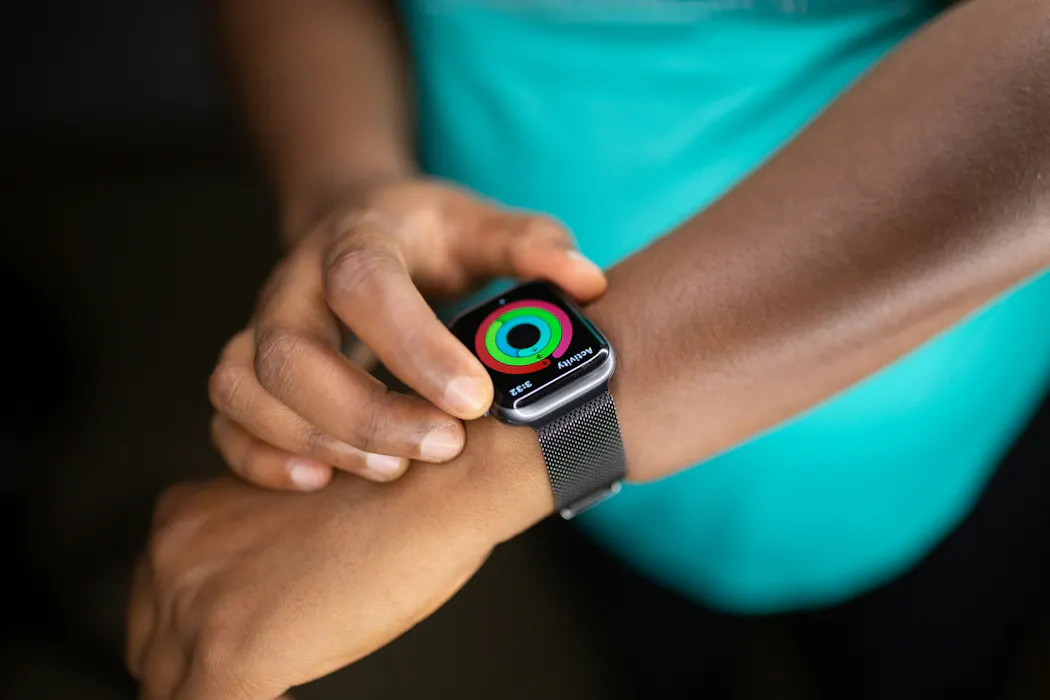
Solen Feyissa/Pexels

You check your smartwatch after a run. Your fitness score has dropped. You’ve burnt hardly any calories. Your recovery score is really low. It’s telling you to take the next 72 hours off exercise.

The worst bit? The whole run felt amazing.

So why’s your watch telling you the opposite?

Ultimately, it’s because smartwatches and other fitness trackers aren’t always accurate.

Smartwatches can shape how you exercise

Using wearable fitness technology, such as smartwatches, has been one of the top fitness trends for close to a decade. Millions of people around the world use them daily.

These devices shape how people think about health and exercise. For example, they provide data about how many calories you’ve burnt, how fit you are, how recovered you are after exercise, and whether you’re ready to exercise again.

But your smartwatch doesn’t measure most of these metrics directly. Instead, many common metrics are estimates. In other words, they’re not as accurate as you might think.

1. Calories burned

Calorie tracking is one of the most popular features on smartwatches. However, the accuracy leaves a lot to be desired.

Wearable devices can under- or overestimate energy expenditure (often expressed as calories burned) by more than 20%. These errors also vary between activities. For example, strength training, cycling and high-intensity interval training can lead to even larger errors.

This matters because people often use these numbers to guide how much they eat.

For example, if your watch overestimates calories burned, you might think you need to eat more food than you really need, which could result in weight gain. Conversely, if your watch underestimates calories burned, it could lead you to under-eat, negatively impacting your exercise performance.

2. Step counts

Step counts are a great way to measure general physical activity, but wearables don’t capture them perfectly.

Smartwatches can under-count steps by about 10% under normal exercise conditions. Activities such as pushing a pram, carrying weights, or walking with limited arm swing likely make step counts less accurate, as smartwatches rely on arm movement to register steps.

For most people, this isn’t a major problem, and step counts are still useful for tracking general activity levels. But view them as a guide, rather than a precise measure.

3. Heart rate

Smartwatches estimate your heart rate using sensors that measure changes in blood flow through the veins in your wrist.

This method is accurate at rest or low intensities, but gets less accurate as you increase exercise intensity.

Arm movement, sweat, skin tone and how tightly you wear the watch can also impact the heart rate measure it spits out. This means the accuracy can vary between people.

This can be problematic for people who use heart rate zones to guide their training, as small errors can lead to training at the wrong intensity.


Read more:
What are heart rate zones, and how can you incorporate them into your exercise routine?


4. Sleep tracking

Almost every smartwatch on the market gives you a “sleep score” and breaks your night into stages of light, deep and REM sleep.

The gold standard for measuring sleep is polysomnography. This is a lab-based test that records brain activity. But smartwatches estimate sleep using movement and heart rate.

This means they can detect when you’re asleep or awake reasonably well. But they are much less accurate at identifying sleep stages.

So even if your watch says you had “poor deep sleep”, this may not be the case.


Read more:
How do sleep trackers work, and are they worth it? A sleep scientist breaks it down


5. Recovery scores

Most smartwatches track heart rate variability and use this, with your sleep score, to create a “readiness” or “recovery” score.

Heart rate variability reflects how your body responds to stress. In the lab it is measured using an electrocardiogram. But smartwatches estimate it using wrist-based sensors, which are much more prone to measurement errors.

This means most recovery metrics are based on two inaccurate measures (heart rate variability and sleep quality). This results in a metric that may not meaningfully reflect your recovery.

As a result, if your watch says you’re not recovered, you might skip training – even if you feel good (and are actually good to go).

6. VO₂max

Most devices estimate your VO₂max – which indicates your maximal fitness. It’s the maximum amount of oxygen your body can use during exercise.

The best way to measure VO₂max involves wearing a mask to analyse the amount of oxygen you breathe in and out, to determine how much oxygen you’re using to create energy.

But your watch cannot measure oxygen use. It estimates it based on your heart rate and movement.

But smartwatches tend to overestimate VO₂max in less active people and underestimate VO₂max in fitter ones.

This means the number on your watch may not reflect your true fitness.

What should you do?

While the data from your smartwatch is prone to errors, that doesn’t mean it is completely worthless. These devices still offer a way to help you track general trends over time, but you should not pay attention to daily fluctuations or specific numbers.

It’s also important you pay attention to how you feel, how you perform and how you recover. This is likely to give you even more insight than what your smartwatch says.

The Conversation

Hunter Bennett does not work for, consult, own shares in or receive funding from any company or organisation that would benefit from this article, and has disclosed no relevant affiliations beyond their academic appointment.

ref. 6 ways your smartwatch is lying to you, according to science – https://theconversation.com/6-ways-your-smartwatch-is-lying-to-you-according-to-science-279851

You don’t have to be a ‘cyclist’ to ride a bike. Here’s how to start again

Source: The Conversation – Global Perspectives – By Glen Fuller, Professor Communications and Media, University of Canberra

Centre for Ageing Better/Unsplash

As fuel prices climb and oil supply shocks multiply, you might might be thinking – perhaps for the first time in years – about dusting off the bike and riding again. Perhaps you’re kicking yourself you haven’t done it already.

But getting back on a bike rarely comes from a single moment of willpower. It usually emerges from small changes that rebuild capacity over time: a serviced bike, calmer traffic, having permission to ride slowly, riding an e-bike, or cycling part-way.

Mass cycling did not return to cities by accident. In the Netherlands, the dominance of everyday cycling emerged after a deliberate break with car-centred transport following the 1973 oil crisis. Public protest over road deaths and energy dependence also contributed.

Cycling became viable again not because people were persuaded to try harder, but because car use was actively constrained and alternatives were made easier.

If we want people to return to bikes in car-centric societies, the question is not why they stopped cycling – but what would make cycling possible again.

It’s not just about motivation

People often assume the hardest part of cycling again is motivation.

But bikes tend to stop being ridden long before people decide to stop cycling. Something small went wrong and was never fixed. The bike ends up in the garage with flat tyres, tucked behind boxes, or hanging unused.

When that happens, cycling doesn’t feel like a choice any more. It feels unavailable.

In our research with people who had stopped riding in Sydney, cycling faded when everyday arrangements no longer worked: storage was awkward, routes became stressful, or minor mechanical issues accumulated.

People are more likely to cycle when the bike is stored near the front door and ready to use.

Cycling depends on a combination of bodies, bikes, routes, time and confidence. When any one of these falls out of sync, your capacity to cycle drains away.

A man looks at his phone while on his bike.
In reality, cycling does not require a lot of specialist gear for most everyday trips.
David Iglesias/Pexels

Abandon ideas about ‘proper’ cyclists

One of the strongest barriers we encountered was the sense of not fitting the image of a “proper” cyclist.

In Australia, that image is still closely tied to being male, wearing a lot of Lycra, owning an expensive bike and costly cycling gear and riding really fast.

Women, older riders and those returning to cycling after a long break often experience that culture as quietly excluding.

In reality, cycling does not require a lot of specialist gear for most everyday trips.

In places where cycling functions as everyday transport – such as large parts of Europe and Asia – people ride in work clothes, at relaxed speeds, on practical bikes.

Similarly, e-bikes enable a range of differently abled bodies to cycle (suggesting we should rethink some of the ways e-bikes have been recently demonised).

Letting go of narrow definitions of who cycling is for can reopen the possibility of riding at all.

Cycling routes might have improved

Our research into the significant increase in cycling during the COVID pandemic found the lockdowns offered a rare natural experiment.

Many Australians returned to cycling after years away because traffic temporarily disappeared.

With fewer cars on the road, cycling felt calmer and less demanding, and confidence grew quickly. A significant investment was made in cycling infrastructure across Australian cities (although this investment is still minuscule compared with car infrastructure spending).

So if you’re reluctant to cycle again because you’re afraid of being hit by a car, it’s worth checking if cycling routes have improved since last you rode.

Start by using a digital map to search for cycling routes separate from vehicle traffic.

Get your bike serviced

A serviced bike changes everything.

A lot of the anxiety stopping people from riding can be greatly reduced by simply having gears that work, brakes that respond and tyres that hold air.

Our research found these small material fixes can make a big difference to getting people back on the bike.

There are myriad explainer and DIY videos on YouTube covering maintenance basics if getting the bike professionally serviced is out of your budget.

You can also try to find a local community bike kitchen or council‑supported course. Some councils also run programs where experienced riders can show you good cycling routes through your suburb or city.

These make maintenance affordable but also reconnect people with cycling as something ordinary and shared, rather than technical or elite.

You don’t have to ride the whole way

Another quiet enabler is allowing cycling to be partial and occasional. Some begin by riding to a train station or local cafe rather than committing to an entire commute.

In our interviews, people stayed on the bike longest when they allowed themselves to mix modes of transport, adjust routes and change plans without feeling they had “failed” at cycling.

Treating cycling as one option among several, rather than an all‑or‑nothing identity, makes it easier to start.

Make cycling ordinary again

The Dutch experience after the oil crisis shows society-wide shifts follow when everyday conditions change, not when individuals are told to try harder.

As the world once again confronts energy uncertainty, the lesson is timely.

The challenge for cities is not to convince people that cycling is good. It is to make cycling ordinary enough that people can return to it without having to become a “cyclist” first.

The Conversation

Glen Fuller received funding in the past from the ARC for the research project Pedalling for Change.

ref. You don’t have to be a ‘cyclist’ to ride a bike. Here’s how to start again – https://theconversation.com/you-dont-have-to-be-a-cyclist-to-ride-a-bike-heres-how-to-start-again-280451

AuDHD means being autistic and having ADHD. And it can look very different to a single diagnosis

Source: The Conversation – Global Perspectives – By Tamara May, Psychologist and Research Associate in the Department of Paediatrics, Monash University

Halfpoint Images/Getty Images

When you finally receive a neurodevelopmental diagnosis that reflects your strengths and the challenges you face, it can be life-changing.

But for people with both autism and attention-deficit hyperactivity disorder (ADHD) – known colloquially as AuDHD – getting the right diagnosis can be difficult.

People with AuDHD (pronounced awe-D-H-D) often find their traits and experiences don’t always neatly fit into either category. Sometimes the two conditions contradict each other and appear to act in opposite ways. Other times they exacerbate or increase a trait or difficulty.

This can delay diagnosis and support.

What are these conditions and how common are they?

Autism is a condition that affects social communication. Autistic people often have significant sensory sensitivities and need certainty and repetition. Around 1-2% of children and adults are autistic.

ADHD impacts either the ability to flexibly focus and sustain attention, or results in hyperactivity and impulsivity – or both. Around 5–8% of children and 3% of adults have ADHD.

Around 30% to 50% of autistic people also have ADHD. But despite them commonly occurring together, autism and ADHD have only been able to be diagnosed together since 2013, when the Diagnostic and Statistical Manual of Mental Disorders received its fifth update in the the DSM-5.

What’s usually diagnosed first?

Autism is usually diagnosed at an earlier age than AuDHD and ADHD in childhood.

This may related to autistic traits – social difficulties – often being apparent in preschool, whereas ADHD traits may not become apparent or problematic until school age, when concentration abilities are needed to learn.

But some people can mask their autistic differences through strategies, such as learning explicitly how to socialise, following scripts, copying and mirroring others and hiding autistic traits.

Sometimes, accessing ADHD medication treatment can reveal autistic traits that may not have been obvious and were overshadowed by ADHD. After taking ADHD medications, some people can achieve their preference for being highly structured and organised, when ADHD traits of disorganisation and inconsistency in attention are reduced.

For others, ADHD medication will treat impulsivity that manifests as talkativeness or extroversion, to reveal a deeper introversion and preference for solitary activities.

In recent years, some people who have one existing diagnosis have learned about the other condition on social media and realised they might have AuDHD.

Some difficulties are exacerbated

Maintaining friendships and socialising

For autistic people, maintaining friendships is a core difficulty and can make social interaction draining and overwhelming. Autism makes it difficult to pick up social cues, know what to do or say in social situations, and identify non-verbal signals from others.

ADHD can make it hard to organise social events, stay in touch with friends and respond to texts and calls. When socialising, attention difficulties can make it harder to focus on conversations and remember what was said. Hyperactivity and impulsivity can mean interrupting and talking over others or being overly talkative.

Together, AuDHD can mean a person experiences all these differences in social interactions, resulting in more unintended “social mistakes”.

Stims

Repetitive behaviours in autism (stims) are often ways to regulate or express emotions through repeated movements or vocalisations. They could be repetitive noises such as squeaks or humming, or movements such as rocking back and forth or finger flicking.

ADHD hyperactivity often involves fidgeting and not being able to be still or relax.

Together, movement from stims and fidgets can be more obvious and frequent.

Other traits pull people in different directions

Organisation

Autistic traits include the need for order, systems, categorisation and organisation around the house, at work and with hobbies.

ADHD traits of inattention include significant difficulties with organisation.

The result for people with AuDHD is often internal frustration and discomfort: wanting to be organised but not being able to maintain it.

Special interests

Autistic special interests are usually long-standing (over years) and limited to a few subjects.

ADHD involves seeking novelty and quickly becoming bored and moving on to the next interest once something is no longer stimulating. This might mean buying new things for a hobby but never actually using them.

AuDHD tends to follow the pattern of ADHD. So someone may have intense interests but be exhausted by them sooner than they would with autism alone.

Routine

Autism wants certainty, plans and routine. ADHD wants spontaneity and novelty. Together, autism often seems to win.

People with AuDHD may follow routines due to the anxiety uncertainty causes them, but they may feel bored or dissatisfied as their ADHD needs aren’t met.

Unique strengths

Many late-diagnosed people with AuDHD are highly intelligent and have developed elaborate compensation strategies for their difficulties. Many have found ways to leverage and maximise their strengths.

Strengths in AuDHD can be related to either condition. This can include common autistic strengths such as being highly focused, having meticulous attention to detail and subject matter expertise.

ADHD strengths can include creativity and the ability to develop novel solutions, strategise, quickly research to a deep level, have a high level of focus, and take quick action in highly stressful situations.

Knowing you have AuDHD can result in self-acceptance and understanding, and replace a lifetime of self-criticism. This can lead to developing a life that is right for each individual person with AuDHD rather than trying to fit in with what might be socially and culturally expected.

It also means you can access treatments and supports to support both autism and ADHD needs. This might include ADHD medication, neuro-affirming education and therapy adjusted for autism and ADHD, occupational therapy, ADHD coaching, as well as workplace and academic accommodations.

The Conversation

Tamara May is a clinical psychologist in private practice.

ref. AuDHD means being autistic and having ADHD. And it can look very different to a single diagnosis – https://theconversation.com/audhd-means-being-autistic-and-having-adhd-and-it-can-look-very-different-to-a-single-diagnosis-278095

Musk’s SpaceX is shaping up as the biggest IPO on record. It’s also bending the rules to do so

Source: The Conversation – Global Perspectives – By Marta Khomyn, Senior Lecturer, Finance and Data Analytics, Adelaide University

Elon Musk’s space exploration company SpaceX has filed confidential papers ahead of a planned public company listing on the US NASDAQ stock exchange.

The initial public offering (IPO) for the company controlled by the world’s richest man is targeting a total valuation of US$2 trillion. Musk plans to list only a small fraction of the company to raise US$75 billion from public investors, which would still make it the largest IPO in history.

So, why is SpaceX planning to go public? And what does the IPO mean for investors who might want a tiny slice of the action?

The backstory

SpaceX says it aims to “make humanity multiplanetary”. You would expect no less from Musk, who founded SpaceX in 2002.

His company’s breakthrough was to re-use as much of the rocket and launcher vehicle as possible. This slashed launch costs to as little as 5% of the costs in the early 2000s, and turned commercial space flight from science fiction into reality. The company says it has now completed about 600 successful rocket landings.

Yet, for all its space ambitions, SpaceX still derives 50–80% of its revenue from Starlink, a communications business, which provides satellite internet to over 10 million users around the world.

In February 2026, SpaceX merged with xAI, the loss-making AI company behind the Grok chatbot, in what was the largest private merger transaction on record. The deal valued xAI at US$250 billion and SpaceX at US$1 trillion, creating a combined entity worth US$1.25 trillion.

The merger has helped to set the stage for the SpaceX IPO.

Musk suggested the IPO proceeds will be used for launching up to one million data centre satellites into space. The idea is that space-based data centres would be powered by abundant solar energy, and therefore bypass the constraints of electricity and water usage on Earth.

Bending the rules for the IPO

SpaceX may be the first of three mega-IPOs this year, ahead of potential listings of AI companies Anthropic and OpenAI.

If it goes ahead with plans to raise US$75 billion, that would represent just 3.75% of the company’s total value. It means the vast majority of SpaceX would remain in private hands, owned by Musk himself and a handful of early private investors. In stock market terms, this is called a low “free float”.

Normally, companies that only list such a small percentage of their total value would not qualify for inclusion in major stock market indices like the S&P 500 or the NASDAQ 100.

The NASDAQ normally requires at least a 10% free float of shares in a given company. But to allow a potential listing of SpaceX to be included in the index, the exchange has introduced a special adjustment to the weighting of shares and removed the 10% minimum.

NASDAQ also reduced the normal “seasoning period” before a newly listed company can join the index from three months to just 15 trading days. Again, this is to accommodate the SpaceX listing.

For investors in passive funds, including exchange-trade funds (ETFs), this matters a lot. Currently, more than US$600 billion of investors’ money is with passive funds that track the NASDAQ 100 index. As soon as SpaceX joins the index, these investors will automatically be buying in. The concern is that allowing giant companies such as SpaceX to enter the index too quickly could lead to big price swings, which would expose millions of investors to high volatility.

SpaceX wants investors to value it at US$2 trillion, but it only earned US$15 billion in revenue last year. At that rate, it would take 133 years of revenue just to match its current asking price.

Tesla, one of the most expensive stocks in the world, would take just 13 years — making SpaceX’s price tag ten times higher.

Other leading market indices, such as S&P 500 and FTSE Russell, are also bending their rules to fast-track the inclusion of very large, newly listed companies.

Many more investors have their money in funds that track S&P indices compared to Nasdaq 100 – more than US$16 trillion in passive funds track the S&P. If the S&P 500 follows NASDAQ’s lead and changes its own rules to accommodate SpaceX, the wave of automatic buying would be even larger.

What does this mean for investors?

Musk’s companies have long been the darlings of non-professional, retail investors, and SpaceX would be no exception. In fact, the company said it aims to sell up to 30% of its shares to non-institutional, individual investors.

With SpaceX’s sky-high valuation, investors need to stop and think before buying in. But when powerful companies can rewrite the rules in their own favour, thinking carefully becomes a luxury. Markets only work when everyone plays by the same rules, and right now, not everyone is.

The Conversation

Marta Khomyn does not work for, consult, own shares in or receive funding from any company or organisation that would benefit from this article, and has disclosed no relevant affiliations beyond their academic appointment.

ref. Musk’s SpaceX is shaping up as the biggest IPO on record. It’s also bending the rules to do so – https://theconversation.com/musks-spacex-is-shaping-up-as-the-biggest-ipo-on-record-its-also-bending-the-rules-to-do-so-280271

What Canada, the U.K. and other G7 nations learned about building resilient education systems during the COVID-19 pandemic

Source: The Conversation – Canada – By Louis Volante, Distinguished Professor, Faculty of Education, Brock University

By a dictionary definition, the word resilient means an ability to recover from or adjust easily to misfortune or change. The key words here? “Recover” and “change.”

The notion that psychological characteristics strongly influence resilience is likely familiar to many of us, influenced through mental health or popular discussion.

But in education, resilience should mean more than simply coping with difficulty. It should describe whether students can keep learning, stay motivated and remain connected to school even when their lives are disrupted by crisis, poverty or uncertainty.

From an education perspective, resilience largely pertains to understanding how well students from economically disadvantaged backgrounds perform in traditional subjects like reading, mathematics and science compared to their more affluent peers.

That definition matters, because it reminds us that resilience is not just an individual trait. It is also shaped by schools, families, public policy and the support systems surrounding children. Some students are asked to overcome or recover from much more than others.

What policies help promote student resilience in education systems?

Our research tackled this question by examining how well students responded to the adversity of the COVID-19 pandemic and how effective government policies were in reducing long-term negative impacts.

We compared Canada, the United Kingdom, France, Germany, Italy, Sweden, the Netherlands, Belgium and Japan — the G10 nations, minus Switzerland and the United States.

Relationship of ‘soft skills’ to achievement?

There appears to be a disconnect between popular and educational notions of resilience, since the former focuses on “non-cognitive” skills — what many might think of as “soft skills” or “socio-emotional skills” — and the latter focuses on achievement.

In practice, however, these two ideas cannot be separated. A student’s confidence, sense of belonging, emotional stability, perseverance and ability to adapt, all influence academic performance. Likewise, repeated academic struggles can weaken well-being and increase disengagement from school.


Read more:
Concerned about student mental health? How wellness is related to academic achievement


Our previous research suggested students with stronger non-cognitive skills perform one full year higher in mathematics, and 1.5 years years higher in reading and science, than students with weaker non-cognitive skills.

Clearly, student achievement and the development of non-cognitive skills should be complementary objectives in education systems. That is an important message for policymakers. Too often, education debates force a false choice between raising test scores and supporting well-being. The evidence suggests that systems that neglect one will ultimately undermine the other.

The pandemic stress test

The pandemic created a real-world stress test for schools. It exposed which systems were able to respond quickly, protect vulnerable learners and adapt to new forms of teaching, and which systems were less prepared.

The lessons remain highly relevant today because the academic and emotional aftershocks of COVID-19 have not fully disappeared.

We want to discuss what we learned about national and provincial education policies that work best. Across the very different systems we examined, one broad conclusion stood out: resilience does not happen by accident. It must be designed into education policy through targeted support, early identification of need and sustained investment in students and teachers.

1) Targeted policies

When students are struggling in school, personalized academic supports such as the U.K.’s National Tutoring Programme, France’s intensive tutoring programs or Germany’s remedial education programs were particularly effective.

The implication is fairly clear: education systems should direct resources where they are needed most and avoid funding models that fail to account for the different needs of students and schools. This is especially true because the pandemic did not affect all children equally.

Students from disadvantaged families, those with fewer digital resources and those already at risk of falling behind often experienced the largest learning losses.

Universal support has value, but targeted interventions are usually more efficient and more equitable. Small-group tutoring, structured catch-up programs and direct outreach to families can make the difference between temporary disruption and permanent educational damage.

2) Mental-health policies

Supporting student mental health must accompany academic support. The latter was clear from differences observed between Belgium and Japan. Belgium demonstrated the value of proactive mental health interventions while Japan recorded an alarming increase in youth suicides. Clearly, Japan’s academic achievement objectives must also be met with an urgent need for comprehensive mental health strategies. This is not a secondary issue.


Read more:
Suicide prevention: Protective factors can build hope and mitigate risks


Schools are not only places of instruction; they are social environments where children build friendships, establish routines and develop a sense of belonging. When those connections are weakened, learning suffers too.

Education recovery plans should include school-based counselling, teacher training to recognize distress and preventive interventions that strengthen peer relationships and student engagement. A resilient education system is one that protects both minds and futures.

3) Data collection and monitoring policies

Education systems that collect and monitor detailed data on their student population are better positioned to track both cognitive and non-cognitive outcomes and respond accordingly. The Netherlands is one example of a country that maintains robust longitudinal data. Conversely, across Canada’s decentralized education systems, select provinces experienced significant gaps in data collection, particularly for special education student populations.


Read more:
Children with special health needs are more likely to come from poorer neighbourhoods


Without reliable data, policymakers are often flying blind. They cannot easily identify who has fallen behind, which interventions are working or whether inequalities are widening.

Better data systems do not mean more bureaucracy for its own sake. They mean better tools for timely action, better accountability for public spending and better protection for students who might otherwise be overlooked.

Supporting students today

Collectively, our cross-national research suggests that education policies matter. Organizational structures, supports and governance approaches have the power to help or hinder the development of resilient education systems.

Although the pandemic may seem like a distant memory, many of the long-term impacts remain. These ongoing challenges to cognitive and non-cognitive student development have also been met with new academic integrity concerns related to the proliferation of artificial intelligence (AI) applications in schools. Future research will need to better understand how AI, and associated policies, are shaping both academic achievement and non-cognitive skills.

The challenge for education systems now is not simply to “return to normal,” but to build something stronger than what existed before. Academic resilience should be understood as the capacity of schools to help all students recover, adapt and thrive.

If policymakers take seriously the lessons of the pandemic, they will recognize that resilience requires targeted learning support, investment in mental health, strong data systems and thoughtful digital strategies. These are not temporary fixes. They are the foundations of a fairer and more future-proof education system.

The Conversation

Louis Volante receives funding from the Social Sciences and Humanities Research Council of Canada (SSHRC).

Kristof De Witte receives funding from Horizon Europe EFFEct grant (101129146). Views and opinions expressed are however those of the author(s) only and do not necessarily reflect those of the European Union or the granting authority. Neither the European Union nor the granting authority can be held responsible for them.

Luca Salmieri and Orazio Giancola do not work for, consult, own shares in or receive funding from any company or organisation that would benefit from this article, and have disclosed no relevant affiliations beyond their academic appointment.

ref. What Canada, the U.K. and other G7 nations learned about building resilient education systems during the COVID-19 pandemic – https://theconversation.com/what-canada-the-u-k-and-other-g7-nations-learned-about-building-resilient-education-systems-during-the-covid-19-pandemic-278367

What Canada, England and other G7 nations learned about building resilient education systems during the COVID-19 pandemic

Source: The Conversation – Canada – By Louis Volante, Distinguished Professor, Faculty of Education, Brock University

By a dictionary definition, the word resilient means an ability to recover from or adjust easily to misfortune or change. The key words here? “Recover” and “change.”

The notion that psychological characteristics strongly influence resilience is likely familiar to many of us, influenced through mental health or popular discussion.

But in education, resilience should mean more than simply coping with difficulty. It should describe whether students can keep learning, stay motivated and remain connected to school even when their lives are disrupted by crisis, poverty or uncertainty.

From an education perspective, resilience largely pertains to understanding how well students from economically disadvantaged backgrounds perform in traditional subjects like reading, mathematics and science compared to their more affluent peers.

That definition matters, because it reminds us that resilience is not just an individual trait. It is also shaped by schools, families, public policy and the support systems surrounding children. Some students are asked to overcome or recover from much more than others.

What policies help promote student resilience in education systems?

Our research tackled this question by examining how well students responded to the adversity of the COVID-19 pandemic and how effective government policies were in reducing long-term negative impacts.

We compared Canada, England, France, Germany, Italy, Sweden, the Netherlands, Belgium and Japan — the G10 nations, minus Switzerland and the United States.

Relationship of ‘soft skills’ to achievement?

There appears to be a disconnect between popular and educational notions of resilience, since the former focuses on “non-cognitive” skills — what many might think of as “soft skills” or “socio-emotional skills” — and the latter focuses on achievement.

In practice, however, these two ideas cannot be separated. A student’s confidence, sense of belonging, emotional stability, perseverance and ability to adapt, all influence academic performance. Likewise, repeated academic struggles can weaken well-being and increase disengagement from school.


Read more:
Concerned about student mental health? How wellness is related to academic achievement


Our previous research suggested students with stronger non-cognitive skills perform one full year higher in mathematics, and 1.5 years years higher in reading and science, than students with weaker non-cognitive skills.

Clearly, student achievement and the development of non-cognitive skills should be complementary objectives in education systems. That is an important message for policymakers. Too often, education debates force a false choice between raising test scores and supporting well-being. The evidence suggests that systems that neglect one will ultimately undermine the other.

The pandemic stress test

The pandemic created a real-world stress test for schools. It exposed which systems were able to respond quickly, protect vulnerable learners and adapt to new forms of teaching, and which systems were less prepared.

The lessons remain highly relevant today because the academic and emotional aftershocks of COVID-19 have not fully disappeared.

We want to discuss what we learned about national and provincial education policies that work best. Across the very different systems we examined, one broad conclusion stood out: resilience does not happen by accident. It must be designed into education policy through targeted support, early identification of need and sustained investment in students and teachers.

1) Targeted policies

When students are struggling in school, personalized academic supports such as England’s National Tutoring Programme, France’s intensive tutoring programs or Germany’s remedial education programs were particularly effective.

The implication is fairly clear: education systems should direct resources where they are needed most and avoid funding models that fail to account for the different needs of students and schools. This is especially true because the pandemic did not affect all children equally.

Students from disadvantaged families, those with fewer digital resources and those already at risk of falling behind often experienced the largest learning losses.

Universal support has value, but targeted interventions are usually more efficient and more equitable. Small-group tutoring, structured catch-up programs and direct outreach to families can make the difference between temporary disruption and permanent educational damage.

2) Mental-health policies

Supporting student mental health must accompany academic support. The latter was clear from differences observed between Belgium and Japan. Belgium demonstrated the value of proactive mental health interventions while Japan recorded an alarming increase in youth suicides. Clearly, Japan’s academic achievement objectives must also be met with an urgent need for comprehensive mental health strategies. This is not a secondary issue.


Read more:
Suicide prevention: Protective factors can build hope and mitigate risks


Schools are not only places of instruction; they are social environments where children build friendships, establish routines and develop a sense of belonging. When those connections are weakened, learning suffers too.

Education recovery plans should include school-based counselling, teacher training to recognize distress and preventive interventions that strengthen peer relationships and student engagement. A resilient education system is one that protects both minds and futures.

3) Data collection and monitoring policies

Education systems that collect and monitor detailed data on their student population are better positioned to track both cognitive and non-cognitive outcomes and respond accordingly. The Netherlands is one example of a country that maintains robust longitudinal data. Conversely, across Canada’s decentralized education systems, select provinces experienced significant gaps in data collection, particularly for special education student populations.


Read more:
Children with special health needs are more likely to come from poorer neighbourhoods


Without reliable data, policymakers are often flying blind. They cannot easily identify who has fallen behind, which interventions are working or whether inequalities are widening.

Better data systems do not mean more bureaucracy for its own sake. They mean better tools for timely action, better accountability for public spending and better protection for students who might otherwise be overlooked.

Supporting students today

Collectively, our cross-national research suggests that education policies matter. Organizational structures, supports and governance approaches have the power to help or hinder the development of resilient education systems.

Although the pandemic may seem like a distant memory, many of the long-term impacts remain. These ongoing challenges to cognitive and non-cognitive student development have also been met with new academic integrity concerns related to the proliferation of artificial intelligence (AI) applications in schools. Future research will need to better understand how AI, and associated policies, are shaping both academic achievement and non-cognitive skills.

The challenge for education systems now is not simply to “return to normal,” but to build something stronger than what existed before. Academic resilience should be understood as the capacity of schools to help all students recover, adapt and thrive.

If policymakers take seriously the lessons of the pandemic, they will recognize that resilience requires targeted learning support, investment in mental health, strong data systems and thoughtful digital strategies. These are not temporary fixes. They are the foundations of a fairer and more future-proof education system.

The Conversation

Louis Volante receives funding from the Social Sciences and Humanities Research Council of Canada (SSHRC).

Kristof De Witte receives funding from Horizon Europe EFFEct grant (101129146). Views and opinions expressed are however those of the author(s) only and do not necessarily reflect those of the European Union or the granting authority. Neither the European Union nor the granting authority can be held responsible for them.

Luca Salmieri and Orazio Giancola do not work for, consult, own shares in or receive funding from any company or organisation that would benefit from this article, and have disclosed no relevant affiliations beyond their academic appointment.

ref. What Canada, England and other G7 nations learned about building resilient education systems during the COVID-19 pandemic – https://theconversation.com/what-canada-england-and-other-g7-nations-learned-about-building-resilient-education-systems-during-the-covid-19-pandemic-278367

Is Alberta really ‘following the science’ on trans healthcare?

Source: The Conversation – Canada – By Corinne L. Mason, Professor, Women’s and Gender Studies, Mount Royal University

The Alberta government under Premier Danielle Smith’s government has banned gender-affirming health care for youth in the province. This legislation bans access to puberty blockers and gender-affirming hormone replacement therapy for youth aged 15 and younger for the treatment of gender dysphoria, with few exceptions.

In 2024, two organizations, Skipping Stone and Egale Canada, challenged the legislation in court and secured a temporary injunction on the grounds that the ban would inflict irreparable harm.

Instead of appealing this decision, in December 2025, the Alberta government invoked the notwithstanding clause to guard Bill 26, along with two other anti-2SLGBTQIA+ bills (Bills 27 and 29), from court oversight.

As a result, these laws cannot be challenged in court as unconstitutional under the Canadian Charter of Rights and Freedoms for five years.

Smith and her government claim that their ban on gender-affirming care is “following the science,” saying it reflects findings from the United Kingdom suggesting there is insufficient clinical evidence about both the benefits and risks of gender-affirming care for youth.

In a media interview, Smith stated: “If we want to take a science-based approach, we’ve got to use the best information available.”

But is Alberta actually using the best available evidence?

How U.K. research is being used

Much of Alberta’s justification for its restrictions draws on the Cass Review — an independent but controversial review of gender identity services for children and youth in the U.K. published in 2024.

The final report called to limit routine prescription of puberty blockers to treat gender dysphoria.

Following the publication of the Cass Review, England’s National Health Service closed the Tavistock Clinic, the only specialized youth gender clinic in the U.K. at the time. Since then, NHS England has made puberty blockers available only for clinical trials, the first of which has recently been halted.

Data from England’s National Child Mortality Database shows that suicides among trans youth surged to 22 in 2021-22, the same year NHS England announced it would close the Tavistock clinic. In the two previous years, the number of trans youth suicides were four in 2020 and five in 2019 — a fivefold increase.

This outcome raises serious concerns about the potential consequences of limiting access to gender-affirming healthcare.

What the global evidence shows

Recent research from other jurisdictions has emerged about the effectiveness of gender-affirming care for youth and the harms of restricting access to it.

In 2024, a peer-reviewed study illustrated the effects of anti-trans legislation in the United States, where 48 such laws were enacted across 19 states between 2018 and 2022. Using national data from 61,000 trans and non-binary youth, the researchers found that anti-trans laws were associated with increases in suicide attempts of up to 72 per cent.

At the same time, clinical research on gender-affirming care has found that it has a positive impact on youth mental health. A 2025 study examined suicidality outcomes among 432 youth receiving hormone therapy.

The study found that hormone therapy correlated with a decrease in suicidality scores. Youth who received puberty blockers prior to hormone therapy showed lower suicidality compared with the overall sample.

When governments dismiss their own evidence

Alberta is not alone in selectively interpreting evidence for political reasons. In 2023, Utah lawmakers introduced a moratorium on gender-affirming care for trans youth, citing potential health and safety risks. The legislature commissioned a comprehensive review of existing research into the effects of hormone treatments.

The resulting 2025 report — based on 277 studies and more than 28,000 pediatric patients globally — concluded that puberty blockers and hormone replacement therapy are effective, safe, pose minimal risk and have low regret rates. It found there is no evidence-based justification for limiting access.

Despite this, Utah lawmakers dismissed their own 1,000-page report and have permanently banned gender-affirming care for youth.

This dismissal of evidence reflects a disturbing trend of politicians being unwilling to engage with information that is inconvenient to their interests while claiming they are following “the science.”

What does Canadian evidence tell us?

In Canada, research is also beginning to document the impacts of these policies. Since 2024, our research team has been collecting data about the impacts of the anti-2SLGBTQIA+ legislation in Alberta.

Using focus groups, interviews and a survey, we have engaged with more than 100 parents and caregivers of trans and gender-diverse youth across the province. Our research illustrates the immediate and ongoing effects of legislating trans youth’s lives.

In our survey, 56 per cent of parents of trans and gender-diverse youth reported that their child’s mental health has deteriorated since the announcement of the ban on gender-affirming care.

In focus groups and interviews, parents and caregivers reported a steep decline in their children’s mental health and well-being, including increased anxiety, school absenteeism, self-harm and suicidal ideation.

Reports of bullying and harassment have also increased, and families reported that public support — including from neighbours, schools and places of worship — has declined across the province.

According to our survey, 95.6 per cent of parents and caregivers believe the current negative climate for 2SLGBTQIA+ youth is directly related to the Alberta legislation.

The stakes are high for Alberta’s youth

There is now clear and growing evidence that restricting access to gender-affirming care in Alberta is actively harming trans and gender-diverse youth, most notably via declines in mental health and an increased risk of suicidality.

If Alberta’s government is committed to following the science, it must engage with the full body of evidence, not selectively cite it. That includes research showing the risks of denying it.

The implications extend beyond Alberta. Given what we have seen globally and in Alberta, changes in governments in other provinces and territories could bring about similar policies, even in places currently seen as supportive of 2SLGBTQIA+ youth.

The question facing policymakers is no longer whether evidence supporting gender-affirming care for youth exists, but whether they are willing to act on it.

The Conversation

Corinne L. Mason receives funding from Social Sciences and Humanities Research Council of Canada

Leah Hamilton receives funding from Social Sciences and Humanities Research Council of Canada.

ref. Is Alberta really ‘following the science’ on trans healthcare? – https://theconversation.com/is-alberta-really-following-the-science-on-trans-healthcare-275901

New research finds few improvements for British Columbia’s endangered wildlife

Source: The Conversation – Canada – By Peter R. Thompson, Postdoctoral Fellow, School of Environmental Science, Simon Fraser University

Sunset along the northern shores of Boundary Bay in Delta, B.C., home to nutrient-rich mudflats that provide vital energy for marine life, in September, 2025. (Peter Thompson), CC BY

British Columbia’s wildlife is in trouble, and governments aren’t working hard enough to keep wild animals and plants alive. How do we know?

Fortunately, the provincial government has long kept extensive records of the animals and plant life that call its lands and waters home. The BC Conservation Data Centre (CDC) holds records for over 25,000 species, ranging from mosses to mackerel and mountain goats.

The status of each species is assessed by scientists to determine the risk that a species will go extinct or be extirpated from the province.

The results of these fine-grained status assessments help divide all of B.C.’s wildlife into one of three lists representing their level of endangerment: “Red” for critically imperilled species, “Blue” for species of special concern and “Yellow” for secure species that are currently at low extinction risk.

The problem is that neither species status assessments nor the colour-coded lists have any legal implications. Even if a species is known to be at high risk of extinction, it’s not guaranteed any protection from the B.C. government.

Colleagues and I used this data to find out how B.C.’s wildlife has been faring under such an uncertain legal landscape. Our recently published study analyzed changes in the province’s conservation database over time. We also explored the nature of these changes.

Genuine vs. non-genuine status changes

As of 2025, B.C. was home to 493 red-listed species and 1,233 blue-listed species — a 25 per cent increase from 2008. However, that increase was largely due to the addition of species, rather than species shifting categories.

Sometimes, the status assessment of a species improves due to the discovery of new information, such as a new population of the species in B.C. that presumably always existed, but was previously unknown.

These changes are still good news — a sign that continuously monitoring wildlife in B.C. is paying dividends — but they don’t actually represent an improvement in the species’ true status on the ground.

Using the comments provided with each listing change, we separated these “non-genuine” status changes from the “genuine” status changes that actually reflected shifts in population size, range size within the province or the intensity of threats.

The data show that almost all of B.C.’s endangered wildlife are not recovering quickly enough, if at all. Out of the thousands of species in the CDC database, of which hundreds are red- or blue-listed, only 14 moved down the ranks of endangerment (from red to blue, or blue to yellow) between 2008 and 2025 for genuine reasons.

That means that every other species is either inching even closer to the brink of extinction than they previously were, or has simply stayed at the same risk level. The latter situation was much, much more common, with only 18 per cent of species exhibiting any sort of change at all.

We found that the vast majority of these changes were non-genuine, arising from the discovery of additional populations, changes to assessment criteria or taxonomic “lumps” and “splits” that changed the definition of what constitutes a species.

These results point to an undeniable fact: if a species was on the red list in 2008, a category reserved for species in desperate need of our help, it is probably still there today.

Jump-starting endangered species recovery

Mechanisms for protecting endangered wildlife do exist, but they leave significant gaps in the system. For example, B.C.’s Wildlife Act only affords protection to four species, and Canada’s Species at Risk Act only applies to federal land, which only covers one per cent of B.C.

One solution to the problems facing many red- and blue-listed species in B.C. is to expand provincial species-at-risk legislation to species and areas that are not currently protected.

New laws could fill gaps left by the federal Species at Risk Act and B.C.’s Wildlife Act by applying similar provisions against harming endangered wildlife or destroying their habitat. This solution would provide species an important safety net against resource extraction and habitat destruction in the province.

The longer the B.C. government waits to implement these changes, the more likely that red-listed species will disappear from the province permanently. With them, the province will lose a part of what makes it beautiful and a part of the natural beauty that has made it Canada’s most biodiverse province.

Even a few simple legal actions at the provincial level would go a long way towards keeping endangered species alive and enriching local ecosystems for future generations.

The Conversation

Peter R. Thompson does not work for, consult, own shares in or receive funding from any company or organisation that would benefit from this article, and has disclosed no relevant affiliations beyond their academic appointment.

ref. New research finds few improvements for British Columbia’s endangered wildlife – https://theconversation.com/new-research-finds-few-improvements-for-british-columbias-endangered-wildlife-280141

Why measuring dignity matters in Canada’s long-term care system

Source: The Conversation – Canada – By Andrea D. Foebel, Manager, Indicator Research and Development, Canadian Institute for Health Information, University of Waterloo

Resident who rarely leave their rooms, a family told “we don’t have the staff,” a person dying in hospital less than a day after leaving their long-term care (LTC) home: these are some of the bleak realities too many Canadians and their loved ones face as they age.

These heartbreaking realities were shared with the Canadian Institute for Health Information through unpublished surveys of families and LTC staff about aging with dignity.

Moments of lost dignity are not invisible to the health system. But historically, a lopsided focus on clinical indicators left data gaps in our ability to measure and understand lived experience, and ultimately dignity, alongside clinical risks. This is something health-system leaders, clinicians and families are actively striving to change.

What is aging with dignity?

Over the next two decades, the number of Canadians aged 85 and older is expected to triple. This demographic shift will transform who needs care, who provides it, and how and where care is delivered.

Canada is expected to become a “super-aged nation” in 2026, with one in five people aged 65 or over. To put effective supports into place, we need to ask: What does aging with dignity mean to Canadians?

For many, aging with dignity means autonomy, respect and purpose. Older adults want to be valued for their individuality, life experience and ongoing contributions. This doesn’t change whether someone lives independently, receives home care or resides in LTC.

Thinking about preserving dignity as one ages and what life might look like as an older adult can feel daunting, and like something that can be avoided for a long time — until it can’t.

The COVID-19 pandemic forced Canadians to confront the reality of aging in ways we may have previously avoided. The tragedy was not only that many residents died in LTC, but that this happened in a system where well-meaning health-care workers were structurally unable to protect residents. It was a stress test for what can happen if care models aren’t redesigned in the context of a rapidly aging population.

To ensure older Canadians can age with dignity, society needs to think differently about how it measures dignity in health systems.

The aging continuum of care

Almost all Canadians (81 per cent) want to age at home as long as possible. Whether a person can do this depends on factors such as finances, access to home care, caregiver distress and any physical and/or cognitive ailments a person may have. The reality is that aging at home is not always possible for all Canadians.

Canada’s federal, provincial and territorial governments have identified aging with dignity as a shared health priority. The goal is to help Canadians live their later years with autonomy and respect, either at home with supports or in safe long-term care facilities.

This approach aligns with the goals of the World Health Organization’s (WHO) Decade of Healthy Aging and strives to focus on person-centred care.

What the data tells us about dignity

Historically, indicators measuring quality of care in LTC focused on clinical and health-system performance measurement. These include indicators like restraint use, potentially inappropriate anti-psychotic use and staffing levels in LTC. These metrics are critical for measuring quality, safety and capacity of care — but there’s room for reimagining how we interpret this data with a dignity lens and room for adding new data to the equation.

Prior to the COVID-19 pandemic, the rate of potentially inappropriate antipsychotic use in LTC was steadily declining before it rose again during the crisis. In 2024-25, about one in four LTC residents (24 per cent) were given anti-psychotic medication to manage behaviours and psychological symptoms without a diagnosis of psychosis.

When we apply a dignity lens to reimagine indicators like this, there’s more to the story than prescribing quality. Anti-psychotic drugs can make patients drowsy, increase confusion and cause sudden changes in communication. These are patterns that can be distressing to loved ones. Reading this data alongside other indicators — like falls in the last 30 days — can help flag issues such as understaffing, limited meaningful activity and environmental stress.

In 2025, the Appropriate Use Coalition, with support from the Canadian Institute for Health Information (CIHI), set a national target of no more than 15 per cent of residents receiving anti-psychotic medications without a diagnosis of psychosis. Achieving the target would mean about 21,000 fewer Canadians receiving the possibly inappropriate drugs.

Clinical indicators infer quality-of-care measurement through processes like prescribing practices. What these types of indicators don’t tell us is how care feels to residents and families.

CIHI is in the early stages of a new suite of indicators that focus on the experiential side of aging. While they don’t replace clinical indicators, they help contextualize them by giving us new ways to understand the humanity, and not merely the clinical risk within the aging continuum of care.

For example, data shows that in 2024, about two-thirds of LTC residents are socially engaged. LTC is not strictly a medical service; it’s also a home and social environment. For Canadians to age with dignity, we must honour their autonomy and purpose — and for Canadians to feel those things are honoured, people cannot be socially isolated.

We can’t improve what we don’t measure. That’s what makes experiential indicators a significant step in the right direction for better understanding how people feel about living in LTC. It broadens our understanding beyond clinical compliance and gives insight into care outcomes as experienced by both residents and health-care workers.

If dignity matters, it must be measured

Honouring a person’s humanity is arguably what provides them with dignity as they age. For Canadians in LTC, dignity is shaped by moments that acknowledge their humanity. Whether that’s the face of a familiar nurse, the opportunity to engage in social activities or spending their final days in a known place, dignity is not beyond measurement.

For Canadians to age with dignity, we need to continue rethinking how we use new and existing data to identify problems earlier, allocate resources more effectively and align accountability with what residents, families and health-care providers experience.

If Canada is committed to empowering its citizens to live and die with dignity, that dignity must be reflected in the data we use to measure success.

The Conversation

Andrea D. Foebel has received funding from the Canadian Institutes of Health Research (2021) and the Karolinska Institute Research Foundation (2016-2017). She is Manager, Indicator Research and Development at the Canadian Institute for Health Information (CIHI).

ref. Why measuring dignity matters in Canada’s long-term care system – https://theconversation.com/why-measuring-dignity-matters-in-canadas-long-term-care-system-277467

Postal codes shouldn’t determine protection: What RSV reveals about vaccine equity in Canada

Source: The Conversation – Canada – By Sophie Webb, Postdoctoral Fellow,  Bridge Research Consortium, Simon Fraser University

Respiratory syncytial virus (RSV) is a familiar seasonal illness, but the tools to prevent it are new. Canada has recently approved vaccines for older adults and pregnant people, along with a long-acting monoclonal antibody that can protect infants through their first RSV season.

These innovations offer new ways to reduce hospitalizations and severe illness. Yet whether Canadians can access them still depends largely on where they live.

Across the country, provincial RSV programs vary widely in eligibility, scope and public funding — see, for example, Ontario RSV program updates and Alberta immunization program information.


Read more:
RSV FAQ: What is RSV? Who is at risk? When should I seek emergency care for my child?


An infant eligible for publicly funded protection in one province may not be eligible in another. Seniors with similar health risks may face different access depending on their province. These differences are often dismissed as routine features of federalism.

But as World Immunization Week approaches, RSV provides the opportunity to ask a broader question: who’s responsible for delivering equitable access to vaccines in Canada?


Immunity and Society is a new series from The Conversation Canada that presents new vaccine discoveries and immune-based innovations that are changing how we understand and protect human health. Through a partnership with the Bridge Research Consortium, these articles — written by experts in Canada at the forefront of immunology, biomanufacturing, social science and humanities — explore the latest developments and their impacts.


New tools, uneven access

RSV prevention now includes vaccines for older adults and pregnant people, and a monoclonal antibody (nirsevimab) that offers season-long protection for infants with a single dose.

National guidance exists. The National Advisory Committee on Immunization recommends universal infant RSV immunization, but allows provinces to phase this in based on supply and cost. But these recommendations are advisory. Provinces ultimately decide what is publicly funded and for whom.

The result is a patchwork. Some provinces have expanded infant coverage, while others have limited access to those considered high risk. Adult and maternal programs also vary in eligibility, delivery and funding.

Cost plays a key role in these decisions. RSV therapies are expensive, and provinces must weigh them against competing health priorities. Epidemiological differences also matter, as do variations in disease burden and the additional challenges of vaccination in northern and remote communities.

Not all variation is inherently problematic. But together, these factors mean that access to protection is shaped as much by provincial priorities as by medical need.

When equity’s a goal but not a guarantee

In immunization policy, equity generally means ensuring that those at higher risk, or facing barriers to access, are protected first, and financial or geographic differences don’t determine who receives care.

RSV programs often emphasize protecting those at highest clinical risk, such as very young infants and people with underlying conditions. This approach is understandable. But it also narrows how equity operates in practice.

In a system where provinces determine their own budgets and priorities, equity can become something negotiated rather than guaranteed. One province may fund broader access; another may limit eligibility based on cost-effectiveness or capacity. The same intervention is therefore available to some populations and not others.

This shifts responsibility downward. Families must determine eligibility, navigate different rules, and sometimes absorb costs or logistical barriers to access. Equity becomes something people experience unevenly, rather than a guarantee built into the system.

COVID-19 offers a cautionary example. Communities identified as highest risk were often vaccinated later than wealthier neighbourhoods during early rollout phases. This prompted provinces to introduce reactive “hotspot” strategies that in some cases replicated the same effect. Simply naming groups as “equity-deserving” did not ensure timely access.

People in masks are vaccinated by health-care workers in protective gear inside a tent
A pop-up vaccine clinic in a Toronto hotspot neighbourhood in April 2021.
THE CANADIAN PRESS/Cole Burston

Governance and accountability

Canada’s immunization system involves multiple entities. Federal bodies approve products and issue recommendations. Provinces decide what to fund. Public health systems implement programs within local constraints.

While each level plays an essential role, none is clearly responsible for national equity, creating a governance gap.

Equity is widely endorsed, but no single body is accountable for delivering it nationally. RSV demonstrates how this plays out in practice — variation in immunization is accepted as a feature of federalism, rather than treated as a policy problem to be addressed.

Procurement adds another layer. Vaccine pricing and contract terms are not routinely disclosed in Canada, and negotiations with manufacturers are often confidential.

During COVID-19, federal vaccine contracts were released only after parliamentary pressure, with key details heavily redacted. Limited transparency makes it difficult to assess whether differences in access reflect pricing, negotiation leverage or policy choices.


Read more:
Consulting firms are the ‘shadow public service’ managing the response to COVID-19


Why it matters

RSV is one of the first major post-pandemic tests of Canada’s immunization system. It’s unlikely to be the last. New vaccines and antibody-based therapies are increasingly tailored to specific populations, making decisions about access more complex.

As these technologies evolve, governance matters more, not less. Without clearer accountability, innovations risk reinforcing variation rather than reducing it.


Read more:
Flu, RSV and COVID-19: Advice from family doctors on how to get through this winter’s ‘tripledemic’


RSV highlights a broader challenge in Canadian immunization policy — equity is widely invoked, but responsibility for delivering it remains diffuse. Without clearer coordination, transparency and shared expectations, access to protection will continue to depend on where people live.

For families of infants and seniors, that distinction is not abstract. It determines whether immunity is treated as a public good, or as a matter of postal code.

The Conversation

Cora Constantinescu receives funding from bioMerieux, GSK, merck, Pfizer, Sanofi, with funds being transferred to her University organisation

Sophie Webb does not work for, consult, own shares in or receive funding from any company or organisation that would benefit from this article, and has disclosed no relevant affiliations beyond their academic appointment.

ref. Postal codes shouldn’t determine protection: What RSV reveals about vaccine equity in Canada – https://theconversation.com/postal-codes-shouldnt-determine-protection-what-rsv-reveals-about-vaccine-equity-in-canada-278717