Wildlife recovery means more than just survival of a species

Source: The Conversation – USA (2) – By Benjamin Larue, Faculty Affiliate in Wildlife Biology, University of Montana

What counts as success in species recovery? U.S. Forest Service via AP

For decades, wildlife conservation policy has aimed to protect endangered species until there are enough individual animals alive that the species won’t go extinct. Then the policymakers declare victory.

That principle is enshrined in laws such as the U.S. Endangered Species Act and Canada’s Species at Risk Act. It shapes how governments manage wildlife and their habitat, how politicians weigh trade-offs between species protection and human development goals, and how the public understands conservation.

But often, those minimalist population numbers – enough to avoid extinction – aren’t enough to restore ecosystems or cultural connections between people and those animals.

There’s another way of thinking about species recovery: emphasizing not just avoiding extinction but instead enabling species to truly thrive. A shift from conserving minimum populations to restoring thriving populations involves recovering the species’ ecological role, including large parts of its geographic range and genetic diversity, as well as its relationships with people.

The difference between recovering thriving populations instead of traditional minimalist approaches becomes clear when looking at three iconic North American species: gray wolves, grizzly bears and bison.

A group of wolves gather in a snow-covered clearing.
The return of wolves to Yellowstone National Park was touted as a massive success – but was its goal too limited?
National Park Service via AP

Gray wolves: More than a number

After decades of federal protection, gray wolves were taken off the list of species protected by the Endangered Species Act in parts of the U.S. in January 2021.

The Trump administration is considering removing federal protections for gray wolves nationwide.

But in the wake of the regional protection removal, states such as Montana and Idaho expanded hunting and trapping seasons for wolves, and some organizations added bounties for killing them.

Officials justified their actions by pointing to the fact that gray wolves had surpassed a minimum population threshold for species survival, and saying that intensive predator control would not jeopardize the species’ long-term viability.

The states’ current population goals would reduce wolf populations to about one-third of current numbers: from 1,235 to 500 in Idaho and from 1,134 to 450 in Montana.

For contrast, there are 3,300 wolves in Italy. That country has an area about 80% of the size of Montana and is home to less prey, less open land and more than 50 times as many people, all of which significantly raise the potential for human-wolf conflict.

So far in Idaho and Montana, gray wolf numbers have stopped increasing and may still satisfy requirements under federal laws protecting the species. But the wolf population there is not robust and thriving – it’s just surviving.

Wolves remain absent from large areas that provide suitable habitat for them. Reducing wolf numbers further, as the states want to do, would limit their ability to reoccupy these areas, where they could restore ecosystems by helping to manage often overabundant prey populations and also inspire millions of people with their wildness.

Grizzly bears: Viable yet vulnerable

Grizzly bear populations in the Greater Yellowstone and northern Continental Divide ecosystems have exceeded the federal recovery targets set decades ago under the Endangered Species Act to prevent the bears’ extinction.

In July 2025, a U.S. House of Representatives committee agreed to remove the species’ protection under the law, which would allow states to permit people to hunt the bears for the first time in decades. But it was overhunting that, in part, drove them to near extinction in the first place.

Government agencies often say that hunting and trapping reduce human conflicts with bears. But scientific and public opinion on that point is far from a consensus. There are effective, nonlethal methods for keeping bears away from humans, such as public education, electric fencing, bear-resistant garbage containers and removal of roadkill and dead livestock.

Once numbering more than 50,000 across at least 18 states in the 48 contiguous United States, grizzlies now number just over 2,000 and occupy less than 5% of their original habitat area. They can be found in only four states.

Current grizzly populations are also not interconnected, despite the availability of suitable habitat for them. That risks genetic isolation of subpopulations, which decreases genetic diversity and their prospects for adaptation and survival. Disconnection of populations also reduces their ability to disperse seeds, improve soil health and prey on other species. Grizzly bears are also an umbrella species, meaning they share habitat with a disproportionate number of other species, so recovering grizzlies benefits the entire food web.

One day, hunting might offer a new way for humans to reconnect with thriving grizzlies. But right now, with populations isolated and vulnerable, opening a hunting season would risk cutting off their chance to thrive in large, unoccupied ranges.

A group of very large animals stand in a grassy area surrounded by tree trunks.
Bison are common in Yellowstone National Park – but not nearly as common as they once were.
Jon G. Fuller/VWPics/Universal Images Group via Getty Images

Bison: The illusion of return

Perhaps no species better captures the failure of existing recovery models to move beyond survival toward thriving populations than the bison. Tens of millions of them used to roam North America, shaping grassland ecosystems and playing significant material, spiritual and communal roles in Indigenous cultures.

Hunting for bison hides and tongues reduced their numbers to fewer than 1,000 at the cusp of the 20th century. Today, most bison live on ranches in small, fenced herds. Only 31,000 bison in North America are managed for conservation, and most are in isolated pockets of habitat at the fringe of their historic range. Even in Yellowstone National Park, which supports thousands of bison and provides a glimpse into how bison historically shaped North American ecosystems, the animals are barred from expanding to other parts of their historic range due to concerns about disease transfer to domestic livestock.

Thinking about the bison’s recovery in different terms does not mean tens of millions of them need to be stampeding across the continent. But it could mean large, free-ranging, genetically diverse herds that are integrated into a variety of ecosystems, where they also have a role in cultural revitalization.

A thriving view of species recovery is central to Indigenous-led initiatives, such as those guided by the 2014 Buffalo Treaty, which has been signed by more than 40 Indigenous nations. The treaty helped drive bison reintroduction to Banff National Park in Canada and is currently inspiring the recovery of free-roaming bison on Indigenous reservations across the U.S. and Canada, including the Blackfeet Reservation in Montana and Wind River Reservation in Wyoming.

A broader vision of recovery

Shifting away from the long-standing goal of a minimum viable population would require changes to how recovery targets are set, how success is measured, and how decisions are made when populations reach those minimum thresholds.

While national laws in the U.S. and Canada provide valuable starting points, focusing on species not just surviving but thriving would involve more ambitious goals, longer timelines and stronger human-wildlife coexistence measures. It would also require shifting public expectations away from the idea that recovery ends when minimal legal obligations are met.

Doing so could help combat climate change by restoring the role of large, wild animals in nutrient cycling, as well as reverse ecosystem degradation and help people of all backgrounds reconnect with nature.

As wildlife biologists, we aim to provide the best available science and recommendations to inform the conservation of North America’s wildlife. Yet under the current management paradigm, where recovery often equates to mere survival, we are compelled to ask whether this is enough. Should wildlife conservation aim merely to prevent extinction or to foster populations that thrive? How each and every one of us answers this question will shape not only the future of wolves, grizzly bears and bison, but also the legacy of wildlife recovery across North America.

The Conversation

Mark Hebblewhite receives funding from National Science Foundation.

Benjamin Larue and Jonathan Farr do not work for, consult, own shares in or receive funding from any company or organization that would benefit from this article, and have disclosed no relevant affiliations beyond their academic appointment.

ref. Wildlife recovery means more than just survival of a species – https://theconversation.com/wildlife-recovery-means-more-than-just-survival-of-a-species-263898

Health headlines can be confusing – these 3 questions can help you evaluate them

Source: The Conversation – USA (3) – By Kimberly Johnson, Professor of Public Health, Washington University in St. Louis

Health-related studies often yield conflicting results, and making sense of them can be challenging. Jose Luis Pelaez/Stone via Getty Images

Every week of 2025 seems to bring a new health headline, whether it’s about climbing autism rates, changing vaccination recommendations or unexpected cancer risks.

For people trying to make informed choices about their own health and that of their families, it can be tough to make sense of it all. The science can feel contradictory and confusing. Human data is messy, and studies often yield conflicting results.

Sparring between government officials and scientists can muddy the picture further.

As professors who teach epidemiology and research methods to public health students, we start our students off with a few key questions that can help make sense of the evidence. We’ve come to realize that these lessons aren’t just for public health experts – they are tools that anyone can use to cut through bias, evaluate health claims and better understand health-related policy debates.

So next time you read a news article making a claim about a particular health condition, ask yourself these three questions.

No. 1: Are people getting this illness more often?

Media reports often highlight changes in how frequently a condition is diagnosed. Take, for example, “Autism rates in US rise again to 1 in 31 kids, CDC says,” and “CDC finds nearly 1 in 3 US youth have prediabetes, but experts question scant data.”

Before raising the alarm about an unfolding epidemic, it’s important to consider whether the changes in rates are due to what public health researchers call artifactual changes or if they are true changes.

A woman measures blood pressure at her home.
When the American Heart Association lowered the cutoff for diagnosing high blood pressure, more people were suddenly deemed to have the condition.
J_art/Moment via Getty Images

Artifactual changes can occur even when the rate of a disease or condition in the population has not actually changed. When researchers revise how they define a particular condition, the number of people counted as having it can change over time. Autism rates, for example, have increased at least partially due to an expanded definition of autism.

Another example is a change in what classifies someone as having high blood pressure. In 2017, the American Heart Association lowered the cutoff for diagnosing hypertension from 140/90 to 130/80. As a result, almost overnight, more people were considered to have the condition.

A condition’s rate can also appear to increase when doctors become better at detecting it. The widespread adoption of the PSA test, short for prostate-specific antigen test, a blood test for prostate cancer detection, in the early 1990s resulted in a surge in prostate cancer diagnoses. Some fraction of these cases were detected at such an early stage that they may never have progressed to cause illness or death during the patient’s lifetime.

Increased awareness of a condition due to media reports or public discussion can also result in more diagnoses. That’s especially true when diagnosis is not based on a definitive medical test but instead on clinical observations or reports. For example, increases in ADHD cases over time may partly reflect increased recognition and diagnosis as awareness grows.

True changes in the rates of a disease or health condition reflect real shifts in the factors that cause a condition to become more or less common in a population.

A classic example of a true change in a disease rate is smoking and lung cancer. Early in the 1900s, lung cancer was a rare disease in the United States. By the 1930s, doctors were noticing more cases in men, leading to studies investigating its potential causes, including smoking.

Based on the results of numerous studies reviewed by the U.S. surgeon general’s Advisory Committee on Smoking and Health in the early 1960s, the committee concluded that smoking was a primary cause of lung cancer. In the surgeon general’s landmark report published in 1964, which drew upon evidence from over 7,000 scientific and technical articles, the committee concluded that “cigarette smoking contributes substantially to mortality from certain specific diseases and the overall death rate.”

No. 2: What kind of study led to this claim?

The strongest studies compare a control group, which does not receive the intervention being tested, and an experimental group, which does. Study participants are randomly assigned to one of these groups. This type of study design, called a randomized controlled trial, is considered the gold standard for proving when a treatment or other factor truly causes or prevents a disease.

A pharmacologist talking to a patient in a research laboratory.
Some studies evaluating a health condition can test an intervention directly, while others observe something that a patient is already experiencing.
Dragos Condrea/iStock via Getty Images

However, a randomized controlled trial cannot be used to study potentially harmful factors such as pesticides or other chemicals found in our everyday environments. Exposing people to potentially harmful exposures would not be ethical. Instead, researchers need to rely on observational studies, which identify people who are already exposed to some factor in their daily lives – for example, those who work with pesticides – and compare their health outcomes to people who are not exposed to pesticides.

The challenge with observational studies is that the two groups of people often differ in unpredictable ways – and these differences might partly explain why one group has a higher rate of a certain disease or health condition. This is known as confounding. Statistical methods used to control for these differences between the groups are often imperfect. This is why it’s risky to draw conclusions from a single study.

No. 3: What other evidence is there?

Because a single study cannot prove cause and effect, experts review the total body of research on a topic, like a jury weighing all the testimony before rendering a verdict. Evidence often includes a combination of study types, including randomized clinical trials, observational studies and laboratory research. Randomized clinical trials test whether an intervention actually changes outcomes under controlled conditions, while observational studies look for patterns and associations in real-world populations. Laboratory research aims to uncover biological mechanisms linking a potential cause to a disease, and it is usually conducted under artificial circumstances.

For example, many studies have investigated the effects of chemicals in cigarette smoke. On balance, they have found that such chemicals cause cancer by damaging genetic material in lung cells. When this damage affects key genes, it can trigger the cells to divide uncontrollably and lead to the development of cancer.

Once scientists rule out explanations based in artifacts such as more people being classified with a condition due to changing definitions, they can combine evidence from a range of studies on a topic to build a convincing case for whether the factor they are investigating truly causes or prevents a disease or other condition. They weigh all the evidence because no single study settles the question, but together the pieces form a clearer picture.

The bottom line? If you see a health claim that seems too good – or too bad – to be true, take a moment to mentally run the evidence through these three questions before deciding what to believe.

The Conversation

The authors do not work for, consult, own shares in or receive funding from any company or organization that would benefit from this article, and have disclosed no relevant affiliations beyond their academic appointment.

ref. Health headlines can be confusing – these 3 questions can help you evaluate them – https://theconversation.com/health-headlines-can-be-confusing-these-3-questions-can-help-you-evaluate-them-266472

People abused by intimate partners have worse asthma – but researchers are still untangling the reasons behind this surprising link

Source: The Conversation – USA (3) – By Anne P. DePrince, Professor of Psychology, University of Denver

Most drug treatments on the market today target inflammation, but a new approach may be needed. aquaArts studio/E+ via Getty Images

Asthma is a common, serious and difficult-to-manage chronic health condition. In the U.S., 1 in 7 people are diagnosed with asthma, and that number is rising.

Over the years, researchers have identified a mix of individual and environmental factors that play a role in asthma. For instance, obesity and alcohol use increase a person’s risk for asthma. And more extreme weather is linked to worse asthma symptoms.

In that mix of research, a new pattern has emerged pointing to links between asthma and abuse by a current or former romantic partner. As surprising as that might sound, these links are important because intimate partner abuse is common in the U.S. An estimated 47% of women and 44% of men are physically or sexually victimized or stalked by intimate partners at some point in their lives.

As a psychologist and an asthma specialist, we have teamed up to learn more about asthma and intimate partner abuse.

And what we’re seeing has important implications for treatment.

The role of inflammation

To understand how factors such as obesity or extreme weather can result in asthma, researchers have focused on inflammation. Inflammation plays a key role in keeping humans and other animals healthy.

When pathogens such as viruses attack the body, or the body suffers an injury, the immune system responds with inflammation. This immediate, short-term response helps the body minimize damage to cells and fight infection. It’s also what causes the red hotness that surrounds a skin injury or bothersome symptoms when fighting a cold.

While short-term inflammation is critical to good health, the inflammation system can go awry. Chronic inflammation contributes to many kinds of diseases, including asthma.

Uncontrolled inflammation drives asthma development and symptoms. Over the years, a better understanding of different types of inflammation that can worsen asthma has led to the identification of critical targets for asthma medications and important advances in care.

Because of this inflammation-asthma connection, most drug treatments for asthma today target overactive inflammation in the airways.

Illustration showing normal and asthmatic lungs next to a drawing of a human body.
People with asthma experience excess mucus, muscle tightness in the chest and difficult breathing, largely due to inflamed airways.
blueringmedia/iStock via Getty Images Plus

Looking for other explanations

Despite significant advances in drug treatments for asthma, a majority of adults with the condition have uncontrolled asthma, which means more flare-ups and an increased chance of dying from the disease.

As researchers and medical providers have figured out that not everyone responds to common medications, they’ve turned to more personalized approaches to understanding asthma predictors.

That more personalized approach led one of us, Dr. Wang, to wonder whether intimate partner abuse might play a role in asthma for some of her patients. After all, intimate partner abuse is linked with a host of health problems and health care costs.

Using a large database that was representative of the U.S. population, one of us (Dr. Wang) led a team in 2021 that discovered intimate partner abuse was associated with worsened asthma attacks and symptoms. That study included over 2,600 adults and found that having asthma along with a history of intimate partner abuse meant significantly greater odds of asthma attacks, more frequent symptoms and greater impact of symptoms on daily life.

This pattern was true even for adults who were out of the abusive relationships for a year or more, suggesting a persistent effect of intimate partner abuse on asthma.

Over time, other research teams also found links between intimate partner abuse and increased rates of having or developing asthma for adults.

In addition, research showed that intimate partner abuse also affects the next generation. Multiple studies have shown increased rates of asthma in children of women who were abused by their intimate partners.

A new view of inflammation

So, does this mean that intimate partner abuse leads to chronic overinflammation, which in turn causes asthma? Not necessarily, according to another study we did.

We worked with a team of researchers to recruit 60 adults with uncontrolled asthma into our study and examined many different markers of inflammation in the blood. Importantly, about half of those adults told us they had been abused by an intimate partner at some time in their lives. And about half said they had not.

First, we looked at the traditional types of inflammation studied in prior asthma research, including those targeted by currently available treatments. On measure after measure, our team found that patients with histories of intimate partner abuse had lower inflammation than those without histories of abuse, despite having uncontrolled asthma.

Surprised by this finding, we tested whether other factors that have been linked with asthma could better explain what we found. However, the pattern was still there – even when we took into account factors such as gender, obesity, anxiety and depression.

Next, we looked closely at the histories of abuse that patients reported. Most were out of the abusive relationship for more than a year. Therefore, these new findings offer additional evidence that intimate partner abuse can affect people’s health long after the trauma has ended.

Ultimately, these findings have important implications for public health and the treatment of asthma. Current asthma treatments target specific types of overinflammation. However, survivors of intimate partner abuse had lower levels of the types of inflammation that medications target. That could be key to understanding why survivors are more likely than other patients to have uncontrolled asthma even with treatment.

Our recent findings suggest that intimate partner abuse may be linked to asthma through other biological mechanisms, such as alternative or nontraditional types of inflammation. More research is needed to identify what drives asthma among survivors so more effective treatments can be developed.

The Conversation

Anne P. DePrince has received funding from the Department of Justice, National Institutes of Health, State of Colorado, and University of Denver. She has received honoraria for giving presentations and has been paid as a consultant. She has a book with Oxford University Press. She is an Advisory Group Member of the National Crime Victim Law Institute and a Senior Advisor to the Center for Institutional Courage.

Eileen Wang receives funding through her institution from the American College of Allergy, Asthma, and Immunology; Colorado Clinical and Translational Sciences Institute; Optimum Patient Care; GSK; Genentech; and Mount Sinai.

ref. People abused by intimate partners have worse asthma – but researchers are still untangling the reasons behind this surprising link – https://theconversation.com/people-abused-by-intimate-partners-have-worse-asthma-but-researchers-are-still-untangling-the-reasons-behind-this-surprising-link-263508

Back pain during pregnancy is often dismissed as a passing discomfort − a nurse explains why it should be taken seriously and treated

Source: The Conversation – USA (3) – By Julie Vignato, Assistant Professor of Nursing, University of Iowa

Serious and even debilitating back pain during pregnancy is extremely common. Jose Luis Pelaez Inc/DigitalVision via Getty Images

About half to three-quarters of expectant mothers experience pain during pregnancy that is largely untreated, contributing to preventable suffering and harm. Many mothers avoid medications and treatments during pregnancy for fear that they may cause harm to their unborn baby. Yet, most are unaware of the harms that untreated pain in pregnancy may cause.

Like many women, I experienced severe pain in pregnancy. As a nurse researcher, I listen to women’s stories and analyze data from across the United States. I share these findings through publications, presentations and the media to raise awareness and reduce the suffering of untreated pregnancy pain.

Not just minor ‘discomfort’

Mothers are often told that the pain that comes with pregnancy is a temporary discomfort that comes with the territory – and ends as soon as the baby is born.

But when pain and discomfort persist to the point that mothers cannot sleep, work and care for their other children, mothers are experiencing pain that needs to be addressed. And for some mothers, the pain does not just eventually fade. Back pain and headaches, for example, can last longer than three months, becoming a chronic condition that affects overall health.

Normal changes that occur during pregnancy often lead to pain. Pregnancy pain normally occurs from hormonal changes that can cause headaches and loosening of pelvic joints. The loosening of joints and the weight of the unborn baby contribute to back pelvic pain. The weight of the developing baby also causes the spine to abnormally curve, a condition called lordosis.

Back and pelvic pain increase in the third trimester of pregnancy when the weight of the baby is at its greatest. This is why it’s incredibly important for doctors and loved ones to believe mothers when they report pain. However, one meta-analysis, meaning an in-depth review of existing research, found that more than 50% of mothers who reported their pain received little to no treatment from their doctors.

Inadequacy of current treatments

Current treatments for pain during pregnancy are highly limited.

Tylenol, though safe – despite the current controversy – treats only mild pain and is ineffective for moderate to severe muscle pain.

Alternative treatments that are also recommended and can be effective, such as heat or cold applications, massage, chiropractic adjustments, exercise and physical therapy, may need to be used in unison and on an ongoing basis. These treatments are not always covered by insurance.

The most effective approach combines several treatments, including exercise that may be provided through physical therapy. Unfortunately, this care may be costly for mothers without adequate insurance, and awareness of these options varies among providers.

Mid-section view of a pregnant person wearing a back support strap around their belly.
A supportive belt or band can sometimes help with back pain.
Anna Reshetnikova/iStock via Getty Images Plus

The harms of untreated pregnancy pain

My team’s research reveals that when mothers report pain during pregnancy to their health care providers and loved ones, mothers are typically instructed to go home, rest, take Tylenol, go on maternity leave or a combination of these. However, this does not meet the needs of mothers who must work or care for other children. In addition, going on leave early is not an option for many mothers who desire to save their limited maternity leave for after the baby is born.

Mothers will almost always continue to take care of their children or work at the expense of their health if they feel there are no other choices. However, when expectations from their work, family or themselves are not met, mothers may feel guilty about not being a good enough mother or employee. This cycle can contribute to mental health challenges.

When pain is left untreated, mothers may feel minimized, unheard and overwhelmed. In turn, they can start to feel helpless and hopeless, which are symptoms of depression. My colleagues and I found that approximately 44% of women with severe pain report moderate to severe depressive symptoms during the third trimester of pregnancy.

Untreated depression can also lead to suicide, which is responsible for 5% to 20% of maternal deaths in the U.S.

Equally important, opioid or narcotic pain relievers may be prescribed for pregnant mothers experiencing severe pain. Yet, 1 in 5 women with pain report misusing these prescribed medications during pregnancy to relieve pain. In turn, this increases the risk of newborns experiencing withdrawal from these medications after birth, causing significant suffering. Sadly, neonatal opioid withdrawal syndrome is becoming more common, costing the country over US$462 million annually.

With suicide and drug overdoses now the leading causes of death in the year after childbirth, effective pain management in pregnancy is urgently needed.

Pregnant mom squats near toddler in kitchen.
Pregnant mothers who have younger children may often push through pain and discomfort, which can contribute to greater distress.
Stephen Simpson/Stone via Getty Images

Being assertive about pregnancy pain

Managing pregnancy pain starts with open communication between the mother and their health care provider. Our studies reveal that by gently adjusting expectations, sharing how they feel and asking about available treatments, mothers can take an active role in ensuring their pain is understood and addressed.

Pregnant mothers are strong, but it’s natural to slow down. Pregnancy is a time to listen to your body and adjust expectations. I believe that balance matters. If pain prevents you from lifting your toddler, that’s OK. What your child will remember the most are the moments you snuggled with them on the couch.

My team’s studies reveal that talking to loved ones about pain may be a challenge. So choose a calm, quiet time without distractions – when everyone can listen and respond thoughtfully. Be open about how you feel and clear about the help you need. Using “I” statements such as “I feel …” also helps. Allow for questions.

Share reliable articles or invite loved ones to a medical appointment so they can better understand what you are experiencing. If someone dismisses your pain, reach out to others who are more supportive.

It is also important to start the conversation with your doctor, midwife or nurse practitioner. Before your appointment, jot down your main concerns and any questions you would like to ask.

Be honest about your pain, especially if it is preventing you from sleeping or doing your usual activities. Tell your provider whether the pain is constant or comes and goes, and describe what it feels like – achy, throbbing, sharp or dull. Even mild ongoing pain that disrupts rest or daily life is important.

Share what you’ve already tried and how well those treatments have worked. If your pain is not improving, reach out to discuss other options, such as prescription medications or a referral to physical therapy. Sometimes, it takes more than one conversation to find relief.

If your pain continues, ask about consulting with a specialist or another health care provider for a different perspective. If your pain improves with treatment but your insurance requests you stop, ask your provider to help appeal the decision. Ongoing treatment throughout pregnancy may be necessary to control your pain.

Relief is possible when pain is taken seriously, not dismissed as an unavoidable harm of pregnancy.

The Conversation

Julie Vignato received funding from the National Institutes of Health. She is a member and Leadership Scholar with the United States Association for the Study of Pain.

ref. Back pain during pregnancy is often dismissed as a passing discomfort − a nurse explains why it should be taken seriously and treated – https://theconversation.com/back-pain-during-pregnancy-is-often-dismissed-as-a-passing-discomfort-a-nurse-explains-why-it-should-be-taken-seriously-and-treated-268264

The Jew in King Shaka’s court: How a 19th-century castaway shaped a Zulu leader’s legacy

Source: The Conversation – USA (3) – By Adam L. Rovner, Director of the Center for Judaic Studies, University of Denver

A street sign in Durban, South Africa, named for the merchant who helped forge Shaka Zulu’s fame abroad. Adam Rovner

Gales tore at the Mary’s sails, and surf crashed across the brig’s deck. Seventeen-year-old Nathaniel Isaacs tied himself to a railing to avoid being washed overboard. The Mary’s rudder soon splintered against a rocky bar at the entrance to Natal Bay – what is now Durban, South Africa. Helpless to maneuver, the ship took on water.

It was Oct. 1, 1825. Isaacs, a Jewish apprentice merchant from England, loosed the rope around his waist and jumped for his life, landing on the edge of the Zulu kingdom.

Though his name is virtually unknown today, Isaacs went on to play a pivotal role during the period of first contact between the Zulu and Europeans. His widely reviewed 1836 memoir, “Travels and Adventures in Eastern Africa,” offers an eyewitness account of the Zulu under the indomitable King Shaka, who reigned from the 1810s to 1828. As I learned while researching my 2025 book, “The Jew Who Would Be King,” Isaacs’ writing shaped the mythology around Shaka Zulu, who endures as a Black nationalist icon.

A South African airport is named after Shaka, and the country’s Heritage Day is held on the supposed date of his assassination. But his fame stretches far beyond.

He has been name-checked in hip-hop culture for decades, including by Nicki Minaj and Travis Scott. An enormous sculpture of Shaka marks the now defunct Shaka Zulu nightclub in London, while a bar keeps his name alive in Germany. In the U.S. he lends his name to a streetwear brand, and his fearsome scowl adorns stickers and T-shirts. Recently, a South African miniseries, well-received by scholars, has revived his legacy for a new generation.

‘Lost tribe’ speculation

The fact that an Anglo-Jewish castaway helped forge Shaka’s legend seems surprising today. But in 19th-century England, this unlikely pairing would have made perfect sense.

The prevailing pseudoscience of the time concluded that Jews and Africans shared the same imagined racial essence. Given this fanciful equivalency, British voyagers and missionaries “found” the lost tribes of Israel wherever they looked, whether among the Native populations of North America or Indigenous peoples in Africa.

A black and white illustration of a man wearing a breastplate and skirt, holding a large shield and spear.
A print of Shaka, designed by William Bagg, which appeared in Nathaniel Isaacs’ memoir.
Wikimedia Commons

Isaacs himself suspected the Zulu of having a Jewish origin. In one letter, he described Shaka as possessing facial features that revealed “a Hebrew expression” – wishful thinking that echoed a wider cultural belief.

In other ways, Isaacs was a sober observer, describing Zulu politics, military tactics, family dynamics and rituals. In his memoir he describes Shaka as a powerful empire-builder who shrewdly assimilated conquered tribes and territory into his realm – large portions of what is today eastern South Africa. Oral histories confirm Isaacs’ assessment, with one Zulu witness noting that Shaka “established colonies like the Europeans.” According to another, the Zulu king welcomed Isaacs and “deliberately made friends of the first settlers” who washed up on Zulu lands.

‘Savage’ stereotypes

Isaacs made the most of Shaka’s hospitality – a sharp contrast to the king’s supposed ferocity, which remains a core part of Shaka’s legend.

On his first visit to the “sanguinary chief,” as Isaacs referred to Shaka, he witnessed the king order the seizure of three disobedient subjects. Their necks were broken and they were dragged away to the bush to be impaled, their bowels punctured. Some scholars believe Isaacs sensationalized Shaka’s violence – such as historian Carolyn Hamilton – yet assert that “Travels and Adventures” remains one of the most valuable sources of Shakan history.

Zulu witnesses also emphasized Shaka’s brutality. According to Magidigidi, who was born during Shaka’s reign and served as a mat-bearer, a kind of military page, the king was known as “the wrong-doer who knows no law.”

Europeans commonly exaggerated the cruelties of African leaders, often portraying them as “savages.” To many colonial writers of the time, reason, science, private property and commerce marked “civilization.” Irrationality, superstition, communal living and barter marked “savagery” – though they believed cultures and individuals could progress from one state to the other.

Isaacs detailed Shaka’s “savage propensities,” indicating that he saw his own culture as superior. Chauvinism can, of course, easily transmute into coarse racism. Yet he also treated the Zulu with admiration, praising men and women for their athleticism, agility, bravery, cleanliness, discipline and hospitality.

Racial pseudoscience

Perhaps Isaacs’ praise of the Zulu derived in part from his Jewish identity; he too would have been dismissed as “savage” in England. As historian Derek Penslar writes, Jews were imagined as “crass and venal, lacking honor and virtue, in thrall to a slave religion or unrestrained passion.”

The presumed inferiority of Jews meant that European Christians often considered them “black,” both metaphorically and physically. Physician and early anthropologist James Cowles Prichard wrote that depending on the climate in which Jews lived they could become swarthy, even black. One implication of Prichard’s belief was that environment and culture shaped race, which was thought to be a more mutable category of identity than people often consider it today.

Cultural historian Sander Gilman summarized this curious history: “In the eyes of the non-Jew who defined them in Western society the Jews became the blacks.”

H. Rider Haggard, the English novelist and former civil servant in South Africa, played on this imagined connection between Jews and Black Africans. “King Solomon’s Mines,” published in 1885, depicts a breakaway Zulu enclave as the source for the biblical King’s riches.

Isaacs’ “Travels and Adventures” avoids such wild speculation, but he does note King Shaka’s fascination with Judeo-Christian theology. One night, Shaka invited him to speak about faith. “The religion of our nation taught us to believe in a Supreme Being,” Isaacs explained, a god who “created all things, and was the giver of light and life.” Shaka “seemed as if struck with profound astonishment” when Isaacs regaled him with the biblical account of creation.

Kingly legacy

Isaacs was equally spellbound by the Zulu. He hunted elephants for ivory, established a homestead and distinguished himself in battle. Shaka rewarded him with a praise name – a great honor – and the title of “induna,” a chieftain or headman.

Isaacs, in turn, lauded Shaka’s highly disciplined and militarized kingdom. Following his lead, Haggard lavished praise on Shaka’s genius, noting that the Zulu military was among “the most wonderful that the world has seen.” More recently, Marvel’s “Black Panther” features a former king of an isolationist African state jealously guarding its military supremacy. The king’s name? T’Chaka.

A tiered monument says 'Tshaka,' as well as a longer inscription in smaller letters.
A monument marks Shaka’s grave in KwaDukuza, South Africa.
Adam Rovner

African writers have likewise shrouded Shaka in legends of martial prowess. Zulu scholar, author and exiled African National Congress activist Mazisi Kunene’s epic “Emperor Shaka the Great,” published in 1979, hews to Isaacs’ depiction of a fierce yet noble Shaka.

Isaacs even appears in Kunene’s work, which advanced Zulu nationalism in the face of apartheid. The titular King Shaka declares that Isaacs “possessed true humanity,” and one of Shaka’s advisers counsels that Isaacs should be considered a Zulu and no longer be treated as “a foreigner or white man.”

Two hundred years after Isaacs’ shipwreck, much of Shaka’s legend can still be traced back to the travels and adventures of a teenage Jewish Zulu chief.

The Conversation

Adam L. Rovner does not work for, consult, own shares in or receive funding from any company or organization that would benefit from this article, and has disclosed no relevant affiliations beyond their academic appointment.

ref. The Jew in King Shaka’s court: How a 19th-century castaway shaped a Zulu leader’s legacy – https://theconversation.com/the-jew-in-king-shakas-court-how-a-19th-century-castaway-shaped-a-zulu-leaders-legacy-265569

Trump’s ability to counter Netanyahu’s spoiler tactics in public may have been key to advancing a ceasefire in Gaza

Source: The Conversation – USA – By Boaz Atzili, Associate Professor of International Relations, American University School of International Service

President Donald Trump walks with Israel Prime Minister Benjamin Netanyahu at Ben Gurion International Airport, near Tel Aviv, on Oct. 13, 2025. AP Photo/Evan Vucci

After two years of devastating war between Israel and the Palestinian Hamas forces in the Gaza Strip, President Donald Trump declared an end to the war on Oct. 14, 2025. The peace plan includes a Hamas commitment to return all hostages and a withdrawal of Israeli forces.

In late October, both sides said they remained committed to peace, despite Israeli retaliation for the death of an Israeli soldier that killed 104 people, and despite the fact that the remains of 11 deceased hostages remain in Gaza.

Those setbacks aside, the new peace push is the most serious attempt so far to end the escalation of conflict that followed the Oct. 7, 2023, attack by Palestinian militants on Israelis.

But what are the circumstances and actions that helped Trump advance such an agreement, the likes of which eluded former President Joe Biden? And what enabled Trump, working with a few close advisers and with mediators like Qatar and Egypt, to overcome the reluctance of Israel and Hamas?

The answer may have much to do with how Trump countered a phenomenon that political scientists call “spoiling.”

“Spoiling” in peace negotiations is defined by political scientist Stephen Stedman as actions employed by “leaders and parties who believe that peace emerging from negotiations threatens their power, worldview, and interests, and use violence to undermine attempts to achieve it.”

In regard to the Middle East, critics have long accused Israeli Prime Minister Benjamin Netanyahu of playing this spoiler card throughout the war.

Netanyahu was seen by many observers to be not interested in reaching a peace agreement because of risks to the political survival of his governing coalition. And it’s evident in attempts to postpone the investigation of the colossal failure of Israel to defend its citizens on Oct. 7, 2023.

For two years, Netanyahu engaged in this kind of spoiling by, for example, staging high-level assassinations of Hamas leaders at a timing detrimental for any negotiation’s success.

Yet, Netanyahu also employed a more sophisticated method of spoiling, one that political science scholar Ehud Eiran and I are exploring in our research.

We argue that leaders can spoil negotiations not just by resorting to violent means, or by posing hard-line positions within the negotiation room. Additionally, spoilers can work in broad daylight and make the diplomacy less likely to succeed through a careful use of rhetoric and media. This decreases their own constituencies’ and the enemy’s likelihood of accepting This decreases the likelihood of their own constituencies or the enemy accepting a compromise. It’s what we call “public spoiling.”

Spoiling in broad daylight

Netanyahu used these public spoiling tactics again and again during ceasefire negotiations.

In early May 2024, for example, when ceasefire negotiations were getting into high gear and indications mounted that Hamas may accept the deal on the table, a statement from Netanyahu attributed to “a senior diplomatic source” – known in the Israeli media to mean the prime minister himself – stated that “the IDF will enter Rafah and destroy the Hamas battalions remaining there, whether there is a temporary truce for releasing the hostages or not,” referring to the Israel Defense Forces.

Hundreds of mourners attend a funeral.
Mourners attend the funeral of Israeli American hostage Hersh Goldberg-Polin in Jerusalem on Sept. 2, 2024. Goldberg-Polin was killed in Hamas captivity in the Gaza Strip.
Gil Cohen-Magen/Pool via AP

Such declarations signaled to Hamas that Israel did not intend to keep its side of a deal. And it led the Palestinian militant organization to harden its position and further insist on a formal end of the war before all hostages were released.

In September 2024, Netanyahu used the Israeli military in another spoiler tactic after pressure mounted on him to yield to protesters’ calls for a ceasefire

After Hamas operatives murdered six Israeli hostages as soldiers approached their hiding place, the Israeli public erupted in protests against its government, blaming it for sending soldiers instead of negotiating. High-level officers in the prime minister’s office then stole a document from Israeli intelligence, allegedly written by Hamas leader Yahya Sinwar, forged some of it, and leaked it to the German newspaper Bild.

Netanyahu then cited the document in a speech, claiming Sinwar designed his policy to use public pressure on Netanyahu. In short, he used this false publication, leaked allegedly by his own people, to suggest that the protesters were doing Hamas’ bidding. The protests subsequently decreased dramatically, and the pressure on Netanyahu to compromise subsided.

This pattern continued into the Trump administration.

‘No daylight’

U.S. decision-makers, from the president to negotiators in the Biden and Trump administrations, were no doubt aware of these practices. So why did they allow them to continue?

The answer is complicated. What has become clear, I believe, is that at the heart of the problem stands a single phrase: “no daylight.” It’s an oft-cited position of U.S. politicians to mean that, publicly at least, Israel and the United States act as if they are in complete agreement or alignment, with no policy differences between them.

Though a longtime ally of Israel, the U.S. used to be more forceful with Israel when the latter was deemed by Washington to have crossed the line or threatened important American interests in the region. That was evident when the U.S. imposed a ceasefire in the 1973 Arab-Israeli War despite Israeli opposition. It was also clear when the U.S. prevented an Israeli response to missiles that Iraq launched at it during the Gulf War in 1991.

But in the past few decades, a perception has taken hold in U.S. foreign policy circles that pressure on Israel’s government should only be done in private and that it should never include strong public rebuke.

A bomb explodes on a crowded enclave.
Smoke and explosions rise inside the Gaza Strip, as seen from southern Israel, on March 17, 2024.
AP Photo/Ariel Schalit, File

Thus, even when, in June 2024, the Biden administration knew full well that Netanyahu was thwarting efforts to reach a ceasefire, former Secretary of State Antony Blinken came out with a statement blaming Hamas. And when Netanyahu breached a ceasefire in March 2025 and ordered the military to return to fighting, the Trump administration blamed Hamas.

Netanyahu, with his knowledge of U.S. politics, was well aware that Washington would be unlikely to publicly blame Israel. And he took full advantage of this fact to promote his spoiling of the ceasefire negotiations in broad daylight.

No choice but to sign

So what changed in October 2025 that allowed Trump to overcome Netanyahu’s actions as a spoiler and secure a ceasefire?

In short, Trump simply decided to play the same game. He publicly announced that the deal existed and left Netanyahu no choice but to sign it to preserve the perception that there is “no daylight” between Israel and the U.S. As a former Netanyahu aid suggested, “Trump is unpredictable and will not fall in line with the Israeli position.”

Trump’s announcement of the deal, before many of the details were agreed upon, enabled the ceasefire agreement, Israel’s partial withdrawal from Gaza and Hamas’ release of the Israeli hostages.

The road to an actual end of the war, not to mention Trump’s lofty declarations of a historic peace, is still in the far distance. But the ceasefire, if it holds, is a critical step, in my view, to end this terrible chapter of the Israeli-Palestinian conflict.

The Conversation

Boaz Atzili is related to two Israeli citizens who were held hostage by Hamas following the Oct. 7, 2023, attack.

ref. Trump’s ability to counter Netanyahu’s spoiler tactics in public may have been key to advancing a ceasefire in Gaza – https://theconversation.com/trumps-ability-to-counter-netanyahus-spoiler-tactics-in-public-may-have-been-key-to-advancing-a-ceasefire-in-gaza-267810

J.D. Vance calls himself a ‘post-liberal’: here’s what that means for US government

Source: The Conversation – UK – By Matt Sleat, Reader in Political Theory, University of Sheffield

The US vice-president, J. D. Vance, has identified himself as being “of the post-liberal right”. Vance is generally thought of as more influential than many previous US vice-presidents and the odds are narrowing on him running for president in 2028. So it’s useful to know what this “post-liberal” section of the Republican party stands for.

In many ways, post-liberalism isn’t new. As I argue in my forthcoming book, post-liberals hold very traditional, conservative views on social issues that have been present in the Republican party going back decades.

They don’t believe in abortion rights, same-sex marriage, or gender self-identification. They also oppose access to pornography, and condemn blasphemy, while urging governments to strengthen support for families, rebuild communities, support churches, unions, and local groups, and bring society back to its Christian roots.

But post-liberalism is different from past conservatism in three big ways.

Economic policy

Since the 1980s, conservatives across the west have mostly supported neo-liberal economics. That means things like free trade, privatisation, less government spending, globalisation and letting markets run with little interference. In short: the market decides, not the state.

Post-liberals strongly disagree. They argue that neo-liberalism has helped big corporations make unprecedented profits while hurting working people, destroying local communities, and damaging the environment. They say free trade hasn’t raised living standards for everyone – especially the working class.

Instead, they want governments to break up powerful monopolies, rebuild manufacturing bases, ensure that wages can support families, protect workers (including gig workers) and support unions and trades. This is closer to former president Franklin D. Roosevelt’s New Deal in the 1930s, where an emboldened state counterbalances capital to protect communities and the working-classes, than it is Ronald Reagan’s free marketeering philosophy of the 1980s.

Freedom and the common good

Post-liberals also argue that neo-liberal economics isn’t truly conservative at all – it’s just another form of liberalism because it focuses on individual freedom and choice. Liberalism is about giving people as much freedom as possible. Post-liberals say this has gone too far. In their view, freedom is not the most important thing – it’s more important to be making the right choices.

They believe in something they call the “common good”: the idea that there is one true way to live a good life, and that politics should guide people towards it. Individuals, according to this view, can be wrong about what’s best for them. It’s the moral purpose of the state to step in and point them in the right direction.

The role of the state

Religion – especially Catholicism – plays a big role in this. Many post-liberal thinkers are Catholic (as is Vance). Some believe that the state should act under the authority of the Catholic church to pursue our spiritual ends – very likely restricting certain civil and political rights of unbelievers (or believers of the wrong religion) in doing so. Not all post-liberals agree with that extreme version. But all agree that religion needs to play a more central role in politics.

Traditional conservatives often tried to change culture first, hoping politics would follow. Post-liberals think this has failed. What is needed instead, they believe, is the opposite: political power needs to be seized and then used to make society more conservative.

Like populists, they argue that “the people” (especially the working classes) are being undermined by a liberal elite. But while populists want to hand politics to the people, post-liberals think elites are inevitable. The question is whether the right elites – those committed to the common good – wield power.

Strategies differ among post-liberals as to how this will be achieved. One model is democratic – take over a political party (as Trump did with the Republicans) and then reshape society along post-liberal lines. Another model is significantly less democratic: place loyal officials inside the administration to quietly change the system from within, even if voters do not support post-liberalism.

Which strategy post-liberals choose depends on how much they think ordinary people understand their best interests. If they believe “the people” still know what is good for them – that is, post-liberalism – then all that’s needed is a political party to run on a post-liberal platform and win support through elections.

But in reality, there isn’t much evidence that large numbers of people are already waiting to support post-liberal ideas.

That makes the second strategy – quietly reshaping government from the inside – seem more likely. In this view, if people don’t know what’s truly good for them, democracy can’t be trusted. Instead, leaders must guide – or even compel – citizens towards the “right” beliefs and choices, teaching them what their real interests are.

Where conservatives have distrusted large governments, championed markets, and celebrated individualism, post-liberals embrace “big-state conservatism”. They treat a strong and activist government as essential to counter vested economic interests. Further it’s the government’s moral purpose to guide the people towards living what they believe to be the universal view of what represents a good life.

Post-liberals want to use government power to reshape society. They want to guide people towards one view of the good life, heavily influenced by religion. But many people do not

ref. J.D. Vance calls himself a ‘post-liberal’: here’s what that means for US government – https://theconversation.com/j-d-vance-calls-himself-a-post-liberal-heres-what-that-means-for-us-government-264547

Higher education: why women in France are less likely to pursue science than men

Source: The Conversation – France – By Anne Boring, Associate professor, Erasmus University Rotterdam

Girls in France are much less inclined than boys to pursue scientific fields of study, and this is partly due to persistent gender stereotypes. But other factors also come into play. These explanations are based on a survey by the Chair for Women’s Employment and Entrepreneurship at Sciences Po.


How can we attract more women in France to higher education in science and technology? For several years, public authorities have been supporting initiatives aimed at promoting gender diversity in these fields of study, the most recent being the “Girls and Maths” action plan, launched by the ministry of national education, higher education, and research in May 2025.

There are two main reasons behind these initiatives. On the one hand, the aim is to reduce gender inequalities in the labour market, particularly the pay gap. On the other hand, the objective is to support economic growth in promising fields by training more people who can contribute to innovation in strategic sectors of activity.

Different choices

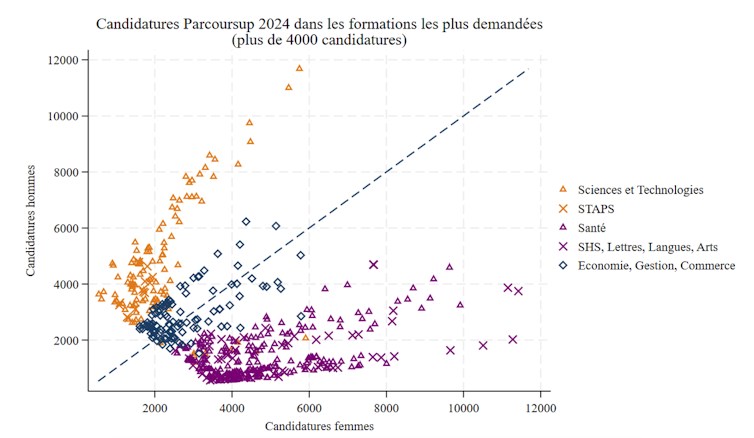
The differences in orientation between women and men remain very marked at the start of higher education. This is evident from the choices made by high school seniors on Parcoursup, the French platform for accessing post-baccalaureate programmes, as can be seen in the following graph based on data made available on Datagouv. It represents the number of applications for the most popular courses of study (more than 4,000 applications).

Source: Parcoursup 2024 – applications to continue studies and change direction in higher education, and responses from institutions. The x-axis shows female candidates, and the y-axis shows male candidates. The symbols at right, from top to bottom, represent science and technology; STAPS; health; human and social sciences, literature, languages, arts; economics, management, commerce.
Fourni par l’auteur

The points above the diagonal represent programmes with a predominance of male applicants, while those below represent programmes with a predominance of female applicants. Men account for approximately 70% of applicants to science and technology programmes, including STAPS (science and technology of physical education and sports).

The main exceptions concern courses in life and earth sciences, for which there are more female applicants. Programmes in economics, management, and business (in blue) tend to be more mixed. Finally, programmes in health, humanities, social sciences, literature, languages, and arts (in purple) are mainly favored by women, who account for around 75% of applicants.

Certain factors that may explain these differences in study choices, in particular the role of gender stereotypes, differences in academic performance in science subjects, and self-confidence, have already been analysed.

Passion as a determining factor

In order to better understand the current reasons for the differences between women and men in higher education choices, the Chair for Women’s Employment and Entrepreneurship at Sciences Po conducted a survey in partnership with Ipsos in February 2025 among a representative sample of the student population in France, with a total of 1,500 responses. The results of this survey were published by the Observatory of Well-Being of the Centre for Economic Research and its Applications (Cepremap).

One of the striking findings of the survey concerns the differences between women and men in the importance they attach to passion as a determining factor in their higher education choices.

Significantly more female students choose courses related to their passions, and they seem to do so fully aware that these choices may penalise them later on in the job market. In fact, 67% of women (compared to 58% of men) say they “prefer to study a subject they are passionate about, even if it does not guarantee a well-paid job”, while 33% of women (compared to 42% of men) say they “prefer to get a well-paid job, even if it doesn’t guarantee that they will study a subject they are passionate about”.

Women who prioritise passion are more likely to enrol in arts and humanities programmes, while those who prefer a well-paid job are more likely to enrol in economics, business, and commerce programmes, or in science and technology programmes.

The role of parents

Furthermore, the survey results highlight the fact that parents are more influential in determining their sons’ educational choices than their daughters’. In fact, female students receive more support from their parents, regardless of their chosen field of study, while male students are less likely to receive their parents’ approval, particularly for fields of study that lead to less lucrative careers in the job market (eg humanities, social sciences or arts) or that have become feminised (eg law or health).

Paradoxically, the lack of parental influence on girls’ choices may explain why they are more likely to follow their passion, finding themselves more constrained in the job market later on.

The results also show that preferences developed for different subjects in secondary school account for more than half of the differences between women and men in their higher education choices.

Women appear to have more diverse tastes, with a preference for mathematics accounting for only a small part (around 10%) of the difference in study choices. This partly explains why women tend to shy away from science and technology courses of study, which may be perceived as requiring them to give up other subjects they enjoy. More men than women enjoyed only science subjects in secondary school (29% of male students compared to 14% of female students).

Multidisciplinary programmes and role models

If the French economy needs more women with degrees in science and technology, how can we attract them to these fields? The main challenge lies in conveying a passion for science and technology to women.

This can be achieved through role models, such as high-achieving people who share their enthusiasm for their discipline before students make crucial choices. This can also involve the development of multidisciplinary courses that combine science, social sciences, and humanities, so as to offer young women (and young men) with varied interests the opportunity to pursue scientific studies without giving up other fields.

Finally, science programmes can adapt their educational offerings to make teaching more attractive to female students. By highlighting how science and technology can contribute to the common good and address the challenges of contemporary societies, a reformulation of course titles can, for example, highlight issues that are important to them.


Created in 2007 to help accelerate and share scientific knowledge on key societal issues, the Axa Research Fund – now part of the Axa Foundation for Human Progress – has supported over 750 projects around the world on key environment, health & socioeconomic risks. To learn more, visit the website of the AXA Research Fund or follow @ AXAResearchFund on LinkedIn.

The Conversation

The collection of data was funded by the Chair for Women’s Employment and Entrepreneurship (Sciences Po, Paris).

ref. Higher education: why women in France are less likely to pursue science than men – https://theconversation.com/higher-education-why-women-in-france-are-less-likely-to-pursue-science-than-men-268608

4 urgent lessons for Jamaica’s hurricane recovery from Puerto Rico’s struggles – and how the Jamaican diaspora could help after Melissa

Source: The Conversation – USA (2) – By Ivis García, Associate Professor of Landscape Architecture and Urban Planning, Texas A&M University

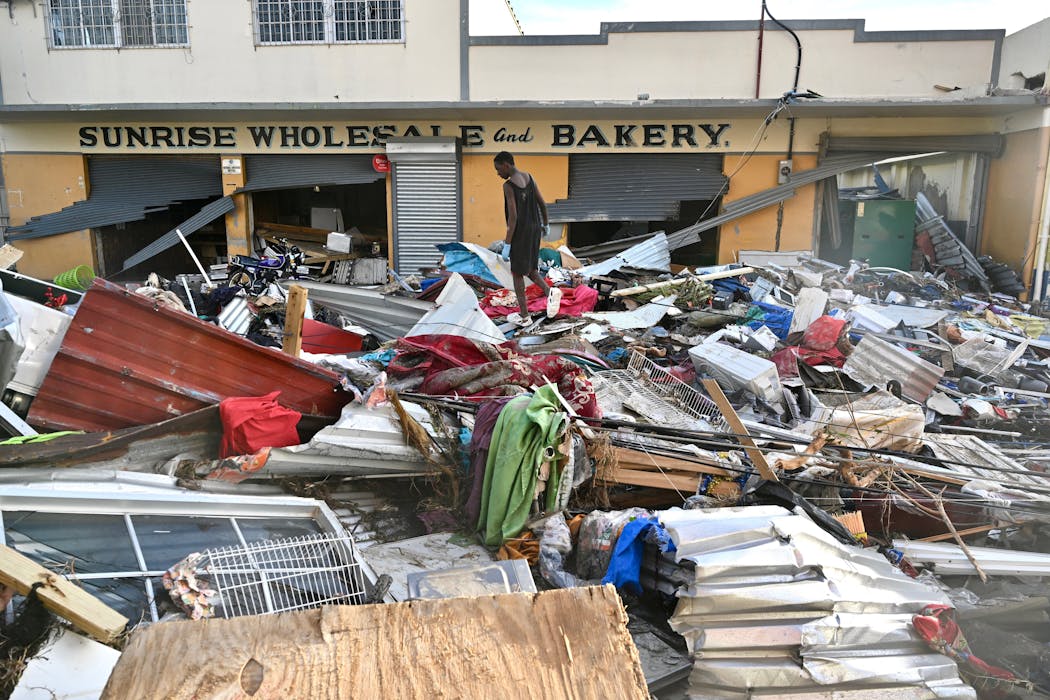
Hurricane Melissa’s 185 mph winds and storm surge tore apart buildings and left streets strewn with debris in Black River, Jamaica, on Oct. 28, 2025. Ricardo Makyn/AFP via Getty Images

Across Jamaica, streets are littered with torn-off roofs, splintered wood and other debris left in the wake of Hurricane Melissa. Downed power lines have left communities in the dark, and many flooded and wind-damaged homes are unlivable.

Recovering from the devastation of one of the Atlantic’s most powerful storms, which struck on Oct. 28, 2025, will take months and likely years in some areas. That work is made much harder by the isolation of being an island.

As a researcher who has extensively studied disaster recovery in Puerto Rico after Hurricane María in 2017, I know that the decisions Jamaica makes in the days and weeks following the disaster will shape its recovery for years to come. Puerto Rico’s mistakes following Maria hold some important lessons.

An aerial view of a business district shows buildings and homes with roofs and siding shredded, with mud covering the streets.
An aerial view shows some of the widespread damage caused by Hurricane Melissa’s storm surge and powerful winds in Black River, Jamaica.
Ivan Shaw/AFP via Getty Images

Why island recovery is different

Islands face obstacles that most mainland communities don’t experience. Geographic isolation compounds every problem in ways that make both the emergency response and the long-term recovery fundamentally harder.

Communities can easily be cut off by damaged roads, particularly in rugged areas like Jamaica’s Blue Mountains. Every damaged port facility, every closed airport, every blocked road multiplies isolation in both the short and long term.

People push shopping carts on a muddy street with tangled power lines and damaged homes and vehicles.
Power was out in communities across Jamaica after Hurricane Melissa, and several coastal communities were caked with mud. On the U.S. mainland, surrounding states will send fleets of repair trucks and linemen to rebuild power infrastructure quickly, but on an island, that kind of fleet isn’t available, and the damage is often widespread.
Ricardo Makyn/AFP via Getty Images

As Puerto Rico saw after Hurricane Maria, in the early days after a disaster, basic emergency supplies like tarps, batteries, fresh food and water and generators can become scarce.

Weeks and months later, reconstruction materials can still take a long time to arrive, extending the recovery time far beyond what most mainland communities would experience. This isn’t just a price-gouging ploy; it’s the reality of island supply chains and shipping infrastructure under stress. Isolation, limited port capacity and dependence on imports create unique vulnerabilities that slow disaster recovery, as research on Hurricane Maria’s impact on Puerto Rico has shown.

Local organizations: From response to recovery

One of the most important lessons I saw in Puerto Rico is that local nonprofits and community organizations are essential first responders in the emergency phase and then transition into recovery leaders.

These organizations know their communities intimately: who is elderly and homebound, which neighborhoods will have the greatest need, and how to navigate local conditions.

Two people put a piece of metal in place on a roof with a view of mountains in the background.
People use sheet metal to cover a home after Hurricane Melissa tore the roof off. Getting supplies for many repairs will take time on an island with so much damage.
Ricardo Makyn/AFP via Getty Images

Right now, Jamaican churches, community groups and local organizations are in emergency response mode — checking on residents, distributing water and providing shelter. For example, the Jamaica Council of Churches, which has extensive disaster response experience, has started to coordinate relief efforts though its community networks.

Over the long term, my research shows that local organizations are crucial for helping families recover. They help to navigate insurance claims, organize rebuilding efforts, provide mental health support, and advocate for community needs in recovery planning, among many roles.

However, many disaster recovery funding sources favor larger, international nonprofits over local groups, even for distribution once supplies have arrived. In Puerto Rico after Hurricane María, only 10% of the nearly US$5 billion in federal contracts went to Puerto Rico-based groups, while 90% flowed to mainland contractors.

Several houses covered with blue tarps to keep the rain out
In Puerto Rico, blue tarps covered homes with damaged roofs for months after Hurricane Maria, as owners waited for the supplies and repair help. Even the tarps were hard to come by at times.
AP Photo/Carlos Giusti

Jamaica will face similar dynamics as international funding arrives from sources such as the World Bank and Inter-American Development Bank. Ensuring the recovery funding goes through established Jamaican organizations can help the recovery.

The diaspora: Urgent help, long-term support

When institutional systems such as the Federal Emergency Management Agency and the government of Puerto Rico could not offer aid fast enough after Hurricane Maria, diaspora communities became crucial lifelines. Puerto Ricans in Chicago, New York and Florida organized relief efforts, raised funds and shipped supplies within days.

Months later, Puerto Ricans living on the U.S. mainland continued providing financial support. They hosted displaced family members and advocated for federal aid. As my co-author Maura I. Toro-Morn and I document in our book “Puerto Ricans in Illinois,” diaspora communities that mobilized statewide in the aftermath of Hurricane Maria demonstrated how Puerto Ricans supported the island during crisis.

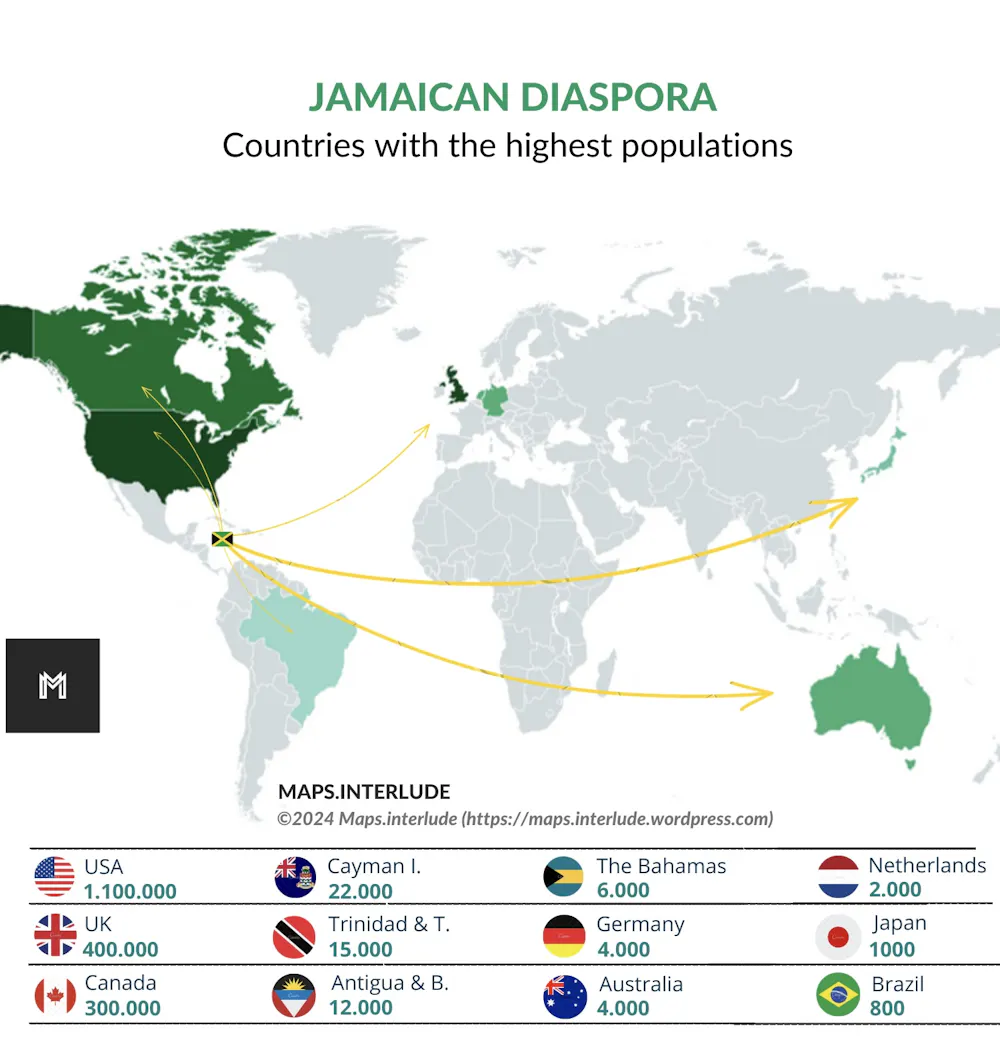
The Jamaican diaspora in London, Toronto, New York and Miami represents a massive potential resource for both immediate relief and long-term recovery.

A map shows where millions of Jamaicans live overseas, led by the U.S. (1.1 million), United Kingdom (400,000) and Canada (300,000).
Where Jamaicans lived outside their homeland in the early 2020s.
Maps Interlude/Wikimedia Commons, CC BY

In the hours after Melissa made landfall, these communities were already trying to reach family members and organize help. In Florida, Jamaican American student associations at several universities set up a GoFundMe page for relief efforts in Jamaica. In Connecticut, Caribbean social groups were gathering their communities to send support.

Jamaica’s government has multiple diaspora engagement platforms, such as JA Diaspora Engage, the Global Jamaica Diaspora Council and JAMPRO. But these primarily focus on economic development and investment rather than disaster response coordination. In contrast, Haiti established the Haitian Diaspora Emergency Response Unit in 2010 specifically for disaster coordination. After the 2021 earthquake, it coordinated relief efforts across more than 200 organizations, raising $1.5 million within weeks.

A worker gestures for more supplies while filling a cardboard box with package snacks.
Volunteers assemble relief packages to help Jamaica in the aftermath of Hurricane Melissa at the Global Empowerment Mission headquarters in Miami. Foreign-based organizations can coordinate large quantities of supplies, but distribution on the ground can be more efficient when run by local organizations that know where people are in need.
Chandan Khanna/AFP via Getty Image

Jamaica could adapt its existing diaspora infrastructure to include an emergency response component. It could provide regular updates on community needs during disasters, verify trusted local partners for aid distribution, and facilitate logistics for shipping supplies over the years of recovery.

The out-migration risk: When emergencies becomes permanent

Perhaps the most devastating long-term impact of Hurricane María was massive population loss — a recovery failure that began with emergency response decisions.

Of Puerto Ricans who applied for federal assistance, approximately 50% had new addresses on the U.S. mainland. Their displacement that began as a temporary evacuation became permanent when Puerto Rico couldn’t restore viable living conditions quickly enough.

Without housing, employment or basic services for months, families had little choice but to leave. About a quarter of Puerto Rico’s schools were closed by the storm damage. I saw similar patterns in Maui, Hawaii, as it recovered from devastating wildfires in 2023. Limited lodging and high costs made it impossible for many displaced residents to stay.

Researchers estimated that of the nearly 400,000 people who left Puerto Rico in 2017 and 2018 after María, maybe 50,000 had returned by 2019.

Jamaica faces similar risks. The out-migration crisis doesn’t happen all at once – it’s a slow bleed that accelerates as emergency response transitions into prolonged recovery.

The time to prevent that pressure to leave is now. The government can help by communicating realistic timelines for service restoration and prioritizing school reopening. Every week increases the risk that temporary displacement becomes permanent emigration.

Building back better: Recovery, not just response

Disasters create opportunities to build back better, but that requires thinking about the future rather than simply recreating what existed before.

Jamaica can prioritize speed in emergency response by rebuilding the old system, or it can invest in a recovery that also builds resilience for the future. Climate change is fueling more intense and destructive hurricanes, leaving Caribbean islands at growing risk of damage.

Hurricane Maria revealed serious infrastructure vulnerabilities as the aging power grid collapsed under Category 4 winds. Puerto Rico could have rebuilt with more modern, resilient infrastructure. However, RAND Corporation research found that reconstruction largely restored the old, vulnerable centralized power system, rather than transforming it with distributed renewable energy, hardened transmission lines and microgrids that could withstand future storms.

Solar panels on roofs and apartment balconies
Many businesses and homeowners in Puerto Rico added solar panels after Hurricane Maria to help manage frequent power grid outages. Rebuilding the U.S. territory’s grid and power system was slow, and it continued to rely on fossil fuels.
Ricardo Arduengo/AFP via Getty Images

Water systems, roads, schools and hospitals could also be rebuilt to better withstand storms and with redundancy – such as backup power sources and distributed water systems – to help the island recover faster in future hurricanes.

These improvements are expensive, and Jamaica will need international donors to help fund the recovery, not just the immediate emergency response.

The decisions made today will echo for years. Jamaica’s recovery doesn’t have to repeat Puerto Rico’s mistakes.

The Conversation

Ivis García receives funding from National Science Foundation, U.S. Department of Housing and Urban Development, Ford Foundation, National Academy of Sciences, Fundación Comunitaria de Puerto Rico, UNIDOS, Texas Appleseed, Natural Hazard Center, Chicago Community Trust, American Planning Association, and Salt Lake City Corporation.

ref. 4 urgent lessons for Jamaica’s hurricane recovery from Puerto Rico’s struggles – and how the Jamaican diaspora could help after Melissa – https://theconversation.com/4-urgent-lessons-for-jamaicas-hurricane-recovery-from-puerto-ricos-struggles-and-how-the-jamaican-diaspora-could-help-after-melissa-268631

No longer ‘Prince Andrew’: an expert on how royals can be stripped of their titles

Source: The Conversation – Global Perspectives – By Cindy McCreery, Associate Professor of History, University of Sydney

Prince Andrew will be stripped of his royal titles, meaning he will no longer be called “prince” or “His Royal Highness”.

A statement from Buckingham Palace said:

His Majesty has today initiated a formal process to remove the style, titles and honours of Prince Andrew.

Prince Andrew will now be known as Andrew Mountbatten Windsor […] These censures are deemed necessary, notwithstanding the fact that he continues to deny the allegations against him.

Their Majesties wish to make clear that their thoughts and utmost sympathies have been, and will remain with, the victims and survivors of any and all forms of abuse.

The statement also noted Andrew will have to leave his current home, Royal Lodge, and move to alternative private accommodation.

These moves follows allegations, which Andrew continues to “vigorously deny”, surrounding his relationship with convicted sex offender Jeffrey Epstein.

But how can a prince – who is, after all, the son of a queen – be stripped of the title “prince”?

Here’s how it works – and what it might mean for succession.

How do you actually strip a prince of his titles?

This is within the remit of the monarch, Charles III. The monarch issues an official document called a letters patent.

They are typically used to grant a title or a right, but this is doing the opposite: withdrawing it from Andrew.

There are precedents for monarchs removing titles in this way. When Diana and Charles divorced, she lost the use of “Her Royal Highness”, as did Sarah Ferguson, the former wife of Andrew. So a royal losing their title doesn’t always have to be scandalous or unusual.

But what’s not happened yet – because it’s not within the remit of the king – is the removal of Andrew’s position as eighth in line to the throne.

That requires parliamentary legislation to do – and not just the Westminster parliament, either.

To do that, the Westminster parliament would have to introduce a bill and pass it. However, the move would also require virtually identical legislation in all of the Commonwealth parliaments (such as Australia, New Zealand, Canada and so on).

That’s not beyond the realm of possibility.

A bit over a decade ago, with what came to be known as the Perth agreements, the Commonwealth parliaments agreed to change the rules around succession and gender. No longer would older princesses be leapfrogged by younger brothers to get a spot on the throne.

It happened very smoothly, so it is certainly possible for all Commonwealth parliaments to agree to coordinate on something. However, the Westminster parliament cannot instruct other parliaments to pass such legislation.

So, could all the Commonwealth parliaments coordinate to remove Andrew from the line of succession? I have not seen any mention of this in media reports so far, but I would be highly surprised if this didn’t happen in future.

It seems incompatible that Andrew would lose his title and still be in line for succession.

But is the son of the queen not always a prince?

By custom, yes, the son of a queen is known as a prince. But as we have seen, that title can be removed.

The best example is in 1936, when King Edward VIII abdicated so as to marry divorcee Wallis Simpson, and he lost the title of king.

He was thereafter no longer entitled to the title “His Royal Highness” and he got a new title: Duke of Windsor. He had some prestige, but was no longer entitled to use his royal title.

Edward VIII (who was also Andrew’s great uncle) did not have any children. But if he had, they wouldn’t have been entitled to inherit the throne.

And that was an actual reigning king, not just a prince.

Acting in a moment of crisis

Andrew has reportedly accepted the latest decision but it was made by his brother, the king.

This is a signal from Charles not just to the public but also to his heir, William, that he’s doing everything he can to smooth the path for William’s succession and to respond to public anger over the allegations against Andrew.

As an historian, this is a moment to reflect on how this is another example of the British monarch taking decisive action in a moment of crisis, to save the reputation of and public support for the monarchy.

Another example would be King George V, who acted decisively in the first world war not only to strip titles from family members who had supported Germany in the war, but to also change the name of his family.

They were known as Saxe-Coburg Gotha (a German name), but they became the house of Windsor.

The Conversation

Cindy McCreery has received funding from the ARC.

ref. No longer ‘Prince Andrew’: an expert on how royals can be stripped of their titles – https://theconversation.com/no-longer-prince-andrew-an-expert-on-how-royals-can-be-stripped-of-their-titles-268766