Donald Trump’s national security strategy puts America first and leaves its allies to fend for themselves

Source: The Conversation – UK – By Stefan Wolff, Professor of International Security, University of Birmingham

Since Donald Trump’s return to the White House in January, many European observers have been in a state of wilful denial. They have been hopeful that Trump 2.0 would be largely the same as his first administration where the rhetoric was worse than the reality.

Their approach has been based on the assumption that a mixture of calculated deference, avoidance of a full-on trade war and increased commitments to Nato defence spending would keep Washington engaged in the defence of Ukraine against Russia’s invasion. And, crucially, it would preserve the American nuclear umbrella that has protected Europe since the end of the second world war.

But the US national security strategy for 2025, published on December 4, has blown those assumptions out of the water and forced America’s allies, particularly those in Europe, to confront a harsh new reality. Not only can they not count on the United States to be in their corner when the chips are down. They will have to allow for US indifference – even outright hostility – for the foreseeable future.

Since he came to power in January vowing to end the war in Ukraine “in 24 hours”, the US president’s frequent pivots between Russia on the one hand and the status quo US policy towards Ukraine and its European allies on the other delayed the inevitable insight in major European capitals that Trump’s national security strategy provides. Now it’s clear: the transatlantic alliance that was the cornerstone of European security and underpinned the liberal international order has ceased to exist.

What has been revealed is a narrow view of American commercial interests. It’s a parochial 19th-century focus on the western hemisphere which avoids any recognition of the threat posed by Russia. The US under Trump has abdicated American leadership and rejects the idea of standing up to geopolitical challenges unless they are in America’s backyard or threaten US commercial interests.

Washington has turned its back on a longstanding alignment with its democratic allies in Europe and elsewhere. Rooted in the enlightenment tradition, this anchored the US and its erstwhile allies firmly in the rule of law in domestic and international affairs.

The ethno-nationalist, white supremacist and evangelical ideology of Trumpism articulated in the national security strategy only stands in sharp contrast to this past consensus and actively seeks to undermine it when it comes to Europe. The threat to European security is therefore not merely one emanating from the rupture of the transatlantic alliance. It also has the potential to accelerate further fragmentation inside Europe.

Trump’s comments in a recent interview with Politico that he would continue to back like-minded candidates leaves little doubt about the intentions of the Trump administration to interfere in European elections in favour of populist candidates that supposedly share Trumpist worldviews.

Wrecking ball

The Ukraine war is a perfect illustration of the volatility of US foreign policy under Trump. The US president has pursued an amateurish and egocentric negotiation process peppered with threats to walk away from the most severe challenge to international security in a generation.

Far from aiming to ensure security and the rule of law, Trump’s approach has clearly been driven by a desire for a plan that will enable the resumption of commercial relations with Russia and, he clearly hopes, involve some lucrative business deals – such as a possible revival of plans for a Trump tower in Moscow, something that was reportedly discussed by the Kremlin earlier this year as a way of cementing relations between the two countries.

Trump and his team fail to appreciate that the war in Ukraine is not simply an inconvenience. It is a profound long-term challenge to US interests. If Russia wins in Ukraine – on the battlefield or through a US-imposed peace deal – the Kremlin will have the opportunity to regroup and rearm. This would mean the continuation of an already intensifying hybrid war against Europe.

More likely than not, it would also embolden Putin to turn his sights on other parts of the former Soviet empire, for example by redoubling his efforts to destabilise Moldova.

Coalition of the willing

Trump has now openly turned against America’s erstwhile allies. The pretence that the US still backstops Nato’s security guarantee has become a fiction that, since the release of the national security strategy, is harder to maintain.

This leaves Europe in a difficult place. Both Nato and the EU struggle to speak with a single voice on existential issues. Governments in key European states – France, Germany, Italy and the UK, among others – are under pressure on multiple fronts. They are struggling to manage domestic crises from immigration to welfare reform at a time of rising populism. The bitter conflict in Ukraine, right on the doorsteps of Nato and the EU, adds considerably to this burden.

Efforts undertaken so far to strengthen Europe’s military and strategic autonomy can only go so far and so fast if they continue to depend on unanimity among member states. Finding the smallest common denominator to avoid dissenting states using their veto power often delays or waters down key decisions. This approach is unfit to deal simultaneously with a crisis of the current magnitude and the deliberate paralysis of the institutions that Trump and his allies are promoting.

A new “coalition of the willing” has gradually emerged from what might soon be the ruins of the European and transatlantic projects. If Nato founders, which is not now inconceivable, it may be Europe’s best hope of surviving in a world where it is no longer one of, or aligned with, the dominant great powers of the day. But for that to become a reality, the coalition of the willing needs to become a coalition of the able. And this is a test it has yet to pass.

The Conversation

Stefan Wolff is a past recipient of grant funding from the Natural Environment Research Council of the UK, the United States Institute of Peace, the Economic and Social Research Council of the UK, the British Academy, the NATO Science for Peace Programme, the EU Framework Programmes 6 and 7 and Horizon 2020, as well as the EU’s Jean Monnet Programme. He is a Trustee and Honorary Treasurer of the Political Studies Association of the UK and a Senior Research Fellow at the Foreign Policy Centre in London.

David Hastings Dunn has previously received funding from the ESRC, the Gerda Henkel Foundation, the Open Democracy Foundation and has previously been both a NATO and a Fulbright Fellow.

ref. Donald Trump’s national security strategy puts America first and leaves its allies to fend for themselves – https://theconversation.com/donald-trumps-national-security-strategy-puts-america-first-and-leaves-its-allies-to-fend-for-themselves-271686

Dick Van Dyke credits his longevity to his positive outlook – and research says optimists live longer

Source: The Conversation – UK – By Jolanta Burke, Associate Professor, Centre for Positive Health Sciences, RCSI University of Medicine and Health Sciences

Dick Van Dyke, the legendary American actor and comedian who starred in classics such as Mary Poppins and Chitty Chitty Bang Bang, turns 100 on December 13. The beloved actor credits his remarkable longevity to his positive outlook and never getting angry.

While longevity of course comes down to many factors – including genetics and lifestyle – there is some truth to Van Dyke’s claims. Numerous studies have shown that keeping stress levels low and maintaining a positive, optimistic outlook are correlated with longevity.

For instance, in the early 1930s researchers asked a group of 678 novice nuns – most of whom were around 22 years of age – to write an autobiography when they joined a convent.

Six decades later, researchers analysed their works. They also compared their analyses with the women’s long-term health outcomes.

The researchers found that women who expressed more positive emotion early in life (such as saying they felt grateful, instead of resentful) lived an average of ten years longer than those whose writing tended to be more negative.

A UK study also found that people who were more optimistic lived between 11% and 15% longer than their pessimistic counterparts.

And, in 2022, a study which looked at around 160,000 women from a range of ethnic backgrounds found that those who reported being more optimistic were more likely to live into their 90s compared to pessimists.


Read more:
Do optimists really live longer? Here’s what the research says


One potential explanation for these outcomes is related to the effects anger has on our heart.

People who tend to have a more positive or optimistic outlook on life appear to be better at managing or controlling their anger. This is important, as anger can have a number of significant effects on the body.

Anger triggers the release of adrenaline and cortisol, the body’s primary stress hormones – particularly in men. Even brief angry outbursts can lead to a decline in cardiovascular health.

The added strain that chronic stress and anger put on the cardiovascular system has been linked to increased risk of developing conditions such as heart disease, stroke and type 2 diabetes. These diseases account for roughly 75% of early deaths. While stress and anger aren’t the only causes of these diseases, they contribute to them significantly.

So when Dick Van Dyke says he doesn’t get angry, it may well be one of the reasons for his longevity.

There’s also a deeper, cellular explanation behind stress’s influence on longevity, which relates to our telomeres. These are protective caps found on the ends of our chromosomes (the packages of DNA information found in our cells).

In young, healthy cells, telomeres remain long and sturdy. But as we age, telomeres gradually shorten and fray. Once they become too worn, cells struggle to divide and repair themselves. This is one reason ageing accelerates over time.

Stress has been linked to faster telomere shortening, which makes it harder for cells to communicate and renew. In other words, stress-inducing emotions such as uncontrolled anger may speed up the ageing process.

A man wearing a shirt and tie crumples two balls of paper and screams in frustration or anger while sitting next to his computer.
Anger is bad for the heart.
PeopleImages/ Shutterstock

One study also found that meditation, which can help reduce stress, is positively associated with telomere length. So better anger management might just help support a longer life.

Added to this is the fact optimists appear to be more likely to engage in healthy habits, such as regular exercise or healthy eating, which can further support health and longevity by lowering risk of cardiovascular disease. Even Dick Van Dyke himself still tries to exercise at least three times a week.

Improving longevity

If you want to live as long as Dick Van Dyke, there are things you can do to manage your stress and anger levels.

Contrary to popular belief, trying to “let out” anger by punching a bag, shouting into a pillow or running until the feeling passes doesn’t actually help. These actions keep the body in a heightened state which impacts the cardiovascular system and can prolong the stress response.

A calmer approach works better. Slowing down your breath, counting them or using other relaxation techniques (such as yoga) can help calm the cardiovascular system rather than overstimulate it. Over time, this reduces strain on the heart, which can help you live longer. It’s important you aim to do this anytime you’re feeling particularly stressed or angry.

You can also boost positive emotions by trying to be more present in your daily life. By staying present, you become more aware of what’s happening around you and within you.

For instance, if you’re planning to go out for dinner with your partner, try to be more intentional in how you go about it. This could include booking a restaurant you both truly like, or asking to eat in a quieter spot in the restaurant so you have more time to catch up. Slow down and try to pay attention to the moment, taking in all the senses you’re experiencing as much as you can.

You can also boost positive emotions by making time for play. For adults, play means doing something simply because it’s enjoyable – not because it has any specific purpose. Play will give you a boost of positive emotions, which may in turn benefit your health.

Dick Van Dyke’s advice may be correct. While we can’t control everything that has an impact on our health, learning to manage anger and make room for a more positive outlook in life can help support both wellbeing and longevity.

The Conversation

Jolanta Burke does not work for, consult, own shares in or receive funding from any company or organisation that would benefit from this article, and has disclosed no relevant affiliations beyond their academic appointment.

ref. Dick Van Dyke credits his longevity to his positive outlook – and research says optimists live longer – https://theconversation.com/dick-van-dyke-credits-his-longevity-to-his-positive-outlook-and-research-says-optimists-live-longer-271320

Nnena Kalu has won the 2025 Turner prize – working with her has inspired my work and academic research

Source: The Conversation – UK – By Lisa Slominski, PhD with the Department of Historical and Critical Studies, Kingston University

The 2025 Turner prize has been won by Nnena Kalu. It’s a historic win and a groundbreaking moment in the prestigious prize’s history.

Kalu is the first learning-disabled artist, the first artist with limited verbal communication, and the first artist whose practice is facilitated through a specialised studio (ActionSpace, established to support artists with learning disabilities) to win the prize. Her win is both extraordinary and overdue – a pivotal moment for inclusivity in British art and for the visibility of learning-disabled artists.

Kalu’s practice is defined by repetition, rhythm, and layering. She builds sculptural forms by tightly wrapping materials into pulsing, tactile structures, and her drawings accumulate depth through swirling, vortex-like motions.

After more than two decades of working, her recognition has accelerated. There have been acquisitions by Tate and the Arts Council Collection. She secured representation with gallerist Arcadia Missa.

She also presented to wide acclaim at Barcelona’s Manifesta 15 gallery in 2024 and Liverpool’s Walker Art Gallery in 2024 to 2025. These accomplishments have all contributed towards her Turner prize win.

I first met Kalu in 2018 when I curated her work in a group exhibition in North London. I worked with her longtime ActionSpace facilitator, Charlotte Hollinshead who helped Kalu to develop her individual arts practice and deliver an extensive range of commissions, projects, events and exhibitions.

Learning of Kalu’s interest in responding to existing architecture, we set aside a structural pillar in the gallery. When they arrived on site, Kalu began wrapping it with tape, film and string. I watched as the form accumulated colour, tension and movement. I was completely hooked.

Over the years, I continued to curate her work – including her first American exhibition in 2020 – and wrote about her practice in my book Nonconformers: A New History of Self-Taught Artists. As I spent more time with her, one question began to preoccupy me: how should curators address Kalu’s position as a learning-disabled artist when she cannot narrate her practice or its relationship to her identity in conventional communication terms?

This question has since become the centre of my PhD research at Kingston University. I now work closely with Kalu and ActionSpace to explore new, more expansive forms of curatorial and interpretive practice – including approaches that acknowledge facilitation, and support structures without diminishing artistic agency.

Kalu’s nomination in April unexpectedly became a critical case study for my research. Watching how the prize, its partners, and the media represented her offered a rare and highly visible window into how institutions handle practices that do not fit standard models of authorship or communication.

Some of the most promising work came from Tate’s Body in Rhythm, Line in Motion film – a short artist video that accompanies each Turner nominee. What stood out was how clearly and transparently it acknowledged the supportive ecosystem around Kalu.

Named contributors spoke from their specific positions – facilitators, curators, and long-time supporters – describing what they observe in her process rather than speculating about intention. The video foregrounded the sounds of her making, the rhythm of her gestures, and the material build-up of the work as legitimate ways of understanding her practice.

If the Tate film offered examples of progress, excerpts of wider media responses revealed how much work remains. Some commentary simply misunderstood the context. A high-profile columnist dismissed the shortlist as “the soppiest ever” and described Kalu’s work as “academic” – an odd accusation for an artist who works entirely through processes developed instinctively at ActionSpace, which were not informed by an art historical discourse.

More troubling were moments when journalists framed Kalu’s disability as a reason to lower artistic expectations. One critic, speaking on BBC Front Row, remarked: “As an art critic, I found it very disappointing; as a human being, I feel I have to support it.”

This kind of response strips learning-disabled artists of agency. It assumes they cannot be both disabled and ambitious, disabled and professional, disabled and excellent. It conflates access with charity, facilitation with compromise, and disability with lack.

Kalu’s career, and now her Turner Prize success, demonstrate precisely the opposite.

Her win is an extraordinary milestone, but it is not an endpoint. The structures surrounding learning-disabled artists remain precarious. Supported studios like ActionSpace are essential cultural infrastructures, yet they operate with limited resources. Curators and institutions are still learning how to communicate about practices that do not fit familiar narratives of artistic intention or authorship.

The Turner Prize has cracked something open. It has made visible what many of us working in this field have long argued: that excellence emerges in many forms, that facilitation can be a creative engine rather than an obstacle, and that disabled artists are central, not peripheral, to contemporary art.

What comes next, how we talk about this win, how institutions respond, and which structures are resourced, will determine whether this moment becomes symbolic or genuinely transformative.

This article features references to books that have been included for editorial reasons, and may contain links to bookshop.org. If you click on one of the links and go on to buy something from bookshop.org The Conversation UK may earn a commission.


Looking for something good? Cut through the noise with a carefully curated selection of the latest releases, live events and exhibitions, straight to your inbox every fortnight, on Fridays. Sign up here.


The Conversation

Lisa Slominski does not work for, consult, own shares in or receive funding from any company or organisation that would benefit from this article, and has disclosed no relevant affiliations beyond their academic appointment.

ref. Nnena Kalu has won the 2025 Turner prize – working with her has inspired my work and academic research – https://theconversation.com/nnena-kalu-has-won-the-2025-turner-prize-working-with-her-has-inspired-my-work-and-academic-research-271802


Family time: how to survive – and even thrive – over the holidays

Source: The Conversation – Africa – By Nicolette V Roman, SARChI: Human Capabilities, Social Cohesion and the Family, University of the Western Cape

Photo by Any Lane, Pexels, CC BY

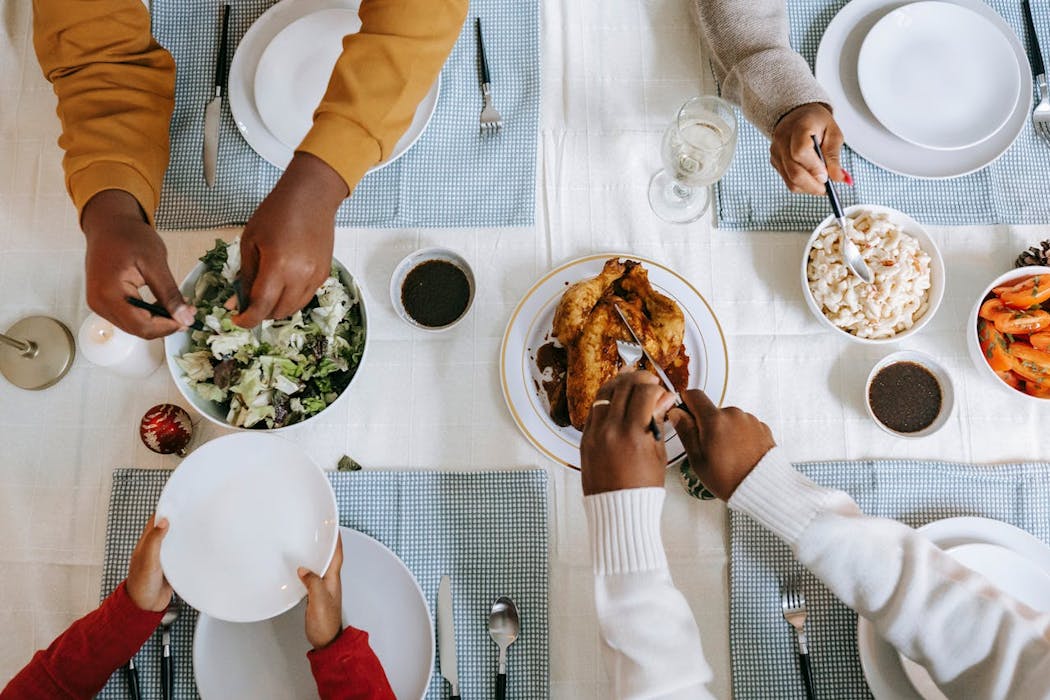
At the end of the year, many families reunite to enjoy time together. These times can be happy, yet sometimes they reveal tensions, unsatisfied needs and difficult relationships. The reality is that being together does not necessarily mean you are connected. Families can be both joyful and anguished or distressed at the same time.

These contradictions are brought into focus during festive periods. They show just how strong the ties of a family are, and remind us that family life is not just a social structure but a continuous practice of connecting and caring.

In our work at the Centre of Interdisciplinary Studies of Children, Families and Society at the University of the Western Cape in South Africa, we pose what seems on the surface a very simple question: what do families do to not only survive, but thrive together?

We find repeated themes in our research: families thrive (or do well) when trust is fostered, when care is given and when all members feel they belong.

Family cohesion enables individuals to feel safe and connected. It is not about being perfect or agreeing always, but being able to trust and get along with each other.

We’ve found that more unified families can:

  • communicate openly

  • adapt to change

  • support each other in the trials of life.

These virtues are not something to be assumed. An example is trust, which is not automatic. It is constructed gradually, by respecting each other, the consistency of a present caregiver, the fairness of shared tasks, the assurance that a person’s voice is heard.

In cases where trust breaks down, families tend to say that they feel uncertain, or even unsafe, in their own homes. Yet when trust is strong, it creates the invisible thread which helps families to survive change.

Our studies show that disagreement can coexist with closeness, provided families have ways to repair relationships after tension. One parent in our research said it best:

We fight, we cry, but we still sit together for supper.

That small act of sitting together is part of the work of care that holds families intact.

South African families

South African families and households are diverse in their structures: nuclear, single-parent, multigenerational, child-headed or based on emotional connection and choice. That’s the result of cultural richness as well as the heritage of apartheid, which disturbed traditional family life through forced migration, labour relations and systemic marginalisation.


Read more:
Policies in South Africa must stop ignoring families’ daily realities


In our qualitative research in urban communities, families mixed both traditional values and contemporary realities. Grandmothers are usually key figures in caregiving and young people contribute meaningfully to family and household life. But families face significant pressures. Many struggle to meet basic needs, like shelter and food, as well as intangible needs like love, respect and understanding. Family cohesion may be eroded when these needs are not met.

Unmet needs also reflect what we call “bad care”. By that we mean not getting care, or getting inadequate care.

The impact of bad care on people is among the most interesting things that we discovered during our research. It occurs when care-giving responsibilities are not shared equally, when intangible needs are not met or when family members can’t talk to each other. The consequences of unmet intangible needs are usually quite powerful.

For example, a grandmother may make sure her grandchildren are fed, dressed and safe every day. But if her desire for love, connection, or relaxation is not met, she may feel like no one cares about her or that she is being taken for granted. As one grandmother described it, being “the glue” that kept the family together meant her personal needs for rest, emotional support, or simply being cared for were overlooked.


Read more:
Older South Africans need better support and basic services — and so do their caregivers


Some families expect their younger members (daughters in particular) to take care of other people, even if they are not prepared or haven’t consented. In our study, one interviewee said that since the death of her grandmother, she was supposed to be the one who would keep the family together though she did not consider herself ready. Her personal needs such as being heard, respected and given space to grieve were placed on hold.

A care-giver who feels as though no one is noticing or supporting them might end up feeling depressed, angry, or burned out. They might not ask for help, for fear of being judged or rejected. One woman said she never talked to her family about her concerns since they “have their own problems” and “don’t want to listen”. This silence, which can be caused by pride, fear, or a lack of trust, can hurt relationships and make people feel even more alone.

Bad care also refers to being given care that is not responsive to all the needs of a family member. Families who only consider aspects like food, shelter and money might lose sight of emotional and spiritual needs. And as those are not fulfilled, the emotional fabric of the family starts to fall apart.

During the holidays, these family behaviours tend to get worse. Being back under one roof brings out disparities in money, values, or hopes. Adult children come home with fresh experiences, parents remember the sacrifices they made, and grandparents hope their traditions will live on.

Care becomes the language that connects people of all ages in this mix. It can be said in words, like when people talk, laugh, or say they’re sorry. It often happens softly, like when people share a meal made with love, offer to help, or take a moment to listen.

Care is not seasonal. It is every day and intentional. The family is not a luxury; it is the pillar of wellbeing. Once the decorations are packed away and the noise fades, what remains are the relationships we have tended.

The Conversation

Nicolette V Roman receives funding from National Research Foundation (NRF), Social Sciences Research Council – African Peace Network.

ref. Family time: how to survive – and even thrive – over the holidays – https://theconversation.com/family-time-how-to-survive-and-even-thrive-over-the-holidays-269035

Managing conflict between baboons and people: what’s worked – and what hasn’t

Source: The Conversation – Africa – By Shirley C. Strum, Professor of the Graduate Division, School of Social Sciences and Emerita, Department of Anthropology, University of California, San Diego

Conflict between humans and baboons can tear communities apart. Shirley C. Strum has studied wild olive baboons in Kenya for more than 50 years. In that time she’s come to understand the species intimately. In this article she argues that humans have taken from nature (without asking) for too long. And that now it’s time for us to rethink this relationship.

What have you learnt about baboon behaviour and habits over the past 51 years?

During my studies I have found that baboons are smart and sophisticated, and they need each other to be successful because of an unwritten “golden rule” – “do unto others as you would have them do unto you”.


Read more:
Baboon bonds: new study reveals that friendships make up for a bad start in life


Baboons aren’t yet endangered, because they adapt to new human environments. Part of this adaptability includes flexible primate hands (not trunks or hooves), primate intelligence, and the combined knowledge of their social group.

My research over the decades has provided a great deal of evidence of this.

As far as conflict with wildlife is concerned, you can’t ignore the growth in human population everywhere. In 1972, when I started my research, Kenya’s population was 12 million. Now it is pushing 60 million people.

This rate of population growth means more land is used for infrastructure and food. Development has converted wildlife areas into rural, suburban and urban human environments over the last 50 years.

As a result, human-wildlife conflict has increased. In Kenya, most wildlife exists in parks, reserves and surrounding areas. Kenya Wildlife Service recorded 10,000 episodes in these areas in 2024.

My research demonstrated that the cost of raiding has to outweigh the benefits for the baboons. Once tasted, human foods, including field crops, are ideal. Baboons are a special case of conflict because they can outsmart most humans. And baboons can be very destructive when they lose their fear of humans as they have in some parts of Cape Town, South Africa.

How can baboons be stopped from raiding farms and homes?

This depends on both the context and the history of baboon troops in the area.

The best solution to resolving conflicts is to prevent them. Changing human behaviours is difficult. And preventing bad baboon behaviour – like raiding human foods – is easier than trying to change baboon behaviours once they occur.

But this is an increasingly rare opportunity today because of the humanisation of the landscape.

What approaches have been tried and which ones have been successful?

The Gilgil Baboon Project – after translocation it became the Uaso Ngiro Baboon Project – started on a 45,000 acre (18,000 hectare) cattle ranch with more wildlife than cattle. We tried many control techniques, old (guarding and chasing) and new (playback of baboon alarm calls, leopard scats and lithium chloride taste aversion).

The ranch was then sold to Gikuyu Embu Meru Association, which distributed land to its members. Baboons began enjoying the new foods, raiding crops regularly.

Research demonstrated that the costs of raiding had to outweigh the benefits for baboon to stop raiding. It might surprise you that baboons do not eat human food out of spite but because of deep evolutionary imperatives. Their foraging aim is always to get the most nutrition for the least expenditure of energy.

Once tasted, human foods are special. They are large packages of easy to digest fare, the equivalent of baboon fast food. This makes baboons very difficult to control given the benefit of eating human food.

Some observations about solutions.

Boundaries: To prevent baboons raiding, you must draw a line beyond which baboons cannot go and reinforce it frequently and consistently. Given how much a baboon has to gain, she or he can devote plenty of time to waiting for the right moment.

Because of the growth of human population, many places already have baboon raiders. In this case, fields must be guarded by people all the time, homestead doors and windows can’t be left open (unless window bars prevent baboons of any size getting in) and many other human time-consuming and costly coping behaviours have to be used to control baboon raiding.


Read more:
Fast, cheap calories may make city birds fat and sick


Remember, to control raiding the cost must exceed the benefit. You have to use up baboon time, forcing them to look for other things to eat. But harming a baboon doesn’t work unless it is directly linked to the raiding and in full view of the rest of the group.

If the baboon habit of eating human food has become a “tradition”, it is difficult to extinguish.

Translocation: If you have enough money and time, translocating the baboons might be an alternative. Translocation means moving them to a new place in their historical range. I pioneered translocation for primates in 1984 when I moved three troops from Kekopey Ranch near Gilgil, Kenya to a place where crops couldn’t grow, the Eastern Laikipia Plateau in Kenya.

Today, however, there are very few places left where baboons can’t get into trouble.

Killing: The final option is to remove the baboons. I call it “killing” because fancy names don’t hide the reality. However, it isn’t as easy as it sounds. You first need to understand baboons. Second, the baboons can’t be killed by a helicopter gunship or even professional hunters. They are too wily. Killing a whole baboon group has its challenges. Even if you succeed (which I doubt), removing one group from a population means another troop will soon take its place.

These are hard choices that I don’t take lightly. It is one thing to view wildlife from the safety of your home or vehicle but another to have baboons steal your food, take your livestock, or decimate your crops.

What needs to change?

Human views about baboons have changed over the last 50 years from positive to negative. Today, social media is rife with conflict between baboons and humans in southern Africa. Nature is real, but our ideas about nature are cultural and based on our experiences and attitudes.

We are faced with a difficult dilemma: humans cause the problem but wild creatures pay the price. Conflict between baboons and humans won’t change unless human behaviour and attitudes change.

Dr Strum has a new book published by Johns Hopkins University Press: Echoes of Our Origins: Baboons, Humans and Nature. It is available on Amazon US and Amazon UK.

The Conversation

Shirley C. Strum does not work for, consult, own shares in or receive funding from any company or organisation that would benefit from this article, and has disclosed no relevant affiliations beyond their academic appointment.

ref. Managing conflict between baboons and people: what’s worked – and what hasn’t – https://theconversation.com/managing-conflict-between-baboons-and-people-whats-worked-and-what-hasnt-264821

Kidnapping for ransom in the Sahel: analysis of 24 years of data shows a new trend

Source: The Conversation – Africa (2) – By Alexander M. Laskaris, Visiting Scholar, University of Florida

Kidnapping for ransom has a long history in the west African Sahel. In 1979, a rebel group led by Chad’s future president Hissène Habré kidnapped a French archaeologist and a German medical doctor in the north of the country. The kidnappers asked for the release of political prisoners, among other demands.

Over the decades kidnapping became an industry in the Sahel. Governments were willing to pay financial and political ransoms even if they denied it publicly. This industry fuelled the expansion of jihadist groups from Algeria to the Sahel (south of the Sahara) between the early 2000s and mid-2010s. The most spectacular of these kidnappings was the abduction of 32 European tourists in 2003. It was carried out by the Salafist Group for Preaching and Combat in the Algerian Sahara. A €5 million ransom was reportedly paid for the hostages.

Using conflict data from the Armed Conflict Location and Event Data Project, we examined the evolution of abductions and forced disappearances in 17 west African countries over the last 24 years. We are scholars with personal experience as a former ambassador to Chad and Guinea and a geographer.

We analysed nearly 58,000 violent events. These events have caused the death of more than 201,000 people from January 2000 through June 2024.

Our findings suggest that the kidnapping industry has experienced a major shift. We discovered that most of the victims of kidnappings for ransom were westerners until the end of the 2010s. Since then violent extremist organisations have turned to local civilians. Both western and local hostages represent lucrative resources that ultimately fuel insurgencies in the west African Sahel.

A lucrative industry

Armed groups have learned that seizing a western hostage is a low-risk and high-reward proposition. It leads to financial gain and political accommodation. The exact amount of money paid is difficult to assess due to the opacity of the negotiations and the number of intermediaries involved. An estimated US$125 million was paid by European countries to liberate hostages captured by al-Qaida and its affiliates in this region from 2008 to 2014.

These resources have fuelled the international development, training and arms purchases of armed groups. For example, in October 2025, the United Arab Emirates allegedly paid a US$50 million ransom. They also allegedly delivered military hardware to al-Qaida-affiliated militants for the release of Emirati hostages in Mali.

The revenues generated from ransom payments have facilitated the development of alliances between militant groups and local leaders. They have also made the recruitment of young combatants from Mali, Niger, Mauritania and Burkina Faso easier for extremist organisations, by offering significant financial incentives.

As security expert Wolfram Lacher explains, kidnapping for ransom was the most important factor behind the growth of al-Qaida in the Islamic Maghreb in northern Mali.

The common perception is that when a westerner is taken hostage in the Sahel, a mighty military apparatus is deployed to rescue them. However, there is little to suggest that western military pressure on terrorist or criminal networks contributes to hostage recovery. Indeed, the most likely outcome of an armed rescue operation has proven to be the death of the hostage. Most of the time, the reason for their release has been ransom and concessions negotiated by local partners.

Local civilians increasingly targeted

In the last decade, the number of foreigners living or travelling in the Sahel has plummeted. Due to terrorism and political unrest, travel to the region is strongly discouraged by western countries.

Jihadist militants have therefore turned to local targets and started abducting a growing number of civilians from the region. Our report reveals that abductions and forced disappearances have experienced a twenty-fold increase since Jama’at Nusrat al-Islam wal-Muslimin (JNIM) was formed in 2017.

Kidnappings tend to occur both along major transport corridors and in rural areas. There, jihadist groups have implemented a predatory economy based on looting and ransoming civilians. In the central Sahel, this kidnapping economy has spread to most rural areas. This includes the south of the Wagadou forest in Mali to the W National Park at the border between Burkina Faso, Benin and Niger.

The brutal local economics of kidnap for ransom is also vibrant in the Lake Chad region. Although the kidnapping of westerners is, on a per capita basis, far more lucrative in the Sahel, these groups are doing a brisk business of kidnapping civilians, as shown on the map below.

In late November 2025, for example, more than 300 children were kidnapped by unidentified gunmen in a Catholic school in western Nigeria. Our analysis shows that about a third of these events involve abductions of girls and women.

Civilians are usually released unharmed shortly after their motorbikes, food items, phones and animals have been taken, or ransom has been paid.

Should ransoms be paid?

The question of whether hostage situations should be resolved by paying a ransom depends on the parties involved.

For Sahelian governments, acceding to ransom demands weakens their political position and provides material support for those who threaten them. The same applies to foreigners in the Sahel – relief workers, missionaries, business people, tourists – for whom every ransom paid makes their position more precarious.

For western governments responsive to family, media and political pressure, however, bringing hostages home via ransom is always the easiest solution. Media coverage focuses on joyful reunions, not moral hazard.

In the United States, the 2020 Robert Levinson Hostage Recovery and Hostage-Taking Accountability Act reorganised the internal hostage response capacity of the government. By streamlining the process by which accommodations are made to the kidnappers, the act established clear lines of authority, while giving families both better support and access to decision-makers.

Left unresolved is the tension between the prohibition on paying ransom to terrorist organisations and the reality that, for kidnapping victims and their families, the best response is to pay. Given the vastness of the Sahel and the lack of any effective security response, caving to ransom demands is the best hope for a successful resolution.

We should not criticise families for demanding action from their governments, for acceding to terrorist organisations’ ransom demands, or for rejoicing when hostages are liberated. At the same time, however, one should also not be afraid to state the obvious: their joy leads inevitably to another westerner’s or African’s trauma.

The Conversation

The opinions and characterizations in this piece are those of the author and do not necessarily represent those of the U.S. government.

Olivier Walther receives funding from the OECD Sahel and West Africa Club.

ref. Kidnapping for ransom in the Sahel: analysis of 24 years of data shows a new trend – https://theconversation.com/kidnapping-for-ransom-in-the-sahel-analysis-of-24-years-of-data-shows-a-new-trend-270714

The surprising theology inside today’s Advent calendars

Source: The Conversation – Canada – By Matthew Robert Anderson, Adjunct professor, Theological Studies, Concordia University

It would be easy to conclude that Advent calendars — usually with 25 compartments that reveal a treat, image or scripture, used to count down the days from Dec. 1 to Christmas Eve — represent just another way Christmas is ruined by commercialization. They’ve strayed far from their beginnings as devotional aids for 19th-century German Lutheran families.

Far from only featuring little numbered flaps to open on each December day, these calendars are now hot-ticket items. They highlight everything from beer to beard oil, and Lego to luxury silk. But have they completely lost their way?

As I pointed out recently on CBC’s The Cost of Living, I don’t believe so.

From devotional tool to consumerist gift

The first commercially printed Advent calendars, created by German publisher Gerhard Lang at the dawn of the 1900s, had paper windows that tore away to reveal Bible verses and art depicting the Nativity, the story of the birth of Jesus arising from the gospels of Luke (2:1-20) and Matthew (2:1-12).

By the mid-20th century, Advent calendars had spread to England and North America. Some versions began to include toys or chocolates and to downplay Christian themes.

Now, a full century after those first printed versions, Advent calendars have evolved into a dizzying array of “must-have” seasonal gifts that, at the top end, can include caviar, cocktails and even cut diamonds. In response, some emphasize homemade, reusable Advent calendars, while villages and neighbourhoods experiment with becoming “living” Advent calendars — local tourist draws — unveiling volunteer window displays each successive day of December.

Yet no matter how non-religious they may appear, as a scholar studying the origins of Christianity, I see ancient meanings of Advent still reflected in two characteristics of today’s calendars: a stoking of expectation and a purpose-filled sense of time.

The power of stoking expectations

Anticipation is what drives the appeal of every Advent calendar. The child’s or adult’s question — “What’s behind the next window?” — echoes the original Latin term adventus, meaning coming or arrival. To the query: “What is the world so eagerly awaiting in the season of Advent?” the church’s answer has historically been: the coming of Christ.

But it’s complicated. What even many Christians may not realize is that the coming of Christ — which the season of Advent was originally designed to mark — is the Second Coming, known as the “Parousia.

Anticipation of this dates to the very beginning, with Paul and the first followers. The oldest complete Christian writing, 1 Thessalonians, buzzes with a kind of Advent expectation. It agonizes over Christ’s delayed return to end the march of time, abolish death and establish a new, justice-and-peace-filled reign of God over the Earth.

It’s not exactly children’s calendar material. For one thing, this Jesus was expected not as a meek and mild baby, but by at least some as a vengeful “end times” judge (2 Thessalonians 1:7-10).

In churches that still mark Advent, the readings of the first two Sundays are given over to a sense of “end times,” and “ultimate meaning” with themes of watchfulness and preparation.

Counting down to the final Window

The other ancient characteristic of even the most secular calendar is its focus on purpose-filled time and a “big day.” There would be no Advent calendar without the largest box or window, the one representing Christmas and holding the best Lego piece, chocolate, wine or picture.

When Advent first began to be marked in fourth-century Roman Gaul (modern-day France), it was meant to be a penitential season of preparation like Lent, culminating in baptism on the day of Epiphany. In the sixth century, Pope Gregory the Great shortened the season and focused it more tightly on Christmas.

Every Advent calendar, even those made with simple chalk marks in 19th-century Germany, starts with a “now,” builds energy and anticipation through a series of “not yet” days, and climaxes with a “finally” — a long-awaited Christmas Day conclusion. From the simplest hand-drawn chart to the Buy Canadian Okanagan Craft Distillery Advent Whisky Calendar, there must be a division of time building toward a climax.

Although the liturgical church year followed by mainline Christian churches, including Catholics, Anglicans, Lutherans, the United Church and the Orthodox, is cyclical, the season of Advent itself is resolutely linear.

A ‘taster’ of hope and transformation

It was only after its end-of-the-world emphasis that Advent became focused on the more socially acceptable and less eschatologically embarrassing Nativity stories. But the old themes stubbornly hold on in readings from Isaiah that reflect the hopes of ancient Israelites for a day when “the wolf shall live with the lamb, the leopard shall lie down with the kid, the calf and the lion and the fatling together, and a little child shall lead them (Isaiah 11:6).”

Here is another family resemblance between today’s Advent calendars and the ancient Mediterranean. Some companies hype their calendars as “teasers” or “tasters” for their full product lines.

In a similar way, Advent’s ultimate goal is to act as a “taster” for a world where justice is finally done, the poor can eat their fill and peace reigns supreme.

The Conversation

Matthew Robert Anderson does not work for, consult, own shares in or receive funding from any company or organisation that would benefit from this article, and has disclosed no relevant affiliations beyond their academic appointment.

ref. The surprising theology inside today’s Advent calendars – https://theconversation.com/the-surprising-theology-inside-todays-advent-calendars-270761

‘Are you married?’ Why doctors ask invasive questions during treatment

Source: The Conversation – USA (3) – By Jill Inderstrodt, Assistant Professor of Health Policy and Management, Indiana University

The demographic data collected at doctor’s visits is useful to medical researchers. MoMo Productions/DigitalVision via Getty Images

It’s a rare occasion when my worlds of biomedical informatics and serialized lesbian melodrama fandom collide.

But that’s exactly what happened earlier this summer when two of my favorite actresses appeared on a popular podcast. I was excited to hear them talk about their new book and their history of working together, so I was confused but delighted when their conversation took a turn toward my area of expertise – electronic health records.

One actress noted that on a recent trip to the optometrist, she was asked about her ethnicity. “And I was like, what difference does it make?” she said.

The host chimed in with her experience of being asked similarly personal questions before a mammogram. “Like, it doesn’t matter if I’m married or not. It doesn’t matter if I’m white or Asian, you know?” she remarked.

Listening to the host and actresses question a process that, to me, seems straightforward and purposeful served as a stark reminder of the chasm that often exists between how researchers like me use patient data and a patient’s actual experience of clinical data collection.

For those of us who use demographic data collected during health care encounters to conduct research and design interventions, it does matter whether patients answer their doctor’s demographic questions. But as a patient myself, I can see how these questions might seem unnecessary and even invasive.

So it may help to understand why your doctors collect this data, how researchers use it and what medical discoveries might be possible when we know more about who patients are.

patient sitting on table looks at doctor filling out form on clipboard
Your doctor’s questions might sometimes seem arbitrary and invasive.
Natalia Gdovskaia/Moment via Getty Images

Why your data matters

When you answer the demographic questions your doctor logs in your electronic health record, you’re doing more than disclosing personal information. You’re adding one small piece to a giant puzzle of data that allows researchers like me to see a bigger picture.

Your health information can help us understand who gets sick and why. It might even be used to design real health interventions.

As a researcher focused on improving health and health care for moms and their babies, I consider myself lucky to live in Indiana, a state with one of the nation’s most comprehensive health information exchanges. These exchanges are interconnected networks of hospital system electronic health record databases from all over the state that allow researchers like me to learn about how individuals and groups experience health and medical care.

For example, my colleagues and I in the Indiana University Better AI for a Strong Rural Maternal and Child Health Environment Lab use this data to train machine learning models that predict preeclampsia, a life-threatening condition of high blood pressure during pregnancy, before a mom gets really sick.

We could use only clinical data: diagnoses, labs and vital readings like blood pressure that contribute to the outcome of preeclampsia. But for conditions like preeclampsia, Black moms are diagnosed at higher rates than their white counterparts. Research shows that race and racism can be major contributing factors to this disparity.

In order to predict preeclampsia accurately and use these predictions to help doctors monitor, diagnose and treat the condition, my team needs to factor in other information that can illuminate these different outcomes, called social determinants of health.

Social determinants of health are the parts of ourselves and our environments that drive our health status. Race itself isn’t a social determinant of health, but racism is. This includes structural racism, like a ZIP code’s history of school segregation or redlining. If available, we also include information you might have given at your doctor’s visit, like if you haven’t had enough food to eat in the past month, or if you have a history of intimate partner violence or homelessness.

Because there is more variation within races than between them, race alone actually tells us very little. Including social determinants of health in our datasets provides added context as to how you move about the world, what resources you have access to and how your environment might shape your health.

Social determinants of health are the environmental and social conditions that can affect the health of individuals and communities.

Putting the pieces together

This is why your cardiologist asks about your marital status. Your response might help researchers understand why single moms are more likely to have cardiovascular disease than their married counterparts. And telling your optometrist your race is one of the only ways to learn what role race might play in patients using weight loss drugs experiencing vision loss.

Other researchers have used data from electronic records to determine how many people in a geographic area or of a certain demographic group have diabetes, to predict dementia and even to track gum disease.

During the COVID-19 pandemic, researchers used data from electronic health records to determine what types of people were getting sick. They investigated COVID-19 patients’ race, geography and insurance status. Researchers continue to use this data to track long COVID, a condition that health professionals still don’t completely understand.

Honoring patient privacy

Of course, these health information exchanges are careful about how and with whom they share patient data. The data is tailored to the needs of the study and shared in compliance with the Health Insurance Portability and Accountability Act, or HIPAA.

For instance, for my most recent preeclampsia study, the health care system sent a dataset that contained limited pieces of personal information, like the baby’s birth date, the mom’s birth date – since we often need to know how old she was when she gave birth – and their ZIP code so we can see trends in preeclampsia across geographic areas.

The data wasn’t allowed out of the health system’s virtual private network, so the data remains within our firewall. This ensures that the data remains safe. And all of this must be approved by our university’s institutional review board, a rigorous process that ensures our research can’t harm participants.

Improving health care for everyone – including you

All of this research drives innovation and serves as a basis for the programs, protocols and policies that improve health – from you as an individual all the way to the national and even global level.

Your doctor can use the information you provide to recommend services or therapies for you. For instance, if your doctor finds out through check-in questioning that you haven’t had enough food in the past month, they can refer you to a nutrition program, sometimes run by the hospital system itself. If you were married at your last appointment but now list your marital status as “separated,” your doctor can check in with you to see if you need any additional mental health or social services.

While it’s normal for these personal questions to feel a little uncomfortable, it helps to remember that there is a good reason your doctor is asking them. Your data can help move medical research forward.

The Conversation

Jill Inderstrodt receives funding from US Centers for Disease Control and Prevention and National Institutes of Health.

ref. ‘Are you married?’ Why doctors ask invasive questions during treatment – https://theconversation.com/are-you-married-why-doctors-ask-invasive-questions-during-treatment-268268

How one Florida program reduced preterm births – and how it could serve as a model for other communities

Source: The Conversation – USA (3) – By Loveline Chizobam Phillips, Ph.D. Candidate, George Mason University

Preterm birth is the second-leading cause of infant deaths. Pressmaster/iStock via Getty Images Plus

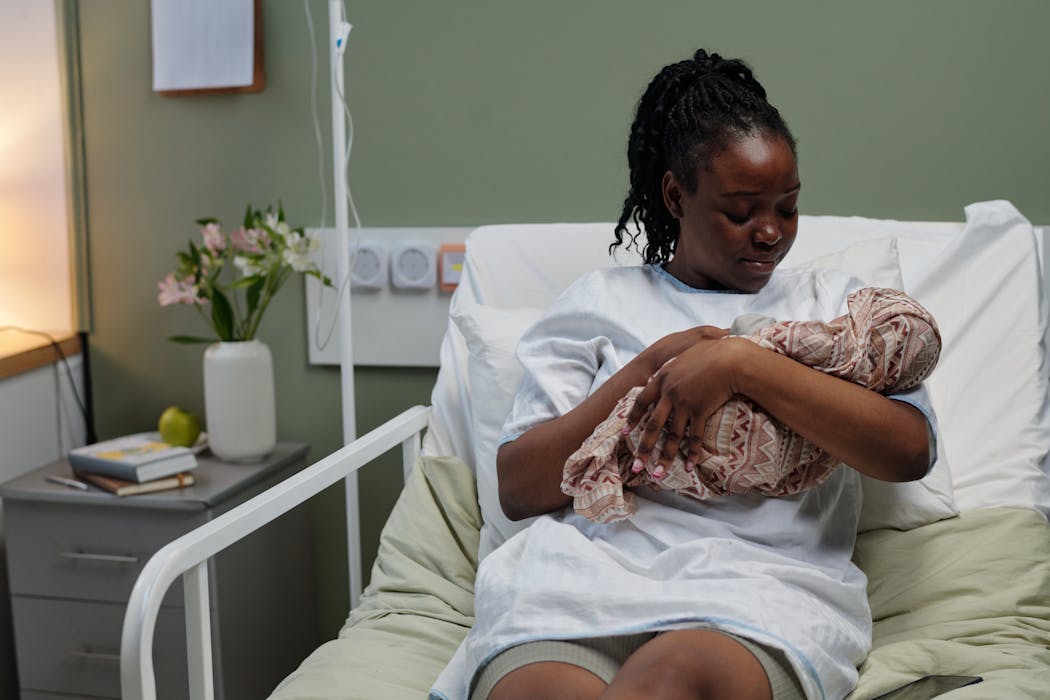
One in 10 babies in the U.S. – nearly 374,000 infants – were born preterm in 2023, meaning before 37 weeks of pregnancy. More than 15% were very preterm, meaning they were born before 32 weeks. A full-term pregnancy lasts 40 weeks.

Florida’s rate is slightly higher, at about 1 in 9 babies born preterm. In an average week, 456 of the 4,257 babies born in the state will be preterm, and 75 of those will be very preterm.

According to the March of Dimes, preterm birth and low birthweight-related health complications cause 37.5% of infant deaths nationwide. This makes preterm birth the second-leading cause of infant deaths, after birth defects. Preterm babies who survive infancy are susceptible to health complications later in life, including cerebral palsy and learning disabilities.

Preterm and low-birthweight babies – those weighing less than 5.5 pounds (2,500 grams) – are far more likely to go to the neonatal intensive care unit, or NICU. Very preterm infants tend to have the longest NICU stays, averaging around 43 days.

Beyond the emotional toll this takes on a family, preterm births and their resulting health complications carry substantial financial costs. The average NICU admission in 2021 cost around US$71,000. And economists estimated the lifetime societal cost of all preterm babies born in 2016, from birth to subsequent disability care, at $25.2 billion.

We are a public policy Ph.D. student and public policy researcher focusing on health policy and population health outcomes.

Recently, we were sifting through the data on preterm and low birthweight rates in the U.S., in search of places that are doing better than average at preventing preterm births. And that is what we found in the Central Hillsborough Healthy Start program, which serves a cluster of Tampa ZIP codes with roughly 177,000 residents.

In 2008, this program published records showing 30% lower preterm and low-birthweight rates among families at highest risk. Peer-reviewed evaluations link participation in the program to substantial reductions in preterm and low-birthweight outcomes.

These remarkable improvements remained consistent through 2020.

When we looked at what this program is doing, we found a set of practices that can serve as a model for other counties in Florida and around the U.S. to lower preterm birth rates, saving money and, more importantly, lives.

Screening for risk factors

The program does early screening for risk factors of preterm birth using Florida’s Healthy Start prenatal risk screen at the pregnant person’s first prenatal visit. This screening has been proven to correctly flag a good share of higher-risk pregnancies, while avoiding many false alarms, helping scarce services reach families who need them most.

This is key, because the risk of preterm birth isn’t spread out evenly across all pregnancies. The neighborhoods that Central Hillsborough Healthy Start serves include many young, Black, unmarried, low-income families that are eligible for Medicaid. All of these factors place them at high risk for preterm birth.

Early screening allows the Healthy Start program to identify mothers at highest risk and tailor its resources to assist them.

Measuring against the rest of the state

The Florida Healthy Start prenatal risk screen is available throughout the state. Florida created Healthy Start in 1991 precisely to reduce infant deaths and low birthweight through universal prenatal and infant risk screening, community coalitions and coordinated services.

While Florida’s preterm birth rate in 2023, the most recent year for which there is data, was 10.7%, Hillsborough County tracked slightly below the U.S. average of 10.4% at about 10.2% of the county’s 16,900 births.

That difference may seem small, but it represents 85 fewer preterm babies in Hillsborough County, and at the average rate of $71,000 per NICU admission, that’s about $6 million in hospital spending avoided in a single year.

Two nurses look at an infant lying in an incubator.
Infants born preterm must remain in the NICU until their organs develop enough to keep them alive without medical support.
andresr/E+ via Getty Images

In addition, statewide, 14.8% of Black infants were born preterm in 2023, slightly higher than the 14.65% average across the U.S. In Hillsborough County in the same year, it was 13.9%.

Among pregnant women without a partner, participation reduced very preterm births by 52% and halved the rate of very low-birthweight babies – that is, babies weighing less than 3.3 pounds (1,500 grams).

Obese mothers in the program had a 61% lower chance of extremely preterm birth, which means birth before 28 weeks of pregnancy, than comparable women elsewhere in Florida. Even exposure to air pollution, a known risk factor for preterm birth, was less harmful among women in the program.

So what has Central Hillsborough Healthy Start been doing differently?

The Central Hillsborough Healthy Start model

The model used by Central Hillsborough Healthy Start is practical and straightforward.

After early screening, nurses make home visits and help coordinate patient care for mothers in the program.

Central Hillsborough Healthy Start also provides prenatal education, depression screening and programs to help pregnant mothers improve their health and decrease harmful practices such as smoking or substance abuse. These programs are critical, because obesity, diabetes, hypertension and smoking during pregnancy are significant risk factors for preterm births.

The program also helps to connect patients to resources they may need during and after pregnancy by making personal introductions to community partners such as women and infant resource specialists in women, infants and children, or WIC, clinics.

Healthy Start workers also connect patients to interconception care for healthy birth spacing between pregnancies, which can help prevent future preterm births. Studies show that more than 30% of U.S. mothers who give birth preterm conceived their baby less than 18 months after having their previous child.

The Healthy Start staff use Florida’s coordinated intake and referral approach to track referrals and follow up across partners. This is vital to helping the program’s staff see who has been contacted, which services were delivered and whether referrals took place. They can then follow up if necessary.

Stability and sustainability

Central Hillsborough Healthy Start operates through a local nonprofit, REACHUP Inc., in partnership with the University of South Florida and the Hillsborough Healthy Start Coalition.

Its funding comes primarily from the federal government through the Health Resources and Services Administration’s national Healthy Start program. The program’s current federal funding extends into 2029. But proposed changes to the federal budget threaten to eliminate this funding altogether.

The program’s budget is supplemented by local partners, including Hillsborough County, which helps sustain operations despite federal uncertainty.

Locally, the Hillsborough coalition’s portfolio includes programs that work together like one team, sharing information so families keep getting help even when one grant ends. These partnerships with local community organizations allow the program to remain stable.

A model for others

Looking at the data, we believe Central Hillsborough Healthy Start has succeeded by using the same basic approach for everyone, then customizing. Everyone gets screened early and set up with nurse visits. Then, its adds what each family needs so that support fits real life.

The Central Hillsborough story shows that health disparities are not inevitable. And this model can serve as a feasible blueprint for other communities. With early identification, consistent support and sustained investment, the outcomes for mothers and babies can improve dramatically.

Read more stories from The Conversation focused on Florida.

The Conversation

The authors do not work for, consult, own shares in or receive funding from any company or organization that would benefit from this article, and have disclosed no relevant affiliations beyond their academic appointment.

ref. How one Florida program reduced preterm births – and how it could serve as a model for other communities – https://theconversation.com/how-one-florida-program-reduced-preterm-births-and-how-it-could-serve-as-a-model-for-other-communities-268058

Paddington The Musical: why the little bear from Peru is a hero in a very classical sense

Source: The Conversation – UK – By Emma Stafford, Professor of Greek Culture, University of Leeds

This year, fans of the tiny marmalade-loving bear from Peru can catch him on stage at London’s Savoy Theatre in the West End, in Paddington The Musical.

This is a stage adaptation of the first film in the most recent Paddington franchise, which began in 2014. While it features more than 18 new songs by Tom Fletcher (of the band McFly), it follows the film’s plot quite closely. It also shares its values of home, family and tolerance of difference – particularly relevant to current debates on immigration.

As an expert in ancient Greek culture, what struck me most was how this theatrical re-imagining casts Paddington as a hero in the tradition of Homeric epic.

Although there have been several iterations of the Paddington story since he was first introduced by Michael Bond in A Bear Called Paddington (1958), his journey has always been prompted by the destruction of his Peruvian home by an earthquake. His only surviving relative, Aunt Lucy, is too old to look after him, so he must find a new home. And so Paddington makes his way to London and to his new adopted family, the Browns.

This quest can be compared to Virgil’s epic poem the Aeneid. In this tale Aeneas flees the fall of Troy and wanders the Mediterranean until he eventually settles at the site of the future Rome. Arguably, both stories conform with American writer Joseph Campbell’s theory of the monomyth, or the “hero’s journey”, in which a quest is precipitated by a crisis. In this, the hero must overcome various challenges, often with the help of a mentor and some form of talisman or supernatural aid. In the end, he is victorious and reaches home transformed.

The quest for home and belonging is a popular theme in 21st-century film but it goes right back to Homer’s Odyssey. There the hero Odysseus has to overcome monsters, gods and men before finally achieving his nostos, his return home, with the help of the goddess Athene.

Such divine assistance may not be available to Paddington, but Aunt Lucy serves as his spiritual guide. In the musical, we never see her but her guidance is communicated by letter. As her words are read out, a bear-shaped constellation appears on the wall behind, giving her an almost magical quality.

Adversaries and talismans

Ancient and modern heroes alike must face monsters of one sort or another. Paddington’s adversaries are primarily human.

Opposition is briefly offered in act one by the splendidly bombastic Lady Sloane (Amy Booth-Steel) who is the leader of the Geographers’ Guild.

This institution originally sent the explorer Montgomery Clyde to Peru to collect dead animal specimens, but expelled him when came back empty handed, having instead befriended Paddington’s bear family. Lady Sloane is easily vanquished by Paddington’s superpower – his famous hard stare.

Paddington turns this withering look on people he thinks are behaving badly, making them feel hot under the collar and forcing them to realise the error of their ways. A whole musical number is dedicated to this small but mighty gesture.

In act two, the geographers reappear in pursuit of Paddington. Their song, The Geographer’s Guild, pays musical homage to Gilbert and Sullivan for whose light operas the Savoy Theatre was originally built. Its lyrics joke about the imperialist acquisitiveness of the geographers, who have already “collected” the Elgin marbles and now have their eye on the Statue of Liberty.

Foremost of his adversaries, however, is Millicent Clyde (Victoria Hamilton-Barritt), evil daughter of the sympathetic explorer Montgomery. She introduces herself with the magnificent number Pretty Little Dead Things in which she lists the animals she has subjected to taxidermy – many of which can be seen as part of the stage set.

Millicent is on a mission to complete what her father could not, and in the climactic scene, Millicent has taken Paddington to be stuffed at the Natural History Museum. These scenes wonderfully feature the distinct hind quarters of Dippy, the dinosaur skeleton-cast that, until recently, stood in the museum’s entrance, Hintze Hall.

If the hard stare is his superpower, Paddington’s talisman is undoubtedly that orange sticky substance. Act two opens with the ridiculously catchy song Marmalade, an extravagant fantasy in which the Brown’s cantankerous neighbour Mr Curry is won over by the taste of a marmalade sandwich, a fantasy into which the audience are drawn as they join in with the “ma-ma-ma-ma-marmalade” refrain.

While the marmalade sandwich kept in Paddington’s hat is a fundamental part of Michael Bond’s original character, it is pressed into service in the film as the secret weapon with which he escapes the clutches of Millicent Clyde. In the musical, it is likewise used to enlist the aid of Hank the Pigeon (voice/puppeteer Ben Redfern) and his fellow birds.

So Paddington is a hero, in the classical sense of the word. He is on a journey to find home after his was destroyed and is guided from afar by his Aunt Lucy. Along the way he must overcome evil and other obstacles. But with the help of his hard stare as his weapon and his trusty talisman, a marmalade sandwich, he triumphs.

This article features references to books that have been included for editorial reasons, and may contain links to bookshop.org. If you click on one of the links and go on to buy something from bookshop.org The Conversation UK may earn a commission.


Looking for something good? Cut through the noise with a carefully curated selection of the latest releases, live events and exhibitions, straight to your inbox every fortnight, on Fridays. Sign up here.


The Conversation

Emma Stafford does not work for, consult, own shares in or receive funding from any company or organisation that would benefit from this article, and has disclosed no relevant affiliations beyond their academic appointment.

ref. Paddington The Musical: why the little bear from Peru is a hero in a very classical sense – https://theconversation.com/paddington-the-musical-why-the-little-bear-from-peru-is-a-hero-in-a-very-classical-sense-271654