The boarding of the Marinera and the rise of the shadow fleet in hybrid warfare

Source: The Conversation – UK – By Basil Germond, Professor of International Security, School of Global Affairs, Lancaster University

The Marinera, previously Bella 1, was sailing under a Russian flag. X

The dramatic seizure of the Russian-flagged tanker Marinera/Bella 1 in the north Atlantic, carried out by the US coastguard with British support, underscores the collision between maritime law and power politics.

Under the United Nations Convention on the Law of the Sea (Unclos), ships on the high seas enjoy freedom of navigation and fall under the exclusive jurisdiction of their flag state. (However, boarding a vessel without consent is lawful in exceptional cases such as piracy, statelessness, hot pursuit or under a UN mandate.)

The US has justified the operation through domestic sanctions law and a federal warrant. These sanctions were part of a broader US oil-export blockade targeting shipments of Venezuelan crude, specifically sanctioning tankers involved in transporting oil for the Venezuelan government and affiliated entities. They were not directed at Russia generally.

The US and the UK emphasised the vessel’s “statelessness”. Indeed, the tanker’s mid-voyage switch to a Russian flag raises questions about the regularity of its re-registration.

Under maritime law, fraudulent reflagging is a violation that can render a vessel stateless and open the door to enforcement. In this case, this position is obviously contested by Russia, which claims that a proper re-registration happened.

Moscow’s protest and reported naval shadowing – Russia reportedly dispatched a submarine and at least one surface vessel in proximity but did not engage – highlight the geopolitical stakes. When legal ambiguity meets strategic rivalry, the high seas become a stage for confrontation.

But the Marinera affair is more than a clash over a sanctioned vessel. It exposes the fragility of maritime law. Unclos was designed for a world of consensus, not for shadow fleets and geopolitical rivalries. Yet, from the Middle East to Venezuela to Ukraine, enforcement is moving from courtrooms to contested waters – and the risk of miscalculation and escalation is growing.

What is striking is how quickly “shadow fleets” – that is, clandestine vessels operating outside normal maritime governance to move sanctioned or high-risk commodities while concealing their true origin, ownership, or destination – have become central to global geopolitical tensions.

Their operations raise serious safety, insurance and accountability concerns. But for countries facing western sanctions, they are vital. Russia, for instance, is using its shadow fleet to generate revenue for its war effort by selling oil in defiance of international sanctions.

Russia and its war against Ukraine is one of two major flashpoints, the other being the various measures being taken by the US against Venezuela and Iran. In both cases, one side (Venezuela, Iran and Russia) uses shadow fleets to bypass American or western sanctions.

The other (US and Ukraine) meanwhile – each for their own reasons – aims to disrupt these operations. And they do so increasingly through the use of force.

For Ukraine, this is happening in the context of an open armed conflict (outside the remit of Unclos, a peacetime instrument). This arguably makes its attacks on commercial assets that aid Russia’s war machine legitimate under the logic of war.

For the US, enforcement stems from the sanctions regime and domestic law. So, the boarding of the Marinera signals Washington’s willingness to enforce sanctions outside its own territory, even at the risk of provoking Moscow. Although the re-registration might arguably be non-compliant with Unclos, the vessel was de facto sailing under the Russian flag.

US coastguard boards the Marinera (footage suppied).

Kremlin humiliated

In less than a week, the US has arrested Venezuelan president Nicolás Maduro
(a Kremlin ally), announced its withdrawal from numerous international organisations, boarded a vessel displaying the Russian flag, and issued bold statements of aggressive intent about other sovereign nations.

This suggests the Trump administration has entered a new phase of implementing the 2025 national security strategy. The strategy is to challenge the status quo through a calculated shift in risk management. It is clearly willing to accept short-term geopolitical uncertainty in exchange for what the administration frames as long-term national resilience.

The US decision to board a vessel sailing under a Russian flag is deeply embarrassing for the Kremlin. This humiliation comes just days after successful US strikes on Venezuela, an ally of Russia, underscoring Moscow’s inability to shield its partners. The episode follows similar failures with Assad in Syria and with Iran – the latter also exposing the ineffectiveness of Russian-supplied air defence systems.

The repercussions are global. Russia’s war in Ukraine now reaches beyond the Black Sea, extending into the Mediterranean – even possibly as far as west Africa – with strikes on suspected Russian sanctions‑evading vessels. The attack in the Mediterranean has been officially claimed by Ukraine, while the one off Senegal remains unacknowledged, though it appears to follow similar patterns.

The US–Venezuela crisis combines regime politics, narcotics and shadow fleet dynamics. And two of the world’s biggest economies, India and China, which are major consumers of Russian oil, are deeply entangled, giving these maritime developments a truly international scope.

The question remains as to whether the use of force will deter shadow fleet operations. These operate within a now well-established business model, with unscrupulous owners and captains willing to make easy money out of illegal and dodgy operations.

These are backed by Russia, Iran and, until now, Venezuela and enabled by willing buyers and open registries (national ship registries that allow foreign-owned vessels to register under their flag with minimal requirements, often for lower costs and fewer regulations).

That makes prospects for deterrence bleak. Yet the use of force against civilian shipping in neutral or international waters, almost unprecedented outside major wars, could mark a turning point.

On one hand, it demonstrates that Unclos cannot serve as a shield for sanctions evasion. On the other, it reinforces power politics at sea, opening the door to more hybrid warfare in the maritime domain. This dynamic could ultimately play into Moscow’s hands, given Russia’s proven expertise in hybrid and grey zone warfare.

The Conversation

Basil Germond does not work for, consult, own shares in or receive funding from any company or organisation that would benefit from this article, and has disclosed no relevant affiliations beyond their academic appointment.

ref. The boarding of the Marinera and the rise of the shadow fleet in hybrid warfare – https://theconversation.com/the-boarding-of-the-marinera-and-the-rise-of-the-shadow-fleet-in-hybrid-warfare-273024

All My Sons: director Ivo Van Hove powers up Arthur Miller’s post-war play with a Greek tragedy staging

Source: The Conversation – UK – By Will Shüler, Vice-Dean of Education and Senior Lecturer, School of Performing and Digital Arts, Royal Holloway, University of London

Belgian theatre director Ivo Van Hove is no stranger to American playwright Arthur Miller, directing acclaimed productions of A View From the Bridge at the Young Vic in 2014, with a transfer to London’s West End in 2015, and The Crucible on Broadway in 2016. Now he has another hit on his hands with his latest production of Miller’s All My Sons.

While Van Hove is known for using technology such as video screens on stage, this stripped-back production at the Wyndham Theatre allows the intensity of the play to reveal itself unfiltered.

Written in 1946, Miller’s play is set in a small nondescript post-war American town, and revolves around Joe Keller (Bryan Cranston), a former manufacturer of military aircraft parts, who has built a comfortable life and established himself as a respected figure in the community.

When only one of his sons, Chris (Paapa Esseidu), comes home from the war, it leaves their mother Kate (Marianne Jean-Baptiste) pining for news of her missing son, Larry. Four years later, Kate is forced to confront the possibility that Larry is never coming home when his former girlfriend Ann (Hayley Squires) gets engaged to Chris.

Ann is also the daughter of Joe’s former business partner, imprisoned during the war for selling faulty aircraft components that led to the deaths of American soldiers. Ann’s brother George arrives to stop her from marrying Chris and accuses Joe of being the one responsible for the defective parts – and by extension the reason Larry is missing. What unfolds is a relentless investigation of what we choose to believe and what we choose to take responsibility for within families and society.

The stripped-back nature of the production allows for the captivating performances to sing. Cranston, Esseidu, Jean-Baptiste and Squires all give faultless performances that keep audiences captivated throughout. The play’s climax, when Cranston utters the line the play is named for, is genuinely heartwrenching.

Power of the Greek tradition

In the programme notes, Van Hove articulates his distaste for Miller being performed “very realistically and very naturalistically”. Instead, he points to Miller’s works as “more akin to the emotional savagery of a Greek tragedy”. In many ways, this staging recalls strong Greek theatre roots and engages imaginatively with the ancient form.

The scenery and lighting design by Jan Versweyveld mirror the space in ancient Greek theatre, an area I explore in my work. Historically, Greek tragedies were mostly set outside of a house and the stage consisted of a facade structure with one central door.

In All My Sons, the main characters come from the house to have their familial and social discussions and disagreements in public. The only glimpses of indoors are through a large circle above the door – less a window and more a cutaway into the interior, echoing the way ancient Greek theatre would stage elements of plays on top of the central house structure.

Scenically, the play begins with a striking image of Kate outside at night, beneath an imposing tree that topples in a storm and comes crashing to the earth. The tree remains unrooted but fixed in the centre of the stage throughout the play, a silent tribute to the missing son, still at the centre of their lives.

This echoes the opening of Aeschylus’ Prometheus Bound, which begins with the protagonist being nailed to rock where he stays throughout the tragedy. These scenic choices pick up on the influence of ancient tragic structure on Miller’s piece.

All My Sons charts the downfall of Joe, a pillar of the community, who is brought low through his own hubris – reminiscent of Sophocles’ Oedipus, Aeschylus’ Agamemnon, and Euripides’ Bacchae.

The plot involves other classic Greek tragedy tropes, such as a long-lost figure returning with news about the past, and children being polluted by the sins of their parents. The denouement is precisely as Aristotle prescribes for a tragedy: a simultaneous discovery of information and a reversal of fortunes.

An essential component to Greek tragedy is the chorus. While we do not get a singing-dancing one in Miller’s play, the neighbour characters (Jim and Sue Bayliss, Lydia and Frank Lubey, and little Bert) function like a Greek chorus.

They observe and comment on the action, push the storyline forward and are there to listen to the characters articulate their thoughts. Importantly, their presence is felt when they are offstage, as Joe, Chris, and Ann are all consumed by how the neighbourhood perceives them.

Most striking is the play’s engagement with a mythic past. First staged in 1947, in All My Sons Miller was referencing the second world war. In this production, no specific war is mentioned, nor is a specific time period evoked by the scenery design or costumes. As such, the play feels set in a different and unspecified time, creating distance between the world of the play and the spectator.

This technique is employed by Miller in The Crucible, which critiques 1950s McCarthyism by setting a play during the Salem witch trials in late 17th-century Massachusetts.

This is precisely how Greek tragedies were set: in a distant, mythic past. This allowed spectators in ancient times to reflect on the themes and ideas of the play in relation to their own world, without the play coming across as too on the nose or moralising.

With All My Sons, what becomes striking is how apposite the play is in relation to our world: to what extent will we allow capitalism to go unchecked? How does the society work if people are not accountable for their actions? And to what extent can other people’s bad decisions be used to justify our own?

Like a Greek tragedy, this production picks at a societal scab and forces us to confront the raw wound beneath. All My Sons is an excellent example of contemporary theatre engaging with historic theatre traditions to mesmerising effect.

All My Sons is on at the Wyndham Theatre, London until March 7 2026.


Looking for something good? Cut through the noise with a carefully curated selection of the latest releases, live events and exhibitions, straight to your inbox every fortnight, on Fridays. Sign up here.


The Conversation

Will Shüler does not work for, consult, own shares in or receive funding from any company or organisation that would benefit from this article, and has disclosed no relevant affiliations beyond their academic appointment.

ref. All My Sons: director Ivo Van Hove powers up Arthur Miller’s post-war play with a Greek tragedy staging – https://theconversation.com/all-my-sons-director-ivo-van-hove-powers-up-arthur-millers-post-war-play-with-a-greek-tragedy-staging-272917

People as young as 50 can need a hip replacement – here’s everything you need to know about this common surgery

Source: The Conversation – UK – By Mark Wilkinson, Professor of Orthopaedics, University of Sheffield

Modern hip replacements can last for 20 or 30 years. Yok_onepiece/ Shutterstock

Around 117,000 people living in England and Wales had a hip replacement in 2024. Although hip replacements are often thought of as a surgery that mainly older people need, reports from previous years show that around 43% of these operations are done in people aged 50 to 69 years old.

There are many reasons someone in their 50s might need to have a hip replacement. Having the operation done when necessary – regardless of how young you may be – can help you get back to a pain free, active lifestyle.

Why would someone in their 50s need a hip replacement?

The main reason a person in their 50s would need to have a hip replacement is due to arthritis. Although this condition is more common as people get older, it can still happen in younger people. Take Liam Gallagher, for instance. The 53-year-old underwent hip surgery in 2023 due to arthritis.

Arthritis occurs when the cartilage surrounding a joint begins wearing down over time – leading to pain, stiffness and reduced mobility.

Usually, arthritis of the hip is caused by a problem with the shape of the hip joint. For some this is due to hip dysplasia – a problem with the hip that can be evident at birth, where the joint hasn’t developed properly.

Problems with the hip joint can also emerge as young children grow – a condition known as Perthes’ disease.

The hip joint can become misshapen in teenage years as well, developing a bump where the joint meets the thigh bone. This is called a cam lesion and is a very common cause of early arthritis in men.

The other type of hip damage that can occur in younger people is joint inflammation caused by inflammatory arthritis – though this is less common. Inflammatory arthritis occurs when the body mistakenly attacks the hip joint, leading to symptoms such as pain, stiffness and weakness in the joint.

Although most people with inflammatory arthritis will be prescribed medication to treat it, sometimes symptoms can worsen. In such instances, a hip replacement may be performed to help reduce symptoms.

Are more young people having hip replacements?

Hip arthritis isn’t becoming more common in younger people. However, as hip replacements continue to improve and patient demand changes, surgeons are offering it to patients at a younger age.

The surgery is safe and reliable, so we can treat younger patients with greater confidence of long-term success.

Recent improvements in materials and surgical techniques also means a modern hip replacement can last for at least 20 to 30 years in patients – meaning many years of pain relief and mobility.

Is it better to have a hip replacement when you’re younger?

The right time to have surgery depends less on your age and more on your general health – considering the amount of pain and disability your hip is causing. You need to carefully weigh the benefits and risks of surgery against the problems arthritis causes for your life.

Younger patients don’t necessarily have a faster recovery or achieve better outcomes than older patients. It depends, in part, on why they needed surgery.

Younger patients can also have different expectations of what they’ll be able to do with their hip replacement. For example, some may want to get back to high levels of physical activity that just might not be possible. Although a hip replacement can improve mobility and reduce pain, it can’t give you back the joints you had when you were a teen.

A woman with short white hair holds her hip in pain.
A hip replacement can reduce pain and improve mobility.
Photoroyalty/ Shutterstock

It’s true as well that joint replacements don’t tend to last as long in younger patients compared to older patients. This is partly because young people are generally more active – and also because they simply have longer to live and more time to wear out the implant.

Does the surgery differ in younger patients?

In principle, hip replacement surgery is the same operation no matter your age. But there are some slight variations.

In patients aged 70 and older, the prosthesis components are usually glued to fix them to the bone, commonly called a cemented hip. The moving parts are typically made of metal and plastic.

But in younger people, the surgeon may use implants that rely on bone growing onto the surface to fix the replacement joint in place – commonly called a cementless (or uncemented) hip. The moving part of the joint will also be separate to the part that fixes onto the bone. This means they can easily be changed if they become very worn over the years without having to change the whole joint replacement.

In younger people, the moving parts may also be made of different materials – such as ceramic, as it’s more hard-wearing than metal.

How have hip replacements changed over the years?

The biggest advance in joint replacement materials came about with the development of very hard-wearing plastics and ceramics about 15 to 20 years ago.

These have transformed the life expectancy of a joint replacement which means that the majority of modern replacements now last decades. This is quite a different expectation to hip replacement surgery done in the 1980s or 1990s, which only lasted around ten years.

Could new therapies reduce the need for hip replacements someday?

New surgical techniques and therapies are being explored to see whether they may improve hip replacement outcomes.

For instance, a clinical trial is currently underway to understand whether robotic-assisted surgery leads to better hip replacement outcomes compared to conventional surgery techniques.

The use of 3D printing also appears to be promising. This technology allows for complicated implant shapes to be made. This would be beneficial in rare instances where a standard prosthesis wouldn’t fit properly.

Stem cell therapy may hold promise too. This therapy could reduce or eliminate the need for joint replacement entirely by treating arthritis itself. However, we don’t yet have clear clinical evidence showing this treatment works. It will still be years before researchers know if it’s a safe and reliable therapy for arthritis.

Hip replacement surgery is very safe and effective and current implants should last several decades. While new technologies and treatments are emerging, the bar is set very high to achieve better outcomes than conventional hip replacement surgery.

The Conversation

Mark Wilkinson receives funding from Arthritis UK, Medical Research Council, UKRI, and the Health Quality Improvement Partnership.

ref. People as young as 50 can need a hip replacement – here’s everything you need to know about this common surgery – https://theconversation.com/people-as-young-as-50-can-need-a-hip-replacement-heres-everything-you-need-to-know-about-this-common-surgery-269051

Why hedgehogs used to be hated

Source: The Conversation – UK – By Kate Davies, PhD candidate, Nottingham Trent University

Part of an illustration by an unknown artist from around 1250 showing a hedgehog stealing fruit. Getty Open Content., FAL

Hedgehogs have been part of human culture for thousands of years. Across different societies, they’ve been symbols of fertility, protection and healing, as well as fear, superstition and suspicion.

Today, 17 species of hedgehog are found across Europe, Africa and Asia, many of which live in close proximity to people, a closeness that has helped shape the stories told about them.

Long before written history, hedgehog-like imagery could be found in symbolic art linked to fertility and renewal, suggesting these animals mattered to people for far longer than written records can reveal.

In ancient Egypt, they were seen as guides and protectors, admired for their ability to survive winter through hibernation, a powerful symbol of rebirth. However, the Egyptians also hunted them for sport and used their spines in folk remedies, including those thought to cure baldness.

Hedgehogs also historically took on more unsettling roles. In parts of China, early stories described hedgehog spirits that could shapeshift into human form and bring misfortune. Later traditions, however, recast them as sacred household protectors and healers.

Hedgehogs playing as part of the illustrations for Alice in Wonderland
From the illustrated Alice in Wonderland.
From the British Library archive

Hedgehogs’ horrible history

In Britain, hedgehogs were viewed largely as negative until relatively recently. During the middle ages, they were closely associated with witchcraft. One widespread belief was that witches could transform into hedgehogs to cause harm and mischief. They were also thought to sneak into fields at night to steal milk directly from cows’ udders.

Another long standing belief was that hedgehogs carried stolen fruit on their spines. Medieval illustrations often showed them sneaking through orchards with apples skewered on their backs, an image that still appears in children’s books and birthday party treats today. Some long-standing myths also persist, with well meaning people offering them milk, despite hedgehogs being lactose intolerant.

Although some of these stories survive today as charming curiosities, others had more serious consequences. Hedgehogs were officially classed as “vermin” under the Preservation of Grain Act 1532, alongside a long list of other animals.

Parishes were required to kill them, with bounties of three pence paid for each hedgehog, a significant sum at the time. Communities that failed to meet their quotas could even be fined. Hedgehogs remained on these vermin lists for centuries.

It’s estimated that over the 140 years from 1660 to 1800, around half a million hedgehogs were destroyed in this way – a figure comparable to a substantial proportion of the UK’s current population. And they weren’t alone, wildcats, otters and pine marten (to name but a few) were all once persecuted in the same way, and are now among the UK’s most legally protected species, after suffering significant population declines.

Persecution and protection

Although this act was eventually repealed, the killing of hedgehogs continued well into the 19th and early 20th centuries, particularly on shooting estates. Records suggest that tens of thousands were destroyed each year during this period, with the numbers killed declining between the 1960s and early 1980s. This may reflect changing attitudes and the introduction of wildlife protection legislation, but it is also possible that hedgehogs were becoming scarcer.

An illustrated text page and an image of a hedgehog and a wolf.
A 15th century illustrated text about a hedgehog and a wolf.
Getty’s Open Content Program., FAL

Today, hedgehogs are seen very differently in the UK at least. In 2016 they were voted Britain’s favourite mammal, beating red foxes, which came in second place, by a considerable margin. Public affection for hedgehogs has fuelled garden conservation campaigns, dedicated charities and a growing network of rehabilitation centres, caring for sick and injured animals – often supported by members of the public who actively manage gardens with hedgehogs in mind.

While attitudes towards hedgehogs have improved dramatically in recent decades, this has not been enough to halt their decline, with the species recently reclassified as “near threatened” on the International Union for Conservation of Nature red list. Understanding our cultural journey and changing attitudes towards hedgehogs helps explain both our desire to protect them and some of the mistakes we still make.

It also offers a warning, other species once dismissed as pests only gained serious protection once their declines became impossible to ignore. Species such as badgers and foxes continue to provoke strong and divided public opinion, much as hedgehogs once did – a reminder of how strongly stories shape which animals we choose to protect.

The hedgehogs journey from feared pest to beloved garden icon shows how powerful human stories can be, both in harming wildlife and in motivating protection. But affection alone isn’t enough.

Myths that once justified persecution still linger in softer forms, shaping well-meaning but sometimes harmful behaviour. Right now hedgehogs need protection. Simple actions, such as offering a shallow dish of water, creating hedgehog-friendly gardens, providing escape routes from garden ponds and reducing pesticide use, will all help to save this now much-loved mammal.

The Conversation

Kate Davies does not work for, consult, own shares in or receive funding from any company or organisation that would benefit from this article, and has disclosed no relevant affiliations beyond their academic appointment.

ref. Why hedgehogs used to be hated – https://theconversation.com/why-hedgehogs-used-to-be-hated-272376

Are we in an AI bubble? Ponzi schemes and financial bubbles: lessons from history

Source: The Conversation – France – By Paul David Richard Griffiths, Professor of Finance; (Banking, Fintech, Corporate Governance, Intangible Assets), EM Normandie

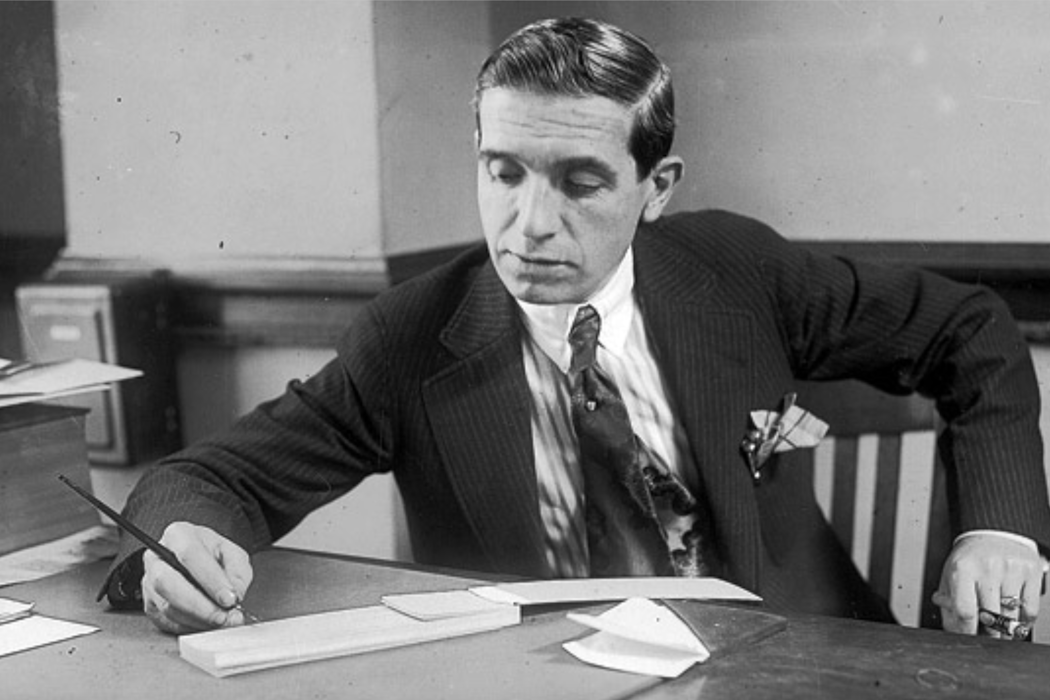
Charles Ponzi (March 3, 1882–January 18, 1949). Charles Ponzi was a businessman born in Italy who became known as a swindler for his money scheme. Wikimediacommons

Many investors are asking themselves if we are living in an AI bubble; others have gone beyond that and are simply asking themselves, until when? Yet the bubble keeps growing, fuelled by that perilous sentiment of “fear of missing out”. History and recent experience show us that financial bubbles are often created by investor overenthusiasm with new “world-changing” technologies and when they burst, they reveal surreal fraud schemes that develop under the cover of the bubble.

A Ponzi scheme pays existing investors with money from new investors rather than actual profits, requiring continuous recruitment until it inevitably collapses. A characteristic of these schemes is that they are hard to detect before the bubble bursts, but amazingly simple to understand in retrospect.

In this article we address the question What footprints do Ponzi schemes leave in technology-driven financial bubbles that might help us anticipate the next one to emerge under cover of the AI frenzy? We shall do this by comparing the “Railway King” George Hudson’s Ponzi of the 1840s with Bernie Madoff’s Ponzi enabled by the ICT (information and communications technology) and dotcom of the 1990s-2000s and sustained by the subsequent US housing bubble.

Macroeconomic climate, regulations and investor expectations

The railway mania in the UK started in 1829 as a result of investors’ expectations for the growth of this new technology and the lack of alternative investment vehicles caused by the government’s halting of bond issuance. The promise of railway technology created an influx of railway companies, illustrated by the registration of over fifty in just the first four months of 1845. Cost projections for railway development were understated by over 50 percent and revenue projections were estimated at between £2,000 and £3,000 per mile, despite actual revenues closer to £1,000 to £1,500 per mile. Accounting standards were rudimentary, creating opportunities for reporting discretion such as delaying expense recognition, and director accountability was the responsibility of shareholders rather than delegating it to external auditors or state representatives. Hudson, who was also a member of parliament, promoted the deregulation of the railway sector.

George Hudson’s Ponzi and Bernie Madoff’s Ponzi

Madoff’s reputation was built upon his success in the 1970s with computerization and technological innovation for trading. The dotcom bubble was fuelled by the rapid expansion of technology companies, with over 1,900 ICT companies listing in US exchanges between 1996 and 2000, propelled by which his BLMIS fund held $300 million in assets by the year 2000. Madoff’s scheme also aligned with the rapid growth of derivatives such as credit default swaps (CDS) and collateralized debt obligations (CDO), which grew 452 percent from 2001 to 2007. Significant market-wide volatility created a norm for outsized returns that hid the infeasibility of Madoff’s promised returns. These returns were considered moderate by investors, who failed to detect the implausibility of the long-term consistency of Madoff’s returns–this allowed the scheme to continue undetected. Madoff’s operations were facilitated by the fact that before the Dodd-Frank Act of 2010, hedge-fund SEC registration was voluntary; and by the re-prioritization of government security resources after 9/11, that led to a reduction of more than 25 percent in white-collar crime investigation cases opened between 2000 and 2003. The infeasibility of Madoff’s returns was overlooked by the SEC despite whistleblower reports instigating an SEC investigation–this reflects the SEC’s and other regulatory bodies’ lack of hedge-fund trading knowledge. It could also have been influenced by Madoff’s close relationship with the regulatory agencies, given his previous roles as Chairman of Nasdaq and an SEC market structure adviser.

At the time of the railway bubble-bust, Bank of England interest rates were at a near-century low, and similarly the FED’s lowering of interest rates in the 2000s reduced the cost of mortgages, which boosted demand and thus helped inflate housing prices. In both cases the markets were flush with cheap money and when everyone is making money (or thinking so), uncomfortable questions are not asked.

The perpetrators’ style and their downfall

Both Hudson and Madoff provided scarce information of their operations to fellow directors and shareholders. The former notoriously raised £2.5 million in funds without providing investment plans. Madoff employed and overcompensated under-skilled workers to deter operational questions and avoided hosting “capital introduction” meetings and roadshows to avoid answering questions from well-informed investment professionals–he instead found new investors through philanthropic relationships and network ties. There is evidence that shareholders were partially aware of Hudson’s corrupt business conduct but they did not initially object.

When their respective bubbles burst, in both cases their obscure business methods were unveiled and it was made evident that, in typical Ponzi-style, they were using fresh capital, and not investment profits, to pay dividends to investors. It was also revealed that they were using investor funds to finance their luxurious lifestyles. Hudson embezzled an estimated £750,000 (approximately £74 million in today’s money) from his railway companies, while Madoff’s fraud reached $65 billion in claimed losses, with actual investor losses of around $18 billion. Both ended in disgrace, Hudson fleeing to France and Madoff dying in jail.

On the trail of the fox

Beware when you see AI companies of ever-increasing market value, headed by charismatic and well-connected leaders–it is worrying that the heads of AI giants have such close relationships with the White House. In those cases, it is imperative to analyse the quality of communications with shareholders and prospective investors, particularly in terms of allocation of capital and disclosure of detailed cash flows. It is not enough to rely on audited financial statements; it must go much deeper into an investment strategy – obviously, this will require auditors to up their game considerably.

When investors are in a frenzy,
Around the corner waits a Ponzi.


Geneva Walman-Randall contributed to this article as a research assistant for her research on the conditions surrounding the Bernie Madoff and George Hudson Ponzi schemes. She completed this research as a visiting student at St. Catherine’s College, Oxford.

The Conversation

Paul David Richard Griffiths ne travaille pas, ne conseille pas, ne possède pas de parts, ne reçoit pas de fonds d’une organisation qui pourrait tirer profit de cet article, et n’a déclaré aucune autre affiliation que son organisme de recherche.

ref. Are we in an AI bubble? Ponzi schemes and financial bubbles: lessons from history – https://theconversation.com/are-we-in-an-ai-bubble-ponzi-schemes-and-financial-bubbles-lessons-from-history-272188

Blue Monday is a myth but winter blues are real — how to cope in the cold months

Source: The Conversation – Canada – By Joanna Pozzulo, Chancellor’s Professor, Psychology, Carleton University

In 2005, psychologist Cliff Arnall coined the term “Blue Monday” as part of a marketing campaign for a British travel agency to encourage people to book a holiday during the winter. Using a pseudo-scientific formula, the third Monday in January was determined to be the “bluest” day of the year, marked by sadness, low energy and withdrawal from social interaction.

Although Blue Monday has been debunked, the feelings associated with a colder, darker season are real.

Seasonal affective disorder (SAD) is a recognized form of depression connected to seasonal variation, with symptoms such as fatigue, irritability, appetite changes, loss of interest in pleasurable activities and feelings of hopelessness. According to the Canadian Psychological Association, approximately 15 per cent of Canadians report at least some symptoms of SAD.

It’s believed that the disorder may be connected to decreased exposure to sunlight, which in turn disrupts people’s circadian rhythms — the internal clock that co-ordinates our biological processes such as sleep and hormone production.

We can’t dictate when the sun shines, but there are several evidence-based strategies to support “wintering well.” For example, creating a cozy reading nook equipped with a warm blanket, hot chocolate and a good book provides a dedicated space for self-care that promotes relaxation. It also helps with mindfulness, which involves focusing your attention on the present and accepting your thoughts and feelings without judgment.

Why mindset and expectations matter

According to Kari Leibowitz, psychologist and author of How to Winter: Harness Your Mindset to Thrive on Cold, Dark Days, the key to better wintering is reframing — changing one’s perspective to find a more positive, constructive or empowering interpretation of the situation.

Cultures that thrive in winter anticipate it, considering it meaningful. Reframing the season as something to look forward to can raise morale.

Try replacing negative language about winter as something to be dreaded or endured with more appreciative language. For example, winter can provide an opportunity to rest and recharge. By adopting a positive mindset, overall well-being may improve.

The benefits of winter outdoor activity

Spending time outdoors can lift the spirit and boost energy. And although winter has fewer hours of daylight, it is important to take advantage of them. Spend some time outside in the late morning and early afternoon, when natural light tends to peak.

Winter weather, however, can make outdoor activity unappealing. Cold and icy conditions can even be hazardous to health. Cold weather can increase the risk of cardiovascular events by constricting blood vessels and raising blood pressure.

To spend time outdoors safely, invest in appropriate clothing suited to the temperature. On colder days, engage in light activity such as walking and keep outdoor stints short (about 15 minutes).

What hygge can teach about slowing down

Hygge is a Danish and Norwegian word dating back to the 1800s used to denote the concept of enjoying a slower-paced life while connecting with people you care about.

Hygge is often associated with creating a pleasant environment, such as lighting candles or staying warm by a fire, to foster positiveness.

When indoors, sit near windows to work or read. Consider increasing indoor lighting brightness. Use light bulbs rated as “daylight,” and think about adding lamps to supplement overhead lighting. This can increase serotonin to improve mood and help regulate circadian rhythms that in turn can support improved sleep quality, energy and focus.

Hygge-type activities, like knitting, colouring and playing board games, can support overall well-being. Enjoying simple meals with others or spending quiet time alone in nature are also ways to embrace the season.


Read more:
4 research-backed ways to beat the winter blues in the colder months


Listening to seasonal changes and self-care

Winter is a natural time to slow down, rest and restore, as evidenced by bears hibernating and bumblebees going underground to survive. Use this time to prepare for a more active upcoming season.

To take advantage of the slower pace of the season, reduce over-scheduling when possible. Adjust sleep routines to suit individual needs. Enjoy quieter evenings and earlier bedtimes. Accept that lower energy levels are normal in winter and that the season offers an opportunity to do less without guilt.

Spending more time indoors during the winter provides an opportunity to reconnect with hobbies and activities that have brought you joy in the past. For example, doing puzzles can provide a break from screens, which can decrease stress. Reading a good book can also provide a mental escape, allowing people to disconnect from worries. Creative activities such as baking can encourage a sense of purpose.

Choosing activities that are enjoyable and meaningful offers the greatest benefits for overall well-being. For more evidence-based strategies and book recommendations, join my Reading for Well-Being Community Book Club.

The Conversation

Joanna Pozzulo receives funding from Social Sciences and Humanities Research Council.

ref. Blue Monday is a myth but winter blues are real — how to cope in the cold months – https://theconversation.com/blue-monday-is-a-myth-but-winter-blues-are-real-how-to-cope-in-the-cold-months-272882

Blue Monday is a myth but winter blues are real — how to cope in the cold months and ‘winter well’

Source: The Conversation – Canada – By Joanna Pozzulo, Chancellor’s Professor, Psychology, Carleton University

In 2005, psychologist Cliff Arnall coined the term “Blue Monday” as part of a marketing campaign for a British travel agency to encourage people to book a holiday during the winter. Using a pseudo-scientific formula, the third Monday in January was determined to be the “bluest” day of the year, marked by sadness, low energy and withdrawal from social interaction.

Although Blue Monday has been debunked, the feelings associated with a colder, darker season are real.

Seasonal affective disorder (SAD) is a recognized form of depression connected to seasonal variation, with symptoms such as fatigue, irritability, appetite changes, loss of interest in pleasurable activities and feelings of hopelessness. According to the Canadian Psychological Association, approximately 15 per cent of Canadians report at least some symptoms of SAD.

It’s believed that the disorder may be connected to decreased exposure to sunlight, which in turn disrupts people’s circadian rhythms — the internal clock that co-ordinates our biological processes such as sleep and hormone production.

We can’t dictate when the sun shines, but there are several evidence-based strategies to support “wintering well.” For example, creating a cozy reading nook equipped with a warm blanket, hot chocolate and a good book provides a dedicated space for self-care that promotes relaxation. It also helps with mindfulness, which involves focusing your attention on the present and accepting your thoughts and feelings without judgment.

Why mindset and expectations matter

According to Kari Leibowitz, psychologist and author of How to Winter: Harness Your Mindset to Thrive on Cold, Dark Days, the key to better wintering is reframing — changing one’s perspective to find a more positive, constructive or empowering interpretation of the situation.

Cultures that thrive in winter anticipate it, considering it meaningful. Reframing the season as something to look forward to can raise morale.

Try replacing negative language about winter as something to be dreaded or endured with more appreciative language. For example, winter can provide an opportunity to rest and recharge. By adopting a positive mindset, overall well-being may improve.

The benefits of winter outdoor activity

Spending time outdoors can lift the spirit and boost energy. And although winter has fewer hours of daylight, it is important to take advantage of them. Spend some time outside in the late morning and early afternoon, when natural light tends to peak.

Winter weather, however, can make outdoor activity unappealing. Cold and icy conditions can even be hazardous to health. Cold weather can increase the risk of cardiovascular events by constricting blood vessels and raising blood pressure.

To spend time outdoors safely, invest in appropriate clothing suited to the temperature. On colder days, engage in light activity such as walking and keep outdoor stints short (about 15 minutes).

What hygge can teach about slowing down

Hygge is a Danish and Norwegian word dating back to the 1800s used to denote the concept of enjoying a slower-paced life while connecting with people you care about.

Hygge is often associated with creating a pleasant environment, such as lighting candles or staying warm by a fire, to foster positiveness.

When indoors, sit near windows to work or read. Consider increasing indoor lighting brightness. Use light bulbs rated as “daylight,” and think about adding lamps to supplement overhead lighting. This can increase serotonin to improve mood and help regulate circadian rhythms that in turn can support improved sleep quality, energy and focus.

Hygge-type activities, like knitting, colouring and playing board games, can support overall well-being. Enjoying simple meals with others or spending quiet time alone in nature are also ways to embrace the season.


Read more:
4 research-backed ways to beat the winter blues in the colder months


Listening to seasonal changes and self-care

Winter is a natural time to slow down, rest and restore, as evidenced by bears hibernating and bumblebees going underground to survive. Use this time to prepare for a more active upcoming season.

To take advantage of the slower pace of the season, reduce over-scheduling when possible. Adjust sleep routines to suit individual needs. Enjoy quieter evenings and earlier bedtimes. Accept that lower energy levels are normal in winter and that the season offers an opportunity to do less without guilt.

Spending more time indoors during the winter provides an opportunity to reconnect with hobbies and activities that have brought you joy in the past. For example, doing puzzles can provide a break from screens, which can decrease stress. Reading a good book can also provide a mental escape, allowing people to disconnect from worries. Creative activities such as baking can encourage a sense of purpose.

Choosing activities that are enjoyable and meaningful offers the greatest benefits for overall well-being. For more evidence-based strategies and book recommendations, join my Reading for Well-Being Community Book Club.

The Conversation

Joanna Pozzulo receives funding from Social Sciences and Humanities Research Council.

ref. Blue Monday is a myth but winter blues are real — how to cope in the cold months and ‘winter well’ – https://theconversation.com/blue-monday-is-a-myth-but-winter-blues-are-real-how-to-cope-in-the-cold-months-and-winter-well-272882

South Africa’s addressing system is still not in place: a clear vision is needed

Source: The Conversation – Africa (2) – By Sharthi Laldaparsad, PhD Student, University of Pretoria

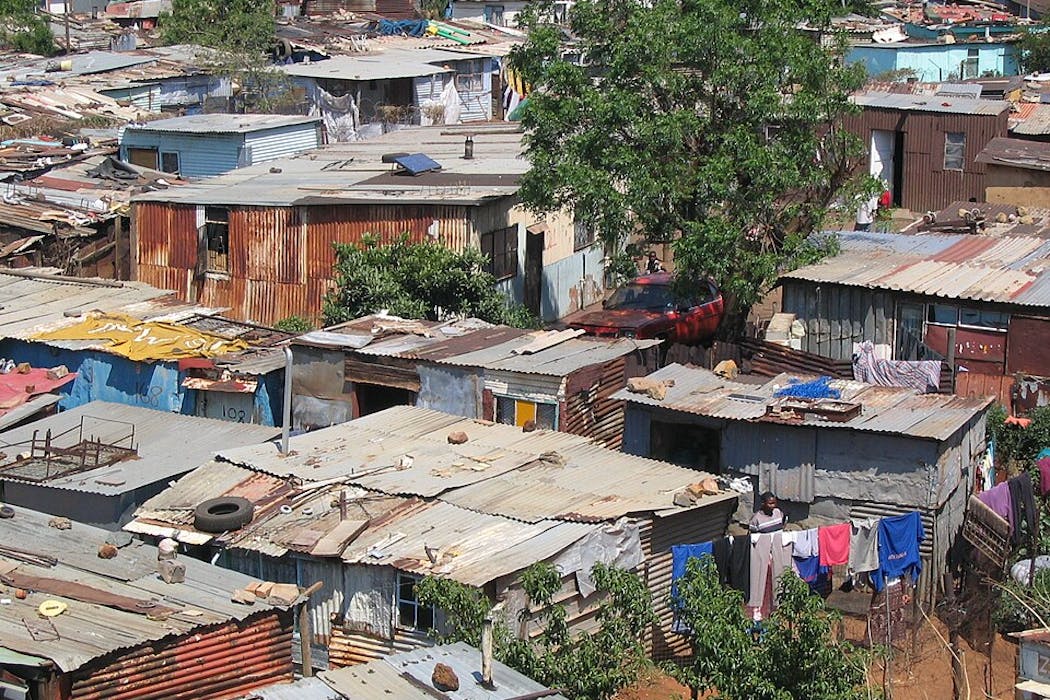
Informal settlement in South Africa. By Matt-80 – Own work, CC BY 2.0, Wikimedia Commons, CC BY

“Turn right after the first big tree; my house is the one with the yellow door.” In parts of South Africa, where settlements have grown without formal urban planning due to rapid urbanisation, that could well be a person’s “address”.

Having an address has many purposes. Not only does it allow you to find a place or person you want to visit, it’s compulsory in South Africa to provide an address when opening a bank account and registering as a voter in elections. Address locations are used to plan the delivery of services such as electricity or refuse removal and health services at clinics or education at schools. Police and health workers need addresses in emergencies.

Nowadays, address data is integrated and maintained in databases at municipalities, banks and utility providers, and used to analyse targeted interventions and developmental outcomes. Examples would be tracking the spread of communicable diseases, voter registration or service delivery trends.

South Africa has had national address standards since 2009 to make it easier to assign addresses that work in multiple systems, and to share the data. But the standards are not enforced, so the struggle with addressing persists. There is still no authoritative register of addresses in South Africa, and it’s not clear who is responsible for the governance of address data.

We work in geography and geoinformatics, an interdisciplinary field to do with collecting, managing and analysing geographical information. We recently turned to a neglected source to explore the issue of addresses: the people in government and business who actually use the information. We wanted to explore what they said about whose job it is to give everyone an address, how the data is maintained and what’s standing in the way of doing this.

Our research took a qualitative approach. We interviewed stakeholders to get their unique insights and daily experiences about what addresses are used for, how they are used, challenges that are experienced and how these are overcome. We spoke to 21 respondents across different levels of government with in-depth experience of projects, in both urban and rural settlements, as well as private companies that collect,
integrate and provide address data and related services.

Our main finding was that there’s no clear vision of future address systems, or leadership on the issue. Without agreement on whether there is a problem, or whose problem it is, a resolution isn’t possible.

Categories of addresses

First we collected all the different purposes of addresses and systematically categorised them. The main categories were:

  • finding an object (for example, for postal deliveries)

  • service delivery (such as electricity)

  • identity (for example, for citizenship)

  • common reference (for example, use in a voter register or in a pandemic).

The broad spectrum of address purposes suggests that addresses are essential to society, governance and the economy in a modern world.

So what’s standing in the way of better address coverage?

Need for governance: The interviews confirmed that stakeholders need clear rules, regulations, processes and structures to guide decisions, allocate resources and ensure accountability about addresses and address data. Most of the respondents considered addresses to be necessary for socio-economic development.


Read more:
‘Walk straight’: how small-town residents navigate without street signs and names


Leadership: These responses suggest that the societal problem of addressing is not (yet) clearly identified and defined. That makes it difficult to determine who should legitimately resolve the problem, for whom and how.

Interviewees raised concerns about leadership and vision at different levels of government affecting the country’s ability to solve the address issue. They agreed that the task had not been assigned to municipalities, which have many other pressing priorities and limited resources. The South African Post Office could play a role. But it has been placed in business rescue.

Adapting to gaps: In this constrained environment, stakeholders resort to short-term “fixes” that don’t have systemic impact. For example, some municipalities assign numbers to dwellings based on aerial photography, or barcodes on dwellings, or only locate the main assembly points in their jurisdiction, to fulfil their own responsibilities. So nothing changes: addresses and address data are incomplete and of poor quality.

Respondents also made suggestions.

Some questioned whether addresses were needed at all. They said there were other ways of finding a house or a business, such as navigating to a coordinate shared via Google Maps, or using verbal directions.

Some suggested that the uncertainty about responsibilities could be an opportunity for the private sector. It is already collecting address information from various sources like municipalities, then standardising, integrating and making available address data and related services, at a cost.

However, as is the case with many other services in the country, rural areas may be left behind where there is no economic incentive. Access to private data becomes unaffordable for government and society at large.

Ending the aimlessness

The deficiencies and adaptations in South Africa suggest that addressing is in a state of aimlessness.

How to fix the problem will require a number of interventions.

Firstly, there need to be decisions, actions and institutional commitments towards long-term strategies that will stop the drift. For example, cities and municipalities should strive for full coverage of addresses. They should also improve the quality and standardisation of the data, so that they are more useful.

Secondly, there’s a need for innovation and investment to transform and strengthen the governance of the country’s addressing infrastructure. For example, the European Commission recommends e-government based on a set of interlinked registers for property, addresses, people, business and vehicles.

Thirdly, data collection platforms and databases should be designed with the understanding that different types of addresses are in use – it could be a street name and number, or an informal description. Different types of addresses should have equal validity or credibility.


Read more:
South Africa needs a national database of addresses: how it could be done


At a more technical level, address metadata (information about the data) should make it possible for different systems to use it.

Addresses connect us to society – locally to our community and globally to the rest of the world. Addresses are essential for socio-economic growth and good governance in cities and municipalities.

The Conversation

The authors do not work for, consult, own shares in or receive funding from any company or organisation that would benefit from this article, and have disclosed no relevant affiliations beyond their academic appointment.

ref. South Africa’s addressing system is still not in place: a clear vision is needed – https://theconversation.com/south-africas-addressing-system-is-still-not-in-place-a-clear-vision-is-needed-268135

Racial profiling by ICE agents mirrors the targeting of Japanese Americans during World War II

Source: The Conversation – USA – By Anna Storti, Assistant Professor of Gender, Sexuality, and Feminist Studies and Asian American Studies, Duke University

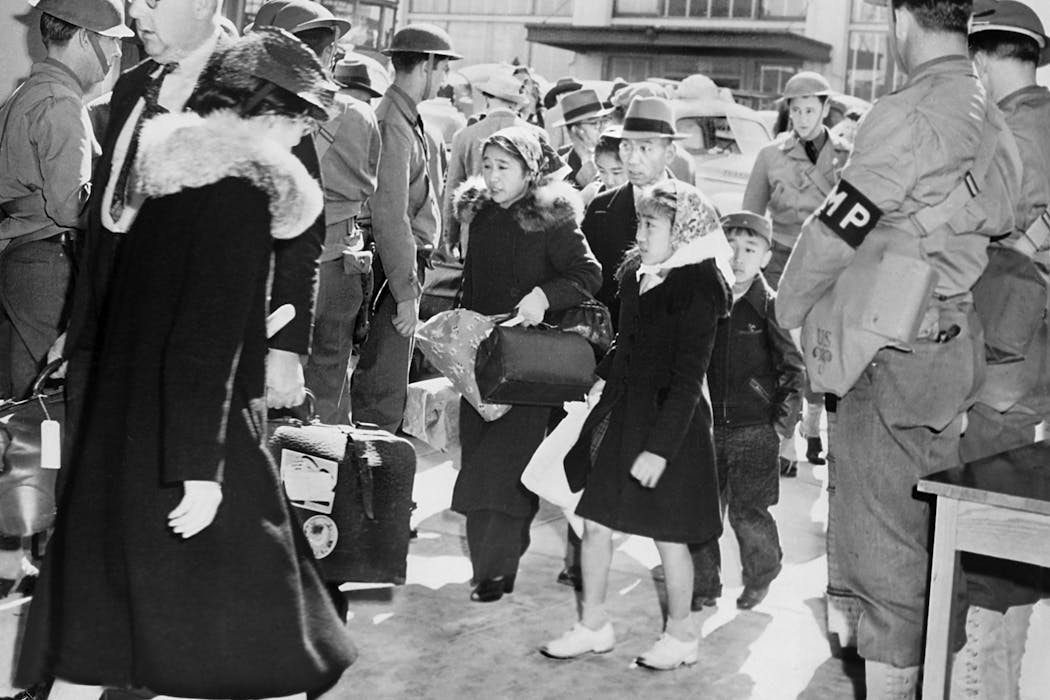
A Japanese American family is taken to a relocation center in San Francisco in May 1942. Circa Images/GHI/Universal History Archive/Universal Images Group via Getty Images

The Department of Homeland Security in September 2025 said that 2 million undocumented immigrants had been forced out of the United States since the start of Donald Trump’s second presidency.

Through its use of the Alien Enemies Act, a wartime law from 1798, the Trump administration has bypassed immigration courts and the right to due process to more easily detain and deport immigrants.

The Trump administration has, in part, reached these numbers by arresting immigrants in courthouses and at their workplaces. It has also conducted raids in schools, hospitals and places of worship.

And the Supreme Court in September, in its Noem v. Vasquez Perdomo decision, lifted a federal court order that barred agents with Immigration and Customs Enforcement from racially profiling suspected undocumented immigrants. For now, ICE agents can use race, ethnicity, language and occupation as grounds for stopping and questioning people.

This form of targeting has disproportionately affected Latino communities, which represent 9 in 10 ICE arrests, according to a UCLA study published in October.

Targeting immigrants is a centuries-old American practice. In particular, Asian Americans have drawn parallels between the attacks on Latinos today and the forced relocation and incarceration of Japanese Americans during World War II.

Notably, the passage of the War Brides Act, passed just three months after the end of WWII, in December 1945, broke with the nation’s centuries-long practice of exclusionary immigration policy. The act allowed American servicemen to bring their non-American spouses and children to the United States. The measure seemed to inaugurate a new era of inclusive immigration policy.

As a feminist studies scholar and author, I know the War Brides Act forever altered the nation’s racial demographics, increasing both Asian migration to the U.S. and the birth of biracial children.

On the 80th anniversary of the War Brides Act, I’ve also noticed an alarming contradiction: Although America may be more multiracial than ever before, the U.S. immigration system remains as exclusive as it has ever been.

Exclusionary immigration policy

The racial profiling of Latino people by ICE agents today is not unlike what took place during World War II in the U.S.

Following Japan’s attack on Pearl Harbor in 1941, President Franklin D. Roosevelt issued an executive order authorizing the forced removal of anyone deemed to be a national security threat. Anyone, that is, who was Japanese. From 1942 to 1945, the U.S. government incarcerated approximately 120,000 Japanese Americans in internment camps.

To determine who was a national security threat, the government used overt racial profiling. Similar to today, when the U.S. government often misidentifies Latino Americans as noncitizens, a majority of the Japanese people incarcerated in WWII were U.S. citizens.

Amid the Trump administration’s treatment of immigrants, it’s worth recalling the exclusionary origins of U.S. immigration policy.

The first restrictive immigration law in the U.S., the Page Act of 1875, barred Chinese women from entering the country. The assumption the law was based on was that all Chinese women were immoral and worked in the sex trade.

A soldier holds a rifle on a city street.
Immigration and Customs Enforcement agents conduct operations in a predominantly Mexican American community in Chicago on Nov. 8, 2025.
Jacek Boczarski/Anadolu via Getty Images

The Page Act laid the groundwork for the Chinese Exclusion Act of 1882, which banned all Chinese immigration into the U.S. for 10 years. This was the first federal law to ban an entire ethnic group, launching an era of legalized and targeted exclusion.

With the passage of the Immigration Act of 1924, the U.S. created its first border control service, which enforced new immigration restrictions. It also implemented a quota system, which banned or limited the number of immigrants from specific regions, including Asia and Southern and Eastern Europe.

The act stemmed from nativism – the policy that protects the interests of native-born residents against those of immigrants – and a desire to preserve American homogeneity.

The 1945 War Brides Act largely diverged from these previous measures, helping to dismantle the Asian exclusion made commonplace in the 19th and early 20th centuries. From 1945 until 1948, when the War Brides Act expired, more than 300,000 people entered the country as nonquota immigrants, people from countries not subject to federal immigration restrictions.

Exclusionary tendencies

Decades later, in 1965, the U.S. formally abolished the quota system. America opened its doors to those who President Lyndon B. Johnson deemed most able to contribute to the nation’s growth, particularly skilled professionals.

The Immigration and Nationality Act of 1965 eliminated racial exclusion. As a result, the U.S. population diversified. Immigrants deepened the multiracialism initiated by the War Brides Act.

This trend increased later in the 1960s when the Supreme Court, in Loving v. Virginia, overturned anti-miscegenation laws, which criminalized marriage between people of different races. The justices ruled that laws banning interracial marriage violated the 14th Amendment.

Multiracialism further increased after the Vietnam War. Subsequent legislation such as the 1987 Amerasian Homecoming Act facilitated the entry of biracial children born in Vietnam and fathered by a U.S. citizen.

Japanese-Americans arrive at a train station.
People of Japanese ancestry arrive at the Santa Anita Assembly Center in California before being moved inland to relocation centers, April 5, 1942.
© CORBIS/Corbis via Getty Images

By the 1960s, however, exclusion was taking on a different shape.

After 1965, immigration policy initiated a preference system that prioritized skilled workers and relatives of U.S. citizens. Quotas related to race and national origin were abolished. Nonetheless, preferences for families and professionals excluded people from Latin America.

For the first time, immigration from the Western Hemisphere was limited. This directly affected migrant workers in the farming and agricultural industries, many of whom were Latino.

Recalling the War Brides Act allows Americans to better comprehend the fiction that undergirds the U.S. immigration system: that immigration policy’s preference for certain immigrants is enough to justify the discriminatory policies which deem some families more valuable than others.

The Conversation

Anna Storti has received funding from the Institute for Citizens and Scholars, the Andrew W. Mellon Foundation, and the McNair Scholars Program.

ref. Racial profiling by ICE agents mirrors the targeting of Japanese Americans during World War II – https://theconversation.com/racial-profiling-by-ice-agents-mirrors-the-targeting-of-japanese-americans-during-world-war-ii-271612

The western US is in a snow drought – here’s how a storm made it worse

Source: The Conversation – USA (2) – By Alejandro N. Flores, Associate Professor of Geoscience, Boise State University

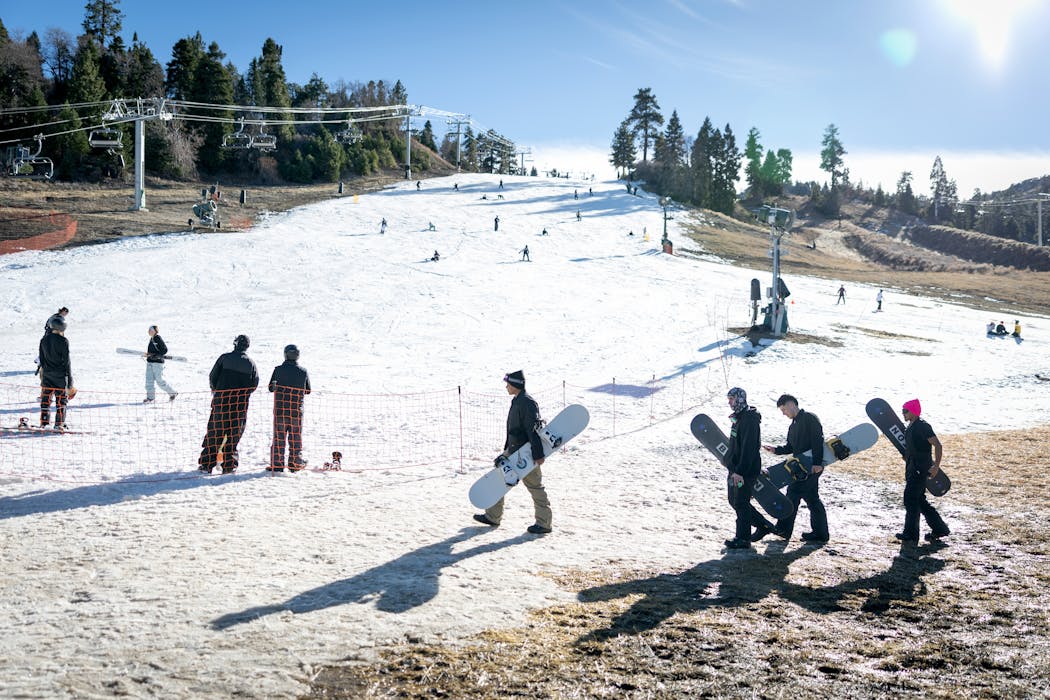
Skiers and snowboarders walk across dry ground to reach a slope at Bear Mountain ski resort on Dec. 21, 2025, in California. Eric Thayer/Los Angeles Times via Getty Images

Much of the western U.S. has started 2026 in the midst of a snow drought. That might sound surprising, given the record precipitation from atmospheric rivers hitting the region in recent weeks, but those storms were actually part of the problem.

To understand this year’s snow drought – and why conditions like this are a growing concern for western water supplies – let’s look at what a snow drought is and what happened when atmospheric river storms arrived in December.

A chart shows very low snowpack in 2025 compared to average.

Chart source: Rittiger, K., et al., 2026, National Snow and Ice Data Center, CC BY

What is a snow drought?

Typically, hydrologists like me measure the snowpack by the amount of water it contains. When the snowpack’s water content is low compared with historical conditions, you’re looking at a snow drought.

A snow drought can delayed ski slope opening dates and cause poor early winter recreation conditions.

It can also create water supply problems the following summer. The West’s mountain snowpack has historically been a dependable natural reservoir of water, providing fresh water to downstream farms, orchards and cities as it slowly melts. The U.S. Geological Survey estimates that up to 75% of the region’s annual water supply depends on snowmelt.

A map shows much of the West, with the exceptions of the Sierra Nevada and northern Rockies, with snowpack less than 50% of normal.
Snowpack is typically measured by the amount of water it contains, or snow water equivalent. The numbers show each location’s snowpack compared to its average for the date. While still early, much of the West was in snow drought as 2026 began.
Natural Resources Conservation Service

Snow drought is different from other types of drought because its defining characteristic is lack of water in a specific form – snow – but not necessarily the lack of water, per se. A region can be in a snow drought during times of normal or even above-normal precipitation if temperatures are warm enough that precipitation falls as rain when snow would normally be expected.

This form of snow drought – known as a warm snow drought – is becoming more prevalent as the climate warms, and it’s what parts of the West have been seeing so far this winter.

How an atmospheric river worsened the snow drought

Washington state saw the risks in early December 2025 when a major atmospheric river storm dumped record precipitation in parts of the Pacific Northwest. Up to 24 inches fell in the Cascade Mountains between Dec. 1 and Dec. 15. The Center for Western Weather and Water Extremes at Scripps Oceanographic Institute documented reports of flooding, landslides and damage to several highways that could take months to repair. Five stream gauges in the region reached record flood levels, and 16 others exceeded “major flood” status.

Yet, the storm paradoxically left the region’s water supplies worse off in its wake.

The reason was the double-whammy nature of the event: a large, mostly rainstorm occurring against the backdrop of an uncharacteristically warm autumn across the western U.S.

Water fills a street over the wheels of cars next to a river.
Vehicles were stranded as floodwater in a swollen river broke a levee in Pacific, Wash., in December 2025.
Brandon Bell/Getty Images

Atmospheric rivers act like a conveyor belt, carrying water from warm, tropical regions. The December storm and the region’s warm temperatures conspired to produce a large rainfall event, with snow mostly limited to areas above 9,000 feet in elevation, according to data from the Center for Western Weather and Water Extremes.

The rainfall melted a significant amount of snow in mountain watersheds, which contributed to the flooding in Washington state. The melting also decreased the amount of water stored in the snowpack by about 50% in the Yakima River Basin over the course of that event.

As global temperatures rise, forecasters expect to see more precipitation falling as rain in the late fall and early spring rather than snow compared with the past. This rain can melt existing snow, contributing to snow drought as well as flooding and landslides.

What’s ahead

Fortunately, it’s still early in the 2026 winter season. The West’s major snow accumulation months are generally from now until March, and the western snowpack could recover.

More snow has since fallen in the Yakima River Basin, which has made up the snow water storage it lost during the December storm, although it was still well below historical norms in early January 2026.

Scientists and water resource managers are working on ways to better predict snow drought and its effects several weeks to months ahead. Researchers are also seeking to better understand how individual storms produce rain and snow so that we can improve snowpack forecasting – a theme of recent work by my research group.

As temperatures warm and snow droughts become more common, this research will be essential to help water resources managers, winter sports industries and everyone else who relies on snow to prepare for the future.

The Conversation

Alejandro N. Flores receives funding from the National Science Foundation, US Department of Energy, NASA, USDA Agricultural Research Service, and Henry’s Fork Foundation.

ref. The western US is in a snow drought – here’s how a storm made it worse – https://theconversation.com/the-western-us-is-in-a-snow-drought-heres-how-a-storm-made-it-worse-272549