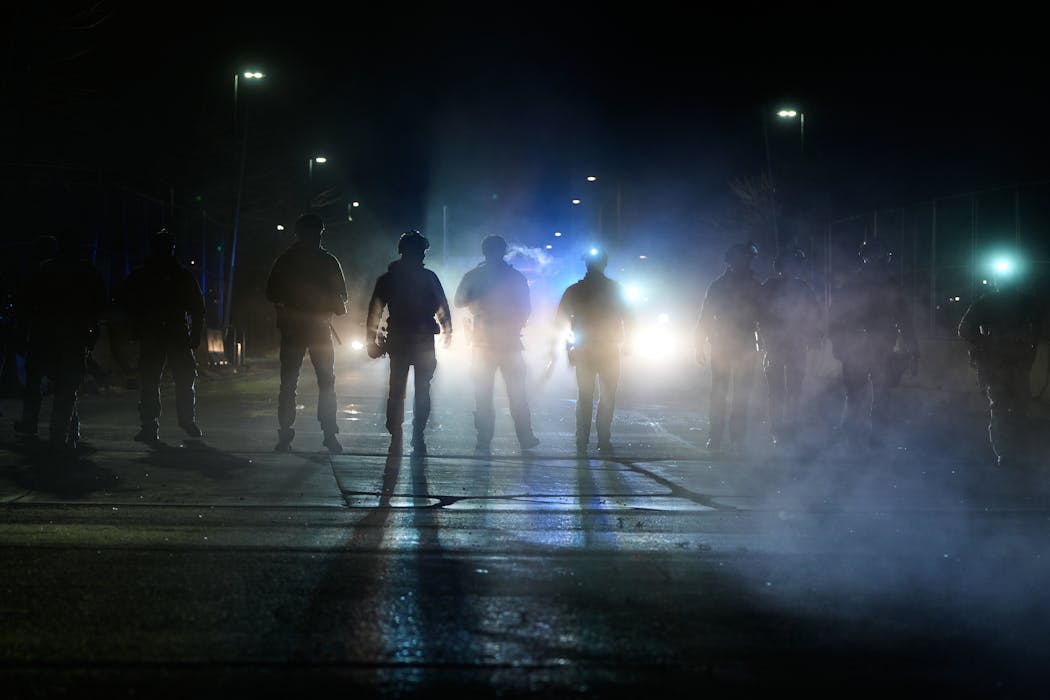
US foreign policy has taken a radical turn in Trump’s first year back in office

Source: The Conversation – UK – By David Hastings Dunn, Professor of International Politics in the Department of Political Science and International Studies, University of Birmingham

One year into Donald Trump’s second term it is clear that US foreign policy has taken a radical turn from anything seen in the previous 80 years. After the second world war, a system of treaties and alliances saw the US commit to upholding international institutions, rules and laws, as well as promote global prosperity through free trade and market access.

But these things are all antithetical to Trump’s foreign policy vision. Trump appears committed to the abandonment of this longstanding foreign policy stance and to the abdication of his country’s leadership role at the top of the international system. In fact, he seems intent on destroying many of the tenets and institutions of this system and replacing it with an altogether different vision of international relations.

With a background in real estate, Trump sees the world through a transactional lens. He appears to see alliances as a financial burden and a source of security vulnerability, and considers an open trading system to be unfair to the US as the world’s largest market. Trump also seems to find dealing with democracies more burdensome than bargaining with autocratic rulers. For him, the global system of liberal rules and institutions simply acts to prevent the US from using its power to its full advantage.

Trump has always thought this way. Before entering politics, he was a vocal opponent of the 1992 North American Free Trade Area, the World Trade Organization, the Trans-Pacific Partnership and US military intervention in Iraq and Afghanistan. What has changed is his ability to act. In Trump’s first term, establishment advisers largely put a crimp on his more aggressive instincts. Now he feels unconstrained.

Trump’s world view

In contrast to the post-war project, Trump’s world vision is a zero-sum game that sees trade, wealth and security as commodities to be hoarded and not shared around. He has demonstrated this by imposing sweeping trade tariffs and threatening to not defend Washington’s Nato allies unless they pay more for their own defence.

This is a fundamental challenge for leaders elsewhere in the west. Central to the notion of the west is that it constitutes a common identity of shared material interest, liberal values and – to a greater or lesser extent – shared cultural and ancestral heritage.

This shared western sense of self was central to the credibility of nuclear deterrence at the heart of its cold war strategy and the reason for Nato’s establishment. Because the nations that made up the west considered themselves to be as one, the notion that an attack on one was an attack on all was seen as credible.

Trump’s portrayal of western allies as free-riding trade rivals who exploit access to the US market while not paying for their own defence shatters this carefully constructed sense of collective identity and the credibility of the security commitment on which it rests. However, this is of little concern to an administration that shows little interest is defending common interests or alliances.

This is not the only gripe Trump has with Europe. For Trump and his advisers, Europe looks increasingly different to what they see as being the defining characteristics of the US. The US they imagine is in contrast to the liberal republicanism of the nation’s founding fathers and instead draws on the alternative Christian nationalist tradition in American political thought.

In this view, American identity is one that is white and Christian. This partly explains the anti-immigration policies of the Trump administration and, in particular, why its 2025 national security strategy lists the end of “mass migration” as a major policy priority. It is also why Trump and his senior aides are so critical of traditional US allies in Europe.

The national security strategy makes much of the threat of “civilizational erasure” in Europe, arguing that “it is more than plausible that within a few decades at the latest, certain Nato members will become majority non-European”. By this, it appears the Trump administration means Europe will have become majority non-white and non-Christian.

This stance was reflected by the US vice-president, J.D. Vance, in February 2025 when he told the Munich security conference that he was more worried about “threats from within Europe” than those posed by Russia or China. For Vance and his allies, support for right-wing parties that oppose immigration and seek to limit the power and influence of the EU is central to the adminstration’s foreign policy.

Trump’s foreign policy poses considerable challenges for those who want to protect a world order that was built by a very different US decades ago. This conflict of ideas appears to have come to a head at the recent World Economic Forum in Davos, where the leaders of many countries committed to that world order and signalled their willingness to defend their case.

In doing so they have demonstrated that in dealing with a transactional Trump, sometimes their best response is to show him that there are certain red lines that cannot be crossed.

The Conversation

David Hastings Dunn has previously received funding from the ESRC, the Gerda Henkel Foundation, the Open Democracy Foundation and has previously been both a NATO and a Fulbright Fellow.

ref. US foreign policy has taken a radical turn in Trump’s first year back in office – https://theconversation.com/us-foreign-policy-has-taken-a-radical-turn-in-trumps-first-year-back-in-office-273917

Tonsils, kidneys and gall: where and why your body makes stones

Source: The Conversation – UK – By Katie Edwards, Commissioning Editor, Health + Medicine and Host of Strange Health podcast, The Conversation

Video_Stock _Production/Shutterstock

The human body, it turns out, is surprisingly good at making stone.

Give it enough time and the right conditions and it will go about crystallising minerals, hardening secretions and, in rare cases, turning tragedy into rock. Gallstones. Kidney stones. Tonsil stones. Salivary stones. And, in one of the strangest and saddest corners of medical history, stone babies.

In the second episode of The Conversation’s Strange Health podcast, we take a tour through the stony side of human anatomy and ask why this keeps happening, where these stones form and which ones you actually need to worry about.

Strange Health explores the weird, surprising and sometimes alarming things our bodies do. Each episode takes a bodily mystery or viral health claim and traces it back to anatomy, chemistry and evidence, drawing on researchers with first-hand experience of these processes. Some discoveries are not ideal mealtime material.

This episode’s guide is Adam Taylor, professor of anatomy at Lancaster University and long-time contributor to The Conversation. Taylor has spent years studying stones in both everyday and extraordinary contexts, including a rare genetic condition called alkaptonuria. In people with this condition, the body cannot properly break down certain proteins, leading to blackened cartilage, dark urine and an unusually high risk of stone formation throughout the body. It is exactly as unsettling as it sounds.

Stones, Taylor explains, form when substances that normally stay dissolved stop behaving themselves. Calcium, phosphate, uric acid and one of the building blocks of protein called cysteine can all crystallise if conditions are right. Once a few molecules stick, more follow. The process snowballs. Over time, a stone appears.

Kidney stones and gallstones are the most familiar examples, and among the most painful. Their jagged crystal edges scrape delicate tissues, trigger spasms and cause bleeding as the body desperately tries to force them through narrow ducts never designed for sharp objects. Larger stones can block urine flow entirely, damaging the kidneys and, if left untreated, causing serious harm.

Smaller stones can form elsewhere. Tonsil stones develop when food debris, bacteria and dead cells collect in the crevices of the tonsils and harden. Salivary stones can form when ducts become blocked by bacteria or foreign material, sometimes something as mundane as a stray toothbrush bristle. These stones are rarely dangerous, but they are often unpleasant, painful and, judging by social media, irresistibly watchable when removed.

Then there are stone babies, or lithopedions. In extremely rare cases, a pregnancy that cannot continue is not expelled from the body. Instead, the immune system encases the remains in calcium, effectively mummifying them to prevent infection. Some have been discovered decades later, only after death.

What unites all of these stones is not toxins or detoxing, but chemistry and fluid balance, and sometimes bad luck. Taylor stresses that dehydration is one of the biggest risk factors. When fluids slow down, materials that are normally carried in fluid begin to solidify. Stones follow.

Listen to Strange Health to understanding why solid things form inside something that is mostly water, and why some stones are medical emergencies while others are just deeply, memorably gross. You have been warned about watching while eating.


Strange Health is hosted by Katie Edwards and Dan Baumgardt. The executive producer is Gemma Ware, with video and sound editing for this episode by Sikander Khan. Artwork by Alice Mason.

In this episode, Dan and Katie talk about a social media clip from tonsilstonessss on TikTok.

Listen to Strange Health via any of the apps listed above, download it directly via our RSS feed or find out how else to listen here. A transcript is available via the Apple Podcasts or Spotify apps.

The Conversation

Katie Edwards works for The Conversation.

Adam Taylor and Dan Baumgart do not work for, consult, own shares in or receive funding from any company or organisation that would benefit from this article, and have disclosed no relevant affiliations beyond their academic appointment.

ref. Tonsils, kidneys and gall: where and why your body makes stones – https://theconversation.com/tonsils-kidneys-and-gall-where-and-why-your-body-makes-stones-274192

The India-UK trade deal is a prime opportunity to protect some of the world’s most vulnerable workers

Source: The Conversation – UK – By Pankhuri Agarwal, Leverhulme Early Career Research Fellow, University of Bath; King’s College London

AlexAnton/Shutterstock

A new trade agreement between India and the UK is due to come into force this year.
The deal is expected to completely remove tariffs from nearly 99% of Indian goods, including clothing and footwear, that are headed for the UK.

In both countries, this has been widely celebrated as a win for economic growth and competitiveness. And for Indian garment workers in particular, the trade agreement carries real promise.

This is because in recent years, clothing exports from India have declined sharply as well-known fashion brands moved production to places like Morocco and Turkey, which were cheaper.

India’s internal migrant workers (those who move from one region of the country to another looking for work) have been hit hardest, often waiting outside factories for days for the chance of a single shift of insecure work.

Against this backdrop, more opportunities for steadier employment and a more competitive sector under the new trade agreement looks like a positive outcome. But free trade agreements are not merely economic instruments – they shape labour markets and working conditions along global supply chains.

So, the critical question about this trade deal is not whether it will generate employment in India – it almost certainly will – but what kind of employment it will create.

Few sectors illustrate this tension more clearly than the manufacture of clothing. As one of India’s biggest exports, its garments sector is expected to be one of the primary beneficiaries of the trade deal.

But it is also among the country’s most labour-intensive and exploitative industries. From denim mills in Karnataka to knitwear and spinning hubs in Tamil Nadu, millions of Indian workers receive low wages and limited job security.

Research also shows that gender and caste-based exploitation is widespread.

So, if the trade deal goes ahead without addressing these issues, it risks perpetuating a familiar cycle where we see more orders and more jobs, but the same patterns of unfair wages, insecurity and – in some cases – forced labour.

Marginalised

For women workers, who form the backbone of garment production in India, these vulnerabilities are even sharper.

Gender-based violence, harassment and unsafe working conditions have been documented repeatedly across India’s export-oriented factories. Regimes which bound young women to factories under the promise of future benefits that often never materialised show how caste- and gender-based discrimination have long been embedded within the sector.

Even in factories that formally comply with labour laws, wages that meet basic living costs remain rare. Many workers earn wages which are not enough to pay for housing, food, healthcare and education, pushing families into debt as suppliers absorb price pressures imposed by global brands.

On the plus side, the India-UK agreement does not entirely sidestep these issues. There is a chapter which outlines commitments to the elimination of forced labour and discrimination.

But these provisions are mostly framed as guidance rather than enforceable obligation. They rely on cooperation and voluntary commitments, instead of binding standards.

While this approach is common in trade agreements, it limits this deal’s capacity to drive meaningful change. But perhaps even more striking is what has been left out.

Despite the role India’s social stratification system, known as caste, plays in shaping labour markets in India, it is entirely absent from the text of the agreement.

Yet caste determines who enters garment work and who performs the most hazardous and lowest-paid tasks. A significant proportion of India’s garment workforce comes from marginalised caste communities with limited bargaining power and few alternatives.

By addressing labour standards without acknowledging caste, the free trade agreement falls short. It could have required the monitoring of issues concerning caste and gender, and demanded grievance mechanisms and transparency measures that account for social hierarchies.

Instead, a familiar gap remains between commitments to “decent work” on paper and the reality which exists on factory floors.

Missed opportunity

If the India-UK deal is to be more than a tariff-cutting exercise, protections around caste and gender must be central to its implementation.

The deal is rightly being celebrated in both countries as an economic milestone. For the UK, it promises more resilient supply chains and cheaper imports. For India, it offers renewed export growth and the prospect of some more stable employment.

But the agreement’s long-term legitimacy will rest on whether it also delivers social justice.

India can use the deal to strengthen labour protections and ensure growth does not come at the cost of dignity and safety. The UK, as a major consumer market, can use its leverage to insist on enforceable standards for fair wages and decent work.

For trade deals do not simply move goods across borders – they shape the conditions under which those goods are produced.

The Conversation

Pankhuri Agarwal receives funding from the Leverhulme Trust as an Early Career Research Fellow.

ref. The India-UK trade deal is a prime opportunity to protect some of the world’s most vulnerable workers – https://theconversation.com/the-india-uk-trade-deal-is-a-prime-opportunity-to-protect-some-of-the-worlds-most-vulnerable-workers-274055

What an ancient jellyfish can teach us about the evolution of sleep

Source: The Conversation – UK – By Timothy Hearn, Lecturer, University of Cambridge; Anglia Ruskin University

Cassiopea jellyfish seem to have a sleep state despite the fact they don’t have a brain. THAIFINN/Shutterstock

An upside-down jellyfish drifts in a shallow lagoon, rhythmically contracting its
translucent bell. By night that beat drops from roughly 36 pulses a minute to nearer 30, and the animal slips into a state that, despite its lack of a brain, resembles sleep.

Field cameras show it even takes a brief siesta around noon, to “catch up” after a disturbed night.

A new Nature Communications study has tracked these lulls in cassiopea jellyfish, which belong to a 500 million year-old lineage, as well as in the starlet sea anemone nematostella. The study findings may help settle a long-running debate among biologists about what sleep is for.

Does sleep conserve energy, consolidate memories – or do something more biologically fundamental? Until recently, most evidence for a “house-keeping” role for sleep came only from vertebrates.

When mice sleep, brain and spinal cord fluid surges through the brain and washes away metabolic waste. And a 2016 mouse study found that some types of DNA breaks are mended more quickly during sleep. Time-lapse imaging in a 2019 study of zebrafish showed that sleep lets neurons (nerve cells) repair DNA breaks that build up during waking hours.

The new study showed for the first time that the same process occurs in some invertebrates. That while the jellyfish and sea anemone are awake, DNA damage accumulates in their nerve cells and when they doze, that damage is repaired.

The work pushes the origins of sleep back more than 600 million years, to before the cnidarian branch (jellyfish, anemones, corals) split from the line that led to worms, insects and vertebrates roughly 600–700 million years ago. It also gives weight to the idea that sleep began as a form of self-defence for cells.

The new work moves the discussion to creatures whose nervous systems are much simpler than ours and are little more than thin nets. If sleep repairs their neurons too, that function is probably fundamental because simpler nervous systems evolved first.

The researchers first had to figure out when a jellyfish or anemone is asleep. This is surprisingly tricky: even when they rest, bell muscles keep twitching or the polyp drifts in slow motion. To do this they filmed the animals under infrared light and flashed white light at them or a pulse of food (a tiny squirt of liquid brine-shrimp extract).

Jellyfish that had been pulsing below 37 beats per minute for at least three minutes, and anemones that had stayed still for eight minutes, reacted more slowly. This meets the “reduced responsiveness” criterion for sleep, which is the same across the animal kingdom.

Next, the scientists stained nerve cells in tissue taken from jellyfish in a lab tank to mark where DNA breakages happened. The number of breakages peaked at the end of each species’ active spell (mid-morning for the jellyfish and late afternoon for the anemone) and dropped after a long rest.

When the scientists kept the animals awake by changing the tank’s water currents, both the DNA breaks and the next day’s sleeping time increased, similar to classic “sleep rebound” in humans where your body catches up on sleep.

To test cause and effect, the team shone ultraviolet-B light, which damages DNA, on the animals. This treatment doubled the number of DNA breaks within an hour and prompted extra sleep later the same day. When the animals had dozed, the breaks reduced back toward baseline and the jellyfish resumed their usual daytime rhythm.

Melatonin, the overnight hormone familiar to jet-lag sufferers, was added to the tank water and caused both species to doze during what should have been their busiest stretch (daytime for the jellyfish, night-time for the anemone), leaving their usual rest period unchanged.

The new finding is surprising because melatonin’s soporific role was thought to have evolved alongside vertebrates with centralised brains and circadian rhythms that respond to light cues. Seeing it work in a brainless animal suggests that this evolution took place much longer ago.

Putting these pieces together, it seems wakefulness gradually stresses the DNA in nerve cells. Sleep offers a period of sensory deprivation during which repair enzymes that stitch or swap the components of DNA can work unimpeded.

This logic fits with experiments in fruit-flies and mice which have linked chronic sleeplessness to neurodegeneration. Insomnia has also been linked to build-ups of reactive oxygen molecules (highly reactive by-products of normal metabolism that can punch holes in DNA, proteins and cell membranes).

If jellyfish need sleep to keep their nerve nets intact, the need to sleep probably predates the evolution of brains, eyes and even bodies that are the same on both left and right sides. In evolutionary terms, a nightly repair window could have been vital. Ancient organisms that skipped it may have accumulated mutations in irreplaceable neurons and slowly lost control of movement, feeding and reproduction.

The new study tracked two species in the lab and one in a Florida lagoon, but cnidarians live in many different light levels and temperatures. To be able to generalise this finding, future work will need to confirm that DNA-repair during sleep happens in similar animals that live in different conditions such as cold, deep or turbid waters.

Does this study settle the debate? Not entirely. Sleep almost certainly carries more than one benefit. Tasks such as memory consolidation could have been layered onto an ancient physiological maintenance programme as nervous systems grew more complex.

Yet the new findings strengthen the view that guarding DNA is a core purpose of sleep.

The Conversation

Timothy Hearn does not work for, consult, own shares in or receive funding from any company or organisation that would benefit from this article, and has disclosed no relevant affiliations beyond their academic appointment.

ref. What an ancient jellyfish can teach us about the evolution of sleep – https://theconversation.com/what-an-ancient-jellyfish-can-teach-us-about-the-evolution-of-sleep-273307

Minnesota raises unprecedented constitutional issues in its lawsuit against Trump administration anti-immigrant deployment

Source: The Conversation – USA – By Andrea Katz, Associate Professor of Law, Washington University in St. Louis

Federal immigration officers are seen outside the Bishop Whipple Federal Building in Minneapolis on Jan. 12, 2026. AP Photo/Jen Golbeck

A federal judge heard arguments on Jan. 26, 2026, as the state of Minnesota sought a temporary restraining order to stop the Trump administration’s immigration enforcement operation in the state. The administration has sent some 3,000 immigration agents to Minnesota, and attorneys for the state have argued, in part, that it amounts to an unconstitutional occupation, on 10th Amendment grounds. Alfonso Serrano, a politics editor at The Conversation U.S., spoke with Andrea Katz, a law scholar at Washington University in St. Louis, about the Minnesota lawsuit and its possible legal implications.

What’s the legal issue at stake in this court case?

In Minnesota v. Noem, attorneys for the state are arguing that the federal government is acting illegally by intruding on a sphere of state power (the police power). They’re claiming violations of the 10th Amendment, which is this idea that under the U.S. Constitution, states are reserved powers that existed before the Constitution was drafted, powers that are not delegated to the federal government.

They’re also making this rather new claim under what’s called the equal sovereignty principle, which is that states all have to be treated equally by the federal government. There’s also a First Amendment claim, and an Administrative Procedure Act claim, which is that the government is acting illegally in an arbitrary and capricious way. I think the 10th Amendment arguments are ones that I would say are kind of unprecedented, rather untested waters.

On that note, when does a federal law enforcement response cross the line and violate the 10th Amendment? Is there precedent for this?

The question you just posed is one that the district judge, Kate M. Menendez, seems to be nervous about having to hear. This is essentially asking a federal judge to sift into different buckets that which is federal power and that which is state power. And I can say there’s not a lot of case law on this issue.

The most filled-out doctrine under the 10th Amendment is the anti-commandeering doctrine. It holds that the federal government cannot use the state government as a sort of puppet. The federal government can’t use state officers forcibly against the state’s will to enforce the law. Now that is not, strictly speaking, what’s going on here, because Minnesota is complaining about the presence of federal agents enforcing the laws in ways that it thinks are illegal.

A woman is detained by federal agents.
A woman is detained by federal agents in Minneapolis on Jan. 13, 2026.
AP Photo/Adam Gray

And so it seems to me that the 10th Amendment has been most developed in this area that Minnesota is not touching on, and so for that reason, I think their invocation of it is pretty unusual. They’re essentially claiming that the 10th Amendment protects their police powers and that the federal government is intruding on that. I think that’s a novel argument in court, and my suspicion is that it is not likely to be a winning argument in court.

The Trump administration has dismissed the state’s legal theory, saying the president is acting within his authority, correct?

Yeah, I think that’s correct. Again, I want to make clear that Minnesota has made many arguments against the Trump administration, and I’m just focusing on the merits of this 10th Amendment argument.

There was a sort of undeveloped strand of cases in the mid-20th century where the Supreme Court tried to develop this idea of core state powers. And so it said the federal government couldn’t act in a way that violated a state’s core powers, like where to put your state capital, or control over natural resources, or defining salaries for state government employees. The court said these are core state powers.

But then in a famous case called Garcia v. San Antonio Metropolitan Transit Authority, in 1985, the court overruled itself and said – and this is still where we are – federal courts cannot be in the business of defining what constitutes a core state power. It’s too open-ended, undefined. It’s a political inquiry. It’s not something that’s appropriate for a judge.

And so I think on this 10th Amendment argument, Minnesota is essentially asking the courts to revive this core state powers doctrine, which I think the court is unlikely to do.

What repercussions could the judge’s ruling have?

Minnesota has already filed, in a case called Tincher v. Noem, a more conventional set of claims, which is that ICE agents broke the law, are violating rights, acting in excess of their authority. They have already gotten preliminary relief on this first set of claims, although Judge Menendez’s order is now on hold, pending appeal before the 8th Circuit court.

Fireworks are set off on a street.
Fireworks are set off by protesters outside the Bishop Henry Whipple Federal Building in Minneapolis on Jan. 12, 2026.
AP Photo/Jen Golbeck

That is different from this 10th Amendment claim. In the 10th Amendment argument, one of the arguments that Minnesota has made is the equal sovereignty principle. The equal sovereignty principle was articulated in the 2013 case, Shelby County v. Holder. This is the famous case where the Supreme Court struck down an important part of the Voting Rights Act that prevented Southern states from restricting the vote, apparently on the basis of race. In Shelby County, the court said that the Voting Rights Act, which subjected certain states with a pattern of racial discrimination on the vote to a preclearance process where the federal government had to approve their laws before they passed them, treated different states differently.

Of course, in that case, the federal government said those are states that have a history of discrimination, so the federal government was justified in treating them differently.

But Chief Justice John Roberts, who wrote the Shelby County opinion, said the 10th Amendment means that the government can’t treat different states differently.

Now it’s not a well-regarded doctrine, so it’s kind of shocking that Minnesota is invoking it here. For one reason, the equal sovereignty principle has not been well developed since Shelby County. The second reason it would be a big deal – quite shocking to me, if the judge enforced it – is that Shelby County was talking about legislation that treated different states differently.

If we pass a rule where the executive branch can’t treat different states differently, you’re essentially denying the existence of discretion in enforcement, which is very quintessentially an executive power, right?

It could, for example, lead to states saying that federal agents can’t come in to help people in a natural disaster. So again, I think this argument, like the rest of the 10th Amendment arguments, suffers from being undeveloped in the case law and potentially carrying a risk of kneecapping the federal government’s ability to enforce the law, which sometimes does, for totally good-faith reasons, require treating different states differently.

Any final thoughts?

The first Trump administration was highly disorganized and didn’t take concerted action for a while. The second Trump administration was the precise opposite of that. They acted quickly and in a very organized fashion, pushing power as far as it can go in a number of agencies.

And I think the question this gets back to is how the federal courts have reacted to this barrage of executive orders, of new applications of old laws, of new forms of government power exercised in a way that threatens federalism.

The federal courts usually grant deference to the president when the government issues statements in the context of litigation. Court doctrine is to defer to those statements as being entitled. It’s a presumption of regularity, of accuracy. And I think we’re already seeing in the district courts some suspicion by the judges of the government’s version of things.

To me, this is sort of a brave new world, whether we’re going to see courts relax their deference toward the executive branch. And I mean, we are in kind of a brave new world. We have videos all over the internet showing the facts of the Alex Pretti shooting. But I just want to note that, from a separation of powers point of view, it’s very interesting to see federal judges seeming to distrust official accounts of events from the executive branch. I think this is an area in which the doctrine seems to be moving, and we’re watching it in real time.

The Conversation

Andrea Katz does not work for, consult, own shares in or receive funding from any company or organization that would benefit from this article, and has disclosed no relevant affiliations beyond their academic appointment.

ref. Minnesota raises unprecedented constitutional issues in its lawsuit against Trump administration anti-immigrant deployment – https://theconversation.com/minnesota-raises-unprecedented-constitutional-issues-in-its-lawsuit-against-trump-administration-anti-immigrant-deployment-274388

Labour blocks Andy Burnham from standing for parliament: how it happened and why

Source: The Conversation – UK – By Tim Heppell, Associate Professor of British Politics, University of Leeds

The Labour party’s National Executive Committee (NEC) has voted to block Andy Burnham from seeking selection for the vacant Gorton and Denton parliamentary seat. The move and its fallout have exposed fault lines within the Labour party that go beyond a single byelection.

What might otherwise have been a routine internal procedural matter has instead become a revealing episode about authority, legitimacy and control inside the party – and how Keir Starmer understands both internal democracy and political risk.

The vacancy itself arose from the resignation of the Labour MP, Andrew Gwynne. A byelection must now be held in a constituency long assumed to be safely Labour. The party won 50% of the vote at the last general election with Reform second on 14%. Recent electoral volatility, however, has made even such strongholds less predictable.

This context matters. Byelections are no longer cost-free exercises in party management. They can become national political moments, particularly when they intersect with questions of leadership and direction.

Burnham’s interest in returning to Westminster must be understood against this backdrop. Since leaving parliament and becoming mayor of Greater Manchester in 2017, Burnham has established himself as one of Labour’s most recognisable and electorally successful figures.

His mayoralty has given him a distinct political identity, rooted in devolution, public services and a forthright northern voice. His approach has often contrasted with the more centralised and cautious tone of Starmer’s leadership since 2020.

And with Burnham consistently cited as a contender to replace Starmer, it’s difficult to separate his desire to return to parliament from his desire for the leadership. A return to Westminster could provide Burnham with influence, visibility and long-term options that a regional office, however powerful, cannot fully provide.

It is precisely because Burnham occupies such a prominent executive role that he needed the NEC’s approval to run. Labour’s rules are clear: directly elected mayors must seek permission before becoming parliamentary candidates. This is largely to prevent the disruption and expense of triggering further elections. Burnham would have to be replaced as mayor and a contest would be costly.

On the surface, therefore, the NEC’s involvement was procedurally acceptable. What transformed it into a political controversy was how its decision to block him is being interpreted.

Internal democracy vs central control

Supporters of Burnham argued that the case for allowing him onto the shortlist was strong. At a basic level, they maintained that local party members should have been trusted to decide whether he was the right candidate. This argument drew on long-standing Labour principles about internal democracy and local autonomy.

Burnham’s profile, record of winning elections as mayor and roots in Greater Manchester were seen as assets that could only strengthen Labour’s chances of holding the seat. At a potentially awkward moment in the electoral cycle and with high-profile figures rumoured to be thinking of running for other parties, this is by no means a given.

Beyond electoral calculation, there was also a symbolic dimension. Allowing a figure of his stature to compete would have signalled confidence within the party. It would have shown a willingness to tolerate pluralism and ambition rather than to manage it out of existence.

For some senior figures, including the deputy leader, Lucy Powell (no ally of Starmer) the issue was not whether Burnham should automatically be selected, but whether it was right for the national party to remove him from the contest before it began.

The arguments against Burnham’s candidacy focused on the costs and risks associated with triggering a mayoral election. There was also a concern about distraction. The leadership has been keen to project stability and discipline, and the return of a high-profile figure with an independent political base could complicate this.

Yet it is difficult to ignore the political subtext. Burnham’s record of public disagreement with elements of the leadership’s strategy marked him out as a potential alternative focus of authority within the party.

Blocking his return to parliament therefore carries the appearance, whether intended or not, of pre-emptive containment. For critics, this reinforces a perception that the NEC is being used not simply as a guardian of rules, but as an instrument of political management.

The committee’s eight-to-one vote against Burnham intensified these concerns. Powell was the only member to vote in Burnham’s favour and the chair, home secretary Shabana Mahmood, abstained.

On one reading, this demonstrated that the leadership’s position commanded overwhelming institutional support. On another, it underlined the marginalisation of dissenting voices, even at the highest levels of the party.

That the only explicit supporter of Burnham was also one of Labour’s most senior elected figures lends the episode a particular symbolic weight. Powell won her position via a membership vote rather than being appointed by Starmer.

What happens next

The broader political ramifications of this situation are complex. In the short term, the decision may suit Starmer. Preventing Burnham from re-entering parliament reduces the likelihood of an alternative leadership figure emerging on the backbenches. It also allows the leadership to maintain tight control over messaging and candidate selection at a moment when it believes discipline is electorally advantageous.

However, the longer-term risks should not be underestimated. The episode feeds into an existing narrative that Labour under Starmer is highly centralised and wary of internal competition. For party members and supporters who value participation and openness, this risks alienation.

There is also an electoral gamble in blocking Burnham. Should Labour struggle in or even lose the Gorton and Denton byelection, the decision to exclude Burnham will be retrospectively scrutinised as a missed opportunity. Conversely, even a comfortable victory will not entirely erase the impression that the party prioritised internal control over open debate.

Ultimately, the Burnham affair illuminates a central tension within Labour: the balance between authority and legitimacy. The NEC may have acted within its formal powers, but legitimacy in politics is never solely procedural. It is also relational, shaped by how decisions are perceived by members, voters and the wider public.

The Conversation

Tim Heppell does not work for, consult, own shares in or receive funding from any company or organisation that would benefit from this article, and has disclosed no relevant affiliations beyond their academic appointment.

ref. Labour blocks Andy Burnham from standing for parliament: how it happened and why – https://theconversation.com/labour-blocks-andy-burnham-from-standing-for-parliament-how-it-happened-and-why-274309

Ukraine: Zelensky upbeat on US deal – but Davos showed the US president to be an unreliable ally

Source: The Conversation – UK – By Stefan Wolff, Professor of International Security, University of Birmingham

Ukrainian president Volodymyr Zelensky has said a security agreement with the United States has been finalised following his most recent meeting with Donald Trump. Taken at face value, Zelensky’s repeated assertions that the document is ready to sign looks like major win for Kyiv. The reality is very different.

The meeting came after a particularly turbulent period for the transatlantic alliance. The disagreement over Greenland has further undermined western unity and cast yet more doubt on the trustworthiness and dependability of the current incumbent of the White House.

If there was even a hint of Trump being capable of self-reflection, one could add that it was a rather embarrassing week for him – on at least three counts.

First Trump seemed to perform a climb-down in his speech at the World Economic Forum in Davos on January 21 when he ruled out the use of force to acquire Greenland for the US. He also dropped the threat of imposing tariffs on European Nato members which had dispatched military personnel to Greenland in a highly symbolic show of support.

Second, he insisted that the US would always be there for its Nato allies, in contrast to earlier pronouncements that the American security guarantee for Europe was conditional on allies’ financial contributions to Nato. But, as is usually the case with Trump, it was one step forward, two steps back, as he went on to cast doubt on the allies reciprocating in an American hour of need.

Worse still, in a subsequent interview with Fox News, he denigrated the sacrifices of allied servicemen and women in Afghanistan, prompting a chorus of justified outrage from across the alliance.

After a phone call with the British prime minister, Keir Starmer, on Saturday and an expression of concern in a message conveyed “through backchannels” from King Charles III, Trump changed his tune. He did not exactly apologise, but he used his TruthSocial platform to praise the bravery and sacrifices of British soldiers in Afghanistan. No other Nato ally has received even that acknowledgement yet.

Third, by the end of the week we were also reminded that progress on one of Trump’s flagship projects – making peace between Russia and Ukraine – is as elusive as ever. The US president appeared to have had a constructive meeting with Zelensky in Davos.

But the much-touted agreement on US security guarantees has not been officially signed yet. And there’s been no progress on a deal for Ukraine’s post-war reconstruction.

Contrary to how swiftly the US president threatened the imposition of tariffs on supposed allies for sending a few dozen soldiers to Greenland, Trump failed – yet again – to get tough on Putin. There is still no sign of a vote on a bipartisan Russia sanctions bill which Trump allegedly greenlit in early January.

The bill, in the making since the spring, aims to cripple Russia’s ability to finance its war against Ukraine and “to provide sustainable levels of security assistance to Ukraine to provide a credible defensive and deterrent capability”.

Ominous signs from Washington

One could, therefore, argue that it was a bad week for Trump and a much better week for the rest of the western alliance. After all, Nato is still intact. Europe seems to have discovered more of a backbone. Perhaps more importantly, they are realising that pushing back against Trump is not futile.

The US president has neither abandoned Zelensky nor walked away from mediating between Russia and Ukraine. And Trump might soon get distracted by plans for regime change in Cuba or Iran, preventing him from wreaking any more havoc in Europe.

But such a view underestimates both the damage already done to relations between Europe and the US and the potential for things to get worse. Consider the issue of Greenland. Trump’s concession to renounce the use of force was, at best, only a partial climb-down. Throughout his speech, Trump reiterated several times that he still wants “right, title and ownership” of Greenland.

And, as it’s not at all clear what his framework deal actually entails, his closing comments on Greenland included an unambiguous warning to other Nato members that they can “say ‘yes‘ and we will be very appreciative, or … ‘no’ and we will remember”.

There is already, it seems, some advance remembering happening in Trump’s renamed Department of War, which released its new national defence strategy on Friday night. According to the document, the Pentagon will provide Trump “with credible options to guarantee US military and commercial access to key terrain from the Arctic to South America, especially Greenland, the Gulf of America, and the Panama Canal”.

On Nato, Trump’s ambivalence towards the alliance goes deeper than his most recent comments. Critically, it is the casual nature with which Trump treats this core pillar of international security that has fundamentally undermined the trustworthiness of the US as a dependable partner.

Combined with the efforts to set up his board of peace as an alternative to the UN, there can be little doubt left that the US president has his sights trained on the very institutions that Washington spent decades building.

Fools’ gold?

When it comes to Ukraine, meanwhile, Trump may well just be dangling the prospect of an agreement to try to get Zelensky to make territorial concessions that will please Putin. If past encounters are any guideline, the Russian president will accept the concessions but baulk at the prospect of the US (or anyone) offering security guarantees.

Trump, going on what we have seen over the past year, is then likely to water down what he apparently agreed in order not to jeopardise a deal with Putin. I think it most likely that Zelensky and Ukraine will, yet again, be left out in the cold.

For Trump, ending the war more and more seems primarily as a way to enable future business deals with Russia, even it means sacrificing 20% of Ukrainian territory and the long-term security of European allies in the process.

The conclusion to draw for European capitals from London to Kyiv from a week of high drama should not be that Trump and the relationship with the US can be managed with a new approach that adds a dose of pushback to the usual flattery and supplication.

After one year of Trump 2.0, America-first has become America-only. Europe and its few scattered allies elsewhere need to start acting as if they were alone in a hostile world. Because they are.

The Conversation

Stefan Wolff is a past recipient of grant funding from the Natural Environment Research Council of the UK, the United States Institute of Peace, the Economic and Social Research Council of the UK, the British Academy, the NATO Science for Peace Programme, the EU Framework Programmes 6 and 7 and Horizon 2020, as well as the EU’s Jean Monnet Programme. He is a Trustee and Honorary Treasurer of the Political Studies Association of the UK and a Senior Research Fellow at the Foreign Policy Centre in London.

ref. Ukraine: Zelensky upbeat on US deal – but Davos showed the US president to be an unreliable ally – https://theconversation.com/ukraine-zelensky-upbeat-on-us-deal-but-davos-showed-the-us-president-to-be-an-unreliable-ally-274223

The BBC once made the arts ‘utterly central’ to television – 100 years later they’re almost invisible

Source: The Conversation – UK – By John Wyver, Professor of the Arts on Screen, University of Westminster

On the evening of January 26 1926, members of the Royal Institution and other guests climbed three flights of draughty stairs to a tiny workshop in Soho’s Frith Street. They were there to witness the first public presentation of what inventor John Logie Baird called “true television”. A hundred years later, we are now marking the centenary of British television.

Throughout the following 13 years, until the second world war imposed a seven-year hiatus, television developed rapidly. From November 1936 onwards, a regular “high definition” service was transmitted from the BBC’s television station at Alexandra Palace. Alongside countless variety performances and outside broadcasts of pageantry and sports, television established a productively rich relationship with the arts of 1930s Britain.

More than 300 plays were broadcast in these years, including productions of William Shakespeare, George Bernard Shaw and Noel Coward, with appearances by Laurence Olivier, Ralph Richardson, Valerie Hobson and Sybil Thorndike among many others. West End productions were restaged in the studio and outside broadcast cameras relayed shows such as J.B. Priestley’s When We Are Married, and the Lupino Lane musical comedy Me and My Girl, to tens of thousands of viewers across London.


This article is part of our State of the Arts series. These articles tackle the challenges of the arts and heritage industry – and celebrate the wins, too.


Artists and architects made frequent appearances, as did a regular selection of classical and contemporary works from London galleries. Other visual artists who featured included Paul Nash, Laura Knight and Wyndham Lewis, along with architects Frank Lloyd Wright, Berthold Lubetkin and Serge Chermayeff. There were numerous performances of opera, including excerpts of contemporary work like Albert Coates’ Pickwick and an ambitious staging of Act 2 of Wagner’s Tristan and Isolde.

Ballet once appeared regularly on the BBC.

Once the transmissions could present a full-length figure on the tiny portrait-format screens of the first receiving sets, ballet enjoyed a central presence in TV schedules. Prima ballerinas who performed in the studios included Alicia Markova, Lydia Sokolova and the young Margot Fonteyn.

Touring companies like the Ballets Russes de Monte Carlo and the Ballets Jooss made appearances. The troupes benefited from modest fees, exposure and association with modernity’s latest marvel, while television gained cheap access to the best classical dancers of the day as well as cultural credibility.

In so many ways the end of television as we have known it – when YouTube has topped the BBC in viewing share for the first time – could hardly be more different from its pre-war beginnings. But there are also clear continuities across more than half a century, even if early ballroom dancing lessons have morphed into Strictly, and EastEnders is the soap du jour rather than the sedate five-part romance Ann and Harold. One of television’s left behinds, however, is a close relationship with the arts.

The arts on the BBC today

Writing in The Stage in January 2026, critic Lyn Gardner lamented the limitations of television’s coverage of theatre, arguing that “the BBC remains more interested in Glastonbury than the Edinburgh Festival Fringe, the world’s biggest arts festival” and that the corporation is “more interested in sport rather than culture”.

She also recalled director general Tim Davie’s words from a speech at the Royal Academy in autumn 2024: “The arts remain utterly central to the BBC’s mission. We want to send out a strong signal, that arts and culture matter, they matter for everyone, and they matter even more when times are tough.”

Yet there is no sense that Davie’s words are borne out by the current television schedules. There is no regular slot for imaginative and creative arts documentaries, such as Omnibus which lasted from 1967 to 2003, nor space for reviews and debate, like The Late Show, a nightly arts magazine show that ran throughout the early 1990s. Today’s and tomorrow’s visual artists and performers have only the most minimal presence.

The vanishingly rare presentations of stage work, whether dance, opera or theatre, are invariably acquisitions from cultural organisations that provided most of the funding and all of the production expertise. Complexity and challenging contemporary creativity are almost entirely absent. Far from being “utterly central”, the arts are today utterly marginal to BBC television.

Times are tough, of course, and the BBC faces numerous problems, many of which are the result of a precipitous fall in available funds. Streamers are cannibalising audiences and the licence fee is threatened. The BBC’s response has been to funnel what monies there are to news and current affairs and to high-end drama, which increasingly has to rely on co-production deals.

Television in the pre-war years faced a comparable funding crisis, and yet its producers and executives had confidence and belief in the arts, and were prepared to work collaboratively in partnerships with the cultural institutions of the day. Today, that vision is absent, with little sense of a deep commitment to, or passion for, the arts.

Last year, the BBC sought the views of its audiences with an online questionnaire, and in October a collated report of responses was released as Our BBC, Our Future. In neither the questionnaire nor the report was discussion of the arts “utterly central”.

The arts had next-to-no presence, and as I noted at the time only deep into the report was it acknowledged that: “Among the bigger areas [for which respondents asked] for ‘more’ were: educational content, films and then science and technology, arts and culture and history.”

Fortunately, there is currently a much more substantive and less biased consultation underway. In December, the Department of Culture, Media and Sport published Britain’s Story: The Next Chapter – BBC Royal Charter Review, Green Paper and public consultation, which invites us all to “begin the conversation about how to ensure [the BBC] remains the beating heart of our nation for decades to come”.

In this centenary year for television, this is an important opportunity to express a desire to see the arts returned to the “utterly central” place they occupied in the early years of BBC television.

The Conversation

John Wyver has received funding from the Arts and Humanities Research Council.

ref. The BBC once made the arts ‘utterly central’ to television – 100 years later they’re almost invisible – https://theconversation.com/the-bbc-once-made-the-arts-utterly-central-to-television-100-years-later-theyre-almost-invisible-274162

New study: Some crimes increased, others decreased around Toronto supervised consumption sites

Source: The Conversation – Canada – By Dimitra Panagiotoglou, Associate Professor, Department of Epidemiology, Biostatistics, and Occupational Health, McGill University

There have been more than 53,000 opioid-related deaths across Canada since 2016. As part of public health efforts to reduce these deaths, many cities offer overdose prevention and supervised consumption sites.

These centres allow people who use illegal drugs to do so under the supervision of a person trained to reverse opioid poisonings. They also offer clean drug use equipment, safe disposal of used equipment and take-home naloxone, a drug that can reverse the effects of opioid overdose.

Between 2020 and 2025, 48 overdose prevention and supervised consumption sites operated in Canada. While studies show they can reduce mortality and health service use for people who use drugs, they are controversial.

People opposed to these sites worry they increase local crime and disorder by attracting drug-related activity like theft, assault, open drug use and hazardous discarded equipment. In Toronto, opposition to the sites increased after a woman was killed near one in east-end Toronto in 2023. The facility later closed after the Ontario government mandated sites within 200 metres of schools or daycare be shuttered.

Recently, our team at McGill University published a study looking at the association between these sites and crime near nine Toronto locations.

For this study, we used publicly available data from the Toronto Police Service and looked at the five major crime indicators (assault, break and enters, auto theft, robbery and theft over $5,000), as well as thefts from motor vehicles and bicycle thefts. These geo-coded data included all incidents reported at the offence or victim level.

What we found

We looked at the number of crimes within 400 metres of a site in the three years after they were opened, and compared that with the number of crimes expected for each neighbourhood had the sites not begun operating. To determine that figure, we accounted for the trends in crime occurring in each neighbourhood in the three years before the sites opened.

In other words, we looked for changes in crime trends as well as crime spikes immediately after sites were opened. We reported our findings for each site, and summarized results across all nine sites.

The results were mixed. The sites were not consistently associated with changes in local crime.

Summarizing the situation at all sites, we found they were associated with a 50 per cent increase in break and enters, and it would take approximately 34 months to return to levels normally expected around the sites. Meanwhile, monthly trends in robbery, theft over $5,000 and bicycle theft declined after sites were implemented.

There were also site-specific associations. Assaults rose about one per cent faster than expected per month near the South Riverdale and St. Stephen’s sites. While that may seem like a modest increase, after three years, assaults were approximately 43 per cent higher than expected in these neighbourhoods. At the same time, the Regent Park site was associated with declines in assault, robbery and bicycle theft trends.

More research needed

While our study provides more insight into how overdose and supervised consumption sites impact their surrounding areas, it also has its limitations. We cannot explain why crime increased near some sites but declined at others. We couldn’t look at changes in open drug use, discarded equipment or mental health act apprehensions because of data availability and quality issues or a lack of geo-co-ordinates.

Nevertheless, our results match what other researchers have found when looking at the associations between sites and crime. In the United States, a 2021 study found that reports of assault, burglary, larceny theft and robbery decreased in the area near one site.

In New York, some researchers have found overdose prevention sites did not cause significant increases in crimes. Other research, however, did find that there was an increase in property crimes near a supervised consumption site.

Here in Canada, recently published research found that there was not a significant change in the rate of fatal shootings and stabbings near supervised consumption sites in Toronto.

Our findings also corroborate what people have observed locally – crime can increase following the opening of overdose prevention or supervised consumption sites. But it doesn’t always.

Instead, the relationship between these sites and crime is complicated. Further research needs to focus on understanding why crime declined in some neighbourhoods but increased in others. These distinctions can help policymakers and public health service providers understand what works, where and why. This is crucial if we are to continue to work with communities.

The Conversation

Dimitra Panagiotoglou receives funding from the Canadian Institutes of Health Research and Health Canada.

ref. New study: Some crimes increased, others decreased around Toronto supervised consumption sites – https://theconversation.com/new-study-some-crimes-increased-others-decreased-around-toronto-supervised-consumption-sites-273320

Groundhogs are lousy forecasters but valuable animal engineers – and an important food source

Source: The Conversation – USA – By Steven Sullivan, Director of the Hefner Museum of Natural History, Miami University

Marmot chomping and digging can keep trees at bay and fields flower-filled. DieterMeyrl/E+ via Getty Images

Whether you call him groundhog, woodchuck, whistle-pig or use the full genus and species name, Marmota monax, the nation’s premiere animal weather forecaster has been making headlines as Punxsutawney Phil for decades.

The largest ground squirrel in its range, groundhogs like Phil are found throughout the midwestern United States, most of Canada and into southern Alaska. M. monax is the most widespread marmot, while the Vancouver Island marmot (M. vancouverensis) is found only on one island in British Columbia.

In total, there are 15 species in the genus Marmota, found around the world from as far south as the Jemez Mountains of New Mexico and the Pyrenees Mountains of Spain, north to regions of Siberia and Alaska so dark and cold that the marmots must hibernate for up to nine months of the year.

Hibernating to escape tough times

Marmots, including all the actors who have played Phil over the years, are the largest “true” hibernators: animals that enter a torpor that reduces their biological functions to a level closer to dead than alive.

Because this phenomenon is so interesting, scientists pay attention to all aspects of marmot anatomy and physiology. Basic observational science like this is important to advance our understanding of the world, and it sometimes leads to discoveries that improve human lives. Marmot studies are the foundation for experiments to address obesity, cardiovascular disease,
mpox, stress, hepatitis and liver cancer, and they may inform work on osteoporosis and
organ transplantation.

Aging seems to nearly stop during hibernation, as the marmot heart rate drops from nearly 200 beats per minute when active to about nine during hibernation. Similarly, their active body temperature can be 104 degrees Fahrenheit (40 degrees Celsius) – about the same as a dog or cat – but plummet to 41 F (5 C) when hibernating. Humans, in comparison, become hypothermic at a core temperature of 95 F (35 C).

Fueling feast and famine

Marmots’ only source of energy during the hibernation period is stored fat, which they may metabolize as slowly as 1 gram per day. But even that is a large amount when it must suffice for more than half a year.

So, marmots need to double their weight during the summer, even in places where the season is only a few months long. To do so, they double the size of their hibernation-state gastrointestinal tract and liver, and then carefully select the most nutritious plants, including legumes, flowers, grains and grasses. Despite their corpulence, they can also climb trees to eat buds and fruit.

Gardener, architect and menu item

The digging and seed dispersal that accompany foraging create flower-filled meadows. Some marmots, like Mongolia’s Tarbagan marmot (M. siberica), are keystone species whose presence is associated with increased diversity of plants and predators.

marmot standing on hind legs at the opening of its burrow hole
Spacious marmot burrows are valuable real estate for other animals.
somnuk krobkum/Moment via Getty Images

Marmot burrows are a key architectural component of many other animals’ habitats. Abandoned marmot excavations can provide temperature- and humidity-controlled housing for dozens of species, from frogs to foxes and snakes to owls.

The same activities can make groundhogs a pest to people. In most of the Midwest, groundhog predators were largely eliminated at the same time that agricultural fields became vast marmot buffets. Today, many groundhog populations are tightly controlled by invasive coyotes, as well as recovering populations of bobcats.

Because they are such a high-quality meal, marmots are an important conduit of energy from plants to carnivores. Everything from hawks to eagles, weasels to wolves may eat them. And, like most native birds and mammals, marmots are on the menu of house cats, too. Humans also have long exploited marmots for meat and fur. As a result, once-common marmot species are rare in many places.

But marmots breed like the proverbial bunnies and so have the potential to come back quickly from population declines. They can be reintroduced to former haunts, benefiting the ecosystem.

Hibernation must end at the right time

Shortly after waking from hibernation, marmots mate, giving birth about 4½ weeks later to half a dozen or more offspring. Ideally, pups are born just as the first plants peak through the snowmelt – maximizing the time available to pack on fat for the coming hibernation season.

Given the food needs of these big ground squirrels, and the fact they may be seen poking their heads above the snow before any food is available, it seems reasonable to assume that they have some power of weather prediction. Indeed, people celebrate scores of individual groundhogs across the U.S. and Canada for their ability to anticipate weather six weeks hence.

This American groundhog tradition apparently started with German immigrants recalling the spring emergence of badgers and hedgehogs in the old country. Brown bears have a similar spring schedule and are still celebrated in Romania and Serbia.

People ascribe weather-predicting abilities to other species, too, including woolly bear caterpillars, sheep, cats and dormice.

One tradition holds that tree squirrel nests, called dreys, can predict the severity of the coming winter. Leafy dreys are well ventilated and private – good choices if you need less protection during a warm winter. More insulated hollow trees are cozy in the cold but communal, and so come with the risk of sharing parasites. As a squirrel researcher, I’ve noted the location, number and size of nests for years but seen no discernible patterns related to weather.

Weather responders, not weather predictors

groundhog dressing in a cape and hat standing on a rock with snow in the background
Flatiron Freddy did cast a shadow on Feb. 2, 2023, in Boulder.
Matthew Jonas/MediaNews Group/Boulder Daily Camera via Getty Images

Despite traditional claims, you’ve probably already guessed that Phil and his friends are about as good at predicting the coming weather as that kid who answers “C” for every multiple choice question. A 2021 study on the subject reported that groundhogs’ “predictions of spring onset (are) no better than chance.” That’s right, groundhogs are correct 50% of the time.

One big problem with relying on any species on a specific calendar day is that seasons follow latitude and altitude. Anyone who has hiked the Appalachian Trail can tell you that trekking from south to north maximizes your time in cool spring weather. Similarly, if you venture to the peaks of the Rockies in August, you’ll find spring wildflowers.

For this reason, groundhogs in Alabama emerge from their dens much earlier than those in Wisconsin. As one Canadian newspaper put it in 1939, “Here in Manitoba, no woodchuck in his senses would voluntarily emerge into the cold on February 2.”

Animals’ senses are tools for survival

Modern technology can accurately predict the average weather – that is, climate – far into the future, and the precise weather five days in advance. But the accuracy of a forecast at a given point on Earth 10 days in the future is only about 50% – as good as a groundhog.

However, many animals are sensitive to phenomena that humans need tools to even notice.

Flocks of warblers, sparrows and other birds sometimes seem to appear out of nowhere before a storm. These species often migrate at night, navigating across land and sea by the stars and Earth’s magnetic fields. To avoid getting lost in fog or blown off course, they’ll “fall out” of the sky at good resting spots when bad weather is building. At such times, take the warbler’s advice and don’t venture out on the water.

Frogs chirping in spring indicate that water temperatures are warm enough for eggs, while air temperatures influence caterpillar hatching and activity. Farmers over the centuries have recorded the blooming dates of flowers over the years as a way to predict when to plant and harvest.

family of marmots on grass with a few snow patches
Phenology keeps track of the emergence of the first groundhog’s emergence, the melting of the last snow patch, and countless other natural phenomena.
Matthias Balk/picture alliance via Getty Images

Noticing and tracking timing of annual events

Phenology is the study of these natural phenomena and their annual cycles, from the first springtime peek of a groundhog to the last autumn honk of a goose. When does the first flower bloom in your neighborhood, the first thunder clap rumble, or the last cricket chirp?

No individual observation, even Phil’s, has the power to predict the weather. But in aggregate, these observations can tell us a lot about what the world is doing and predict how it will change. You can be like Phil and look for your shadow, or a nice legume to eat, and then contribute to science by adding your observations to the National Phenology Network.

Traditions don’t need to be factually true to be useful. Groundhog shadows bring people together at a cold time of year to look at the clouds, notice buds on the trees and track down the earliest green sprouts, such as skunk cabbage, which warms the snow around it. This Groundhog Day, get out there and enjoy nature as you celebrate the lengthening days and increased activities of the organisms we share this planet with.

The Conversation

Steven Sullivan does not work for, consult, own shares in or receive funding from any company or organization that would benefit from this article, and has disclosed no relevant affiliations beyond their academic appointment.

ref. Groundhogs are lousy forecasters but valuable animal engineers – and an important food source – https://theconversation.com/groundhogs-are-lousy-forecasters-but-valuable-animal-engineers-and-an-important-food-source-273421