Allergic to the cold? It’s a real thing and it can even kill

Source: The Conversation – UK – By Adam Taylor, Professor of Anatomy, Lancaster University

Nicoleta Ionescu/Shutterstock.com

For most people, cold weather is an inconvenience, requiring an extra layer of clothing or the thermostat to be turned up. For others, exposure to cold can trigger an allergic reaction severe enough to cause them to collapse.

Cold urticaria is a rare but potentially dangerous condition in which contact with cold temperatures causes the immune system to misfire. The results can be hives, swelling, pain and in some cases, life-threatening anaphylaxis.

The condition was first described in 1792 by a German physician called Johann Peter Frank. Today, we know it is almost twice as common in women than in men, with the average age of onset in the early twenties, though it can affect people at any age.

There is some good news: between 24% and 50% of people with the condition see improvement – or even full recovery – over the years.

There are two forms of the condition. Primary cold urticaria is the most common, accounting for about 95% of cases and often has no known cause. The remaining 5% are classified as secondary urticaria, which is linked to underlying conditions or infections, such as the Epstein-Barr virus, certain types of lymphoma (blood cancer), HIV and hepatitis C.

Primary cold urticaria typically causes a rash, swelling, bumps or hives, though some people also report fatigue, fever and aching joints. Symptoms usually appear when the skin is exposed to cold, but can also occur as the skin warms up again. Triggers aren’t limited to cold weather – they can include swimming, eating frozen food, drinking cold liquids and handling cold objects.

Aside from a few very rare genetic causes, why some people develop primary cold urticaria remains unknown. What is clear is that mast cells are involved. These sentinel cells act as first responders in the body’s tissues – including the skin – alerting the immune system to danger signals or germs.

What triggers their activation in cold urticaria remains a mystery, though one theory suggests that cold exposure causes the body to produce so-called autoallergens – substances that trigger an immune response against the body’s own tissues. Much more research is needed to understand how this happens.

When mast cells are activated, they release a chemical called histamine. Think of histamine as an alarm that alerts other immune cells to rush to the area. It also makes the blood vessels in that part of your body widen and become “leakier”, which causes the telltale swelling, redness and itchiness.

Normally, this response is helpful – the extra blood flow and leaky blood vessels allow immune cells to squeeze out of the bloodstream and into the surrounding tissue to fight off a genuine threat. But in cold urticaria, it’s a false alarm. Your body is mounting a full-scale immune response when there’s nothing to fight, causing discomfort without any benefit.

Two ice lollies on a bed of ice.
Cold foods can trigger the condition.
etorres/Shutterstock.com

Doctors test for cold urticaria by placing an ice cube on a patient’s forearm and watching what happens after they remove it. This test typically follows patients noticing they develop welts, hives or rashes on exposure to cold things. This must be done by a medical professional because in about 20% of cases, it can trigger anaphylaxis.

The condition is quite rare, affecting six in every 10,000 people. But it may be underdiagnosed as not all sufferers have severe symptoms and, in some countries, particularly tropical ones, temperatures tend not to drop below 0°C in winter.

Once diagnosed, it’s important to help people with cold urticaria avoid or recognise their trigger temperatures. There are two measures that may be assessed, depending on the availability of measuring devices. One is the cold stimulation time test, which indicates how quickly your skin reacts to cold with a lump or rash (a shorter time suggests a more active response). The other measure is the critical temperature threshold, which is the warmest temperature that can still trigger symptoms.

Antihistamines and beyond

There are treatments that can help manage the symptoms. One approach is taking antihistamines before exposure to cold environments or stimuli.

For many people, though, a standard oral antihistamine dose isn’t enough. Sometimes, up to four times the standard dose may be needed. The trade-off is that some antihistamines can have a sedating effect, so caution is needed.

About 60% of people with cold urticaria respond well to treatment with antihistamines.

During short flare-ups, other drugs, such as corticosteroids, may be beneficial, although longer-term use brings side-effects, such as weight gain, indigestion and mood changes.

Severe cases can be treated with a monoclonal antibody called Omalizumab, which targets immunoglobulin E, a molecule involved in mast cell activation.

Another option is desensitisation: gradually exposing the skin to cooler temperatures over several days (although, sometimes over a few hours) to try to overcome the response and histamine release. There have been some successes with this approach, but most of the studies have been small.

For people with the most severe cases, adrenaline is a lifesaving option in response to anaphylaxis, though it appears to be under-prescribed in patients with cold urticaria.

People with this condition also face increased risk during surgical procedures, where anaesthetic drugs reduce core body temperature and operating theatres are kept deliberately cool. While warming measures are used during surgery, for people with heightened sensitivity to cold, this can present an additional risk.

As winter continues, it’s worth remembering that for some people, the cold isn’t just uncomfortable – it can be genuinely dangerous. Understanding and recognising cold urticaria could make all the difference.

The Conversation

Adam Taylor does not work for, consult, own shares in or receive funding from any company or organisation that would benefit from this article, and has disclosed no relevant affiliations beyond their academic appointment.

ref. Allergic to the cold? It’s a real thing and it can even kill – https://theconversation.com/allergic-to-the-cold-its-a-real-thing-and-it-can-even-kill-273984

I’m a former FBI agent who studies policing, and here’s how federal agents in Minneapolis are undermining basic law enforcement principles

Source: The Conversation – USA – By Luke William Hunt, Associate Professor of Philosophy, University of Alabama; Institute for Humane Studies

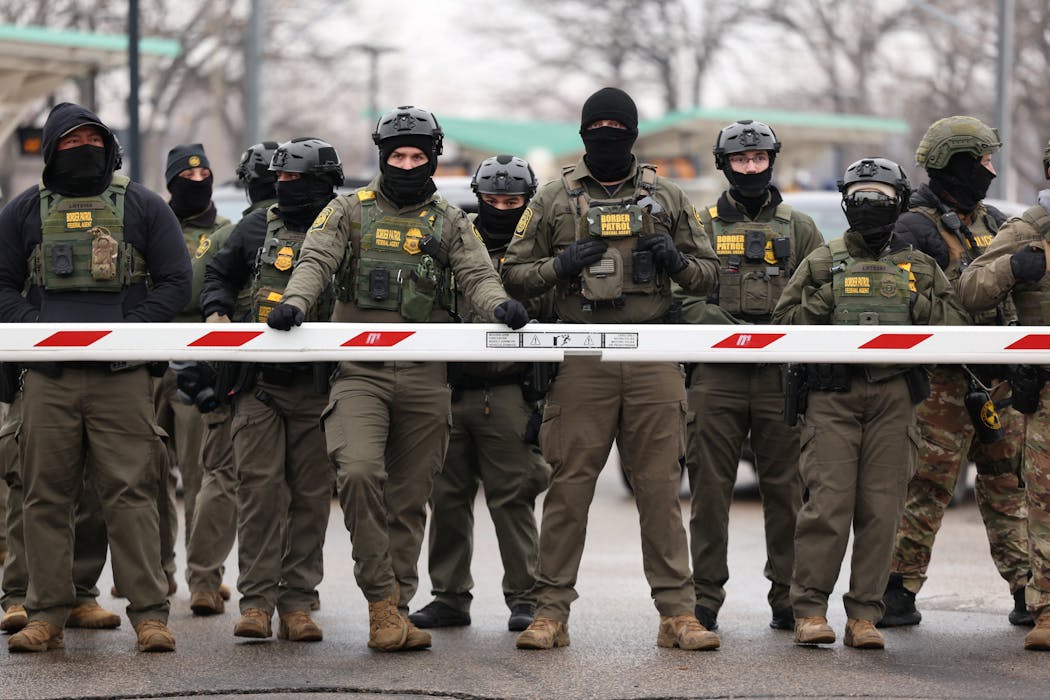
U.S. Border Patrol agents stand guard at the Bishop Henry Whipple Federal Building in Minneapolis, Minn., on Jan. 8, 2026. Charly Triballeau/AFP via Getty Images

The Trump administration says federal agents have “absolute immunity” from prosecution in Minneapolis. Department of Justice and Homeland Security officials have indicated that criminal investigations into the killings by immigration agents of Minneapolis protesters Renee Good and Alex Pretti are inappropriate, declaring that both were domestic terrorists.

The killing of Good and Pretti raises legal, tactical and policy questions regarding law enforcement practices by federal agents.

In December 2025, the Department of Homeland Security launched “Operation Metro Surge” to enforce immigration laws in Minneapolis. The operation is being conducted by federal agents with the U.S. Immigration and Customs Enforcement and the U.S. Customs and Border Protection. One of the stated goals of Metro Surge is to arrest the “worst of the worst criminal illegal aliens.”

Metro Surge has also affected the lives of U.S. citizens, including citizens protesting immigration enforcement efforts. On Jan. 7, 2026, Good – a 37-year-old U.S. citizen and mother of three – was shot and killed in her vehicle by an ICE agent on a residential street in Minneapolis. On Jan. 24, 2026, CBP agents shot and killed 37-year-old Pretti, a U.S. citizen, on a public street in Minneapolis.

As a policing scholar and former FBI special agent, I believe these cases illustrate how some federal agents are engaging with the public in a way that undermines established principles of policing and constitutional law.

Law of deadly force

The Fourth Amendment to the U.S. Constitution protects the “right of the people to be secure in their persons … against unreasonable … seizures.” A law enforcement officer’s use of force – including deadly force – is considered in law to be a seizure and must be reasonable.

In the 1989 decision Graham v. Connor, the U.S. Supreme Court construed the objective “reasonableness” of force based upon “the perspective of a reasonable officer on the scene, rather than with the 20/20 vision of hindsight.” The court explained “reasonableness” in light of the idea that police officers must sometimes make “split-second” judgments.

In Tennessee v. Garner, the Supreme Court in 1985 established that the use of deadly force to prevent the escape of a fleeing suspect is unreasonable unless the suspect poses a significant threat of death or serious physical injury to the officer or others.

These legal principles form the basis of DHS deadly force policy, which is similar to the policy I followed as an FBI agent: Law enforcement officers, or LEOs, “may use deadly force only when the LEO has a reasonable belief that the subject of such force poses an imminent threat of death or serious bodily injury to the LEO or to another person.”

The legal question raised by the Good and Pretti killings is whether the officers had a reasonable belief that Good and Pretti posed an imminent threat of death or serious bodily injury to the officers.

Moments before the ICE agent killed Good, the agent walked around Good’s parked vehicle filming Good with his phone in one hand. Good, sitting behind the wheel in her car, says “That’s fine dude, I’m not mad at you.”

As the shooting agent positions himself in front of Good’s vehicle, a second agent walks quickly toward Good’s vehicle and tries to open the door and reach inside. Good turns her steering wheel and tries to drive away – what a law enforcement agent could interpret as potentially an act of fleeing. The agent in front of Good’s vehicle shoots Good three times as she drives by him. He then mutters, “f-cking b-tch,” and walks away from Good’s crashed vehicle. There is dispute about whether Good’s vehicle grazed the agent.

Moments before Pretti was killed by federal agents, he was standing in a public street when agents approached him and sprayed him with a chemical agent. Pretti’s hands are visible and show that he is holding a cellphone.

The agents wrestle Pretti to the ground and repeatedly beat him with an object. Pretti is not seen brandishing a firearm. However, an agent approaches Pretti during the scuffle and appears to remove a firearm from Pretti’s waistband. Shortly thereafter, agents shoot Pretti 10 times. Pretti had kicked the taillight of a law enforcement vehicle – and was then tackled and tear-gassed by agents – 11 days before he was killed.

Some former federal prosecutors argue that these facts in the Good and Pretti cases warrant a thorough criminal investigation regarding whether federal agents illegally used lethal force in the killings. The central legal question is whether the evidence shows that the agents reasonably feared for their lives, or whether they acted unlawfully out of anger, frustration, retaliation or some other unjustified mental state.

Tactics, policy and split-second decisions

Beyond legal questions, Operation Metro Surge raises tactical and policy questions about DHS law enforcement practices.

State, local and federal law enforcement officers are required to follow firearms safety rules. While training at the FBI Academy at Quantico, I was required to learn and follow the cardinal safety rules, which include (1) treating all firearms as loaded, (2) keeping firearms pointed in a safe direction and (3) keeping one’s finger off the trigger until one is ready to press it.

These rules help keep officers and the public safe, including by preventing unintentional discharges of firearms.

There were multiple bystanders and officers in the immediate vicinity of both the Good and the Pretti shootings. That raised risks associated with unintentional discharges and jeopardizing officers’ ability to meet the requirement to respect human life.

DHS officers specifically are also required to “employ tactics and techniques that effectively bring an incident under control while promoting the safety of LEOs and the public,” which includes avoiding “intentionally and unreasonably placing themselves in positions in which they have no alternative to using deadly force.”

In both the Good and the Pretti cases, federal agents placed themselves in poor tactical positions that increased the likelihood of using deadly force.

When feasible, DHS agents are required to issue a verbal warning to comply with the agent’s instructions. Agents rushed to physically remove Good from her vehicle and similarly rushed to push Pretti off the street and then spray him with a chemical agent. There is reason to think the agents could have taken a more measured, composed and communicative approach to de-escalate the situation.

These tactical and policy principles reveal that the legal analysis of an agent’s “split-second” decision to use deadly force is not the only issue raised by these cases. Analysis of the seconds and minutes leading to the use of force is also crucial.

Many people in the nighttime standing next to a memorial of candles and signs about the killing of Alex Pretti.
Mourners placed candles at a memorial to Alex Pretti on Nicollet Ave. in Minneapolis, Jan. 24, 2026.
Jeff Wheeler/The Minnesota Star Tribune

Warriors in the community

ICE and CBP federal agents are not police officers. However, they are law enforcement officers engaged in policing. Operation Metro Surge has made these agents highly visible.

Instead of the more traditional, methodical and long-term investigations they normally conduct, federal agents are now routinely taking on more of a traditional police role in the public eye. This role ranges from managing traffic violations to maintaining order during chaotic public protests.

Although the surge has brought these agents closer to a traditional police role, they are pursuing a militarized warrior model of policing.

Masked federal agents in tactical gear roaming the streets of Minneapolis blur the line between civilian and military policing. Coupled with events such as the killings of Good and Pretti, it is unsurprising that public trust is eroding not only in federal law enforcement agencies such as ICE but also in police departments generally.

Policing is difficult work under any circumstance. If federal agents continue to increase their interactions with the public, I believe they will need to embrace tactics from community policing and what is called procedurally just models of policing. These models emphasize building popular legitimacy by reinforcing relationships – through honest cooperation and partnership between law enforcement officers and the public.

The rule of law

Publicly available facts and evidence raise significant questions about whether federal agents acted contrary to established principles of policing and constitutional law in the deaths of Good and Pretti.

The rule of law is a cornerstone of liberal democracies that limits the exercise of discretionary or arbitrary power by government officials. This idea includes holding officials accountable when there is evidence of unauthorized uses of power. A thorough investigation into DHS tactics, I believe, is necessary to preserve the rule of law.

The Conversation

Luke William Hunt does not work for, consult, own shares in or receive funding from any company or organization that would benefit from this article, and has disclosed no relevant affiliations beyond their academic appointment.

ref. I’m a former FBI agent who studies policing, and here’s how federal agents in Minneapolis are undermining basic law enforcement principles – https://theconversation.com/im-a-former-fbi-agent-who-studies-policing-and-heres-how-federal-agents-in-minneapolis-are-undermining-basic-law-enforcement-principles-274573

South Sudan’s White Army explained: what it is – and what it isn’t

Source: The Conversation – Africa (2) – By Jan Pospisil, Researcher at the Austrian Institute for International Affairs

The UN issued warnings of potential mass violence between the South Sudanese government and the White Army in January 2026. A peace agreement ended a five-year civil war in the country in 2018. This was followed by a period of relative calm that ended in 2025 in the wake of clashes between the government and White Army. Attempts to bring peace since have faltered. The government has charged and suspended first vice-president Riek Machar over claims he commanded the White Army during the violence in Nasir, Upper Nile State. Jan Pospisil, who has studied South Sudan’s conflict dynamics, explains the origins of the White Army and its political impact.

What is the White Army?

The White Army is best understood as a set of temporary, community-mandated self-defence mobilisations, organised along sectional and clan lines.

The term “White Army” refers to the ash traditionally used in Nuer cattle camps to repel mosquitoes. The ash is smeared on the bodies and faces of young men and gives them a whitish appearance. The Nuer are one of South Sudan’s largest ethnic groups. They primarily keep cattle and inhabit the greater Upper Nile region.

Authority in the White Army flows upward from communities, not downward from political leaders.

The White Army’s orientation is primarily defensive: protecting cattle, land and local autonomy in an environment where the state is experienced less as a provider of security than as a source of threat.

But this defensive logic coexists with raiding and inter-communal violence.

Its history explains its ambivalent role.

The White Army grew out of Nuer youth self-defence formations that had existed since the 1960s.

In 1991, the White Army started to pro-actively use this name and was drawn into national conflict around the so-called Nasir split. This is when suspended vice-president Riek Machar and other predominantly Nuer commanders broke with John Garang’s Sudan People’s Liberation Movement. Garang, who died in 2005, was from another of South Sudan’s major ethnic groups, the Dinka.

White Army forces fought alongside the Nasir faction (led by, among others, Machar) and were central to a massive attack on Bor later in 1991. The Bor massacre led to the death of several thousand Bor Dinka, a sub-group of the Dinka people who primarily inhabit Jonglei State.

Attacks were carried out largely by White Army fighters pursuing revenge over cattle raids and local objectives that aligned only partially with Machar’s political aims. This is an episode Machar apologised for in 2011, saying he

was responsible for both the good things and the bad things that came as a result of the Nasir Declaration.

The apology was revealing. It acknowledged political responsibility without implying operational command.

The Bor massacre remains a dominant lens through which many Bor Dinka understand the White Army: as an organised anti-Dinka force opposing the ruling party. This is understandable, but is also a source of lasting misperception about how the group operates.

What’s the relationship between Riek Machar and the White Army?

Machar has benefited politically from White Army mobilisation. But he does not direct it.

His current prosecution is therefore deeply ironic. Machar is accused of commanding a force that has, time and again, demonstrated its structural resistance to sustained external control, including his own.

He is now being tried for exercising a form of command that he has long sought but never fully possessed.

From the 1991 Nasir split to the civil war between the government and the Machar-led opposition that erupted in December 2013 and the renewed violence of 2025, White Army forces have repeatedly fought alongside Machar’s forces.

However, the White Army exists as an amalgamation of community militias that are tied to particular areas rather than as one organised force. Their size depends on the capacity of regional leaders to mobilise the youth at a given time.

During the civil war, White Army mobilisations delivered some of the opposition’s most significant battlefield successes.

Yet these forces often withdraw once immediate objectives – such as the defeat of militias aligned with the government in a certain territory – are achieved. This leaves opposition units unable to hold territory.

The assumption that’s made is that these temporary alliances equate to control of the White Army. They don’t. Confusing the two has repeatedly distorted how South Sudan’s conflicts are understood – and mismanaged.

Conflating the White Army with the Sudan People’s Liberation Movement/Army-in-Opposition (SPLM/A-IO) serves a political purpose. It legitimises state counterinsurgency, including airstrikes over the course of 2025 that hit civilian areas. It recasts local resistance as elite manipulation.

But it also obscures deeper drivers of South Sudan’s violence: the collapse of civilian protection, the outsourcing of force to allied ethnic militias such as the Agwelek or the Abushok, and the ethnicisation of political belonging since 2013.

If the White Army continues to be misunderstood, the danger is further ethnicisation of South Sudan’s politics. This is where complex communal violence is reduced to criminal conspiracy and used to legitimise militarised state responses.

Treating political crises as matters for prosecution rather than compromise risks deepening the very dynamics that have fuelled South Sudan’s wars since 2013.

The state portrays the White Army as a terrorist group: why is this a problem?

In the case it has brought against Machar, the government is advancing a familiar claim: that the White Army is an armed wing of the SPLM/A-IO acting on Machar’s orders.

The charge matters. It underpins not only Machar’s prosecution, but also a wider narrative that treats community mobilisations as opposition conspiracy in South Sudan.

The claim rests on a fundamental misunderstanding of what the White Army is, and has been for more than three decades.

Firstly, the group draws on long-standing Nuer community self-defence traditions, even if it became politically visible in national conflict in the early 1990s. It is neither purely protective nor purely predatory. This makes the White Army difficult to incorporate into elite peace agreements, and easy to mischaracterise as irrational or terrorist.

Secondly, the White Army is not a standing militia, nor an insurgent organisation with a central command. Authority flows from the community.

To understand why the White Army mobilises as it does, it is important to consider December 2013. The mass killing of Nuer civilians in Juba at the outbreak of civil war marked a decisive rupture in South Sudan’s political order. Violence that had previously been mediated through elite rivalry and fragmented local conflicts became overtly tribalised.

For many Nuer communities, December 2013 was experienced not as a power struggle within the ruling party, but as an existential attack marked by mass killings, displacement and the collapse of civilian protection.

This interpretation – whether accepted or rejected by external observers – has shaped mobilisation ever since. White Army fighters interviewed by journalists and researchers over the past decade have been consistent: they did not fight because Machar was removed from office, but because Nuer civilians were killed.

And since 2013, Nuer diaspora networks across North America, Europe and east Africa have played a role in supporting White Army mobilisations. This support has taken multiple forms: fundraising, advocacy and social media campaigning, logistical assistance, and political pressure on opposition leaders.

Diaspora involvement reinforces White Army mobilisation by amplifying narratives of collective victimhood and unfinished justice, often from a distance that strips away the everyday constraints faced by communities on the ground.

As a result, South Sudan’s 2013 war did not merely fragment the state; it reshaped political identities far beyond its territory.

The Conversation

Jan Pospisil receives funding from the Peace and Conflict Resolution Evidence Platform (PeaceRep), funded by UK International Development from the UK government. However, the views expressed are those of the authors and do not necessarily reflect the UK government’s official policies. Any use of this work should acknowledge the authors and the Peace and Conflict Resolution Evidence Platform.

ref. South Sudan’s White Army explained: what it is – and what it isn’t – https://theconversation.com/south-sudans-white-army-explained-what-it-is-and-what-it-isnt-274656

The public wants police to show up and care – will new reforms in England and Wales do this?

Source: The Conversation – UK – By John Coxhead, Visiting Professor in Solution Oriented Policing, De Montfort University

William Barton/Shutterstock

The government has announced a massive shake-up of policing in England and Wales, with the aim to balance providing a local police service across the country while also facing national threats. It involves the creation of a new National Police Service (touted as a “British FBI”) and reducing the number of forces across England and Wales from 43 to a possible 12 bigger, regional forces.

Elected police and crime commissioners will be replaced by regional mayors, or police and crime boards from 2028. And Whitehall will be given refreshed powers to intervene in failing forces.

The last strategic reform of policing in England and Wales was informed by a royal commission, in May 1962. This examined policing function, accountability, public relationships and staffing. It led to the current structure, cutting the number of forces down from 117.

The government claims its plans will deliver better governance and improve both national capabilities for challenging crimes and local visibility of policing. Yet, unlike in 1962, 2026 reform avoids addressing a key problem: the relationship the public wants with the police.

The idea of “policing by consent” underpins policing in the UK. Key to this is the police working with the public. But fewer than half of the public have confidence in their local policing. Data consistently shows the public do not like or want what they are getting.

The government is proposing to introduce new local policing guarantees, setting out “the minimum levels of service the public should expect to receive from their police force wherever in England and Wales they live”.

But this doesn’t need to involve a massive structural overhaul. Research tells us what the public wants is basic: they want the police to turn up, and care. Good policing relies on building relationships of trust – but you can’t achieve that by not being there.


Read more:
Police are failing to deliver a minimum standard of service, according to the UK public


Lack of response

The police inspectorate has noted in recent years that understaffing and inexperienced policing teams have left forces unable to respond effectively: “This can lead to non-emergency calls for help from the public waiting days for a response, or investigations failing because key lines of enquiry have been missed.”

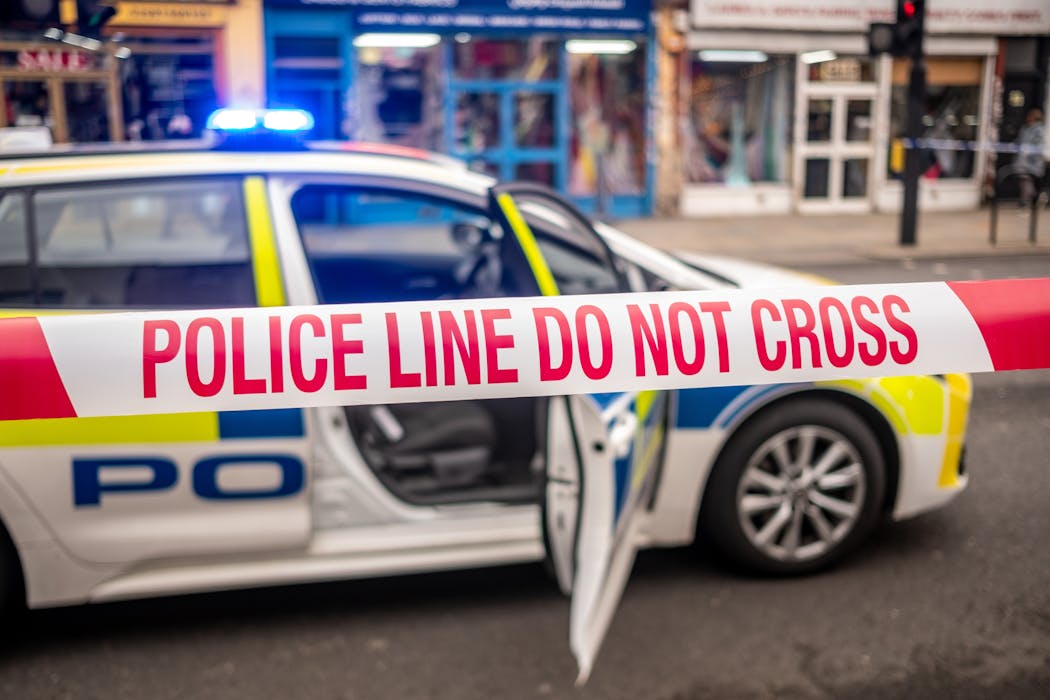
As part of the overhaul, the government is proposing national response and performance targets for 999 calls and for officers attending a scene. Slow response times are one thing, but not turning up at all is the bigger issue. Reports of forces screening out calls sends a message to the public that the police don’t care, and to criminals that they can get away with it.

The government argues that its proposed approach will mean less pressure on local forces to address national issues, freeing up resources to deal with local crime. But the current largest force, the Met, struggles to solve large numbers of reported crimes. I would argue that moving local policing further away from communities will further erode any working relationship with policing’s greatest stakeholder: the public.

The Neighbourhood Policing Guarantee introduced in April 2025 promised to deliver better response times, but the public are still frustrated with the lack of police response to visible, low-level crimes.

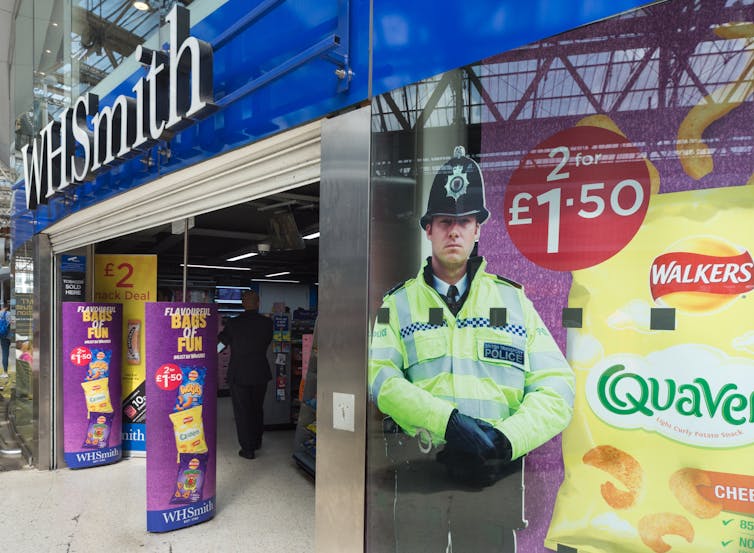
Shoplifting alone is seen to be “spiralling out of control” with a brazen 20% increase in the year to March 2025. And yet the head of the Met police has called on shopkeepers to do more to protect themselves.

A cardboard cut-out of a police officer in the window of a WHSmith
Police response has been flimsy.
Neil Bussey/Shutterstock

The proposals aim to “ensure that shop theft and assaults on shopworkers will no longer go unpunished by bringing in new powers and providing additional funding to policing, working with retailers, to take further action”.

When the police do turn up, they do not need new powers, they just need to use the powers they’ve already got. But to do that warranted police officers (with actual powers of arrest) need to be the boots on the ground – not an app, a bot or a drone.

Just like ambulances, the public should be able to rely on the police in an emergency. There needs to be far more proactive, preventative work done with partners on long-term solutions. We simply can’t afford a perpetual reactive problem solving model.

Rebuilding trust

The government is proposing a number of reforms to increase policing standards and trust, including (a yet-to-be costed) “Licence to Practise” that police officers will need to renew over their career. But officers already swear an oath of operational independence for their warrant card – this risks adding more administrative burden on overly stretched officers, despite a claim that administrative red tape will be cut.

Police officer numbers are already falling, with forces losing nearly 1,500 this year alone, largely driven by losses at the Met. The government has committed to 13,000 more neighbourhood officers, but has also placed an emphasis on automative technology. This could, I argue, be used to justify fewer actual police officers in the future.

Rising crime, coupled with falling public confidence, represents a crisis in policing. The argument is that there is an “urgent” need to better tackle crime and improve trust and confidence, yet reforms of this scale will take time.

The police must work with the public on solutions that pay for themselves. This would not rely on restructuring necessarily, just listening to people about what good policing looks like, then working together on making that happen.

The Conversation

John Coxhead receives funding from the Police for Research.

ref. The public wants police to show up and care – will new reforms in England and Wales do this? – https://theconversation.com/the-public-wants-police-to-show-up-and-care-will-new-reforms-in-england-and-wales-do-this-274439

Short on resources, special educators are using AI – with little knowledge of the effects

Source: The Conversation – USA (2) – By Seth King, Associate Profess of Special Education, University of Iowa

In special education in the U.S., funding is scarce and personnel shortages are pervasive, leaving many school districts struggling to hire qualified and willing practitioners.

Amid these long-standing challenges, there is rising interest in using artificial intelligence tools to help close some of the gaps that districts currently face and lower labor costs.

Over 7 million children receive federally funded entitlements under the Individuals with Disabilities Education Act, which guarantees students access to instruction tailored to their unique physical and psychological needs, as well as legal processes that allow families to negotiate support. Special education involves a range of professionals, including rehabilitation specialists, speech-language pathologists and classroom teaching assistants. But these specialists are in short supply, despite the proven need for their services.

As an associate professor in special education who works with AI, I see its potential and its pitfalls. While AI systems may be able to reduce administrative burdens, deliver expert guidance and help overwhelmed professionals manage their caseloads, they can also present ethical challenges – ranging from machine bias to broader issues of trust in automated systems. They also risk amplifying existing problems with how special ed services are delivered.

Yet some in the field are opting to test out AI tools, rather than waiting for a perfect solution.

A faster IEP, but how individualized?

AI is already shaping special education planning, personnel preparation and assessment.

One example is the individualized education program, or IEP, the primary instrument for guiding which services a child receives. An IEP draws on a range of assessments and other data to describe a child’s strengths, determine their needs and set measurable goals. Every part of this process depends on trained professionals.

But persistent workforce shortages mean districts often struggle to complete assessments, update plans and integrate input from parents. Most districts develop IEPs using software that requires practitioners to choose from a generalized set of rote responses or options, leading to a level of standardization that can fail to meet a child’s true individual needs.

Preliminary research has shown that large language models such as ChatGPT can be adept at generating key special education documents such as IEPs by drawing on multiple data sources, including information from students and families. Chatbots that can quickly craft IEPs could potentially help special education practitioners better meet the needs of individual children and their families. Some professional organizations in special education have even encouraged educators to use AI for documents such as lesson plans.

Training and diagnosing disabilities

There is also potential for AI systems to help support professional training and development. My own work on personnel development combines several AI applications with virtual reality to enable practitioners to rehearse instructional routines before working directly with children. Here, AI can function as a practical extension of existing training models, offering repeated practice and structured support in ways that are difficult to sustain with limited personnel.

Some districts have begun using AI for assessments, which can involve a range of academic, cognitive and medical evaluations. AI applications that pair automatic speech recognition and language processing are now being employed in computer-mediated oral reading assessments to score tests of student reading ability.

Practitioners often struggle to make sense of the volume of data that schools collect. AI-driven machine learning tools also can help here, by identifying patterns that may not be immediately visible to educators for evaluation or instructional decision-making. Such support may be especially useful in diagnosing disabilities such as autism or learning disabilities, where masking, variable presentation and incomplete histories can make interpretation difficult. My ongoing research shows that current AI can make predictions based on data likely to be available in some districts.

Privacy and trust concerns

There are serious ethical – and practical – questions about these AI-supported interventions, ranging from risks to students’ privacy to machine bias and deeper issues tied to family trust. Some hinge on the question of whether or not AI systems can deliver services that truly comply with existing law.

The Individuals with Disabilities Education Act requires nondiscriminatory methods of evaluating disabilities to avoid inappropriately identifying students for services or neglecting to serve those who qualify. And the Family Educational Rights and Privacy Act explicitly protects students’ data privacy and the rights of parents to access and hold their children’s data.

What happens if an AI system uses biased data or methods to generate a recommendation for a child? What if a child’s data is misused or leaked by an AI system? Using AI systems to perform some of the functions described above puts families in a position where they are expected to put their faith not only in their school district and its special education personnel, but also in commercial AI systems, the inner workings of which are largely inscrutable.

These ethical qualms are hardly unique to special ed; many have been raised in other fields and addressed by early-adopters. For example, while automatic speech recognition, or ASR, systems have struggled to accurately assess accented English, many vendors now train their systems to accommodate specific ethnic and regional accents.

But ongoing research work suggests that some ASR systems are limited in their capacity to accommodate speech differences associated with disabilities, account for classroom noise, and distinguish between different voices. While these issues may be addressed through technical improvement in the future, they are consequential at present.

Embedded bias

At first glance, machine learning models might appear to improve on traditional clinical decision-making. Yet AI models must be trained on existing data, meaning their decisions may continue to reflect long-standing biases in how disabilities have been identified.

Indeed, research has shown that AI systems are routinely hobbled by biases within both training data and system design. AI models can also introduce new biases, either by missing subtle information revealed during in-person evaluations or by overrepresenting characteristics of groups included in the training data.

Such concerns, defenders might argue, are addressed by safeguards already embedded in federal law. Families have considerable latitude in what they agree to, and can opt for alternatives, provided they are aware they can direct the IEP process.

By a similar token, using AI tools to build IEPs or lessons may seem like an obvious improvement over underdeveloped or perfunctory plans. Yet true individualization would require feeding protected data into large language models, which could violate privacy regulations. And while AI applications can readily produce better-looking IEPs and other paperwork, this does not necessarily result in improved services.

Filling the gap

Indeed, it is not yet clear whether AI provides a standard of care equivalent to the high-quality, conventional treatment to which children with disabilities are entitled under federal law.

The Supreme Court in 2017 rejected the notion that the Individuals with Disabilities Education Act merely entitles students to trivial, “de minimis” progress, which weakens one of the primary rationales for pursuing AI – that it can meet a minimum standard of care and practice. And since AI really has not been empirically evaluated at scale, it has not been proved that it adequately meets the low bar of simply improving beyond the flawed status quo.

But this does not change the reality of limited resources. For better or worse, AI is already being used to fill the gap between what the law requires and what the system actually provides.

The Conversation

Seth King does not work for, consult, own shares in or receive funding from any company or organization that would benefit from this article, and has disclosed no relevant affiliations beyond their academic appointment.

ref. Short on resources, special educators are using AI – with little knowledge of the effects – https://theconversation.com/short-on-resources-special-educators-are-using-ai-with-little-knowledge-of-the-effects-259110

Grammys’ AI rules aim to keep music human, but large gray area leaves questions about authenticity and authorship

Source: The Conversation – USA – By Mark Benincosa, Teaching Associate Professor, West Virginia University

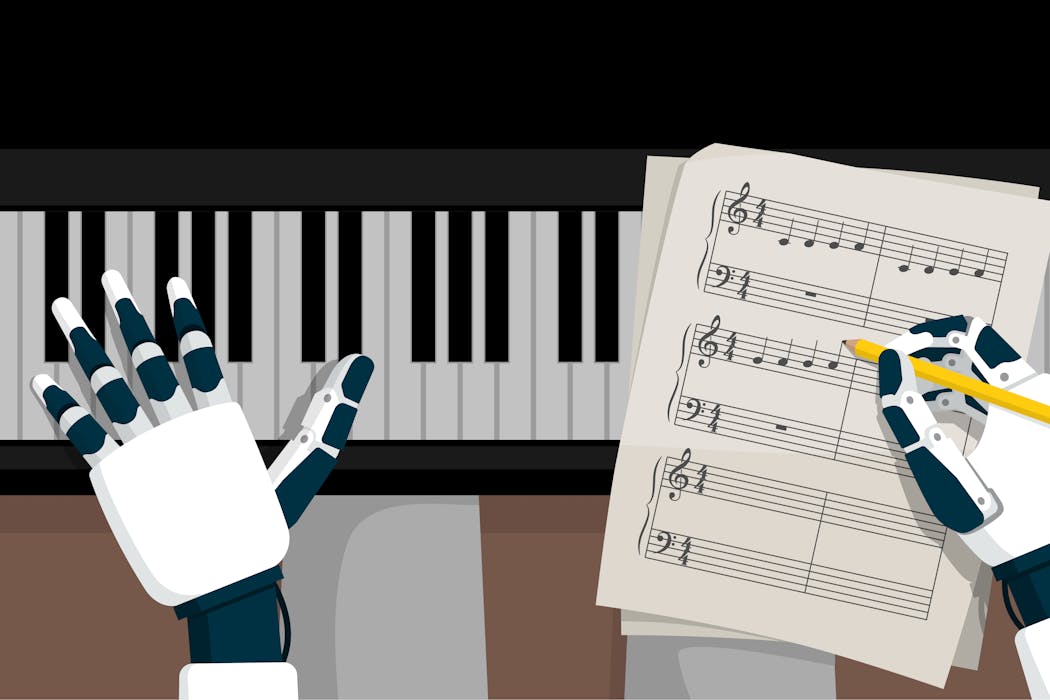
AI is making it hard for the music industry to embrace innovation while keeping it real. elenabs/iStock via Getty Images

At its best, artificial intelligence can assist people in analyzing data, automating tasks and developing solutions to big problems: fighting cancer, hunger, poverty and climate change. At its worst, AI can assist people in exploiting other humans, damaging the environment, taking away jobs and eventually making ourselves lazy and less innovative.

Likewise, AI is both a boon and a bane for the music industry. As a recording engineer and professor of music technology and production, I see a large gray area in between.

The National Academy of Recording Arts and Sciences has taken steps to address AI in recognizing contributions and protecting creators. Specifically, the academy says, only humans are eligible for a Grammy Award: “A work that contains no human authorship is not eligible in any categories.”

The academy says that the human component must be meaningful and significant to the work submitted for consideration. Right now, that means that it’s OK for me to use what’s marketed as an AI feature in a software product to standardize volume levels or organize a large group of files in my sample library. These tools help me to work faster in my digital audio workstation.

However, it is not OK in terms of Grammy consideration for me to use an AI music service to generate a song that combines the style of say, a popular male folk country artist – someone like Tyler Childers – and say, a popular female eclectic pop artist – someone like Lady Gaga – singing a duet about “Star Trek.”

This song, one of the most popular on Spotify in Sweden, was banned from the country’s music charts after reporters discovered that it was substantially generated by AI.

The gray zone

It gets trickier when you go deeper.

There is quite a bit of gray area between generating a song with text prompts and using a tool to organize your data. Is it OK by National Academy of Recording Arts and Sciences Grammy standards to use an AI music generator to add backing vocals to a song I wrote and recorded with humans? Almost certainly. The same holds true if someone uses a feature in a digital audio workstation to add variety and “swing” to a drum pattern while producing a song.

What about using an AI tool to generate a melody and lyrics that become the hook of the song? Right now, a musician or nonmusician could use an AI tool to generate a chorus for a song with the following information:

“Write an eight measure hook for a pop song that is in the key of G major and 120 beats per minute. The hook should consist of a catchy melody and lyrics that are memorable and easily repeatable. The topic shall be on the triumph of the human spirit in the face of adversity.”

If I take what an AI tool generates based on that prompt, write a couple of verses and bridge to fit with it, then have humans play the whole thing, is that still a meaningful and significant human contribution?

The performance most certainly is, but what about the writing of the song? If AI generates the catchy part first, does that mean it is ultimately responsible for the other sections created by a human? Is the human who is feeding those prompts making a meaningful contribution to the creation of the music you end up hearing?

AI music is here

The Recording Academy is doing its best right now to recognize and address these challenges with technology that is evolving so quickly.

Not so long ago, pitch correction software like Auto-Tune caused quite a bit of controversy in music. Now, the use of Auto-Tune, Melodyne and other pitch correction software is heard in almost every genre of music – and no barrier to winning a Grammy.

Maybe the average music listener won’t bat an eye in 10 years when they discover AI had been used to create a song they love. There are already folks listening to AI-generated music by choice today.

You are almost certainly encountering AI-generated articles (no, not this one). You are probably seeing a lot of AI slop if you are an avid social media consumer.

The truth is you might already be listening to AI-generated music, too. Some major streaming services, like Spotify, aren’t doing much to identify or limit AI-generated music on their platforms.

On Spotify, an AI “artist” by the name of Aventhis currently has over 1 million monthly listeners and no disclosure that it is AI-generated. YouTube comments on the Aventhis song, “Mercy on My Grave,” suggest that the majority of commenters believe a human wrote it. This leads to questions about why this information is not disclosed by Spotify or YouTube aside from “[h]arnessing the creative power of AI as part of his artistic process” in the description of the artist.

This AI-generated song has millions of listens on Spotify and views on YouTube.

AI can not only be used to create a song, but AI bots can be used to generate clicks and listens for it, too. This raises the possibility that the streaming services’ recommendation algorithms are being trained to push this music to human subscribers. For the record, Spotify and most streaming services say they don’t support this practice.

Trying to keep it real

If you feel that AI in music hurts human creators and makes the world less-than-a-better place, you have options for avoiding it. Determining whether a song is AI-written is possible though not foolproof. You can also find services that aim to limit AI in music.

Bandcamp recently set out guidelines for AI music on its platform that are like the Recording Academy’s and more friendly to music creators. As of January 2026, Bandcamp does not allow music “that is generated wholly or in substantial part by AI.” Regardless of your opinion of AI-generated music, Bandcamp’s approach gives artists and listeners a platform where human creation is central to the experience.

Ideally, Spotify and the other streaming platforms would provide clear disclaimers and offer listeners filters to customize their use of the services based on AI content. In the meantime, AI in music is likely to have a large gray area between acceptable tools and questionable practices.

The Conversation

Mark Benincosa does not work for, consult, own shares in or receive funding from any company or organization that would benefit from this article, and has disclosed no relevant affiliations beyond their academic appointment.

ref. Grammys’ AI rules aim to keep music human, but large gray area leaves questions about authenticity and authorship – https://theconversation.com/grammys-ai-rules-aim-to-keep-music-human-but-large-gray-area-leaves-questions-about-authenticity-and-authorship-274504

What Franco’s fascist regime in Spain can teach us about today’s America

Source: The Conversation – USA – By Rachelle Wilson Tollemar, Adjunct Professor of Spanish, University of St. Thomas

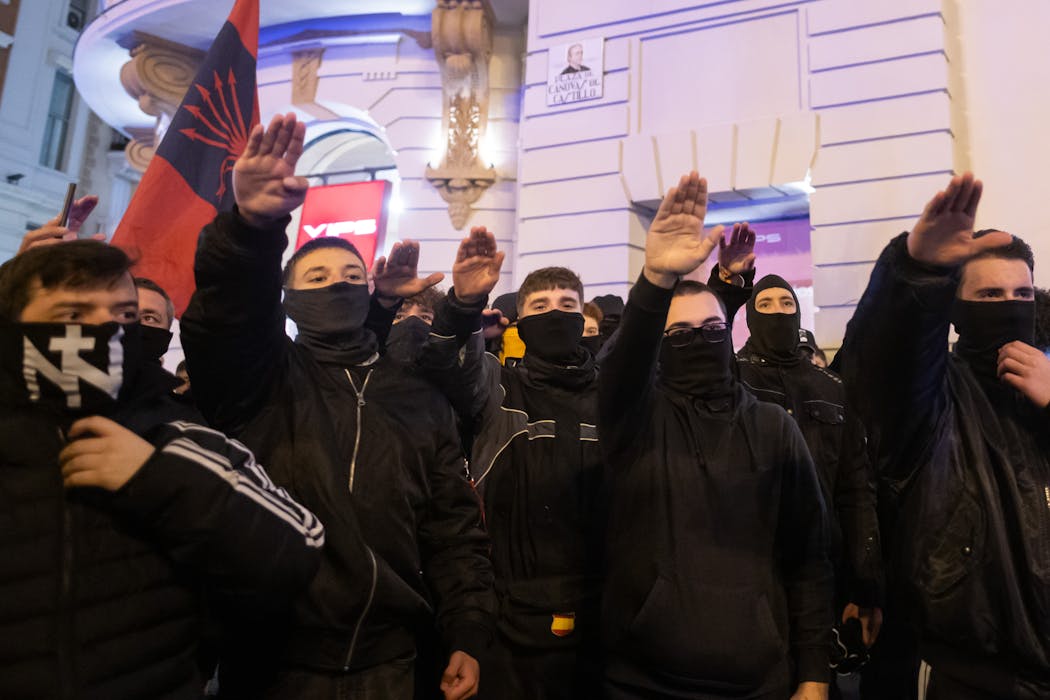
Protesters associated with a far-right group known as Nuncio Nacional extend a fascist salute on Jan. 24, 2026, demonstrating that the ideology still has some traction in Spain. Getty Images/Marcos del Mazo

Minneapolis residents say they feel besieged under what some are calling a fascist occupation. Thousands of Immigration and Customs Enforcement agents have been swarming a city whose vast majority in 2024 did not vote for Donald Trump – or for a paramilitary roundup of its diverse population.

Tragically, two residents have been killed by federal agents. Consequently, social media is aflame with comparisons of Trump’s immigration enforcers to Hitler’s Gestapo.

While comparisons to Hitler’s fascist regime are becoming common, I’d argue that it may be even more fitting to compare the present moment to a less-remembered but longer-lasting fascist regime: that of Francisco Franco, dictator of Spain from 1936 until his death in 1975.

In 2016, critics warned that Trump’s campaign rhetoric was grounded in textbook fascism, exhibiting signs such as racism, sexism and misogyny, nationalism, propaganda and more. In return, critics were met with intense backlash, accused of being hysterical or overly dramatic.

Now, even normally sober voices are sounding the alarm that America may be falling to fascist rule.

As a scholar of Spanish culture, I, too, see troubling parallels between Franco’s Spain and Trump’s America.

Putting them side by side, I believe, provides insightful tools that are needed to understand the magnitude of what’s at risk today.

A group of men in military uniforms walking down a street.
Gen. Francisco Franco, center, commander in the south, visits the headquarters of the northern front in Burgos, Spain, on Aug. 19, 1936, during the country’s civil war.
Imagno/Getty Images

Franco’s rise and reign

The Falange party started off as a a small extremist party on the margins of Spanish society, a society deeply troubled with political and economic instability. The party primarily preached a radical nationalism, a highly exclusive way to be and act Spanish. Traditional gender roles, monolingualism and Catholicism rallied people by offering absolutist comfort during uncertain times. Quickly, the Falange grew in power and prevalence until, ultimately, it moved mainstream.

By 1936, the party had garnered enough support from the Catholic Church, the military, and wealthy landowners and businessmen that a sizable amount of the population accepted Gen. Francisco Franco’s coup d’etat: a military crusade of sorts that sought to stop the perceived anarchy of liberals living in godless cities. His slogan, “¡Una, Grande, Libre!,” or “one, great, free,” mobilized people who shared the Falange’s anxieties.

Like the Falange, MAGA, the wing of the U.S. Republican Party named after Trump’s slogan “Make America Great Again,” repeatedly vilifies the left, who mostly live in cities, as godless anarchists who live like vermin.

Once in power, the Francoist regime commissioned a secret police force, the Political-Social Brigade – known as the BPS – to “clean up house.” The BPS was charged with suppressing or killing any political, social, cultural or linguistic dissidents.

Weakening resistance

Franco not only weaponized the military but also proverbially enlisted the Catholic Church. He colluded with the clergy to convince parishioners, especially women, of their divine duty to multiply, instill nationalist Catholic values in their children, and thus reproduce ideological replicas of both the state and the church. From the pulpit, homemakers were extolled as “ángeles del hogar” and “heroínas de la patria,” or “angels of the home” and “heroines of the homeland.”

Together, Franco and the church constructed consent for social restrictions, including outlawing or criminalizing abortion, contraception, divorce, work by women and other women’s rights, along with even tolerating uxoricide, or the killing of wives, for their perceived sexual transgressions.

Some scholars contend that the repealing of women’s reproductive rights is the first step away from a fully democratic society. For this reason and more, many are concerned about the U.S. Supreme Court’s recent overturning of Roe v. Wade.

The #tradwife social media trend involves far-right platforms echoing Francoist-style ideologies of submission, restriction, dependence and white male dominance. One of TikTok’s most popular tradwife influencers, for instance, posted that “there is no higher calling than being a wife and a mother for a woman.” She also questioned young women attending college and rebuked, on air, wives who deny their husbands sexual intimacy.

Weakening the economy

Economically, Franco implemented autarkic policies, a system of limited trade designed to isolate Spain and protect it from anti-Spanish influences. He utilized high tariffs, strict quotas, border controls and currency manipulation, effectively impoverishing the nation and vastly enriching himself and his cronies.

These policies flew under the motto “¡Arriba España!,” or “Up Spain.” They nearly immediately triggered more than a decade of suffering known as the “hunger years.” An estimated 200,000 Spaniards died from famine and disease.

Under the slogan “America First” – Trump’s mutable but aggressive tariff regime – the $1 billion or more in personal wealth he’s accumulated while in office, along with his repeated attempts to cut nutrition benefits in blue states and his administration’s anti-vaccine policies may appear to be disconnected. But together, they galvanize an autarkic strategy that threatens to debilitate the country’s health.

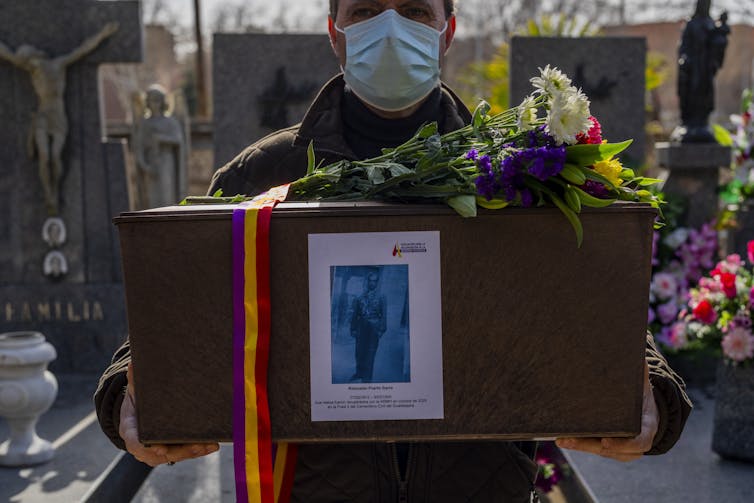
A man carries a box containing the remains of his uncle who was killed during Spain's fascist era.
In Spain, victims of Franco’s regime are still being exhumed from mass graves.
AP Photo/Manu Fernandez

Weakening the mind

Franco’s dictatorship systematically purged, exiled and repressed the country’s intellectual class. Many were forced to emigrate. Those who stayed in the country, such as the artist Joan Miró, were forced to bury their messages deeply within symbols and metaphor to evade censorship.

Currently in the U.S., banned books, banned words and phrases, and the slashing of academic and research funding across disciplines are causing the U.S. to experience “brain drain,” an exodus of members of the nation’s highly educated and skilled classes.

Furthermore, Franco conjoined the church, the state and education into one. I am tracking analogous moves in the U.S. The conservative group Turning Point USA has an educational division whose goal is to ‘reclaim” K-12 curriculum with white Christian nationalism.

Ongoing legislation that mandates public classrooms to display the Ten Commandments similarly violates religious freedom guarantees ratified in the constitution.

Drawing comparisons

Trump has frequently expressed admiration for contemporary dictators and last week stated that “sometimes you need a dictator.”

It is true that his tactics do not perfectly mirror Francoism or any other past fascist regime. But the work of civil rights scholar Michelle Alexander reminds us that systems of control do not disappear. They morph, evolve and adapt to sneak into modern contexts in less detectable ways. I see fascism like this.

Consider some of the recent activities in Minneapolis, and ask how they would be described if they were taking place in any other country.

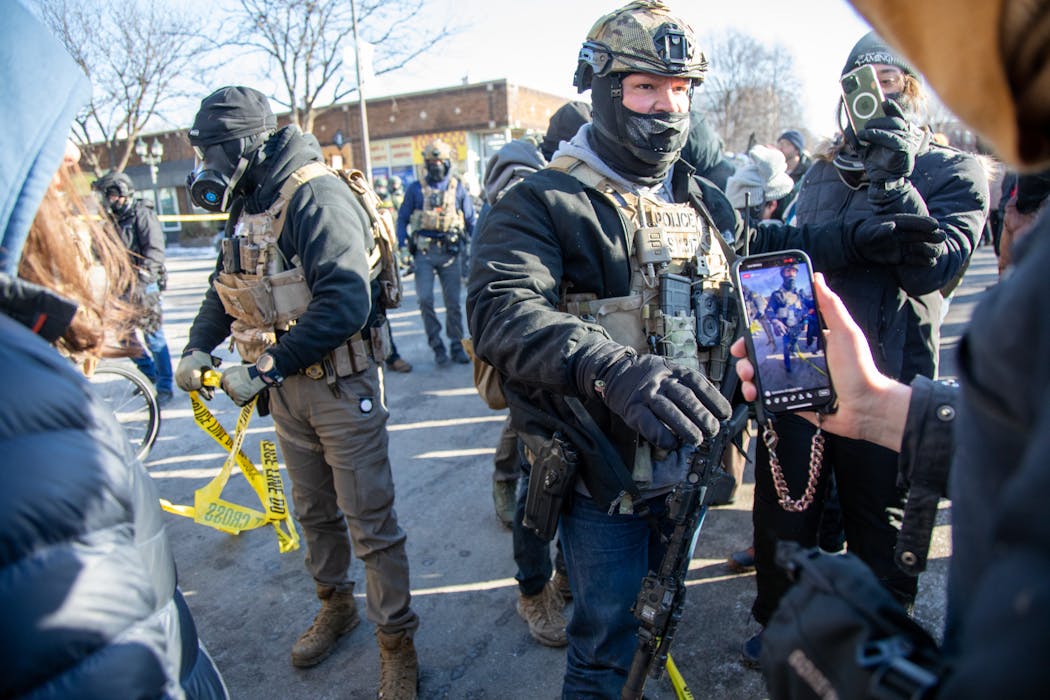
Unidentified masked individuals in unmarked cars are forcibly entering homes without judicial warrants. These agents are killing, shooting and roughing up people, sometimes while handcuffed. They are tear-gassing peaceful protesters, assaulting and killing legal observers, and throwing flash grenades at bystanders. They are disappearing people of color, including four Native Americans and a toddler as young as 2, shipping them off to detention centers where allegations of abuse, neglect, sexual assault and even homicide are now frequent.

Government officials have spun deceptive narratives, or worse, lied about the administration’s actions.

In the wake of the public and political backlash following the killing of Alex Pretti, Trump signaled he would reduce immigration enforcement operations] in Minneapolis, only to turn around and have Defense Secretary Pete Hegseth authorize the use of an old military base near St. Paul, suggesting potential escalation, not de-escalation. Saying one thing while doing the opposite is a classic fascist trick warned about in history and literature alike.

The world has seen these tactics before. History shows the precedent and then supplies the bad ending. Comparing past Francoism to present Trumpism connects the past to the present and warns us about what could come.

The Conversation

Rachelle Wilson Tollemar does not work for, consult, own shares in or receive funding from any company or organization that would benefit from this article, and has disclosed no relevant affiliations beyond their academic appointment.

ref. What Franco’s fascist regime in Spain can teach us about today’s America – https://theconversation.com/what-francos-fascist-regime-in-spain-can-teach-us-about-todays-america-274248

From Colonial rebels to Minneapolis protesters, technology has long powered American social movements

Source: The Conversation – USA – By Ray Brescia, Associate Dean for Research and Intellectual Life, Albany Law School

Technology doesn’t create social movements, but it can supercharge them. Arthur Maiorella/Anadolu via Getty Images

Tens of millions of Americans have now seen video of the killings of Renee Good and Alex Pretti at the hands of federal agents in Minneapolis. The activities organized in response have not been initiated by outside agitators or left-wing zealots, but, rather, by everyday Americans protesting the tactics of federal agents in that city.

These community members are communicating over encrypted messaging apps such as Signal and using their cellphones to record Immigration and Customs Enforcement and Border Patrol officers. Some have been using apps such as ICEBlock to help monitor ICE activities. They are using 3D printers to mass-produce whistles for community members to blow to alert each other when federal agents are in the area.

While the technology in some of these instances is new, this pattern – grassroots activists using the latest technology literally at their fingertips – is older than the republic itself. As a legal scholar who has studied American social movements and their relationship to technology, I see that what regular Americans in Minneapolis are doing is part of a very American tradition: building on trusted interpersonal relationships by harnessing the most recent technology to supercharge their organizing.

a smartphone displaying a map
The app ICEBlock helps communities share information about the presence of federal officers in their areas. The Apple and Google app stores removed the app in October 2025 at the Trump administration’s request.
Justin Sullivan/Getty Images

From Colonial era to the Civil Rights Movement

As the first stirrings of the American revolutionary spirit emerged in the 1770s, leaders formed the committees of correspondence to coordinate among the Colonies and in 1774 formed the Continental Congress. They harnessed the power of the printing press to promote tracts such as Thomas Paine’s Common Sense. One of the first acts of the new Congress was to create what it called the Constitutional Post, a mail system from the Maine territories to Georgia that enabled the colonists to communicate safely, out of reach of loyalist postmasters.

And the date Americans will be celebrating in 2026 as the 250th anniversary of the United States, July 4, commemorates when the drafters of the Declaration of Independence sent the final document to John Dunlap, rebel printer. In other words, what we celebrate as the birth of our nation is when the founders pressed “send.”

In the 1830s, as the battle over slavery in the new nation began to emerge, a new type of printing press, one powered by steam, helped supercharge the abolitionist movement. It could print antislavery broadsides much more rapidly and cheaply than manual presses.

The introduction of the telegraph in 1848 helped launch the women’s rights movement, spreading word of its convention in Seneca Falls, New York, while similar meetings had not quite caught the public’s imagination.

Fast-forward over 100 years in U.S. history to the Civil Rights Movement. Leaders of that movement embraced and harnessed the power of a new technology – television – and worked to create opportunities for broadcast media to beam images of authorities attacking young people in Birmingham, Alabama, and marchers on the Edmund Pettus Bridge outside Selma, Alabama, into living rooms across the United States. The images galvanized support for legislation such as the Civil Rights Act and the Voting Rights Act.

Social movements today

Today, new technologies and capabilities such as the smartphone and social media are making it easier for activists – and even those who have never seen themselves as activists – to get involved and help their neighbors. But it’s important not to mistake the method of communication for a movement. Indeed, without people behind the smartphones or as members of a group chat, there is no movement.

And what is happening in Minneapolis and in places across the country is still people organizing. Mutual aid networks are sprouting up nearly everywhere that immigration enforcement agents are amassed to carry out the Trump administration’s deportation policies, helped but not supplanted by technology. These technologies are important tools to support and catalyze the on-the-ground work.

Minnesotans have been using 3D printers to mass-produce whistles for alerting each other to the presence of federal agents.

It’s also important for advocates and would-be advocates to know the limits of such technologies and the risks that they can pose. These tools can sap a movement of energy, such as when someone posts a meme or “likes” a message on a social media platform and thinks they have done their part to support a grassroots effort.

There are also risks with any of these digital technologies, something the founders realized when they created their independent postal system. That is, use of these tools can also facilitate surveillance, expose networks to disruption and make people vulnerable to doxing or worse: charges that they are aiding and abetting criminal behavior.

Technology and trust

Most importantly, while technological tools might facilitate communication, they are no substitute for trust, the type of trust that can be forged only in face-to-face encounters. And that’s another thing that activists across American history have known since before the nation’s founding.

Until the late 1960s, groups participating in the work of democracy have often formed themselves into what political scientist Theda Skocpol calls “translocal networks”: collectives organized into local chapters connected to state, regional and even national networks.

It was in those local chapters where Americans practiced what French aristocrat Alexis de Tocqueville described in his visit to the United States in the 1830s as uniquely American: the “infinite art” of association and organizing. Americans used this practice to solve all manner of local problems. The local manifestations of those groups would often then engage in larger campaigns, whether to promote women’s rights in the 19th century or civil rights in the 20th.

Today’s technologies are reigniting the kind of grassroots activism that is deeply rooted in trust and solidarity, one block, one text message, one video at a time. It is also a profoundly American method of protest, infused with and catalyzed – but not replaced – by the technology such movements embrace.

The Conversation

Ray Brescia does not work for, consult, own shares in or receive funding from any company or organization that would benefit from this article, and has disclosed no relevant affiliations beyond their academic appointment.

ref. From Colonial rebels to Minneapolis protesters, technology has long powered American social movements – https://theconversation.com/from-colonial-rebels-to-minneapolis-protesters-technology-has-long-powered-american-social-movements-274490

Can pre-workout supplements benefit your workouts?

Source: The Conversation – UK – By Justin Roberts, Professor of Nutritional Physiology, Anglia Ruskin University

Pre-workout supplements may modestly boost energy, strength, focus and stamina. Asier Romero/ Shutterstock

Finding the energy to exercise in the morning or after a long day is a common problem. This might explain why pre-workout supplements have become so popular. These supplements can bring you more focus and energy for your training sessions – making it possible to get to the gym, no matter how tired you are.

Pre-workout supplements usually contain multiple ingredients – each of which have different effects on the body.

The primary ingredient in most pre-workouts are stimulants such as caffeine or guarana (a plant which contains caffeine). Stimulants help increase focus and alertness. Caffeine may also make workouts feel easier.

Research shows even a single dose of pre-workout supplement containing caffeine before exercising can lead to small improvements in the number of repetitions a person can do, their power and the amount of weight they can lift during a session.

However, these benefits may solely be due to the caffeine itself. When pre-workout supplements are directly compared against the same dose of caffeine on its own, the supplements generally don’t outperform caffeine. Sometimes, caffeine even works as well or better in improving performance.

Taking between 3-6mg of caffeine per kg (around 225-450 mg for a 75kg person, the equivalent of 2-4 cups of strong coffee) can increase strength by around 7%. It can also enhance endurance by around 15%. This might not sound like much, but over time this can lead to significant training gains.

Alongside caffeine, pre-workout supplements contain other ingredients that reportedly help reduce fatigue and boost fitness gains. For instance, many pre-workouts contain beta-alanine – an amino acid usually found in meat which can counteract muscle tiredness.

One challenge of training is that we produce the chemical lactic acid. This can lead to fatigue and impact training quality, particularly if the training is hard.

This is where beta-alanine comes in. Beta-alanine increases muscle levels of carnosine, a molecule that buffers against lactic acid. This helps delay the fatigue we often experience lifting weights or doing intense training.

However, unlike caffeine, beta‑alanine doesn’t work from a single dose. It must be taken daily for around 2–4 weeks to have any effect.

Creatine is another nutrient added to pre-workout formulas to maximise training gains. Creatine works by restoring short-term energy. This helps us recover faster between sets, making it possible to do more work when training.

Creatine also works better if taken regularly for around four weeks. Taking a single dose of a pre-workout containing creatine probably won’t benefit training quality – though some research does suggest it may help reduce fatigue and boost brain power after a poor night’s sleep.

Alongside creatine, many blends include amino acids such as leucine and taurine. Leucine supports muscle gains, while taurine may help reduce muscle soreness. Both work alongside creatine to support training benefits.

A young woman in gym clothes holds a supplement shaker bottle in her hands.
Pre-workout supplements may help improve fitness.
Miljan Zivkovic/ Shutterstock

Other amino acids sometimes found in pre-workout formulations include citrulline and arginine. These nutrients increase nitric oxide, a molecule which increases blood flow and oxygen to muscles – helping them function more efficiently.

This effect may improve endurance ability or temporarily make muscles look bigger when doing resistance training, which many people look for. However, not all evidence supports this.

Some pre-workouts formulas also claim to contain ingredients that can help with weight loss or fat burning – such as green tea or carnitine.

These nutrients may enhance the body’s ability to burn fat for energy during and after exercise – although not all studies agree on this. It’s also not clear whether these nutrients actually lead to greater, long-term weight loss as a result.

More recently, supplements have begun including natural nootropics. These plant-based compounds support brain chemicals involved in concentration or energy required by the brain, which is why nootropics may help improve focus, alertness, mood and motivation.

Nootropics such as theanine can improve alertness and athletic performance. Others nootropics, such as ashwagandha or rhodiola rosea, may enhance endurance and the ability to deal with physical and mental stress.

The verdict

Looking at the evidence, pre-workout supplements can modestly boost energy, strength, focus and stamina when used alongside a training program. However, as it may take several weeks for specific ingredients to have an effect, such supplements may need to be taken consistently.

If you’re going to take a pre-workout supplement, it’s best to take it around 30-60 minutes before your workout so it can take effect. Preferably, choose products that are batch‑tested to ensure quality.


Read more:
Does coffee burn more fat during exercise? What the evidence tells us


Since the main ingredient in pre-workouts tends to be caffeine, those who train later in the day might want to use formulas with a lower caffeine content (or none at all) to avoid sleep issues and anxiety.

Excessive caffeine intake can also lead to gut issues for some, so always check the label to see what the doses are.

Most pre-workout formulas are generally considered safe for most people to use over a period of a few weeks.

However, those with heart issues should avoid formulas containing high levels of stimulants – particularly products containing p‑synephrine (bitter orange). This plant derivative has been linked with heart issues – especially when combined with caffeine.

Researchers also currently don’t know the effects of pre-workout supplements during pregnancy, so it might be best to avoid them – particularly if the caffeine content is high.

Some people may also experience side-effects from taking pre-workout supplements – most commonly tingling or itchiness which occurs around 30 minutes of taking a pre-workout. This is usually caused by higher intake of beta-alanine which affects sensory receptors in the skin.

These effects are harmless, and usually subside within an hour. Taking a smaller dose or using a timed-release formulation can minimise effects.

Overall, although the benefits of pre-workouts may be small, if the supplement helps you train more consistently, this will ultimately benefit your training results.

The Conversation

Professor Justin Roberts is employed by Anglia Ruskin University, Cambridge and Danone Research & Innovation, and has previously received external research funding unrelated to this article.

Fernando Naclerio is employed by the University of Greenwich (UK) and is a consultant for Crown Sport Nutrition, Spain.

Joseph Lillis does not work for, consult, own shares in or receive funding from any company or organisation that would benefit from this article, and has disclosed no relevant affiliations beyond their academic appointment.

ref. Can pre-workout supplements benefit your workouts? – https://theconversation.com/can-pre-workout-supplements-benefit-your-workouts-273496

Gorton and Denton byelection: Labour won comfortably in 2024 but Reform could benefit from a split vote on the left

Source: The Conversation – UK – By Louise Thompson, Senior Lecturer in Politics, University of Manchester

A byelection has been set for February 26 in the Manchester constituency of Gorton and Denton. This will be a big test for Keir Starmer’s Labour party and a temperature check on the state of multi-party politics in the North. Although Labour won the seat comfortably in 2024, some early polls are already suggesting Reform could win.

Byelections are awkward beasts and don’t necessarily follow the usual rules. What makes things harder in this case is that Gorton and Denton is a new constituency. It was formed by boundary changes in 2024 from parts of three different Manchester constituencies (Gorton, Denton & Reddish and Manchester Withington).

When we try to understand what might happen in a byelection, we rely on the constituency’s past election results as a marker, which is obviously limited to just one election in this case. Gorton and Denton is also “a bit of a Frankenstein’s monster”, as my colleague Rob Ford has written.

It has an elongated shape and combines areas with huge socio-demographic differences. Its Tameside wards are predominantly white, with a sizeable working class while its Manchester wards have a much higher student and Muslim population.

Labour has everything to lose

Ordinarily, this would be a constituency which Labour should easily win. Manchester is a Labour heartland through and through. Its other five constituencies are all held by Labour MPs, it boasts all but a handful of seats on the City Council and Andy Burnham trounced his opponents in the city’s last mayoral elections with a 68,000 majority.

But byelections are difficult for governments and Keir Starmer’s track record so far is not good. Labour lost a byelection in the Cheshire constituency of Runcorn and Helsby in May 2025 to Reform’s Sarah Pochin. Pochin won on a narrow margin of just six votes but had managed to overturn a majority of over 14,000. That makes Labour’s majority of 13,000 in Gorton and Denton look less than secure.

The real danger here is that Labour finds itself in the squeezed middle. It risks losing voters to Reform on the right and the Greens on the left. This is what happened in the Caerphilly Senedd byelection in November, which saw Labour pushed back into third place behind Reform and winners Plaid Cymru.

Reform has everything to prove

Nigel Farage’s party has the momentum at the moment. Polls suggest they are outperforming Labour nationally right now and the recent high-profile defections of Robert Jenrick and Suella Braverman have increased the size of their parliamentary group to 8 MPs.

The Reform candidate in Gorton and Denton, former university academic and GB News presenter Matthew Goodwin, may be the most recognisable candidate to voters, but his political views may not go down well throughout the constituency.

His views on the white working class being left behind may resonate in some of Manchester’s Tameside wards, but his extreme views on immigration and what it means to be British will not play well in others, something the Greens in particular are trying to capitalise on.

Pitching the byelection as a “referendum” on Starmer’s leadership is a sensible strategy by Goodwin, especially as a recent YouGov poll showed that 76% of voters in the North think the prime minister is doing a bad job. Reform may struggle to bring together enough voters ready to sign up to all the party stands for, but may be able to borrow the votes from those who nevertheless want Labour out and would benefit from a split on the left.

Victory in Gorton and Denton would not only mean that Reform will equal the SNP in party group size in the Commons, it will be a further pull for disgruntled or panicking Conservative (or Labour) MPs, ahead of the May 7 deadline Farage has imposed on MPs thinking about defecting to his party. But there is a sizeable chunk of voters across the UK who say they would never vote for Reform, and who could vote tactically for Labour just to keep Reform out.

Green performance could be key

The Greens did not perform brilliantly in Gorton and Denton at the 2024 elections, but nationally the party received 7% of the vote and they hold over 800 seats on local councils. Since the election, they have elected a new leader, Zack Polanski, who has been instrumental in raising the Green voice in the media.

Their candidate is Hannah Spencer, a councillor in the region who stood for mayor in 2024 and finished in fifth place, behind Reform.

Polanski is confident that only the Greens can beat Reform in Gorton and Denton. And while that’s a bold claim, his supporters will be buoyed by the seat they took from Reform in a Derbyshire local byelection last year.

And even if they don’t win, a solid Green performance could be very bad news for Starmer.


Want more politics coverage from academic experts? Every week, we bring you informed analysis of developments in government and fact check the claims being made.

Sign up for our weekly politics newsletter, delivered every Friday.


The Conversation

Louise Thompson does not work for, consult, own shares in or receive funding from any company or organisation that would benefit from this article, and has disclosed no relevant affiliations beyond their academic appointment.

ref. Gorton and Denton byelection: Labour won comfortably in 2024 but Reform could benefit from a split vote on the left – https://theconversation.com/gorton-and-denton-byelection-labour-won-comfortably-in-2024-but-reform-could-benefit-from-a-split-vote-on-the-left-274672