Should private sector executives sit on the boards of non-profits? There are risks and benefits

Source: The Conversation – Africa – By Ron Soonieus, Director in Residence, INSEAD

Serving on a non-profit board can be deeply fulfilling and beneficial to the cause – but only if you’re fully committed and prepared for the role.

It must be flattering to be offered a seat on the board of a non-profit organisation (NPO). After all, the non-profit sector has long valued for-profit executives for their business acumen, result-orientation and decision-making abilities.

Along with their expertise in areas such as finance, legal, human resources, marketing and management, the ability of for-profit executives to translate broad strategic goals into actionable decisions can help non-profit boards navigate complexity and ambiguity with greater confidence. They also often bring extensive networks that can open doors – be it for partnerships, fundraising or advocacy – which can significantly enhance an NPO’s ability to achieve its mission.

The appeal to serve on the board of an NPO may be an emotional one: service and meaning. As a bridge between the government, society and the business sector, NPOs play a vital role in addressing market and government failures. They advocate for accountability, counterbalance profit-driven motives, mediate between stakeholders, complement government services and even foster social innovation.

At the same time, non-profits have reached a transformation moment. As public donations shrink – a trend now accelerating with recent shifts in aid policies by the United States and Europe – non-profits must take a proactive approach by refining their priorities, strengthening operational resilience and preparing for future shocks.

But to achieve these, NPOs need strong leadership and effective governance. This is where the board comes in.

In an ideal world, the relationship can be mutually beneficial. But executives without prior board experience may struggle to transition from an “action-oriented” mindset to one of board oversight and, as a result, sometimes slip into micromanagement and undermine the delineation of roles between governance and management. Also, there is the question of fit.

Before embarking on the journey as a non-profit board member, it is critical for both the executive and NPO to assess their readiness and alignment. We’ve developed a set of questions to consider, drawing from our work in this field, as well as the insights gained from non-profit board members, executives, governance practitioners and academic experts whom we meet at Governance and Leadership Community of Practice meetings we’ve been organising regularly.

Assessing your motivation, capacity and commitment

Do I share a genuine passion for the non-profit’s mission and values? Would I feel fulfilled contributing to this cause, even if it didn’t yield professional benefits?

Do I have the time and energy to commit to this role? Am I truly prepared to attend meetings, participate in committees and provide support beyond the boardroom when required?

Can I balance this commitment with my professional and personal responsibilities? What impact might this role have on my other obligations? Can I really commit to the task, especially when it requires additional commitment in times of crisis?

Am I honest to myself and the organisation about my real motivation? Is it to give back, support a cause I’m passionate about, expand my network, for professional development, or a mix?

Evaluating your expertise

Can my skills and experience contribute to the non-profit’s success? Are there specific areas, such as strategy, fundraising or financial oversight, where I can add value?

Do I have a full appreciation of the specific complexities and challenges of non-profit governance? Am I prepared to navigate the differences between for-profit and non-profit operations, such as stakeholder dynamics, funding models and mission-driven objectives?

Understanding the role

Am I clear about the expectations and responsibilities of a board member in this organisation? Have I reviewed the organisation’s bylaws, financial status and strategic priorities to understand the role fully?

Do I understand (or am I willing to learn) the oversight role of a trustee or director? Can I maintain a strategic, supervisory perspective without micromanaging the management team?

Am I comfortable asking tough questions and holding the organisation accountable? Will I speak up when necessary to ensure transparency, ethical behaviour and good governance?

How can I align my expectations with the non-profit’s operating realities? Non-profits often lack the resources and support that for-profit organisations possess. Faced with a different operational reality, it can be challenging to understand whether what is being delivered is all that can be expected or if there is room to push for more.

Evaluating risks

Am I prepared to associate my personal reputation with this NPO? Have I researched the NPO’s reputation, leadership, financial health, bylaws and legal compliance, and am I willing to accept any potential risks that could impact my professional ambition?

Are there potential conflicts of interest? Could my professional role or personal interests lead to ethical challenges or perceived biases?

Am I prepared to use my network repeatedly? Engaging your network can be one of the most powerful ways to support a non-profit, whether for fundraising, partnerships or advocacy. However, you should consider whether you’re ready to tap your network repeatedly as the organisation’s needs arise.

Committing to learn and engage

Am I open to learning and adapting to the non-profit sector? Am I willing to invest time in understanding the mission, community and operational nuances of the non-profit world?

Can I work collaboratively with diverse stakeholders? Am I prepared to engage with and learn from individuals from varying professional, cultural and socioeconomic backgrounds?

Put mission at the core

Serving on a non-profit board can be rewarding, both personally and professionally. However, this role requires more than experience – it also demands knowledge of the NPO sector, self-awareness, intentionality and a genuine commitment to the organisation’s mission. A for-profit executive’s skills and experience can help shape the strategic direction and success, but only if approached with the focus, time and humility the role demands.

For non-profits, the inclusion of for-profit executives brings valuable expertise, networks and decision-making capabilities that can elevate their professionalism and impact. Yet, non-profits should not overestimate their added value and must ensure their boards are balanced, with diverse skills and perspectives that complement the organisation’s needs.

A final reflection for the passionate executive: If you truly care about the mission, periodically ask yourself (as well as your fellow board members and management): “Am I the best fit to help advance it?” Reflect on whether you are bringing your fullest value or if stepping aside might better serve the organisation and its purpose.

Ultimately, by prioritising the mission, both non-profits and for-profit executives can forge partnerships that build stronger, more effective organisations that drive meaningful and lasting change. Keeping the mission at the core ensures every decision contributes to lasting impact.

This article is published courtesy of INSEAD Knowledge, the portal to the latest business insights and views of INSEAD, The Business School for the World. Copyright 2025.

The Conversation

Caelesta Braun is affiliated with the Dutch Council for Public Administration

Agota Szabo and Ron Soonieus do not work for, consult, own shares in or receive funding from any company or organisation that would benefit from this article, and have disclosed no relevant affiliations beyond their academic appointment.

ref. Should private sector executives sit on the boards of non-profits? There are risks and benefits – https://theconversation.com/should-private-sector-executives-sit-on-the-boards-of-non-profits-there-are-risks-and-benefits-261011
Why Trump’s new pick for Fed chair hit gold and silver markets – for good reasons

Source: The Conversation – Global Perspectives – By Henry Maher, Lecturer in Politics, Department of Government and International Relations, University of Sydney

Kevork Djansezian/Getty Images

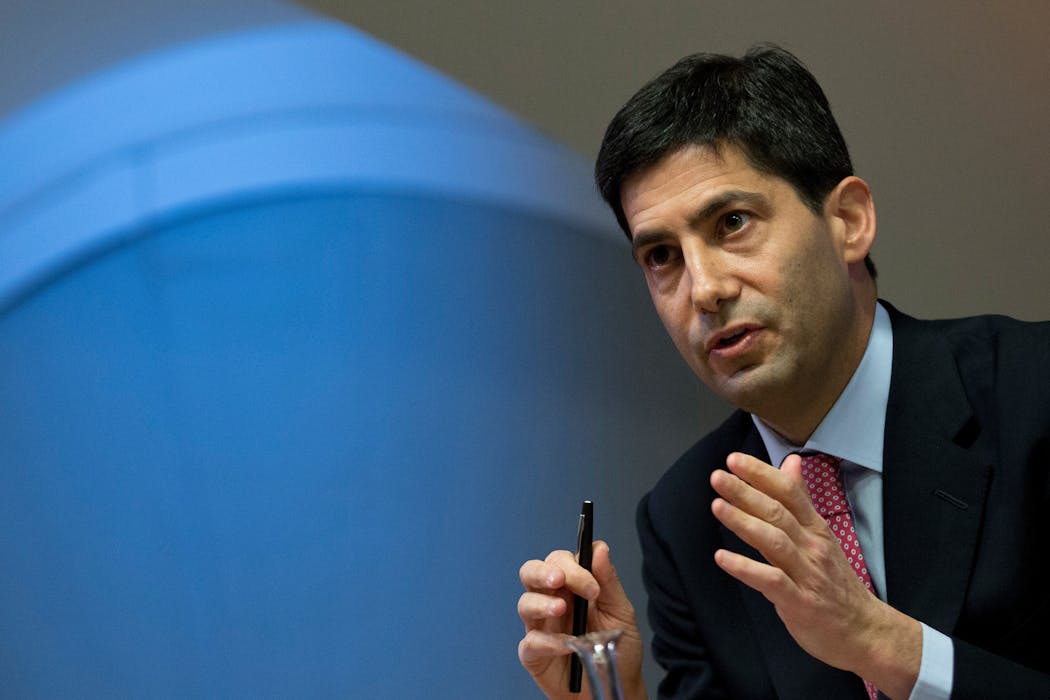
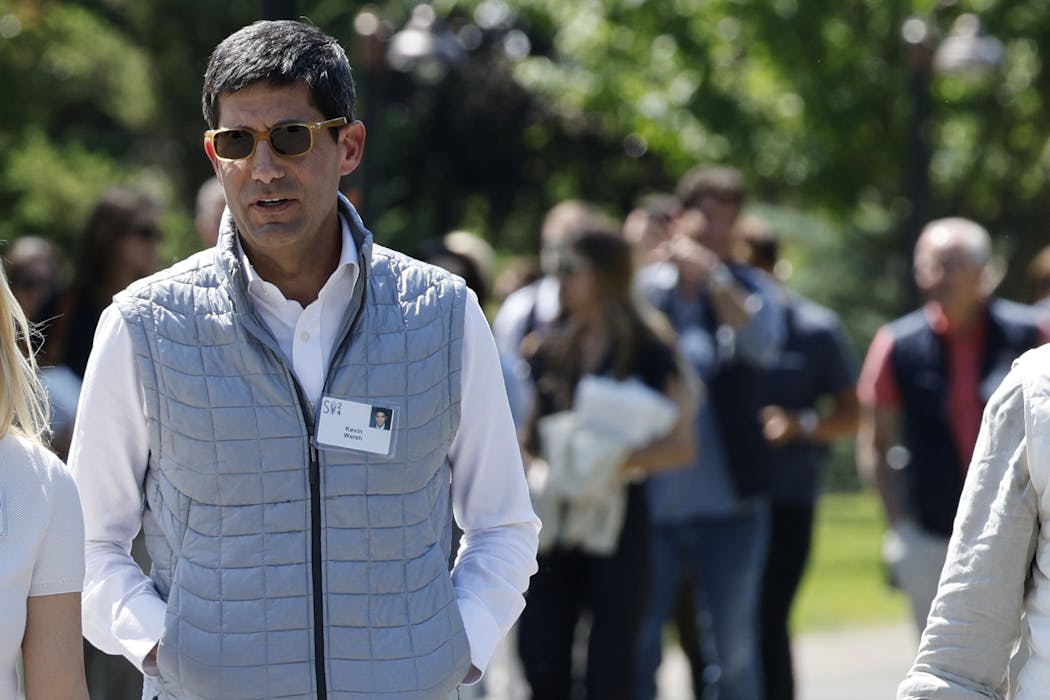
After months of speculation, US President Donald Trump confirmed he will be nominating Kevin Warsh as the next chair of the US Federal Reserve. The appointment has been closely watched in the context of Trump’s ongoing conflict with the Fed and its current chairman Jerome Powell.

The immediate reaction to the announcement was a significant crash in gold and silver markets. After months of record highs and stretched valuations, spot prices for gold and silver dropped 9% and 28% respectively after the announcement. The US stock market also fell, with major indexes all reporting modest losses.

However, in the context of concerns over Trump’s interference with the Fed, the market crash can ironically be understood as an early vote of confidence in Warsh’s independence and suitability for the role.

Understanding why requires the context of Trump’s ongoing conflict with the Federal Reserve, and the importance of central bank independence to our current global financial system.

Trump’s war with the Fed

The last year has seen Trump in an unprecedented conflict with the Federal Reserve.

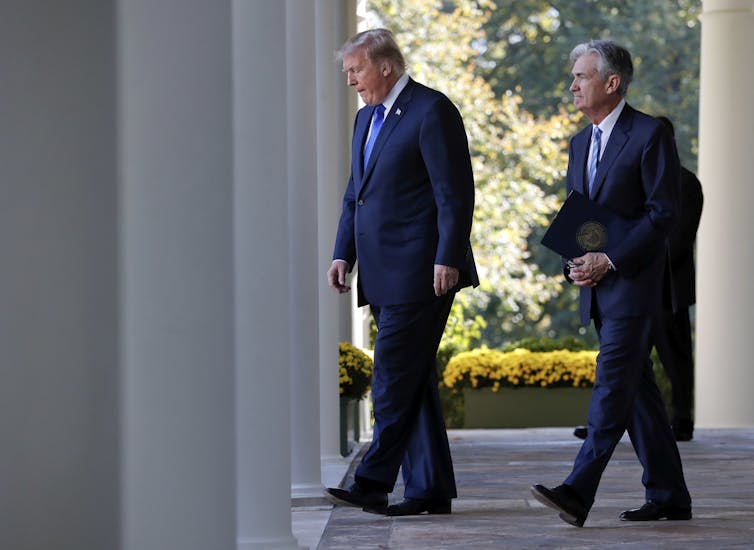
Trump appointed current Chairman Jerome Powell back in 2017. However, the relationship quickly soured when Powell did not cut interest rates as quickly as Trump wanted. In characteristically colourful language, Trump has since called Powell a “clown” with “some real mental problems”, adding “I’d love to fire his ass”.

The war of words descended into legal threats. Trump’s Justice Department announced an investigation into Federal Reserve Governor Lisa Cook over alleged fraud in historical mortgage documents. Then last month, in a shocking escalation the Justice Department opened a criminal investigation into Powell relating to overspending in renovations of the Federal Reserve offices.

Both sets of allegations are widely viewed as baseless. However, Trump has tried to use the investigation as grounds to fire Cook. The case is currently before the Supreme Court.

Powell has hit back strongly at Trump, saying the legal threats were

a consequence of the Federal Reserve setting interest rates based on our best assessment of what will serve the public, rather than following the preferences of the President.

Powell received support from 14 international central bank chiefs, who noted “the independence of central banks is a cornerstone of price, financial and economic stability”.

Historically, presidential interference with the Fed was a major cause of the stagflation crisis in the 1970s. More recently, both Argentina and Turkey have experienced significant financial crises caused by interference with central bank independence.

Who is Kevin Warsh?

Kevin Warsh is a former banker and Federal Reserve governor, who previously served as economic advisor to both President George W Bush and President Trump.

Originally Trump seemed likely to favour the current director of Trump’s National Economic Council, Kevin Hassett, for the job. However, Hassett was widely viewed as being too influenced by Trump, intensifying fears about Fed independence.

Warsh appears more independent and brings a reputation as an inflation “hawk”.

What is an inflation hawk?

The Federal Reserve is responsible for setting US interest rates. Put simply, lower interest rates can increase economic growth and employment, but risk creating inflation. Higher interest rates can control inflation, but at the cost of higher unemployment and lower growth.

Getting the balance right is the central role of the Federal Reserve. Central bank independence is essential to ensure this delicate task is guided by the best evidence and long-term needs of the economy, rather than the short-term political goals.

An inflation “hawk” refers to a central banker who prioritises fighting inflation, compared to a “dove” who prioritises growth and jobs.

From Warsh’s previous time at the Federal Reserve, he established a strong reputation as an inflation hawk. Even in the aftermath of the global financial crisis of 2008, Warsh was more worried about inflation than jobs.

Given Trump’s past conflict with Powell around cutting interest rates, Warsh might seem a curious choice of candidate.

More recently though, Warsh has moderated his views, echoing Trump’s criticism of the Fed and demands for lower interest rates. Whether this support will continue, or if his hawkish tendencies return leading to future conflict with Trump, remains to be seen.

The market reaction

The crash in gold and silver, and decline in stock markets, suggests investors view interest rate cuts as less likely under Warsh than alternative candidates.

Gold and silver prices typically rise in response to instability or fears of inflation.

The previous record highs were driven by many factors, including global instability, concerns over Fed independence, and a speculative bubble.

That Warsh’s appointment has triggered a market correction in precious metals means investors expect lower inflation, and greater financial stability. The US dollar trading higher also supports this view.


Read more:
Silver and gold hit record highs – then crashed. Before joining the rush, you need to know this


The credibility of the Fed is at stake

The past month has seen much discussion of the changing world order. Canadian Prime Minister Mark Carney recently decried the end of the international rules-based order and called for a break from “American hegemony”.

The global dominance of the US dollar is a crucial plank of US economic hegemony. Though Trump clearly remains sceptical of central bank independence, his appointment of Warsh suggests he recognises the importance of retaining the credibility of the US currency and Federal Reserve.

Whether that recognition can continue to temper Trump’s instinct to interfere with the setting of interest rates remains to be seen.

The Conversation

Henry Maher does not work for, consult, own shares in or receive funding from any company or organisation that would benefit from this article, and has disclosed no relevant affiliations beyond their academic appointment.

ref. Why Trump’s new pick for Fed chair hit gold and silver markets – for good reasons – https://theconversation.com/why-trumps-new-pick-for-fed-chair-hit-gold-and-silver-markets-for-good-reasons-273233

Over 100 deaths linked to January storm: Here’s how to stay safe as more cold, stormy weather moves in

Source: The Conversation – USA (2) – By Brett Robertson, Associate Professor and Associate Director of the Hazards Vulnerability and Resilience Institute, University of South Carolina

A powerful winter storm that left hundreds of thousands of people across the U.S. without power for days in freezing temperatures in late January 2026 has been linked to more than 100 deaths, and the cold weather is forecast to continue into February. Several East Coast states are also facing a new winter storm, forecast to bring several inches of snow the weekend of Jan. 31.

The causes of the deaths and injuries have varied. Some people died from exposure to cold inside their homes. Others fell outside or suffered heart attacks while shoveling snow. Three young brothers died after falling through ice on a Texas pond. Dozens of children were treated for carbon monoxide poisoning from improperly used generators or heaters.

These tragedies and others share a common theme: Winter storms pose multiple dangers at once, and people often underestimate how quickly conditions can become life-threatening.

A man stands by the open door of a car stuck on a road with deep snow.
If you plan to drive in a winter storm, be prepared to be stranded, as this driver was in Little Rock, Ark., on Jan. 24, 2026. Cars can slide off roads, slide into each other or get stuck in snow drifts. Having warm winter gear, boots and a charged cell phone can help you deal with the cold.
Will Newton/Getty Images

I’m the associate director of the Hazards Vulnerability and Resilience Institute at the University of South Carolina, where we work on ways to improve emergency preparedness and response. Here is what people need to know to reduce their risk of injury during severe winter weather.

Prepare before the storm arrives

Preparation makes the biggest difference when temperatures drop, and services fail. Many winter storm injuries happen after power outages knock out heat, lighting or medical equipment.

Start by assembling a basic emergency kit. The Federal Emergency Management Agency recommends having water, food that does not require cooking, a flashlight, a battery-powered radio, extra batteries and a first-aid kit, at minimum.

Some basics to go into an emergency kit
In addition to these basics, a winter emergency kit should have plenty of warm clothes and snacks to provide energy to produce body heat.
National Institute of Aging

In wintertime, you’ll also need warm clothing, blankets, hats and gloves. When you go out, even in a vehicle, make sure you dress for the weather. Keep a blanket in the car in case you get stranded, as hundreds of people did for hours overnight on a Mississippi highway on Jan. 27 in freezing, snowy weather.

Portable phone chargers matter more than many people realize. During emergencies, phones become lifelines for updates, help and contact with family. Keep devices charged ahead of the storm and conserve battery power once the storm begins.

If anyone in your home depends on electrically powered medical equipment, make a plan now. Know where you can go if the power goes out for an extended period. Contact your utility provider in advance to ask about outage planning, including whether they offer priority restoration or guidance for customers who rely on powered medical equipment.

What to do if the power goes out

Loss of heat is one of the most serious dangers of winter storms. Hypothermia can occur indoors when temperatures drop, especially overnight.

If the power goes out, choose one room to stay in and close its doors to keep the warmth inside. Cover windows with curtains or blankets. Wear loose layers and a knit hat to keep your own body heat in, even indoors. Remember to also eat regular snacks and drink warm fluids when possible, since the body uses energy to stay warm.

Five people sit around a table, each wrapped up in warm clothes and hats. Two children are studying.
Wearing knit caps, lots of layers and staying together in one room can help with warmth. If you light candles, use them carefully to avoid fires.
SimpleImages/Moment via Getty Images

It might seem tempting, but don’t use camp stoves, outdoor grills or generators inside a home. These can quickly produce carbon monoxide, an odorless and deadly gas. During the January storm, one Nashville hospital saw more than 40 children with carbon monoxide poisoning linked to unsafe heating practices.

If you must use a generator, keep it outdoors and far from windows and doors. Make sure your home’s carbon monoxide detectors are working before storms arrive.

If your home becomes too cold, go to a warmer place, such as a friend’s home, a warming center or a public shelter. You can call 2-1-1, a nationwide hotline, to find local options. The American Red Cross and the Salvation Army also list open shelters on their websites. Several states maintain online maps for finding warming centers and emergency services during winter storms, including Kentucky, Louisiana, Mississippi, New York, Tennessee, and Texas.

Be careful outside – ice changes things

Winter storms make everyday activities dangerous. Ice turns sidewalks into slippery hazards. Snow shoveling strains the heart.
Frozen ponds and lakes might look solid but often are not as the ice can change quickly with weather conditions.

Walking on icy surfaces, even your own sidewalk, requires slow steps, proper footwear and full attention to what you’re doing. Falls can cause head injuries or broken bones, and it can happen with your first step out the door.

A group of kids scream as they sled down a hillside, legs flying in the air.
Playing in the snow, like this group was at Cherokee Park in Louisville, Ky., can be the best part of winter, but be sure to do it safely. At least three people died in accidents while being towed on sleds behind vehicles on icy streets during the January 2026 storm.
Jon Cherry/Getty Images

Shoveling snow is a common risk that people often overlook, but it deserves special caution. The actions of shoveling in cold weather can place intense strain on the heart. For people with heart conditions, it that extra strain can trigger heart attacks.

Why shoveling snow is more stressful on your heart than mowing your lawn. Mayo Clinic.

If you’re shoveling, take frequent breaks. Push snow instead of lifting when possible. And stop immediately if you feel chest pain, dizziness, or shortness of breath.

Communication saves time and lives

Winter storms disrupt information flows. Cell service fails. Internet access drops. Power outages silence televisions.

In my research on heat and storm emergencies, people frequently rely on personal networks to share updates, resources, and safety information. With that in mind, check on family, friends and neighbors, especially older adults and people who live alone.

Research I have conducted shows that nearby social ties matter during disasters because they help people share information and act more quickly when services are disrupted. Make sure that the information you’re sharing is coming from reliable sources – not everything on social media is. Also, let others know where you plan to go if conditions worsen.

A woman in a puffy jacket, hat and scarf walks up snow-covered subway stairs.
Walk carefully on snow and ice, particularly stairs like these in a New York subway station on Jan. 25, 2026. At home, be sure to clear snow off your steps soon after a storm so ice doesn’t build up.
Spencer Platt/Getty Images

Use multiple sources for information. Battery-powered radios remain critical during winter storms. Sign up for local emergency alerts by email or text. Studies have found that in regions accustomed to frequent hazardous weather, people often take actions in response to risks more slowly when they don’t have reliable local updates or clear alerts.

Practice matters

Many injuries happen because people delay actions they know they need to take. They wait to leave a house that’s getting too cold or at risk of damage by weather, such as flooding. They wait to ask for help. They wait to adjust plans.

In research I contributed to on evacuation drills involving wildfires, people who practiced their evacuation plan in advance were more likely to react quickly when conditions changed. Talking through evacuation plans for any type of emergency, whether a hurricane or a winter storm, builds people’s confidence and reduces their hesitation.

Take time each winter to review your emergency supplies, communication plans, and heating options.

Winter storms will test your preparation, judgment, and patience. You cannot control when the next one arrives, but you can decide how ready you will be when it does.

This article, originally published Jan. 29, 2026, has been updated with additional details on the new storm.

The Conversation

Brett Robertson receives funding from the National Science Foundation (Award #2316128). Any opinions, findings, conclusions, or recommendations expressed in this material are those of the author and do not necessarily reflect the views of the National Science Foundation.

ref. Over 100 deaths linked to January storm: Here’s how to stay safe as more cold, stormy weather moves in – https://theconversation.com/over-100-deaths-linked-to-january-storm-heres-how-to-stay-safe-as-more-cold-stormy-weather-moves-in-274605

Over 100 deaths linked to January storm, but winter storms don’t have to be deadly – here’s how to prepare to stay safe

Source: The Conversation – USA (2) – By Brett Robertson, Associate Professor and Associate Director of the Hazards Vulnerability and Resilience Institute, University of South Carolina

A powerful winter storm that left hundreds of thousands of people across the U.S. without power for days in freezing temperatures in late January 2026 has been linked to more than 100 deaths, and the cold weather is forecast to continue into February. Several East Coast states are also facing a new winter storm, forecast to bring several inches of snow the weekend of Jan. 31.

The causes of the deaths and injuries have varied. Some people died from exposure to cold inside their homes. Others fell outside or suffered heart attacks while shoveling snow. Three young brothers died after falling through ice on a Texas pond. Dozens of children were treated for carbon monoxide poisoning from improperly used generators or heaters.

These tragedies and others share a common theme: Winter storms pose multiple dangers at once, and people often underestimate how quickly conditions can become life-threatening.

A man stands by the open door of a car stuck on a road with deep snow.
If you plan to drive in a winter storm, be prepared to be stranded, as this driver was in Little Rock, Ark., on Jan. 24, 2026. Cars can slide off roads, slide into each other or get stuck in snow drifts. Having warm winter gear, boots and a charged cell phone can help you deal with the cold.
Will Newton/Getty Images

I’m the associate director of the Hazards Vulnerability and Resilience Institute at the University of South Carolina, where we work on ways to improve emergency preparedness and response. Here is what people need to know to reduce their risk of injury during severe winter weather.

Prepare before the storm arrives

Preparation makes the biggest difference when temperatures drop, and services fail. Many winter storm injuries happen after power outages knock out heat, lighting or medical equipment.

Start by assembling a basic emergency kit. The Federal Emergency Management Agency recommends having water, food that does not require cooking, a flashlight, a battery-powered radio, extra batteries and a first-aid kit, at minimum.

Some basics to go into an emergency kit
In addition to these basics, a winter emergency kit should have plenty of warm clothes and snacks to provide energy to produce body heat.
National Institute of Aging

In wintertime, you’ll also need warm clothing, blankets, hats and gloves. When you go out, even in a vehicle, make sure you dress for the weather. Keep a blanket in the car in case you get stranded, as hundreds of people did for hours overnight on a Mississippi highway on Jan. 27 in freezing, snowy weather.

Portable phone chargers matter more than many people realize. During emergencies, phones become lifelines for updates, help and contact with family. Keep devices charged ahead of the storm and conserve battery power once the storm begins.

If anyone in your home depends on electrically powered medical equipment, make a plan now. Know where you can go if the power goes out for an extended period. Contact your utility provider in advance to ask about outage planning, including whether they offer priority restoration or guidance for customers who rely on powered medical equipment.

What to do if the power goes out

Loss of heat is one of the most serious dangers of winter storms. Hypothermia can occur indoors when temperatures drop, especially overnight.

If the power goes out, choose one room to stay in and close its doors to keep the warmth inside. Cover windows with curtains or blankets. Wear loose layers and a knit hat to keep your own body heat in, even indoors. Remember to also eat regular snacks and drink warm fluids when possible, since the body uses energy to stay warm.

Five people sit around a table, each wrapped up in warm clothes and hats. Two children are studying.
Wearing knit caps, lots of layers and staying together in one room can help with warmth. If you light candles, use them carefully to avoid fires.
SimpleImages/Moment via Getty Images

It might seem tempting, but don’t use camp stoves, outdoor grills or generators inside a home. These can quickly produce carbon monoxide, an odorless and deadly gas. During the January storm, one Nashville hospital saw more than 40 children with carbon monoxide poisoning linked to unsafe heating practices.

If you must use a generator, keep it outdoors and far from windows and doors. Make sure your home’s carbon monoxide detectors are working before storms arrive.

If your home becomes too cold, go to a warmer place, such as a friend’s home, a warming center or a public shelter. You can call 2-1-1, a nationwide hotline, to find local options. The American Red Cross and the Salvation Army also list open shelters on their websites. Several states maintain online maps for finding warming centers and emergency services during winter storms, including Kentucky, Louisiana, Mississippi, New York, Tennessee, and Texas.

Be careful outside – ice changes things

Winter storms make everyday activities dangerous. Ice turns sidewalks into slippery hazards. Snow shoveling strains the heart.
Frozen ponds and lakes might look solid but often are not as the ice can change quickly with weather conditions.

Walking on icy surfaces, even your own sidewalk, requires slow steps, proper footwear and full attention to what you’re doing. Falls can cause head injuries or broken bones, and it can happen with your first step out the door.

A group of kids scream as they sled down a hillside, legs flying in the air.
Playing in the snow, like this group was at Cherokee Park in Louisville, Ky., can be the best part of winter, but be sure to do it safely. At least three people died in accidents while being towed on sleds behind vehicles on icy streets during the January 2026 storm.
Jon Cherry/Getty Images

Shoveling snow is a common risk that people often overlook, but it deserves special caution. The actions of shoveling in cold weather can place intense strain on the heart. For people with heart conditions, it that extra strain can trigger heart attacks.

Why shoveling snow is more stressful on your heart than mowing your lawn. Mayo Clinic.

If you’re shoveling, take frequent breaks. Push snow instead of lifting when possible. And stop immediately if you feel chest pain, dizziness, or shortness of breath.

Communication saves time and lives

Winter storms disrupt information flows. Cell service fails. Internet access drops. Power outages silence televisions.

In my research on heat and storm emergencies, people frequently rely on personal networks to share updates, resources, and safety information. With that in mind, check on family, friends and neighbors, especially older adults and people who live alone.

Research I have conducted shows that nearby social ties matter during disasters because they help people share information and act more quickly when services are disrupted. Make sure that the information you’re sharing is coming from reliable sources – not everything on social media is. Also, let others know where you plan to go if conditions worsen.

A woman in a puffy jacket, hat and scarf walks up snow-covered subway stairs.
Walk carefully on snow and ice, particularly stairs like these in a New York subway station on Jan. 25, 2026. At home, be sure to clear snow off your steps soon after a storm so ice doesn’t build up.
Spencer Platt/Getty Images

Use multiple sources for information. Battery-powered radios remain critical during winter storms. Sign up for local emergency alerts by email or text. Studies have found that in regions accustomed to frequent hazardous weather, people often take actions in response to risks more slowly when they don’t have reliable local updates or clear alerts.

Practice matters

Many injuries happen because people delay actions they know they need to take. They wait to leave a house that’s getting too cold or at risk of damage by weather, such as flooding. They wait to ask for help. They wait to adjust plans.

In research I contributed to on evacuation drills involving wildfires, people who practiced their evacuation plan in advance were more likely to react quickly when conditions changed. Talking through evacuation plans for any type of emergency, whether a hurricane or a winter storm, builds people’s confidence and reduces their hesitation.

Take time each winter to review your emergency supplies, communication plans, and heating options.

Winter storms will test your preparation, judgment, and patience. You cannot control when the next one arrives, but you can decide how ready you will be when it does.

This article, originally published Jan. 29, 2026, has been updated with additional details on the new storm.

The Conversation

Brett Robertson receives funding from the National Science Foundation (Award #2316128). Any opinions, findings, conclusions, or recommendations expressed in this material are those of the author and do not necessarily reflect the views of the National Science Foundation.

ref. Over 100 deaths linked to January storm, but winter storms don’t have to be deadly – here’s how to prepare to stay safe – https://theconversation.com/over-100-deaths-linked-to-january-storm-but-winter-storms-dont-have-to-be-deadly-heres-how-to-prepare-to-stay-safe-274605

US exit from the World Health Organization marks a new era in global health policy – here’s what the US, and world, will lose

Source: The Conversation – USA (3) – By Jordan Miller, Teaching Professor of Public Health, Arizona State University

The U.S.-WHO collaboration has been critical in the country’s response to mpox, shown here, as well as Ebola, Marburg, flu and COVID-19. Uma Shankar sharma/Moment via Getty Images

The U.S. departure from the World Health Organization became official in late January 2026, according to the Trump administration – a year after President Donald Trump signed an executive order on inauguration day of his second term declaring that he was doing so. He first stated his intention to do so during his first term in 2020, early in the COVID-19 pandemic.

The U.S. severing its ties with the WHO will cause ripple effects that linger for years to come, with widespread implications for public health. The Conversation asked Jordan Miller, a public health professor at Arizona State University, to explain what the U.S. departure means in the short and long term.

Why is the US leaving the WHO?

The Trump administration says it’s unfair that the U.S. contributes more than other nations and cites this as the main reason for leaving. The White House’s official announcement gives the example of China, which – despite having a population three times the size of the U.S. – contributes 90% less than the U.S. does to the WHO.

The Trump administration has also claimed that the WHO’s response to the COVID-19 pandemic was botched and that it lacked accountability and transparency.

The WHO has pushed back on these claims, defending its pandemic response, which recommended masking and physical distancing.

The U.S. does provide a disproportionate amount of funding to the WHO. In 2023, for example, U.S. contributions almost tripled that of the European Commission’s and were roughly 50% more than the second highest donor, Germany. But health experts point out that preventing and responding quickly to public health challenges is far less expensive than dealing with those problems once they’ve taken root and spread.

However, the withdrawal process is complicated, despite the U.S. assertion that it is final. Most countries do not have the ability to withdraw, as that is the way the original agreement to join the WHO was designed. But the U.S. inserted a clause into its agreement with the WHO when it agreed to join, stipulating that the U.S. would have the ability to withdraw, as long as it provided a one-year notice and paid all remaining dues. Though the U.S. gave its notice when Trump took office a year ago, it still owes the WHO about US$260 million in fees for 2024-25. There are complicated questions of international law that remain.

The U.S. has been a dominant force in the WHO, and its absence will have direct and lasting impacts on health systems in the U.S. and other countries.

What does US withdrawal from the WHO mean in the short term?

In short, the U.S. withdrawal weakens public health abroad and at home. The WHO’s priorities include stopping the spread of infectious diseases, stemming antimicrobial resistance, mitigating natural disasters, providing medication and health services to those who need it, and even preventing chronic diseases. So public health challenges, such as infectious diseases, have to be approached at scale because experience shows that coordination across borders is important for success.

The U.S. has been the largest single funder of the WHO, with contributions in the hundreds of millions of dollars annually over the past decade, so its withdrawal will have immediate operational impacts, limiting the WHO’s ability to continue established programs.

As a result of losing such a significant share of its funding, the WHO announced in a recent memo to staff that it plans to cut roughly 2,300 jobs – a quarter of its workforce – by summer 2026. It also plans to downsize 10 of its divisions to four.

In addition to a long history of funding, U.S. experts have worked closely with the WHO to address public health challenges. Successes stemming from this partnership include effectively responding to several Ebola outbreaks, addressing mpox around the world and the Marburg virus outbreak in Rwanda and Ethiopia. Both the Marburg and Ebola viruses have a 50% fatality rate, on average, so containing these diseases before they reached pandemic-level spread was critically important.

The Infectious Diseases Society of America issued a statement in January 2026 describing the move as “a shortsighted and misguided abandonment of our global health commitments,” noting that “global cooperation and communication are critical to keep our own citizens protected because germs do not respect borders.”

Pink and purple-stained light micrograph image of liver cells infected with Ebola virus.
The US has been instrumental in the response to major Ebola outbreaks through its involvement with the WHO. Shown here, Ebola-infected liver cells.
Callista Images/Connect Images via Getty Images

What are the longer-term impacts of US withdrawal?

By withdrawing from the WHO, the U.S. will no longer participate in the organization’s Global Influenza Surveillance and Response System, which has been in operation since 1952. This will seriously compromise the U.S.’s ability to plan and manufacture vaccines to match the predicted flu strains for each coming year.

Annual flu vaccines for the U.S. and globally are developed a year in advance using data that is collected around the world and then analyzed by an international team of experts to predict which strains are likely to be most widespread in the next year. The WHO convenes expert panels twice per year and then makes recommendations on which flu strains to include in each year’s vaccine manufacturing formulation.

While manufacturers will likely still be able to obtain information regarding the WHO’s conclusions, the U.S. will not contribute data in the same way, and American experts will no longer have a role in the process of data analysis. This could lead to problematic differences between WHO recommendations and those coming from U.S. authorities.

The Centers for Disease Control and Prevention estimates that each year in the U.S. millions of people get the flu, hundreds of thousands of Americans are hospitalized and tens of thousands die as a result of influenza. Diminishing the country’s ability to prepare in advance through flu shots will likely mean more hospitalizations and more deaths as a result of the flu.

This is just one example of many of how the U.S.’s departure will affect the country’s readiness to respond to disease threats.

Additionally, the reputational damage done by the U.S. departure cannot be overstated. The U.S. has developed its position as an international leader in public health over many decades as the largest developer and implementer of global health programs.

I believe surrendering this position will diminish the United States’ ability to influence public health strategies internationally, and that is important because global health affects health in the U.S. It will also make it harder to shape a multinational response in the event of another public health crisis like the COVID-19 pandemic.

Public health and policy experts predict that China will use this opportunity to strengthen its position and its global influence, stepping into the power vacuum the U.S. creates by withdrawing. China has pledged an additional US$500 million in support of the WHO over the next five years.

As a member of the WHO, the United States has had ready access to a vast amount of data collected by the WHO and its members. While most data the WHO obtains is ultimately made available to the public, member nations have greater access to detailed information about collection methods and gain access sooner, as new threats are emerging.

Delays in access to data could hamstring the country’s ability to respond in the event of the next infectious disease outbreak.

Could the US return under a new president?

In short, yes. The WHO has clearly signaled its desire to continue to engage with the U.S., saying it “regrets the U.S. decision to withdraw” and hopes the U.S. will reconsider its decision to leave.

In the meantime, individual states have the opportunity to participate. In late January, California announced it will join the WHO’s Global Outbreak Alert & Response Network, which is open to a broader array of participants than just WHO member nations. California was also a founding member of the West Coast Health Alliance, which now includes 14 U.S. states that have agreed to work together to address public health challenges.

California Gov. Gavin Newsom has also launched an initiative designed to improve public health infrastructure and build trust. He enlisted national public health leaders for this effort, including former Centers for Disease Control and Prevention leaders Susan Monarez and Deb Houry, as well as Katelyn Jetelina, who became well known as Your Local Epidemiologist during the COVID-19 pandemic.

I think we will continue to see innovative efforts like these emerging, as political and public health leaders work to fill the vacuum being created by the Trump administration’s disinvestment in public health.

The Conversation

Jordan Miller does not work for, consult, own shares in or receive funding from any company or organization that would benefit from this article, and has disclosed no relevant affiliations beyond their academic appointment.

ref. US exit from the World Health Organization marks a new era in global health policy – here’s what the US, and world, will lose – https://theconversation.com/us-exit-from-the-world-health-organization-marks-a-new-era-in-global-health-policy-heres-what-the-us-and-world-will-lose-274277

Funny, tender, goofy – Catherine O’Hara lit up the screen every time she showed up

Source: The Conversation – Global Perspectives – By Ben McCann, Associate Professor of French Studies, Adelaide University

Catherine O’Hara, the beloved actor and comedian who has died aged 71, occupied that rare position in contemporary screen culture: a comic actor, a cult figure and a mainstream star.

Her work spanned more than 50 years, from improv sketch comedy to Hollywood features and off-beat TV classics.

She was celebrated for her unmatched comic timing and chameleon-like character work. Her roles were often absurdist and quirky, but they hid a razor-sharp humour.

Born and raised in Toronto in a close-knit Irish Catholic family, O’Hara was one of seven siblings. She once remarked humour was part of her everyday life; storytelling, impressions and lively conversation helped hone her comedic instincts.

After high school, she worked at Toronto’s Second City Theatre, a famed breeding ground for comedy talent, and sharpened her deadpan improvisational skills.

Big break

O’Hara’s break came with Second City Television (SCTV), a sketch comedy series that rivalled Saturday Night Live in creativity and influence. Alongside contemporaries Eugene Levy, John Candy, Rick Moranis and Martin Short, she defined her distinctly smart, absurdist comedic voice.

O’Hara was not merely a performer on SCTV; she was also a writer, winning an Emmy Award for her contributions. This dual role shaped her career-long sensitivity to rhythm, language and character construction.

Unlike sketch performers who rely on repetition or catchphrases, O’Hara’s humour emerged with a different comedic logic. Audiences laughed not because the character was “funny”, but because the character took herself so seriously.

Though briefly cast on Saturday Night Live in the early 1980s, O’Hara chose to stay with SCTV when it was renewed, a decision she later described as key in letting her creative career flourish where it belonged.

The transition to film

By the mid-1980s, O’Hara was establishing herself as a screen presence. She appeared in Martin Scorsese’s offbeat black comedy After Hours (1985), and showcased her comic range in Heartburn (1986).

In 1988, she landed what would become one of her most beloved film roles: Delia Deetz in Tim Burton’s left-field Beetlejuice (1988).

Delia – a pretentious, New York art-scene social climber – allowed O’Hara to combine physical comedy and imbecilic dialogue (“A little gasoline … blowtorch … no problem”).

Burton once noted

Catherine’s so good, maybe too good. She works on levels that people don’t even know. I think she scares people because she operates at such high levels.

She went on to play Kate McCallister, the beleaguered mother in the holiday blockbusters Home Alone (1990) and Home Alone 2: Lost in New York (1992). Audiences loved the fact that this rather thinly written role became the films’ beating heart.

Working with Christopher Guest

Another distinctive phase of O’Hara’s career was her work with writer-director Christopher Guest on a series of largely improvised mockumentaries that have become cult classics.

Three standouts were Waiting for Guffman (1996), where she plays a desperate local performer in a small-town theatre troupe, and A Mighty Wind (2003), where she teamed up with old pal Levy as an ageing folk duo.

Her best turn came in Best in Show (2000), in which she and Levy played a couple competing in a national dog show. Her character Cookie Fleck remains one of the finest examples of improvised comedy on film.

Her relentless monologues about former lovers are objectively inappropriate, yet O’Hara delivers them with such earnest enthusiasm that they become strangely compelling.

Her gift for improvisation glittered in these films: these eccentric characters were often laugh-out-loud funny – but O’Hara never mocked them.

Late success

She returned to TV in Six Feet Under (2001–05) and guest appearances on The Larry Sanders Show (1992–98) and Curb Your Enthusiasm (1999–2024). More recently, she appeared in prestige shows such as The Last of Us (2023–) and The Studio (2025–).

But it was the role of Moira Rose, the eccentric, ex-soap opera star in the Canadian sitcom Schitt’s Creek (2015–20), created by Eugene Levy and his son Dan, that would become O’Hara’s most significant late career move. And what a role it was!

Written for O’Hara’s unique talents, Moira was a larger-than-life character with a bizarre, unforgettable vocabulary, dramatic mood swings and a wardrobe that became nearly as famous as the character herself.

Feminist media scholars have noted the rarity of such complex roles for older women, particularly in comedy, making O’Hara’s performance culturally significant.

The show became a global streaming blockbuster during COVID lockdowns and O’Hara’s multi-award-winning performance became a social media phenomenon, spawning memes and viral clips.

There are so many standout moments – her drunken meltdown after losing her wigs, her audition for The Crows Have Eyes 3 and the show’s moving finale where she performs Danny Boy at Alexis’s graduation.

An enduring legacy

O’Hara had a remarkable ability to play flamboyant, self-absorbed characters who were often uproariously funny.

Many comedians and actors have cited O’Hara as an influence for her fearlessness, her ability to blend absurdity with emotional truth, and her steadfast commitment to character integrity. She influenced performers like Tina Fey, Maya Rudolph, Kate McKinnon and Phoebe Waller-Bridge.

O’Hara also refused to chase conventional stardom. Rather than choosing projects designed to flatten her eccentricities, O’Hara favoured collaborative environments that valued creativity over control.

For her, comedy was always an art of intelligence, empathy and generosity.

The Conversation

Ben McCann does not work for, consult, own shares in or receive funding from any company or organisation that would benefit from this article, and has disclosed no relevant affiliations beyond their academic appointment.

ref. Funny, tender, goofy – Catherine O’Hara lit up the screen every time she showed up – https://theconversation.com/funny-tender-goofy-catherine-ohara-lit-up-the-screen-every-time-she-showed-up-274816

Silver and gold hit record highs – then crashed. Before joining the rush, you need to know this

Source: The Conversation – Global Perspectives – By Angel Zhong, Professor of Finance, RMIT University

Zlaťáky.cz/Pexels, CC BY

The start of 2026 has seen gold and silver surge to record highs – only to crash on Friday.

Gold prices peaked above US$5,500 (A$7,900) per ounce for the first time on Thursday, well above previous highs. But by the end of Friday, it had dropped to around US$5068 (A$7,282).

Silver had been making gains even faster than gold. It hit more than US$120 (A$172) per ounce last week, marking one of its strongest runs in decades, before crashing on Friday to US$98.50 (A$141.50).

So what’s behind those surges and falls? And what should everyday investors know about the risks of investing in precious metals right now?

Why gold has been hitting new highs

Gold is the classic safe haven: an asset people buy to protect their savings when worried about financial risks.

With international political tensions rising, trade war threats, shifting signals about where interest rates are heading and a potential changing world order, investors are seeking assets that feel stable when everything else looks shaky.

Friday’s crash in gold and silver was sparked by financial markets reacting to early news of Donald Trump’s nomination of Kevin Warsh as chair of the US Federal Reserve. The US central bank plays a key role in global financial stability.

Central banks around the world have been buying gold at a rapid pace, reinforcing its reputation as a place to park value during periods of uncertainty.

But it’s not just big institutions moving the market. In Australia and overseas, retail investors – individuals buying and selling smaller amounts for themselves – have played a part too.

Those individuals have been increasingly treating gold, silver and other precious metals as a hedge against so much uncertainty, as well as a momentum play – trying to buy in to keep up with others.

As prices have trended upward, more everyday investors have bought in, especially through gold exchange-traded funds (ETFs), which make it simple to gain exposure without storing physical gold bullion.


Read more:
The price of gold is skyrocketing. Why is this, and will it continue?


What’s been driving silver’s surge

While gold was grabbing headlines for much of 2025, silver has been the real showstopper. Before Friday’s fall, the metal had surged more than 60% in just the past month, far outpacing gold’s still impressive run of around 30%.

Unlike gold, silver has a split personality. Industrial uses are driving up demand for silver. It’s critical for clean energy technologies including solar panels, electric vehicles (EVs), and semiconductors.

This dual appeal – as a safe haven, but also as an in-demand industrial commodity – is drawing investors who see multiple reasons for prices to keep climbing.

Every solar panel contains about 20 grams of silver. The solar industry consumes nearly 30% of total global demand for silver.

EVs also use 25–50 grams each, and AI data centres need silver for semiconductors.

The kicker? The silver market has run a supply deficit for five consecutive years. We’re consuming more than we’re mining, and most silver comes as a byproduct of other metals. You can’t simply open more silver mines.

Individual buyers have piled into silver

One of Australia’s most popular online investment platforms for retail investors is CommSec, with around 3 million customers.

Bloomberg tracking of CommSec trades shows how much retail purchases of silver ETFs in particular have spiked higher in the past year.

Over the past year, gold ETF trades on CommSec grew 47%, with cumulative net buying reaching A$158 million. That reflects gold’s established role in portfolios.

Yet despite attracting slightly lower total investment overall at A$104 million, silver trading activity exploded by far more: it’s been 1,000% higher than the year before.

This means retail investors made far more frequent, smaller trades in silver. This is classic momentum-chasing behaviour, as everyday investors piled into an asset showing dramatic price gains.

The pattern is unmistakable: while gold remains the anchor, silver has become the speculative play.

Its lower per-ounce price, industrial demand narrative, and social media buzz make it particularly accessible to retail investors seeking exposure to the precious metals rally, at a much lower price than gold.

The risks every investor needs to know

The data shows Australian retail investors have been buying as prices rise. But this “fear of missing out” approach comes with serious risks.

Volatility cuts both ways. From February 2025 to just before Friday’s sharp drop, the price of silver had surged 269%. But even before that fall, silver’s spectacular gain had come with 36% “annualised volatility” (which measures how much a stock price varies over one year). That was nearly double gold’s 20% volatility over the same period.

What does that mean in practice? As we’ve just seen, what goes up fast can come down quickly too.

Buying high is dangerous. When retail investors pile in after major price increases, they often end up buying near the top. Professional investors and central banks have been accumulating gold and silver for years, at much lower prices.

No income, higher risk. Unlike shares or bonds, metals don’t pay dividends or interest. Your entire return depends on prices rising further from already elevated levels. And as the past few days have shown, the potential for sharp drawdowns is substantial.

Keep it modest. Financial advisers typically recommend precious metals comprise 5–15% of a diversified portfolio. After such extraordinary price volatility, that guideline matters more than ever.


Disclaimer: This article provides general information only and is not intended as financial advice. All investments carry risk.

The Conversation

The authors do not work for, consult, own shares in or receive funding from any company or organisation that would benefit from this article, and have disclosed no relevant affiliations beyond their academic appointment.

ref. Silver and gold hit record highs – then crashed. Before joining the rush, you need to know this – https://theconversation.com/silver-and-gold-hit-record-highs-then-crashed-before-joining-the-rush-you-need-to-know-this-274622

3 things to know about Kevin Warsh, Trump’s nod for Fed chair

Source: The Conversation – USA (2) – By D. Brian Blank, Associate Professor of Finance, Mississippi State University

Kevin Warsh has been tapped by Donald Trump to lead the Federal Reserve. AP Photo/Alastair Grant

After months of speculation, President Donald Trump nominated Kevin Warsh on Jan. 30, 2026, to be the next chair of the Federal Reserve.

If confirmed by Congress, Warsh will inherit leadership of the U.S. central bank at a delicate time. For months, current Fed Chair Jerome Powell has come under attack from the Trump administration for failing to heed the president’s call for lower interest rates. The fight has put into question the central bank’s independence and its role in stewarding the economy.

Powell’s term as chair will end in mid-May, leaving his successor to navigate an economy that has improved on some fronts but remains uneven and uncertain.

But what should America expect from the next Fed chair? Here are three things to note about Trump’s nominee.

1. He is a familiar face …

Warsh brings deep experience with monetary policymaking to the role.

A graduate of Stanford University and Harvard Law School, he served as special assistant to the president for economic policy and executive secretary of the White House National Economic Council under President George W. Bush before becoming one of the youngest members of the Federal Reserve Board of Governors.

Warsh is no newcomer to discussions about Federal Reserve leadership. He was a finalist for the job in 2017, when Trump instead appointed Powell. Trump has since stated that he made a mistake by not selecting Warsh then – though clashes between Trump and Powell may have influenced that view.

Two men in suits walk outside.
Fed Chair Jerome Powell increasingly found himself out of step with Donald Trump’s wishes.
AP Photo/Pablo Martinez Monsivais

Warsh’s credentials are unquestionable. As a governor of the Federal Reserve Board from 2006 to 2011, he worked closely with other policymakers and with Wall Street during the global financial crisis of 2008. Since departing the Fed, he has returned to Stanford as a visiting fellow at the Hoover Institution and a lecturer at the Graduate School of Business, as well as a member of the Panel of Economic Advisers of the Congressional Budget Office.

He also has ties to the finance industry. He began his career in mergers and acquisitions at Morgan Stanley and, since leaving the Fed, has worked as a partner at Duquesne Family Office, an investment firm that manages the personal wealth of hedge fund manager Stanley Druckenmiller and other investors.

In 2016, Trump included Warsh in an economic advisory group assembled during his transition. Critics of Warsh’s nomination point toward his father-in-law, Ronald Lauder, a college friend and donor of the president, as evidence of politicization.

2. … with evolving monetary views

The big question people have is what a Warsh Fed would mean for monetary policy – that is, is it likely to play tight or loose with rates.

When the economy is growing quickly, like in 2021, the Federal Reserve tightens policy by raising interest rates to avoid the kind of economic growth that may not be sustainable long term and can lead to bubbles. However, during downturns, like in 2008 or 2020, the economic policy that can provide a backstop for the economy is looser. The Fed tends to lower rates in these situations, which supports growth.

Warsh’s views on monetary policy have long been considered hawkish, meaning he is inclined toward tighter policy and generally higher interest rates to keep inflation in check, even at the expense of slower economic growth. During his previous tenure at the Fed, he signaled concern about expansive monetary tools such as quantitative easing, in which the central bank buys Treasurys and other securities to stimulate the economy. This resulted in what Warsh called a “bloated” Fed balance sheet that held almost US$9 trillion of debt at its peak in 2022.

In recent public remarks leading up to his nomination, however, he has increasingly aligned in part with Trump’s push for lower interest rates and discussed establishing a new Treasury-Fed Accord, like in 1951, when Fed independence from fiscal authorities such as the Treasury Department was established.

3. His nod highlights fight over Fed independence

A central question surrounding this nomination is whether it promotes the politicization of the Federal Reserve.

The Fed’s independence from day-to-day political pressure has long been viewed as a cornerstone of U.S. economic policymaking. Decisions about interest rates, inflation control and financial stability are insulated from electoral politics for that reason. A truly independent Fed can resist making decisions that provide a short-term economic bump – something incumbent governments tend to like – but may lead to longer-term economic pain down the road.

The Fed tends to use its monetary policy tools carefully. Yet politicians tend to want looser monetary policy so the economy grows fast and they get credit for it.

And Warsh’s nomination can be seen in the context of a broader push from the executive branch to exert greater influence over monetary policy. Given Trump’s public criticism of Powell and vocal calls for his early departure, the president almost certainly intended to nominate someone who would lower interest rates according to preferences stated by the administration.

Critics of the nomination have argued that Warsh has a tendency to be more opportunistic with his policy views than Powell and other economists, who try to ignore political preferences.

As such, Warsh’s nomination encapsulates more than just a leadership transition. It highlights the ongoing tensions between political priorities and the traditional economic playbook, between short-term growth pressures and long-term stability, and between institutional independence and democratic accountability.

Time will tell whether he turns out to be hawkish or politically motivated as chair, if he is confirmed.

The Conversation

The authors do not work for, consult, own shares in or receive funding from any company or organization that would benefit from this article, and have disclosed no relevant affiliations beyond their academic appointment.

ref. 3 things to know about Kevin Warsh, Trump’s nod for Fed chair – https://theconversation.com/3-things-to-know-about-kevin-warsh-trumps-nod-for-fed-chair-274781

Introducing our new Science & Technology editor

Source: The Conversation – Canada – By Kim Honey, CEO|Editor-in-Chief, The Conversation

The Conversation Canada is thrilled to announce Heather Walmsley, one of the
founding editors who helped us launch in 2017, is returning to the fold. She was instrumental in establishing The Conversation Canada as an independent source of news and views from the academic and research community. Over the next three years, she edited science, education and health articles and helped grow our news coverage, audience and university membership.

Heather will be our Science & Technology editor, and these two beats are a key part of our mission to share trusted academic knowledge with the public. She comes to The Conversation Canada from the University of Victoria, where she worked for the Office of the Vice President Research and Innovation, raising the profile of health research across campus. She has worked in journalism, research and knowledge mobilization for a variety of media outlets, non-profits and research institutions in the United Kingdom and Canada.

Heather has MA degrees in anthropology and postcolonial literature from the universities of Edinburgh and Sussex, a PhD in science and technology studies from Lancaster University and held a SSHRC Banting Postdoctoral Fellowship in medical sociology at the University of British Columbia.

Her editing expertise, ideas and deep understanding of our mandate will be a boon to the newsroom. As The Conversation Canada matures from a scrappy startup to a trusted non-profit news organization, Heather will be a great asset on the eve of our 10th birthday. We can’t wait until she starts on Feb. 23.

Welcome Heather!

The Conversation

ref. Introducing our new Science & Technology editor – https://theconversation.com/introducing-our-new-science-and-technology-editor-274769

Animals might be sentient in the law’s eyes, but how they’re treated still varies hugely

Source: The Conversation – UK – By Angus Nurse, Professor of Law and Environmental Justice, Anglia Ruskin University

CHAIWATPHOTOS/Shutterstock

Caged hens will be a thing of the past. Puppy farming will be stopped. New laws will enforce humane slaughter standards. All this is part of a new animal welfare strategy for England announced by the government in December 2025.

The prospect of new animal welfare laws and better enforcement shows an intention to improve animal welfare standards and reduce animal suffering.

This follows the adoption into UK law in 2022 of the idea that animals are sentient beings. The Animal Welfare (Sentience) Act means that government has to check whether its policies consider and minimise any negative consequences for animal welfare. Other jurisdictions that have recognised animal sentience include the EU, New Zealand and parts of Canada and Australia.

But the wording of the law rarely means animal welfare should actually be prioritised. Instead, it means that animal welfare must be considered and properly taken into account. Where policy fails to do this it could be argued that there has been a failure in the decision-making process.

Ultimately, despite the legal recognition of sentience, the variety of welfare laws and policies highlights that how we treat animals still differs depending on their type and on how humans value or act around them.

The UK’s animal sentience committee, the official body that scrutinises the government’s animal welfare policy, recently identified some areas where policy falls short of properly considering animal welfare – for example, through inconsistent monitoring and enforcement of animal welfare standards. The committee also suggested there were “substantial” gaps in animal welfare enforcement.


Read more:
How the world might look if animals had legal rights


Although animal sentience is recognised in law, animals are still treated as “things” in law and policy. While they have some protections, many people still consider them as our property. This is despite laws that create animal welfare standards and try to reduce animal harm by requiring the consideration of animal needs.

busy pig enclosure at farm, one pig looking up to camera
Pigs are often farmed in crowded conditions.
Mark Agnor/Shutterstock

When animals are viewed as food or needed to make products like milk or clothing, their sentience might not carry much weight. Clearly animals kept for meat will be killed but in this case, laws will usually require that slaughter is carried out “humanely” and that animals should suffer as little as possible before death.

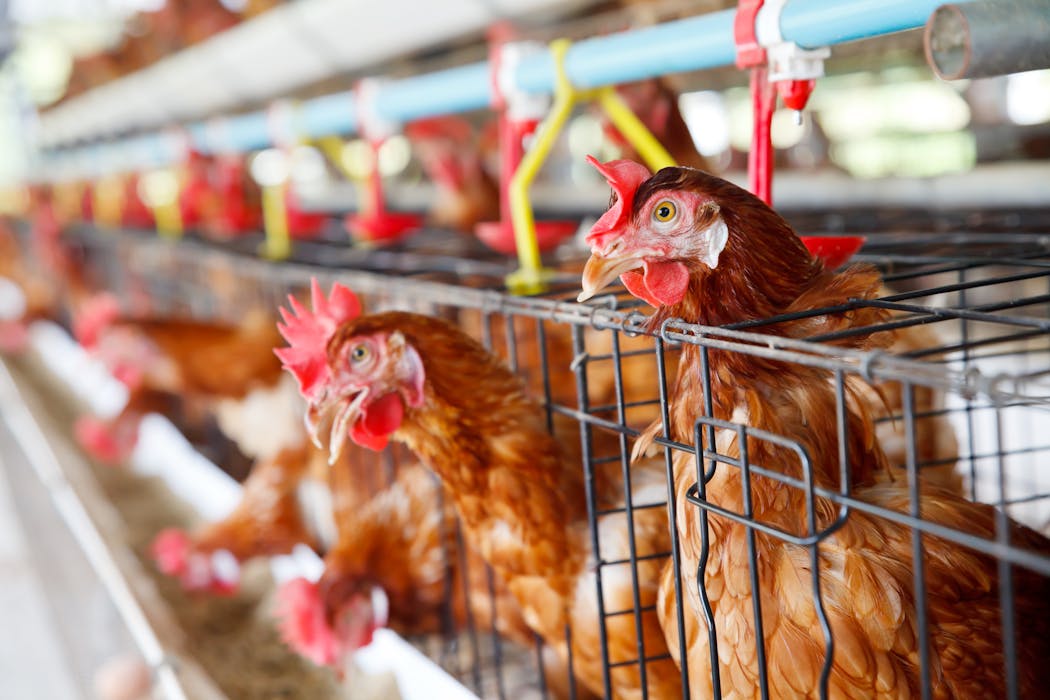
Battery cages for poultry were banned in the UK in 2012, but “colony cages” (those that allow a larger number of hens to be kept in close proximity) are still allowed despite being considered by animal campaign groups and activists as cruel.

Some animals, such as crows or grey squirrels, are regarded as “pests” so that they can be killed or taken to protect human interests. Some controls are permitted as part of wildlife management to protect livestock or crops, for example and can be covered by what’s known as a general licence.

Specific animals can be killed or taken without a clear identification and justification of the necessity of management or control. The law also allows control of pests on your property – this can include using poisons as long as the law is followed.

Five freedoms

Wild animals tend to be treated differently to companion animals like dogs and cats, which get more protection than wildlife mainly because they depend on humans for food and shelter. The law gives these companions a type of rights by creating legal obligations, sometimes creating a duty of care towards them.

The UK’s Animal Welfare Act (2006) does more than just prevent animal cruelty. It creates a duty for people who own or care for companion animals to actively provide animal welfare.

These so-called “thin” rights are a limited form of rights that mean if you have a companion you must cater for the specific needs of your animals and ensure that the individual animal’s needs are met according to the “five freedoms”. These were developed in the 1960s following a major government report into the welfare of intensively farmed animals.

The five freedoms were then formally established by the Farm Animal Welfare Council – the independent body that has advised the UK government – as the basis of good animal welfare. These include freedom from hunger and thirst, discomfort, pain, disease and distress.


Read more:
Animal sentience bill is necessary for the UK to be a true world leader in animal welfare


Thin rights are different to “thick” rights whereby the law protects all of an animal’s fundamental interests such as an absolute right to life – such as the right not to be killed for human clothing or to be killed to benefit human commercial interests. The thick approach would prevent most actions that would interfere with an animal’s rights.

A logical conclusion of applying thick rights would be an abolition of most if not all animal use, including the use of animals for food. The late animal rights lawyer Steven Wise argued that “without legal personhood, one is invisible to civil law. One has no civil rights. One might as well be dead”. A thick approach gives animals rights not to be treated as “things”.

Author George Orwell wrote in his 1945 book, Animal Farm, “All animals are equal, but some animals are more equal than others.” He might have meant it as satirical comment on the Soviet Union, but the limitations of legal sentience for animals means it can be applied in a more literal way today. If we truly believe that all sentient creatures deserve protecting, the world has a long way to go to put this into practice.


Don’t have time to read about climate change as much as you’d like?

Get a weekly roundup in your inbox instead. Every Wednesday, The Conversation’s environment editor writes Imagine, a short email that goes a little deeper into just one climate issue. Join the 47,000+ readers who’ve subscribed so far.


The Conversation

Angus Nurse has received research funding from animal welfare organisations including the International Fund for Animal Welfare (IFAW) the RSPCA and Humane World for Animals (formerly called Humane Society International). He is an independent member of the Wild Animal Welfare Committee (WAWC)

ref. Animals might be sentient in the law’s eyes, but how they’re treated still varies hugely – https://theconversation.com/animals-might-be-sentient-in-the-laws-eyes-but-how-theyre-treated-still-varies-hugely-272579