Expecting: Birth, Belief and Protection – new exhibition shows pregnancy has always been shaped by faith and fear

Source: The Conversation – UK – By Rachel Delman, Heritage Partnerships Coordinator, University of Oxford

Expecting: Birth, Belief and Protection at London’s Wellcome Collection is a small but quietly powerful exhibition. Spanning five centuries, it explores how the experience of bringing life into the world has been shaped as much by hope and uncertainty as by medicine. Medieval objects sit alongside contemporary artworks, revealing how ideas about reproduction – and the need to safeguard it – have evolved over time.

On entering the exhibition, visitors are immersed in the world of the late medieval birthing chamber. The first exhibit is an exquisitely painted wooden panel dated to the 15th or 16th century. The scene it shows is intimate, both in scale and nature. Within the sumptuously decorated bedchamber of a wealthy Italian home, a new mother sits upright in a canopied bed. Around her, women tend to her and her baby. Each of the nine female attendants has a specialised role, their outstretched arms and gesturing fingers signalling their productivity and authority within the space.

One woman, sleeves rolled up, tests the water being prepared for the baby’s bath. Close by, another cradles the child in her arms. Two others attempt to dry linen by a blazing fire. The space is one of women’s collaboration and knowledge.

The exhibition label draws attention to two women in particular: a horoscope reader, seated by the mother’s bedside and a nun, standing nearby. We are told that their presence demonstrates “the use of both astrological and religious guidance around childbirth”.

The next exhibit is an advice manual on pregnancy and childbirth titled “the birth of mankynde: otherwyse named the womans booke”. Originally printed in German, it was first translated into English in the 16th century and enjoyed considerable commercial success. The book is displayed open at a page with three images: a birthing chair and two visualisations of the foetus in the womb, one head-down and the other in the breech position. The text in the margin of the facing page reads “of byrth nat naturall” (of birth not natural). This language reveals the underlying expectations and anxieties surrounding childbirth, and women’s bodies, at that time.

In the next room, a pocket-sized collection of medical recipes from 15th-century Worcestershire contains a list of remedies for a variety of ailments, from dog bites and gout to sore breasts. Nestled among them is a drawing of a tiny, swaddled baby in a rocking cradle.

Beyond the medieval birthing chamber

The exhibition’s more modern exhibits focus on women’s personal reproductive journeys. Sengalese ceramicist Seyni Awa Camara’s totemic sculpture from 2014 explores the themes of ancestry and maternity.

Just as many hands make up the space of the medieval birthing chamber, so too is her sculpture’s form made up of lots of tiny hands. From them, a female figure emerges. She stands tall, a child in each arm, both clinging to her bare breasts.

The sculpture is one of two by Camara in the exhibition. The other depicts a couple rather than a single figure.

Rising from a base of sculpted animals and figures, the man and woman cradle a child who raises an instinctive hand to the father’s beard. As the exhibition label explains, Camara’s sculptures, built with clay “from the belly of the earth” anchor “her own experiences [of child loss] in ancient spiritual traditions”.

Next to Camara’s second piece are a pair of artworks by contemporary artist, Tabitha Moses. Taken from her 2014 series Investment, they capture the emotional and physical aspects of a woman named Melanie’s journey with IVF.

In a moving photograph, taken by Moses’ collaborator, Jon Barraclough, Melanie stands by a hospital bed in an embroidered surgical gown. She looks towards the light, her anguish, vulnerability and hope palpable as she cradles her hands beneath her belly. Melanie is pictured alone, in marked contrast to the busy, domestic space of the medieval birthing chamber at the exhibition’s start.

Alongside the photograph is the gown Melanie wears in the image. The cycle of imagery embroidered on it is personal to her IVF journey: blood and tears are woven alongside pregnancy tests, medical vials and embryos. The label nearby issues an urgent call for conversations around reproductive health, referencing the continued inequalities in reproductive healthcare and the stark reality that one in four pregnancies still end in miscarriage today.

Themes of loss, fear, faith and hope unite in the exhibition’s main exhibit, a medieval birth scroll, or girdle, from around AD1500.

Birth scrolls were talismanic objects designed to provide spiritual protection and comfort to their users during dangerous and stressful situations, including childbirth. Often made of parchment and inscribed with religious imagery, prayers and charms, they were intended to be held close to or wrapped around the abdomen. The proximity of their words and images to the user’s body was thought to maximise their protective powers. In elite homes, they would have been part of the broader material culture of the birthing chamber.

The Wellcome birth scroll is one of just a handful of surviving examples from medieval England. Visitors to the British Library’s 2025 Medieval Women Exhibition will have encountered another, which was presented on a specially made curved mount to emulate the shape of a pregnant belly.

The Wellcome birth scroll is three metres in length. In the exhibition, it is displayed partially unfurled in a long case at the centre of the main room. Written on it are English and Latin prayers for the protection of its users in dangerous situations, which, in this case includes battle and the plague alongside childbirth. Its imagery includes the Arma Christi, or the instruments of Christ’s Passion. Such visceral imagery was designed to encourage the user to identify with Christ’s pain and suffering during their own.

The birth scroll shows active signs of use during labour. Not only are parts smudged or rubbed; scientific analysis has confirmed the presence of cervicovaginal fluids, along with milk, honey, cereals and legumes. Three further scrolls from 18th-19th century Ethiopia, displayed nearby, include blessings for love, fertility and pregnancy.

Visitors can handle replicas of the medieval birth scroll and explore it digitally through a touch screen and video. They are also invited to spend time reflecting on their own protective rituals. For the expectant visitor, this exhibition delivers.

Expecting: Birth, Belief and Protection is at the Wellcome Collection until April 19.

Looking for something good? Cut through the noise with a carefully curated selection of the latest releases, live events and exhibitions, straight to your inbox every fortnight, on Fridays. Sign up here.


The Conversation

Rachel Delman has received funding from the Arts and Humanities Research Council and the Leverhulme Trust.

ref. Expecting: Birth, Belief and Protection – new exhibition shows pregnancy has always been shaped by faith and fear – https://theconversation.com/expecting-birth-belief-and-protection-new-exhibition-shows-pregnancy-has-always-been-shaped-by-faith-and-fear-276467

How Russia is intercepting communications from European satellites

Source: The Conversation – UK – By Aleix Nadal, Analyst, Defence, Security and Justice team, RAND Europe

Officials recently sounded the alarm over Russia intercepting communications from European satellites. But this isn’t a new problem.

Ever since the initial invasion of Ukraine in 2014, two Russian satellites have been secretly stalking European spacecraft. They have been manoeuvring close enough to raise concerns about more than mere observation.

In 2018, the French defence minister accused Russia of espionage after one of these vehicles was spotted in the vicinity of a Franco-Italian military communications satellite. Two Intelsat satellites were similarly targeted before that.

These so-called proximity and rendezvous operations (RPOs), in which a spacecraft
deliberately manoeuvres to dock or operate near another object in space, are
becoming commonplace in geostationary orbit (GEO), where satellites effectively
stay fixed over the same spot on Earth.

RPOs are not inherently malicious. These operations can sometimes be used to refuel a satellite and extend its lifespan, or to remove defunct satellites and debris, keeping orbits clear for future missions.

Because the technology to improve satellite manoeuvrability is dual use – it has both civilian and military applications – the challenge is then to define intent
and, if required, respond accordingly.

Satellite inspections

Launched in 2014 and 2023, the two highly secretive Russian “inspector” satellites,
Luch/Olymp 1 and 2, are part of Russia’s efforts to identify any technical
vulnerabilities embedded in Nato countries’ satellites.

If this had been their sole purpose, European officials would have had few grounds for serious concern or complaint. Approaching a satellite to characterise its profile is neither a new mission nor exclusive to Russia.

The US Geosynchronous Space Situational Awareness Program (GSSAP) inspection satellites have come as close as ten kilometres of other satellites in the past. Even commercial companies have begun to provide inspection services.

An Australian company called HEO recently flew by a classified Chinese satellite to uncover its technical features. In theory, information like this could be used in the future to disrupt the functioning of satellites.

However, the Russian satellites have often shadowed the same spacecraft for
months, occasionally approaching within five kilometres of their targets. This does not fit the mission profile of satellite inspection, which would involve merely passing by a target, taking pictures and quickly moving on to another trajectory.

GSSAP satellites, for example, typically work in pairs, adopting a pincer-like approach: one satellite orbits above GEO, inspecting the back of a target satellite, while the other moves just below, surveying its front.

Luch satellites by contrast are essentially signals intelligence (Sigint) systems. By positioning them between a target satellite and its ground station, Russia can
intercept the signal and eavesdrop on communications from European satellites such as those operated by Eutelsat, a French company, and Intelsat, a Luxembourgish-American company. Among other customers, these European satellites provide bandwidth to European militaries for secure communications.

Examined in isolation, these Luch vehicles should be viewed as surveillance
satellites rather than counterspace weapons – which are satellites that can actually disrupt or disable another spacecraft. The Russian satellites are simply collecting information. On this basis alone, they do not pose a significant security threat.

However, space as a domain remains entangled with broader geopolitical dynamics
on Earth. Any Russian space operation should be seen as part of a larger campaign
to accrue strategic benefits, whether to gain a military advantage over Ukraine or to coerce European countries into withdrawing their support for Ukraine.

Future threat

From this perspective, the Luch RPOs could be interpreted not only as part of a
Sigint effort, but also as a warning to European countries that their satellites are vulnerable to disruption.

As Major General Michael Traut, commander of Germany’s Space Command has noted, the Luch satellites have also likely intercepted the command links of their targets. The command links are supposedly secure transmissions from ground stations to satellites that convey operational instructions.

If this is true, Russia could potentially replicate the uplink signals used by ground stations to control satellites, allowing them to disrupt European space operations in the future.

Satellite dishes
The Russian satellites may have intercepted transmissions from ground stations that could allow them to disrupt the functioning of European spacecraft.
Trisna.id

If this sounds familiar, it is because the scenario would closely mirror Russia’s hybrid campaign against European undersea cables. This has included years of covertly mapping western infrastructure and, more recently, a sustained effort to sever fibre optic cables.

The RPOs conducted over the last few years by the two Luch satellites could be suggestive of more escalatory moves in the future should Russia continue to fail in deterring Europe from continuing its support for Ukraine.

What can Europe do, in this scenario? A first welcome step has been the release of
public information exposing Russia’s activities in geostationary orbit. In the past, space operations were generally concealed under a veil of secrecy.

More transparency can be leveraged to delegitimise these activities in the eyes of the international community whilst also legitimising the development of Europe’s own counterspace programmes for self defence.

Indeed, European countries including the UK and Germany have been much more vocal about the requirement to deploy their own counterspace systems. Russia has demonstrated other in-orbit capabilities that use RPOs and can be employed as counterspace weapons.

Without a comprehensive toolbox that includes self-defence options, Europe may be
exposed to more escalatory in-space activities for which it is not adequately
prepared.

Safeguarding its dependence on space-enabled services, from military
communications to economic connectivity, therefore requires treating orbital security as an integral component of its broader strategic posture.

The Conversation

Aleix Nadal does not work for, consult, own shares in or receive funding from any company or organisation that would benefit from this article, and has disclosed no relevant affiliations beyond their academic appointment.

ref. How Russia is intercepting communications from European satellites – https://theconversation.com/how-russia-is-intercepting-communications-from-european-satellites-276094

The three big challenges facing Ukraine when the war ends

Source: The Conversation – UK – By Olena Borodyna, Senior Geopolitical Risks Advisor, ODI Global

Russia’s war in Ukraine is now in its fifth year and, despite the growing impatience of Donald Trump, a breakthrough in peace talks looks a long way off. Yet even when the fighting does end, it will not represent a conclusion. Rather, it will mark the start of a considerable new challenge: reconstruction.

The crucial questions are not only how much reconstruction will cost, but also how it can be financed and whether Ukraine will have the skilled workforce needed to carry it out. Millions of Ukrainian citizens have left the country since the start of the 2022 invasion.

A further test will be whether Europe, which became Ukraine’s largest provider of military and financial assistance in 2025, can maintain the political unity needed to see reconstruction financing through in the long term.

1. Closing the funding gap

Ukraine’s reconstruction needs are enormous. According to figures released by the World Bank on February 23, the total cost of reconstruction and recovery in Ukraine will be around US$588 billion (£435 billion) over the next decade. This will only rise as the war drags on.

In an attempt to meet this figure, Ukraine and its allies are seeking to mobilise private capital. This has involved Ukraine’s parliament adopting a new public-private partnership law in June 2025 to incentivise private-sector participation in the reconstruction of economic sectors such as energy and transportation.

A war-risk insurance mechanism was also rolled out that year. Supported by the European Bank for Reconstruction and Development, it provides private companies that invest in Ukraine’s reconstruction with protection against war-related damages.

However, irrespective of these developments, the level of investment in Ukraine is likely to fall far short of what the country requires. In 2024, Ukraine attracted roughly US$3 billion of foreign direct investment, with reinvested profits making up the largest proportion. Data published by Ukraine’s central bank suggests this figure will drop in 2025.

A foreign investor sentiment survey from 2025 found that only 49% of members of the Global Business for Ukraine and the European Business Association, two groups of international companies focused on supporting and rebuilding Ukraine’s economy, are actually investing in the country. Nearly 70% of those surveyed cited the volatile security situation, which is likely to continue after the war, as the main barrier to investment.

Nearly 50% of those surveyed pointed to corruption, policy uncertainty and weak institutional capacity as barriers, while 34% voiced concerns about the strength of the rule of law. These are governance challenges that predate Russia’s 2022 invasion.

Ukraine’s ability to attract more private investment after the war will thus not only depend on the terms of the peace deal. It will also depend on how effectively the country manages to strengthen its institutions.

Private capital will play a role in Ukraine’s reconstruction. But its flows are far from guaranteed. So the donors and financial institutions that have sustained Ukraine throughout the war, such as the World Bank, International Monetary Fund and the European Investment Bank, will probably have to play a leading role in financing Ukraine’s longer-term recovery.

2. Encouraging Ukrainians to return

Nearly 6 million Ukrainians remain displaced abroad as a result of the war. There is no guarantee that these people, many of whom have spent years integrating into the labour markets and education systems of their host countries, will choose to return to Ukraine when the hostilities end.

Labour shortages, both skilled and unskilled, are one of the key challenges currently facing companies in Ukraine. And foreign investors have also cited labour availability as an important factor influencing their decision about whether to invest in the country’s reconstruction.

Encouraging Ukrainians to return voluntarily will require more than patriotic appeals: it will depend on there being viable employment prospects, functioning public services and credible security guarantees in place to prevent a resumption in the conflict.

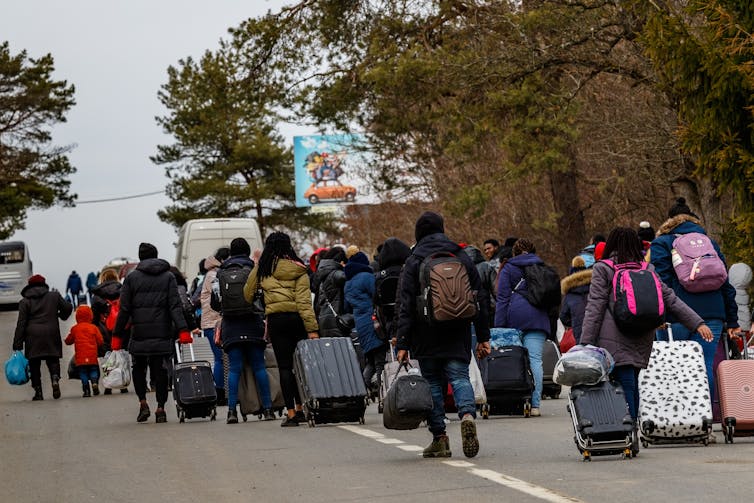
Ukrainian refugees carry their belongings as they approach the Slovakian border.
Ukrainian refugees approach the border with Slovakia in the early days of Russia’s full-scale invasion.
Yanosh Nemesh / Shutterstock

The Ukrainian government has begun taking steps to maintain connectivity with the diaspora. This has included opening so-called “unity hubs” aimed at sustaining ties with the refugees and facilitating their voluntary return. One such hub opened in Berlin in 2025.

Ukraine’s authorities are also developing a portal designed to connect refugees with employment and business opportunities at home. However, these initiatives remain in their early stages and uptake remains to be seen.

Without the return of refugees, Ukraine risks developing a structural skills deficit. Such a shortfall could deter private investment in the country’s reconstruction and lead to a reliance on external labour.

3. European political commitment

There is also a political dimension to the challenges associated with reconstructing Ukraine. Sustaining long-term support for the country’s reconstruction may become more complicated amid shifting political dynamics across Europe.

The consensus among European countries on supporting Ukraine has largely held. But upcoming parliamentary and presidential elections in France, Italy, Denmark and elsewhere in 2026 and 2027 could shift the balance of power in key allied countries.

The elections are, at the very least, likely to absorb political attention and divert focus from unresolved questions. These include questions around the use of frozen Russian assets to finance Ukraine’s reconstruction, where agreement remains elusive.

Signs of fracture are also beginning to emerge. The EU has looked to push through a €90 billion loan to cover Ukraine’s needs for 2026 and 2027. Three countries – Slovakia, the Czech Republic and Hungary – abstained from the deal over the closure of an important oil pipeline in Ukraine. And Hungary now appears to be holding up the loan.

Reconstruction will be a test of political endurance as much as financial capacity. The question that will arise after any peace deal is reached is not only how to fund Ukraine’s recovery, but whether its allies can sustain the political consensus required to do so over time.

The Conversation

Olena Borodyna does not work for, consult, own shares in or receive funding from any company or organisation that would benefit from this article, and has disclosed no relevant affiliations beyond their academic appointment.

ref. The three big challenges facing Ukraine when the war ends – https://theconversation.com/the-three-big-challenges-facing-ukraine-when-the-war-ends-276214

The unintended consequences of decarbonising steelworks

Source: The Conversation – UK – By Steffan James, PhD Candidate, Sustainable Supply Chains, Cardiff University

cwales/Shutterstock

For more than a century, Port Talbot in Wales has been dominated by its steelworks. The daily lives of residents have been shaped by this industry. Shifts have set the traffic, sirens marked time, at night the furnaces lit the sky orange. Steel wasn’t just an industry. It was the rhythm of this place.

Where outsiders saw towers, smoke and steel, locals told me in interviews that they saw pride, beauty and belonging.

In 2023, the multinational corporation Tata Steel announced it would replace Port Talbot’s coal-fired blast furnaces with an electric arc furnace. The news felt inevitable after years of uncertainty. The promise of £1.25 billion of investment was cautiously welcomed when total closure was the other option. It would save 2,000 jobs, but another 2,000 would go. The shift was framed as a step toward a greener future.

Since that announcement, my PhD research has tracked the consequences of the action, conducting multiple rounds of interviews with a broad range of people to monitor unintended, or unanticipated, consequences as they arise.

Steel sits at the centre of overlapping, nested systems – from local communities to the national economy and global markets. Altering one part of a system sends tremors through the rest. Systems scientists describe this dynamic as panarchy: a concept from ecology that explains how interconnected systems operate at different scales and timescales, so change propagates unevenly and often in unexpected ways.

With this approach, focusing only on emissions risks a kind of carbon tunnel vision. Judging success by a single metric misses how one decision ripples into livelihoods, culture, mental health and identity.

Immediate surprises

When the blast furnaces shut, the change was immediate. The noise stopped. The air cleared. Residents told me how their windows were clean and when they left washing outside to dry, it no longer came in dusted grey. Families who had lived with industrial pollution for decades spoke of tangible relief.

In the short term, the local economy saw unexpected positive ripples. Redundancy payments and government transition grants meant more money circulating locally for a time and gave people the capital to try new ventures, from pizza making to dog walking. So far, 85 new businesses have been created.

painting of steelworks
Painting of the steelworks by artist and former steelworker Peter Cronin.
Peter Cronin, CC BY-NC-ND

Creativity became a way to process change, loss and pride all at once. Schoolchildren painted murals beneath the motorway as they imagined a different future for Port Talbot. Artists captured the towering cranes on the beach before they made way for the new electric arc furnace. The town hosted Urdd Eisteddfod, Europe’s largest youth cultural festival and people celebrated.

But not everyone experienced these changes in the same way, or at the same time. After the immediate change came quieter, more troubling effects which emerged more slowly. Steelmaking wasn’t just a job. Many former steelworkers told me of the pride, dignity and identity it gave them. When the furnaces closed, loss of purpose, stress and depression followed in ways that don’t show up in emissions data or balance sheets.

The local economy shifted again too. The short-term boost from redundancy money faded. Businesses that relied on a large, stable workforce began to feel the loss. The town entered an uncertain medium-term phase, where opportunity and fragility coexisted.

colourful murals on concrete pillars
Murals of Port Talbot’s past, present and future imagined by The Steeltown Storybook: Children’s Chapter.
Emily Adams, CC BY-NC-ND


Read more:
Port Talbot, one year on: steelworks closure shows why public is losing trust in net zero


A slow shift

Ecosystems don’t change overnight; they slowly reorganise over decades as conditions change. Port Talbot’s coast is a good example of a novel urban-industrial ecosystem, where industry has helped shape the conditions that wildlife now uses.

Alongside the steelworks, Eglwys Nunydd Reservoir – built to serve the site and designated a Site of Special Scientific Interest for its birdlife – sits alongside sand dunes that support nationally rare plants such as sea stock.

Because of this long coexistence of nature and steel, moving to an electric arc furnace won’t instantly restore or erase what’s there, but will gradually reshape the local ecology as species and habitats adjust.

The new electric arc furnace will cut the steelworks’ carbon emissions by about 90% – around 8% of the UK’s industrial total.

But the global picture is more complicated. As Tata shuts the blast furnaces in Wales, it is building a new one in Kalinganagar, India. Even before the announcement about Port Talbot was made, unions warned that this could export emissions rather than reduce them, shifting the carbon cost of transition thousands of miles away. Even the most modern blast furnaces still emit far more carbon than electric arc furnaces.


Read more:
Net zero will transform Britain’s economy – our map reveals the most vulnerable places


steel protest banner
Striking steelworkers banner warning of unintended but not unanticipated consequences.
Steffan James, CC BY-NC-ND

Beyond Port Talbot

Heavy industry must change if emissions are to fall fast enough. But in places like Port Talbot, that change lands unevenly. Some residents see opportunity, others feel loss. Versions of this story are unfolding worldwide, wherever climate policy meets heavy industry.

Decarbonisation isn’t a quick technical fix, but a complex social, economic and ecological transformation whose success depends on how well we understand them. Complex effects ripple out over time at different scales.

Job losses are immediate. Ecosystems adapt more slowly. Consequences on our warming planet will take decades to become apparent. Achieving a just transition from carbon involves looking beyond single metrics to account for how change ripples through interconnected systems over time.


Don’t have time to read about climate change as much as you’d like?

Get a weekly roundup in your inbox instead. Every Wednesday, The Conversation’s environment editor writes Imagine, a short email that goes a little deeper into just one climate issue. Join the 47,000+ readers who’ve subscribed so far.


The Conversation

Steffan James does not work for, consult, own shares in or receive funding from any company or organisation that would benefit from this article, and has disclosed no relevant affiliations beyond their academic appointment.

ref. The unintended consequences of decarbonising steelworks – https://theconversation.com/the-unintended-consequences-of-decarbonising-steelworks-275045

How Peter Mandelson went from US ambassador to arrested over misconduct claims

Source: The Conversation – UK – By Sam Power, Lecturer in Politics, University of Bristol

Peter Mandelson was released on bail this week after being arrested on suspicion of misconduct in public office. Coming just days after the arrest of Andrew Mountbatten-Windsor, the images of the former US ambassador being led away by police will likely stick with viewers for some time.

The political ramifications of Mandelson’s appointment as ambassador to the US continue to reflect badly on Keir Starmer’s political judgment. While this is a story that will likely run and run, it is worth taking stock of how we got here.

December 19 2024: Mandelson appointed US ambassador

When Starmer chose Mandelson as ambassador, the general reaction was that it was a risk. The BBC pointed to his friendship with the late financier and sex offender Jeffrey Epstein, and described him as “not a baggage-free choice”. This baggage, if being friends with a known paedophile was not enough, included having to resign from government twice during the New Labour years.

Matthew Lynn, in the Telegraph, went further, arguing that he would make a “terrible” ambassador because he was both “damaged goods” and “put politely … accident prone”. For balance, Tom Harris (also in the Telegraph) described Mandelson as a “political genius” and “the right man to deal with Trump”.

This was, ultimately, the gamble taken by Starmer and his team. They appointed a known associate of Epstein with a dubious ethical track record, but who was – as a Downing Street source told the BBC in February 2025 – “supremely political” and a “brilliant operator”.

May 8 2025: Front and centre of UK-US trade deal

“Cometh the hour, cometh the Mandelson”, read the Guardian headline the day after the UK and the US agreed to a trade deal. A deal which, not for nothing, may well have been unpicked by Trump’s response to the Supreme Court ruling his tariffs unconstitutional. The Times said that Mandelson had “proven the doubters wrong”, and called him the “Trump whisperer”.

This was the moment, as I previously outlined in the Conversation, of supreme triumph. And it was widely seen, across the political spectrum, as vindication of the risk Starmer took.

September 8 2025: Birthday messages to Epstein released, Mandelson fired

The wheels came off with the release, by a US congressional panel, of a 238-page scrapbook given to Epstein for his 50th birthday. In it, Mandelson’s multi-page message to Epstein described him as his “best pal”. Mandelson said that he regretted “very, very deeply indeed, carrying on that association with him for far longer than I should have done”.

Starmer was initially supportive of Mandelson in the Commons, but sacked him after newly surfaced emails showed that he had sent supportive messages to Epstein when he faced charges of soliciting a minor in 2008. The BBC later reported that Number 10 and Foreign Office officials were aware of these emails prior to Starmer’s defence of Mandelson at prime minister’s questions, but that Starmer himself was not aware of the contents.

January 30 2026: Further Epstein files released

The release of further information about the close relationship between Mandelson and Epstein pointed to potential criminality. The emails, published by US officials, suggest that Mandelson passed privileged and market-sensitive information to Epstein during the fallout of the financial crisis. This led to the police investigation for misconduct in public office. Mandelson’s position, according to the BBC, is that he has not acted in any way criminally and that he was not motivated by financial gain.


Read more:
Mandelson and the financial crash: why the Epstein allegations are so shocking


February 4 2026: MPs approve the release of documents

A House of Commons debate was held surrounding the release of files related to the appointment of Mandelson as US ambassador. Starmer initially suggested that files which could damage diplomatic relations or national security would be exempt from release. However, after an intervention from Angela Rayner, the government agreed to include a cross-party parliamentary committee in the process. The BBC has subsequently reported that these documents could number over 100,000.

February 23 2026: Mandelson arrested

Mandelson was arrested Monday night on suspicion of misconduct in public office, and released on bail Tuesday morning. Mandelson has claimed that his arrest was based on the “complete fiction” that he was a flight risk and planning to flee to the British Virgin Islands (which have an extradition agreement with the UK). It has now emerged that Commons Speaker Lindsay Hoyle passed information to the police ahead of the arrest.

What happens now?

Misconduct in public office is notoriously difficult to prosecute and tends to rely on a three stage test: that the accused must have been acting in an official capacity at the time of the alleged offence, that they wilfully misconducted themselves and that that conduct falls “so far below acceptable standards that it amounts to an abuse of the public’s trust”.

Legal experts suggest that the latter is an incredibly high bar. In this instance it might well be the case that simply leaking information does not meet that bar, and that the police will need to show some kind of material gain or beneficial exchange. Either way, Mandelson will ultimately be required to return to a police station when he will either be charged, have his bail extended or face no further action.

Further questions, naturally, will also be asked of Starmer’s judgement. A Cabinet Office due diligence report into Mandelson’s appointment is reportedly expected as early as next week. The document is said to have warned of the “reputational risk” of making him ambassador.

If this is the case, it could reignite conversations about Starmer’s leadership and a potentially bruising night in the Gorton and Denton byelection on Thursday won’t help. Though Starmer’s replacement in most circles is now being discussed as a matter of when, not if.

In the end, Starmer is learning the hard way – just as Boris Johnson did before him – that standards matter in British politics. It is not enough, as Starmer did when he updated the ministerial code, to just talk a big game. One cannot say that “restoring trust in politics is the great test of our era” and then do very little to actually address the root cause of that trust.

The Conversation

Sam Power has received funding from the Economic and Social Research Council and the Engineering and Physical Sciences Research Council.

ref. How Peter Mandelson went from US ambassador to arrested over misconduct claims – https://theconversation.com/how-peter-mandelson-went-from-us-ambassador-to-arrested-over-misconduct-claims-276787

Canada’s new open banking legislation could help women experiencing economic abuse

Source: The Conversation – Canada – By Sebastien Betermier, Associate Professor of Finance, Desautels Faculty of Management, McGill University

The year 2026 is poised to be a breakthrough one for open banking in Canada. Bill C-15 — which would implement measures from the 2025 federal budget — is currently before Parliament.

If passed, Bill C-15 will complete and modernize Canada’s Consumer-Driven Banking Act by giving the Bank of Canada oversight over a new open banking framework that lets consumers and small businesses securely share their financial data with the third parties they choose.

To date, discussions about this new framework have largely focused on promoting competition and technological innovation. Equally important, however, is its potential to help women experiencing economic abuse.

Economic abuse is widespread

Economic abuse is a hidden and harmful form of gender-based violence that happens when someone uses money or other resources to control, exploit or harm another person.

Common abuse tactics include restricting access to household income and benefits, withholding financial information, monitoring every purchase, excluding a partner from critical financial decisions, building up debt in their name and preventing them from accessing banking or credit on their own.

Statistics Canada and federal data show that financial abuse disproportionately affects women. The Canadian Centre for Women’s Empowerment estimates that economic abuse affects one in three women who are victims of intimate partner violence nationwide.

In a study of victims of gender violence in the Ottawa region, 93 per cent of respondents reported not having access to their own money. Eighty-six per cent said they had been ordered to quit work by an abusive partner, leading to further isolation and financial dependence.

Economic abuse also extends beyond households into family-owned and co-owned businesses, which make up over 60 per cent of Canadian businesses.

It is common for one partner to “handle the books” and be the only person with access to business banking, merchant accounts, payroll systems and tax portals. The other partner may be a legal director of the corporation but have no access to the company’s financial information.


Read more:
Banks are enabling economic abuse. Here’s how they could be stopping it


Existing bank policies can unintentionally reinforce this imbalance. If a director is not listed on the bank’s forms, staff often refuse to confirm whether any accounts exist, let alone release statements or transaction histories — even when that director is legally responsible for the corporation.

This can leave survivors and business partners unable to document wrongdoing, verify financial activity or protect their legal and economic interests.

Helping women experiencing economic abuse

Open banking is fundamentally about consumer control and protections around sharing financial data. Under an open banking framework, banks are no longer the sole gatekeepers of financial information.

This means a person who can prove their identity can authorize a regulated third party — such as an accredited app, accountant or a lawyer — to retrieve the data they are legally entitled to. They wouldn’t have to rely on another account holder or log in on a shared device in an unsafe environment.

Consider, for example, a woman who jointly owns a café but whose partner is the only person dealing with the bank. He refuses to give her the login and destroys paper statements. When she goes to the branch alone, staff tell her that both owners must consent before they can release detailed records. She suspects money is being taken out of the business but has no way to confirm it.

In an open banking environment, once her identity as a co-owner is verified, she can authorize a regulated provider to pull the transaction history and loan information for the business account through secure data sharing. The bank would be obliged to supply this data through the open banking channel. Her partner’s password and co-operation would no longer determine access.

A trauma-informed open banking framework

The ability of Canada’s new open banking framework to help mitigate economic abuse will depend on how survivor safety, joint accounts and small business governance are addressed. We can learn from other jurisdictions, such as the United Kingdom where researchers have partnered with both banks and victim-survivors to build survivor-centred banking frameworks.

Banks and accredited providers need clear protocols for working with survivors. In Australia, customer-owned banks have developed protocols to verify identity safely, handle joint accounts in situations of conflict and avoid notifying an abusive partner in ways that escalate risk.

These protocols can include silent authentication processes, independent verification for each legal account holder, safeguards against automatic notifications and referral pathways to legal or community support when financial abuse is suspected.

Community organizations, shelters and legal clinics also need resources to act as trusted intermediaries, helping clients use open banking tools without exposing themselves to digital surveillance or retaliation. In the U.K., community legal clinics and domestic violence organizations already act as trusted intermediaries.

Policymakers should recognize open banking as part of Canada’s response to economic abuse and small business resilience, not only as a competition or financial sector reform. If designed with safety in mind, data mobility can help survivors document abuse, regain financial autonomy and keep businesses alive.

Eric Saumure, CPA, CA and principal at Zenbooks and founder of OpenSME, co-authored this article.

The Conversation

The authors do not work for, consult, own shares in or receive funding from any company or organisation that would benefit from this article, and have disclosed no relevant affiliations beyond their academic appointment.

ref. Canada’s new open banking legislation could help women experiencing economic abuse – https://theconversation.com/canadas-new-open-banking-legislation-could-help-women-experiencing-economic-abuse-273692

Vancouver built up fast — but now its older towers face an earthquake reckoning

Source: The Conversation – Canada – By Preetish Kakoty, Marie Skłodowska-Curie Fellow, Civil Environmental and Geomatic Engineering, UCL

In 1957, Vancouver took a decisive turn in its urban development when city council lifted the eight-storey height limit in the West End neighbourhood on the downtown peninsula, opening the door to high-rise living along English Bay. Over the next two decades, more than 300 mid- to high-rise concrete apartment buildings went up, some rising beyond 30 storeys.

Today, these towers form the backbone of the West End, and a crucial share of downtown Vancouver’s housing supply, including much of what remains relatively affordable.

But there’s a catch. These buildings may be dangerously susceptible to damage from earthquakes. When many of these buildings were designed, seismic requirements in Canada’s national building code were rudimentary.

Since then, earthquake science and engineering have advanced significantly, and building codes have changed with them. Seen through today’s lens, many of Vancouver’s 1960s- and 1970s-era high-rise apartment buildings, while code-compliant at the time of construction, are now considered seismically vulnerable.

Our recent study of typical older West End high-rise concrete buildings estimated a significantly high risk of major damage if a strong earthquake were to strike the region.

Our findings confirm what many local engineers have long understood. The City of Vancouver and Natural Resources Canada have also previously highlighted that a small number of older mid- and high-rise concrete buildings drives a large share of seismic risk, and are clustered downtown and in the West End neighbourhoods.

Older concrete more vulnerable

Most vulnerable buildings in the West End were built with non-ductile reinforced concrete, a form of construction common before modern seismic detailing requirements. As a result, these buildings can experience sudden, brittle failure under strong shaking.

Modern engineering practices explicitly design concrete to be more ductile, with knowledge that has evolved over decades, to better withstand earthquakes. But older buildings predate such practices. That makes them especially vulnerable to earthquake damage.

After the 2023 earthquake in Turkey, where similar types of construction suffered severe damage, local experts in Vancouver urged mandatory seismic assessments of these older buildings.

Since then, there’s been no citywide program, but a handful of voluntary retrofits, mostly in commercial buildings where individual owners chose to act. The city, however, has been actively exploring policy options to address the complex problem of reducing seismic risk posed by these privately owned buildings.

The vulnerabilities extend beyond the buildings themselves. Most people living in the West End are renters, with many being lower-income and elderly residents. The people most reliant on these buildings often face the greatest barriers to preparing for, responding to and recovering from disasters.

These are sobering challenges faced by aging buildings and the communities that call them home. But there are ways governments can plan for a resilient future.

Lessons from elsewhere

Vancouver isn’t alone in facing this challenge. In Los Angeles, Seattle and across the Pacific in New Zealand, other cities are grappling with the risks posed by non-ductile concrete buildings.
Los Angeles has approximately 1,500 non-ductile concrete buildings. In 2015, the city adopted a mandatory program requiring owners of pre-1977 concrete buildings to assess, design and complete retrofits over a 25-year period.

Instead of broad grants or tax breaks, Los Angeles paired the mandate with a limited cost-recovery option for rent-stabilized buildings. Owners can pass up to 50 per cent of verified costs onto tenants, capped at a rent increase of $38 per month for 10 years.

Despite this program, maintaining an accurate inventory and tracking compliance has proven difficult, with outdated city records for non-ductile buildings. While the framework is clear, implementation remains a work in progress.

Financial support for retrofits

A black and white aerial photo of a city near a waterfront
A 1965 view of Downtown Vancouver’s West End and Coal Harbour neighbourhoods from English Bay.
(J.S. Matthews)

Retrofitting aging buildings is sensible but hard to sell to owners because there are no immediate benefits. It’s expensive, disruptive and tangled in split responsibilities and incentives. Owners often don’t occupy their property, and don’t feel the urgency to act.

From an owner’s perspective, a mandatory retrofit that costs millions can feel unfair. The building met the code of its day, so why should they shoulder major costs to meet moving goalposts as the building code updates? And although tenants benefit from retrofits, there is no reasonable justification for them to bear the massive cost of upgrading someone else’s property.

As building codes evolve to reflect new science, governments also have a role to play. Effective policies should be informed by the needs and concerns of all stakeholders, with financing and implementation tools that enable risk reduction.

A 2023 report from the U.S. National Institute of Building Sciences recommended risk-reduction investments, funded through incentives shared by all beneficiaries, including the government, insurers, the real estate industry, financial institutions, tenants and future owners.

The goal, ultimately, is public safety and resilient communities. Getting there means every stakeholder pulling in the same direction. Retrofits are a crucial lever, but not the only one. Clear risk communication to the people who bear them can unlock momentum, aligning market forces with transparent regulations, technical support and financing that make action feasible.

Seismic retrofit can and should accompany climate adaptation and energy retrofit. The same dollars can reduce seismic risk, enhance energy efficiency, and make them more habitable in the changing climate. Honest engagement about shared responsibility for risk in aging buildings, backed by practical, durable financing, should be at the heart of the agenda.

The Conversation

Preetish Kakoty received funding from the University of British Columbia for the work related to this article.

Carlos Molina Hutt acknowledges the support of Canada’s Natural Sciences and Engineering Research Council through Discovery Grant RGPIN-2019-04599, titled “Enhancing the seismic resilience of Canada’s built environment through comprehensive risk-based assessments of tall buildings.” As well as Canada’s New Frontiers in Research Fund – Exploration Grant (NFRFE-2018-01060) titled “Reducing the catastrophic risk of a Cascadia megathrust earthquake in southwest British Columbia.”

ref. Vancouver built up fast — but now its older towers face an earthquake reckoning – https://theconversation.com/vancouver-built-up-fast-but-now-its-older-towers-face-an-earthquake-reckoning-263700

Send reform: will the government’s plans work for children, parents and teachers? Experts react

Source: The Conversation – UK – By Charlotte Haines Lyon, Associate Professor: Education, York St John University

Rawpixel.com/Shutterstock

The government has published its delayed proposals for education reform in England, which include significant changes to how the special educational needs and disabilities (Send) system operates. Our panel of education experts have been scrutinising the plans, which have been anxiously anticipated by many teachers and parents.

A fundamental shift in support

Paty Paliokosta, Associate Professor of Special and Inclusive Education, Kingston University

The government is proposing a gradual but fundamental shift in how the system uses education, health and care plans (EHCPs). EHCPs will remain, but far fewer children are expected to receive them. The first children with an existing EHCP to move to the new system would be pupils at the end of primary, secondary and post-16 in the academic year 2029-2030.

Instead, most support is intended to take place through a strengthened universal offer (support available to all children) and several layers of extra provision, only one of which will include an EHCP. The aim is to reduce the pressures that have made EHCPs the perceived, default route for help and promote a universally inclusive approach. This will succeed if the new layers are credible, consistent and properly resourced.

The introduction of nationally defined specialist provision packages marks a major change. These will determine the support available to children with the most complex needs and will form the basis of future EHCPs. Alongside this, individual support plans will outline day‑to‑day provision for all children receiving extra help, co‑produced with families.

In principle, this could create a more coherent system, based on inclusive values, which is very welcome. In practice, this needs to reflect on capacity. Schools cannot deliver more without the time, training and specialist expertise that have been in chronic short supply.

The proposal to reassess children’s entitlements to support at ages 11 and 16 is especially significant. These are critical transition points already associated with anxiety, academic pressure and identity changes.

Unless reassessment is handled with sensitivity – and backed by genuine specialist involvement – it risks introducing uncertainty precisely when stability is most needed. For many families, reassessment may feel like a potential removal of support, despite this not being the intention.

The open government consultation on the proposals is therefore crucial. It must test not only the design of these reforms but their real‑world viability. If the new layers of support do not arrive before EHCP access is tightened, families will simply experience another cycle of promises unsupported by provision. The system cannot afford another misfire.

Ending the postcode lottery

Jonathan Glazzard, Rosalind Hollis Professor of Education for Social Justice, University of Hull

The government hopes to end the postcode lottery of support and restore families’ confidence in the special educational needs and disabilities system. New national inclusion standards will set out the support that should be available in every mainstream setting. Statutory individual support plans will include key information about the child’s needs and the day-to-day provision in place to address these for all pupils with Send.

All staff will benefit from national Send training, supported by record investment of over £200 million. £1.6 billion will enable schools, colleges and early years settings to deliver an improved inclusion offer. In addition, £3.7 billion will be invested to make buildings more accessible, create more special school places and develop inclusion bases in mainstream schools.

£1.8 billion will be allocated to fund an “experts at hand” service to improve access to speech and language therapists, educational psychologists and occupational therapists in mainstream schools.

In total the government plans to invest £7 billion more on Send, and core funding for schools and Send is expected to increase annually.

There is much to consider but on the surface the investment and vision look promising. There is a clear commitment to inclusive mainstream education, a determination to improve outcomes for children with Send and a desire to “call time” on a broken Send system.

Children walking down staircase at school
The government’s plan will increase provision for children with special educational needs and disabilities in mainstream schools.
Rawpixel.com/Shutterstock

Mainstream inclusion lacks specialist support

Johny Daniel, Associate Professor, School of Education, Durham University

The government’s investment in mainstream inclusion is welcome and long overdue. Increased spending on Send support and on expertise beyond school, signal genuine intent to identify and meet pupils’ additional needs earlier and more consistently.

However, the specialist provision model outlined in the policy appears oriented primarily around health, sensory and complex cognitive needs. There is little attention to specific learning difficulties, one of the largest special educational needs categories. It is not clear that children with specific learning difficulties would meet the threshold for the specialist provision planned, and yet no specialist teaching workforce is proposed to support them.

The proposed reforms’ reliance on teaching assistants to support children with special educational needs is particularly concerning. The government’s policy document cites headteacher perceptions of teaching assistant effectiveness as justification. However, observational research consistently shows that teaching assistants lack the expertise to deliver structured interventions for pupils with additional needs.

What is missing is investment in specialist teachers embedded within mainstream schools, professionals trained to provide targeted support for academic learning and social-emotional needs. Without this, children with specific learning difficulties risk remaining underserved, even within a better-funded system.

Relationships between families and schools

Charlotte Haines Lyon, Associate Professor: Education, York St John University

The government openly acknowledges parental disengagement with the education system and its roots in a breakdown of trust. This comes from negative experiences of the education system, poverty and the failure of Send provision. This is a more honest starting point than much policy of the last decade and is genuinely welcome.

At surface level, there is much to appreciate in the rhetoric. The government explicitly states its ambition to move from “a broken social contract to families as partners”. However, on closer examination the proposals offer less partnership than the language used suggests.

What it actually sets out is a list of expectations about how parents should behave — around attendance, behaviour, communication and engagement with learning at home. While these expectations may seem reasonable, genuine partnership is built through dialogue and the slow rebuilding of trust, not through the imposition of standards.

This matters particularly because those most targeted by these expectations are precisely the families who have had greatest reason to distrust schools. These are white working-class families, those in persistent poverty and families whose children have been failed by the Send system.

The government has acknowledged this distrust but then responded to it with the threat of mandated engagement “where it is lacking”. This is not only contradictory, but risks deepening the very distrust it seeks to repair.

At first glance, the focus on the relationship between families and schools echoes the groundbreaking 1967 Plowden report, which introduced parents’ evenings and written reports as mechanisms of institutional accountability to families. But the comparison reveals a significant shift in direction.

Plowden directed its obligations toward schools and local authorities. These proposals reverse that dynamic. It is parents who are now expected to open up to schools, to be accountable to them, and ultimately to face compulsion if they do not comply. The direction of obligation has fundamentally changed.

The Conversation

Paty Paliokosta co-leads the National SENCO Advocacy Network and sits on the National Executive Committee of SEA.

Charlotte Haines Lyon, Johny Daniel, and Jonathan Glazzard do not work for, consult, own shares in or receive funding from any company or organisation that would benefit from this article, and have disclosed no relevant affiliations beyond their academic appointment.

ref. Send reform: will the government’s plans work for children, parents and teachers? Experts react – https://theconversation.com/send-reform-will-the-governments-plans-work-for-children-parents-and-teachers-experts-react-276660

European Capitals of Culture: a diplomatic linchpin in an unstable world?

Source: The Conversation – France – By Maria Elena Buslacchi, socio-anthropologue, chercheuse post-doc à L’Observatoire des publics et pratiques de la culture, MESOPOLHIS UMR 7064, Sciences Po / CNRS / Aix-Marseille Université, Aix-Marseille Université (AMU)

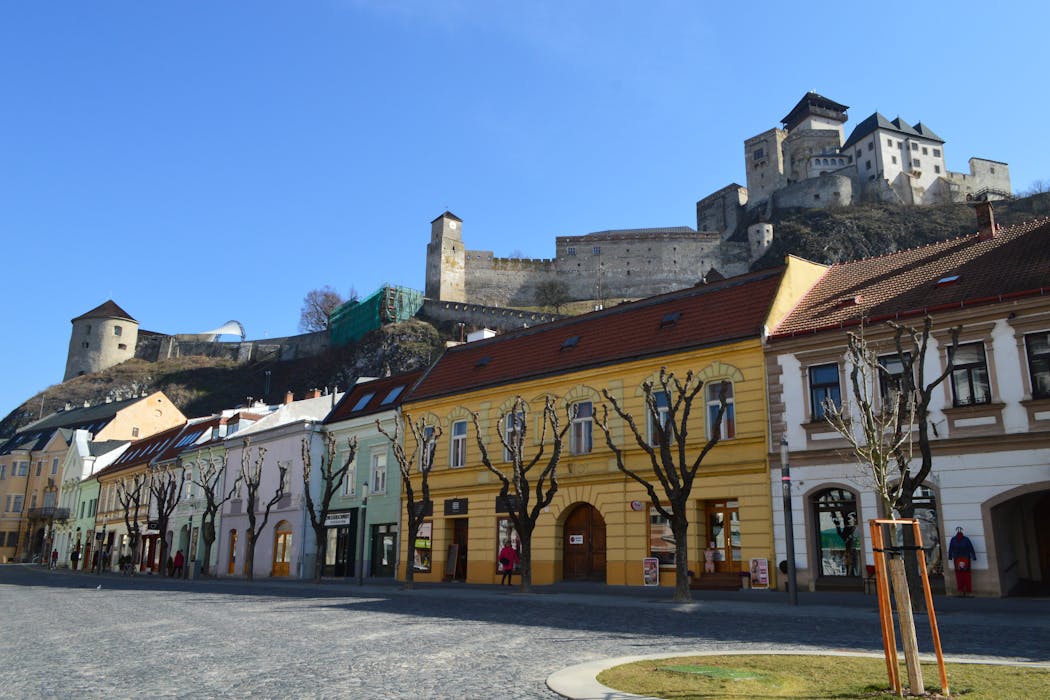
Trenčín in Slovakia (pictured here with its castle on a hill), and Finland’s main port city Oulu jointly carry the 2026 European Capital of Culture crown. CC BY

This year the cities of Trenčín in Slovakia and Oulu in Finland took the helm as Europe’s cultural beacon cities. As the Old Continent redefines its role on the global geopolitical stage, the European Capitals of Culture (ECoC) programme is at a turning point. The European Commission recently launched a public forum initiative to collectively rethink the future of the programme after 2033. ECoC’s role as a tool for cultural diplomacy is now more important than ever.

Created in 1985 against a backdrop of thawing Cold war tensions and the political construction of the European Union project, the European Capital of Culture initiative was initially designed to celebrate the continent’s cultural diversity. Since then, it has become a laboratory for contemporary policies, but also a barometer of the hopes, contradictions and challenges of Europe itself.

Historical context is key to understanding the launch of the European Capitals of Culture: the end of the Cold War, in a divided Europe where the Iron Curtain was beginning to crumble and the European Economic Community (EEC) was gradually expanding. The programme came about, incidentally, thanks to a chance conversation at an airport between two prominent politicians: Jack Lang, who was France’s Minister for Culture Culture at the time, and Melina Mercouri, an activist actress who was then Greece’s Secretary of State for Culture.

Both had an ambitious vision: to use culture as a vehicle for unity, even though it seemed an overlooked aspect of European policy, as Monica Sassatelli, a sociologist at the University of Bologna, points out in her study on the role of culture in the historiography of European politics. The first cities which were chosen – Athens, Florence, Amsterdam, then Paris translates an aspiration for awarding the future European Union symbolic legitimacy. These historical capitals, as beacons of artistic and intellectual heritage, embody Europe’s arts, creativity and traditions, which transcend political and economic division.

Culture as a tool for urban generation

Next up was Glasgow (Scotland, UK). A declining industrial city marked by deindustrialisation and endemic unemployment, Glasgow City Council developed a strategy to revitalise the city centre in the late 1980s, aiming to mark a symbolic turning point and pave the way for its title as European Capital of Culture in 1990.

The promotional campaign “Glasgow’s Miles Better” pioneered the mix of former warehouses and culture, with the aim of revamping certain key cultural institutions (Scottish Opera, Ballet and Orchestra, BBC Symphony Orchestra, Citizen Theatre) and creating a new exhibition centre capable of hosting local and international artists and events. The Scottish city’s Arts Director Robert Palmer, future author of the first report on the initiative in 2004, considered the 1990 event as the starting point for a participatory process of redefining local culture “from the bottom up”, which could include artistic excellence as well as historical, rural and industrial traditions, and reconnect with a well-established tradition of popular culture and leisure activities.

Alongside major concerts by Luciano Pavarotti and Frank Sinatra, a whole series of associations and small local collectives took to the stage. In Glasgow, the year 1990 redefined the boundaries of the word “culture”, ultimately embracing the city’s industrial history and allowing its population to identify with it.

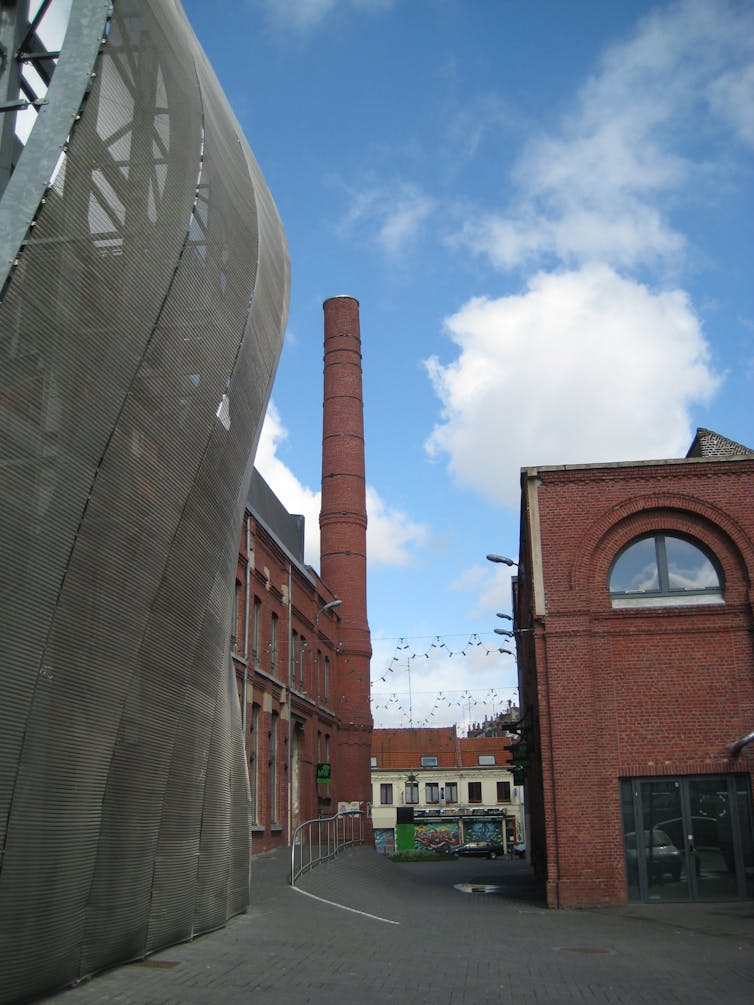
According to sociologist Beatriz Garcia, this regenerative effect on images and local identities is the strongest and most lasting legacy of the ECoC, beyond its economic and material impacts. This pioneering case, alongside other contemporary examples such as Bilbao and Barcelona in Spain, serves as a model. In other European cities, industrial premises are being transformed into theatres, museums or festival venues: the “Creative City” attracts millions of visitors and stimulates the local economy. When Lille in Northern France was elected “ECoC 2004”, it unveiled a dozen “maisons folies” across greater Lille and Belgium. These “crucibles of artistic and cultural innovation”, local initiatives cropped up, for the most part, on abandoned sites or former industrial wasteland.

The Maison folie in Wazemmes (Lille).
Wikimedia, Karlsupart, CC BY

In 2008, Liverpool (England, UK) used the programme to regenerate its waterfront and attract investment. At the turn of the century, the ECoC initiative was no longer limited to promoting cities that were already shining a light on international cultural scene, but became a real tool for urban transformation, used by places that were struggling to economically or socially reinvent and reposition themselves.

This change marks an evolution in urban policy, where culture is increasingly seen as a lever for economic development, on a par with infrastructure and policies designed to attract visitors. European Capitals of Culture are becoming an instrument of this policy, capable of attracting public and private funding, creating jobs in the cultural and tourism sectors, and improving the image of cities that are often stigmatised.

ECoC: an experimental space for testing contemporary transitions

However, this approach has its critics. The first reflective studies conducted in the early 2010s highlight how they can also exacerbate social and spatial inequalities if they are not accompanied by inclusive public policies. In Marseille in the South of France, in 2013, the issue became public with the organisation of an unofficial programme on the sidelines – i.e. parallel and alternative fringe events denouncing the side effects and undesirable consequences of the official programme. While Marseille’s stint as an ECoC was still an expression of the regeneration logic at work in previous years, it also marked the moment when social inclusion emerged as a central issue for these mega-events.

The Europe-wide cultural initiative has always been open to criticism, partly thanks to the very mechanics of the project, which often sees people who played a key role in previous editions of the programme returning to the selection panels for electing new European Capitals of Culture. Their participation, which had been questioned during Marseille-Provence 2013, has thus become an essential part of successive editions – in Matera-Basilicata (Italy) 2019, and citizen involvement will be one of the project’s key themes.

At the end of the 2010s, European Capitals of Culture also became a platform for the major challenges of the 21st century and a space for experimenting with ecological, social and digital transitions. Rijeka, Croatia, European Capital of Culture in 2020, illustrates the evolution. The city, marked by its industrial past and significant migration flows, focuses its programme on issues of migration and minorities, echoing the humanitarian crises affecting Europe. The cultural projects that have been set up: exhibitions, artist residencies, public debates brought together under the slogan ‘Port of Diversity’ – aim to promote intercultural dialogue and question the multiple identities of contemporary Europe. Similarly in the French town Bourges, in the running for 2028, is building its bid around ecological transition. The “Bourges, territory of the future” project is taking on the challenge of carbon neutrality for the event, using the ECoC as a springboard for climate action at the local level.

2033 and beyond: ECoC facing geopolitical and environmental challenges

While the European Capitals of Culture scheme is currently scheduled to run until 2033, the future of the title is under debate. The European Commission has launched a public consultation to imagine tomorrow’s ECoCs, in a context marked by geopolitical and environmental crises. The 2025 European Capitals of Culture, Chemnitz (Germany) and Nova Gorica/Gorizia (Slovenia), have developed a white paper on the future of the cultural initiative, based on observations from 64 past and future European Capitals of Culture. Forty recommendations are proposed to influence the programme reform process in the post-2034 cycle.

Among its key themes, the white paper emphasises the desire to strengthen the European dimension. This could be achieved by introducing a fundamental selection criterion based on European identity, emphasising European values in programming, developing a unified branding strategy and strengthening cross-border cooperation.

The selection and monitoring process, deemed too bureaucratic, is also being called into question, with the main recommendation being to favour encouraging rather than punitive monitoring. The legacy of the event is also up for debate: cities should be held accountable for delivering on the promises made in their bids, and national governments should be more involved in supporting cities during and after their capital year. The dissemination of good practices, peer review and mentoring between former and future ECoCs, which already exist informally, should be recognised and institutionalised, in particular through the possible creation of a central platform supported by the European institutions.

The challenge now is reconciling its symbolic and strategic role, ensuring that future editions do not merely celebrate, but aim to bolster democratic participation and transnational solidarity in an increasingly fragmented geopolitical landscape.

A weekly e-mail in English featuring expertise from scholars and researchers. It provides an introduction to the diversity of research coming out of the continent and considers some of the key issues facing European countries. Get the newsletter!

The Conversation

Maria Elena Buslacchi ne travaille pas, ne conseille pas, ne possède pas de parts, ne reçoit pas de fonds d’une organisation qui pourrait tirer profit de cet article, et n’a déclaré aucune autre affiliation que son organisme de recherche.

ref. European Capitals of Culture: a diplomatic linchpin in an unstable world? – https://theconversation.com/european-capitals-of-culture-a-diplomatic-linchpin-in-an-unstable-world-276892

Disability and access to justice in four African countries: strong laws, weak in practice

Source: The Conversation – Africa (2) – By Azwihangwisi Judith Mphidi, Adjunct Academic, University of South Africa

South Africa has a reputation as one of the most progressive countries on the African continent when it comes to disability rights.

It has ratified the United Nations Convention on the Rights of Persons with Disabilities and adopted laws aimed at protecting the rights of persons with disabilities.

But is it truly a disability-friendly country, especially within its criminal justice system?

This question forms the core of recent research. In it I examined South Africa’s disability-friendliness in the justice system, drawing comparative insights from Nigeria, Kenya and Ghana.

I am a researcher with a focus on policing, criminal justice and social justice.

A pattern emerged across all four countries: solid legislative frameworks exist, but implementation lags badly. There are structural barriers, such as inaccessible infrastructure and lack of transport options. And there are institutional factors, like weak enforcement and inadequate sensitivity training.

Societal stigma also plays a part. This is particularly true for people with invisible disabilities, who are largely overlooked in policy and practice.

I argue that in this technological era, it is not impossible to allocate resources to improve services.

I found that South Africa’s legal framework is more comprehensive and advanced than the other three countries. But all four face similar challenges in practice.


Read more:
South Africa needs to rethink how it measures intellectual and developmental disabilities – what’s lacking


South Africa’s legal framework: progressive yet incomplete

South Africa’s constitution explicitly prohibits discrimination based on disability. It guarantees access to healthcare, education and employment.

Laws such as the Employment Equity Act and the Promotion of Equality and Prevention of Unfair Discrimination Act insist on reasonable accommodation for people with disabilities. The White Paper on the Rights of Persons with Disabilities (2015) outlines a strategy to eliminate barriers.

Despite these progressive laws, the criminal justice system faces practical challenges.

Firstly, many courtrooms, police stations and legal procedures remain physically inaccessible to those with mobility impairments.

Secondly, communication support services such as sign language interpreters and materials in Braille or simplified legal language are not always available. It’s often left to individual officials to arrange help.

Thirdly, there’s still societal stigma and discrimination in the justice system. Some law enforcement, prosecution and judiciary personnel have negative attitudes to disability – especially invisible disabilities such as intellectual, psycho-social, or communication impairments.

People with these disabilities are often misunderstood, denied the help they need, or even excluded from legal proceedings.

Fourth, there is inadequate training for criminal justice personnel on disability rights and needs. As a result many do harm without realising it, undermining trust in the justice system.


Read more:
Disabled people in Africa get a raw deal. What’s been done to fix this


Nigeria, Kenya and Ghana

Nigeria, Kenya and Ghana also have legal frameworks that affirm the rights of people with disabilities.

All have ratified the United Nations Convention on the Rights of Persons with Disabilities and have disability laws aimed at fostering inclusion.

Nigeria ratified the convention in 2007 (and the optional protocol in 2010) and passed the Discrimination Against Persons with Disabilities (Prohibition) Act in 2018. The act prohibits discrimination, mandates accessibility, and establishes a national commission for enforcement.

Kenya ratified the UN convention in 2008, integrating it via Article 2(6) of its 2010 constitution. It has the Persons with Disabilities Act (2003, amended) focusing on inclusion in education, employment and public services.

Ghana ratified the convention and optional protocol in 2012, after signing in 2007. The Persons with Disability Act (Act 715 of 2006) promotes rights to education, health, employment and accessibility.

However, like South Africa, there are gaps in enforcement, accessibility and practical steps to accommodate people with disabilities.

In Nigeria, courthouses and police facilities are often inaccessible. And people with intellectual or mental health disabilities often struggle to understand and communicate within the legal process.

Reports of mistreatment and wrongful detention, especially those with psychosocial disabilities, are not uncommon. A notable case highlighted the denial of proper accommodations for a visually impaired person accused of theft.

Kenya’s Persons with Disabilities Act mandates accessible public buildings, including police stations and courts. Yet many facilities remain inaccessible.

There aren’t enough trained personnel who understand the needs of people with disabilities. And public transport – critical for accessing justice – is not always equipped to carry people with mobility impairments.

Ghana’s Disability Act (2006) provides a strong legal foundation, complemented by ratification of the UN convention.

But many public facilities remain inaccessible after the legislated compliance period.

Police misconduct towards people with disabilities, especially those with mental health conditions, has been documented.

Detention conditions are sometimes inhumane. Many people, particularly with psychosocial disabilities, face wrongful imprisonment without fair legal representation.

In all four countries the justice systems do more to accommodate visible disabilities, including mobility or sensory impairments. They neglect intellectual, psychosocial and communication disabilities. This neglect results in misunderstanding, exclusion and discriminatory outcomes.

Cases such as the tragic deaths in South Africa’s Life Esidimeni mental health crisis and incidents of sexual violence against women with disabilities in Kenya and Nigeria highlight the grave consequences of systemic neglect.

They also underscore the urgent need for reforms not only in legal provisions but also in attitudes, resources and operational practices.


Read more:
Nigeria’s 2027 election can set a model for disability inclusion. Here’s how


Moving forward: key recommendations for South Africa

South Africa’s strengths in disability rights legislation provide a foundation to build a more inclusive criminal justice system. However, closing the gap between law and lived experience requires focused action:

Enforcement and oversight: Regular audits of courts, police stations and correctional facilities for accessibility compliance must be mandated and resourced. Disability-specific expertise within oversight bodies can improve accountability.

Disability training: Ongoing, mandatory training on disability rights is essential. Collaborating with organisations for disabled people ensures training reflects lived realities.

Standard accommodations: Provision of sign language interpreters, accessible legal documents, and trauma-informed procedures must be codified and resourced. This must include invisible disabilities.

Inclusive policy development: Persons with disabilities and their representative organisations must be part of making and monitoring policy.

Public awareness and anti-stigma campaigns: Changing societal attitudes is key to fostering a culture of respect and inclusion.

Regional collaboration: Sharing best practices and harmonising standards can accelerate progress across the continent.


Read more:
Traditional beliefs inform attitudes to disability in Africa. Why it matters


Next steps

Comparing South Africa to Nigeria, Kenya and Ghana reveals common challenges and highlights the need for systemic, coordinated change.

Disability justice is not solely a matter of legal texts. It’s a complex interplay of attitudes, institutional practices and social inclusion. The approach must address physical, psychological, and social barriers to deliver justice for all citizens.

The Conversation

Azwihangwisi Judith Mphidi does not work for, consult, own shares in or receive funding from any company or organisation that would benefit from this article, and has disclosed no relevant affiliations beyond their academic appointment.

ref. Disability and access to justice in four African countries: strong laws, weak in practice – https://theconversation.com/disability-and-access-to-justice-in-four-african-countries-strong-laws-weak-in-practice-263987