What decades of research reveal about involuntary substance use treatment – and why evidence points elsewhere

Source: The Conversation – USA (3) – By Susan E. Collins, Professor of Psychiatry and Behavioral Sciences, University of Washington

Since President Donald Trump issued a July 2025 executive order aimed at “ending crime and disorder on America’s streets,” national attention has increasingly focused on involuntary treatment as a response to visible homelessness and drug use.

A few months later, in September 2025, officials in Utah announced plans for a 16-acre facility on the edge of Salt Lake City that would hold up to 1,300 people experiencing homelessness after they are removed from public spaces and offered a choice: the facility’s abstinence-based shelter or jail time. The facility also plans to include 300 to 400 beds reserved for involuntary treatment, for adults who have psychiatric and substance use disorders.

Supporters of this facility describe it as a humane alternative to the streets, while detractors liken it to prison.

Since the release of the executive order, other proposals for expanding involuntary treatment for adults with substance use disorder have been cropping up across the U.S., including in New Jersey, Washington state and New York state.

I am a licensed clinical psychologist, substance-use treatment professional and researcher at the University of Washington. Throughout my three decades in the field, my research has focused on what works when it comes to substance use treatment, including among people experiencing homelessness.

I started reading research on involuntary treatment in 2018, when Ricky’s law – Washington’s version of involuntary treatment – was implemented where I live and work.

What I have learned is that involuntary treatment for adults with substance use disorders is necessary in extreme cases, but it does not outperform voluntary care and raises serious concerns about patient safety.

‘Involuntary’ or ‘forced’ treatment

People who have substance use disorder often experience pressure to enter treatment and stop using alcohol and drugs. This pressure ranges from informal coercion, like family pleas or providers leveraging housing or other services, to formal coercion, like treatment mandated by the court system.

Involuntary treatment, referred to in the U.S. as “involuntary civil commitment,” is distinct from these approaches and is the most restrictive means of formal coercion. Civil commitment authorizes a court, often based on a health care professional’s assessment, to order the involuntary deprivation of liberty, usually by confining a person to a locked treatment facility.

Unlike court-mandated treatment, which involves consent and choice, albeit limited, involuntary treatment does not involve consent and is often administered against a person’s will, with the length of treatment determined by court order and state law.

Such treatment is typically considered when a person poses an imminent risk of serious physical harm to themselves or others – for example, expressing suicidal or homicidal intent with a plan and means to carry it out. It may also be considered in cases of grave disability, such that an adult is unable to care for themselves without assistance.

woman standing in front of others during group therapy session
Evidence shows that voluntary treatment for substance use disorder tends to be more effective and less risky than involuntary treatment.
Olga Rolenko/Moment via Getty Images

A history of abuse

There is a reason involuntary treatment is reserved for these extreme cases. In the 19th and early 20th centuries, institutional abuses were rampant in state psychiatric hospitals, where patients were often confined and stripped of their civil rights for years, sometimes indefinitely. Through reforms in the 1960s, civil commitment law was applied in fewer cases, and legal protections for patients were strengthened.

But recent decades have seen a renewed interest in involuntary treatment specifically for substance use disorder. As of early 2026, 37 states and the District of Columbia have laws allowing involuntary treatment for substance use disorder, with most having added new and expanded civil commitment statutes in just the past 10 years.

In practice, these statutes vary widely in criteria, duration and utilization, reflecting a lack of consensus about their proper role.

Heightened risk of relapse, rearrest and death

Yet even as involuntary treatment for substance use disorder is being expanded, there is no clear scientific evidence that it is effective.

Three systematic reviews – wide-ranging analyses of the peer-reviewed, scientific literature – published in 2005, 2016 and 2023 have summarized the research on coercive substance use treatment in adults.

Within these reviews, some studies that are labeled as “involuntary treatment” actually refer to mandated but voluntary treatment, not civil commitment. When limited to studies of true involuntary treatment for substance use disorder, the literature indicates no measurable benefit and in some cases clear harm.

The most commonly cited harms are higher risk of relapse, rearrest and even death after release from treatment. In fact, one international research study showed that risk of death increases two- to nearly fourfold in the weeks following release, primarily due to overdose.

Unfortunately, there is no consistent and transparent program evaluation and reporting framework for involuntary substance use treatment in the U.S. To date, Massachusetts and Washington appear to be the only states to have published outcome evaluations of their involuntary substance use treatment programs.

Data from Massachusetts echoes the pattern reflected in the larger research literature: Adults with a history of involuntary treatment experienced 40% higher risk of death from overdose than people with no involuntary treatment history.

In its eight years of operation, Washington’s involuntary treatment program has published only one program evaluation. Findings showed mixed short-term results: There were modest reductions in emergency department use and homelessness, but lower rates of follow-up treatment for substance use and no change in arrests or employment. Most important, there has been no analysis of subsequent substance use outcomes or post-release mortality.

More data and more frequent reporting are needed to determine the effectiveness and safety of involuntary treatment for substance use disorder in the U.S.

In addition to documenting quantitative outcomes, documenting patients’ own subjective experiences of involuntary treatment for substance use disorder, as has been done for patients in involuntary treatment for psychiatric disorders, may help improve its delivery, even as it remains a last resort.

Calculating the cost

While patient health and civil liberties are top priorities, states also have to consider costs. It has been long documented that voluntary inpatient substance use treatment is substantially more expensive than lower-intensity, lower-barrier treatment and service settings. However, involuntary treatment layers on further costs of secured, statutorily designated placement with formal court proceedings and ongoing legal oversight.

Involuntary treatment under Massachusetts Section 35 law costs an estimated US$76,819 per male patient annually. In Washington, the average 11-day stay costs $7,298. Washington’s program yielded a low benefit-to-cost ratio, with the program losing approximately 81 cents for every dollar spent within the first year after treatment.

The few U.S. evaluations of involuntary treatment conducted to date have thus not indicated that involuntary treatment reduces publicly funded service costs sufficiently to offset its expense.

Box filled with green bags labeled Overdose Bag from Homeless Health Care Los Angeles
Harm reduction practices, such as distributing overdose kits, have proven effective in helping substance users.
Al Seib/Los Angeles Times via Getty Images

Other solutions

Meanwhile, the evidence consistently points to lower-barrier and voluntary approaches as more effective, less costly and less risky than involuntary treatment.

For people with substance use disorder who also experience homelessness, this includes a range of affordable and supportive housing options, from abstinence-based recovery housing to low-barrier permanent supportive housing paired with services, such as Housing First. Research shows Housing First effectively increases housing stability and reduces use of publicly funded services.

Evidence also supports implementing harm-reduction programs, including street-based engagement, syringe service programs and providing naloxone kits for overdose reversal. Collectively, these programs have been shown to prevent overdose, reduce transmission of blood-borne illness and connect people to voluntary services and treatment.

Effective behavioral treatments and medications that reduce craving and overdose risk, such as buprenorphine, methadone, naloxone and naltrexone, represent the gold standards in substance use treatment and overdose prevention.

Justice system diversion programs have been shown to be effective in keeping those convicted of low-level drug use and possession crimes out of jail. Case managers for these programs help participants find housing and vocational services, improving their stability. These programs reduce recidivism and relieve an already overloaded legal system.

Given the lack of existing evidence supporting involuntary treatment, I believe expanding it beyond acute, life-threatening crises is unwarranted. It is not a substitute for investing in and delivering lower-barrier, voluntary services that already have been shown to save lives, reduce harm and foster sustainable recovery.

The Conversation

Susan E. Collins is a Professor in the Department of Psychiatry and Behavioral Sciences at the University of Washington, where she also maintains a clinical practice. The perspectives provided in this article are her own and do not represent the positions of the University of Washington. Dr. Collins has previously conducted research and program evaluation projects funded by local, state, and federal agencies, as well as private nonprofit organizations. In one prior study, a pharmaceutical company provided medications but no research funding. She is a cofounder and equity holder in HaRT3S, a social purpose corporation, but does not currently receive funding from the company.

ref. What decades of research reveal about involuntary substance use treatment – and why evidence points elsewhere – https://theconversation.com/what-decades-of-research-reveal-about-involuntary-substance-use-treatment-and-why-evidence-points-elsewhere-268841
Failure of US-Iran talks was all too predictable — but turning to military strikes creates dangerous unknowns

Source: The Conversation – USA – By Nina Srinivasan Rathbun, Professor of International Relations, Munk School of Global Affairs & Public Policy, University of Toronto; USC Dornsife College of Letters, Arts and Sciences

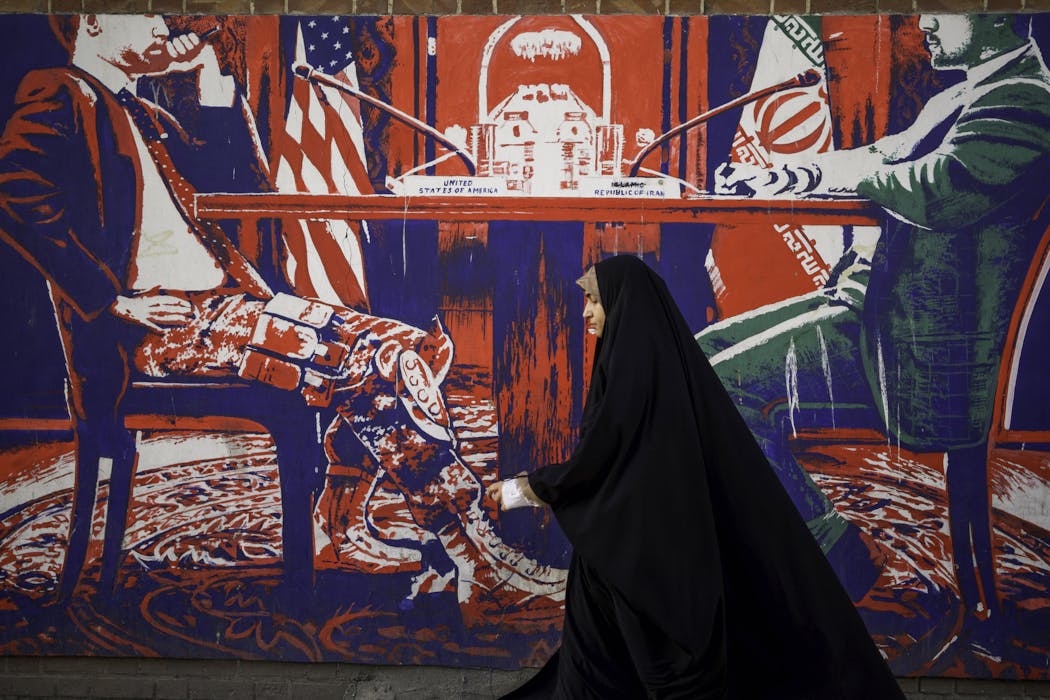
When it came to U.S.-Iran talks, the writing was on the wall. Mohammadali Najib/Middle East Images/AFP via Getty Images

Three rounds of nuclear talks between the U.S. and Iran failed to persuade President Donald Trump that a solution to the two country’s nuclear impasse lay in diplomacy, rather than military action. A perceived lack of progress in the last of those indirect negotiations on Feb 26, 2026, was enough to prompt Trump to green-light a massive onslaught of missiles that has degraded Iran’s offensive capabilities and killed Ayatollah Ali Khamenei and several members of Iran’s senior military leadership.

In response, Tehran has launched strikes across the Middle East, targeting Israel as well as Gulf states that host U.S. airbases. At least three Americans have been killed.

While the scale of the U.S., Israeli and Iranian strikes has taken some observers by surprise, the failure of the talks that led to them was all too predictable.

For diplomacy to be successful, both sides need to agree on the issues subject to negotiation and also believe that peaceful resolution is more valuable than military engagement. This clearly was not the case in the U.S.-Iran nuclear talks of 2025 and 2026.

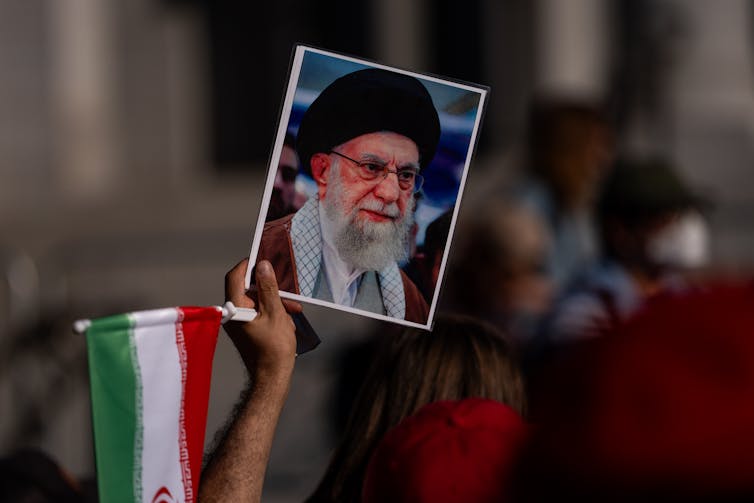
An arm holds aloft a photo of a man with a long beard.
A demonstrator holds a portrait of Ayatollah Ali Khamenei in Los Angeles on Feb. 28, 2026.
Qian Weizhong/VCG via Getty Images

As someone who has researched nonproliferation and U.S. national security for two decades and was involved in State Department nuclear diplomacy, I know that even under more favorable conditions, negotiations often fail. And the chances for success in the Iran-U.S. talks were always slim. In fact, publicly stated red lines by both sides were incompatible with each other – meaning negotiations were always likely to fail.

Iran wanted the talks confined only to guarantees about the civilian purpose of its nuclear program, not its missile program, support of regional proxy groups or human rights abuses. Essentially it wanted a return to 2015’s Joint Comprehensive Plan of Action, which halted Iran’s development of nuclear technology and stockpiling of nuclear material in exchange for lifting multiple international economic sanctions placed on Iran.

Meanwhile, Trump insisted on limits to Iran’s ballistic missiles and the cutting of Tehran’s support for regional militias. These were not included in the 2015 agreement, with parties ultimately deciding that a nuclear deal was better than the alternative of no deal at all.

False hope

Nevertheless, there had been a slim chance for a breakthrough of late.

While the positions of both the U.S. and Iranian governments had ossified since May 8, 2018 – the date when the first Trump administration withdrew the United States from the Obama-era Iran nuclear deal – there had been some recent movement by Iran, according to former U.S. diplomats involved in negotiations during the Obama and Biden administrations.

With U.S. military building up in the region, Iran appeared more willing to negotiate within the nuclear arena than before. There were plausible solutions to the issue of Iran’s enrichment of uranium capabilities, including maintaining a minimum domestic capacity to develop medical isotopes and a removal of Iran’s stockpile of enriched uranium necessary to build a nuclear bomb.

There was less openness on other points of contention. Notably, there was no movement on ballistic missiles, which had always been a red line. On the eve of the round of discussions held in Geneva on Feb. 17, Trump stated: “I think they want to make a deal.” Iran’s foreign minister, Abbas Araghchi, noted progress over the “guiding principles” of the talks.

But a lot of this optimism appeared to have dissipated by the time the two sides held another round of talks on Feb. 26. While mediator Oman’s negotiators continued to talk of progress, the U.S. side was noticeably silent. Reporting since has suggested that Trump was displeased with the way the talks had gone, setting the stage for the Feb. 28 attack.

Military brinkmanship

The threat of military action was, of course, a continued backdrop to the talks.

The USS Abraham Lincoln carrier group was deployed near Iranian waters in January as a signal of support to the Iranian protesters. The USS Gerald R Ford carrier group joined the buildup before the last round of talks.

Trump warned Iran that “if they don’t make a deal, the consequences are very steep.”

The thinking may have been that Iran, weakened by both the June 2025 U.S.-Israeli strikes and diminished capabilities of Tehran proxies Hamas and Hezbollah, was playing a weak hand in the talks.

Yet Iran also signaled a willingness to engage in military action. In the run-up to the last round of talks, Iran held military exercises and closed the Strait of Hormuz for a live-fire drill. Leaders in Tehran also declared that they would not restrain its response to another attack. The world is seeing that now, with a response that has seen Iran launch missiles across the Middle East and at rival Gulf nations.

Optimism has fallen before

Trump isn’t the first president to fail to secure a nuclear deal, although he is the first to respond to that failure with military action.

The Biden administration publicly pledged to strengthen and renew the Obama-era nuclear deal in 2021. However, Iran had significantly increased its nuclear technical capability during the years that had passed since the Joint Comprehensive Plan of Action collapsed. That increased the difficulty – just to return to the previous deal would have required Iran to give up the new technical capability it had achieved for no new benefits.

That window closed in 2022 after Iran removed all of the International Atomic Energy Agency’s surveillance and monitoring under the deal and started enriching uranium to near-weapons levels and stockpiling sufficient amounts for several nuclear weapons. The IAEA, the United Nations’ nuclear watchdog, maintains only normal safeguards that Iran had agreed to before the plan of action.

Optimism also existed for a short time in spring 2025 during five rounds of indirect talks that preceded the United States bombing Iran’s nuclear infrastructure in June as part of a broader Israeli attack.

A more unstable Middle East

When I worked in multilateral nuclear diplomacy for the U.S. State Department, we saw talks fail in 2009 regarding North Korea’s nuclear weapons program, after six years of on-and-off progress. The consequence of that failure is a more unstable East Asia and renewed interest by South Korea in developing nuclear weapons.

Unfortunately, the same dynamic appears to be playing out in the Middle East.

Military strikes have already killed more than 200 in Iran and across the region. A wider war in the Middle East is a possibility, and should the Iranian regime survive, it may commit to developing nuclear weapons given that the lack of them proved no deterrent to U.S. and Israeli military action.

Talks do not necessarily need an end point – in the shape of a deal – for them to have purpose. Under situations of increased military brinkmanship, talks could have helped the U.S. and Iran step back from the edge, build trust and perhaps develop better political relations – even if an actual deal remained out of reach.

Instead, Trump opted to go a different route.

This article includes sections originally published by The Conversation U.S. on Feb. 17, 2026.

The Conversation

Nina Srinivasan Rathbun does not work for, consult, own shares in or receive funding from any company or organization that would benefit from this article, and has disclosed no relevant affiliations beyond their academic appointment.

ref. Failure of US-Iran talks was all too predictable — but turning to military strikes creates dangerous unknowns – https://theconversation.com/failure-of-us-iran-talks-was-all-too-predictable-but-turning-to-military-strikes-creates-dangerous-unknowns-277209

The nation is missing millions of voters due to lack of rights for former felons

Source: The Conversation – USA – By Kevin B. Smith, Professor of Political Science, University of Nebraska-Lincoln

Javon Jackson, center, was able to register to vote following passage of a 2019 Nevada law that restored voting rights to formerly incarcerated individuals. AP Photo/John Locher

If you gathered every American with a prison record into one contiguous territory and admitted it to the union, you would create the 12th-largest state. It would be home to at least 7 million to 8 million people and hold a dozen votes in the Electoral College.

In a close presidential race, this hypothetical state of the formerly incarcerated could decide who wins the White House.

It may sound far-fetched to conceive of former felons determining the outcome of a presidential election, not by voting but by failing to vote. But there’s a real chance they already have – not just once, but twice. That’s in addition to affecting the outcomes of some U.S. Senate and gubernatorial elections.

I am a political scientist with a long-standing interest in the question of why mass incarceration rates vary so widely across states. My 2024 book, “The Jailer’s Reckoning,” explores that question and measures its political, social and economic impacts.

One of my findings is that the sheer number of people who’ve cycled through prisons over the past 40 years is influencing election outcomes.

Scholars vigorously debate the reasons why the United States locks up more of its citizens than any other liberal democracy, or even most authoritarian regimes. Less examined are the consequences of this decades-long social experiment in mass incarceration.

The consequences, however, likely include affecting the results of close elections. Incarceration certainly plays a key role in depressing voter turnout, which lags, in no small part, because felony convictions have made so many people ineligible.

Mass incarceration has led to a fast-growing bloc of citizens who either are legally barred from voting or have just stopped bothering. Under the right circumstances, this slice of the electorate is large enough to tip an election.

Imprisonment and the franchise

Felony conviction reduces political engagement, sometimes entirely. Inmates are legally barred from voting in all but two states, Maine and Vermont. Ten states bar ex-felons from voting either permanently or for some period of time, depending on the crime, absent unusual circumstances such as a governor’s pardon.

In Idaho, Oklahoma and Texas, a criminal record means that as many as 1 in 10 citizens are ineligible to vote. Among Black Americans, that number can jump to 1 in 5.

Standing in an ornate chamber, a man in a tie talks to reporters who hold microphones and cellphones up to his face.
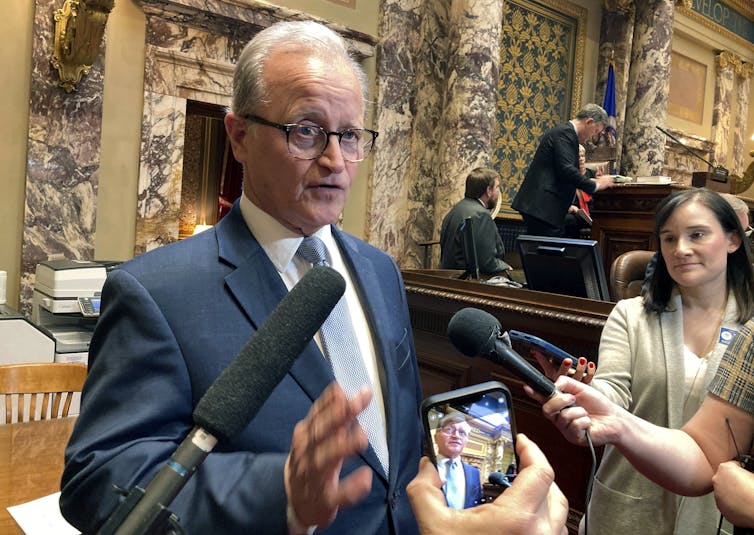
Republican state Sen. Warren Limmer opposed a 2023 Minnesota bill that would have restored voting rights to former felons still on parole.
AP Photo/Steve Karnowski

However, even when legally eligible, ex-convicts rarely exercise the right to vote. Turnout rates among this population may be as low as 10%. Contact with the criminal justice system lowers political trust, which in turn reduces the likelihood of political engagement among ex-convicts.

Although scholars debate the exact partisan tilt of this potential constituency, there’s a consensus that it is disproportionately Democratic. The upper end of estimates suggest that if this group showed up to the polls, 70% would cast ballots for Democrats.

Even estimates that are much lower sketch a picture of an alternative political world. In 2000, roughly 7% of Florida’s 11.7 million voting-age residents were disenfranchised due to past convictions. They represented about 800,000 potential voters.

If 10% of them had voted and, say, 55% voted Democratic for president, that would have translated to a 6,000-vote swing for Vice President Al Gore. In reality, Texas Gov. George W. Bush won the state – and with it the presidency – by 537 votes.

Florida Republicans Ron DeSantis and Rick Scott may have owed their initial, tight gubernatorial victories to felony disenfranchisement, since the outcomes could have been much different if former felons had the franchise.

In 2018, Florida voters did approve a constitutional amendment to restore voting rights automatically to most former felons. But a subsequent law requiring felons to pay off fines and fees has kept nearly 1 million Floridians from being able to vote, according to the Sentencing Project, a group that opposes mass incarceration.

An electorate in the shadows

Serving time behind bars or having a felony record is not a social anomaly. It is an increasingly normalized feature of American life.

The most careful scholarly estimate suggests that at least 20 million Americans have served time in prison or lived under felony supervision, or both. That’s now a conservative estimate, as it is based on 2010 data.

Given their lack of voting habits, the millions of people in this group constitute a vast shadow electorate, far larger than the roughly 2% of American citizens legally ineligible to vote due to being currently incarcerated.

These disenfranchised or absent voters are a quiet force with the potential to reshape American democracy. The statistical models in my book show that in statewide races this constituency represents roughly a 1- or 2-percentage-point swing.

That might not sound like much, and in single-party strongholds it is not. In genuinely competitive statewide elections, however, a percentage point or two can be decisive.

Consider the 2016 presidential election. That year, the Electoral College outcome was decided by Michigan, Pennsylvania and Wisconsin. Donald Trump won all three states by less than a percentage point. Again, the outcome could easily have been different if voting rights for former felons were a given.

The Conversation

Kevin B. Smith does not work for, consult, own shares in or receive funding from any company or organization that would benefit from this article, and has disclosed no relevant affiliations beyond their academic appointment.

ref. The nation is missing millions of voters due to lack of rights for former felons – https://theconversation.com/the-nation-is-missing-millions-of-voters-due-to-lack-of-rights-for-former-felons-273328

Professor Paul Boyle appointed Chair of The Conversation UK

Source: The Conversation – UK – By Chris Waiting, Chief Executive Officer, The Conversation

The Conversation UK is delighted to announce the appointment of Professor Paul Boyle, Vice-Chancellor of Swansea University, as the new Chair of its Board of Trustees.

Professor Boyle succeeds Professor Nishan Canagarajah, Vice-Chancellor of the University of Leicester, who stepped down in December 2025.

Professor Boyle has been Vice-Chancellor of Swansea University since 2019. Prior to this, he was President and Vice-Chancellor of the University of Leicester, and formerly Chief Executive of the Economic and Social Research Council (ESRC), the UK’s largest funding agency for social science research. He has recently completed a nine-year term as Vice-President of the European University Association, which represents over 800 universities in 48 countries, and eight years as a UUK Board Member. He has previously served as International Champion of Research Councils UK, with responsibility for international strategy across all seven UK research councils, and as President of Science Europe, representing over 50 European funding agencies.

A Fellow of the Learned Society of Wales, the British Academy and the Academy of Social Sciences, Professor Boyle currently chairs Jisc, the not-for-profit organisation providing digital services and solutions to the UK’s higher and further education sector, the British Council Wales Advisory Committee and the UKSA’s Research Accreditation Panel.

Dr David Levy, Deputy Chair of The Conversation UK, who has chaired the Board in the interim, said: “Following a wide search process, the Board was extremely impressed by Paul’s vision for The Conversation and his deep understanding of the challenges and opportunities facing UK Higher Education. He is the right leader to guide us through the next phase of our development, and we’re thrilled to welcome him.”

Chris Waiting, Chief Executive of The Conversation UK, said: “I’m delighted by Paul’s appointment. His experience spanning research funding, university leadership and international collaboration makes him uniquely placed to champion The Conversation’s mission to make research accessible. I’m looking forward to working with him as we continue to evolve and expand our impact.”

Stephen Khan, Editor of The Conversation UK said: “Since we launched in the UK in 2013, The Conversation has grown into a critical international channel for taking academic knowledge direct to the public. Paul joins us at a key moment, and his combination of research leadership and deep roots in UK higher education makes him a fantastic person to help us shape what comes next.”

Professor Paul Boyle said: “The Conversation is an organisation that I have long admired, and it is a privilege to take on this important role. At a time when universities face unprecedented challenges, The Conversation has a critical mission in connecting research with new audiences and demonstrating the real-world value of academic expertise is vital to the UK Higher Education sector; I therefore very much look forward to the opportunities ahead.”

Professor Boyle will join the Board in May 2026.

About The Conversation

The Conversation is the world’s largest platform for public engagement with research, transforming how universities share knowledge with society. Launched in the UK in 2013, it is now part of a global network of ten editions reaching more than 40 million readers each month.

The Conversation connects academic expertise with public understanding, working with researchers across the UK Higher Education sector and a team of professional editors to produce rigorous, accessible journalism that shapes public debate, informs policy and drives social change. It is funded by more than 90 university members across the UK, Ireland, Sweden, Italy, the Netherlands and Germany, as well as through grants from UKRI, Research England and Medr, and reader donations. All content is freely available and republished under a Creative Commons licence.

The Conversation

ref. Professor Paul Boyle appointed Chair of The Conversation UK – https://theconversation.com/professor-paul-boyle-appointed-chair-of-the-conversation-uk-277285

Satellite images show how Antarctica’s vanishing sea ice is changing the food chain

Source: The Conversation – UK – By Angus Atkinson, Professor of Marine Ecology, Plymouth Marine Laboratory

Melting ice is an emblem of climate change. For sea ice, the Arctic has been grabbing most of the headlines for its truly alarming rate of decline. But recently Antarctica has followed suit.

Around ten years ago everything changed. After decades of stability and within just a few years, an ocean area nearly the size of Greenland suddenly became sea-ice free. At first, scientists thought this could be a blip, but now it is described as a step change, with large ocean areas remaining ice free ever since.

This has dramatic consequences for the marine life of Antarctica. The ice decline was so sudden it challenged most existing computer models of the Southern Ocean and its ecosystems. Models tend not to predict step changes very well. Likewise, due to the sheer seismic suddenness of ice loss, the boots-on-the-ground fieldworkers could not scramble fast enough to document how the loss of sea ice was affecting the plants and animals living here.

Our 2025 study looked at ice loss from a different perspective. We used satellite imagery to pinpoint the exact wavelengths of light that are reflected from the upper ocean back into space.

Just like landscapes can be classified, we divided the ocean into distinct “seascapes”, based on the wavelengths of light that they reflect. This tells us about the phytoplankton – the tiny drifting planktonic algae that support the rest of the food web. Changes in light reflections indicate how much phytoplankton is present and also which types of species are present.

Surprisingly, we found that large and remote expanses of the Southern Ocean actually increased from very low concentrations of phytoplankton to more moderate levels. Nearly 70% of the Southern Ocean now has, on average, more phytoplankton since the ice declined around ten years ago.

This increase in food supply might sound good. But sea ice supports unique marine ecosystems, and in many ways. For example, it provides nooks and crannies for shelter and nursery. Sea ice also nurtures hotspots of food, supporting large algae called diatoms that are easily eaten and passed up Antarctic food chains.

Diatoms are a key food source for Antarctic krill, shrimp-like crustaceans which also need sea ice as a nursery habitat. Krill in turn are the food source for penguins, whales and other marine species, as well as being the target species for an important fishery valued in hundreds of millions of dollars.

Winners and losers

Krill do not seem to be benefiting from the increases in phytoplankton after the dramatic loss of sea ice. Instead, gelatinous filter feeders known as “salps” associate with the ice-free seascapes that have increased in size.

Salps are a colonial, barrel-shaped group of species that pump water through their transparent bodies, filtering out even the smallest phytoplankton. They are more nutritious than most jellyfish, but much less carbon rich than crustaceans such as krill, who help in the storage of carbon at depth.

A study by another team sheds more light on what was happening. They showed that the step-change in sea ice marked a sudden shift in phytoplankton composition. Suddenly, a group of tiny phytoplankton called cryptophytes started increasing.

Salps act like marine vacuum cleaners that can rapidly and efficiently remove even these small cryptophytes from the water. It looks like the recent low ice era has changed large expanses of ocean from having too little food even for salps into that sweet spot – not super-rich but just good enough for these vacuum cleaners to thrive.

These studies are just starting to map how the “new-normal” low-ice era is reshaping Antarctic ecosystems. Salps are not fished commercially, do not appear so important in storing carbon, and support different types of food chain. Any long-term shift in the relative dominance of krill and salps will have far-reaching ramifications for Southern Ocean ecosystems and their role in nutrient cycling.


Don’t have time to read about climate change as much as you’d like?

Get a weekly roundup in your inbox instead. Every Wednesday, The Conversation’s environment editor writes Imagine, a short email that goes a little deeper into just one climate issue. Join the 47,000+ readers who’ve subscribed so far.


The Conversation

Angus Atkinson receives funding from the European Space Agency (ESA). His contribution to this work was supported by ESA Cluster OCEAN HEALTH THEME 3: Open Ocean Biodiversity, grant number 4000137125/22/I-DT project Biodiversity in the Open Ocean: Mapping, Monitoring and Modelling (BOOMS). He was also supported by the World Wide Fund for
Nature and the Natural Environment Research Council (NERC) National Capability (NC) International FOCUS Programme (grant no. NE/X006271/1)

Bob Brewin receives funding from a UK Research and Innovation Future Leader Fellowship (MR/V022792/1).

Victor Martinez Vicente receives funding from the European Space Agency (ESA). His contribution to this work was supported by ESA Cluster OCEAN HEALTH THEME 3: Open Ocean Biodiversity, grant number 4000137125/22/I-DT project Biodiversity in the Open Ocean: Mapping, Monitoring and Modelling (BOOMS)

ref. Satellite images show how Antarctica’s vanishing sea ice is changing the food chain – https://theconversation.com/satellite-images-show-how-antarcticas-vanishing-sea-ice-is-changing-the-food-chain-275847

Trump’s approach to Iran is a departure from containment policy of his predecessors

Source: The Conversation – UK – By Darius Wainwright, Lecturer in Modern History, University of Bristol

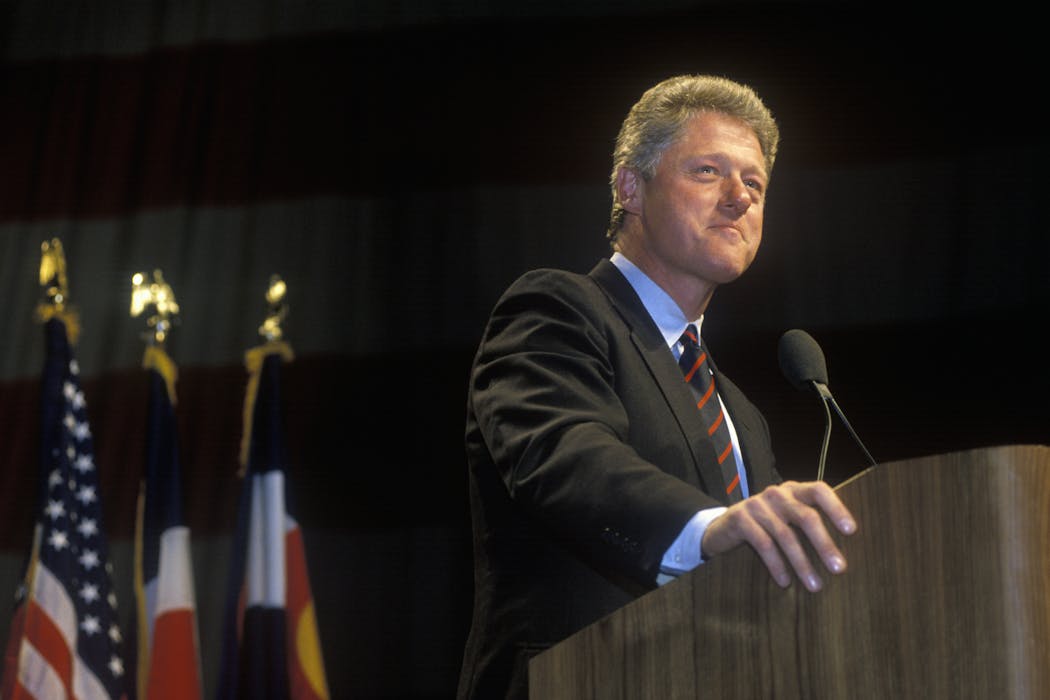
Bill Clinton developed a strategy of containing Iran that was followed by successive US presidents. Joseph Sohm / Shutterstock

The joint US-Israeli combat operation against Iran, and the killing of its supreme leader, Ayatollah Ali Khamenei, is a watershed moment in the US-Iran relationship. Bilateral interactions have been tense since 1979 when a revolution ousted Iran’s pro-American Shah, Muhammad Reza Pahlavi, and replaced him with an Islamic theocracy opposed to the US.

However, these tensions have now bubbled over into direct conflict. The US and Israel have bombed Iranian cities, which Tehran has responded to by launching strikes across the region. Hostilities have now spread to Lebanon, with the Iran-backed Hezbollah group launching missiles and drones towards Israel in retaliation for Khamenei’s killing.

In a video statement posted on social media shortly after the US-Israeli intervention began, Trump appeared to justify his approach by saying the Iranian government’s activities “directly endanger the US, our troops, our bases overseas and our allies”. His actions signal a departure from a stated American foreign policy approach to Iran that has stood since the 1990s.

Consecutive US presidential administrations had developed a strategy of containing Iran, focused on trying to prevent its government from expanding its reach and influence across the Middle East. This has taken two forms. Presidents have either sought to isolate the country on the world stage or negotiate with its leadership to temper Iran’s expansionist tendencies.

Bill Clinton coined the approach and applied its two facets. His White House appropriated the idea from the stated US stance towards the Soviet Union and its allies during the cold war. Officials in his administration initially referred to Iran as a “rouge state” that was opposed to American interests and global stability.

In 1995, Clinton signed two orders strengthening the economic sanctions on Iran that had been in place since the 1979 revolution. The first forbade American companies from investing in the Iranian oil industry. And the second banned all US firms from conducting business in Iran. Clinton also pledged to impose sanctions on any firm or organisation outside the US that traded with the country.

But after the 1997 election of a reformist Iranian president in Mohammad Khatami, Clinton offered to negotiate with Tehran. To pave the way for diplomatic dialogue, his secretary of state, Madeline Albright, even publicly admitted to the CIA’s involvement in steering a coup in 1953 that resulted in the removal of the Iranian prime minister, Mohammad Mosaddegh.

Clinton’s apparent u-turn, which also saw US economic sanctions relaxed to pre-1995 levels, yielded next-to-no tangible results. As supreme leader, Khamenei overruled Khatami’s attempts to engage with the US diplomatically.

George W. Bush emulated his predecessor’s initial approach to Iran. Whereas Clinton regarded Iran as a rouge state, Bush took this framework one step further in his 2002 State of the Union address. Due to the Iranian government’s supposed links to and support for terrorist groups, he referred to Iran as a member of the “axis of evil” – a nation that needed to be challenged and contained.

However, despite Bush’s tough rhetoric, his other foreign policy actions while in office benefited Iranian regional interests. In removing the Taliban from power in Afghanistan and Saddam Hussein from Iraq, the Bush administration eliminated two of Iran’s key rivals. The next decade saw Iranian-backed proxy groups grow in prominence across Iraq, Syria and Lebanon.

Barack Obama adopted Clinton’s latter approach towards the country. His administration negotiated with the Iranian government over its nuclear programme, which resulted in the 2015 Joint Comprehensive Plan of Action. Iran pledged to limit its uranium enrichment and agreed to intensive monitoring.

The Obama administration sought to use the prospect of global inclusion and the lifting of economic sanctions to persuade Iran to check its regional expansionist aspirations. Joe Biden, who was US president between 2021 and 2024, sought to resurrect the Joint Comprehensive Plan of Action after Trump’s abandoning of the treaty in his first term.

Containment to confrontation

In targeting Iran’s leadership and military infrastructure, the Trump administration has departed from this well-established strategy. Trump has shifted American policy towards Iran from one of containment to confrontation. This is an approach the White House has worked towards for the past year, despite also engaging Iranian officials in talks.

Trump’s backing of Israel in its victories over Iranian-backed paramilitary groups like Hamas and Hezbollah tempered Tehran’s regional reach. His support for Israeli strikes on Iran during the 12-day war in 2025 culminated in the shattering of Iran’s air defences and intelligence infrastructure. Subsequent US air strikes on Iranian nuclear facilities also halted the country’s enrichment programme.

Whether the killing of Iran’s political and religious leadership will result in a less belligerent Iran remains to be seen. While the Islamic Republic’s figurehead has been removed, the power structures that maintained Khamenei’s power remain intact. All indicators are that the Islamic Republic will implement a succession plan and double down against US-led incursions and encroachment.

Trump is pushing for regime change. In his statement announcing the strikes, the president urged Iranians opposed to the Islamic Republic to take to the streets. Yet he did not go as far as endorsing the installation of the exiled crown prince, Reza Pahlavi, who enjoys considerable support among the Iranian diaspora.

The Trump administration is clearly on a path that has pushed the US towards direct confrontation with Iran. Whether or not this approach ultimately leads to an Iran that is more amenable to Israel and less antagonistic towards the US’s Gulf allies, it has brought decades of containment to an abrupt end.

The Conversation

Darius Wainwright does not work for, consult, own shares in or receive funding from any company or organisation that would benefit from this article, and has disclosed no relevant affiliations beyond their academic appointment.

ref. Trump’s approach to Iran is a departure from containment policy of his predecessors – https://theconversation.com/trumps-approach-to-iran-is-a-departure-from-containment-policy-of-his-predecessors-277174

South Africa’s move to greener energy is creating new jobs, but benefits aren’t evenly spread

Source: The Conversation – Africa – By Jessika Bohlmann, Research Specialist, Faculty of Economic and Management Sciences, University of Pretoria

South Africa’s green transition is creating jobs. But not for everyone.

The country’s economy has historically been heavily reliant on coal. Around 70% of its energy is generated from coal. This makes it one of the world’s most carbon-intensive economies.

To reduce greenhouse gas emissions and modernise the energy system, the government is advancing a transition towards renewable energy, improved energy efficiency, and the development of low-carbon industries. This shift forms part of South Africa’s commitment to a just energy transition, supported by international partners through the Just Energy Transition Partnership.

The transition is unfolding in a context of persistently high unemployment. The official rate is 30%. Youth unemployment is particularly severe. In response, policymakers and international organisations have promoted green industrial development and investment in renewable energy as potential drivers of job creation and inclusive growth.

But the extent to which these opportunities will be equitably distributed remains an open question.

South Africa’s move towards a greener economy is often presented by policymakers, international development institutions and energy transition strategies as achieving two objectives: lower carbon emissions and more jobs.

But does the data support this claim?

We are economists working on labour markets, structural change and the just energy transition. In a recent research paper we set about answering the question. In the study we combined South Africa’s labour force survey data with occupational information that identifies environmentally related work activities – green occupations. This allowed us to track green employment trends over time and examine which sectors and workers benefit most from the transition.

Our research findings show that green employment is indeed growing. However, the benefits are uneven. Some sectors and groups of workers are gaining ground. Others risk being left behind.

South Africa’s commitment to a just energy transition implies that workers and communities affected by structural change should not bear disproportionate costs.

But justice is not only about protecting workers in declining sectors. It is also about ensuring that new opportunities are broadly accessible.

Where jobs are being created, and where they’re not

What counts as a “green job”?

One of the first challenges is defining what a green job is. According to the International Labour Organisation, green jobs are decent jobs that contribute to preserve or restore the environment. They can be in traditional sectors such as manufacturing and construction. Or they can be in new emerging green sectors such as renewable energy and energy efficiency.

In our research, we developed a method to classify green employment in South Africa. We combined South Africa’s occupational classification system, which groups jobs according to tasks and skills, with international data linking specific work activities to environmental sustainability.

These jobs include work directly connected to renewable energy, energy efficiency, environmental management, waste reduction and sustainable finance.

This approach allowed us to move beyond broad assumptions and measure where green employment is actually happening in the labour market.

Our findings showed that the share of green jobs has increased gradually over time from 12.4% in 2022 to 14.8% in 2024. That suggests the transition to a greener economy is underway. But it’s not happening evenly across the economy.

Green jobs are concentrated in a handful of sectors:

  • utilities, particularly electricity and water

  • mining, including environmental rehabilitation and renewable energy components

  • construction, especially green buildings and energy-efficient infrastructure

  • finance. Here jobs are being created through sustainability reporting and environmental, social and governance investment activities.

These patterns reflect where regulation, investment and policy signals have been strongest. Government-led initiatives act as major catalysts. Examples include:

  • renewable energy procurement

  • environmental compliance requirements – including stricter environmental governance – force firms to invest in greener technologies and compliance measures. This creates a direct demand for environmental, technical, and engineering roles.

  • sustainable finance initiatives. These are shaping labour demand.

Other sectors show far less green penetration.

The demographic profile of green employment also reveals important patterns.
Green jobs are more likely to be:

  • held by younger workers

  • located in the formal sector; informal workers are underrepresented

  • associated with moderate levels of education (including post-secondary or technical qualifications rather than highly specialised professional degrees)

  • dominated by men. Gender disparities are noticeable.

This suggests that green growth does not automatically translate into inclusive growth.

Without deliberate policy intervention, existing inequalities may simply be reproduced within new sectors.

What needs to be done

Our findings highlight four policy implications.

Firstly, skills policy is central.

Many green jobs require specific technical or regulatory competencies. These range from renewable energy engineering and environmental auditing to sustainable finance and compliance expertise.

If the education and training system does not respond quickly enough, skill shortages could limit job creation. At the same time, workers without access to training may be excluded.

Active labour market policies, vocational training reforms and targeted upskilling programmes are therefore critical.

Secondly, the transition needs sectoral depth.

Green employment is concentrated in a few industries. Expanding the transition into manufacturing, services and small-scale enterprises could broaden employment effects.

This requires coordinated industrial, energy and trade policy. Localisation strategies in renewable energy value chains, for example, could deepen job creation beyond installation and maintenance.

Thirdly, informal workers must not be ignored. South Africa’s informal economy employs millions of people. Yet green employment, as currently structured, is largely formal.

Waste pickers, small-scale recyclers and informal repair services already contribute to environmental sustainability. Integrating and supporting these workers through policy and municipal systems could strengthen both environmental and social outcomes.

Fourthly, measurement matters.

Green transitions are often discussed in aspirational terms. But policy making requires evidence.

Developing robust methods to identify and track green employment allows government and stakeholders to monitor progress, assess distributional impacts and adjust policy accordingly. Without data, the idea of a just transition remains rhetorical.

A green economy can support employment – with the right choices.

South Africa’s statistical system could also improve measurement of green employment. Statistics South Africa could incorporate questions in the labour force survey that capture environmentally related work tasks, skills and training. It could also develop a national classification of green occupations and industries aligned with international standards. Better data would allow policymakers to monitor the employment effects of the transition more accurately.

Our findings do not undermine the case for green growth. On the contrary, they show that the transition is already reshaping South Africa’s labour market.
But the process is uneven and path-dependent. It reflects where incentives exist, where investment flows and where regulatory frameworks create demand.

If policymakers want the green transition to reduce unemployment and inequality, design matters. A greener economy will not automatically be a fairer one. Ensuring that it is requires deliberate, coordinated action.

Darlington Mushongera, manager for research and development at the South African Qualifications Authority, contributed to this article.

The Conversation

The authors do not work for, consult, own shares in or receive funding from any company or organisation that would benefit from this article, and have disclosed no relevant affiliations beyond their academic appointment.

ref. South Africa’s move to greener energy is creating new jobs, but benefits aren’t evenly spread – https://theconversation.com/south-africas-move-to-greener-energy-is-creating-new-jobs-but-benefits-arent-evenly-spread-276495

U.S.-Israeli strikes against Iran may succeed on a military basis, but at what cost?

Source: The Conversation – Canada – By James Horncastle, Assistant Professor and Edward and Emily McWhinney Professor in International Relations, Simon Fraser University

Israel and the United States have launched combat operations against Iran via Operation Epic Fury. The air campaign appears aimed at three targets: Iran’s military bases and command structure, its air defences and strategic missile sites and its leadership.

Early strikes were successful in killing Iran’s Supreme Leader Ali Khamanei and several key members of the leadership.


Read more:
Ayatollah Ali Khamenei ruled Iran with defiance and brutality for 36 years. For many Iranians, he will not be revered


The strikes themselves are likely to be successful from a strictly military standpoint. Israeli and American forces are quickly establishing air superiority over Iran and disabling Iran’s anti-air capabilities.

These attacks occur at a moment when Iran is weakened both domestically and internationally.

The Iranian regime is still recovering from the December and January protests that were the greatest challenge to the Iranian government since the 1979 Iranian Revolution.

Internationally, key members of Iran’s “ring of fire,” like the Houthis in Yemen and Hezbollah in Lebanon, are in a vulnerable position. Furthermore, the domestic unrest have emboldened people around the world to challenge the Iranian regime’s legitimacy.

Nevertheless, the U.S. and Israel are unlikely to be successful in their stated goal of regime change. Historically, air power alone is insufficient. Furthermore, even if they succeed in regime change, they may create an even more volatile geopolitical situation.

Escalating tensions

The tensions between the U.S.-Israel and Iran are nothing new. Their foundations go back to the birth of the Islamic Republic.

There’s been a significant escalation of tensions, however, over the past few years. The Oct. 7, 2023, Hamas attack against Israeli citizens and Iran’s role in supporting Hamas and other paramilitary groups opposed to the Israeli state resulted in Israel launching extensive strikes against Iranian assets in the region.

These strikes culminated in last year’s Twelve Day War between Israel and Iran, with the U.S. playing an auxilliary role. American and Israeli strikes inflicted significant damage on Iranian infrastructure. But they didn’t achieve the American goal of eliminating Iran’s nuclear program, despite President Donald Trump’s claims to the contrary.

Iranian protests

Against this backdrop of rising tensions between Israel/the United States and Iran, the economic situation in Iran deteriorated, resulting in shopkeepers and merchants in Tehran going on strike. These protests served as a spark for what became the largest public demonstrations against the Iranian regime that it had encountered since the birth of the Islamic Republic.

This latest uprising by the Iranian people presented an opportunity for the U.S. and Israel. Israeli Prime Minister Benjamin Netanyahu has never backed down from his goal of regime change in Iran. Trump actively encouraged the protesters to fight for regime change.

The protesters, however, needed material support that only the U.S. could provide. But with American military assets in the Caribbean challenging Venezuela, there were insufficient forces available.


Read more:
‘Woman, Life, Freedom’ hasn’t faded in Iran — it’s being actively eliminated


The result was that the U.S. was not able to intervene, and the Iranian regime succeeded in quashing the protests. Total deaths from the government’s crackdown are estimated to be in the thousands.

The U.S., having missed its ideal opportunity for regime change due to its fixation on Venezuela earlier in the year, nevertheless went through with pursuing its goal on Feb. 28.

An uncertain end

The problem now faced by Israel and the U.S. s the stated goal of regime change and the long-term stability of Iran. Not only is regime change uncertain due to the limitations of a strictly air campaign, but it could also create a scenario where more radicalized forces come to power.

This comes from the fact that, while the Iranian regime is often equated with prominent figures like the Ayatollah, it operates as more than a system centred on a single individual.

Unlike other authoritarian countries where key individuals or families have power, Iran is a complex state with a complex governance structure. At its heart is the Islamic Revolutionary Guard Corps (IRGC). Far from merely a military unit or secret police, the IRGC is a vast institution integrated within the security, economy and governance of Iran.

This is where the difference between “regime change” and “regime building” comes to light. Removing key leaders may destabilize Iran and change who wields power, but that usually means power is then consolidated by people already in place. That’s not the citizens Iran, who Trump urged to rise up, but the vast infrastructure of the IRGC.


Read more:
Trump and Netanyahu want regime change, but Iran’s regime was built for survival. A long war is now likely


Conflict could spread

This outcome is more likely given the instability of Iran over the past few weeks. If the regime were stable, Iranian political and military leaders wouldn’t view the current attacks as posing a threat to their control. But under the current volatile domestic circumstances, these leaders are likely to respond more forcefully and broadly because they believe their own future — and lives — are at stake.

The IRGC isn’t likely to be a more conciliatory or ideologically permissive interlocutor. In fact, the opposite is probably true.

Faced with the threat of further American and Israeli attacks and nascent discontent at home, the IRGC may move quickly to further lock down its own power and respond aggressively. This power struggle could not only result in significant Iranian deaths, but cause the war to spread throughout Middle East.

The Conversation

The authors do not work for, consult, own shares in or receive funding from any company or organisation that would benefit from this article, and have disclosed no relevant affiliations beyond their academic appointment.

ref. U.S.-Israeli strikes against Iran may succeed on a military basis, but at what cost? – https://theconversation.com/u-s-israeli-strikes-against-iran-may-succeed-on-a-military-basis-but-at-what-cost-277182

At a glance: US-Israel attack on Iran

Source: The Conversation – Global Perspectives – By Digital Storytelling Team, The Conversation

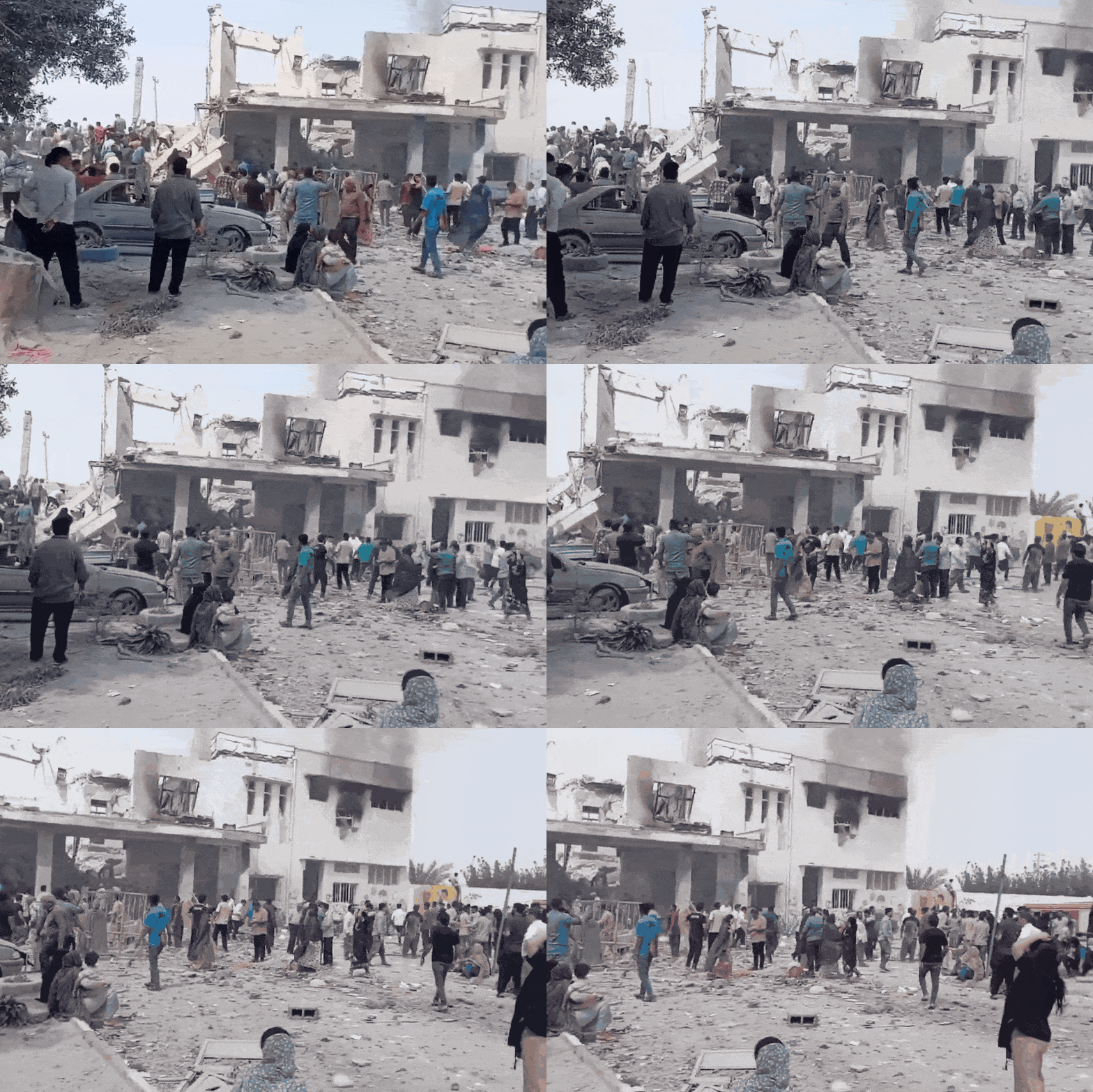
More than 100 children in Iran have been killed by US and Israeli air strikes on a school in Minab in southern Iran, according to Iranian authorities. Global Eye News/Social media

The US and Israel have launched joint coordinated attacks on Iran, prompting retaliatory strikes from Iran on Israel and US military bases in the region.

Ayatollah Ali Khamenei, Iran’s supreme leader for 36 years, has been killed in the strikes, Iranian state media reported.

Iran’s Supreme National Security Council says he was killed early Saturday morning at his office. Satellite imagery shows significant damage to parts of the Leadership House compound, which is Khamenei’s office in Tehran.


Iranian school struck

More than 100 children have reportedly been killed by US and Israeli air strikes on a school, according to Iranian authorities. They say the strikes hit a girls’ elementary school in the city of Minab in the country’s south.

Video has emerged of crowds of people searching through the rubble.

“Hundreds of civilians have been killed and injured as a result of the aggression and atrocious crime of the United States regime and the Israeli regime, and the deliberate … targeting of civilian infrastructure,” Amir-Saeid Iravani, Iran’s ambassador to the United Nations, told an emergency meeting of the UN Security Council.


The Conversation

Digital Storytelling Team does not work for, consult, own shares in or receive funding from any company or organisation that would benefit from this article, and has disclosed no relevant affiliations beyond their academic appointment.

ref. At a glance: US-Israel attack on Iran – https://theconversation.com/at-a-glance-us-israel-attack-on-iran-277186

Neither preemptive nor legal, US-Israeli strikes on Iran have blown up international law

Source: The Conversation – Global Perspectives – By Shannon Brincat, Senior Lecturer in Politics and International Relations, University of the Sunshine Coast

The joint US-Israeli strikes on Iran represent a further erosion of the international legal order. Under international law, these attacks are neither preemptive nor lawful.

Israel and the United States launched Operation Shield of Judah and Operation Epic Fury while diplomatic negotiations between Washington and Tehran were actively underway on Iran’s nuclear program.

Just two days earlier, the most intense round of US-Iran talks concluded in Geneva, with both sides agreeing to continue. US President Donald Trump indicated he would give negotiators more time. Then came the bombs.

The illegality of the attack

Israel said the strikes were “preventive”, meaning they were to prevent Iran from developing a capacity to be a threat. But preventive war has no legal basis under international law. The UN Security Council did not authorise any military action, meaning the sole lawful pathway for the use of force for self-defence was never pursued.

Article 2(4) of the UN Charter prohibits the use of force against the territorial integrity or political independence of any state. Preemptive self-defence, as we have argued previously, has extremely narrow prescriptions under the Caroline doctrine. It requires a threat to be “instant, overwhelming, and leaving no choice of means”. No such conditions existed with Iran on February 28.

Central to the current crisis is that it was Trump who ended the Joint Comprehensive Plan of Action (JCPOA) in 2018, which had regional support for controlling Iran’s nuclear program. The US director of national intelligence testified in March 2025 that Iran was not pursuing nuclear weapons, which the head of the International Atomic Energy Agency affirmed.

US intelligence also reportedly indicated it would take three years for Iran to build a nuclear weapon. Moreover, US and Israeli strikes on Iran last year had put the program back by months. Trump claimed Iran’s nuclear program had been obliterated.

Regime change by force is unlawful

Trump said the attacks were intended to end Iran’s nuclear weapons program and bring about regime change. Trump urged Iranians to “take over your government”, while Israeli Prime Minister Benjamin Netanyahu declared the goal was to “remove the existential threat posed by the terrorist regime in Iran”.

Forcible regime change violates the foundational principles of state sovereignty and non-intervention under the UN Charter.

The strikes targeted Iran’s supreme leader, president, and military chief of staff, as well as military infrastructure. Deliberately targeting heads of state also crosses a threshold that distinguishes military operations from acts of aggression.

Attacking heads of state is illegal under New York Convention, for obvious reasons of stability. With the death of Iran’s supreme leader, Ayatollah Ali Khamenei, the power vacuum will only increase the hardship on the ground for Iranians.

In addition, promises to return the shah – Iran’s previous monarch – have not considered the authoritarian implications of such rule.

Reports that an airstrike on an elementary school in Minab killed at least 100 girls aged between seven and 12 underscore the human cost of unplanned regime change.

US and Israeli statements imply that regime change is prioritised over any plans of a replacement. But just like the aftermath of the death of Libyan leader Muammar Qaddafi that saw slavery return to Libya, or how Islamic State filled the power vacuum after the death of dictator Saddam Hussein in Iraq, regime change requires extremely careful planning.

In this case, there is no obvious plan to rebuild or stabilise Iran after these strikes. Western allies have expressed concern that Washington lacks a coherent strategy for the aftermath of the attacks, noting the minimal preparation for post-conflict reconstruction and government transition.

As Mexico’s representative stated at the UN Security Council following recent US actions in Venezuela, the historical record of regime change shows it has only “exacerbated conflicts and weakened the social and political fabric of nations”. According to The Atlantic, “complete chaos” is likely.

Diplomacy as deception

Launching strikes during active negotiations violates the principle of good faith in Article 2(2) of the UN Charter. As the Arms Control Association noted, Iranian policymakers had already accused the US of bad faith after the June 2025 strikes disrupted previously scheduled talks.

Iran’s Foreign Ministry denounced the February 28 attacks as striking during negotiations, violating international law.

World leaders’ response

We should be dismayed by the worrying acceptance of increased brazen illegality by Western leaders, including our own prime minister. Anthony Albanese has supported the strikes as “acting to prevent Iran from obtaining a nuclear weapon”. This places Australia, once again, in open contradiction with basic principles of liberal international order.

France, Germany, and the United Kingdom issued a joint statement urging Iran to negotiate a solution, condemning Iranian retaliatory attacks. However, they did not directly comment on the US and Israeli strikes on Iran. Their silence is deafening.

Russia and China criticised the US-Israeli actions and urged an immediate end to military operations and a return to diplomatic negotiations.

The international legal order is now in free-fall. When powerful states conduct illegal wars under the guise of prevention, weaponise diplomacy as cover, and openly pursue regime change, the “rules-based order” is literally dead.

The Conversation

The authors do not work for, consult, own shares in or receive funding from any company or organisation that would benefit from this article, and have disclosed no relevant affiliations beyond their academic appointment.

ref. Neither preemptive nor legal, US-Israeli strikes on Iran have blown up international law – https://theconversation.com/neither-preemptive-nor-legal-us-israeli-strikes-on-iran-have-blown-up-international-law-277173