The retail afterlife: How surplus goods find new value at ‘binz’ stores

Source: The Conversation – Canada – By Christopher Lo, Associate Professor, Psychology, University of Toronto; James Cook University

The front of the Star Binz liquidation store in Toronto. Merchandise at these stores comes from major retailers and online platforms, which are purchased through liquidation auctions and resold. (Chris Lo), CC BY

For $25, you might walk out with a drone. Or a blender. Or a box of something you won’t identify until you tear through the tape.

At “binz” stores, bargain hunters line up early on Saturdays to gain first access to piles of surplus goods dumped into waist-high bins. The merchandise comes from major retailers and online platforms, which are purchased through liquidation auctions and resold.

Binz stores are one highly visible edge of the booming recommerce and liquidation economy. The global recommerce market, which resells returned, refurbished and second-hand goods, is projected to generate more than US$200 billion annually.

Binz stores attract not only low-income shoppers but a broad cross-section drawn by the thrill of discovery and ultra-cheap goods. As the high cost-of-living strains household budgets in Canada, more consumers have traded down, seeking discounts and secondary markets.

Binz stores represent a layer of the secondary market that is equal parts bargain hunt and chaos. Liquidation marketplaces, off-price retailers and salvage wholesalers form a vast ecosystem beneath traditional retail designed to recover value from goods that cannot be sold at full price.

The afterlife of surplus

To understand binz stores, it helps to understand how surplus is created in the first place. They are the cumulative result of supply chain logistics, prediction error and the extraction of value in what might be called retail’s surplus afterlife.

Modern supply chains are one-way highways that move goods from global manufacturers to centralized hubs, then to retail outlets. They are optimized for speed and efficiency, but they are rarely designed to run in reverse.

“Most of the supply chains are designed for moving goods from manufacturer to the consumer. They are not designed for returning stuff,” says Murat Kristal, professor of operations management at the Schulich School of Business at York University.

Going forward, you might drop off a box of 15 at every store, he says. Now imagine going backwards, collecting unsold items, two here, three there, store by store, and then having to transport, sort and store them all in the warehouse while the fashion cycle changes.

Reversing the system multiplies the cost of the “last mile” of delivery — typically the most expensive part of distribution, explains Kristal. These final legs of distribution can account for about half of total shipping costs in some supply chains, according to industry analyses.

In many cases, it is cheaper to liquidate excess inventory in bulk than to reintegrate it backwards through primary distribution channels.

Forecasting the future

Retailers must predict the future, months in advance. A shirt on the shelf today may have been ordered a year ago, after yarns were sourced and factories booked in Southeast Asia.

Shipping full containers lowers per-unit costs, while producing smaller batches increases them. The economics of global manufacturing favours volume and planning production far in advance — a classic example of economies of scale where the cost of producing each individual item falls as the total number of units produced increases.

Companies must forecast how many units will sell in a market: how many small, medium and large, which colours and styles. If they predict 100 and sell 80, 20 remain. This forecasting is not optional “because you need to give a number to your manufacturer,” Kristal says.

Error is built into that bet. Retailers forecast based on past sales and trends. To avoid running out of stock, companies routinely overproduce or over-order to prevent empty shelves and lost sales. In fashion, between 10 and 40 per cent of garments made each year may go unsold. That buffer helps ensure availability but inevitably generates surplus inventory when demand fails to materialize.

Returning items to the warehouse is costly, and storing last season’s inventory makes little economic sense in industries driven by cycles. Liquidation often becomes the rational choice.

But the future is becoming harder to read. “It’s just that the unpredictability of the world we live in is increasing,” Kristal says.

American tariffs, inflation rates and fast-fashion cycles have made retail demand more difficult to forecast. When forecasts are wrong, the surplus moves downstream to third-party liquidators.

Deflating value

Surplus goods lose value over time, but that value rarely disappears entirely. Instead, it continues to be extracted as goods move further downstream from manufacturers to liquidation channels, and ultimately to bargain-hunting consumers.

“With some exceptions, virtually everything that gets manufactured in the world gets sold,” says Mark Cohen, former director of retail studies at Columbia Business School. “Everything has an economic value that gets deflated as merchandise is bought, or merchandise is unsold” at its intended price and venue.

In binz stores, this value decay is prominently visible. Each day has a flat rate for binned items, with prices dropping daily until restock day renews the cycle. In one store, a board game that once retailed for $70 might sell for $25 on restock day, $10 by midweek and $1 by week’s end.

Each change of hands reduces margin, but value can persist longer than assumed. “Eventually, even if it winds up in a junkyard or in a garbage dump, there are increasingly attempts to extract value by repurposing or extracting material,” says Cohen.

The thrill of the hunt

Bargain hunting is not purely economic. It also has a psychological dimension. Research suggests that searching for deals can trigger feelings of excitement and reward, making binz shopping similar to a game of treasure hunt.

When consumers perceive they’re getting a good deal, the brain’s reward circuitry — associated with dopamine and feelings of satisfaction — can become more active, helping explain the emotional appeal of bargains.

“Go as early as possible to get the best merchandise,” says Jonatas Beltrão, a Toronto painter. He first stumbled across a binz store while walking by and became curious about the large tables piled with goods.

Beltrão still laughs about his proudest purchase: a coffee maker that cost $85 on Amazon that he bought for $8.99. He goes every two weeks for the fun of finding brand-name items at a fraction of their original cost.

The uncertainty of what might appear in the binz, and the bragging rights of finding a trophy, help explain why some shoppers keep coming back and how goods continue circulating long past their intended retail life.

Variable rewards can heighten engagement and motivation, making activities from gaming to bargain hunting more compelling because each search might uncover something valuable.

“There’s a buyer for almost everything,” Cohen says.

In that sense, binz stores show the afterlife of surplus goods: leftover merchandise becomes part of a shopping experience built around chance, discovery and the thrill of a good deal.

The Conversation

Christopher Lo does not work for, consult, own shares in or receive funding from any company or organisation that would benefit from this article, and has disclosed no relevant affiliations beyond their academic appointment.

ref. The retail afterlife: How surplus goods find new value at ‘binz’ stores – https://theconversation.com/the-retail-afterlife-how-surplus-goods-find-new-value-at-binz-stores-275057


Tsunami risk in the Mediterranean: why Nice should prepare an evacuation plan

Source: The Conversation – France – By Frédéric Leone, Professeur des Universités, Géographe des risques et des catastrophes "naturelles", Volcanographe, Cartographe, Université Paul Valéry – Montpellier III

According to UNESCO, in 2022, there is a 100% chance of a tsunami of at least one metre high in the Mediterranean Sea in the next 30 years. France’s Côte d’Azur happens to be one of the most seismically active areas in Western Europe. Arno Smit/Unsplash, CC BY

The Mediterranean sea is widely perceived as having a low tsunami risk. History and recent modelling technology have demonstrated that destructive waves have already hit the French coast and could do so again. The results of a project carried out in Nice and along the French Riviera show why anticipation and preventive evacuation measures remain the only truly effective means of saving lives.

Tsunamis, formerly known as tidal waves, raz-de-marée in France or maremoti in Italy, are among the most destructive natural phenomena. Triggered by earthquakes, underwater landslides or volcanic eruptions, they spread rapidly over long distances before releasing their energy near the coast in the form of sudden submersion and extremely powerful currents.

From several centimetres to several metres, this flooding is generally characterised by several waves, and the first waves are not necessarily the largest. The speed of the current is such that the pressure exerted on coastal infrastructure can reach several tons per square metre

Since 1970, tsunamis have claimed more than 250,000 lives worldwide, notably the Boxing day tsunami in 2004 in the Indian ocean and the tsunami on March 11 2011 in Japan, for instance.

A risk that is not so farfetched after all

In the collective imagination, tsunamis have long been associated with the Pacific and the Indian ocean. The risk of an offshore tsunami in the Mediterranean has often been considered marginal, and this in itself could be misleading. In June 2022, UNESCO, which is committed to increasing global tsunami risk awareness among coastal communities, declared:

“Statistics show that there is a 100% chance of a tsunami of at least one metre high in the Mediterranean Sea in the next 30 years.”

After the Pacific, the Mediterranean basin holds the highest number of historical tsunamis recorded, of which several have impacted France’s Côte d’Azur coastline.

According to available data, around twenty incidences were reported in the maritime area along the French Riviera between the 16th century and the early 2000s with waves often exceeding two metres.

Evacuation times that are often very short

The sources of Mediterranean tsunamis can be local or distant. In some scenarios, run-up time for the first waves can be under ten minutes, particularly in the event of an underwater landslide or earthquake close to the coast, such as in the Ligurian sea between Corsica and the Italian coast. Conversely, tsunamis generated further away from France, for example off the northern coast of North Africa, can reach the French Riviera in less than 90 minutes.

The Boumerdès earthquake (Algeria) on May 21, 2003 caused havoc along the entire French Mediterranean coastline. A field enquiry showed that eight marinas on the French Riviera experienced significant sea level drops (from 50 cm to 1.5 m), basin purges, strong eddies and currents, and damaged boats, consistent with harbour resonance phenomena. The effects were observed on the French Riviera coastline an hour and a quarter after the earthquake.

Of more local origin, the tsunami in Nice on October 16 1979, triggered by the underwater collapse of part of the construction site for the new commercial port in Nice (Alpes-Maritimes), adjacent to the airport, caused the deaths of eight people and significant damage in Antibes, Cannes and Nice. The phenomenon was observed in Antibes for around thirty minutes.

Another scenario that could occur closer to the coast is that of the seismic tsunami that struck the Ligurian Sea on February 23, 1887], following an underwater earthquake measuring between 6.5 and 6.8 on the Richter scale. Contemporary accounts describe a sudden retreat of the sea by about one metre in Antibes and Cannes, leaving fishing boats high and dry, before the arrival of a wave reaching nearly two metres, which covered the beaches.

These events are a reminder of how we are completely taken by surprise, and how such short spaces of time show the limits of traditional warning systems. Coastal communities’ ability to evacuate quickly becomes crucial.

2 tsunami scenarios could impact Mediterranean coastline (red: seaquake close to Algeria’s coast, green: submarine landslide in the Ligurian sea)
Two tsunami scenarios could impact Mediterranean coastline (red: seaquake close to Algeria’s coast, green: submarine landslide in the Ligurian sea).
Sahal, Leone & Péroche, 2013, Fourni par l’auteur

An operational warning system for France

France has had a national tsunami alert system that has been part of the Centre d’alerte aux tsunamis (Cenalt) since July 2012, in conjunction with the international system coordinated by UNESCO in the Mediterranean. This system makes it possible to rapidly detect potentially tsunami-generating earthquakes and transmit an alert in less than fifteen minutes to the interdepartmental crisis management operational centre (Cogic) and foreign alert centres.

It is then up to the authorities to disseminate alert messages to the population, in particular via the FR-Alert platform, which allows notifications to be sent to the mobile phones of people located in the danger zone.

However, this global system only covers tsunamis caused by distant earthquakes and is not very effective in the case of local tsunamis or those caused by underwater landslides, where the time it takes for the tsunami to reach the coast may be less than the warning time. This is why it is important to raise awareness among coastal populations about detecting warning signs: felt earthquakes, abnormal sea movements, most often seawater retreats preceding the run-up of the tsunami, but not always.

Nice – Côte d’Azur coastline is highly at risk

Along the entire French Mediterranean coastline, an evacuation zone has been defined by government agencies and the University of Montpellier, based on altitude, distance from the sea and historical data. It corresponds to coastal areas with an altitude of less than 5 metres that are less than 200 metres from the sea. Along river mouths, this distance is extended to 500 metres with respect to the estuary.

Including Corsica, 1,700 km of coastline, 187 towns along the French Mediterranean coast, and at least 164,000 residents would be affected. At the height of the summer, an estimated 835,000 beach users would also need to be taken into consideration in the event of a tsunami.

The Nice – Côte d’Azur metropolitan area is vulnerable for a number of reasons: dense urbanisation, strong tourist appeal, and very busy beaches. Our photo analysis and modelling work have enabled us to estimate that tens of thousands of people are present in the area to be evacuated during periods of high visitor numbers (between 10,000 and 87,000 people on the beaches, depending on the season and time of day).

Evacuating ahead of a tsunami: the plan for Nice and surrounding coastal areas

When faced with a tsunami, evacuation is the only effective means of ensuring civilian safety. International experience shows that rapid and well-prepared evacuation procedures can save the vast majority of exposed populations. Reactive evacuation measures, for example, saved 96% of Japanese inhabitants when the major tsunami struck the Tōhoku coast on March 11 2011.

In Nice – Côte d’Azur, a comprehensive evacuation strategy has been developed and supported by scientific research led by the University of Montpellier’s Laboratory of Geography and Land Planning. It is based on optimised walking routes, taking into account slopes, obstacles, travel speeds and congestion points. Refuge sites located out of “waves’ reach” were identified and validated by local authorities, and evacuation routes were devised using algorithms to find the fastest routes.

In total, nearly a hundred refuge sites have been mapped out and incorporated into operational evacuation plans designed to quickly guide people to safe places.

The first Tsunami risk awareness signposts were installed in Nice on February 27 2026
The first tsunami risk awareness signposts were installed in Nice on February 27 2026.
C. Thomin, MNCA, 2026, Fourni par l’auteur

From science to action: preparing the population

Raising tsunami awareness should go beyond evacuation mapping: safety drills such as evacuation exercises, particularly in schools or gradually introducing public warning signage; contribute to encouraging responsible behaviour. Several initiatives like these have been implemented in Nice via a project with students in Montpellier.

In Nice, a publicly accessible information platform with interactive maps also allows users to find evacuation zones, routes and instructions to follow in the event of an alert. These tools contribute to the development of a genuine tsunami risk culture.

Online map indicating evacuation zones, safe places and routes to get to them in the event of a tsunami in Nice
Online map indicating evacuation zones, safe places and routes to get to them in the event of a tsunami in Nice.
LAGAM/UMPV, 2026, Fourni par l’auteur

Becoming ‘Tsunami Ready’ territory

Beyond France’s Côte d’Azur coastal area, the information portal can be applied to other coastlines elsewhere in France and Europe, both in the Mediterranean and overseas, where tsunami run-up times can be just as short.

The initiatives that are being implemented in Nice are in keeping with UNESCO’s Tsunami Ready international recognition programme (TRRP). This 12-point programme aims to certify territories that are capable of anticipating a tsunami risk, prepare their populations and coordinate an appropriate response.

The first towns to be awarded the label and that have benefited from our team’s scientific and technical support were Deshaies in Guadeloupe and Cannes, with Nice set to join the programme in the near future.

When facing a wave that can arrive in a matter of minutes, being prepared to evacuate undoubtedly makes all the difference.


This article was written with the help of Louis Monnier, Monique Gherardi, Matthieu Péroche and Noé Carles, Université de Montpellier Paul-Valéry.


A weekly e-mail in English featuring expertise from scholars and researchers. It provides an introduction to the diversity of research coming out of the continent and considers some of the key issues facing European countries. Get the newsletter!


The Conversation

Frédéric Leone ne travaille pas, ne conseille pas, ne possède pas de parts, ne reçoit pas de fonds d’une organisation qui pourrait tirer profit de cet article, et n’a déclaré aucune autre affiliation que son organisme de recherche.

ref. Tsunami risk in the Mediterranean: why Nice should prepare an evacuation plan – https://theconversation.com/tsunami-risk-in-the-mediterranean-why-nice-should-prepare-an-evacuation-plan-277683

From Japanese walking to 75 Hard: what the science really says about viral fitness trends

Source: The Conversation – UK – By Jack McNamara, Senior Lecturer in Clinical Exercise Physiology, University of East London

YAKOBCHUK VIACHESLAV/Shutterstock

If TikTok fitness advice is to be believed, you should be interval walking like the Japanese, hanging from a pull-up bar every day and committing to a 75-day challenge with no rest days.

Some of these trends are grounded in scientific research. Others are built on shaky claims or misunderstandings of how the body actually adapts to exercise.

Social media has made fitness advice more accessible than ever. But a review has raised concerns about the accuracy and quality of online fitness content, much of which is produced by creators without relevant qualifications.

So which viral workouts actually hold up when you look at the evidence? Here’s what the science says about four of the most widely shared trends.

Japanese walking

According to an analysis of Google search data, “Japanese walking” saw a 2,968% increase in search interest over the past year. The method is simple: alternate three minutes of brisk walking with three minutes at a gentle pace for around 30 minutes.

What makes this trend unusual is that it’s actually grounded in peer-reviewed research. Developed by researchers at Shinshu University in Japan, a randomised controlled trial studied 246 adults (average age 63). The interval walking group showed significantly greater improvements in thigh muscle strength, aerobic capacity and blood pressure than a steady-pace group. A 2024 review confirmed these benefits hold up across larger populations.

There are caveats, though. In the original study, roughly 22% of participants dropped out of the interval programme – more than in the steady-pace group. And no study has yet linked Japanese walking directly to living longer. We already know that hitting a modest daily step target reduces the risk of death and disease. Japanese walking appears to be a useful upgrade to a regular walking habit – but it’s not the only way to get moving.

75 Hard

The 75 Hard challenge is one of the most widely shared fitness trends on TikTok. The rules: two 45-minute workouts daily (one outdoors), a strict diet, a gallon of water, ten pages of reading and a progress photo – for 75 consecutive days with no rest days.

The no-rest-days rule is the most problematic element. Physiological adaptation to exercise, the process by which your body becomes fitter, doesn’t happen during training. It happens during recovery. Exercise creates a controlled stress; given sufficient rest, the body rebuilds and adapts.

Without it, you accumulate fatigue rather than fitness. A joint consensus statement from the European College of Sport Science and American College of Sports Medicine outlines how sustained overload without adequate recovery can progress to overtraining syndrome: chronic fatigue, declining performance and increased susceptibility to illness and injury.


Read more:
75 Hard: what you need to know before taking on this viral fitness challenge


The 90 minutes of daily exercise also far exceeds the World Health Organization’s guideline of 150–300 minutes per week. For someone currently inactive, jumping to 630 minutes a week is a recipe for injury, not transformation.

Dead hangs

Dead hangs (hanging from a pull-up bar for as long as possible) are a fixture of fitness social media. Proponents claim the exercise decompresses the spine, corrects posture and transforms shoulder health. Some of these claims hold up better than others.

The strongest case for dead hangs is grip strength. This might sound unglamorous, but it’s clinically significant. A 2019 narrative review described grip strength as an “indispensable biomarker” for health, with multiple meta-analyses linking weak grip to higher mortality risk. The PURE study, which tracked nearly 140,000 adults across 17 countries, found grip strength was a stronger predictor of cardiovascular death than systolic blood pressure.


Read more:
What are dead hangs? What are the shoulder pain risks and how do I do them safely?


The “spinal decompression” claims, however, are less convincing. While gravity-based traction can temporarily increase disc height, the spine returns to its normal state once you’re back under gravitational load. No study has shown that brief bouts of hanging produce lasting spinal changes. Dead hangs are a useful exercise, just not for the reasons most often claimed.

Pilates

Pilates was the most-booked workout globally on ClassPass for the third consecutive year, with reservations up 66% from 2024. Research supports its benefits: a systematic review found strong evidence that Pilates improves flexibility and dynamic balance in healthy people, with moderate evidence for muscular endurance.


Read more:
What is reformer pilates? And is it worth the cost?


Where the evidence falls apart is the claim that Pilates builds “long, lean muscles”, as opposed to “bulky” ones from lifting weights. This is a myth. Muscle length is determined by anatomy, where each muscle’s tendons attach to bone. No form of exercise can change that.

What Pilates can do is improve the range of motion around a joint and build endurance under lower loads. But the “lean versus bulky” framing has no basis in physiology, and risks discouraging people from progressive strength training, which carries substantial benefits for bone density, metabolic health and cardiovascular risk.

Social media has got more people interested in exercise – and that’s genuinely valuable. But viral appeal is not the same as evidence. The principles that actually keep people healthy haven’t changed: build up gradually, allow time to recovery and be sceptical of anything promising dramatic results in an unrealistic timeframe.

The Conversation

Jack McNamara does not work for, consult, own shares in or receive funding from any company or organisation that would benefit from this article, and has disclosed no relevant affiliations beyond their academic appointment.

ref. From Japanese walking to 75 Hard: what the science really says about viral fitness trends – https://theconversation.com/from-japanese-walking-to-75-hard-what-the-science-really-says-about-viral-fitness-trends-277339

These are shaky times for oil markets. An expert explains what a prolonged war will mean for prices

Source: The Conversation – UK – By Adi Imsirovic, Lecturer in Energy Systems, University of Oxford

corlaffra/Shutterstock

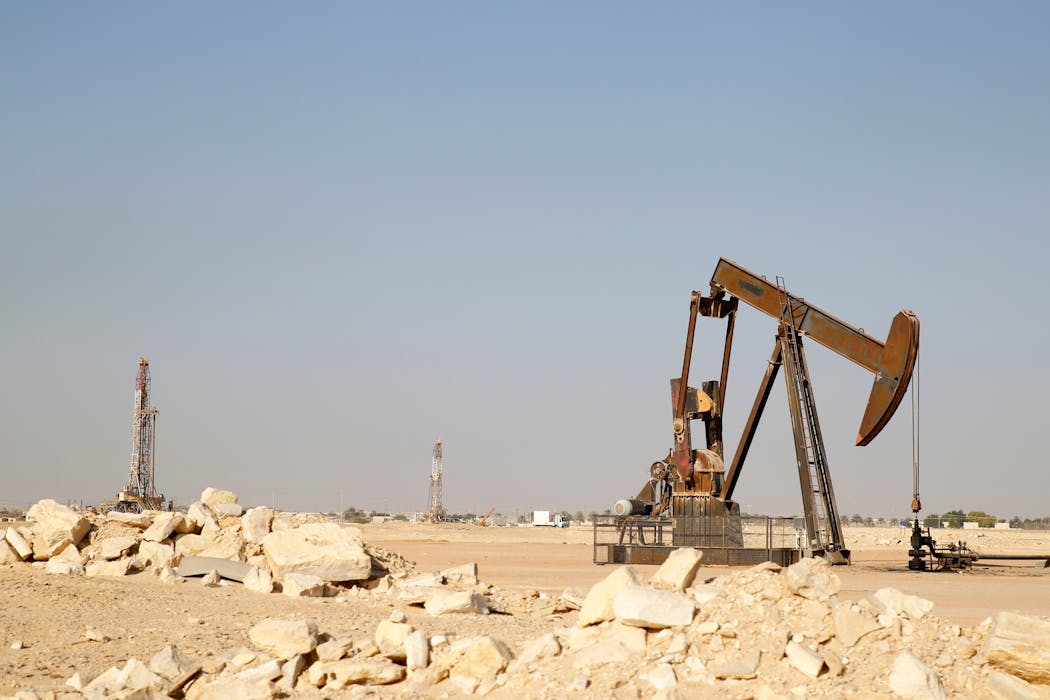
The US-Israel strikes on Iran have launched one of the most dramatic conflicts in the Middle East in living memory. Aside from military targets, Iranian forces have attacked commercial shipping and infrastructure in the region. The objective is simple: to disrupt oil exports and weaken its opponents’ economies.

While the oil market is perfectly capable of absorbing short-term supply shocks, it is possible that the key protagonists, Israel and the US, may have very different war objectives. These differences could result in a widening and deepening of the conflict.

This could lead to a prolonged closure of the strait of Hormuz, which handles 25% of the world’s seaborne oil and 20% of liquified natural gas (LNG) trade. China and India receive almost half of the exports and Asia accounts for 87% in total.

In response, China has banned petrol and diesel exports, an important source of supply for the rest of Asia. Japan and South Korea are also highly dependent on Middle East oil, but are wealthy countries with large reserves.

It is the poorer Asian countries such as Pakistan and Bangladesh, with only days of petrol and diesel reserves, that will feel the pinch.

And Europe receives less than 5% of oil via this route.

Sky-high prices

As a result, Asian buyers have turned to “benchmark” grades of oil from the Atlantic basin such as Brent and West Texas Intermediate, driving the oil prices higher. At the start of the second week of the conflict, the price of Brent, an international benchmark, was well over US$100 (£74.30).

However, the price of prompt, “safe” (Oman loads its oil exports outside the strait of Hormuz) Middle East-grade oil settled at US$124.68 for loading in May on the Gulf Mercantile Exchange (GME) on March 9. Some other oils (Abu Dhabi Murban and Upper Zakum, as well as Saudi crude) have been trickling out through small, alternative pipeline systems.

But the real shortage is for prompt barrels, loading in March and April. If available, this oil carries a large additional premium, often more than US$25 a barrel. What really matters to the end users is the price of oil delivered to the refinery – but shipping rates have increased many fold. Instead of US$6 freight before the war, for example, buyers are now paying well over US$15 for each barrel transported. As a result, the price of a delivered barrel of oil have already edged close to US$150.

Most Gulf oil producers are not in a better position. No new vessels are arriving to load the oil and storage tanks in ports are filling up fast.

Once the storage tanks are full, producers are forced to cut oil production. The most vulnerable producers are those with limited storage infrastructure: Iraq has already cut production. And Bahrain has announced a “force majeure” (an extraordinary event that is out of its control) for all its oil sales. Kuwait has followed with potential production cuts up to 1.5mbd.

So far the production cuts have been precautionary, but full shutdowns are damaging. It can take weeks to restart the fields and their long-term productivity may be significantly diminished because of shutting down.

From 1984-1988, during the Iran-Iraq war, around 550 commercial ships were attacked, killing hundreds of civilian sailors. In response, the US launched operation Earnest Will from 1987-1988, using navy ships to escort commercial vessels out of the Persian Gulf. In spite of this, tankers were still hit and many more sailors died. But oil kept flowing.

This solution is again being discussed in Washington, alongside providing affordable war insurance for shipping. The US International Development Finance Corporation, which usually helps the private sector to provide finance for developing countries, has been tasked with providing “affordable” (subsidised) war insurance.

Details of the proposal are unclear, but the fact remains that shipowners, operating in a market with very high returns, may not risk lives or their assets when they could very profitably operate other energy routes.

Another solution likely to be implemented soon is a release of oil from strategic stores – the largest release in history is reportedly now on the table. Countries in the Organisation for Economic Co-operation and Development (OECD) co-ordinate emergency stockpiles of at least 90 days’ supply through the International Energy Agency (IEA), which was formed in the 1970s to manage impacts of the oil shocks at the time.

The world’s commercial and strategic oil stocks are large. According to independent analysts Energy Intelligence, crude stocks could be sufficient to compensate for the closure of the strait for about 15 months. This assumes that at least 2mbd of Saudi and UAE production can be rerouted through alternative pipeline systems if the war goes on.


Read more:
China set to suffer from turmoil in the Middle East, but it stands to benefit long term


China, the US and Japan have particularly large reserves, possibly lasting for several weeks of average consumption (on top of any deliveries they receive).

IEA members have a long history of emergency oil stockpile releases. In 1991, during the first gulf war, they released about 75 million barrels; in 2005 after hurricanes Katrina and Rita about 60 million. Most recently, they released 180 million barrels in 2022, following the full-scale Russian invasion of Ukraine.

The US Treasury has been discussing measures to counter the rising energy prices by intervening in the oil futures market in a bid to bring prices back down. But this could be disastrous for the market as well as for the Treasury. On Black Wednesday in 1992, the Bank of England’s attempts to defend the value of sterling led to multibillion-pound losses for the government.

The coming days are going to be crucial for the oil market. If the war continues, it is clear that both oil-producing and consuming countries face immense risks.

The Conversation

Adi Imsirovic does not work for, consult, own shares in or receive funding from any company or organisation that would benefit from this article, and has disclosed no relevant affiliations beyond their academic appointment.

ref. These are shaky times for oil markets. An expert explains what a prolonged war will mean for prices – https://theconversation.com/these-are-shaky-times-for-oil-markets-an-expert-explains-what-a-prolonged-war-will-mean-for-prices-277991

Trump says the Iran war will end ‘very soon’ – but it is not clear how

Source: The Conversation – UK – By Andrew Gawthorpe, Lecturer in History and International Studies, Leiden University

Donald Trump has said he thinks the war with Iran will be over soon. In a phone interview with CBS News on Monday, March 9, the US president said: “I think the war is very complete, pretty much … we’re very far ahead of schedule.”

This seemed to mark a shift in tone from earlier statements in which Trump had insisted the war would continue until Iran’s “unconditional surrender”. Given Tehran’s defiant tone and continuing missile and drone campaign throughout the region, such a scenario doesn’t seem to be on the cards.

Trump’s remarks appear to have been designed to calm the anxiety which had spread through financial markets on Monday, with oil briefly trading above US$100 (£75) a barrel for the first time since 2022 and stock markets falling. They look to have achieved that goal, at least for now, as markets stabilised the following day.

The fact that economic pain would persuade Trump to start talking about an end to the conflict is not surprising. The economy is set to be the major issue in the upcoming US midterm elections in November and Trump’s domestic political aides are concerned that inflation caused by higher oil prices will harm the Republican party’s prospects.

They want Trump to find a way out of the conflict as soon as is feasible. But what Trump’s comments did not clarify is what his exit strategy might look like and whether the US would be able to claim victory after finding one.

Trump’s mixed messaging

Whether a war is deemed to have been a success or a failure is typically judged against the goals the combatants set for themselves. However, reaching that judgment is complicated in this case by the fact that different figures in the Trump administration have put forward different goals.

The Pentagon, for instance, has claimed that the US has “short-term, clearly defined goals in Iran”. These goals are destroying Iran’s missile capabilities, its navy and its nuclear ambitions. But if that is official US policy, then nobody seems to have told the president.

Trump has frequently spoken like he will settle for nothing less than a complete change of leadership in Iran. Sometimes Trump has made it sound like this means total regime change, with the Iranian people rising up and overthrowing their government.

When announcing the start of the operation in Iran, for example, Trump said: “I call upon all Iranian patriots who yearn for freedom to seize this moment, to be brave, be bold, be heroic and take back your country.”

At other times, he has drawn a parallel to Venezuela where the US deposed Nicolás Maduro in January and installed its preferred figure, Delcy Rodríguez, in his place. Following the killing of Iranian supreme leader Ali Khamenei on February 28, Trump said: “I have to be involved in the [next] appointment, like with Delcy in Venezuela.”

Through these remarks, Trump’s suggestion seems to be that someone from within the current Iranian government might be acceptable to the US if they agree to reorient the country’s policies.

Judged by that metric, any early end to the conflict is almost certainly going to leave the war looking like a failure for the US. Israel and the US have not gained enough leverage over the Iranian government to force a significant change in leadership, and it’s extremely hard to see how they could.

Iran’s government has so far shown no signs of internal fissures or weakness. It has, for example, now replaced the slain Khamenei with his 56-year-old son in a show of defiance towards Trump who had previously said: “I’m not going through this to end up with another Khamenei.” And after 11 days of attack by two of the most powerful air forces in the world, it is still fighting back.

A better case might be made that the Pentagon’s goal of degrading Iran’s military capabilities has been achieved. But the results here also threaten to look underwhelming for the US, especially because Trump had raised the prospect of achieving much more.

If all this war is seen to have accomplished is a great deal of damage to the Iranian military while leaving its government intact and able to rebuild its capabilities, Trump will struggle to justify its cost.

That cost can be counted in many ways. This ranges from the estimated US$1 billion to US$2 billion a day the war is costing in financial outlays through to the years it is going to take to build US munitions stocks back up.

The US will also incur diplomatic and reputational costs as a result of starting such a reckless conflict. And that’s before counting the economic damage from energy disruption and the risks of sparking a recurrent cycle of conflict into the future.

At the same time, this war may also reinforce the idea among American adversaries and friends that the US is strategically incontinent and unable to match means to ends. All of this means that any claim of victory by Trump will probably ring hollow, absent some major change in the pattern of the war to date.

A final complicating factor is that Trump alone does not get to decide when the war ends. Iran is still firing missiles and drones, and its threats to shipping are keeping the vital strait of Hormuz shipping lane effectively closed.

This is inflicting economic pain on the world, with Saudi Arabia’s state oil company Aramco warning recently of “catastrophic consequences” for global oil markets if the waterway doesn’t reopen soon.

Perhaps the worst case scenario for Trump will be if he declares victory and Iran continues to attack targets in the region. But if market turmoil forces Trump to find an early exit, this scenario could easily come true.

The Conversation

Andrew Gawthorpe is affiliated with the Foreign Policy Centre in London.

ref. Trump says the Iran war will end ‘very soon’ – but it is not clear how – https://theconversation.com/trump-says-the-iran-war-will-end-very-soon-but-it-is-not-clear-how-278036

Vaping: emerging harms health systems can’t ignore

Source: The Conversation – UK – By Vikram Niranjan, Assistant Professor in Public Health, School of Medicine, Health Research Institute, University of Limerick

Aleksandr Yu/Shutterstock.com

When e-cigarettes first appeared around 2010, they were hailed as a breakthrough: nicotine delivery without the toxic tar and combustion byproducts of traditional cigarettes. Public health bodies cautiously endorsed them as a tool for adult smokers to quit, often citing early claims that vaping was 95% less harmful than smoking. More than a decade later, with millions now vaping regularly, the picture is less clear.

A recent study, published in the American Journal of Physiology – Heart and Circulatory Physiology, found that people who vape or smoke have nearly 50% higher odds of elevated blood pressure compared to non-users. This isn’t proof that vaping directly causes high blood pressure – other factors such as diet or exercise could play a role – but it adds to a growing body of evidence that vaping’s early reputation for safety deserves a harder look.

The science behind the concern isn’t complicated. Nicotine in e-cigarette vapour triggers immediate spikes in heart rate and blood pressure. The flavourings and other chemicals can damage the lining of blood vessels – the tissue that prevents clotting and keeps blood flowing smoothly. Research reviews have found elevated rates of heart attack among vapers, particularly among those who also still smoke traditional cigarettes.

The lungs tell a similarly worrying story. A 2022 study comparing vapers, smokers and non-users found that vapers had measurably reduced lung function – even after accounting for any previous smoking history – as well as higher rates of wheezing, coughing and bronchitis-like symptoms. Further research from 2023–25 links vaping to increased airway resistance and asthma flare-ups, with some effects persisting well beyond a single vaping session.


Read more:
Vaping makes lung bacteria more harmful and cause more inflammation


Perhaps the most urgent concern is what has happened among young people. The World Health Organization now describes e-cigarettes as “harmful and not safe”, warning of a new wave of nicotine addiction among teenagers who never smoked in the first place – and who are three times more likely to go on to smoke traditional cigarettes as a result.

Large surveys have linked regular vaping in young people to depression, anxiety and suicidal thoughts, with nicotine’s known effects on the developing brain almost certainly playing a role.

Supporters of vaping argue that its risks are acceptable if it helps established smokers quit – and there is something to this. A 2024 review by Ireland’s Health Research Board found that e-cigarettes do help some adults stop smoking, particularly when combined with behavioural support.


Read more:
Vaping now more common than smoking among young people – and the risks go beyond lung and brain damage


But many people who vape to quit end up doing both – vaping and smoking – which means they are still exposed to tobacco’s most harmful chemicals. And the evidence for traditional nicotine replacement therapies such as patches and gum, backed by decades of clinical trials, remains stronger.

We don’t yet have human data confirming that vaping causes cancer. But this reflects how new the habit is rather than how safe it is. A review of laboratory studies show that e-cigarette vapour causes DNA damage and cell death in ways that look uncomfortably familiar to early tobacco research – research that preceded the smoking-related cancer epidemic by two or three decades.

Safer is not the same as safe

The original message – that vaping is far safer than smoking, and a reasonable tool for quitting – made sense at a time when tobacco was killing enormous numbers of people. But “safer than smoking” is not the same as safe, and that distinction matters enormously when teenagers are interpreting the message as permission to start. NHS Scotland is already clear that vaping carries real risks and is not suitable for young people.

We’ve tasted the bitter waters of tobacco, where delayed action fuelled generations of disease. To fix smoking, we’re now engineering a “solution” that could spawn tomorrow’s crises – akin to ditching petrol cars for electric vehicles to slash emissions, only to grapple with toxic lithium battery e-waste mountains clogging landfills and supply chains.

Both trades address one urgent harm while blindsiding us to downstream perils: leaching chemicals, recycling nightmares and resource wars. With vaping, signals of cardiovascular strain, lung irritation, youth gateways and addiction are flashing red, even if full epidemics lie years ahead.

The sensible conclusion is not complicated. If you have never smoked, don’t vape. If you do smoke and want to quit, patches, gum, medication and proper support remain the best-evidenced options. Vaping may have a role as a short-term bridge – but not as a permanent habit, and not for anyone who wouldn’t otherwise have been a smoker. The warning signs are there. The question is whether we act on them before the long-term consequences become impossible to ignore.

The Conversation

Vikram Niranjan does not work for, consult, own shares in or receive funding from any company or organisation that would benefit from this article, and has disclosed no relevant affiliations beyond their academic appointment.

ref. Vaping: emerging harms health systems can’t ignore – https://theconversation.com/vaping-emerging-harms-health-systems-cant-ignore-277808

The Keepsake Chronicles: stories in times of dementia

Source: The Conversation – UK – By Kate Irving, Professor of Clinical Nursing, Dublin City University

ArtVibe1/Shutterstock

When someone speaks in a language we do not understand, we do not assume their words are meaningless. We assume we are the ones who cannot yet understand them.

You might try gestures, sign language or the few words you recognise to grasp what they are saying. The assumption is always the same: meaning is there. The challenge is translation.

Listening to people living with dementia can sometimes feel similar.

Communication may become slower, fragmented or difficult to follow. It can be tempting to assume that meaning has disappeared. But often the problem is not the absence of meaning. It is that we are struggling to recognise how that meaning is being expressed.

People living with dementia are often trying, sometimes with remarkable persistence, to show us what they mean. Our role becomes something like that of a translator. As with any translation, something may be lost in the exchange, but the essence of meaning remains.

Sometimes that meaning appears in small, unexpected ways. A person who repeatedly asks to “go home”, for example, may not literally mean a building. They may be expressing a need for safety, familiarity or comfort. When we listen carefully, the emotion behind the words often becomes clearer.

Every person carries a lifetime of stories. Dementia may change how those stories are expressed, but it does not erase them.

Humans are natural storytellers. Research in psychology shows that we build our sense of self through the stories we tell about our lives: where we have been, what has happened to us and what we believe. Psychologists refer to this as “narrative identity”. It is the process through which people connect memories of the past with their sense of who they are in the present.

For people living with dementia, maintaining that sense of self remains deeply important. As research on narrative identity shows, the stories people tell about their lives help them hold together a sense of continuity and meaning, even when memory or language become more difficult.

Social withdrawal, however, is both a risk factor for and a common symptom of advancing dementia. When people withdraw socially, their opportunities to make sense of changing circumstances, relationships and identity diminish. Over time, this can erode self-worth.

The Keepsake Chronicles are storytelling groups for people living with dementia in the community. Participants are invited to bring an object that is meaningful to them, something they have owned for a long time. Objects are tangible. For people living with dementia, physical objects can cue sensory and autobiographical memory in ways that abstract questions often cannot. They can anchor memory and provide a scaffold for storytelling.

Keepsake Chronicles is a collaboration between a nurse, a creative writer and a photographer. As participants tell their stories, we record their words and photograph them in the act of telling. This captures expressions rich with emotion that are inseparable from the stories themselves.

We also photograph the object and then imagine the sense of place embedded in the story, finding ways to recreate it. Sometimes we capture a place as it exists. Sometimes it no longer does, and we respond creatively.

The recorded stories are transcribed and shaped into micro-narratives or poems using only the words and phrases spoken by the person living with dementia. This approach is often described as found poetry, a literary equivalent of collage. Because it preserves a speaker’s own words and rhythms, it allows meaning and emotion to emerge even when speech is fragmented or non-linear.

These stories are deeply embedded in geography. Seamus brought a large salmon that had been stuffed by a taxidermist and spoke of his life as a keen fisherman in Mayo.

It was there all our lives

If you look to the river Moy
today the salmon
have nearly gone extinct
it’s so sad
there’s very little there now,
and if you catch one
you throw it back,
but it’s so sad
No grouse in the bogs,
no bird like you always saw –
the lark, it’s gone now, the curlew,
it’s so sad
It’s so sad when I look at all that;
you take Lough Mask, the Corrib,
the river Moy,
it’s so sad to see them dying.
Now the hatches aren’t in it,
now the birds are gone,
it was there all our lives,
it’s so sad
to see the thing
dying in front of us now.

Sheila told us about moving to America and how her future husband came to bring her back to Ireland. Personal histories are woven into landscapes, rivers and journeys.

Some questions – and answers – about America and Apple Pie

Ten years in America.
I have it all behind me.
Did you eat hot dogs
I did not
Are you a good cook
Reasonably good
I guess
I didn’t poison anyone.
Roast beef on Sunday,
Apple Pie.
Is there are secret to apple pie?
There isn’t really.
How do you do it?
I roll out the pastry.
What kind of apples?
Green apples.
Did they have apple pie in Boston?
They did when I was there…

Stories, meaning and history

Sometimes stories tumble out. Sometimes there is silence. It takes discipline to resist filling that silence. A person living with dementia may need up to 90 seconds to process a question. If we interrupt, we reset that process. This can be deeply frustrating for them. For the listener, the silence can feel endless.

Holding space while someone gathers their thoughts is often what allows stories to emerge. Families frequently tell us they are surprised by what their relatives share, saying they did not realise they still had it in them to tell their story.

The stories and photographs are brought together in a book and returned to each participant. We could talk about reducing stigma around dementia, but the Keepsake Chronicles demonstrate this quietly and powerfully. When someone makes a room laugh, cry or sit in awe, it becomes impossible to deny their meaning and history.

People living with dementia may struggle with word-finding and memory, but they still have something to say. If we listen carefully enough, we can hear the essence of it.

The Conversation

The authors do not work for, consult, own shares in or receive funding from any company or organisation that would benefit from this article, and have disclosed no relevant affiliations beyond their academic appointment.

ref. The Keepsake Chronicles: stories in times of dementia – https://theconversation.com/the-keepsake-chronicles-stories-in-times-of-dementia-270719

Hospital conversations can distress people with dementia – here’s why

Source: The Conversation – UK – By Alison Pilnick, Professor of Language, Health and Society, Manchester Metropolitan University

Halfpoint/Shutterstock

Imagine trying to ask a question and no one answers you. Or hearing people talk around you as if you are not really part of the conversation. For many people living with dementia in hospital, this is a common experience.

Dementia affects many aspects of communication. In the early stages, someone may struggle to find the right word to describe something. As the condition progresses, their speech can become harder for others to understand. But difficulty expressing thoughts does not necessarily mean that a person has stopped understanding how conversations work.

Communication problems can cause distress in many settings. Hospitals, particularly acute wards, can be especially challenging. Acute wards care for people admitted with sudden or severe medical conditions, and staff are often focused on urgent treatment. Many staff members may not have specialist training in dementia care.

Patients with dementia may not recognise that they are in hospital or understand why they are there. Some may also lack the legal capacity to make decisions about their care. In these circumstances, it can be easy for staff to assume that communication is severely impaired and that the usual rules of conversation no longer apply.

But our research suggests this assumption is often wrong. Even people with advanced dementia can recognise when those conversational rules are ignored, and this can increase their distress.

For the past ten years, my colleagues and I have been studying everyday interactions on hospital wards. With patients’ and families’ consent, we recorded video of routine encounters between staff and patients with dementia. These recordings allow us to examine, in detail, how communication unfolds in real time.

Respectful communication

Using these videos, we have identified several common communication challenges. These include how staff bring conversations to a close in a way that feels respectful, how they respond when a patient’s speech is difficult to understand and how they handle situations where a patient believes they are somewhere else or living in a different time. More recently, our work has focused on a broader idea known as “interactional competence”.

Interactional competence refers to the basic skills people use to take part in conversation. These include recognising when it is someone’s turn to speak, understanding that questions usually require answers and noticing when a response does not fully address what was asked. These patterns are so familiar that most of us follow them automatically.

Although dementia can affect a person’s ability to express themselves clearly, these deeper conversational skills can remain intact for longer than people might expect. For example, a person with dementia may understand that a question requires a response, even if the answer they give is unclear or does not make sense to others. Our research shows that people with dementia can also recognise when the person they are speaking to does not follow these conversational norms.

We identified three ways this happens.

First, people with dementia can recognise when their questions are not answered. Their questions may sometimes be unexpected or difficult to interpret. For instance, a patient might ask a nurse, “Can you call the police?” Staff may be unsure how to respond, or they may delay answering while they try to work out what the patient means. But if the question is ignored or left unanswered for too long, the patient often repeats or pursues it, signalling that they are aware their question has not been addressed.

Second, people with dementia can recognise when a question receives an incomplete or inadequate response. In everyday conversation, when we refuse a request, we usually explain why. For example, if someone asks us to pass them an object we cannot reach, we might say, “Sorry, I can’t reach it.” If we do not provide an explanation, people often ask for one.

A similar pattern occurs on hospital wards. If a patient with dementia asks to go home, staff might respond by saying, “I know you want to go home.” While this acknowledges the patient’s feelings, it does not actually answer the request. Alternatively, staff might say, “I can’t take you home,” without explaining why. Patients with dementia can recognise that these responses are incomplete, and this can lead to frustration or distress.

Third, people with dementia can recognise the inappropriate use of the word “we” when staff suggest actions. In healthcare settings, staff often use “we” when proposing an activity, such as “Shall we sit up?” or “Shall we take some medicine?” Sometimes this language can be helpful. If a nurse says “Shall we try a sip?” while helping someone hold a cup, the shared wording can reduce anxiety and make the task feel collaborative.

However, problems arise when “we” is used in situations that are not truly collaborative. For example, saying “Shall we get back into bed?” when the staff member is not getting into bed with a patient can feel confusing. Our recordings show that patients with dementia sometimes challenge or resist these suggestions, indicating that they recognise the mismatch between the language used and the specific situation.

Hospital wards can be confusing and distressing environments for people with dementia. While dementia affects communication, the outcome of any interaction depends greatly on how the other person responds.

Our research suggests that small changes in communication can make a meaningful difference. Answering questions carefully, explaining the reasons for actions or decisions, and using collaborative language only when it genuinely applies can all help reduce distress.

Perhaps most importantly, our findings remind us that even when a person’s speech seems confused or difficult to understand, they may still retain important conversational skills. Recognising this can help staff respond more effectively.

Because these communication practices can be clearly identified, they can also be taught. Based on our findings, we have developed an online training programme for healthcare staff. Although our research was carried out in hospitals, the lessons apply more widely. Anyone who cares for or supports a person with dementia can benefit from understanding how everyday conversation shapes their experience.

The Conversation

Alison Pilnick receives funding from NIHR to carry out research to improve communication with people with dementia in the acute hospital setting.

ref. Hospital conversations can distress people with dementia – here’s why – https://theconversation.com/hospital-conversations-can-distress-people-with-dementia-heres-why-276354

Dahiyeh: the Beirut suburb at the heart of an Israeli military doctrine

Source: The Conversation – UK – By John Nagle, Professor in Sociology, Queen’s University Belfast

Over the ten days of the renewed conflict in the Middle East, Beirut’s southern district of Dahiyeh has been targeted by Israel, which is looking to deal a knockout blow to Hezbollah. It’s not the first time the area has been bombarded. Dahiyeh was bombed by Israel during its 2006 war with Hezbollah, again in 2014 and yet again in 2024 and 2025. Now the Israel Defense Forces is bombing the area again.

The attacks mark the return of a strategy first developed by the Israeli armed forces in Dahiyeh before becoming a military doctrine, bearing the name of the suburb. The Dahiyeh doctrine is a military strategy that calls for using overwhelming and disproportionate force against civilian infrastructure in areas controlled by hostile armed groups in order to deter attacks on Israel. It has repeatedly put into practice in Gaza. Now the Dahiyeh doctrine is once again being enacted in the place where it was first conceived.

Dahiyeh is a Hezbollah stronghold. It became the main urban centre of Lebanon’s Shia population in the middle of the last century when poor Shia families from Baalbek and south Lebanon migrated to Beirut’s suburbs.

During the civil war between 1975 and 1990, Hezbollah established its urban base in the southern suburbs of Beirut. Dahiyeh – the word means “suburb” – is the heart of Hezbollah’s political, social and service networks. Which is why it has become a target for Israel’s military.

Byword for mass urban destruction

The doctrine was developed in the aftermath of the 2006 Lebanon war between Israel and Hezbollah. Israel’s military leadership realised that Hezbollah had stalled their advance in urban combat.

To respond to this, the director of Israel’s Institute for National Security Studies (INSS), Gabi Siboni, a former senior IDF officer, wrote a paper in the INSS journal in October 2008, arguing for the use of overwhelming force against both fighters and the urban environment in which they operated and lived.

This was developed by the IDF into a working strategy. As Gadi Eisenkot, head of the army’s northern division, explained at the time: “What happened in the Dahiya quarter of Beirut in 2006 will happen in every village from which Israel is fired on. We will apply disproportionate force on it (village) and cause great damage and destruction there. From our standpoint, these are not civilian villages, they are military bases. This is not a recommendation. This is a plan. And it has been approved.”

The primary goal of the doctrine was punishment and deterrence. The idea was to disrupt civilian life and make reconstruction almost impossible to afford. The doctrine’s architects hoped that its outcome would force the civilian population to rebel against the armed groups sheltering among them.

Siboni had made clear in his paper that this strategy was also applicable to Israel’s conflict in Gaza. In 2014, Operation Protective Edge targeted civilian infrastructure, including private houses as well as water, sanitation, electricity and healthcare facilities. Again, after the October 7 Hamas attack on Israel, the IDF has applied the Dahiyeh doctrine in the Gaza Strip, this time destroying between 80% and 90% of its civilian infrastructure.

Critics argue this violates international humanitarian law (IHL). IHL demands that states and groups make a clear distinction between civilians and combatants. It is necessary for armed groups to take all precautions to avoid acts of extreme destruction in heavy civilian residential locations.

Ravina Shamdasani, spokesperson for the UN High Commissioner for Human Rights, has warned that the blanket evacuation orders directed at Dahiyeh’s population risk violating international humanitarian law, saying they risk amounting to “prohibited forced displacement”. While Israeli strategists defend the doctrine as a means to defeat groups like Hezbollah, critics describe it as a template for handing out indiscriminate punishment to combatants and civilians alike.

What this means for Lebanon

The attacks on Dahieyh come at yet another fragile moment for Lebanon. The power-sharing government, led by the prime minister, Nawaf Salam, with the president, Joseph Aoun, as head of state, is still trying to implement economic reforms after the catastrophic 2019 financial collapse (estimated by the World Bank to be among the top three most severe economic crises globally since the mid-19th century). The latest round of conflict will severely set back the Lebanese government’s attempts to rebuild the economy.

The brunt of Israel’s assault on Lebanon is being felt in Dahiyeh. UN officials had estimated that the latest Israeli evacuation orders have forced at least 100,000 people to leave the area for shelters across Lebanon.

So far the Lebanese government’s response is to try to pull Hezbollah back from yet another drawn-out war with Israel. On March 2, Aoun formally banned Hezbollah from engaging in military activities and ordered the group to surrender its weapons to the Lebanese army. The government has also postponed the legislative election scheduled for May 2026 by two years.

The Lebanese government has put forward a four-point plan and called for an Israeli ceasefire to allow negotiations to proceed. The plan calls for “establishing a full truce” with Israel, the disarmament of Hezbollah and direct negotiations with Israel “under international auspices”.

But the international community seems incapable of applying any pressure to change the situation in Lebanon. As of March 9, by UN estimates, nearly 700,000 people had been forced from their homes, including 200,000 children. Meanwhile, the IDF continues to carry out strikes in Dahiyeh.

The Dahiyeh doctrine is so effective for the IDF because it is designed to move faster than the often glacial workings of international diplomacy. It can accomplish a military objective before the international community can craft an agreed and workable plan. This is not the only time residential districts have been bombed or civilian infrastructure targeted. Far from it. Modern warfare is full of examples of bombing civilian districts and Hezbollah has also launched attacks against residential areas in Israel.

But in the years since the doctrine was first articulated, it has been observed at work in both Lebanon and in Gaza, where Israel’s approach to operating in civilian areas was was criticised by the UN after Operation Cast Lead in 2008-09 as an official military strategy “designed to punish, humiliate and terrorise a civilian population”. As such, it’s a chilling illustration of the horror of modern warfare as waged in the Middle East today. And once again it appears to have come home to Dahiyeh.

The Conversation

The authors do not work for, consult, own shares in or receive funding from any company or organisation that would benefit from this article, and have disclosed no relevant affiliations beyond their academic appointment.

ref. Dahiyeh: the Beirut suburb at the heart of an Israeli military doctrine – https://theconversation.com/dahiyeh-the-beirut-suburb-at-the-heart-of-an-israeli-military-doctrine-277863

Should I stay or should I go? Rural international students face housing, job crunch

Source: The Conversation – Canada – By Brandon Dickson, PhD Candidate, Global Governance, Balsillie School of International Affairs, University of Waterloo

From 2013-23, Canada’s international post-secondary student population more than doubled to more than one million per year by 2023.

Most of these students studied in Ontario, particularly in urban areas. But the high cost of living in urban areas across Canada, along with limited enrolments, meant there was a subsequent spike of international students also studying in rural regions across Canada.

Our research is exploring the supports that currently exist for international students in rural regions and the efficacy of these supports for retaining international students in those areas.

Recent cap on international students

In 2024, the federal government put a cap on the number of international students in Canada.

Ottawa framed the move as an attempt to alleviate housing shortages and protect international students from “bad actors,” including people who issued fraudulent acceptance letters.

A CBC investigation also found that governments have pursued international students to contribute to Canada’s workforce and also to attract revenues for underfunded colleges and universities — with no attention paid to the impact on housing.


Read more:
International students are not to blame for Canada’s housing crisis


The impact of the international student cap has reverberated across Canada. It resulted in a sharp decline in international students across the country, including in rural regions where there is an enduring need for skilled graduates in health care, technology and the skilled trades.

Rural retention of international students

There has been very little Canadian research on rural retention of international students, aside from retaining graduates with health-care skills.

Our exploratory survey, funded by the Social Sciences and Humanities Research Council in partnership with the Canadian Bureau of International Education, was piloted in a rural region in Atlantic Canada.

The survey asked international students who were attending or had graduated from the local university questions about their intention to stay in their study region after graduating, and factors that influence their decisions.

In total, 21 students completed the survey, and three of these students participated in a follow-up interview. We also interviewed two people who worked in international student support roles in the same region.

Housing insecurity was a determinant

Our preliminary findings show that housing security was the among the most significant factors driving international students’ decisions to stay or go in their rural region.

Students in our survey said finding suitable housing was one of the biggest challenges. Half of the respondents noted that lower housing prices were the most influential factor in their initial decision to study in a rural region. However, frustration with finding long-term accommodations posed significant challenges in choosing to stay. In some instances, this also affected even coming to begin studies in the first place.

One student noted they had to move three times between the summer of 2023 and October 2023 due to being unable to find suitable housing when they first arrived. They cited this stress as the key reason they were planning to leave the rural region.

Another international student said the lack of accommodations meant they almost had to cancel their acceptance, noting they signed their lease only a few hours before their flight to Canada. More than one-quarter of our study participants who were planning to leave the rural region noted the lack of housing as the key driver.


Read more:
Nowhere to stay: Canada needs a rights and responsibility approach to international student housing


Unique rural employment challenges

More than one-third of international students in our survey initially planned to stay in their rural study region following graduation, but employment impacted this decision.

While for international students, the challenges of finding work post-graduation are widespread across Canada, participants in our study region noted unique challenges in rural areas.

Rural regions are often close-knit communities that rely on these ties when seeking employment, so much so that one of our research participants noted: “When locals meet each other, they’ll go, oh, who’s your father?” For international students, the more limited connections they have in communities correlates with the level of difficulty securing jobs.

Support programs

The Maritime rural region in our study had employment-related programming for recruiting, integrating and retaining international students. These include programs like one-time seminars on job searching or developing resumes, and longer internship opportunities.

Though international students in our survey unanimously noted that they knew such services existed, only three said they had accessed the programming. Those three students commented that these programs increased their sense of belonging and connection in the community.

One international student indicated that the connection from the community program resulted in post-graduation employment. The three students who accessed this programming said the most beneficial supports they accessed were immigration support, career advising and volunteering opportunities.

One interviewee who works in an international student support role described how one “study and stay” program receives far more applications from interested international students than it can accommodate. This provincially supported Atlantic Canada program provides tailored supports beyond the more general employment supports noted above.

Policies made staying complicated

Survey and interview findings also revealed that federal policies complicated efforts to stay in the rural region post-graduation.

One of the support people we interviewed noted how international students who want to stay in Canada often seek Express Permanent Residence, which requires a two-year, full-time employment contract.

Such an employment requirement is often incompatible with the short-term or part-time options available to students and new graduates.

This means international students are less likely to accept work in their fields, and may be required to move to urban areas or accept unskilled positions to find employment to meet these criteria.

Co-ordinated responses needed

We heard from international students that they want to stay and feel committed to rural regions. At the same time, students highlighted the challenge of transitioning from being a student who has access to university supports to being a community member without them.

Addressing housing and employment challenges requires co-ordinated responses in rural regions among universities, local government and industry.

Community-based supports that help recent graduates secure first jobs and offer opportunities for connection and networking are critical. Creative engagement is required across industries, sectors and the federal government to address federal policies for longer-duration work permits. For housing, incentivizing international student residency for landlords and local regions might help.

Housing and employment security appear to be the preliminary foundations for establishing and capitalizing on social and community connections. More research is needed to explore the successes in retaining international students and activating effective supports to do so.

The Conversation

Donna Kotsopoulos receives funding from Social Sciences and Humanities Research Council.

Ellyn Lyle receives funding from Social Sciences and Humanities Research Council.

Brandon Dickson does not work for, consult, own shares in or receive funding from any company or organisation that would benefit from this article, and has disclosed no relevant affiliations beyond their academic appointment.

ref. Should I stay or should I go? Rural international students face housing, job crunch – https://theconversation.com/should-i-stay-or-should-i-go-rural-international-students-face-housing-job-crunch-276498