Lead Children: new Netflix series reminds us that lead poisoning is still a global health problem

Source: The Conversation – UK – By Jane Entwistle, Professor of Environmental Geochemistry, Northumbria University, Newcastle

The new Netflix series Lead Children has put a spotlight on the issue of lead poisoning in 1970s Poland. The series follows a young doctor who discovers that children living near a smelting plant have been poisoned with lead.

According to the latest Global Burden of Disease study, exposure to lead remains one of the leading environmental risk factors for early death and poor health globally. Unicef estimates that one in three children worldwide have an elevated blood lead level, highlighting this modern global health failure.

Historically, lead has been used in paint, gasoline, water supply pipes and industry. This has contaminated air, water, soil, dust and foods, which is why lead is a persistent and toxic environmental problem.

While the global elimination of lead from gasoline has been hugely successful in reducing lead in air, leading to a fall in population-wide blood lead concentrations in many countries, decline is not eradication.

We still live with the consequences from leaded paint being widely used until the 1960s on domestic and workplace skirting boards, bannisters, windowsills, doorframes and radiators. Lead is also still found in uPVC and leaded windows, roof flashings, glazed kitchenware, as well as some traditional medicines and cosmetics.

This may explain why ingestion, rather than inhalation from leaded gasoline, is now the dominant source of lead exposure in high-income countries.

Health effects of lead

Lead is a cumulative toxin so there is no safe blood lead concentration. Children under the age of six are particularly vulnerable to its effects. Even low-level exposure impacts neurodevelopment – resulting in lower IQ, reduced attention span, antisocial behaviour, ADHD and hearing loss.

Lead exposure at all ages can cause cardiovascular disease, kidney impairment, infertility, increased risk of spontaneous abortion, preterm birth, depression and panic disorder. It causes permanent structural brain changes in adults (particularly males) who were exposed to lead during childhood. These include a loss of brain volume in areas responsible for executive function, behavioural regulation and fine motor control.

It’s estimated that the global cost of childhood lead exposure may be around US$3.4 trillion (£2.5 trillion) per year. These losses are estimated by accounting for the lower lifetime earnings and lower economic productivity that children exposed to lead experience due to reduced intelligence and lower educational attainment. Since it doesn’t include healthcare costs, it may even be an underestimate.

Preventing harm

Unlike several other counties (such as France, Germany and the USA) there is currently no large-scale childhood blood lead monitoring programme in the UK. This is significant, as estimates from 2020 suggest that 180,000 to 280,000 children in the UK have elevated blood lead concentrations.

In 2014 the UK established the Lead Exposure in Children Surveillance System (LEICSS) so that NHS laboratories could notify the UK Health Security Agency of children with raised blood lead concentrations, but testing is only initiated if there’s a high clinical suspicion of lead poisoning. Since low and moderate blood concentrations tend not to produce symptoms, many UK children with elevated blood lead levels are likely to go undetected. Indeed in 2024, only 247 cases were reported to LEICSS.

There are also shortcomings with current techniques used to detect lead exposure in the UK. At the moment, blood taken directly from a vein (a venous sample) remains the gold standard for determining exposure to lead.

This technique requires a nurse or other healthcare professional to collect the sample, which makes it hard to test lots of people. It also means that families must take time out of their day and travel to a clinic to be tested.
Alternative testing methods using urine, hair and saliva have been used, but are typically subject to large biological variations and less accurate than venous blood samples.

This is why my colleagues and I launched the ECLIPS study in November 2025. This is the UK’s first citizen-led childhood lead exposure study, which is being conducted in Leeds, northern England.

We chose Leeds because not only is it a typical post-industrial city, it has had the highest reporting rates of lead poisoning to LEICSS for the past ten consecutive years. It’s also the only part of the country with a targeted alert system designed to support healthcare professionals in identifying lead poisoning in children: when a healthcare worker requests a test for iron deficiency, the electronic system includes a prompt suggesting the staff member also have the sample tested for lead levels.

Our study uses finger-prick blood sampling kits that are mailed to families in Leeds. Participants are asked to collect a few drops of blood from their child’s finger onto a sampling device, which is then mailed to a central laboratory for analysis. This overcomes the main limitations of current sampling techniques. Participants are also provided with advice on ways to reduce lead exposure at home.

The results of this study are currently ongoing, but we believe it could be an opportunity to develop a large-scale programme for testing childhood blood lead in the UK. It would also pave the way to wider testing nationally and internationally.

This latest Netflix series highlights the human cost of lead contamination. It also drives home the importance of taking action early to protect children from the damaging, often lifelong, health effects of lead. Early detection can change lives and save billions in lost opportunity costs.

The Conversation

Jane Entwistle receives funding for ECLIPS from the Medical Research Council (MR/Z505717/1).

ref. Lead Children: new Netflix series reminds us that lead poisoning is still a global health problem – https://theconversation.com/lead-children-new-netflix-series-reminds-us-that-lead-poisoning-is-still-a-global-health-problem-276557
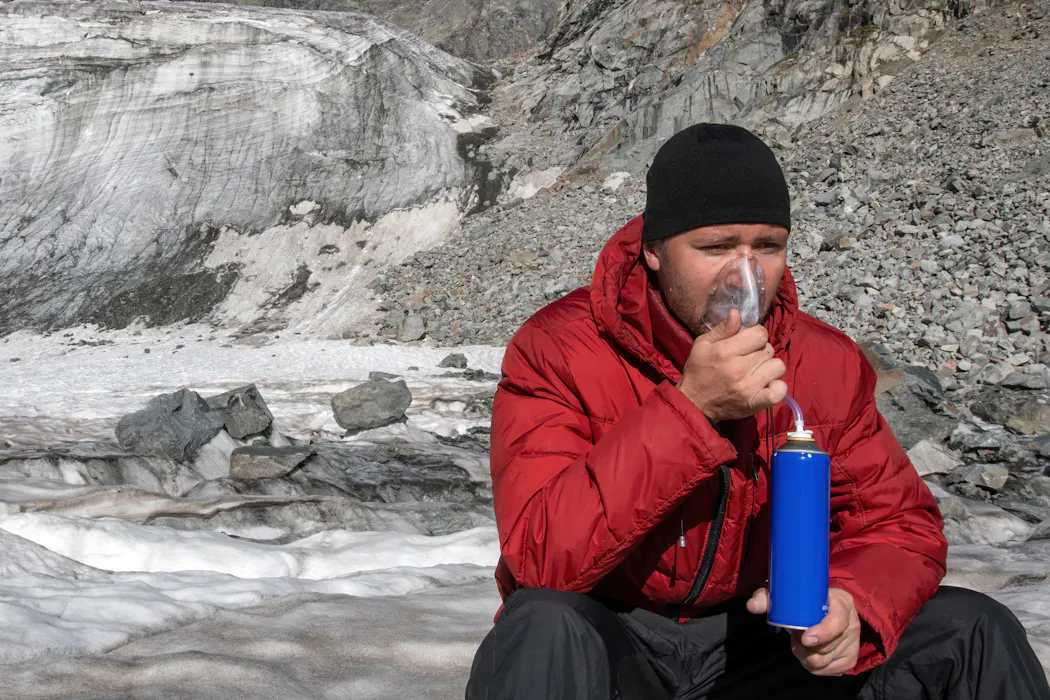
Why scientists are exploring brain cooling as a defence against altitude sickness

Source: The Conversation – UK – By Adnan Haq, Lecturer in Sport and Exercise Science, University of South Wales

Kirill Skorobogatko/Shutterstock

In the 2021 Netflix documentary 14 Peaks: Nothing Is Impossible, elite mountaineer Nirmal Purja races up the world’s highest summits at extraordinary speed. But even he isn’t immune to altitude.

During one ascent, Purja develops symptoms of high-altitude cerebral oedema (brain swelling), a dangerous form of altitude sickness that can strike with little warning. It’s a stark reminder that when oxygen levels fall, no amount of fitness or experience guarantees protection.

Research from my colleagues and I suggests that much of the damage caused by altitude sickness begins with stress inside the brain itself. If we can reduce that stress early, we may be able to interrupt the chain reaction that leads to more serious symptoms.

Each year, thousands of trekkers and climbers develop some form of altitude illness after ascending above about 2,500 metres. The mild form, acute mountain sickness, is common and unpleasant: headaches, nausea, dizziness and fatigue. More severe conditions, including high-altitude cerebral oedema and high-altitude pulmonary oedema, (swelling in the lungs) can be fatal if not treated quickly.

Different medications can help but are far from perfect. A diuretic medicine known as acetazolamide encourages breathing to improve oxygen levels. A steroid drug called dexamethasone can be lifesaving in high-altitude cerebral oedema, while nifedipine (a blood pressure drug) or sildenafil (better known as Viagra) can ease high altitude pulmonary oedema by reducing pressure in the lungs.

But these medications come with side-effects, some of which mimic altitude sickness itself. And the only guaranteed treatment – descending to a lower altitude – is not always possible in bad weather or on crowded mountain routes.

Supplemental oxygen works well once illness develops, but it is heavy, expensive and can interfere with natural acclimatisation. It’s an effective rescue tool, not a practical preventive one for most mountaineers.

So what if we could be proactive rather than reactive?

Why cooling the brain might help

Targeted brain cooling (or therapeutic hypothermia) has long been used in hospitals for cardiac arrest, newborn babies who need oxygen, as well as treating traumatic brain injury. The principle is simple – a cooler brain requires less oxygen and generates fewer metabolic byproducts.

The byproducts being referred to here are called “free radicals”. These highly reactive molecules increase when the body is stressed, as it is at altitude where oxygen is scarce. In excess, they cause what scientists call “oxidative stress”, damaging brain cells, weakening the blood–brain barrier and triggering inflammation.

They also interfere with nitric oxide, a chemical that helps blood vessels open properly. Together, these effects disrupt blood flow and allow fluid to leak into brain tissue, which are processes thought to underpin acute mountain sickness and high-altitude cerebral oedema.

Think of it like this: at high altitude, free radicals act like rust in your brain’s plumbing. They eat away at the seals and allow fluid to seep where it shouldn’t.

Research suggests that lowering brain temperature by just 1°C can reduce its metabolic rate – and therefore oxygen demand – by roughly 5% to 9%. With less demand comes fewer free radicals and potentially less swelling. Individually, these changes are modest. Combined, they could offer meaningful protection.

14 Peaks: Nothing Is Impossible | Official Trailer.

How do you cool a brain on a mountain?

Whole-body hypothermia is dangerous and impractical outdoors. So, the goal is selective brain cooling. In other words, lowering brain temperature while keeping the rest of the body warm. Several types of technology make this possible.

Cooling helmets, already used in neurocritical care, can reduce brain temperature by nearly 2°C within an hour while leaving core temperature stable. Cervical cooling collars are devices designed to be worn around the neck and upper shoulder area, and can target the major blood vessels supplying the brain. They have shown promising improvements in cerebral blood flow. Intranasal cooling systems exist too, but they are too invasive for healthy mountaineers.

So, helmets and collars are the most realistic options for expedition use. They are portable, non-invasive and are becoming lighter. But they are still far from being standard trekking gear.

There is another complication. At altitude, the brain naturally increases blood flow in an effort to deliver more oxygen. That warm blood acts like a radiator, potentially cancelling out cooling if devices are used too late. Early application, before this response kicks in, may be crucial.

Right now, we simply don’t know whether this could help prevent altitude sickness. The theory is strong, however, and evidence from other neurological conditions is encouraging. But selective brain cooling has not yet been tested in real (or simulated) high-altitude environments. We don’t know whether field-based cooling could meaningfully reduce oxidative stress, or whether mountaineers could even tolerate wearing cooling gear during long ascents.


Read more:
Altitude sickness is typically mild but can sometimes turn very serious − a high-altitude medicine physician explains how to safely prepare


Still, given the shortcomings of current treatments, and the growing popularity of high-altitude travel, the idea deserves serious investigation. Laboratory studies using simulated hypoxia (when there is less oxygen in the air), wearable biosensors and eventually field trials on trekking routes could help determine whether “brain chill” offers genuine protection.

For now, selective brain cooling remains an intriguing, speculative strategy. At best, it would complement rather than replace the basics of altitude safety – gradual ascent, early symptom recognition and timely descent.

Purja’s near miss in 14 Peaks shows that the mountains do not discriminate. If a simple, non-drug intervention could buy climbers more time or reduce risk, it could become a valuable addition to the mountaineer’s toolkit.

Whether cooling your head could help you keep your cool at altitude remains an open question. But it’s one worth exploring.

The Conversation

Adnan Haq does not work for, consult, own shares in or receive funding from any company or organisation that would benefit from this article, and has disclosed no relevant affiliations beyond their academic appointment.

ref. Why scientists are exploring brain cooling as a defence against altitude sickness – https://theconversation.com/why-scientists-are-exploring-brain-cooling-as-a-defence-against-altitude-sickness-275119

The Iran war has lessons to teach us about nuclear weapons – but we risk learning the wrong ones

Source: The Conversation – UK – By Tom Vaughan, Lecturer in International Security, University of Leeds; Sciences Po

Nuclear “non-proliferation” – preventing the spread of nuclear weapons beyond states that already have them – has been held up as the rationale for the US-Israeli war on Iran.

In his statement announcing the start of the operation on February 28, Donald Trump said: “we will ensure that Iran does not obtain a nuclear weapon. It’s a very simple message. They will never have a nuclear weapon.”

This highlights two lessons about the problems with non-proliferation logic as an approach to dealing with nuclear weapons. First, non-proliferation can be exploited to provide political cover for otherwise unpopular military aggression. And second, non-proliferation logic risks undermining itself by driving target states to acquire nuclear weapons.

Non-proliferation is globally popular. Currently, 190 states – including Iran – are party to the 1968 non-proliferation treaty (NPT). This enshrines into international law a regime to stop the spread of nuclear weapons.

All non-nuclear armed member states agree to take part in the treaty’s monitoring and verification regime. This aims to ensure they do not divert civilian nuclear technology and activity, like the production of fuel for power plants or isotopes for medical settings, to military ends.

The problem is that nuclear technology is, as US-based researcher Itty Abraham shows in his work, “ambivalent”. There is no physical boundary between civil and military uses. If a state can enrich uranium for nuclear fuel, it can do so for nuclear warheads.

Non-proliferation logic also assumes that any state with the ability to produce nuclear weapons will do so. This belief is known as “capacity determinism” and is debunked by the historical record.

If it was true, we could expect the Netherlands, Japan, Germany, Argentina and Brazil to have directed their enrichment capabilities into weapons. Taiwan, Libya, Sweden and Switzerland also would not have reversed their nuclear weapons programmes, and South Africa would not have voluntarily disarmed.

Exploiting non-proliferation

This brings us to the first lesson from the Iran war. Through a non-proliferation lens, it is possible to see any state with its own nuclear programme as a threat. This is particularly true for countries already seen as badly behaved by the international community.

Non-proliferation is widely seen as an “indisputable public good” that benefits every state in the world. It is therefore easy for the US to dress up its war of aggression against Iran, which is illegal under international law, as an act of global protection. It did the same in Iraq in 2003.

There is no reason for this to be limited to the US, either. Any of China, France, Russia or the UK – the other permanent members of the UN security council who are permitted to have nuclear weapons under the NPT – could do the same.

The second lesson is that non-proliferation logic tends to undermine itself. Iran’s supreme leader, Ali Khamenei, was killed by airstrikes early in the war. While he had pursued other bloodthirsty policies, Khamenei refused to authorise Iranian scientists and the military from restarting the country’s nuclear weapons programme that had stopped in 2003.

Iran was enriching uranium to somewhere around 60% purity. This is far above the 3% to 5% required to fuel nuclear power reactors, but below the 90% ideally required for a nuclear warhead – though it is close. It is also technically possible, albeit not optimal, to build a nuclear warhead with this level of enrichment.

In this way, Iran appears to have been deliberately playing with nuclear ambivalence. According to nuclear analyst Ludovica Castelli, Iran was demonstrating a range of values including “recognition, autonomy, sovereignty and political dignity” by touting its proximity to building a nuclear weapon without actually doing so.

Khamenei seems to have made a bet that achieving “nuclear threshold” status, where a state has the potential to develop nuclear weapons at short notice, would be enough to do this and to deter US or Israeli attacks. However, non-proliferation logic forces us to assume the worst.

So Iran has been punished as if it was pursuing nuclear weapons when, according to experts including Rafael Grossi, the director-general of the International Atomic Energy Agency, this does not appear to have been the case. Iran has borne all the costs of being a “proliferator”, while reaping none of the perceived security benefits of nuclear weapons.

Once the smoke clears, we should not be surprised when the regime – provided it survives – concludes that it has nothing left to lose from pursuing nuclear weapons in earnest. This war of non-proliferation risks achieving the exact opposite outcome, though this is not a foregone conclusion.

Nuclear deterrence

It is also possible that a third, dangerous lesson will be learned from this war: that nuclear weapons are valuable or even indispensable to the national security of non-superpower states. Ukraine, Venezuela and Iran have all now recently been attacked by nuclear-armed superpowers.

Other vulnerable states may well, not unreasonably, conclude that they too should obtain nuclear weapons to deter such threats. Similarly, the war has amplified calls for the UK and Europe more widely to expand their own nuclear arsenals to guarantee strategic independence from the US.

This is the wrong lesson for two reasons. First, any state embarking on a new nuclear weapons programme will make itself vulnerable to future wars of non-proliferation by adventurous superpowers before they have enough operational nuclear weapons to deter an attack.

And second, while nuclear weapons may provide a short- or medium-term mirage of “national security”, in the long-term they all but guarantee global disaster. Nuclear weapons cannot be controlled. One accident or error can spell armageddon.

The war in Iran should awaken us to this danger. It should not scare us into thinking that we must always live under the nuclear shadow. We urgently need to think about alternative security policies that do not entrench global nuclear danger and harm.

If this seems unrealistic, remember that some of the steepest historic reductions in nuclear stockpiles have been achieved straight after periods of extreme tension. The 1987 intermediate range nuclear forces treaty, signed between the US and Soviet Union towards the end of the cold war, is a good example.

Under its terms, the two states destroyed over 2,600 nuclear weapons. We have the capability to repeat and surpass these achievements: nuclear fatalism is an indefensible response.

The Conversation

Tom Vaughan receives funding from The Network of European Institutes of Advanced Study, under the Constructive Advanced Thinking scheme, for the project “Theories of Change and Nuclear Disarmament”. He is a Senior Research Associate of the Nuclear Knowledges research centre at CERI, Sciences Po Paris.

ref. The Iran war has lessons to teach us about nuclear weapons – but we risk learning the wrong ones – https://theconversation.com/the-iran-war-has-lessons-to-teach-us-about-nuclear-weapons-but-we-risk-learning-the-wrong-ones-278455

Early wins for the social media ban, new survey claims. But the full picture is far more complicated

Source: The Conversation – Global Perspectives – By Susan M. Sawyer, Professor of Adolescent Health The University of Melbourne; Director, Royal Children’s Hospital Centre for Adolescent Health; and Murdoch Children’s Research Institute, The University of Melbourne

Australia’s world-first national legislation to restrict access to social media accounts for children under 16 years old has been in force for about three months. New data from a survey of 1,070 Australian adults provides tantalising evidence of some positive effects.

The YouGov survey found many parents had noticed several positive behavioural shifts in their children aged 16 and under since the law took effect on December 10 2025. This, however, wasn’t universal, with some parents also reporting negative changes in their children’s behaviour.

This data does offer some insights into the impact of Australia’s Online Safety Amendment (Social Media Minimum Age) Act. But it also has some major limitations.

So what exactly do the results of the survey show? And how should they be interpreted?

A first step

Before we can assess any effect of the legislation in preventing online harms we need to know whether the age-assurance processes are working.

Initial figures gathered by Australia’s eSafety Commission indicated social media platforms had removed 4.7 million accounts of children under 16 last December.

This figure reportedly includes a number of inactive and duplicate accounts. As a result, it may not be an accurate representation of the actual number of young people affected.

Young people are also reportedly circumventing age verification restrictions. And a report by Crikey, based on new data by parental control company Qustodio, showed social media usage among under-16s had dropped only marginally in the first three months of the ban.

Parents see some positive impacts

The YouGov survey took place online on January 12–14 this year – a little over a month after social media age restrictions took effect.

Among parents of children under 16 years old, 61% observed between two and four positive effects. Some 43% noticed more in-person social interactions, while 38% said their children were more present and engaged during interactions and 38% reported improved parent-child relationships.

But these parents also reported negative impacts. Some 27% noted a shift to alternative or less regulated platforms. And 25% observed reduced social connection, creativity or peer support online.

Two thirds of adults in this survey believed greater parental involvement could make the ban more effective. And 56% agreed stricter enforcement and age verification would improve its effectiveness.

This suggests many parents understand the complex challenges around implementation of effective age-assurance processes.

Limitations of the survey

Disappointingly, the proportion of parents in the YouGov sample is not reported, nor is the exact age of their children.

Given the survey took place in the middle of the summer holidays, it is hard to know what contribution this may have had, as social media use generally declines then.

We also do not know whether the reported behavioural changes were observed among young people who had been “kicked off” their social media accounts.

Crucially, the YouGov survey is also missing the voices of young people.

Ongoing work

We are involved in an ongoing study that aims to evaluate the impact of social media age restrictions. This study directly measures how much time young people actually spend on different social media apps using passive sensing technology, in addition to more common self-reported questionnaires.

Our baseline data (collected before the new rules came into effect) from 171 young people counters the prevailing narrative that “all teens are against the social media restrictions”.

In fact, 40% of 13–16-year-olds were either supportive of or indifferent to the legislation, suggesting a more nuanced examination is warranted.

Young people also showed insights into their own experiences of using social media. Watching short videos was the most frequently reported activity. But only 16% thought it was a good use of their time.

Australia’s eSafety Commissioner Julie Inman Grant has also committed to a comprehensive evaluation of the Social Media Minimum Age Act.

A collaboration between the eSafety Commission, Stanford University’s Social Media Lab (the lead academic partner), and an 11-member academic advisory group, this evaluation aims to assess how the minimum age requirement is being implemented and examine both intended and unintended impacts.

A major element of the eSafety evaluation is its longitudinal design over at least the next two years, with perspectives from over 4,000 young people aged 10–16 years and their parent or carer. The participants include enough young people from certain groups, such as those living in the country, or who are neurodiverse, to take a closer look at whether restricting access to social media has a disproportionate impact on them.

The eSafety evaluation will also directly track how much time young people spend on different apps and when they do so.

Measuring success in years, not months

The next few months will no doubt be the toughest for the eSafety Commissioner as she works with each of the technology platforms to ensure they are taking the “reasonable steps” required by the law.

There will be much global interest in the public compliance report that the eSafety Commission will soon release, which will detail these steps.

Technology companies face fines of up to A$49.5 million for failing to comply with the law. For many, the financial cost may be less of a concern than avoiding damage to their reputation, as evident in recent court cases in the United States where Snapchat and TikTok settled out of court.

Rather than anticipating immediate benefits in young people who have already enjoyed access to social media, we may see stronger effects in the next generation of children, whose parents are yet to provide permission for them to access social media accounts.

In this regard, the true benefit of Australia’s legislation may be whether it changes social norms among parents about the “right” age for children to have a phone and around what role social media should play in young people’s lives.

Such changes will be measured in years, not months.

The Conversation

Susan M. Sawyer has received funding from NHMRC, other government and philanthropic grants to undertake research on mental health and social media. She is a member of the eSafety Commission’s Academic Advisory Committee that is overseeing the evaluation of the Online Safety Amendment Act.

Sylvia C. Lin does not work for, consult, own shares in or receive funding from any company or organisation that would benefit from this article, and has disclosed no relevant affiliations beyond their academic appointment.

ref. Early wins for the social media ban, new survey claims. But the full picture is far more complicated – https://theconversation.com/early-wins-for-the-social-media-ban-new-survey-claims-but-the-full-picture-is-far-more-complicated-278768

Morgan le Fay was King Arthur’s sister – but also a healer, mathematician and murderer

Source: The Conversation – Global Perspectives – By Nicole Kimball, Casual Academic, School of Humanities, Creative Industries and Social Sciences, University of Newcastle

Morgan le Fay is one of the most infamous characters of Arthurian mythology. A powerful sorceress and, in later stories, King Arthur’s half-sister, Morgan was a healer, a mathematician, murderer, adulteress and queen.

In later versions of the legends, Morgan is shown most often as the lover or enemy – and sometimes both – of many of Arthur’s closest allies, including Sir Lancelot and the powerful wizard Merlin.

Her surname, le Fay, is thought to be a combination of the French and Gaelic words for fairy, and refers to her fantastical powers.

Modern versions of Arthur’s story, such as the BBC program Merlin (2008–12) or the Irish/Canadian series Camelot (2011), continue this trend. They pair Morgan with Mordred, the knight who kills Arthur, pitting the two of them against the king and his knights in epic battles of good and evil.

Off screen, however, Morgan’s story starts completely differently.

A healer and mathematician

We first see her in approximately 1150 as part of an epic poem called Vita Merlini (Life of Merlin), by Welsh cleric Geoffrey of Monmouth.

She appears when Merlin brings the mortally wounded Arthur to Avalon (an island of magic) in the hope Morgan can heal him.

Curiously, this journey to Avalon is the only part of Morgan’s story consistent to nearly every version of Morgan that we see in later texts.

Unlike later versions, Morgan’s earliest form in the Vita Merlini is entirely positive.

The queen of Avalon, she rules alongside her eight sisters, of whom she is the most beautiful.

As a healer, she is an expert in herbology. She is also a shape-shifter, allowing her to visit cities famous for being centres of learning in medieval Europe.

Geoffrey also tells us Morgan teaches mathematics to her sisters. In 12th-century terms, this means she was probably trained in maths, finance and astronomy. While nearly every noblewoman of this time would have known enough maths to run her castle, Morgan’s education is definitely outside the norm.

A painting of Morgan le Fay by Frederick Sandys, 1863-1864 depicts her enchanting a cloak.
Morgan-le-Fay, by Frederick Sandys/Wikimedia

The powers Geoffrey of Monmouth gave her reflected the early forms of natural philosophy, the earliest form of the scientific process. Natural philosophy was about seeking to understand nature and the world around you through reasoning, rather than religion.

Morgan’s powers fall under two key branches of natural philosophy: the science of medicine, and the science of necromancy according to physics.

The science of medicine is pretty much as it sounds. The science of necromancy according to physics, however, was not about bringing people back from the dead – it was the study of what was and was not possible.

In a period before biology and physics, many of the simplest processes – such as the creation of frogs from frog spawn – were considered occult.

The ability to manipulate these processes was considered the educated (and thus proper) practice of magic.

This early version of Morgan, although not herself a real person, was partly based on a very powerful medieval woman who was actually real – the Empress Mathilda, daughter of King Henry I.

Geoffrey was a supporter of the empress and this likely influenced his decision to depict Morgan as positive and chaste.

A personality change

As Arthurian legends were adapted by the French chivalric romances (a 12th–15th century literary genre), Morgan began to change.

She is still a fantastic healer, but is no longer queen of Avalon.

Instead, she has become Arthur’s half-sister (same mother, different fathers).

In the slightly later texts, she becomes vindictive, jealous and cruel, and begins to use her magic selfishly. Instead of healing, she becomes a master of illusion and enchantment, often using her magic to trap Arthur’s knights (particularly Lancelot).

In one example, from a text called the Lancelot-Grail cycle, Morgan is rejected by a knight who loves another woman.

Furious, Morgan creates the Valley of No Return (or the Valley of False Lovers). No man who has been unfaithful to his lover, even just in thinking, can leave the valley. The spell lasts for decades, until it’s broken by Lancelot and the men are freed.

We also see sleeping enchantments in texts from this time, which Morgan uses to kidnap Lancelot.

In later texts, things get much darker. Morgan enchants a mantle, a type of cloak, so it will burn its wearer to death. She sends it to Arthur as a gift.

He is stopped from putting it on by the Lady of the Lake, who suggests the messenger puts it on instead. Morgan’s assassination attempt is foiled.

This shift in Morgan’s character happened, among other reasons, because of increasingly complicated beliefs about what it meant to be a witch in medieval Europe.

Powerful, independent and vindictive

Finally, the nature of chivalric romance also had some influence.

This type of storytelling operated by strict rules in which a knight and his lover faced various obstacles in their attempt to be together.

Morgan, as a very independent figure even when she is married, helps fill the role of the obstacle for the knight – the bad guy.

Even so, Morgan le Fay is a much-loved character of the Arthurian legends.

Powerful, independent and vindictive, Morgan set the standard for witchy women.

Her influence appears today in everything from fairy tales to comic books – think of the wicked fairy from Sleeping Beauty, the White Witch from The Chronicles of Narnia and as herself in both DC and Marvel comics – making her possibly the most famous medieval witch we have.

The Conversation

Nicole Kimball is the Secondary Schools Liaison for the Australasian Classical Society.

ref. Morgan le Fay was King Arthur’s sister – but also a healer, mathematician and murderer – https://theconversation.com/morgan-le-fay-was-king-arthurs-sister-but-also-a-healer-mathematician-and-murderer-275927

A million new SpaceX satellites will destroy the night sky — for everyone on Earth

Source: The Conversation – Canada – By Samantha Lawler, Associate Professor, Astronomy, University of Regina

A Starlink train passing through auroras over rural Saskatchewan in November 2025. (Samantha Lawler), CC BY-NC-ND

More than 10,000 Starlink satellites currently orbit the Earth. We see them crawling across dark skies, no matter how remote our location, and streaking through images from research telescopes.

SpaceX recently announced that it wants to launch one million more of these satellites as orbital data centres for AI computing power.

A few years ago, we wrote a paper predicting what the night sky would look like with 65,000 satellites from four planned megaconstellations: SpaceX’s Starlink, Amazon’s Kuiper (now Leo), the U.K.’s OneWeb and China’s Guowang. We calibrated our models to observations of real Starlink satellites and came up with a startling prediction: One in 15 visible points in the night sky would be a satellite, not a star.

A million satellites would be so much worse.

The human eye can see fewer than 4,500 stars in an unpolluted night sky. If we permit SpaceX to launch these satellites, we will see more satellites than stars — for large portions of the night and the year, throughout the world. This will severely damage the night sky for everyone on Earth.

SpaceX’s proposal also completely fails to account for atmospheric pollution, collision risk or how to develop the technology needed to disperse waste heat from orbital data centres.

Predicting the night sky

SpaceX has filed its million-satellite proposal to the United States Federal Communications Commission (FCC) and has only provided bare-bones information about these new satellites so far.

We do know that the proposed constellation will have satellites in much higher orbits, making them visible for longer periods of the night.

We decided to build an updated simulation, using the website of astrophysicist Jonathan McDowell. This includes a set of orbits consistent with the limited information in SpaceX’s filing.

We used the observed brightness of Starlink satellites as a reference, scaling the brightness model by considering size jumps between Starlink V1, V2 and predictions for V3, and assuming even higher complexity and power requirements.

There are many factors we don’t know anything about, so there is some uncertainty in the brightness we predict.

Two circles, one filled with yellow and orange, indicating the brightness of a million satellites, compared to a mostly grey circle with dots of light from 42,000 satellites.
Predictions for satellite brightness and positions comparing SpaceX’s proposed one-million-satellite AI data centres with a previously approved 42,000 satellite megaconstellation.
(Lawler et al. 2022), CC BY-NC-ND

In the figure above, each grey circle shows a simulation of the full night sky, as seen from latitude 50 degrees north at midnight on the summer solstice.

The left circle shows the night sky with SpaceX’s orbital data centres (SXODC), and the right shows the night sky with 42,000 Starlink satellites for comparison.

The coloured points show the positions and brightness of satellites in the sky, with blue the faintest and yellow the brightest. Below each all-sky simulation we list the number of sunlit satellites in the sky (Ntot) and the number of naked-eye visible satellites (Nvis), with tens of thousands predicted for SXODC.

Each of our simulations shows there will be more visible satellites than stars for large portions of the night and the year.

It is hard to overstate this: Should a million new satellites be launched, in the orbits and with the sizes proposed, the stars we are able to see at night would be completely overwhelmed by artificial satellites — throughout the world.

This does not even account for additional large satellite system proposals filed to the International Telecommunication Union (ITU) in recent years by numerous national governments.

A satellite crematorium

SpaceX’s proposal is that these new satellites will operate as orbital data centres.

Data centres on the ground are drawing increasing criticism for the huge amounts of water and electricity they use. In an impressive feat of greenwashing, SpaceX suggests that launching data centres into orbit is better for the environment. This is only true if you ignore all the consequences of satellite launch, orbital operations and re-entry.

We can already measure atmospheric pollution from “re-entries,” when satellites fall back to Earth. We know that multiple satellites are falling every day and that if they do not fully burn up on re-entry, debris falls on the ground with risk for injury and death.


Read more:
SpaceX space junk crashed onto Saskatchewan farmland, highlighting a potential impending disaster


Increasing densities of satellites also drive up collision risks in orbit. And using the atmosphere as a satellite crematorium is changing the atmosphere in ways we don’t yet understand.

Practically, it is not at all clear whether the proposed orbital data centres are feasible any time soon. To operate data centres in orbit, they would need to disperse huge amounts of waste heat. Despite the greenwashing, this is actually very hard to do in space as they would have to manage the intense radiation from the sun, while cooling the satellite by radiation.

SpaceX should know this well: one of the first brightness mitigations they tested for Starlink was “darksat,” a Starlink satellite they effectively just painted black. The satellite overheated and the electronics fried.


Read more:
A new space race could turn our atmosphere into a ‘crematorium for satellites’


A slap in the face for astronomers

SpaceX has done a lot of engineering work to make its Starlink satellites fainter. They are still too bright for research astronomy, but thanks to new coatings, their brightness has not increased dramatically even as SpaceX has launched larger and larger satellites.

SpaceX’s proposal for one million AI data centre satellites with enormous power requirements does not include any discussion of the co-ordination agreement for dark and quiet skies required by the FCC.

It feels like a slap in the face after many astronomers have spent years working with SpaceX on ways to mitigate their Starlink megaconstellation and save the night sky.

Orbital space is a finite resource

The SpaceX filing does not include exact orbits, the size or shape of satellites or the casualty risk from de-orbiting (other than a vague promise that it won’t exceed 0.01 per cent per satellite). It doesn’t even include any information on how the company plans to develop the technology that does not currently exist but is needed to make this plan work.

Despite how shockingly little information SpaceX provided, the FCC accepted SpaceX’s filing and opened the comment period within four days. Astronomers and dark sky advocates worldwide scrambled to write and submit comments in the short four weeks that the comment period was open.

The scientific process is slow and careful and it often takes months or years to publish a peer-reviewed result. Companies like SpaceX have stated repeatedly that their method is to “move fast and break things.” They are now close to breaking the atmosphere, the night sky and anything on the ground or in space that their satellites and rockets fall on or crash into.

Earth’s orbital space is a finite resource. There is an evolving set of international guidelines for operating in outer space, grounded in a set of high-level international rules. Yet, those rules and guidelines are inadequate.

One corporation based in one country should not be allowed to ruin orbit, the night sky, and the atmosphere for everyone else in the world.

The Conversation

Samantha Lawler receives funding from the Natural Sciences and Engineering Research Council of Canada. She is a fellow of the Outer Space Institute.

Aaron Boley receives funding from NSERC, the Canada Tri-agency, and the Department of National Defence. He co-directs the Outer Space Institute.

Hanno Rein receives funding from NSERC.

ref. A million new SpaceX satellites will destroy the night sky — for everyone on Earth – https://theconversation.com/a-million-new-spacex-satellites-will-destroy-the-night-sky-for-everyone-on-earth-277938

Not just boys: The overlooked story of ADHD in women and girls

Source: The Conversation – Canada – By Emma A. Climie, Associate Professor in School & Applied Child Psychology, University of Calgary

School-aged and adolescent girls with ADHD often slip through the cracks. (Unsplash+/Getty Images)

When people think about attention-deficit/hyperactivity disorder (ADHD), they often picture a hyperactive young boy running around a classroom, not the quiet girl daydreaming in the corner, the chatty student who can’t finish her work or the mother who is chronically late and constantly searching for her keys.

Yet all of these individuals — boys and girls, men and women — may be showing signs of ADHD, a neurodevelopmental condition that can significantly affect daily functioning.

As psychologists and researchers who are focused on understanding ADHD in girls and women across the lifespan, we want to better understand the social, emotional, cognitive and hormonal factors that uniquely intersect with ADHD in girls and women. Our combined research examines the experiences of ADHD in girls in childhood and adolescence through adulthood and older adulthood, with a focus on understanding how girls and women can thrive.

Girls with ADHD

School-aged and adolescent girls with ADHD often slip through the cracks. They are frequently described as “spacey” or daydream-y and tend to display fewer overtly disruptive behaviours than boys. Instead, they may hold in their stress, which can lead to misdiagnoses of anxiety or depression, rather than accurate identification of ADHD.

A girl wearing headphones and playing with a multicoloured bubble popper fidget toy
As they enter puberty, girls with ADHD face heightened risks of academic difficulties.
(Unsplash/Andrej Lisakov)

There are, however, clear signs. Girls with ADHD are often emotionally sensitive, may experience social difficulties (such as interrupting conversations or struggling to read social cues) and tend to show more “internalized” hyperactivity, like hair-twirling, skin-picking or leg-bouncing.

As they enter puberty (often beginning between ages nine and 11), girls with ADHD face heightened risks of academic difficulties, earlier substance-related concerns and increased rates of mood disorders.

Hormonal changes during this period may also affect the effectiveness of ADHD medications, creating additional challenges at an already vulnerable developmental stage.

Women with ADHD

When we work with women with ADHD, we often hear comments like: “I was diagnosed because my child was diagnosed.” Many women were not identified in childhood, only later recognizing that the challenges their children face closely mirror their own experiences growing up.

Women who have been living with unrecognized ADHD symptoms for many years often develop strong coping strategies that allow them to function well, but major life transitions (such as becoming a parent or entering menopause) can disrupt these strategies. When that happens, approaches that once worked may become less effective, leading to more noticeable challenges. Currently, women in their 30s and 40s represent one of the fastest-growing groups receiving stimulant prescriptions for ADHD, suggesting a rise in diagnoses in this demographic.

So, what does ADHD look like in women?

Women with ADHD frequently describe a range of experiences that, while not explicitly listed in the diagnostic criteria, significantly affect their daily lives. For example, many report “masking” their behaviour or emotions, in an effort to not stand out. They may overcompensate to appear organized and competent, spending excessive time on tasks to avoid mistakes or criticism.

Over time, these patterns can contribute to chronic stress and exhaustion and often present as anxiety or depression, further delaying accurate identification and appropriate support. In addition, women with ADHD often experience difficulties with task initiation, procrastination and completing tasks on time. These challenges can affect both their personal and professional lives, contributing to chronic stress, self-doubt and burnout.

A woman in a white blouse at a desk with a laptop and crumpled papers, burying her face in her hands
women with ADHD often experience difficulties with task initiation, procrastination and completing tasks on time.
(Pexels/Karola)

ADHD in later life

As women enter mid-life, many say they experience a significant worsening of their ADHD symptoms, likely resulting from both normal brain aging and menopausal changes. The frontal lobes of the brain usually begin to function less efficiently as people get older, and people aging with ADHD may be particularly impacted by these age-related changes because of pre-existing differences in the structure and functioning of their brain’s frontal lobes.

Women with ADHD may face even greater challenges than men as they age, in part because of declines in estrogen that occur during menopause. Estrogen works together with dopamine (an important brain chemical) to enhance mood and cognition; when estrogen levels decrease (for example, during peri-menopause), dopamine’s positive effects are less pronounced.

Many women with ADHD experience these hormone fluctuations as more extreme than other women, suggesting that perimenopause might be an especially challenging time for them.

What do I do if I think I have ADHD?

If you think you may have ADHD, an important step in diagnosis is determining that at least some symptoms have been present for a long time (rather than having started only recently), and ensuring those symptoms aren’t better accounted for by another medical or psychiatric condition.

A family doctor is often well positioned to make these determinations because they are familiar with your health history and usually have followed you over an extended period of your life. If you think you may have ADHD, speaking with your family doctor about your concerns is typically a good first step.

You can also connect with the Centre for ADHD Awareness, Canada to get more information about ADHD testing, diagnoses and supports.

The Conversation

Emma Climie receives funding from the Social Sciences and Humanities Research Council, the Azrieli Foundation, and the Carlson Family Research Award in ADHD. She is a Member of the Board of Directors for CADDRA – Canadian ADHD Resource Alliance.

Brandy Callahan receives funding from the Canadian Institutes of Health Research, the Social Sciences and Humanities Research Council, and the Canada Research Chairs Program.

ref. Not just boys: The overlooked story of ADHD in women and girls – https://theconversation.com/not-just-boys-the-overlooked-story-of-adhd-in-women-and-girls-275686

War in Iran: Why destroying cultural heritage is such a foolish strategic move in any conflict

Source: The Conversation – Canada – By Costanza Musu, Associate Professor, Graduate School of Public and International Affairs, L’Université d’Ottawa/University of Ottawa

The ornate ceiling of the Ali Qapu Palace in Isfahan, Iran. It’s a UNESCO Heritage site that began construction in the 1500s and has been damaged by U.S.-Israeli strikes on Iran. (Matt Biddulph), CC BY

Since the start of the ongoing United States–Israeli military campaign against Iran, the human toll of the conflict has mounted relentlessly.

Civilian casualties have been reported across the country, and the bombing campaign has caused widespread destruction to infrastructure. Alongside military targets, thousands of civilian buildings have been damaged or destroyed in the first weeks of the war.

Amid this destruction, another dimension of the conflict is increasingly drawing international concern: the damage inflicted on Iran’s cultural heritage.

Several historically significant sites, including UNESCO landmarks, have been affected. Blasts in Tehran have damaged the Golestan Palace, while strikes in Isfahan hit structures around Naqsh-e Jahan Square, including Ali Qapu Palace, Chehel Sotoun and the Masjed-e Jameh.

The destruction of such sites highlights a frequently overlooked consequence of warfare: when the rules governing the conduct of war are stretched or ignored, cultural heritage, like civilian lives, becomes collateral damage.

Rules of engagement

Warfare is not meant to be unconstrained. It is governed by international humanitarian law, which sets limits on how military force can be used once hostilities begin. These rules are intended to reduce the human and material devastation of armed conflict by protecting civilians and civilian objects.


Read more:
Israeli strikes on Tehran oil depot highlight gaps in international law


States implement these legal obligations through rules of engagement, which guide how and when force may be used in compliance with international humanitarian law: what U.S. Secretary of War Pete Hegseth has dismissively called “stupid rules of engagement.”

International humanitarian law protects cultural heritage. After the widespread destruction of the Second World War, states adopted the 1954 Hague Convention, recognizing monuments, museums and archeological sites as specially protected cultural property, and requiring warring nations to refrain from attacking them except in cases of imperative military necessity.

Ignoring cultural property protections runs counter to a lesson many military forces, including the United States, have come to recognize: that safeguarding cultural heritage is not only a legal obligation, but also strategically smart.

Over the past two decades, this approach has increasingly been integrated into military doctrine. By protecting monuments and historic sites, military forces signal respect for a society’s identity, build trust with local populations and advance broader political objectives by fostering local civilian support.

Shifting public sentiment

In the current conflict, American officials have argued that the military campaign is aimed not at Iran’s people but at the regime that has ruled the country since the 1979 revolution.


Read more:
What happens next in US-Iran relations will be informed by the two countries’ shared history


U.S. President Donald Trump has suggested that the future of Iran now lies in the hands of its citizens, implying that the weakening of the regime could allow Iranians to shape a different political future.

Initially, some voices in the Iranian diaspora and within Iran welcomed the strikes in the hope that they might open the door to political change.

Yet the scale of the destruction inflicted on cities, infrastructure and cultural landmarks appears to be shifting public sentiment, allowing the Iranian leadership to rally the population around a narrative of national unity against foreign aggression.

At the same time, the conflict is threatening cultural heritage beyond Iran. Iranian missiles have struck areas in and around Jerusalem, where its Old Town contains some of the most significant religious and historical sites in the world within barely one square kilometre. These sites are sacred to Judaism, Christianity and Islam.

If the stated objective of the military campaign is to weaken the Iranian government and open the possibility for political change, the destruction of cultural heritage will produce the opposite effect. Cultural monuments, historic cities and religious sites are not simply architectural artifacts; they are powerful symbols of collective identity and historical continuity.

When they’re damaged or destroyed by foreign military force, the attack is often perceived not only as a strike against a government but an assault on the nation itself.

A black-and-white photo shows a destroyed cathedral.
The German Luftwaffe destroyed Coventry Cathedral in 1940 during the Second World War, strengthening British resolve against the Nazis.
(Imperial War Museum)

Rallying citizens

History offers many examples of how damage to cultural heritage during wars can galvanize nationalist sentiment and strengthen the legitimacy of governments under pressure. Examples include the destruction of the Old Bridge of Mostar during the Bosnian War, which became a powerful symbol of national loss and identity, to the levelling of Palmyra’s ancient temples by ISIS, which the Syrian government invoked to reinforce claims of cultural guardianship and political legitimacy.

Rather than weakening the Iranian leadership, widespread destruction, particularly when it affects cultural landmarks, may instead help it mobilize public anger and rally citizens around the defence of the country.

Both international law and historical experience point in the same direction: protecting cultural heritage is not only a humanitarian obligation, but a strategic consideration in conflicts with long-term outcomes that depend on the attitudes of the people affected.

The Conversation

Costanza Musu receives funding from the Social Sciences and Humanities Research Council of Canada.

ref. War in Iran: Why destroying cultural heritage is such a foolish strategic move in any conflict – https://theconversation.com/war-in-iran-why-destroying-cultural-heritage-is-such-a-foolish-strategic-move-in-any-conflict-277922

Ontario’s proposed nuclear waste repository must obtain consent from all affected First Nations

Source: The Conversation – Canada – By Larissa Speak, Assistant Professor, Lakehead University

In January, the Impact Assessment Agency of Canada (IAAC) initiated an assessment of a proposed nuclear waste repository in northwestern Ontario. The repository is being advanced by the Nuclear Waste Management Organization (NWMO), which is charged with finding a long-term solution to Canada’s mounting nuclear fuel waste.

The NWMO has proposed building an underground repository at a site near the Township of Ignace and the Wabigoon Lake Ojibway Nation. The proposal has received support from the township and First Nation, but it remains deeply contentious with other First Nations.

The impact assessment process recently began with the NWMO filing an initial project description, followed by a public commenting period. Nearly 900 comments were received, including written submissions from 22 First Nations, five regional and treaty organizations, and the Assembly of First Nations.

Many of the responses from First Nations hinge on differing interpretations of free, prior and informed consent. The NWMO sought the consent of one First Nation near the proposed repository site. However, Indigenous submissions argue that NWMO should also seek consent from all First Nations whose rights, interests, territories and watersheds could be affected by a repository.

Our research includes a focus on the administrative, regulatory and legal processes being used to make decisions about nuclear waste disposal. We’re especially concerned that Indigenous consent is being framed in a way that excludes many First Nations whose members and territories could be affected by the proposed repository.


Read more:
Ontario’s proposed nuclear waste repository poses millennia-long ethical questions


Free, prior and informed consent

In 2005, the NWMO publicly committed to a consent-based siting process, including finding a “willing host” for its proposed waste repository. In 2018, it committed to seeking free, prior and informed consent from affected Indigenous Peoples.

The principle of seeking Indigenous consent is enshrined in the United Nations Declaration on the Rights of Indigenous Peoples (UNDRIP). It states that governments should seek input and consent from affected Indigenous communities for any developments that take place on their territories.

In particular, Article 29 of UNDRIP states that “no storage or disposal of hazardous materials shall take place in the lands or territories of Indigenous peoples without their free, prior and informed consent.”

The NWMO began its site selection process in 2010. In 2024, the municipality of Ignace signed a hosting agreement with the NWMO. Later that year, Wabigoon Lake Ojibway Nation members voted in favour of “in-depth environmental and technical assessments” to determine a suitable site.

Shortly thereafter, the NWMO announced that it had selected a site in northwestern Ontario, with Ignace and Wabigoon Lake Ojibway Nation as host communities.

First Nations criticize the process

The site selection process was contentious, with several potentially affected municipalities, First Nations and regional/treaty organizations voicing opposition. Many First Nations were critical of the NWMO’s site selection process, particularly their approach to seeking Indigenous consent.

Eagle Lake First Nation is challenging the NWMO’s site selection decision in court, arguing that the repository site is on its traditional territory and that the project cannot proceed without its free, prior and informed consent.

The NWMO said the repository site was chosen “following extensive technical study and community engagement,” and that Eagle Lake is an “important community in the region” it wants to work with.

The NWMO’s initial project description made no mention of regional and Indigenous opposition to its proposed repository. Instead, it emphasizes the consent of adjacent communities and its engagement with Wabigoon First Nation’s laws and processes.

Nipissing First Nation expressed concern that “consent is treated as a local regime, while the risk is region-wide and intergenerational.” As a result, “one nation is positioned as a moral and political shield for a project that affects many others.”

Other First Nations raised concerns with the large monetary payments NWMO made to host communities. Lac Des Mille Lacs First Nation noted:

“The magnitude of these expenditures far exceeds what is reasonably required to support neutral engagement or capacity building and appear to have been a decisive factor in securing local acquiescence.”

Eagle Lake First Nation and Ojibway Nation of Saugeen — both First Nations with territorial claims to the repository site — emphasized that their nations have not consented to the NWMO’s proposal.

NWMO recently released a response to various comments from project stakeholders. However, the response does not acknowledge these criticisms from First Nations.

Consent for widespread risk

First Nations called on the NWMO to seek the free, prior and informed consent of all affected First Nations, including those with overlapping territorial claims to the repository site, those whose territories encompass other essential project activities like nuclear waste transportation and repackaging and those situated downstream of project activities.

Considering the scale and scope of project activities and the potential for widespread harm should something go wrong, the Indigenous understanding of consent offers a standard that recognizes interconnectedness, interdependence and ecological reality.

Mississaugas of Scugog Island First Nation called on the IAAC to require NWMO to develop a strategy “that addresses all potentially impacted First Nations, including those impacted by used nuclear fuel repackaging at existing storage sites and along transportation corridors.”

Kebaowek First Nation also called for the recognition of FPIC rights of “all First Nations whose lands, territories and/or other resources may be affected.”

Several Indigenous communities argued that the NWMO must engage with the laws, processes and protocols of affected First Nations. Grand Council Treaty #3’s submission asserted that the impact assessment process should be put on hold until it is harmonized with the grand council’s laws and protocols.

Eagle Lake First Nation and Ojibway Nation of Saugeen also called for the impact assessment process to be put on hold until territorial disputes to the repository site are resolved and the NWMO obtains their consent.

NWMO’s recent response to comments on the initial project description did not directly address whether additional First Nations and Treaty organizations also have a right to provide or withhold consent to the proposed repository.

Given the positions of many First Nations, NWMO must seek input from all First Nations affected by the repository project before it goes any further. And the IAAC should carefully examine the impact assessment process to ensure engagement with First Nations and treaty organizations focuses on obtaining their free, prior and informed consent.

The Conversation

Larissa Speak has received research funding from the Social Sciences and Humanities Research Council. She is affiliated with Niniibawtamin Anishinaabe Aki, an Indigenous-led group concerned with the disposal of nuclear waste on Anishinaabe territory. She is a member of Animikii-wajiw or Fort William First Nation.

John Sinclair receives funding from the Social Sciences and Humanities Research Council of Canada. He is a long time member of the Canadian Environment Network’s Environmental Planning and Assessment Caucus.

Warren Bernauer receives funding from the Canada Research Chair program. He is affiliated with Niniibawtamin Anishinaabe Aki, an Indigenous-led group concerned with the disposal of nuclear waste on Anishinaabe territory.

ref. Ontario’s proposed nuclear waste repository must obtain consent from all affected First Nations – https://theconversation.com/ontarios-proposed-nuclear-waste-repository-must-obtain-consent-from-all-affected-first-nations-277735

Claims about genetic superiority ignore the real drivers of human inequality

Source: The Conversation – Canada – By Robert Chernomas, Professor Of Economics, University of Manitoba

Political leaders like United States President Donald Trump and business oligarchs like Elon Musk have increasingly suggested that human behaviour and social outcomes are rooted in genetics.

Trump has repeatedly suggested that problematic behaviours are genetic and inherent, while Musk has advocated for “intelligent” people to have children. His Grokipedia even frames racist concepts like racial nationalism positively while drawing on eugenic ideas, claiming that preserving distinct racial genetic profiles “maximizes individuals’ inclusive fitness.”

These arguments are taking us back to one of the darkest periods in human intellectual history: when eugenics was alive and well. Eugenics is the mistaken belief that a society’s genetic pool can be “improved” by limiting the reproduction of those deemed inferior and encouraging the breeding of those deemed superior.

Eugenics is now regarded as “the most egregious example of the destructive misuse of science in all human history,” as evolutionary biologist Richard Prum put it.

Yet this pseudoscientific way of thinking has not disappeared. It has re-emerged in new forms, primarily among tech capitalists and conservative politicians advocating for policies like forced migration, fertility assistance and genetic engineering to create a “fitter” nation.


Read more:
Racism never went away – it simply changed shape


In our recent book, The American Gene: Unnatural Selection Along Class, Race, and Gender Lines, we show that differences in complex behavioural traits among groups are not the natural outcome of inborn human biology, but the product of systemic economic inequality.

We can illustrate this by focusing on two of the most popularly discussed in the nature-versus-nurture debate: health and intelligence.

The limits of the human genome

The US$3 billion Human Genome Project set out to identify “the key genes underlying the great medical scourges of humankind.” Bill Clinton called it “the most important, most wondrous map ever produced” when he was U.S. president.

Yet except for rare diseases caused by one or a few genes, genomic data has had limited success in predicting complex diseases like heart disease, cancer, mental health disorders or addiction.

Scientists have found dozens of genetic variations associated with complex diseases, but the combined effects of these genes have explained very little about heritable risk. Even with the complete human genome sequenced, predicting health outcomes from genetics has proven challenging.

In fact, in 2013, the Food and Drug Administration ordered 23andMe to stop marketing certain genetic disease risk information to consumers until they received regulatory clearance.

Environment shapes health more than genes

Some scientists, including molecular biologist James Watson, the first director of the Human Genome Project and a disgraced Nobel laureate, have argued that genetics largely determine health hierarchies.

He once suggested that New Jersey’s high cancer rates were mostly due to residents’ “genetic constitution” rather than environmental factors.

This logic is flawed. It would suggest that the people of New Jersey had uniquely cancer-prone DNA compared to the rest of the population, which seems unlikely. Further undermining Watson’s theory is the fact that cancer rates followed the changing location of the chemical industry, which fled New Jersey’s increasingly costly environmental regulations for Louisiana.

“Cancer Alley” in Baton Rouge, Louisiana — an 85-mile stretch of the Mississippi River lined with some 200 fossil fuel and petrochemical production plants — became home to the nation’s highest cancer rates, affecting the region’s disproportionate Black and Brown population.

In the words of bio-statistician Melanie Goodman: “ZIP Code is a better predictor of health than genetic code.”

Further evidence against genetic determinism comes from migrant studies. Research has found ethnic groups with low breast cancer rates in their home countries, such as China, Japan and the Philippines, often experience higher disease rates after migration.

Similar patterns appear in studies of coronary heart disease among people of Japanese ancestry who lived in Japan, Hawaii and California. Those who adopted more westernized lifestyles had higher rates of disease.

Intelligence is a product of opportunity

Researchers like Richard Hernstein, Charles Murray, David Reich and Nicholas Wade have insisted on a link between genetics, race or ethnicity, and what they describe as a hierarchy of intelligence.

In these arguments, Ashkenazi Jews are often placed at the top of the hierarchy, while people of African descent are placed lower. Although the discussion always revolves around genetic inheritance, they have yet to identify the specific genes that would justify this hierarchy.

Where proponents attempted to provide empirical support, the argument often rested on a residual claim: even after accounting for all the social variables that might influence intelligence, an unexplained component remained and was therefore presumed to be genetic.

On the other side of the debate are researchers like James Flynn, who argued intelligence is determined more by environment than genetics.

A TEDTalk by researcher James Flynn about why our IQ levels are higher than our grandparents’.

Flynn documented a steady rise in intelligence test scores across the 20th century in a pattern now known as the “Flynn Effect.” He found that between 1933 and 1983, American IQs increased by around three points per decade. He argued people’s minds were sharpened by better education and more intellectually demanding jobs and hobbies.

Flynn also found larger impacts in lower-income nations. Kenya and several Caribbean nations, for example, had much larger increases in IQ scores than Scandinavian countries because, he argued, the conditions for learning had improved more in the former nations than the latter.

Lived experience influences our genes

Advances in the revolutionary field of epigenetics have shifted the nature-versus-nurture debate by identifying a pathway through which lived experience can impact what were previously thought to be fixed processes.

Epigenetics refers to mechanisms that affect gene expression — how much a gene is used or not — without changing the DNA sequence itself. These mechanisms function somewhat like a dimmer switch, turning genes on and off, or adjusting the intensity of their effects.

Growing evidence suggests that epigenetic mechanisms are impacted by the conditions in which people live, which in turn influence human traits and outcomes. Some of these epigenetic changes may even be transmitted across generations.

In other words, nurture has a direct influence on nature.

Claims about the supposed genetic superiority of some human beings over others rarely account for the complexity of these additional types of inheritance.

Opportunity matters more than genetics

A growing body of research suggests that social and economic opportunity plays a far greater role in shaping human outcomes than genetic inheritance.

As biologist Siddhartha Mukherjee pointed out, “it is impossible to ascertain any human, genetic potential without first equalizing environments.”

Decades earlier, Henry Wallace, who served as vice-president under Franklin D. Roosevelt, similarly suggested that if children from rich and poor families were given the same food clothing, education, care and protection, class lines would likely disappear.

Historical evidence supports this view. Our research shows that when structural barriers are reduced and marginalized groups have the same opportunities as more privileged groups, inequalities shrink dramatically.

By way of example, the economic and social changes following U.S. civil rights legislation led to major improvements in the health, education and income of Black Americans — despite no change in their genetic makeup — highlighting the role of structural racism and social policy.

People should be significantly more concerned with the effects of the policies imposed by the Trumps and Musks of the world than the DNA passed on by their parents.

The Conversation

Ian Hudson receives funding from SSHRC. Ian Hudson is a Research Associate for the Canadian Centre for Policy Alternatives.

Robert Chernomas does not work for, consult, own shares in or receive funding from any company or organisation that would benefit from this article, and has disclosed no relevant affiliations beyond their academic appointment.

ref. Claims about genetic superiority ignore the real drivers of human inequality – https://theconversation.com/claims-about-genetic-superiority-ignore-the-real-drivers-of-human-inequality-275393