Engaños de la IA: cuando aporta fuentes reales pero inventa su contenido

Source: The Conversation – (in Spanish) – By José Luis González-Geraldo, Decano de la Facultad de Ciencias de la Educación y Humanidades. Coordinador del Grupo de aprendizaje en Inteligencia Artificial (GaIA). Departamento de Pedagogía. Teoría e Historia de la Educación. UCLM., Universidad de Castilla-La Mancha

“Alucinar” no es un concepto muy exacto cuando se aplica a la inteligencia artificial; puede provocar controversias, tanto por su innecesaria antropomorfización como por su engañosa concreción. Por eso, quizá sería más correcto llamarlas “falsificaciones de información” o simples “confabulaciones”. Sin embargo, esta terminología ha calado para identificar aquellas generaciones de texto que, tras comprobarse, se demuestran erróneas.

Asumiendo una postura ecléctica en la que es más adecuado adoptar las tecnologías que adaptar(se) a ellas, desde el Grupo de aprendizaje en Inteligencia Artificial de la Universidad de Castilla-La Mancha (GaIA), hemos supervisado desde hace años lo que la inteligencia artificial generativa nos ofrece, sobre todo, dentro del ámbito educativo. Y, en especial, en el universitario.

Dentro de este terreno, nos encontramos con el problema de las citadas “alucinaciones” de la IA. Y un claro ejemplo que aterra al profesorado es la invención de fuentes bibliográficas, muy pertinentes y ciertamente bien referenciadas, pero completamente inexistentes.

¿Fraude involuntario?

Vaya por delante que el fraude por alucinación de IA no cae dentro de la categoría de plagio tradicional, sin entrar a debatir que, en efecto, el plagio engloba prácticas más complejas que el rudimentario corta-pega. El punto central de este asunto radica en admitir que la persona que usa la IA y comete fraude por alucinación no solo no es responsable de la autoría del texto generado, sino que ni siquiera ha supervisado y verificado su contenido.

Por desidia o inexperiencia, la IA ha pasado su filtro. Un filtro que, de haber sido constante y competente, no habría tenido problemas para detectar estas “alucinaciones”, pues son fácilmente identificables por un humano atento y experto.

Alucinaciones de segundo orden

Sin embargo, la cosa se complica cuando uno de esos chatbots no se inventa la fuente, sino que la usa de manera inadecuada. Es decir, cuando argumenta que en ella se afirma algo que no es cierto, el problema pasa a mayores. En este caso, las hemos bautizado como “alucinaciones de segundo orden”.

Así, nos encontramos con argumentos verosímiles que se encuentran respaldados por fuentes existentes –clásicas o recientes– perfectamente bien referenciadas. Nada, sobre todo desde el punto de vista estructural, nos hará dudar de ellas, a no ser que seamos verdaderos expertos en el tema en cuestión y, por supuesto, prestemos atención.

Este suceso no solo ha sido constatado en nuestros cursos de formación en IA, sino también experimentado en primera persona. No hace mucho recibí un artículo para revisar sobre IA en educación. Durante la revisión comprobé que la literatura utilizada era existente y relevante. Incluso me agradó encontrar un párrafo donde se citaba uno de nuestros trabajos.

Malos tiempos para revisores

Sin embargo, la alegría se tornó amarga sorpresa cuando señalaban aspectos específicos que no recordaba haber incluido. Confieso que, confuso, revisité nuestro propio artículo para confirmar lo que ya era más que una intuición: en efecto, estaba viviendo en primera persona las consecuencias de una de esas curiosas alucinaciones de segundo orden.

Llegados a ese punto, ¿quién me aseguraba que esto mismo no había pasado con otras referencias utilizadas? Huelga comentar el rechazo que emití en mi condición de revisor, evidentemente por fraude.

La conclusión es meridianamente clara, y también extrapolable: corren malos tiempos para los revisores –lo que incluye profesores, maestros y educadores de cualquier nivel y categoría– que no sean expertos en todas y cada una de las referencias de los artículos o de los trabajos que revisen y evalúen. Malos tiempos, en definitiva, para todas las personas, colectivos e instituciones que nos dedicamos a supervisar procesos académicos y de aprendizaje.

Nada nuevo bajo el sol, pues el fraude académico siempre ha existido, pero quizá nunca ha sido tan fácil y, hasta cierto, punto involuntario cometerlo. En manos de los autores queda hacer un uso responsable, humano y experto, siempre supervisado, de las herramientas que la tecnología –y la IA en especial– ponen a nuestro alcance. Nuestro progreso y nuestra credibilidad están en juego.

The Conversation

Coordinador principal del Grupo de Innovación Docente GaIA.

ref. Engaños de la IA: cuando aporta fuentes reales pero inventa su contenido – https://theconversation.com/enganos-de-la-ia-cuando-aporta-fuentes-reales-pero-inventa-su-contenido-268507

La detención de Maduro redefine el futuro de Cuba y su fuente de sustento

Source: The Conversation – (in Spanish) – By Carmen Beatriz Fernández, Profesora de Comunicación Política en la UNAV, el IESA y Pforzheim, Universidad de Navarra

Raúl Castro (izquierda) y Nicolás Maduro durante una cumbre sobre el ébola en La Habana en 2014. Cubadebate / Flickr, CC BY

Y cuando despertó, el petróleo todavía estaba allí…

Se dice que uno muy parecido a este es el cuento más corto del mundo. Escrito por el guatemalteco Augusto Monterroso se refiere, probablemente, a los dinosaurios del poder, a alguno de tantos persistentes dictadores centroamericanos y a los fantasmas que sobreviven a los cambios aparentes.

En nuestra adaptación el dinosaurio no es solo el autoritarismo, las ideologías y las consignas de los años sesenta, sino el petróleo como factor estructural que ha condicionado decisiones políticas, alianzas ideológicas y modelos de supervivencia estatal de Cuba y Venezuela.

La relación entre ambas naciones ha sido un nodo estructural de la política latinoamericana durante más de seis décadas y ha estado permanentemente marcada por el petróleo. La reciente detención de Nicolás Maduro en Venezuela estrena un punto de inflexión geopolítico con consecuencias profundas para La Habana, cuyos vínculos energéticos, estratégicos y políticos con Caracas sostenían buena parte de su supervivencia como estado.

“Cuba está a punto de caer” ha asegurado Donald Trump. Y es que la historia de Venezuela y Cuba en el siglo XX puede entenderse como la historia de dos trayectorias paralelas que arrancan en 1958.

Ese año marca el inicio de la democracia venezolana con la caída de Marcos Pérez Jiménez y, al mismo tiempo, el triunfo de la Revolución cubana que culminará en 1959 con la llegada de Fidel Castro al poder. Dos proyectos políticos nacidos en simultáneo, pero destinados a recorrer senderos radicalmente distintos.

La comparación es elocuente: cuando Fidel Castro muere en 2016, en su cama y como dictador vitalicio, Venezuela había tenido ya diez presidentes electos que se habían alternado en el poder. Esa diferencia define dos modelos de relación con el poder, con la sociedad y con la libertad.

El recelo de Castro hacia Venezuela

Desde muy temprano, Castro tuvo a Venezuela “entre ceja y ceja” por un cálculo estratégico vinculado a esa democracia petrolera en plena expansión, con recursos energéticos clave y un peso regional considerable.

Durante los primeros días del gobierno de Rómulo Betancourt, Castro fue recibido como un héroe global, el líder que había derrotado a la dictadura de Fulgencio Batista. Sin embargo, esa luna de miel duró poco. Castro solicitó apoyo financiero y político para su revolución, y Betancourt se negó de manera tajante. A partir de ese momento, la relación se convirtió en una enemistad abierta.

Las consecuencias no tardaron en llegar. Cuba promovió e intentó exportar la lucha armada a Venezuela, incluyendo el intento de invasión por el pueblo de Machurucuto en 1967, durante el gobierno de Raúl Leoni, cuando guerrilleros entrenados bajo el modelo de la Sierra Maestra intentaron replicar la experiencia cubana en suelo venezolano. Incluso circulan relatos novelescos, como el de una jeringa que contenía veneno de cobra que buscaba asesinar a Betancourt, que ilustran hasta qué punto el conflicto fue intenso.

Décadas después, el vínculo entre ambos países daría un giro decisivo con la irrupción de Hugo Chávez. Tras el intento de golpe de Estado de 1992 y su posterior amnistía bajo el gobierno de Rafael Caldera, Chávez fue invitado a Cuba y recibido por Fidel Castro con honores de jefe de Estado. Chávez quedó hondamente deslumbrado por Castro y por la épica revolucionaria cubana. A partir de allí se forjó una relación política y personal que tendría consecuencias estructurales para Venezuela.

La relación se estrecha con Chávez

Cuando Chávez llega al poder por la vía electoral en 1998, se formaliza rápidamente una amplia red de convenios de cooperación con Cuba en materia de salud, educación, deporte y asistencia social. Los médicos cubanos llegaron a zonas históricamente desatendidas y se construyó a partir de allí un discurso de solidaridad y justicia social.

Sin embargo, más allá de lo visible, existía otro intercambio menos explícito: la experiencia del régimen cubano en control político, inteligencia, espionaje, represión y supervivencia autoritaria. Ese intercambio estructural se materializó principalmente a través del petróleo: Venezuela suministró decenas de miles de barriles diarios de crudo, lo que alivió presiones sobre la economía cubana y contribuyó a sostener servicios básicos y exportaciones de profesionales sanitarios en redes fraternas en América Latina y África.

Ese fue, probablemente, el aporte más decisivo de Cuba al proyecto chavista. La isla había sobrevivido durante décadas enfrentada a Estados Unidos, primero gracias al subsidio soviético y, tras la caída de la URSS, atravesando un período de extrema precariedad hasta encontrar en Venezuela una nueva fuente de sostén.

A cambio del petróleo venezolano, Cuba exportó un modelo de control del poder probado y eficaz. Chávez no solo encontró en Castro un aliado, sino un maestro. Ese aprendizaje explica buena parte de la deriva autoritaria venezolana posterior. Lo que comenzó como un proyecto político con legitimidad electoral terminó adoptando prácticas propias de un régimen diseñado para no irse nunca del poder. En ese sentido, los caminos paralelos de Venezuela y Cuba volvieron a encontrarse décadas después en el autoritarismo.

Los oficiales de Maduro

Un elemento que subraya de forma contundente la subordinación de la soberanía venezolana al aparato de seguridad cubano es el hecho de que 32 oficiales cubanos murieron defendiendo a Nicolás Maduro durante la operación militar que culminó con su captura, en lo que el gobierno de La Habana calificó como “acciones combativas” en cumplimiento de misiones oficiales.

El despliegue de personal castrense cubano en la protección del presidente venezolano y su muerte en combate simbolizan, de manera explícita, la pérdida de control autónomo de la defensa de Venezuela por parte de sus propias fuerzas armadas y la existencia de una estructura de seguridad paralela dirigida por La Habana.

Esta presencia militar, hasta ahora oficialmente negada por ambas partes en diversas ocasiones, demuestra de forma contundente que el régimen chavista había delegado una función central de soberanía (la seguridad presidencial) en agentes del Estado cubano. Es un fenómeno sin precedentes en la historia contemporánea de la región.

La ausencia del petróleo y la debacle del turismo

La relación Cuba–Venezuela no puede entenderse sin reconocer al petróleo como su verdadero hilo conductor: primero como promesa estratégica, luego como salvavidas económico y político y hoy como vacío que redefine los márgenes de maniobra del régimen cubano en un contexto internacional crecientemente adverso.

Desde mediados del siglo XX ha sido el pivote silencioso de la relación entre La Habana y Caracas. Actualmente, México es también un suplidor energético importante para la isla. El petróleo ha sido el equivalente contemporáneo del dinosaurio de Monterroso: una presencia atemporal.

Además, un elemento clave para entender la encrucijada económica de Cuba es la debacle de su sector turístico, tradicionalmente una de las pocas fuentes significativas de divisas no vinculadas al petróleo.

Un análisis reciente de Global Affairs señala que la isla no ha logrado recuperar los niveles de turismo internacional previos a la pandemia: mientras que en 2019 recibió más de 4,2 millones de visitantes extranjeros, en 2023 llegó apenas a 2,4 millones y las cifras de 2024 y 2025 muestran una tendencia regresiva.

Sin Venezuela como proveedor energético y sin un turismo robusto que genere divisas estables, la economía cubana se enfrenta a un déficit crítico de recursos externos. La caída de ambas fuentes de ingreso expone la fragilidad de un modelo económico dependiente, incapaz de sostenerse por sí mismo en ausencia de condiciones externas favorables.

Marco Rubio, hijo de inmigantes cubanos

La crisis actual de Cuba se agudiza con el férreo control de las exportaciones petroleras venezolanas a las que aspira Trump, y lo convierte ya en punto de inflexión que tensiona la supervivencia del régimen.

Además, en este escenario la figura del secretario de Estado, Marco Rubio, emerge como un actor central en el que convergen su trayectoria personal (hijo de inmigrantes cubanos) y su visión política, que ha situado a Cuba como un eje de confrontación diplomática y estratégica en la política exterior estadounidense contemporánea.

El desenlace de este nuevo capítulo vendrá dado por la conjunción de sanciones, presiones internas y reconfiguraciones geopolíticas.

El petróleo sigue estando “allí”, ya no como sostén automático del régimen cubano, sino como ausencia crítica que expone sus fragilidades estructurales y que determinará a corto plazo el futuro de Cuba.

The Conversation

Carmen Beatriz Fernández es consultora de DatastrategIA

ref. La detención de Maduro redefine el futuro de Cuba y su fuente de sustento – https://theconversation.com/la-detencion-de-maduro-redefine-el-futuro-de-cuba-y-su-fuente-de-sustento-272943

ICE killing of driver in Minneapolis involved tactics many police departments warn against − but not ICE itself

Source: The Conversation – USA – By Ben Jones, Assistant Professor of Public Policy and Research Associate in the Rock Ethics Institute, Penn State

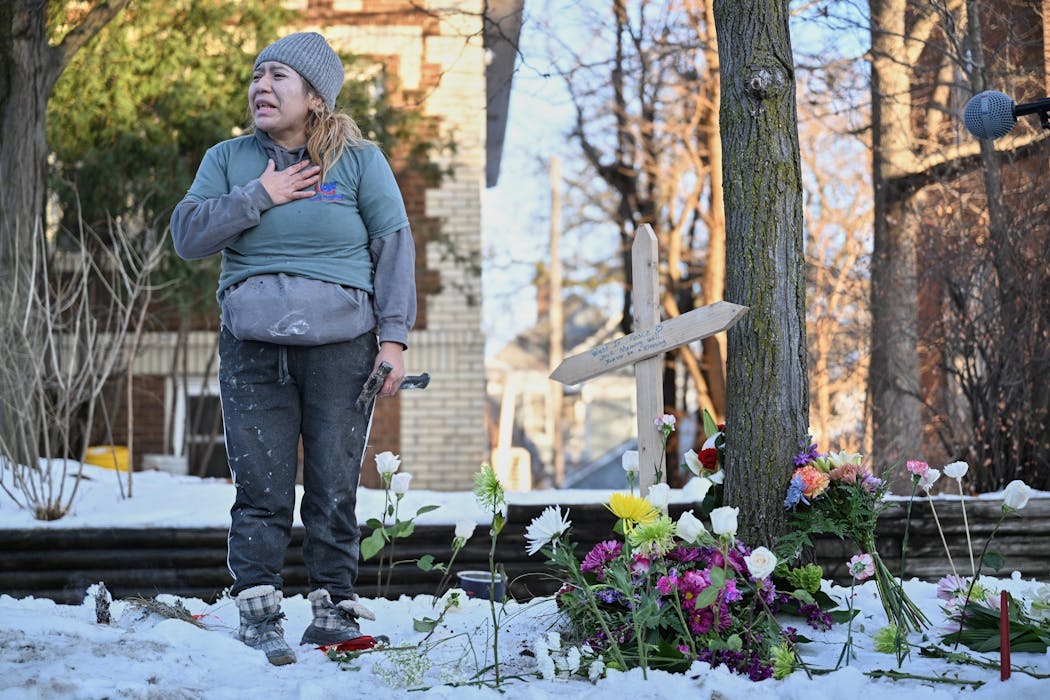
A protester stands near a makeshift memorial honoring Renee Nicole Good, the victim of a fatal shooting in Minneapolis involving federal law enforcement agents. AP Photo/Tom Baker

Minneapolis is once again the focus of debates about violence involving law enforcement after an Immigration and Customs Enforcement officer shot and killed Renee Nicole Good, a 37-year-old mother, in her car.

The incident quickly prompted dueling narratives. Trump administration officials defended the shooting as justified, while local officials condemned it.

The shooting will also likely prompt renewed scrutiny of training and policy of officers and the question of them shooting at moving vehicles. There has been a recent trend in law enforcement toward policies that prohibit such shootings. It is a policy shift that has shown promise in saving lives.

Decades ago, the New York City Police Department prohibited its officers from shooting at moving vehicles. That led to a drop in police killings without putting officers in greater danger.

Debates over deadly force are often contentious, but as I note in my research on police ethics and policy, for the most part there is consensus on one point: Policing should reflect a commitment to valuing human life and prioritizing its protection. Many use-of-force policies adopted by police departments endorse that principle.

Yet, as in Minneapolis, controversial law enforcement killings continue to occur. Not all agencies have implemented prohibitions on shooting at vehicles. Even in agencies that have, some policies are weak or ambiguous.

In addition, explicit prohibitions on shooting at vehicles are largely absent from the law, which means that officers responsible for fatal shootings of drivers that appear to violate departmental policies still often escape criminal penalties.

In the case of ICE, which is part of the Department of Homeland Security, its policy on shooting at moving vehicles – unlike that of many police agencies – lacks a clear instruction for officers to get out of the way of moving vehicles where feasible. It’s an omission at odds with generally recognized best practices in policing.

ICE’s policy on shooting at moving vehicles

ICE’s current use-of-force policy prohibits its officers from “discharging firearms at the operator of a moving vehicle” unless it is necessary to stop a grave threat. The policy is explicit that deadly force should not be used “solely to prevent the escape of a fleeing suspect.”

That point is relevant for evaluating the fatal shooting in Minneapolis. Videos show one officer trying to open the door of the vehicle that Good was driving, while another officer appears to be in front of the vehicle as she tried to pull away.

Kristi Noem, the Homeland Security secretary, stands behind a podium at a news conference.
Homeland Security Secretary Kristi Noem said that an ICE officer ‘feared for his life’ before shooting a woman in Minneapolis.
AP/Yuki Iwamura

Shooting to prevent the driver simply from getting away would have been in violation of agency policy and obviously inconsistent with prioritizing the protection of life.

ICE’s policy lacks clear instruction, however, for its officers to get out of the way of moving vehicles where feasible. In contrast, the Department of Justice’s use-of-force policy makes it explicit that officers should not shoot at a vehicle if they can protect themselves by “moving out of the path of the vehicle.”

Notably, President Joe Biden issued an executive order in 2022 requiring federal law enforcement agencies – like ICE – to adopt use-of-force policies “that are equivalent to, or exceed, the requirements” of the Department of Justice’s policy.

Despite that order, the provision to step out of the way of moving cars never made it into the use-of-force policy that applies to ICE.

The rationale for not shooting at moving vehicles

Prioritizing the protection of life doesn’t rule out deadly force. Sometimes such force is necessary to protect lives from a grave threat, such as an active shooter. But it does rule out using deadly force when less harmful tactics can stop a threat. In such cases, deadly force is unnecessary – a key consideration in law and ethics that can render force unjustified.

That’s the concern involved with police shooting at moving vehicles. It often is not necessary because officers have a less harmful option to avoid a moving vehicle’s threat: stepping out of the way.

This guidance has the safety of both suspects and police in mind. Obviously, police not shooting lowers the risk of harm to the suspect. But it also lowers the risk to the officer in the vast majority of cases because of the laws of physics. If you shoot the driver of a car barreling toward you, that rarely brings a car to an immediate stop, and the vehicle often continues on its path.

Many police departments have incorporated these insights into their policies. A recent analysis of police department policies in the 100 largest U.S. cities found that close to three-quarters of them have prohibitions against shooting at moving vehicles.

The gap between policy and best practices for protecting life

The shooting in Minneapolis serves as a stark reminder of the stubborn gap that often persists between law and policy on the one hand and best law enforcement practices for protecting life on the other. When steps are taken to close that gap, however, they can have a meaningful impact.

Blendon Township, Ohio, police officer Connor Grubb greets a family member after being found not guilty at a Columbus courthouse.
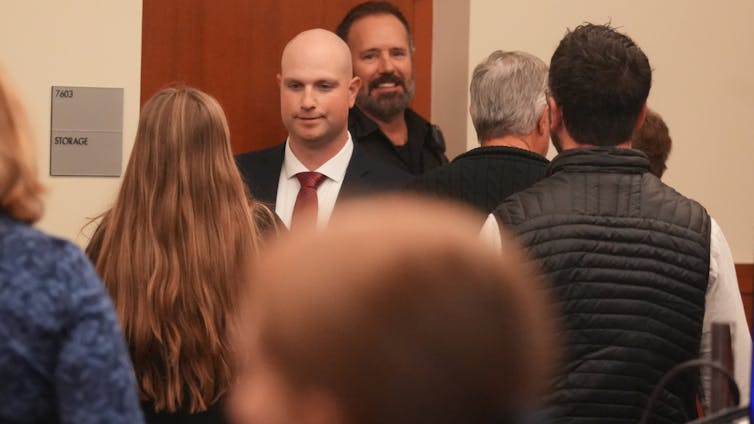
Connor Grubb, a police officer in Blendon Township, Ohio, was acquitted in November of charges stemming from a killing that involved a pregnant woman fleeing in a car.
Doral Chenoweth/AP

Some of the most compelling examples involve local, state and federal measures that reinforce one another. Consider the “fleeing felon rule,” which used to allow police to shoot a fleeing felony suspect to prevent their escape even when the suspect posed no danger to others.

That rule was at odds with the doctrine of prioritizing the protection of life, leading some departments to revise their use-of-force policies and some states to ban the rule. In 1985, the U.S. Supreme Court ruled that it was unconstitutional for police to shoot a fleeing suspect who was not a danger.

Banning that questionable tactic notably led to a reduction in killings by police.

This history suggests that clear bans in law and policy on questionable tactics have the potential to save lives, while also strengthening the means for holding officers accountable.

The Conversation

Ben Jones does not work for, consult, own shares in or receive funding from any company or organization that would benefit from this article, and has disclosed no relevant affiliations beyond their academic appointment.

ref. ICE killing of driver in Minneapolis involved tactics many police departments warn against − but not ICE itself – https://theconversation.com/ice-killing-of-driver-in-minneapolis-involved-tactics-many-police-departments-warn-against-but-not-ice-itself-271907

Blue Monday is a myth but the winter blues are real — how to cope in the cold months

Source: The Conversation – Canada – By Joanna Pozzulo, Chancellor’s Professor, Psychology, Carleton University

In 2005, psychologist Cliff Arnall coined the term “Blue Monday” as part of a marketing campaign for a British travel agency to encourage people to book a holiday during the winter. Using a pseudo-scientific formula, the third Monday in January was determined to be the “bluest” day of the year, marked by sadness, low energy and withdrawal from social interaction.

Although Blue Monday has been debunked, the feelings associated with a colder, darker season are real.

Seasonal affective disorder (SAD) is a recognized form of depression connected to seasonal variation, with symptoms such as fatigue, irritability, appetite changes, loss of interest in pleasurable activities and feelings of hopelessness. According to the Canadian Psychological Association, approximately 15 per cent of Canadians report at least some symptoms of SAD.

It’s believed that the disorder may be connected to decreased exposure to sunlight, which in turn disrupts people’s circadian rhythms — the internal clock that co-ordinates our biological processes such as sleep and hormone production.

We can’t dictate when the sun shines, but there are several evidence-based strategies to support “wintering well.” For example, creating a cozy reading nook equipped with a warm blanket, hot chocolate and a good book provides a dedicated space for self-care that promotes relaxation. It also helps with mindfulness, which involves focusing your attention on the present and accepting your thoughts and feelings without judgment.

Why mindset and expectations matter

According to Kari Leibowitz, psychologist and author of How to Winter: Harness Your Mindset to Thrive on Cold, Dark Days, the key to better wintering is reframing — changing one’s perspective to find a more positive, constructive or empowering interpretation of the situation.

Cultures that thrive in winter anticipate it, considering it meaningful. Reframing the season as something to look forward to can raise morale.

Try replacing negative language about winter as something to be dreaded or endured with more appreciative language. For example, winter can provide an opportunity to rest and recharge. By adopting a positive mindset, overall well-being may improve.

The benefits of winter outdoor activity

Spending time outdoors can lift the spirit and boost energy. And although winter has fewer hours of daylight, it is important to take advantage of them. Spend some time outside in the late morning and early afternoon, when natural light tends to peak.

Winter weather, however, can make outdoor activity unappealing. Cold and icy conditions can even be hazardous to health. Cold weather can increase the risk of cardiovascular events by constricting blood vessels and raising blood pressure.

To spend time outdoors safely, invest in appropriate clothing suited to the temperature. On colder days, engage in light activity such as walking and keep outdoor stints short (about 15 minutes).

What hygge can teach about slowing down

Hygge is a Danish and Norwegian word dating back to the 1800s used to denote the concept of enjoying a slower-paced life while connecting with people you care about.

Hygge is often associated with creating a pleasant environment, such as lighting candles or staying warm by a fire, to foster positiveness.

When indoors, sit near windows to work or read. Consider increasing indoor lighting brightness. Use light bulbs rated as “daylight,” and think about adding lamps to supplement overhead lighting. This can increase serotonin to improve mood and help regulate circadian rhythms that in turn can support improved sleep quality, energy and focus.

Hygge-type activities, like knitting, colouring and playing board games, can support overall well-being. Enjoying simple meals with others or spending quiet time alone in nature are also ways to embrace the season.


Read more:
4 research-backed ways to beat the winter blues in the colder months


Listening to seasonal changes and self-care

Winter is a natural time to slow down, rest and restore, as evidenced by bears hibernating and bumblebees going underground to survive. Use this time to prepare for a more active upcoming season.

To take advantage of the slower pace of the season, reduce over-scheduling when possible. Adjust sleep routines to suit individual needs. Enjoy quieter evenings and earlier bedtimes. Accept that lower energy levels are normal in winter and that the season offers an opportunity to do less without guilt.

Spending more time indoors during the winter provides an opportunity to reconnect with hobbies and activities that have brought you joy in the past. For example, doing puzzles can provide a break from screens, which can decrease stress. Reading a good book can also provide a mental escape, allowing people to disconnect from worries. Creative activities such as baking can encourage a sense of purpose.

Choosing activities that are enjoyable and meaningful offers the greatest benefits for overall well-being. For more evidence-based strategies and book recommendations, join my Reading for Well-Being Community Book Club.

The Conversation

Joanna Pozzulo receives funding from Social Sciences and Humanities Research Council.

ref. Blue Monday is a myth but the winter blues are real — how to cope in the cold months – https://theconversation.com/blue-monday-is-a-myth-but-the-winter-blues-are-real-how-to-cope-in-the-cold-months-272882

I served on the expert committee that advised the government on new dietary guidelines – most of our recommendations were ignored

Source: The Conversation – USA (3) – By Cristina Palacios, Professor and Chair of Dietetics and Nutrition, Florida International University

The Dietary Guidelines for Americans shape nutrition policy in the U.S. and abroad. Liudmila Chernetska/iStock via Getty Images Plus

Every five years, the U.S. government releases an updated set of recommendations on healthy eating. This document, called the Dietary Guidelines for Americans, has served as the cornerstone of nutrition policy for almost half a century.

On Jan. 7, 2026, the Department of Health and Human Services and the Department of Agriculture released the 2025-2030 edition of the guidelines. The updated guidelines recommend that people consume more protein and fat, and less ultraprocessed foods.

These guidelines are the foundation for governmental nutritional programs – for example, they are used to determine which foods are covered by the Supplemental Nutrition Assistance Program, or SNAP, as well as how school lunches are prepared. Eldercare centers and child care centers use them when providing meals, as do clinical nutritionists working with patients to help them achieve a healthy diet. And because the guidelines are so scientifically rigorous, many countries around the world base their own nutritional guidelines on them.

I’m a nutrition scientist specializing in developing interventions for preventing obesity. Between 2022 and 2024 I served on the scientific advisory committee tasked with assessing the best available evidence on a wide range of topics in nutrition in order to inform federal officials in updating the guidelines.

But most of the committee’s recommendations were ignored in developing the latest dietary guidelines.

On the surface, these guidelines share a lot of similarities with the previous version, published in 2020, but they also have a few important differences. In my view, however, irregularities in the process the government followed raise questions about the guidfelines’ final conclusions.

Grocery store shelves laden with packaged foods
Previous versions of the Dietary Guidelines for Americans have not referred to ultraprocessed foods by name, but mounting evidence links consuming such foods with chronic diseases.
Noel Hendrickson/Stone via Getty Images

How are the Dietary Guidelines for Americans developed?

For each update, HHS and USDA establish a scientific advisory committee like the one I served on. Members with expertise in different aspects of nutrition are carefully selected and vetted. They then spend two years reviewing the latest scientific studies to assess evidence about specific nutrition-related questions – such as the relationship between saturated fats in foods and cardiovascular disease and what strategies are most effective for weight management.

For each question, the committee first prepares a protocol to answer it, identifies the most rigorous studies and synthesizes its findings, discussing the evidence extensively. It then produces specific recommendations about the topic for the HHS and USDA. At each step, the public and the scientific community are invited to provide comments, which the committee considers.

All this scientific information is put together in a massive report, which the federal agencies then use to create the updated guidelines, translating the expert recommendations for the public and health professionals.

A departure from the norm

The advisory committee I served on functioned as usual – our report was published in December 2024.

But the dietary guidelines released on Jan. 7 were mainly not based on that report. Instead, they were based on a different scientific report that was also published on Jan. 7. That report drew some material from ours but went through a completely different process.

It was created by a group of people who were not vetted in the usual way, and although they repeated some of the same questions we did, they also explored other topics that were chosen with no input from the wider community of nutrition researchers or from the public. It was not based on a publicly available protocol, with no input from the scientific community, and it’s unclear how and to what degree it was peer-reviewed.

Essentially, the updated dietary guidelines were developed through a shadow process that bypassed the established methodology that’s been used to assess nutrition science behind the guidelines for many years.

What’s new in the 2025-2030 guidelines

Many of the recommendations in the 2020 guidelines and the ones released on Jan. 7 are broadly the same: that Americans should consume three servings of vegetables, two servings of fruits and three servings of dairy products per day, as well as replacing refined grains with whole grains, and limiting intake of sugar and sodium.

The main differences relate to recommendations about protein and dairy products.

The 2020 guidelines recommended that Americans focus on protein such as poultry and other lean meats, seafood, eggs, legumes, nuts and seeds. The updated version instead emphasizes eating protein at every meal from different protein sources – not specifically lean ones.

The most recent guidelines also recommend a higher amount of protein – specifically 1.2 to 1.6 grams of protein per kilogram of body weight per day, up from 0.8 grams per kilogram of body weight recommended in the Dietary Reference Intakes for the U.S, the official guidelines for nutrient recommendations. Recommending a higher protein intake goes beyond the mission of the dietary guidelines.

Also, the updated dietary guidelines now recommend full-fat dairy products, rather than low-fat ones as they did previously. But in my view, this recommendation isn’t practical, because it doesn’t raise the level of recommended saturated fat, which remains at 10%. To understand how this would work in practice, I roughly translated these recommendations into a typical menu based on my weight and calorie requirements. These changes would raise my saturated fat consumption well above this limit, so the messages are inconsistent.

The 2025-2030 Dietary Guidelines for Americans recommend more protein and suggest consuming full-fat rather than low-fat dairy – a departure from previous versions.

Naming ultraprocessed foods

Another difference is that the new recommendations specifically call out avoiding ultraprocessed foods. The previous guidelines did not explicitly name ultraprocessed foods but instead recommended consuming nutrient-dense foods, which means foods that have a lot of nutrients while also having relatively few calories. That is, in essence, less processed or whole foods.

Food scientists still lack a solid definition of ultraprocessed foods. Our committee actually spent a long time discussing this, and the Food and Drug Administration is currently working on creating a clear definition of the term that can guide research and policy.

Also, solid research on ultraprocessed foods has been limited. Most studies available for our review took a snapshot of people’s eating habits but didn’t track their effects over a long time or compare groups in randomized controlled trials, the gold-standard research method.

That’s changing, however. The committee did its assessment two years ago, but evidence linking ultraprocessed foods to chronic diseases is getting stronger.

Can Americans trust the science behind the 2025-2030 guidelines?

In my view, some of the changes in the 2025-2030 guidelines, such as limiting ultraprocessed foods, are beneficial. But the problem is that it’s not possible to determine whether the necessary scientific rigor was applied in developing them.

Much of the research on saturated fat consumption is still unsettled and controversial. That’s why it’s important to have a systematic and transparent process for evaluating the research, with input from experts with multiple perspectives who review the entire body of research published about a particular topic.

If you don’t do it properly, you can select the evidence that you prefer. That makes it easy for bias to creep in.

The Conversation

Cristina Palacios has received funding from NIH, USDA, RCMI and RTRN, the Robert Wood Johnson Foundation, the Children’s Trust, Caplan Foundation, and National Dairy Council for various research projects. She was part of the 2025 Dietary Guidelines Advisory Committee from 2022-2024. She has also been a consultant for the World Health Organization in several of their guidelines. Currently, she is part of the Scientific Advisory Committee for the Latin American Dairy Nutrition Congress.

ref. I served on the expert committee that advised the government on new dietary guidelines – most of our recommendations were ignored – https://theconversation.com/i-served-on-the-expert-committee-that-advised-the-government-on-new-dietary-guidelines-most-of-our-recommendations-were-ignored-272990

The western US is in a snow drought, and storms have been making it worse

Source: The Conversation – USA (2) – By Alejandro N. Flores, Associate Professor of Geoscience, Boise State University

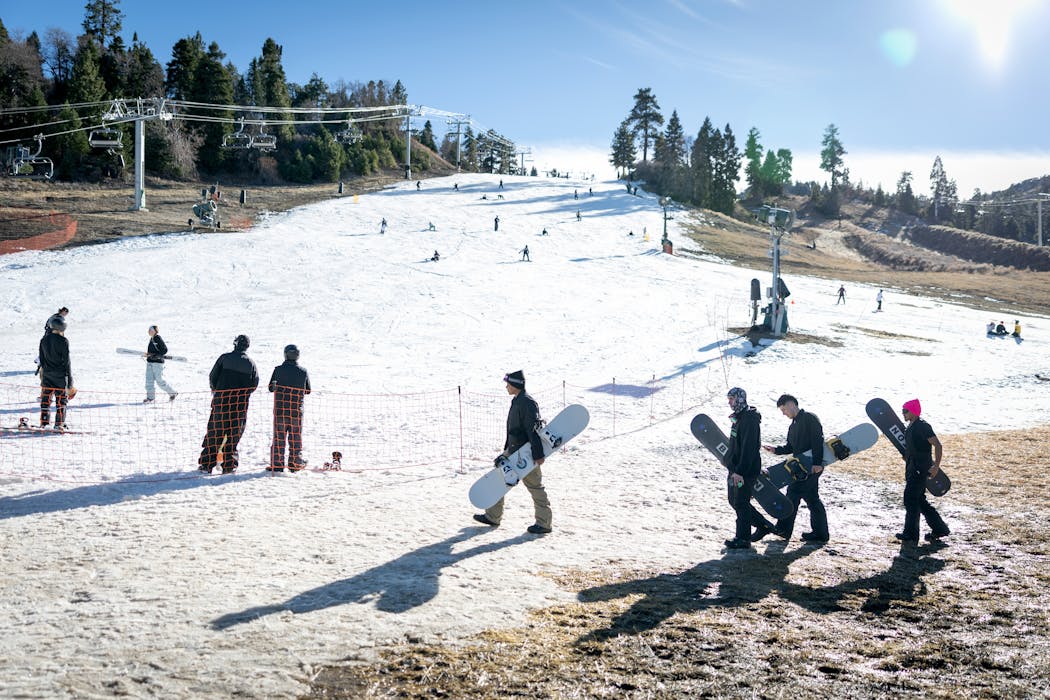
Skiers and snowboarders walk across dry ground to reach a slope at Bear Mountain ski resort on Dec. 21, 2025, in California. Eric Thayer/Los Angeles Times via Getty Images

Much of the western U.S. has started 2026 in the midst of a snow drought. That might sound surprising, given the record precipitation from atmospheric rivers hitting the region in recent weeks, but those storms were actually part of the problem.

To understand this year’s snow drought – and why conditions like this are a growing concern for western water supplies – let’s look at what a snow drought is and what happened when atmospheric river storms arrived in December.

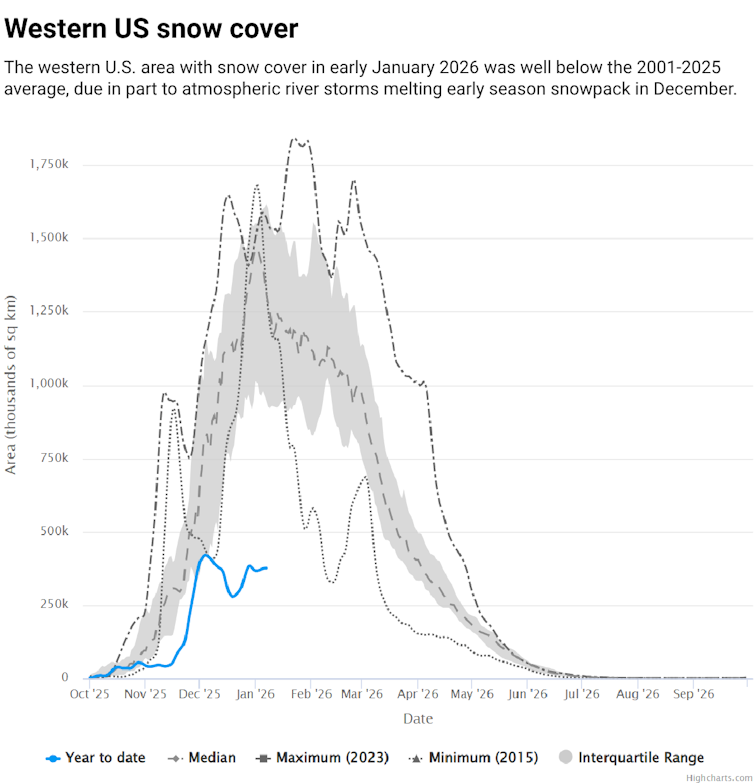
A chart shows very low snowpack in 2025 compared to average.

Chart source: Rittiger, K., et al., 2026, National Snow and Ice Data Center

What is a snow drought?

Typically, hydrologists like me measure the snowpack by the amount of water it contains. When the snowpack’s water content is low compared with historical conditions, you’re looking at a snow drought.

A snow drought can delayed ski slope opening dates and cause poor early winter recreation conditions.

It can also create water supply problems the following summer. The West’s mountain snowpack has historically been a dependable natural reservoir of water, providing fresh water to downstream farms, orchards and cities as it slowly melts. The U.S. Geological Survey estimates that up to 75% of the region’s annual water supply depends on snowmelt.

A map shows much of the West, with the exception of the southern Sierra Nevada and northern Rockies, with snowpack less than 50% of normal.
Snowpack is typically measured by the amount of water it contains, or snow water equivalent. The numbers show each location’s snowpack compared to its average for the date. While still early, much of the West was in snow drought as 2026 began.
Natural Resources Conservation Service

Snow drought is different from other types of drought because its defining characteristic is lack of water in a specific form – snow – but not necessarily the lack of water, per se. A region can be in a snow drought during times of normal or even above-normal precipitation if temperatures are warm enough that precipitation falls as rain when snow would normally be expected.

This form of snow drought – known as a warm snow drought – is becoming more prevalent as the climate warms, and it’s what parts of the West have been seeing so far this winter.

How an atmospheric river worsened the snow drought

Washington state saw the risks in early December 2025 when a major atmospheric river storm dumped record precipitation in parts of the Pacific Northwest. Up to 24 inches fell in the Cascade Mountains between Dec. 1 and Dec. 15. The Center for Western Weather and Water Extremes at Scripps Oceanographic Institute documented reports of flooding, landslides and damage to several highways that could take months to repair. Five stream gauges in the region reached record flood levels, and 16 others exceeded “major flood” status.

Yet, the storm paradoxically left the region’s water supplies worse off in its wake.

The reason was the double-whammy nature of the event: a large, mostly rainstorm occurring against the backdrop of an uncharacteristically warm autumn across the western U.S.

Water fills a street over the wheels of cars next to a river.
Vehicles were stranded as floodwater in a swollen river broke a levee in Pacific, Wash., in December 2025.
Brandon Bell/Getty Images

Atmospheric rivers act like a conveyor belt, carrying water from warm, tropical regions. The December storm and the region’s warm temperatures conspired to produce a large rainfall event, with snow mostly limited to areas above 9,000 feet in elevation, according to data from the Center for Western Weather and Water Extremes.

The rainfall melted a significant amount of snow in mountain watersheds, which contributed to the flooding in Washington state. The melting also decreased the amount of water stored in the snowpack by about 50% in the Yakima River Basin over the course of that event.

As global temperatures rise, forecasters expect to see more precipitation falling as rain in the late fall and early spring rather than snow compared with the past. This rain can melt existing snow, contributing to snow drought as well as flooding and landslides.

What’s ahead

Fortunately, it’s still early in the 2026 winter season. The West’s major snow accumulation months are generally from now until March, and the western snowpack could recover.

More snow has since fallen in the Yakima River Basin, which has made up the snow water storage it lost during the December storm, although it was still well below historical norms in early January 2026.

Scientists and water resource managers are working on ways to better predict snow drought and its effects several weeks to months ahead. Researchers are also seeking to better understand how individual storms produce rain and snow so that we can improve snowpack forecasting – a theme of recent work by my research group.

As temperatures warm and snow droughts become more common, this research will be essential to help water resources managers, winter sports industries and everyone else who relies on snow to prepare for the future.

The Conversation

Alejandro N. Flores receives funding from the National Science Foundation, US Department of Energy, NASA, USDA Agricultural Research Service, and Henry’s Fork Foundation.

ref. The western US is in a snow drought, and storms have been making it worse – https://theconversation.com/the-western-us-is-in-a-snow-drought-and-storms-have-been-making-it-worse-272549

How online communities are helping women stay in the skilled trades

Source: The Conversation – Canada – By Daniela Gatti, PhD Student, Centre of Industrial Relations and Human Resources, University of Toronto

Canada is facing a significant demographic challenge. Between 2019 and 2028, approximately 700,000 skilled trades workers are expected to retire, leaving a major gap in the future workforce.

Governments have responded with more investments to increase interest in the skilled trades and support training, including a recent announcement by the Ontario government to invest $2.6 million in Skills Ontario.

Canada needs more people in the skilled trades, especially women. Yet despite many recruitment efforts, women remain significantly underrepresented in the skilled trades. Only 7.9 per cent of skilled trades workers are women in Canada.

Our recent research shows that the problem is not only whether women are interested in entering the skilled trades, but if they’re able to remain once they do.

A double stigma on the job

Women who enter the trades face a double stigma. Trades work is often socially devalued. At the same time, women must work as minorities in workplaces shaped by masculine norms.

While the skilled trades offer financial independence and meaningful work, the reality is that many environments are hostile to women. The double stigma appears in daily interactions that question a woman’s competence and professional identity. To survive this double burden, women are building vital support in an unexpected place: online communities.

In our interviews with women across Canada working in electrical, carpentry and plumbing trades, participants described feeling very isolated. Many were the only woman on their job site.

This isolation often led to exclusion, scrutiny and harassment. One licensed electrician described keeping a running list of who she was mistaken for on-site, including “the carpenter’s wife,” “the painter,” and “the cleaning lady,” rather than being recognized as a professional.

Lack of support beyond the job site

Our research found this isolation often extended beyond the workplace. Family and friends, who should be a key source of career support, were often unsupportive. Participants described that personal networks questioned the legitimacy of their career choices or treated their work as temporary.

Several participants shared that family members viewed their career choice as a “waste” of potential. Parents expressed disappointment that they had not pursued university degrees or traditional office-based careers.

One participant noted that her parents’ disappointment was rooted in a mentality that viewed office work as the only measure of success. Others intentionally delayed telling their parents of their new jobs as trades apprentices because they assumed their families would be disappointed.

Even within the industry, potential role models sometimes reinforced these beliefs. One apprentice described meeting a female instructor who advised her: “Don’t wear pink…just keep your mouth shut.” Another participant was discouraged by her instructor from attending a women-in-trades conference, implying it would be a poor career move and would draw unwanted attention.

Turning to digital communities

When in-person support systems failed, many women turned to the digital world. Our research found that private online groups, particularly on Facebook and LinkedIn, have become essential spaces for building the support needed to remain in the trades.

These online communities offer something job sites often cannot: anonymity and psychological safety. In these spaces, women can ask technical questions, seek advice about workplace dynamics and share experiences without fear of being labelled incompetent or unprofessional. This safety allows them to access knowledge that would otherwise remain closed to them.

Crucially, these platforms provide validation. When women experience harassment or toxic behaviour, online communities help them distinguish between normal industry hardships and unacceptable abuse.

One participant described posting in a group about a supervisor’s behaviour. The group confirmed the situation was toxic and immediately shared job postings to help her exit that specific workplace while remaining in the industry in her city. This intervention directly aided her in her decision to remain in the industry.

Despite persistent stigma, participants found meaning in their work. Many described satisfaction in producing tangible results and valued the physical nature of their labour. For some, the trades offered an escape from unfulfilling desk jobs and a pathway to financial stability that justified enduring difficult environments.

However, staying requires resilience. Women often succeed by learning how to endure repeated barriers. Online groups provide the emotional fuel for this resilience. They gave women space to recharge in a safe environment before returning to the job site.

Why retention matters

If Canada hopes to replace the 700,000 tradespeople expected to retire this decade, focusing on recruitment is not enough. While attracting new workers is essential, retention is equally critical, particularly for women, who continue to face unique barriers that push them out of the trades prematurely.

Employers and policymakers need to recognize that the informal networks that have long supported men in the trades often exclude women, particularly those without generational ties to the industry. Without these networks, women can struggle to access critical knowledge, guidance and opportunities for professional growth.

In the absence of these networks, digital communities have emerged as a low-cost, high-impact solution. By acknowledging the value of these networks and integrating them into training, mentorship and support programs, the skilled trades can begin to address the double stigma women face, and create conditions that will help women to stay in the field.

The Conversation

Daniela Gatti receives funding from the Social Sciences and Humanities Research Council of Canada (SSHRC).

Mark Julien does not work for, consult, own shares in or receive funding from any company or organisation that would benefit from this article, and has disclosed no relevant affiliations beyond their academic appointment.

ref. How online communities are helping women stay in the skilled trades – https://theconversation.com/how-online-communities-are-helping-women-stay-in-the-skilled-trades-272554

Syrie : comment les petites entreprises ont survécu à la guerre en bâtissant une économie parallèle

Source: The Conversation – in French – By Mohamad Fadl Harake, Docteur en Sciences de Gestion, Chercheur en Management Public Post-conflit, Université de Poitiers

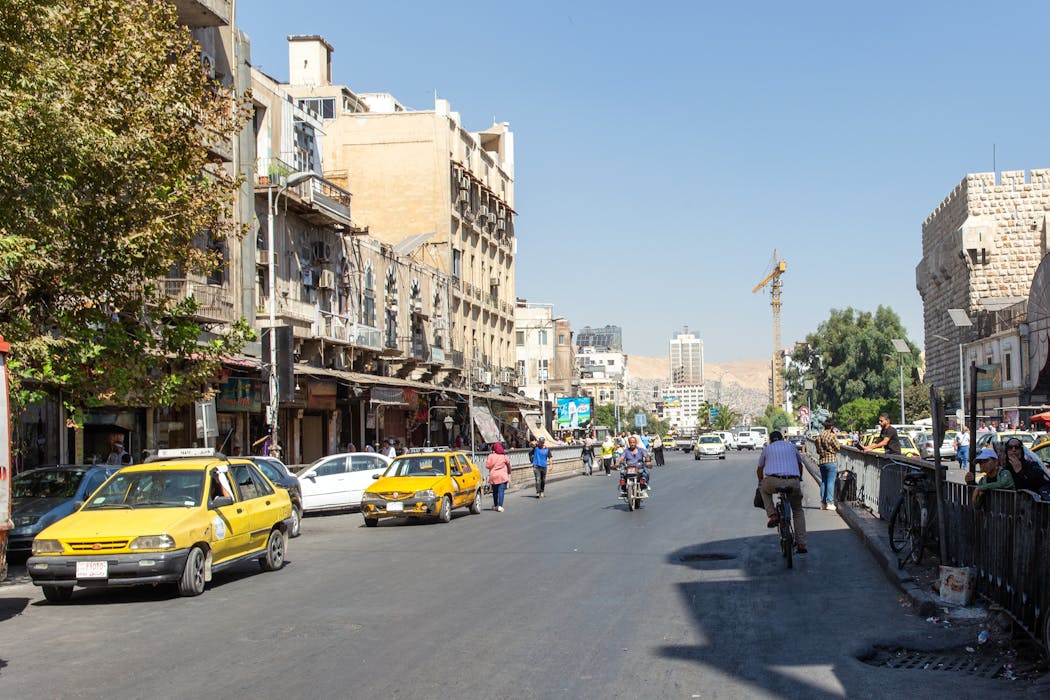
Pour survivre, les petites entreprises syriennes ont dû accepter de travailler avec toutes les autorités en place, que ce soit le régime de Bachar Al-Assad, l’État islamique ou les groupes d’opposition. Arteventet/Shutterstock

Même lorsqu’un pays est en guerre, que les institutions s’effondrent, que les groupes armés sèment la terreur, les entreprises de moins de 250 salariés jouent un rôle essentiel pour maintenir une activité économique minimale. Explication avec l’exemple syrien.


Pendant la guerre en Syrie, certaines petites entreprises ont dû payer des taxes au régime, négocier leur passage avec des groupes armés d’opposition, respecter les règles économiques de l’Organisation de l’État islamique, et s’appuyer sur des réseaux au Liban, en Irak ou en Jordanie.

Cette expérience met en lumière une réalité souvent négligée : lorsque l’État s’effondre, les acteurs économiques les plus modestes empêchent la société de s’arrêter complètement.

Contrairement à l’idée d’un pays économiquement à l’arrêt, la Syrie a vu émerger une économie parallèle, portée principalement par des petites et moyennes entreprises (PME) – de moins de 250 personnes et avec un chiffre d’affaires annuel n’excédant pas 50 millions de livres syriennes (SYP). Si cette économie n’était pas reconnue par les institutions officielles, elle était suffisamment organisée pour assurer la survie quotidienne de millions de Syriens et Syriennes.

Quand l’État disparaît, le marché se fragmente

À partir de 2012, la Syrie cesse de fonctionner comme un espace économique unifié. Le territoire se fragmente entre plusieurs autorités concurrentes : le régime syrien, différents groupes d’opposition armée, l’État islamique, les autorités kurdes et, en arrière-plan, les pays voisins. Dans ce contexte, le marché national se désagrège avec des routes coupées, des banques à l’arrêt et des contrats sans valeur juridique.

Selon la Banque mondiale, plus de la moitié des infrastructures économiques ont été détruites ou gravement endommagées.

Pourtant, les petites entreprises, comme les ateliers, les commerces, les transports ou les productions alimentaires, ont continué de fonctionner. Leur taille réduite et leur fort ancrage local leur ont permis de s’adapter à un environnement instable. Dans les contextes de conflit, ces entreprises jouent un rôle essentiel pour maintenir une activité économique minimale et aider les ménages à continuer de vivre.

Régime syrien, groupes d’opposition armés et État islamique

Pour survivre, ces petites et moyennes entreprises syriennes ont dû accepter une règle simple : travailler avec toutes les autorités en place, quelles qu’elles soient.

Avec le régime syrien

Dans les zones contrôlées alors par le régime de Bachar Al-Assad, les entreprises devaient obtenir des autorisations informelles, payer des taxes non officielles ou passer par des intermédiaires proches du pouvoir pour poursuivre leurs activités.

Ces pratiques, y compris des versements de pots-de-vin, symbolisent les défis auxquels font face ces petites et moyennes entreprises.


À lire aussi :
La Syrie en transition… mais quelle transition ?


Avec les groupes d’opposition

Dans d’autres régions, les entreprises devaient payer des rétributions pour sécuriser leurs convois, négocier l’accès aux routes ou accepter des contrôles locaux afin d’éviter pillages et blocages. Dans les zones tenues par des groupes rebelles, cela passait parfois par des interactions économiques directes avec ces forces armées.

Dans les zones non contrôlées par l’État central, ces arrangements deviennent des conditions de fait pour maintenir une activité commerciale. Les acteurs économiques doivent payer des frais de passage imposés par des groupes armés.

Avec l’État islamique

Dans les zones contrôlées par l’État islamique, les règles économiques étaient strictes. L’organisation imposait des taxes obligatoires aux commerces et aux activités de production, contrôlait la circulation des marchandises et appliquait des sanctions sévères en cas de non-respect. Refuser de coopérer signifiait le plus souvent la perte de l’activité, voire des représailles.

Des analyses montrent que ce système de taxation et de contrôle économique constituait l’un des piliers du mode de gouvernance mis en place par l’État islamique dans les territoires syriens qu’il contrôlait.

Les pays voisins, prolongement de l’économie syrienne

Privées d’un système bancaire fonctionnel, de nombreuses petites entreprises syriennes se sont tournées vers les pays voisins.

Le Liban est devenu un point central pour les transferts financiers informels, la Jordanie, un espace d’approvisionnement relativement stable, et l’Irak un corridor essentiel pour le transport de marchandises. Dans ce contexte, les frontières ont cessé d’être de simples lignes de séparation pour devenir des espaces clés de l’économie syrienne.

La diaspora syrienne a joué un rôle central dans ces échanges, en finançant des activités locales et en sécurisant les transactions lorsque les institutions officielles faisaient défaut.

Une économie parallèle fondée sur la confiance

Cette économie n’était pas légale au sens strict, mais elle reposait sur des règles claires.

Lorsque les institutions disparaissent, la confiance ne s’évanouit pas, elle se déplace. Elle s’ancre dans la famille, les réseaux locaux, la réputation et la parole donnée. Les accords se concluent alors sans contrat écrit et, paradoxalement, ils sont respectés, car la survie collective en dépend.

De nombreux travaux sur les économies de guerre et les contextes de fragilité montrent que ces systèmes informels peuvent, dans certaines situations, s’avérer plus fiables que des institutions affaiblies ou absentes.

S’adapter en permanence pour ne pas disparaître

Faute de pouvoir investir ou planifier à long terme, les petites entreprises syriennes ont privilégié la réparation plutôt que le remplacement, l’utilisation d’un même atelier pour produire différents biens, le changement de fournisseurs ou d’itinéraires du jour au lendemain et la limitation de leurs stocks pour réduire les pertes en cas de rupture.

Privées d’accès au crédit, aux marchés extérieurs et à des infrastructures fiables, les entreprises syriennes ont ajusté leurs activités pour continuer à fonctionner.

Chaque décision devenait un calcul permanent du risque : quel trajet est le moins dangereux ? Qui faut-il payer pour passer ? Quelle perte peut être absorbée sans mettre l’entreprise en faillite ?

Réduire la dépendance à l’aide humanitaire

Cette économie parallèle a permis l’accès à des biens essentiels, contribué à la survie de millions de familles et maintenu un minimum d’activité économique dans un pays en guerre. En limitant l’effondrement total des circuits d’échange, elle a réduit, dans certains territoires, la dépendance exclusive à l’aide humanitaire.

Les organisations humanitaires elles-mêmes ont dû composer avec ces réseaux informels pour atteindre les populations et acheminer biens et services de première nécessité.

Un héritage difficile à intégrer

Aujourd’hui, une question centrale se pose : comment reconstruire une économie officielle sans fragiliser les mécanismes qui ont permis à la société de tenir pendant la guerre ?

Car les petites et moyennes entreprises syriennes abordent les institutions avec prudence, tout en restant dépendantes de relations régionales construites pendant le conflit. Réintégrer ces entreprises dans un cadre légal sans rompre ces équilibres constitue l’un des défis majeurs de la reconstruction économique de la Syrie.

Ancrées dans les communautés locales, ces entreprises jouent un rôle social majeur. Elles maintiennent des formes de solidarité économique, offrent des opportunités d’emploi aux femmes et aux jeunes et contribuent, dans certains secteurs, à la préservation d’activités artisanales et agricoles.

Au-delà du cas syrien, cette trajectoire rappelle que, dans les crises extrêmes, la résilience des sociétés repose souvent sur des acteurs invisibles : les petites entreprises, capables de faire tenir l’économie quand tout le reste vacille.

The Conversation

Mohamad Fadl Harake ne travaille pas, ne conseille pas, ne possède pas de parts, ne reçoit pas de fonds d’une organisation qui pourrait tirer profit de cet article, et n’a déclaré aucune autre affiliation que son organisme de recherche.

ref. Syrie : comment les petites entreprises ont survécu à la guerre en bâtissant une économie parallèle – https://theconversation.com/syrie-comment-les-petites-entreprises-ont-survecu-a-la-guerre-en-batissant-une-economie-parallele-271042

Dermatose nodulaire contagieuse : les vétérinaires victimes d’une épidémie de désinformation

Source: The Conversation – in French – By Jeanne Brugère-Picoux, Professeur honoraire agrégée de pathologie du bétail à l’École nationale vétérinaire d’Alfort, Président honoraire de l’Académie vétérinaire de France (2012), Académie nationale de médecine, Académie vétérinaire de France

Arrivée en France en juin 2025, la dermatose nodulaire contagieuse (DNC) a rapidement fait l’objet de mesures sanitaires qui ont permis d’éradiquer le virus dans certaines régions. Mais la crise agricole qui a suivi a vu émerger une contestation inédite, nourrie par des fausses informations et des remises en cause du rôle des vétérinaires. Dans ce texte, la profession appelle à un « droit de véto » contre la désinformation.


La dermatose nodulaire contagieuse (DNC) a atteint la France en Savoie le 29 juin 2025 à la suite de l’introduction d’un bovin infecté venant d’Italie. La France métropolitaine étant alors indemne de la DNC, la réglementation européenne prévue (dépeuplement total, vaccination d’urgence au sein des zones réglementées (ZR) – instaurées par arrêté préfectoral, limitation des mouvements des bovins…] a été mise en place, ce qui a permis d’éliminer le virus dans la région dès le 21 août.

Les contaminations ultérieures qui ont suivi en France, notamment en Occitanie, sont en réalité le résultat de déplacements illicites de bovins contagieux à partir de la zone réglementée couvrant une partie de l’Ain, de la Savoie et de la Haute-Savoie (zone vaccinale II sur la carte ci-dessous).

Zones réglementées et vaccinales suite aux foyers de DNC en France au 31 décembre 2025.
Ministère de l’agriculture, de l’agro-alimentaire et de la souveraineté alimentaire

La forte médiatisation de la DNC associée aux dénonciations de « hold-up politique » par certains éleveurs rappelle de précédentes crises sanitaires (vache folle, grippe aviaire, Covid-19…). Mais à l’époque, la parole des « sachants » n’avait pas été remise en cause dans les mêmes proportions qu’aujourd’hui. Des membres de la profession vétérinaire font l’objet d’insultes, voire de menaces gravissimes, dans certains cas même de menaces de mort.

Cette situation est non seulement surprenante, mais également choquante. Les vétérinaires ont toujours été associés et solidaires avec les éleveurs. Dans le même temps, de fausses informations au sujet de la DNC se propagent dans l’espace médiatique.


À lire aussi :
Dermatose nodulaire : comprendre les raisons de la mobilisation agricole


Un déferlement inédit de « fake news »

Parmi les fausses informations que des experts autoproclamés (parmi lesquels on a pu retrouver tant des personnes ayant endossé une posture « antivax » lors de la pandémie de Covid-19 que des scientifiques ou cliniciens méconnaissant la DNC) ont diffusées, non seulement sur les réseaux sociaux mais également dans les médias :

  • « La maladie peut être traitée par des antibiotiques/par l’ivermectine. »

C’est faux. Les antibiotiques ou les antiparasitaires tels que l’ivermectine ne sont pas actifs sur une maladie virale comme la DNC, causée par un Capripoxvirus (Lumpy skin disease virus).

  • « L’Espagne et l’Italie n’ont pas appliqué le dépeuplement total. »

C’est faux. Les autres pays européens confrontés à la DNC, comme l’Espagne et l’Italie, appliquent eux aussi la stratégie d’abattage de tous les bovins présents dans un foyer confirmé de DNC, comme le confirme le ministère de l’agriculture.

  • « La Suisse pratique l’abattage partiel. »

Il n’y a pour l’instant pas eu de cas de DNC confirmé en Suisse, donc pas d’abattage.

  • « Il est inadmissible d’abattre tout un troupeau lorsqu’il y a seulement un animal malade. »

Si un seul animal présente des lésions cutanées, il y a de fortes chances qu’au moins 50 % des animaux soient infectés dans le troupeau. En effet, il est difficile de connaître précisément la date d’infection du bovin. Si celle-ci est antérieure à l’acquisition de la protection vaccinale, alors plusieurs animaux sont potentiellement infectés au sein du troupeau, ce que les tests sanguins ne permettent pas de détecter.

  • « Il faut avoir un troupeau témoin pour surveiller l’évolution de la maladie dans un foyer infecté. »

Ce troupeau « témoin » a existé dès le 6e foyer de DNC déclaré le 7 juillet en France, du fait du recours d’un jeune éleveur de Savoie refusant le dépeuplement de son troupeau. Treize jours plus tard, le recours a été refusé et d’autres cas de DNC se sont déclarés dans son élevage. La forte contagiosité de la DNC pourrait en partie expliquer le grand nombre de foyers de DNC déclarés deux semaines plus tard dans les élevages voisins.

  • La DNC relève de la catégorie A du droit européen, comme la fièvre aphteuse, or « pour la fièvre aphteuse, de nouveaux textes préconisent l’abattage partiel ».

C’est faux. La catégorie A correspond en médecine vétérinaire à une maladie soumise une réglementation sanitaire très stricte lorsqu’il s’agit d’une maladie hautement contagieuse émergent dans un pays indemne. Les conséquences économiques et sanitaires justifient une éradication immédiate dès son apparition.

  • « Le vaccin n’est pas efficace car certains bovins vaccinés ont présenté la maladie malgré tout »

La vaccination en urgence n’est pas une vaccinothérapie. Elle nécessite au moins trois semaines pour installer une protection immunitaire. Elle a pu être réalisée chez des animaux déjà infectés avant ou peu après l’injection vaccinale.

  • « La désinsectisation de l’élevage est la méthode la plus efficace pour éviter la contamination ».

Ce sont certes des insectes hématophages qui sont les vecteurs de la DNC, mais les traitements insecticides ne sont jamais efficaces à 100 %. Il n’existe pas de mesure parfaite permettant d’éradiquer tous les insectes d’un élevage.

  • « 70 vétérinaires ont été radiés de l’Ordre des vétérinaires pour avoir refusé l’abattage du troupeau de l’Ariège ».

C’est faux. Le conseil national de l’ordre des vétérinaires confirme qu’aucun vétérinaire n’a été radié pour avoir refusé un abattage.

  • « Le vaccin est dangereux pour les animaux et l’humain ».

C’est faux, le vaccin est un vaccin dit « vivant atténué » qui ne présente aucun danger ni pour les animaux ni pour l’humain. De plus, la DNC n’est pas une zoonose (maladie animale transmissible à l’humain et réciproquement), mais une épizootie.

  • « Il y a encore des cas de DNC en Savoie ».

Dans cette zone désormais considérée comme indemne de la DNC, il peut s’agir de la pseudo dermatose nodulaire contagieuse (PDNC), due à un herpèsvirus qui évolue très rapidement (en 3 semaines) vers la guérison.

  • « La fédération des vétérinaires européens (FVE) préconise plutôt la vaccination que l’abattage dans la DNC ».

C’est faux : la note de la FVE de novembre 2025 présente une revue générale sur le bénéfice des vaccinations en médecine vétérinaire sans remettre en cause la réglementation européenne concernant les maladies classées dans la catégorie A comme la DNC.

  • « L’EFSA (European Food Safety Autority) avait préconisé un abattage partiel en 2016 lors des premiers foyers de DNC en Europe ».

Cette recommandation de l’EFSA en 2016 correspondait à une évaluation mathématique des moyens à mettre en œuvre dans les pays où la DNC était déjà installée (virus endémique), en l’occurrence les Balkans. Elle ne s’applique pas pour les pays indemnes de DNC soumis à la réglementation européenne, comme c’est le cas en France.

  • « Lors de l’épizootie de DNC observée dans l’île de La Réunion en 1991-1992, il n’y a pas eu de dépeuplement total ».

La flambée de DNC sur l’île de la Réunion a été la conséquence de l’importation de zébus malgaches. Le contexte sur cette île qui n’exportait pas de bovins était toutefois différent de la situation actuelle de la DNC en France métropolitaine. Il y a d’abord eu un retard considérable de plusieurs mois pour identifier formellement la maladie. Le premier vaccin, qui était celui utilisé pour la variole ovine, était peu efficace pour les 18 000 bovins vaccinés (sur les 21 000 bovins recensés sur l’île). La vaccination avec le vaccin bovin sud-africain, bien plus efficace, a été réalisée avec un an de retard. Au total, 511 exploitations ont été atteintes avec 10 % de mortalité.

Les conditions de la sortie de crise

En France, la situation est actuellement sous contrôle dans le Sud-Est, mais elle est encore évolutive en Occitanie, où de rares cas peuvent encore apparaître à la fin de cette épizootie. Ce sera le cas de bovins en incubation, car voisins d’un foyer déclaré et dont l’immunité vaccinale n’est pas encore installée pour le protéger.

Deux autres risques ne peuvent pas être évalués pour prédire la fin de cette épizootie de DNC :

  • un déplacement illicite à partir des ZR actuelles d’animaux apparemment sains, mais qui sont de véritables « bombes virales » à retardement ;

  • la non-déclaration d’un cas de suspicion de DNC par un éleveur (comme un représentant syndical a osé le recommander), alors qu’il convient d’éviter la contamination des élevages voisins.

La principale revendication des agriculteurs, répétée inlassablement dans les médias, est un abattage partiel lors de DNC. Elle témoigne d’une méconnaissance de cette maladie. En effet, on l’a vu plus haut, ce serait mettre en danger les troupeaux indemnes et par-delà, tout le cheptel bovin français. Nous espérons qu’il n’y aura plus de foyers de DNC à partir de mi-janvier 2026, comme ce fut le cas dans les Savoie après la vaccination.

La profession vétérinaire a toujours été proche des agriculteurs. Rappelons que les premières écoles vétérinaires au monde ont été créées en France au XVIIIe siècle pour « lutter contre les maladies des bestiaux ». Ainsi, en unissant nos forces nous avons pu éradiquer de la surface de la Terre en 2001 une autre maladie virale : la peste bovine.

The Conversation

Jean-Yves Gauchot est docteur vétérinaire et président de la Féderation des syndicats vétérinaires de France

Jeanne Brugère-Picoux ne travaille pas, ne conseille pas, ne possède pas de parts, ne reçoit pas de fonds d’une organisation qui pourrait tirer profit de cet article, et n’a déclaré aucune autre affiliation que son organisme de recherche.

ref. Dermatose nodulaire contagieuse : les vétérinaires victimes d’une épidémie de désinformation – https://theconversation.com/dermatose-nodulaire-contagieuse-les-veterinaires-victimes-dune-epidemie-de-desinformation-273027

L’intervention des États-Unis au Venezuela au prisme du droit international

Source: The Conversation – in French – By Abdelwahab Biad, Enseignant chercheur en droit international, Université de Rouen Normandie

Bombarder un pays étranger sans mandat de l’ONU, capturer son dirigeant, quand bien même sa légitimité est douteuse, et proclamer qu’on va dorénavant diriger le pays en question : tout cela contrevient à de nombreuses normes du droit international détaillées dans la Charte de l’ONU et dans les Conventions de Genève.


L’Opération « Absolute Résolve » qui a impliqué le déploiement d’une force aéronavale sans précédent dans les Caraïbes depuis la crise des missiles de Cuba en 1962 illustre la détermination du président Trump à capturer le président Nicolas Maduro et son épouse, en exécution d’un mandat d’arrêt de la justice américaine pour « narco-terrorisme ». Au-delà de la méthode et des raisons invoquées pour la justifier, il s’agit d’une intervention armée sur le territoire d’un État étranger sans fondement juridique. C’est une nouvelle manifestation d’un interventionnisme décomplexé depuis l’adoption de la Doctrine Monroe il y a deux siècles.

Celle-ci, énoncée par le président James Monroe en 1823, visait à dissuader les puissances européennes d’intervenir dans l’hémisphère occidental, considéré comme chasse gardée des États-Unis. Elle s’est traduite notamment par le soutien aux républicains mexicains pour mettre fin à l’éphémère royaume de Maximilien voulu par Napoléon III (1861-1867), ainsi que l’appui aux indépendantistes cubains au prix d’une guerre hispano-américaine (1898) à l’issue de laquelle l’île de Porto Rico a été annexée par les États-Unis et Cuba est devenue formellement indépendante.

La Doctrine Monroe version Trump (« Trump Corollary » dans la Stratégie de sécurité nationale 2025) est désormais définie comme visant à restaurer la prééminence de Washington dans son arrière-cour en s’assurant qu’aucun rival extérieur ne soit en mesure d’y déployer des forces ou de contrôler des ressources vitales dans la région. Une allusion à peine voilée à la Chine dont l’activisme économique dans la région et singulièrement au Venezuela (qui intéresse avant tout Pékin pour son pétrole) est perçu comme une menace pour cette prééminence.

Un précédent : Panama, 1989

« Absolute Resolve » ressemble par son modus operandi à l’opération « Just Cause » décidée par le président George W. Bush en 1989 pour capturer et traduire devant un tribunal américain le dirigeant du Panama, Manuel Noriega, sous la même inculpation de trafic de drogue.

L’Assemblée générale des Nations unies avait qualifié cette intervention à Panama de « violation flagrante du droit international, de l’indépendance, de la souveraineté et de l’intégrité territoriale de Panama » (Résolution 44/240 du 29 décembre 1989).

Une différence réside dans le fait que le général Manuel Noriega – un dictateur responsable d’exécutions extrajudiciaires et de tortures – fut un allié de Washington, mais qui avait fini par s’avérer encombrant. A contrario, Nicolas Maduro – qui est également considéré par de nombreux États, ONG et observateurs comme un dictateur ayant mis en place une large répression et s’étant fait réélire en 2024 de façon totalement frauduleuse – incarne une gauche révolutionnaire que Washington n’a cessé de combattre depuis la guerre froide.


À lire aussi :
Des crimes contre l’humanité ont-ils été commis au Venezuela ces dernières années ? La Cour pénale internationale va (peut-être) trancher


Une violation manifeste de la Charte des Nations unies

L’intervention armée sur le territoire vénézuélien constitue sans discussion une violation de la Charte des Nations unies. Celle-ci dispose que « les membres de l’Organisation s’abstiennent, dans leurs relations internationales, de recourir à la menace ou à l’emploi de la force, soit contre l’intégrité territoriale ou l’indépendance politique de tout État, soit de toutes autres manières incompatibles avec les buts des Nations unies » (article 2, § 4).

Les exceptions compatibles avec un recours à la force se limitent à la légitime défense ou à une action conforme à une décision du Conseil de sécurité. Dans cette circonstance, les États-Unis ne peuvent se prévaloir ni d’une action en légitime défense ni d’un mandat du Conseil de sécurité.

La Cour internationale de Justice avait relevé que le non-recours à la force relevait d’un principe essentiel et fondamental du droit international (arrêt du 27 juin 1986, qui concernait déjà une confrontation entre les États-Unis et un pays des Amériques, en l’occurrence le Nicaragua).

L’interdiction de l’emploi de la force peut être déduite d’une autre disposition de la Charte (Article 2, § 7) invitant les États à recourir au règlement pacifique des différends (chapitre 6), ce qui manifestement n’a pas été mis en œuvre ici.

Ces principes ont pour finalité de préserver la stabilité de l’ordre international et de prévenir le règne de la loi de la jungle dans les relations internationales. Or, faut-il le rappeler, dans la mesure où ils ont adhéré à la Charte des Nations unies, dont ils furent les rédacteurs en 1945, les États-Unis sont tenus d’en respecter et appliquer les dispositions.

Le « régime change » n’a pas de fondement en droit international

Le président Trump a justifié son intervention armée contre un président qu’il considère comme « illégitime » par l’accusation selon lequel Nicolas Maduro se serait livré, des années durant, au « narco-terrorisme ». La méthode utilisée, l’enlèvement d’un chef d’État en exercice, est doublement contraire au droit international : d’une part, en raison de l’immunité attachée à la fonction présidentielle (ce que semble ignorer l’application extra-territoriale de la justice américaine) ; d’autre part parce que la Charte, dans son art. 2, § 7, stipule clairement la non-ingérence dans les affaires intérieures des États.

Le principe de souveraineté n’autorise pas un État à intervenir militairement sur le territoire d’un autre État en vue d’en changer le système politique, quand bien même le régime de Nicolas Maduro s’est rendu coupable de fraude électorale et de graves violations des droits humains à l’égard de l’opposition, qui font l’objet d’une enquête conduite par la Cour pénale internationale pour crimes contre l’humanité.

Il reste que l’emploi de la force armée n’est pas la méthode la plus appropriée pour promouvoir les droits de l’homme dans un autre pays. Il existe des mécanismes internationaux compétents dans ce domaine (ONU, CPI) qui devraient pouvoir poursuivre leurs missions d’enquête sur les crimes commis par le régime de Maduro.

Les Conventions de Genève régissant le droit des conflits armés

Le droit applicable à l’intervention armée à Caracas est le droit des conflits armés encadrant la conduite des opérations militaires et la protection des biens et des personnes, même si les États-Unis nient être en guerre contre le Venezuela.

Les Conventions de Genève et le Protocole 1 s’appliquent s’agissant d’un conflit armé international même si l’une des parties ne reconnaît pas l’état de guerre (art. 2 commun des Conventions), comme l’attestent les déclarations de Washington.

Dès son arrestation, Nicolas Maduro peut se prévaloir de la protection de la 3ᵉ Convention de Genève relative au traitement des prisonniers de guerre. En outre, la brièveté de l’opération militaire américaine n’exclut pas l’application de la 4ᵉ Convention de Genève si des victimes civiles sont à déplorer ou des biens civils ciblés.

D’autre part, Donald Trump a déclaré vouloir « diriger le pays jusqu’à ce que nous puissions assurer une transition sûre, appropriée et judicieuse ». Cela peut être un motif d’inquiétude si un projet d’occupation est envisagé (la Charte des Nations unies le proscrit si l’occupation découle d’un recours à la force illicite). Cela dit, un tel scénario semble improbable compte tenu de l’expérience des fiascos en Afghanistan et en Irak, des réactions internationales majoritairement hostiles à l’intervention militaire, ainsi que de la montée des critiques au sein même de sa base MAGA, à qui Trump avait promis avant son élection de mettre fin aux guerres extérieures.

L’intervention armée et l’arrestation d’un chef d’État étranger en vue de le juger par un tribunal états-unien sont un message sans ambiguïté adressé par le président Trump à la communauté internationale : son pays n’hésitera pas à faire prévaloir le droit de la force sur la force du droit. Le droit international doit impérativement prévaloir comme contrat social liant les nations pour prévenir le chaos ou « l’homme est un loup pour l’homme » pour reprendre la formule de Thomas Hobbes. s’est déclaré à Fuerte Tiuna, le plus grand complexe militaire du Venezuela, après les frappes de l’armée des États-Unis à Caracas le 3 janvier 2026.

The Conversation

Abdelwahab Biad ne travaille pas, ne conseille pas, ne possède pas de parts, ne reçoit pas de fonds d’une organisation qui pourrait tirer profit de cet article, et n’a déclaré aucune autre affiliation que son organisme de recherche.

ref. L’intervention des États-Unis au Venezuela au prisme du droit international – https://theconversation.com/lintervention-des-etats-unis-au-venezuela-au-prisme-du-droit-international-272929