Robots que inventan nuevos materiales

Source: The Conversation – (in Spanish) – By José Manuel Torralba, Catedrático de la Universidad Carlos III de Madrid, IMDEA MATERIALES

TUM2282/Shutterstock

¿Qué pinta la inteligencia artificial en una fábrica de materiales? ¿Cómo puede ayudar a elegir la mejor combinación de ingredientes para lograr determinadas propiedades para los fines más diversos? Resulta que está siendo fundamental para poder digerir los cientos de miles de posibles combinaciones químicas existentes a la hora de formar una aleación o un compuesto cerámico o polimérico, entre cientos de posibles vías de fabricación.

La entrada en la ecuación de los nuevos criterios de sostenibilidad que nos empujan a fabricar sin emitir CO₂ y sin utilizar materias primas esenciales (críticas o estratégicas) hace que las combinaciones posibles entre materias primas, técnicas de fabricación y las variables que restringen tanto materiales como procesos sean casi infinitas.

Brazo robótico transportando probetas para ensayar en el laboratorio de IMDEA Materiales en Madrid.
Andrew Johnston / IMDEA Materiales

Cómo nos ayudan los algoritmos

Asimismo, poseemos hoy técnicas de caracterización de materiales, desde la escala atómica hasta la escala macro, lo que nos permite conocer muy bien los materiales, sus defectos y las causas que pueden originarlos. Este conocimiento nos abre aun más el abanico de parámetros que podemos considerar a la hora de diseñar un nuevo material.

Esto sería humanamente imposible de gestionar, si no fuera por los algoritmos de simulación que juegan con variables casi infinitas y son capaces de proponernos y probar combinaciones a medida.

Para hacer esto, necesitamos una potencia de calculo enorme, que hoy en día está a nuestro alcance gracias a sistemas de procesado avanzados que nos permiten hacer cálculos complejos en tiempos reducidos. Y esto mejorará aun más cuando los ordenadores cuánticos sean una realidad en el mercado. Hoy en día, con un portátil de gama media, podemos hacer cálculos equivalentes a los que hace media docena de años requerían de un “cluster” de muchos procesadores.

Cómo crear datos útiles

Pero todo esto tiene un punto débil: la necesidad de datos. Los algoritmos de IA necesitan de miles de datos fiables para poder alimentar sus rutinas de cálculo y ofrecernos soluciones viables. Estos provienen de bases de datos abiertas de proyectos de investigación (la Unión Europea está obligando a que en todos los proyectos que financia haya una gestión de datos que permita el acceso libre), prontuarios técnicos, publicaciones científicas…

Sin embargo, no son suficientes. Para generar datos abundantes y fiables, tenemos que recurrir a lo que se llama técnicas de fabricación y caracterización de alto rendimiento. Con ellas, podemos producir datos que estén de alguna manera vinculados a los métodos de fabricación de nuestro diseño y al perfil de propiedades que esperamos de nuestro futuro material.

Hoy en día, existen técnicas que nos permiten fabricar librerías de aleaciones en muy poco tiempo, con cientos de composiciones distintas. Y técnicas de caracterización que, con un pequeño ensayo, aportan información vinculada con varias características del material. Estos datos, con propiedades concretas y métodos de fabricación determinados, son de altísimo valor para entrenar a las herramientas de IA.

Laboratorios sin presencia humana

Además, podemos dar una vuelta de tuerca, si estas técnicas de alto rendimiento las manipulan robots, que permitirían trabajar 24×7. Ya existen laboratorios robotizados, donde en una estación de trabajo se fabrica el material y, en otras, se ensayan sus distintas propiedades, con autómatas a cargo de todos los procesos. Los resultados se almacenan para entrenar las herramientas de IA.

En el Instituto IMDEA Materiales (Madrid), existe un Robotlab donde se fabrican nanocompuestos poliméricos y se ensayan sus propiedades mecánicas y su posible degradación, sin que exista la participación de ningún ser humano.

No es el primer laboratorio donde se ha desarrollado está idea. Existen otras iniciativas, pero siempre vinculadas al descubrimiento de pequeñas moléculas o la síntesis de materiales a base de líquidos. O, en el caso de la industria farmacéutica, al desarrollo de nuevos medicamentos.

Brazo robótico transportando probetas para ensayar en el RobotLab de IMDEA Materiales en Madrid.
Andrew Johnston / IMDEA Materiales.

Fabricar materiales a la velocidad del rayo

Google ha creado una herramienta llamada GNoMe que puede elaborar cientos de miles de recetas de nuevos compuestos estables con propiedades para ser utilizados en el desarrollo de supercomputadores o nuevas generaciones de baterías.

Su base de datos ofrece casi 400 000 nuevos materiales con potencial suficiente para ser fabricados y ensayados, tal y como recoge un artículo publicado en Nature en 2023.

En un trabajo posterior, también recogido en Nature, los investigadores presentan el llamado laboratorio A-lab, donde de manera totalmente robotizada se sintetizan estos materiales (a un ritmo de 41 composiciones en 17 días) y se comprueba su estructura cristalina por difracción de rayos X.

En la actualidad, en IMDEA Materiales, estamos desarrollando otro laboratorio robotizado de biomateriales para la ingeniería de tejidos. Según el doctor Maciej Haranczyk, responsable del equipo, permitirá que “el trabajo experimental de una tesis doctoral que se desarrollaría en más de tres años, se pueda llegar a hacer en menos de una semana”.

¿El fin del trabajo humano?

A muchas personas les preocupa que todo esto acabe con la necesidad de contar con los seres humanos, un debate que se remonta a la revolución industrial. La máquina de vapor iba a ser la causante del desempleo de una gran parte de la población. Después la causa iba a ser la automatización, después la robotización, ahora la inteligencia artificial.

Sin embargo, los países con mayor implementación de la robotización son los que tienen una tasa de desempleo más baja, según datos del Instituto de Ingeniería de España.

The Conversation

José Manuel Torralba no recibe salario, ni ejerce labores de consultoría, ni posee acciones, ni recibe financiación de ninguna compañía u organización que pueda obtener beneficio de este artículo, y ha declarado carecer de vínculos relevantes más allá del cargo académico citado.

ref. Robots que inventan nuevos materiales – https://theconversation.com/robots-que-inventan-nuevos-materiales-266387
La oratoria monótona del dictador: así construyó Franco un autoritarismo sin carisma

Source: The Conversation – (in Spanish) – By Susana Ridao Rodrigo, Profesora catedrática en el Área de Lengua Española (UAL), Universidad de Almería

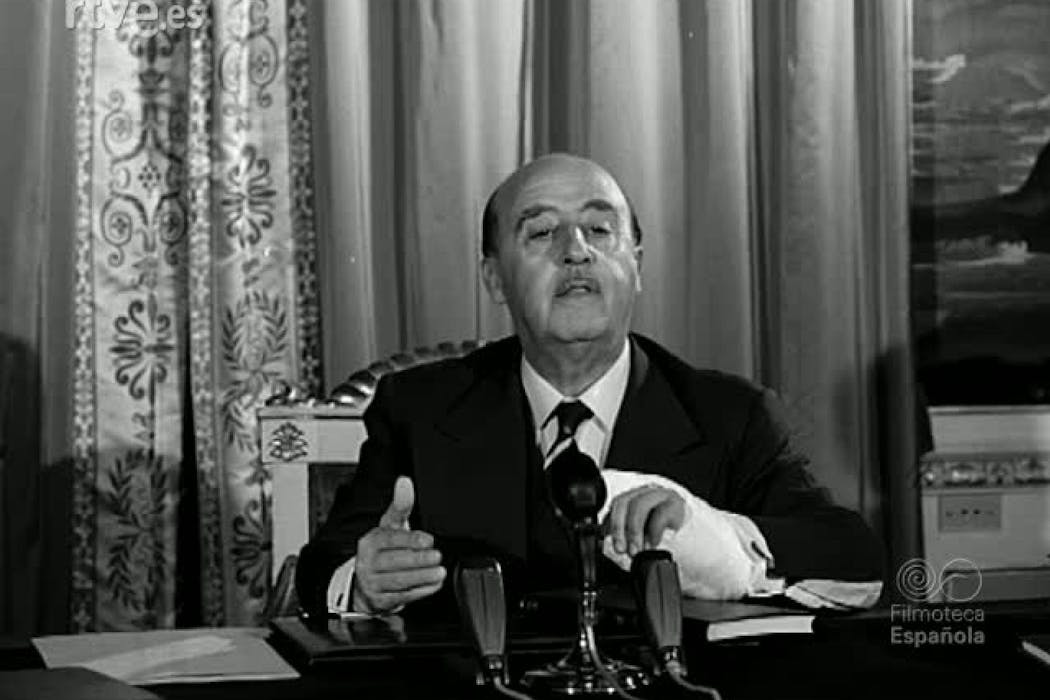
Mensaje de fin de año de Francisco Franco en Televisión Española (1961). RTVE

Francisco Franco Bahamonde (1892–1975) fue el jefe del Estado español desde el final de la Guerra Civil (1936–1939) hasta su muerte. El régimen franquista instauró una dictadura autoritaria, que suprimió las libertades políticas y estableció un control férreo sobre la sociedad. Durante casi cuarenta años, su liderazgo moldeó profundamente la vida política, económica y cultural de España, cuya duradera huella a menudo ha sido y sigue siendo objeto de polémica.

Pero desde el punto de vista comunicativo, ¿se puede decir que Franco era un gran orador o no tanto? Depende de cómo definamos “gran orador”. Si se entiende la oratoria como la capacidad de emocionar, persuadir o movilizar a través de la palabra –en la línea de Churchill o De Gaulle–, Franco no lo fue. Sin embargo, si se analiza su comunicación desde la eficacia política y simbólica, su estilo cumplió la función específica de proyectar autoridad, distancia y control.

Su oratoria no pretendía seducir al público, sino legitimar el poder y reforzar una imagen de estabilidad jerárquica. En ese sentido, Franco desarrolló un tipo de comunicación que podríamos denominar “discurso del mando”, caracterizado por la baja expresividad y la rigidez formal, pero que encajaba con la cultura política autoritaria del franquismo.

En la dimensión verbal, Franco se apoyaba en un registro arcaico y protocolario. Su léxico era limitado, con abundancia de fórmulas rituales (“españoles todos”, “glorioso Ejército”, “Dios mediante”) que funcionaban como marcadores ideológicos más que como elementos informativos.

Desde la perspectiva del análisis del discurso, su sintaxis tendía a la subordinación excesiva, lo que generaba frases largas, monótonas y poco dinámicas. Se observa también una preferencia por el modo pasivo y las construcciones impersonales, que diluyen la responsabilidad del emisor: “se ha dispuesto”, “se considera oportuno”, “ha sido preciso”.

Esta elección verbal no es neutra; constituye un mecanismo de despersonalización del poder, en el que la figura del líder se presenta como encarnación del Estado, no como individuo que toma decisiones. Por tanto, en lo verbal, Franco se comunica más como institución que como persona.

Comunicación paraverbal: voz, ritmo y entonación

Es el aspecto más característico de su comunicación. Franco poseía una entonación monótona, con escasa variación melódica. Desde la prosodia, se podría decir que su discurso presentaba un patrón descendente constante: empezaba una frase con cierta energía y la iba apagando hacia el final, lo que transmitía una sensación de lentitud y autoridad inamovible.

El ritmo era pausado, casi litúrgico, con abundantes silencios. Esta lentitud no era casual: en el contexto político de la dictadura contribuía a la ritualización del discurso. La palabra del caudillo no debía ser espontánea, sino solemne, casi sagrada.

Su timbre nasal y su articulación cerrada dificultaban la expresividad emocional, pero reforzaban la distancia. Paradójicamente, esa falta de calidez vocal servía a la función propagandística. El líder no era un orador carismático, sino un ente de autoridad, una voz que emanaba del poder mismo. En esencia, su voz construía un “ethos de mando”: rígido, frío y controlado.

Autocontrol emocional

Su comunicación no verbal era extremadamente controlada. Franco evitaba los gestos amplios, los desplazamientos o las expresiones faciales marcadas. Predominaba una kinésica mínima; es decir, un lenguaje corporal reducido al mínimo necesario.

Cuando hablaba en público, mantenía una postura rígida, con los brazos pegados al cuerpo o apoyados en el atril, sin movimientos superfluos. Este control corporal reforzaba la idea de disciplina militar y autocontrol emocional, dos valores esenciales en su representación del liderazgo.

Su mirada tendía a ser fija, sin buscar el contacto visual directo con el auditorio. Esto podría interpretarse como una carencia comunicativa desde la perspectiva actual, si bien en el contexto de un régimen autoritario se traducía en distancia simbólica: el líder no se rebajaba al nivel de los oyentes. Incluso su indumentaria –el uniforme, la boina o la insignia– formaba parte de su comunicación no verbal, pues se trata de elementos que transmitían permanencia, continuidad y legitimidad histórica.

Carisma sobrio de posguerra

El carisma no es un atributo absoluto, sino un constructo social. Franco no lo tenía desde el punto de vista emocional, como Hitler o Mussolini, pero sí poseía un carisma de tipo burocrático y paternalista. Su poder brotaba de la resignificación del silencio y la austeridad, pues en un país devastado por la guerra, su estilo sobrio se interpretaba como sinónimo de orden y previsibilidad. Por tanto, su “anticarisma” acabó siendo, en cierto modo, una forma de carisma adaptada al contexto español de posguerra.

Desde la teoría de la comunicación, ¿qué impacto tenía ese estilo en la recepción del mensaje? El discurso de Franco se enmarcaba en lo que podríamos llamar un modelo unidireccional de comunicación política. No existía retroalimentación: el receptor no podía responder ni cuestionar. Por ello, el objetivo no era persuadir, sino imponer significado.

Aplicando la teoría de la comunicación del lingüista Roman Jakobson, su función dominante era la conativa (ordenar, instruir; en definitiva, influir) y la fáctica (mantener el canal simbólico del poder), más que la referencial. Es decir, importaba más el acto de hablar que el contenido del mensaje. Este estilo generaba un fenómeno de disonancia cognitiva en algunos receptores: la frialdad del tono contrastaba con la solemnidad del contenido, lo que obligaba al público a reinterpretar el discurso desde la obediencia simbólica más que desde la emoción o la identificación.

Anacrónico ante la cámara

Su oratoria fue evolucionando en el tiempo solo en apariencia. En las décadas de 1950 y 1960, con el aperturismo del régimen, se percibe un ligero intento de modernización retórica, sobre todo en los discursos institucionales transmitidos por televisión. No obstante, los cambios fueron superficiales: se mantenía la misma prosodia monótona y el mismo lenguaje ritual. De hecho, el medio televisivo acentuó su rigidez. Frente a los nuevos líderes europeos que aprovechaban la cámara para humanizarse, Franco se mostraba anacrónico.

Franco demuestra que la eficacia comunicativa no siempre depende del carisma ni de la elocuencia, sino de la coherencia entre el estilo personal y el contexto político. Su oratoria funcionó porque era congruente con un sistema cerrado, jerárquico y ritualizado. Desde la instrucción comunicativa, su ejemplo sirve para ilustrar cómo los planos verbal, paraverbal y no verbal construyen un mismo relato ideológico. En su caso, todas convergen en un mensaje: el poder no dialoga, sino que dicta.

Hoy, en democracias mediáticas, ese modelo sería impensable; pese a ello, estudiarlo ayuda a comprender cómo el lenguaje moldea las estructuras del poder y cómo el silencio –cuando se institucionaliza– puede convertirse en la forma más contundente de comunicación política.

The Conversation

Susana Ridao Rodrigo no recibe salario, ni ejerce labores de consultoría, ni posee acciones, ni recibe financiación de ninguna compañía u organización que pueda obtener beneficio de este artículo, y ha declarado carecer de vínculos relevantes más allá del cargo académico citado.

ref. La oratoria monótona del dictador: así construyó Franco un autoritarismo sin carisma – https://theconversation.com/la-oratoria-monotona-del-dictador-asi-construyo-franco-un-autoritarismo-sin-carisma-269777

Anatomía psicológica de los cazadores de Sarajevo: el perfil inquietante de quien mata por placer

Source: The Conversation – (in Spanish) – By Fernando Díez Ruiz, Professor, Faculty of Education and Sport, Universidad de Deusto

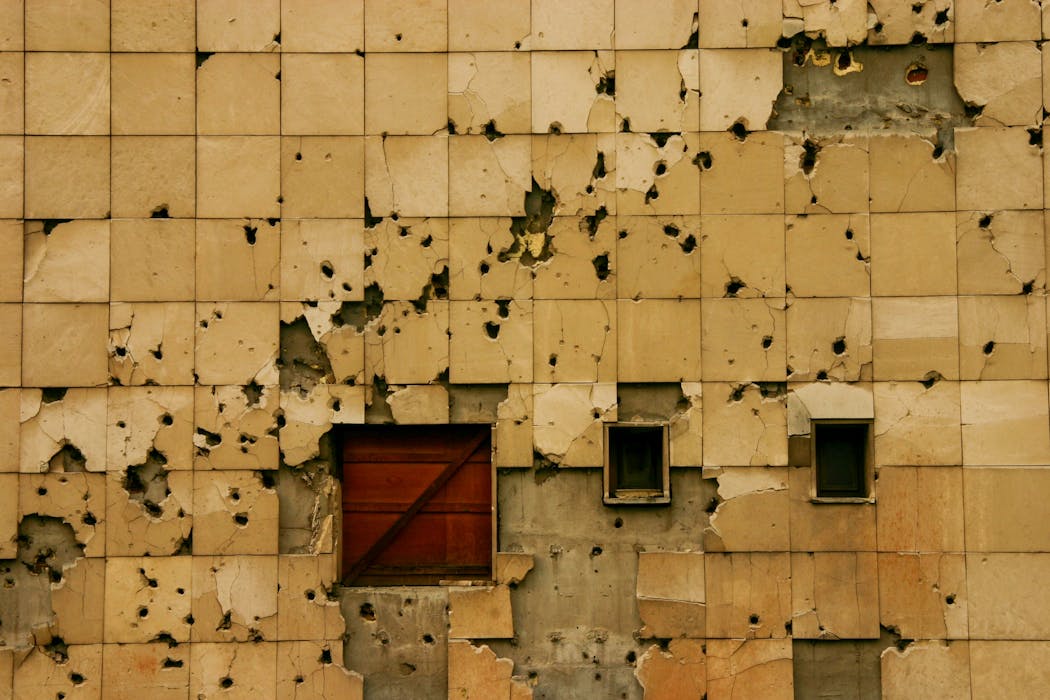
Agujeros de bala en el muro de un edificio en Sarajevo. yuzu2020/Shutterstock

Durante el asedio a Sarajevo, entre 1992 y 1996, mientras muchos ciudadanos huían diariamente de las balas y explosiones con la urgencia de quien sabe que cada segundo puede ser el último, se escondía otra verdad aún más perturbadora.

No todos los que disparaban desde las colinas o desde los edificios de la conocida como avenida de los francotiradores –Bulevar Mese Selimovica–, en el centro de la ciudad, eran milicianos. Entre esos francotiradores, según revelan las investigaciones y la denuncia del escritor Ezio Gavazzeni y de los abogados Nicola Brigida y Guido Salvini, había visitantes extranjeros que viajaban desde Europa occidental para participar en una actividad clandestina que bautizaron como “safari de francotiradores”.

Se trataba de hombres que pagaban altas sumas de dinero por la oportunidad de matar desde la distancia y con total impunidad a hombres, mujeres y niños indefensos, como si fueran piezas de caza.

El nexo común entre estos individuos era su pasión por las armas y por la caza. No eran soldados o mercenarios. Eran individuos con dinero que obtenían un subidón de adrenalina matando a personas indefensas, no por odio ni por venganza, simplemente por placer y diversión.

Sarajevo les ofrecía la experiencia definitiva: el componente letal de un conflicto real, la posibilidad de disparar sin restricciones y la impunidad. No iban a la guerra: iban a vivir una experiencia extrema, con mucha adrenalina, algo único.

¿Qué clase de persona hace algo así? ¿Quién mata a alguien que no conoce, no por odio ni rencor, sino por mera diversión? ¿Qué perfil se esconde detrás de tanta perversión y maldad?

Así es el “cazador de guerra”

La mayor parte de ellos eran personas con buenas posiciones y reputación en sus países: empresarios, profesionales liberales, hombres casados, padres de familia. Rostros que no despertaban sospechas. No se ajustaban al estereotipo de criminal, y justamente por eso el fenómeno resulta tan inquietante.

Eran individuos que, en su vida cotidiana, podían pasar por ejemplares. Pero cuando el avión aterrizaba y cogían el fusil de francotirador, emergía una faceta que permanecía oculta bajo la respetabilidad social. Sarajevo les ofrecía algo distinto: el peligro real, la verdadera guerra, la sensación de poder absoluto sobre la vida de otro ser humano.

Este contraste entre la vida oficial (pulcra, respetada, aburguesada) y la vida secreta (cruel y violenta) revela la existencia de una grieta psicológica profunda: una doble identidad moral.

Pero este perfil no surge de la nada. ¿Qué factores pueden explicarlo?

1. La adrenalina como argumento

Se trata de individuos con una alta necesidad de sensaciones intensas. Para ellos, la rutina es una forma de encierro. Necesitan estímulos externos para sentirse vivos. El psicólogo Marvin Zuckerman apuntó a este rasgo de personalidad en su obra Sensation Seeking: Beyond the Optimal Level of Arousal (1994), referencia obligada para comprender por qué algunos individuos buscan experiencias extremas incluso si implican riesgo físico o legal. En su forma sana, este rasgo se asocia al deporte extremo. En su forma patológica, combinada con una falta de empatía, puede conducir a la violencia recreativa.

La guerra proporciona lo que estas personas no encuentran en la vida cotidiana: intensidad inmediata, riesgo real, descarga de adrenalina y, sobre todo, la ilusión de omnipotencia.

Muchos de estos sujetos no matarían nunca en sus países de origen. Es el contexto el que elimina las barreras. La psicología social lleva décadas documentando este fenómeno. En sus estudios sobre la crueldad ordinaria, Philip Zimbardo ya mostró cómo personas aparentemente normales pueden transgredir límites éticos cuando perciben que el marco social, o la ausencia de él, legitima sus acciones.

Sarajevo, sitiada, sin ley y bajo el fuego constante, ofrecía la coartada perfecta: nadie pedía explicaciones, nadie controlaba quién llegaba o quién se marchaba, y la línea entre combatiente y visitante se difuminaba en la confusión de la guerra urbana.

2. La deshumanización: requisito previo para matar

Ninguna de estas conductas sería posible sin un proceso psicológico fundamental: la deshumanizacion del otro. La psicología ha demostrado que la violencia extrema requiere un paso previo: convertir a la víctima en objeto. Ervin Staub señala en su obra The Roots of Evil (1989) que en todos los genocidios del mundo hubo un proceso de deshumanización que permitió que personas normales se transformaran en verdugos.

En Bosnia bastaba con convertir a los ciudadanos en “objetivos” o “blancos móviles”. La distancia física se convertía en distancia emocional. El cazador ya no veía a la persona; veía la silueta en movimiento, una diana.

3. Sadismo vestido de aventura

Posiblemente todos estos individuos compartan un rasgo característico: un sadismo cotidiano que, en circunstancias normales, queda reprimido. Personas capaces de disfrutar secretamente del sufrimiento ajeno, aunque jamás lo reconozcan en público. El acto mismo de localizar a alguien, apuntar, esperar el momento, se convertía en una forma de goce. No era solo violencia: era entretenimiento.

Aquí se abre la grieta más preocupante: cuando el sufrimiento humano se convierte en un espectáculo, el mal deja de ser una anomalía y empieza a ser una opción.

4. El narcisismo maligo: el poder como placer

El perfil psicológico de quienes buscan esta experiencia extrema suele incluir un componente narcisista. Con el dinero se compraba la sensación de que todo es posible. Se compraba un viaje a un escenario de guerra con ausencia de límites, disponibilidad de víctimas vulnerables, anonimato total y la oportunidad de ejercer dominación absoluta.

Este narcisismo moral (creencia de que uno está por encima de cualquier norma) explica por qué personas con buena reputación podían transformarse en verdugos temporales sin remordimiento alguno. En Bosnia se sentían impunes, habían pagado para ello, y ese sentimiento es por sí uno de los catalizadores más peligrosos de la violencia humana.

Para Eric Fromm el poder sobre otro humano es la forma más extrema de confirmación narcisista. El narcisista extremo no busca matar por ira, sino por reafirmación. El acto de disparar sobre un desconocido desde la distancia reafirma a un omnipotente.

Lo que revela sobre nosotros

Estos casos no solo hablan de individuos desviados, sino de una parte oscura de la condición humana. La violencia, cuando aparece lejana y sin consecuencias, se vuelve atractiva para quienes buscan intensidades que la vida ordinaria no puede proporcionar.

El hombre puede convertirse en un demonio o en un santo, tal y como podemos deducir de la obra de Viktor Frankl, dependiendo de las decisiones que tome y del contexto en el que se encuentre.

Sarajevo nos demuestra, como en otros lugares antes y después, que donde la ley desaparece, algunos corren hacia la luz… y otros hacia la oscuridad.

Cuando un conflicto estalla, no solo se movilizan ejércitos; también emergen los rincones más oscuros de la psicología humana. Y mientras existan personas dispuestas a pagar por experimentar violencia sin consecuencias, siempre habrá guerras que actúen como imán.

The Conversation

Fernando Díez Ruiz no recibe salario, ni ejerce labores de consultoría, ni posee acciones, ni recibe financiación de ninguna compañía u organización que pueda obtener beneficio de este artículo, y ha declarado carecer de vínculos relevantes más allá del cargo académico citado.

ref. Anatomía psicológica de los cazadores de Sarajevo: el perfil inquietante de quien mata por placer – https://theconversation.com/anatomia-psicologica-de-los-cazadores-de-sarajevo-el-perfil-inquietante-de-quien-mata-por-placer-269858

Nos faltan nutrientes, nos sobran tóxicos

Source: The Conversation – (in Spanish) – By Marta López Alonso, Professor of Animal Pathology, Universidade de Santiago de Compostela

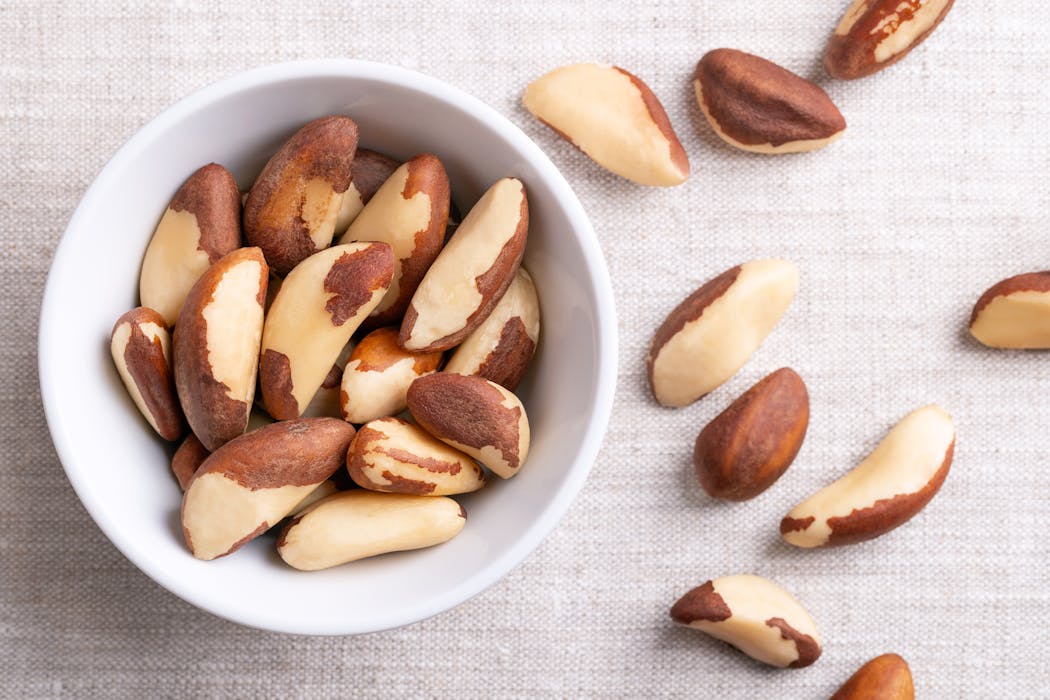
Las nueces de Brasil son ricas en selenio, un mineral esencial en pequeñas cantidades. Peter Hermes Furian/Shutterstock

A veces bromeo diciendo que mis mascotas están mejor alimentadas que mis hijos. Y no es porque no lo intente: simplemente, los niños rechazan verduras, pescado o legumbres, mientras que un perro nunca protesta ante un pienso perfectamente formulado con las vitaminas y minerales que necesita. El resultado se ve a simple vista: un pelo sano e hiperbrillante, energía y buena salud.

La comparación puede sonar exagerada, pero refleja un hecho: en nutrición, los productos destinados a los animales –ya sean de granja o de compañía– son más completos que los dirigidos a las personas.

Los pequeños grandes protagonistas del metabolismo

Los llamados microminerales o elementos traza –como hierro, zinc, cobre, selenio, yodo o manganeso– son imprescindibles para la vida. Aunque los necesitamos en cantidades diminutas, participan en cientos de reacciones metabólicas. El hierro transporta oxígeno en la sangre, el zinc y el cobre forman parte de enzimas que protegen frente al estrés oxidativo, el yodo es esencial para la función tiroidea y el selenio contribuye al buen funcionamiento del sistema inmune.

Cuando faltan estos nutrientes, aunque sea de forma leve, el organismo lo nota: aumenta la fatiga, bajan las defensas y se favorece la aparición de enfermedades crónicas, incluido el cáncer.

La Organización Mundial de la Salud estima que más de 2 000 millones de personas sufren deficiencia de algún micronutriente. No hablamos de hambre visible, sino de lo que se llama “hambre oculta”: hay comida en el plato, pero faltan esos ingredientes invisibles que garantizan un desarrollo sano y un envejecimiento saludable.

Lo que sobra también daña

A este problema se suma la exposición a elementos tóxicos como arsénico, plomo, mercurio y cadmio. Entramos en contacto con ellos a través de ciertos alimentos o del entorno. Aunque las cantidades sean pequeñas, se acumulan en el organismo y afectan al sistema nervioso, la fertilidad o aumentan el riesgo de cáncer.

El gran reto es que tanto las carencias de minerales esenciales como la exposición a tóxicos suelen pasar inadvertidas. No dan señales evidentes hasta que el problema ya es serio.

Un problema global con distintas caras

La falta de micronutrientes es un problema universal, pero no se manifiesta igual en todos los rincones del planeta. En los países de ingresos bajos, las carencias suelen deberse a una dieta basada casi exclusivamente en cereales o tubérculos y a la escasa disponibilidad de alimentos de origen animal ricos en hierro, zinc y selenio. Allí, deficiencias combinadas de hierro, zinc y yodo afectan a millones de niños y mujeres, con graves consecuencias sobre el desarrollo físico y cognitivo.

En los países de ingresos medios conviven dos realidades opuestas. Mientras en las zonas rurales persisten las carencias por falta de acceso a alimentos variados, en las grandes ciudades aparecen deficiencias “ocultas” ligadas a dietas ultraprocesadas y a un consumo excesivo de calorías, pero pobre en micronutrientes.

En cambio, en las sociedades más desarrolladas los déficits suelen ser más sutiles. No se trata de hambre visible, sino de carencias subclínicas asociadas al envejecimiento y a dietas veganas o con un bajo consumo de carne y pescado mal planificadas.

En Europa, por ejemplo, se han descrito niveles bajos de
selenio y yodo en varios países del norte y centro del continente, vinculados a suelos pobres en estos elementos.

A la vez, la exposición a metales tóxicos como mercurio o cadmio sigue siendo una preocupación, sobre todo por el consumo de ciertos pescados o por el tabaquismo.

Esta diversidad de causas refleja que el “hambre oculta” adopta múltiples formas y que garantizar un aporte equilibrado de minerales esenciales es un desafío global que no distingue fronteras ni niveles de renta.

Nutrición de precisión para animales

En veterinaria, sin embargo, llevamos tiempo adelantados en este terreno. No solo ocurre con nuestras mascotas. En vacas lecheras, por ejemplo, se analiza el suero –la parte líquida de la sangre– de forma rutinaria para ajustar la dieta y prevenir deficiencias que afectarían tanto a la salud del animal como a la producción de leche.

En caballos, cerdos o aves de corral sucede lo mismo: la nutrición se ajusta con precisión para evitar problemas y optimizar resultados.

En medicina humana seguimos basándonos sobre todo en encuestas de dieta y recomendaciones generales, ya que no existen valores de referencia universalmente aceptados. Se calcula cuánto hierro, zinc o yodo debería tomar la media de la población y, a partir de ahí, se diseñan guías nutricionales.

Este enfoque resulta útil para orientar políticas de salud pública, pero tiene limitaciones claras: no refleja la situación individual. Una persona puede estar en riesgo de déficit aunque cumpla las recomendaciones teóricas, o puede estar acumulando tóxicos sin saberlo.

La paradoja es evidente: si cuidamos tanto la dieta de una vaca o de un perro, ¿por qué no aplicamos los mismos principios a nuestra propia salud?

El suero: una ventana a la nutrición

La buena noticia es que tenemos una herramienta sencilla para dar el salto a la nutrición personalizada: el análisis de suero.

El suero permite medir de una sola vez tanto minerales esenciales como tóxicos. Igual que hoy recibimos valores de colesterol o glucosa en una analítica rutinaria, podríamos saber si nos falta zinc o selenio, o si estamos acumulando plomo o cadmio.

Las tecnologías de análisis actuales hacen posible obtener estos perfiles de forma rápida, precisa y a partir de una pequeña muestra. Esto abre la puerta a programas de salud pública más eficaces, que no se basen solo en estimaciones dietéticas, y a una nutrición realmente personalizada.

¿Cuidamos más a las vacas?

Si sabemos que una vaca con déficit de selenio produce menos leche y es menos fértil, actuamos enseguida para corregirlo. Si un perro necesita zinc para mantener el pelo brillante, se lo damos sin dudar. ¿Por qué no hacemos lo mismo con los humanos?

La nutrición de precisión no debería estar limitada a los animales de granja o de nuestras mascotas. También puede y debe aplicarse a la salud humana. Una simple analítica de suero podría ayudarnos a vivir más sanos, prevenir enfermedades y envejecer con mejor calidad de vida.

Quizás sea el momento de aprender de lo que la veterinaria lleva años haciendo bien: cuidar la nutrición hasta el último detalle.

The Conversation

Recibo financiación de proyectos de investigación competitivos financiados con fondos públicos nacionales y europeos, no directamente relacionados con el contenido de este artículo.

ref. Nos faltan nutrientes, nos sobran tóxicos – https://theconversation.com/nos-faltan-nutrientes-nos-sobran-toxicos-266279

Des hivers plus doux, des parasites plus présents : l’orignal est-il en péril face à la tique d’hiver ?

Source: The Conversation – in French – By Steeve Côté, professeur d’écologie animale, Université Laval

Alors que les changements climatiques modifient profondément les écosystèmes nord-américains, un petit parasite cause de grands ravages : la tique d’hiver. Cette tique, désormais plus présente suite aux conditions environnementales plus clémentes, affecte lourdement la survie hivernale des jeunes orignaux dans l’est du Canada.

Les changements climatiques permettent à des espèces comme la tique d’hiver, un parasite externe qui se nourrit du sang des grands cervidés, d’étendre leur présence vers de nouvelles régions. Jadis plus rare dans l’est du Canada, elle y est désormais bien implantée et cause des mortalités élevées, surtout chez les jeunes orignaux.

La tique d’hiver complète l’entièreté de son cycle de vie en infestant un seul hôte. Outre l’orignal, on peut la retrouver sur d’autres cervidés comme le cerf de Virginie et le caribou sur lesquels elle a peu d’effet.

Les larves de tiques se retrouvent sur la couche de feuilles mortes au sol durant l’été. À l’automne, elles se mettent en quête d’un hôte auquel elles s’accrochent au passage. Une fois sur l’hôte, elles se nourrissent de sang pour se développer jusqu’au stade adulte. L’accouplement des adultes a lieu sur l’hôte. C’est vers la fin de l’hiver que les femelles consomment la plus grande quantité de sang en vue de la reproduction. Une fois engorgées de sang, les femelles se détachent de l’hôte et pondent leurs œufs dans la litière végétale au sol.

Notre équipe de recherche tente de comprendre les liens entre la tique d’hiver, les orignaux et les conditions environnementales afin de mieux prédire l’évolution de ces relations en fonction des conditions climatiques anticipées. Notre approche repose sur la capture et le suivi de jeunes orignaux dans cinq populations. Celles-ci s’étendent du sud du Nouveau-Brunswick jusqu’au nord du fleuve Saint-Laurent. Nous avons concentré nos efforts sur les orignaux âgés de 8 à 13 mois. Leurs faibles réserves de graisse, leur métabolisme rapide et leur forte charge de tiques les rendent plus vulnérables.

Un protocole rigoureux pour évaluer l’impact

Lors de chacune des trois années de notre étude (2020, 2022 et 2023), nous avons capturé une vingtaine de jeunes orignaux dans chacune des cinq populations étudiées. En plus de munir chaque orignal d’un collier GPS, nous avons réduit la charge (ou le nombre) de tiques de la moitié des individus à l’aide de produits acaricides.

Ceci nous a permis de comparer le comportement et la survie hivernale d’animaux plus ou moins infestés, mais vivant dans un même environnement. La fin de l’hiver est une période critique pour la survie des orignaux en raison de l’épuisement de leurs réserves énergétiques. C’est également à ce moment que les tiques consomment la plus grande quantité de sang et que leurs effets sur la condition et la survie des orignaux sont les plus manifestes.

Notre expérience sur un total de 280 veaux nous a permis de déterminer que la tique d’hiver a été responsable de la majorité des 67 mortalités hivernales comptabilisées et que la plupart de ces mortalités ne seraient pas survenues en absence de tiques. Les orignaux traités à la capture avec un acaricide, et donc peu infestés ensuite, présentaient un risque de mortalité environ 94 % plus faible (9 individus morts sur 135) que les individus non traités ayant des charges de tiques naturelles (58 individus morts sur 145).

De plus, la charge de tiques à la capture augmentait la variation des indicateurs dans le sang des orignaux non traités. En complément, le risque de mortalité était plus élevé dans les régions où le loup, principal prédateur de l’orignal, était présent, alors que la masse des orignaux à la capture diminuait le risque de mortalité. Finalement, la survie des jeunes mâles était généralement plus faible que celle des femelles du même âge.

Les orignaux sont plus affectés par la tique d’hiver que les autres grands cervidés. Ce constat s’explique par une cohabitation encore récente entre la tique et l’orignal. L’expansion du parasite vers le nord, favorisée par les changements climatiques, a créé des conditions printanières plus propices à sa reproduction.


Déjà des milliers d’abonnés à l’infolettre de La Conversation. Et vous ? Abonnez-vous gratuitement à notre infolettre pour mieux comprendre les grands enjeux contemporains.


Cette récente cohabitation n’a pas permis à l’orignal de développer les mécanismes lui permettant de se débarrasser du parasite. D’autres espèces, comme le cerf de Virginie, cohabitent depuis plus longtemps avec la tique et ont développé des comportements pour s’en débarrasser avant qu’elle ne les affaiblisse.

Mieux prévoir pour mieux gérer

Néanmoins, l’effet à long terme des changements climatiques sur la tique demeure incertain. En effet, la fonte plus hâtive et l’arrivée plus tardive de la neige favorisent la survie des tiques et augmentent leurs chances de trouver un hôte. Ces deux conditions augmentent donc les probabilités que la tique puisse trouver un hôte et se reproduire. Toutefois, les étés chauds et secs comme celui de 2025 sont néfastes pour la tique, car un faible taux d’humidité réduit la survie des œufs.


À lire aussi :
Caribou forestier : les revendications autonomistes de Québec se heurtent à la protection des écosystèmes


Les mesures de gestion permettant de diminuer l’abondance de la tique d’hiver sont limitées. Comme une tique doit infester un orignal pour se reproduire, l’abondance des deux espèces est étroitement liée. Ainsi, une réduction de la densité des populations d’orignaux est une avenue à considérer dans les régions problématiques afin de limiter la propagation des tiques. Autrement, un aménagement forestier visant à modifier la température et l’humidité du sol pourrait également influencer la survie et l’abondance des tiques.

Nos travaux en cours visent à comprendre comment la structure de la forêt influence la présence de tiques et à identifier des pratiques d’aménagement susceptibles de limiter leur survie. Nous développons également un modèle permettant de prédire les infestations de tiques à partir de différents facteurs liés à l’environnement. Ces modèles permettront de mieux prévoir l’impact des infestations sur les orignaux et d’ajuster la façon de gérer la forêt et les populations d’orignaux.

La Conversation Canada

Steeve Côté est professeur titulaire au Département de biologie à la Faculté des sciences et de génie de l’Université Laval. Il dirige Caribou Ungava et est membre du Centre d’études nordiques. Il a reçu des financements de recherche de plusieurs organismes gouvernementaux en partenariat avec des industries.

Christian Dussault est membre du Ministère de l’Environnement, de la Lutte contre les changements climatique, de la Faune et des Parcs du Québec. Mes travaux de recherche sont en partie fincancés par le Gouvernement du Québec.

Jean-Pierre Tremblay est professeur titulaire au Département de biologie à la Faculté des sciences et de génie de l’Université Laval. Il est membre du Centre d’étude de la forêt et du Centre d’études nordiques. Il a reçu des financements de du Conseil de la recherche en sciences naturelles et en génie du Canada et de partenaires de l’industrie, d’organisations para-gouvernementales et d’organismes sans but lucratif.

Julien H. Richard est membre du Centre d’études Nordique et du Centre d’étude de la forêt, son salaire est entièrement couvert par des financements de recherche de plusieurs organismes gouvernementaux en partenariat avec des industries.

ref. Des hivers plus doux, des parasites plus présents : l’orignal est-il en péril face à la tique d’hiver ? – https://theconversation.com/des-hivers-plus-doux-des-parasites-plus-presents-lorignal-est-il-en-peril-face-a-la-tique-dhiver-256019

Why MAGA is obsessed with Epstein − and why the files are unlikely to dent loyalty to Trump

Source: The Conversation – USA – By Alex Hinton, Distinguished Professor of Anthropology; Director, Center for the Study of Genocide and Human Rights, Rutgers University – Newark

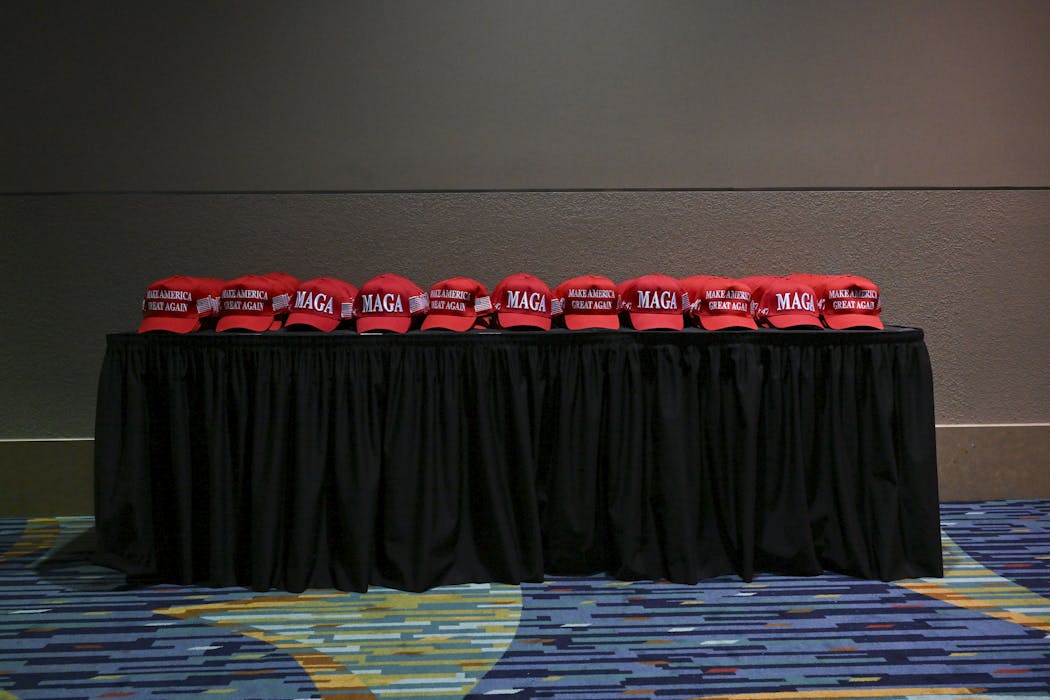
MAGA hats are placed on a table at an election night party in West Palm Beach, Fla., on Nov. 5, 2024. Ricky Carioti/The Washington Post via Getty Images

With the latest shift by President Donald Trump on releasing the Epstein files held by the U.S. Department of Justice – he’s now for it after being against it after being for it – the MAGA base may finally get to view the documents it’s long wanted to see. On the afternoon of Nov. 18, 2025, the House voted overwhelmingly to seek release of the files, with only one Republican voting against the measure. The Conversation’s politics editor, Naomi Schalit, talked with scholar Alex Hinton, who has studied MAGA for years, about Make America Great Again Republicans’ sustained interest in the case of accused child sex trafficker Jeffrey Epstein. Hinton explains how MAGA’s interest in the case fits into what he knows about the group of die-hard Trump supporters.

Naomi Schalit: You are an expert on MAGA. How do you learn what you know about MAGA?

Alex Hinton: I’m a cultural anthropologist, and what we do is field work. We go where the people we’re studying live, act, talk. We observe and sort of hang out and see what happens. We listen and then we unpack themes. We try and understand the meaning systems that undergird whatever group we’re studying. And then, of course, there’s interviewing.

A man in a suit with a crowd behind him stands at a microphone-covered lectern that has a sign 'EPSTEIN FILES TRANSPARENCY ACT' written on it.
U.S. Rep. Thomas Massie, a Texas Republican, speaks at a press conference alongside alleged victims of Jeffrey Epstein at the U.S. Capitol on Sept. 3, 2025.
Bryan Dozier/Middle East Images via AFP, Getty Images

It appears that MAGA, Trump’s core supporters, are very concerned about various aspects of the Epstein story, including the release of documents that are in the possession of the U.S. government. Are they, in fact, concerned about this?

The answer is yes, but there’s also a sort of “no” implicit, too. We need to back up and think, first of all, what is MAGA.

I think of it as what we call in anthropology a nativist movement, a foregrounding of the people in the land. And this is where you get America First discourse. It’s also xenophobic, meaning that there’s a fear of outsiders, invaders coming in. It’s populist, so it’s something that’s sort of for the people.

Tucker Carlson interviewed Marjorie Taylor Greene, and he said, “I’m going to go over the five pillars of MAGA.” Those were America First, this is absolutely central. Borders was the second. You’ve got to secure the borders. The third was globalist antipathy, or a recognition that globalization has failed. Another one was free speech, and another one he mentioned was no more foreign wars. And I would add into that an emphasis on “we the people” versus elites.

Each of those is interwoven with a key dynamic to MAGA, which is conspiracy theory. And those conspiracy theories are usually anti-elite, going back to we the people.

If you look at Epstein, he’s where many of the conspiracy theories converge: Stop the Steal, The Big Lie, lawfare, deep state, replacement theory. Epstein kind of hits all of these, that there’s this elite cabal that’s orchestrating things that ultimately are against the interests of we the people, with a sort of antisemitic strain to this. And in particular, if we go back to Pizzagate in 2016, this conspiracy theory that there were these Democratic elitists who were, you know, demonic forces who were sex trafficking, and lo and behold, here’s Epstein doing precisely that.

There’s kind of a bucket of these things, and Epstein is more in it than not in it?

He’s all over it. He’s been there, you know, from the beginning, because he’s elite and they believe he’s doing sex trafficking. And then there’s a suspicion of the deep state, of the government, and this means cover-ups. What was MAGA promised? Trump said, we’re going to give you the goods, right? Kash Patel, Pam Bondi, everyone said we’re going to tell you this stuff. And it sure smacks of a cover-up, if you just look at it.

But the bottom line is there’s a realization among many people in MAGA that you’ve got to stay with Trump. It’s too much to say there is no MAGA without Trump. There’s certainly no Trumpism without Trump, but MAGA without Trump would be like the tea party. It’ll just sort of fade away without Trump.

People in MAGA are supporting Trump more than more mainstream Republicans on this. So I don’t think there’s going to be a break over this, but it certainly adds strain. And you can see in the current moment that Trump is under some strain.

A blond woman in a red hat speaks at a microphone while a man in a suit stands behind her, with American flags behind him.
President Donald Trump and U.S. Rep. Marjorie Taylor Greene, a longtime supporter, have split over the Epstein files release.
Elijah Nouvelage/AFP Getty Images

The break that we are seeing is Trump breaking with one of his leading MAGA supporters, Marjorie Taylor Greene, not the MAGA supporter breaking with Trump.

With Greene, sometimes it’s like a yo-yo in a relationship with Trump. You fall apart, you have tension, and then you sort of get back. Elon Musk was a little bit like that. You have this breakup, and now she’s sort of backtracking like Elon Musk did. I don’t think what is happening is indicative of a larger fracturing that’s going to take place with MAGA.

It seems that Trump did his about-face on releasing the documents so that MAGA doesn’t have to break with him.

It’s absolutely true. He’s incredible at taking any story and turning it in his direction. He’s sort of like a chess player, unless he blurts something out. He’s a couple of moves ahead of wherever, whatever’s running, and so in a way we’re always behind, and he knows where we are. It’s incredible that he’s able to do this.

There’s one other thing about MAGA. I think of it as “don’t cross the boss.” It’s this sort of overzealous love of Trump that has to be expressed, and literally no one ever crosses the boss in these contexts. You toe the line, and if you go against the line, you know what happened to Marjorie Taylor Greene, there’s the threat Trump is going to disown you. You’re going to get primaried.

Trump has probably made a brilliant strategic move, which is suddenly to say, “I’m all for releasing it. It’s actually the Democrats who are these evil elites, and now we’re going to investigate Bill Clinton and all these other Democrats.” He takes over the narrative, he knows how to do it, and it’s intentional. Whoever says Trump is not charismatic, he doesn’t make sense – Trump is highly charismatic. He can move a crowd. He knows what he’s doing. Never underestimate him.

Does MAGA care about girls who were sexually abused?

There is concern, you know, especially among the devout Christians in MAGA, for whom sex trafficking is a huge issue.

I think if you look at sort of notions of Christian morality, it also goes to notions of sort of innocence, being afflicted by demonic forces. And it’s an attack on we the people by those elites; it’s a violation of rights. I mean, who isn’t horrified by the idea of sex trafficking? But again, especially in the Christian circles, this is a huge issue.

The Conversation

Alex Hinton receives funding from the Rutgers-Newark Sheila Y. Oliver Center for Politics and Race in America, Rutgers Research Council, and Henry Frank Guggenheim Foundation.

ref. Why MAGA is obsessed with Epstein − and why the files are unlikely to dent loyalty to Trump – https://theconversation.com/why-maga-is-obsessed-with-epstein-and-why-the-files-are-unlikely-to-dent-loyalty-to-trump-270109

Silent cyber threats: How shadow AI could undermine Canada’s digital health defences

Source: The Conversation – Canada – By Abbas Yazdinejad, Postdoctoral Research Fellow, Artificial Intelligence, University of Toronto

Across Canada, doctors and nurses are quietly using public artificial-intelligence (AI) tools like ChatGPT, Claude, Copilot and Gemini to write clinical notes, translate discharge summaries or summarize patient data. But even though these services offer speed and convenience, they also pose unseen cyber-risks when sensitive health information is no longer controlled by the hospital.

Emerging evidence suggests this behaviour is becoming more common. A recent ICT & Health Global article cited a BMJ Health & Care Informatics study showing that roughly one in five general practitioners in the United Kingdom reported using generative-AI tools such as ChatGPT to help draft clinical correspondence or notes.

While Canadian-specific data remain limited, anecdotal reports suggest that similar informal uses may be starting to appear in hospitals and clinics across the country.

This phenomenon, known as shadow AI, refers to the use of AI systems without formal institutional approval or oversight. In health-care settings, it refers to well-intentioned clinicians entering patient details into public chatbots that process information on foreign servers. Once that data leaves a secure network, there is no guarantee where it goes, how long it is stored, or whether it may be reused to train commercial models.

A growing blind spot

Shadow AI has quickly become one of the most overlooked threats in digital health. A 2024 IBM Security report found that the global average cost of a data breach has climbed to nearly US$4.9 million, the highest on record. While most attention goes to ransomware or phishing, experts warn that insider and accidental leaks now account for a growing share of total breaches.

In Canada, the Insurance Bureau of Canada and the Canadian Centre for Cyber Security have both highlighted the rise of internal data exposure, where employees unintentionally release protected information. When those employees use unapproved AI systems, the line between human error and system vulnerability blurs.

Are any of these documented cases in health settings? While experts point to internal data exposure as a growing risk in health-care organizations, publicly documented cases where the root cause is shadow AI use remain rare. However, the risks are real.

Unlike malicious attacks, these leaks happen silently, when patient data is simply copy-and-pasted into a generative AI. No alarms sound, no firewalls are tripped, and no one realizes that confidential data has crossed national borders. This is how shadow AI can bypass every safeguard built into an organization’s network.

Why anonymization isn’t enough

Even if names and hospital numbers are removed, health information is rarely truly anonymous. Combining clinical details, timestamps and geographic clues can often allow re-identification. A study in Nature Communications showed that even large “de-identified” datasets can be matched to individuals with surprising accuracy when cross-referenced with other public information.

Public AI models further complicate the issue. Tools such as ChatGPT or Claude process inputs through cloud-based systems that may store or cache data temporarily.

While providers claim to remove sensitive content, each has its own data-retention policy and few disclose where those servers are physically located. For Canadian hospitals subject to the Personal Information Protection and Electronic Documents Act (PIPEDA) and provincial privacy laws, this creates a legal grey zone.

Everyday examples hiding in plain sight

Consider a nurse using an online translator powered by generative AI to help a patient who speaks another language. The translation appears instant and accurate — yet the input text, which may include the patient’s diagnosis or test results, is sent to servers outside Canada.

Another example involves physicians using AI tools to draft patient follow-up letters or summarize clinical notes, unknowingly exposing confidential information in the process.

A recent Insurance Business Canada report warned that shadow AI could become “the next major blind spot” for insurers.

Because the practice is internal and voluntary, most organizations have no metrics to measure its scope. Hospitals that do not log AI usage cannot audit what data has left their systems or who sent it.

Bridging the gap between policy and practice

Canada’s health-care privacy framework was designed long before the arrival of generative AI. Laws like the PIPEDA and provincial health-information acts regulate how data is collected and stored but rarely mention machine-learning models or large-scale text generation.

As a result, hospitals are forced to interpret existing rules in a rapidly evolving technological environment. Cybersecurity specialists argue that health organizations need three layers of response:

1- AI-use disclosure in cybersecurity audits: Routine security assessments should include an inventory of all AI tools being used, sanctioned or otherwise. Treat generative-AI usage the same way organizations handle “bring-your-own-device” risks.

2- Certified “safe AI for health” gateways: Hospitals can offer approved, privacy-compliant AI systems that keep all processing within Canadian data centres. Centralizing access allows oversight without discouraging innovation.

3- Data-handling literacy for staff: Training should make clear what happens when data is entered into a public model and how even small fragments can compromise privacy. Awareness remains the strongest line of defence.

These steps won’t eliminate every risk, but they begin to align front-line practice with regulatory intent, protecting both patients and professionals.

The road ahead

The Canadian health-care sector is already under pressure from staffing shortages, cyberattacks and growing digital complexity. Generative AI offers welcome relief by automating documentation and translation, yet its unchecked use could erode public trust in medical data protection.

Policymakers now face a choice: either proactively govern AI use within health institutions or wait for the first major privacy scandal to force reform.

The solution is not to ban these tools but to integrate them safely. Building national standards for “AI-safe” data handling, similar to food-safety or infection-control protocols, would help ensure innovation doesn’t come at the expense of patient confidentiality.

Shadow AI isn’t a futuristic concept; it’s already embedded in daily clinical routines. Addressing it requires a co-ordinated effort across technology, policy and training, before Canada’s health-care system learns the hard way that the most dangerous cyber threats may come from within.

The Conversation

Abbas Yazdinejad is a Postdoctoral Scholar at the Artificial Intelligence and Mathematical Modelling Lab (AIMMlab), University of Toronto. He will be joining the Department of Computer Science at the University of Regina as an Assistant Professor in Cybersecurity in January 2026.

Jude Kong receives funding from NSERC, IDRC, and FCDO. He is the Executive Director of the Artificial Intelligence and Mathematical Modelling Lab (AIMMLab) at the University of Toronto, as well as AI4PEP, ACADIC, and REASURE2.

ref. Silent cyber threats: How shadow AI could undermine Canada’s digital health defences – https://theconversation.com/silent-cyber-threats-how-shadow-ai-could-undermine-canadas-digital-health-defences-268478

How pecans went from ignored trees to a holiday staple – the 8,000-year history of America’s only native major nut

Source: The Conversation – USA (2) – By Shelley Mitchell, Senior Extension Specialist in Horticulture and Landscape Architecture, Oklahoma State University

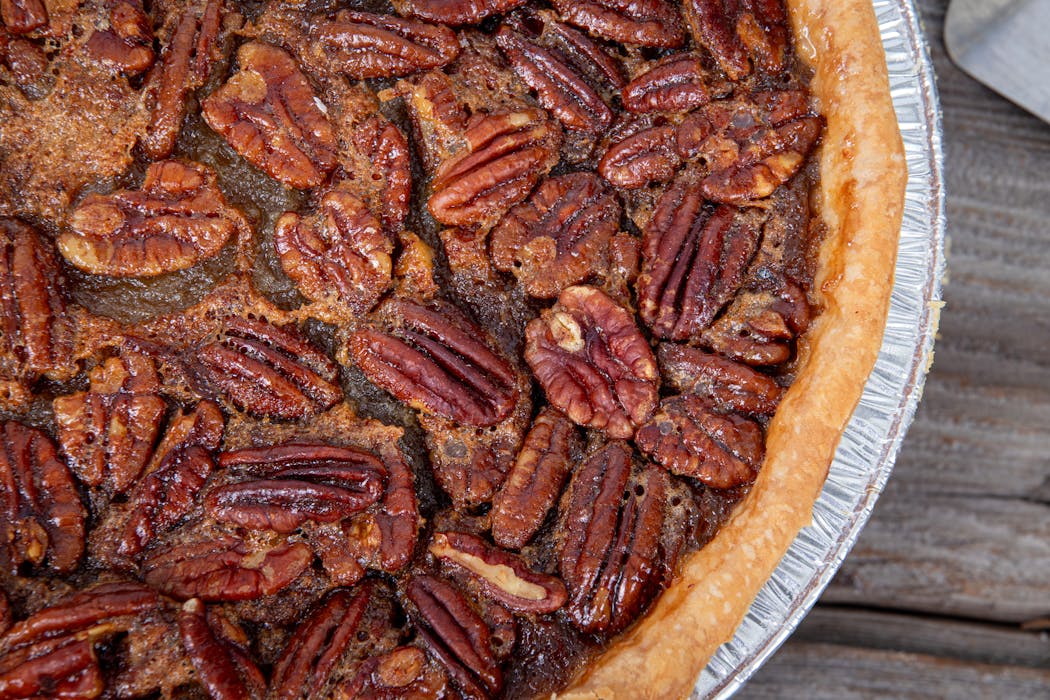
Pecan pie is a popular holiday treat in the United States. Julie Deshaies/iStock via Getty Images

Pecans, America’s only native major nut, have a storied history in the United States. Today, American trees produce hundreds of million of pounds of pecans – 80% of the world’s pecan crop. Most of that crop stays here. Pecans are used to produce pecan milk, butter and oil, but many of the nuts end up in pecan pies.

Throughout history, pecans have been overlooked, poached, cultivated and improved. As they have spread throughout the United States, they have been eaten raw and in recipes. Pecans have grown more popular over the decades, and you will probably encounter them in some form this holiday season.

I’m an extension specialist in Oklahoma, a state consistently ranked fifth in pecan production, behind Georgia, New Mexico, Arizona and Texas. I’ll admit that I am not a fan of the taste of pecans, which leaves more for the squirrels, crows and enthusiastic pecan lovers.

The spread of pecans

The pecan is a nut related to the hickory. Actually, though we call them nuts, pecans are actually a type of fruit called a drupe. Drupes have pits, like the peach and cherry.

Three green, oval-shaped pods on the branch of a tree
Three pecan fruits, which ripen and split open to release pecan nuts, clustered on a pecan tree.
IAISI/Moment via Getty Images

The pecan nuts that look like little brown footballs are actually the seed that starts inside the pecan fruit – until the fruit ripens and splits open to release the pecan. They are usually the size of your thumb, and you may need a nutcracker to open them. You can eat them raw or as part of a cooked dish.

The pecan derives its name from the Algonquin “pakani,” which means “a nut too hard to crack by hand.” Rich in fat and easy to transport, pecans traveled with Native Americans throughout what is now the southern United States. They were used for food, medicine and trade as early as 8,000 years ago.

A map of the US with parts of Texas, Louisiana, Oklahoma, Arkansas and Missouri highlighted in green.
Pecans are native to the southern United States.
Elbert L. Little Jr. of the U.S. Department of Agriculture, Forest Service

Pecans are native to the southern United States, and while they had previously spread along travel and trade routes, the first documented purposeful planting of a pecan tree was in New York in 1722. Three years later, George Washington’s estate, Mount Vernon, had some planted pecans. Washington loved pecans, and Revolutionary War soldiers said he was constantly eating them.

Meanwhile, no one needed to plant pecans in the South, since they naturally grew along riverbanks and in groves. Pecan trees are alternate bearing: They will have a very large crop one year, followed by one or two very small crops. But because they naturally produced a harvest with no input from farmers, people did not need to actively cultivate them. Locals would harvest nuts for themselves but otherwise ignored the self-sufficient trees.

It wasn’t until the late 1800s that people in the pecan’s native range realized the pecan’s potential worth for income and trade. Harvesting pecans became competitive, and young boys would climb onto precarious tree branches. One girl was lifted by a hot air balloon so she could beat on the upper branches of trees and let them fall to collectors below. Pecan poaching was a problem in natural groves on private property.

Pecan cultivation begins

Even with so obvious a demand, cultivated orchards in the South were still rare into the 1900s. Pecan trees don’t produce nuts for several years after planting, so their future quality is unknown.

Two lines of trees
An orchard of pecan trees.
Jon Frederick/iStock via Getty Images

To guarantee quality nuts, farmers began using a technique called grafting; they’d join branches from quality trees to another pecan tree’s trunk. The first attempt at grafting pecans was in 1822, but the attempts weren’t very successful.

Grafting pecans became popular after an enslaved man named Antoine who lived on a Louisiana plantation successfully produced large pecans with tender shells by grafting, around 1846. His pecans became the first widely available improved pecan variety.

A cut tree trunk with two smaller, thiner shoots (from a different type of tree) protruding from it.
Grafting is a technique that involves connecting the branch of one tree to the trunk of another.
Orest Lyzhechka/iStock via Getty Images

The variety was named Centennial because it was introduced to the public 30 years later at the Philadelphia Centennial Expedition in 1876, alongside the telephone, Heinz ketchup and the right arm of the Statue of Liberty.

This technique also sped up the production process. To keep pecan quality up and produce consistent annual harvests, today’s pecan growers shake the trees while the nuts are still growing, until about half of the pecans fall off. This reduces the number of nuts so that the tree can put more energy into fewer pecans, which leads to better quality. Shaking also evens out the yield, so that the alternate-bearing characteristic doesn’t create a boom-bust cycle.

US pecan consumption

The French brought praline dessert with them when they immigrated to Louisiana in the early 1700s. A praline is a flat, creamy candy made with nuts, sugar, butter and cream. Their original recipe used almonds, but at the time, the only nut available in America was the pecan, so pecan pralines were born.

Two clusters of nuts and creamy butter on a plate.
Pralines were originally a French dessert, but Americans began making them with pecans.
Jupiterimages/The Image Bank via Getty Images

During the Civil War and world wars, Americans consumed pecans in large quantities because they were a protein-packed alternative when meat was expensive and scarce. One ounce of pecans has the same amount of protein as 2 ounces of meat.

After the wars, pecan demand declined, resulting in millions of excess pounds at harvest. One effort to increase demand was a national pecan recipe contest in 1924. Over 21,000 submissions came from over 5,000 cooks, with 800 of them published in a book.

Pecan consumption went up with the inclusion of pecans in commercially prepared foods and the start of the mail-order industry in the 1870s, as pecans can be shipped and stored at room temperature. That characteristic also put them on some Apollo missions. Small amounts of pecans contain many vitamins and minerals. They became commonplace in cereals, which touted their health benefits.

In 1938, the federal government published the pamphlet Nuts and How to Use Them, which touted pecans’ nutritional value and came with recipes. Food writers suggested using pecans as shortening because they are composed mostly of fat.

The government even put a price ceiling on pecans to encourage consumption, but consumers weren’t buying them. The government ended up buying the surplus pecans and integrating them into the National School Lunch Program.

A machine with an arm attached to a tree, and a wheeled cab on the ground.
Today, pecan producers use machines called tree shakers to shake pecans out of the trees.
Christine_Kohler/iStock via Getty Images

While you are sitting around the Thanksgiving table this year, you can discuss one of the biggest controversies in the pecan industry: Are they PEE-cans or puh-KAHNS?

The Conversation

Shelley Mitchell does not work for, consult, own shares in or receive funding from any company or organization that would benefit from this article, and has disclosed no relevant affiliations beyond their academic appointment.

ref. How pecans went from ignored trees to a holiday staple – the 8,000-year history of America’s only native major nut – https://theconversation.com/how-pecans-went-from-ignored-trees-to-a-holiday-staple-the-8-000-year-history-of-americas-only-native-major-nut-268976

New study finds that ingesting even small amounts of plastic can be fatal for marine animals

Source: The Conversation – Canada – By Britta Baechler, Adjunct Professor, Department of Physical & Environmental Sciences, University of Toronto

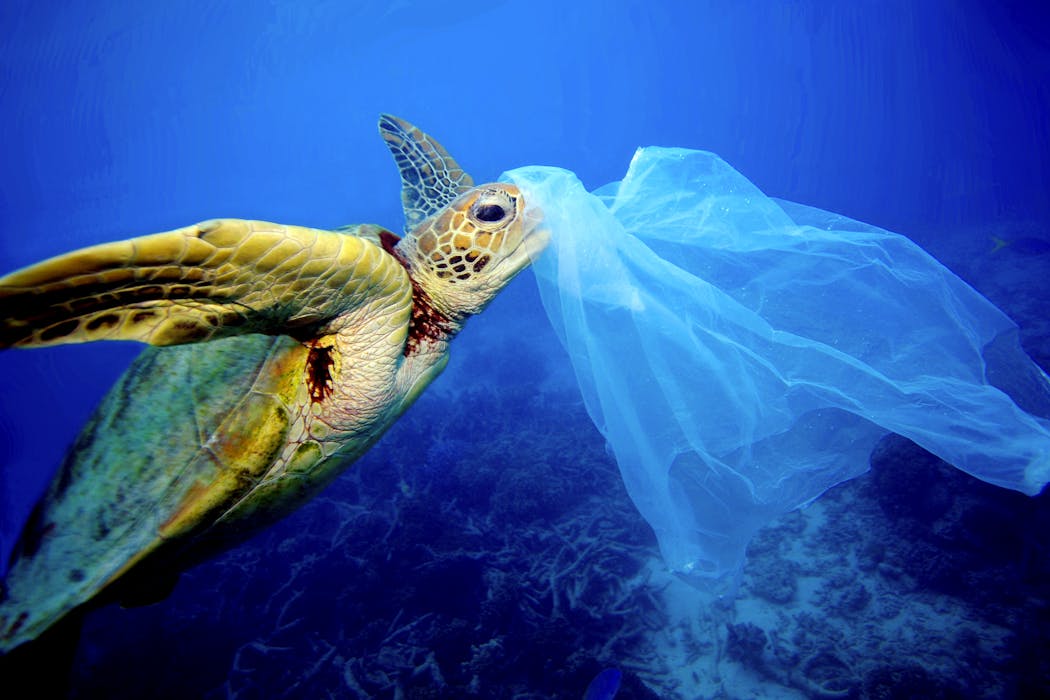
When swallowed, plastics can block or puncture an animal’s organs or cause lethal twisting of the digestive tract, also known as torsion. (Troy Mayne/Ocean Conservancy)

Plastics are everywhere, and the ocean is no exception: 11 million metric tons of plastics enter the ocean every year, where they spread far and wide, making their way to the deepest trenches and remote Arctic islands.

We have long known that marine animals can mistake plastic bags and other plastic pollution for food. To date, every family of marine mammal and seabird, and all seven species of sea turtles, have been documented to ingest plastics — nearly 1,300 species in total.

We also know that eating plastics can prove fatal for wildlife. When swallowed, macroplastics — plastics larger than five millimetres in size in any single direction — can block or puncture an animal’s organs or cause lethal twisting of the digestive tract, also known as torsion.

But understanding the link between ingestion of these large plastics and animal death has long been difficult. In an effort to investigate this connection, our team at the Ocean Conservancy non-profit collaborated with experts at the University of Toronto, the Federal University of Alagoas and the University of Tasmania to answer a deceptively simple question: how much ingested plastic is too much?

This question led us to undertake an ambitious effort to compile more than 10,000 animal autopsies — called necropsies — where both cause of death and data on plastic ingestion were known. These necropsies had been reported in peer-reviewed literature, in stranding network databases (collections of information about marine wildlife that have become stranded) and in two original datasets.

What we found

Our dataset included 31 species of mammals, 57 species of seabirds, and all seven species of sea turtles. We then modelled the relationship between plastics in the gut and likelihood of death for each group, looking both at total pieces of plastics as well as volume of plastics.

Our findings are sobering.

First, we found that plastic consumption was common among all types of animals: nearly half of sea turtles, over one-third of seabirds and one in eight marine mammals had plastic in their guts. For sea turtles who ingested plastic, roughly five per cent died directly as a result — an alarming figure given that five of seven sea turtle species are already endangered.

Second, we found that the lethal dose was much smaller than we had initially guessed, especially for small seabirds.

For example, if an Atlantic puffin consumes plastic around the size of three sugar cubes, it faces a 90 per cent chance of death.

A loggerhead sea turtle that consumes just over two baseballs’ worth of plastic has the same odds. And for a harbour porpoise, consuming a soccer ball’s worth of plastic is fatal 90 per cent of the time.

Third, we found that not all plastics cause equal harm. When modelling lethal ingestion thresholds, we looked at the number of plastic pieces and the volume of plastic, and found that the type of plastic is actually very important, as each impacts the gastrointestinal tract differently.

For seabirds, rubber materials like balloons were the deadliest; consuming just six pea-sized shards could be lethal. For marine mammals, lost fishing gear — also known as ghost gear — posed the greatest risk: as few as 28 tennis ball-sized pieces could kill a sperm whale.

Nearly half of the individual animals in our dataset who had ingested plastics were red-listed as threatened by the International Union for Conservation of Nature — that is, near-threatened, vulnerable, endangered or critically endangered.

Protecting marine life from plastics

The most impactful way to protect ocean wildlife is to reduce how much plastic enters the ocean in the first place. By pinpointing which plastics are deadliest to key marine species, we can help guide targeted actions such as bans on some of the most dangerous items like balloons, fishing line and plastic bags.

Last year, Florida banned the intentional release of balloons with major implications for protecting seabirds and manatees, which also featured heavily in our dataset.

The research also demonstrates the potentially significant impact of removing plastics from shorelines, waterways and the ocean through cleanups and other removal efforts.

By modelling lethal doses, providing our data open-access for anyone to search or us and generating this new framework to help guide risk-assessment efforts, we hope our findings will inform the continued development and implementation of solutions that protect vulnerable ocean species from the dangers of ocean plastics.

The Conversation

Britta Baechler is Director of Ocean Plastics Science and Research at Ocean Conservancy, a U.S.-based nonprofit that spearheaded the study in this article. This study was funded by the Seale Family Foundation, the Wayne Hollomon Price Foundation, and Carla Itzkowich in memory of Moisés Itzkowich.

Erin Murphy is the Manager of Ocean Plastics Science and Research at Ocean Conservancy, a U.S.-based nonprofit that spearheaded the study. This study was funded by the Seale Family Foundation, the Wayne Hollomon Price Foundation, and Carla Itzkowich in memory of Moisés Itzkowich.

ref. New study finds that ingesting even small amounts of plastic can be fatal for marine animals – https://theconversation.com/new-study-finds-that-ingesting-even-small-amounts-of-plastic-can-be-fatal-for-marine-animals-269882

Trump’s aggression in the Caribbean could violate a Victorian-era court ruling on cannibalism at sea

Source: The Conversation – Canada – By Martin Danahay, Professor, English Language and Literature, Brock University

The Donald Trump administration in the United States has authorized killing people in boats on the Caribbean Sea and eastern Pacific, claiming they’re transporting illegal drugs.

Maritime and international law experts have raised concerns about the legality of the attacks. And based on a maritime court case from 1884, this use of force may well be illegal.

The Trump administration argues its actions are part of a war against what it has termed “narco-terrorists.” Killing the people manning these boats, it has said, will save the lives of Americans who might otherwise die of drug overdoses from the substances that are allegedly being transported by these boats.

The rationale that the U.S. is justified to kill people at sea in order to save people is similar to what used to be called the “custom of the sea”, which excused “survival cannibalism” if the consumption of one shipwrecked sailor helped the others survive. This custom, which basically excused “murder by necessity,” was essentially outlawed in a landmark case in 1884.

The story of The Mignonette

The case involved an incident of cannibalism after the yacht The Mignonette sank off the west coast of Africa and its four crew members escaped in a small dinghy with no time to gather food and water.

After three weeks at sea, their situation became so dire that two of the men decided that the ailing youngest member of the crew, a 17-year-old boy named Richard Parker, should be sacrificed so the rest of them could survive. They killed Parker and used his body for food and drink; the third crew member later said he opposed their actions, though feasted on Parker anyway.

Four days after they killed the boy, the three survivors were rescued.

Two of them, Tom Dudley and Edwin Stephens, were arrested for murder and cannibalism. They were brought to trial in the case R v Dudley and Stephens. The trial opened in Exeter, England after Dudley and Stephens pleaded not guilty.

A panel of judges found them both guilty of murder and they were initially sentenced to death. This judgment was later commuted to six months imprisonment due to errors in trial conduct. Nonetheless, the case did establish that their actions constituted murder and that necessity was not a valid defence for cannibalism.

Justifying murder

Like the crew members of The Mignonette, U.S. President Donald Trump has claimed that killing people at sea is justified because it will preserve the lives of others.

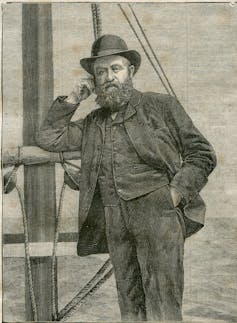
A sketch of a man with a beard on a ship wearing a bowler hat.
A sketch of Tom Dudley, commander of the La Mignonette.
(Wikimedia Commons)

This is the same reasoning behind the now discredited “custom of the sea.”

Rather than “survival cannibalism,” this amounts to “survival killing” based on the argument that other people will live if those on the boats die.

The Dudley and Stephens precedent means that if anyone ever goes to trial for the boat strikes, they could potentially be convicted of murder following the landmark 19th century ruling that killing and eating people is wrong.

The case is taught in law classes because of the difficult issues it raises:

  • When, if ever, is murder justified?
  • If it is justified, in what circumstances would it be viewed as the only viable option?

While ongoing American attacks on boats in the Caribbean and eastern Pacific don’t involve cannibalism, but instead military attacks that have resulted in the deaths of the people manning those boats, the case of The Mignonette may still be relevant.

Either international norms turn back to the era of the “custom of the sea” and regard murder for the greater good as legal, or they uphold the verdict in R v Dudley and Stephens and view the actions in the Caribbean Sea as unjustified acts of murder.

The Conversation

Martin Danahay does not work for, consult, own shares in or receive funding from any company or organisation that would benefit from this article, and has disclosed no relevant affiliations beyond their academic appointment.

ref. Trump’s aggression in the Caribbean could violate a Victorian-era court ruling on cannibalism at sea – https://theconversation.com/trumps-aggression-in-the-caribbean-could-violate-a-victorian-era-court-ruling-on-cannibalism-at-sea-270012